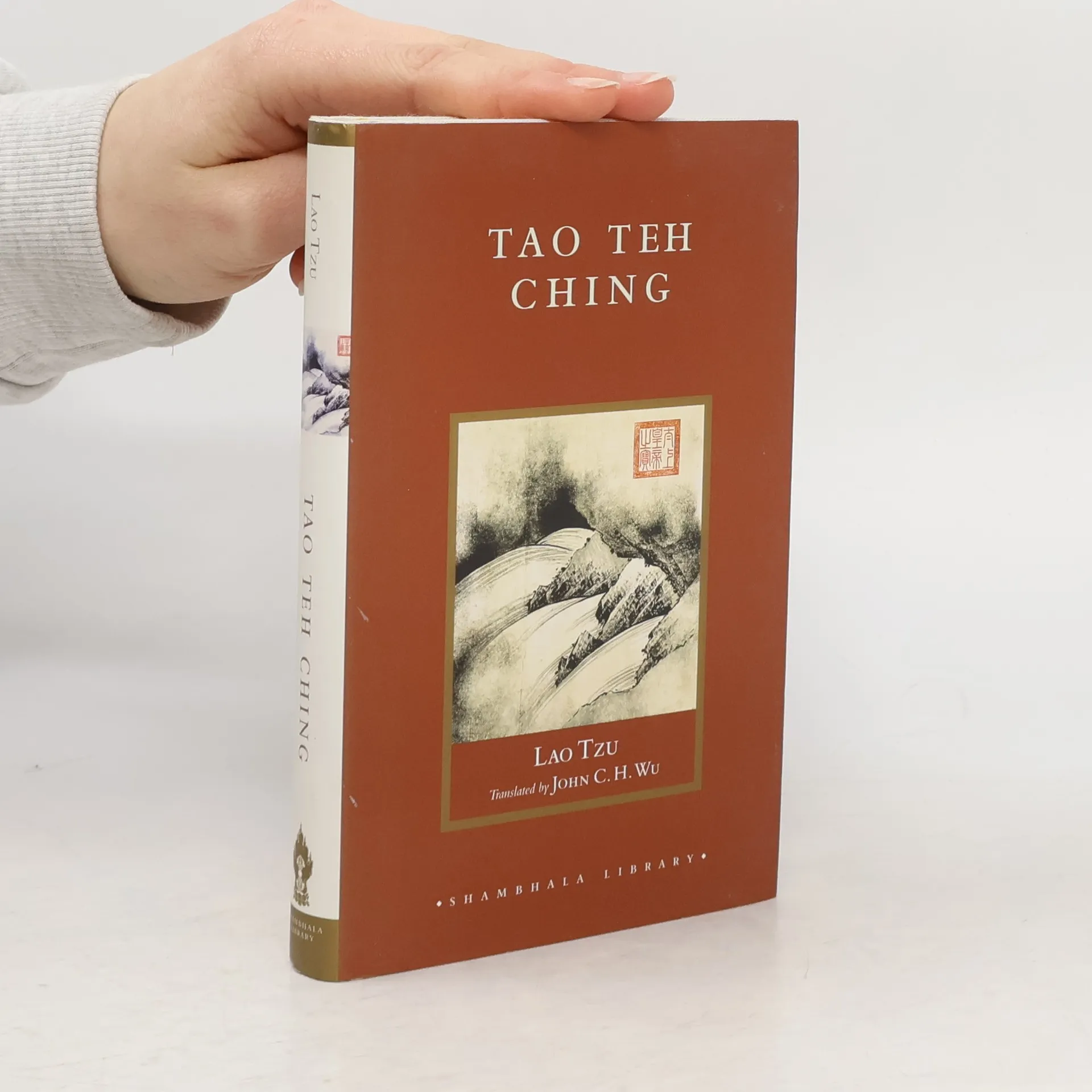
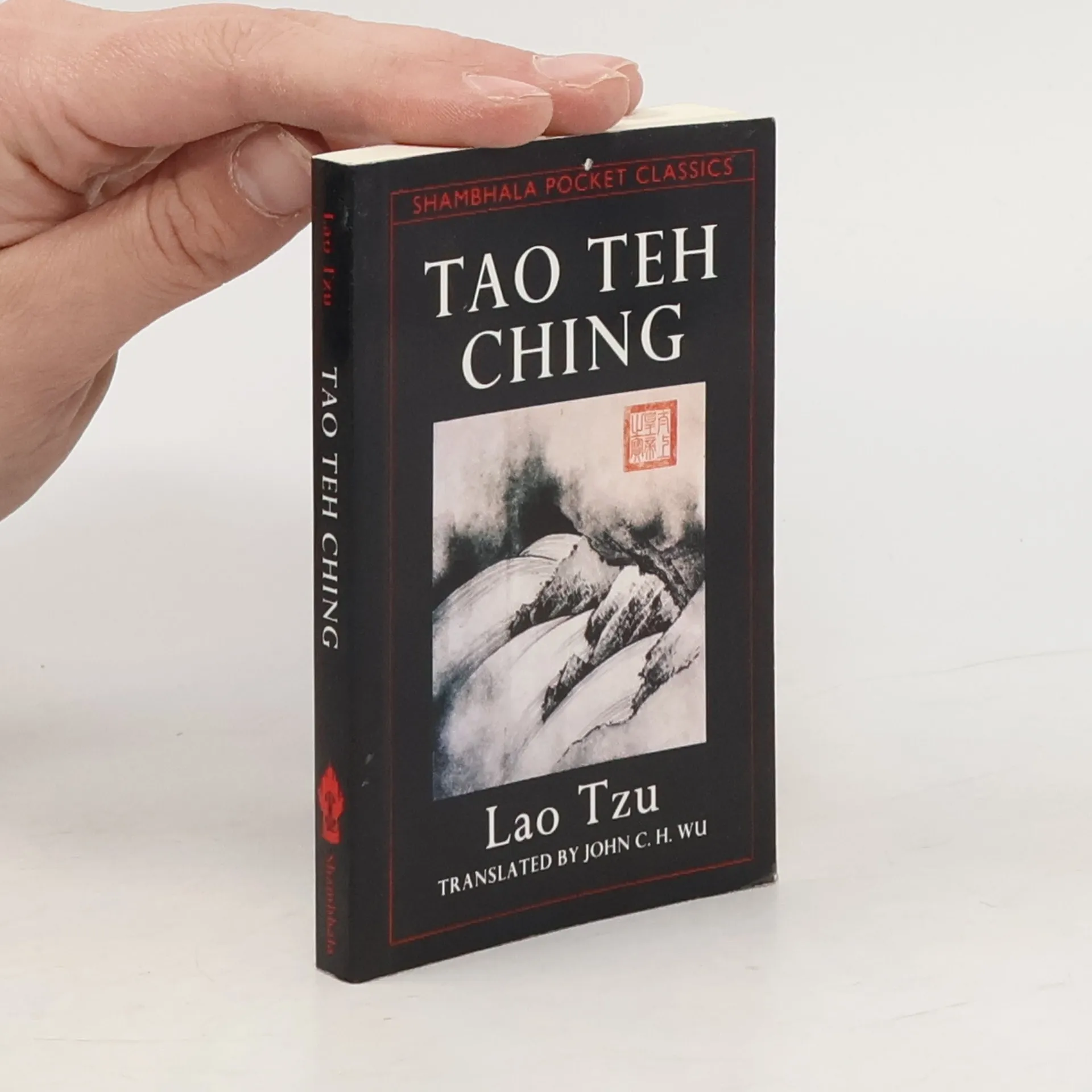
Tao Teh Ching
- 116 stránek
- 5 hodin čtení
Contains the same material as the 1961 printing published by St. John's University Press with the exception that the Chinese version of the text has been removed.


Tento autor, původně známý jako Wu Ching-hsiung, proslul svým intelektuálním rozhledem a hlubokým zájmem o právo a filozofii. Jeho díla se často zabývají průnikem západní a východní myšlenky, přičemž zkoumají univerzální etické principy a jejich aplikaci v moderním světě. Autorův styl se vyznačuje precizností a akademickou erudicí, ale zároveň přístupností pro široké publikum. Jeho myšlenkový odkaz spočívá v překlenutí kulturních a právních rozdílů skrze hlubší pochopení lidské přirozenosti.

Contains the same material as the 1961 printing published by St. John's University Press with the exception that the Chinese version of the text has been removed.
The most widely known and read Chinese classic in the West, the Tao Teh Ching is a series of insightful comments on life and nature. Part poetry, part paradox, always forceful and profound, the Tao Teh Ching has been leading its readers to expand their view of life since it was written over two thousand years ago. The Tao Teh Ching teaches that the qualities of the enlightened sage or ideal ruler are identical with those of the perfected individual. This lucid translation demonstrates that these teachings are as useful in the arts of leadership as they are in developing a sense of balance and harmony in everyday life. John C. H. Wu has done a remarkable job rendering this difficult and subtle text into English while retaining the freshness and depth of the original. This edition features the Chinese text alongside the English translation. The Shambhala Library is a series of exquisitely designed and produced cloth editions of the world's spiritual and literary classics, both ancient and modern. Perfect for collecting or as gifts, each volume features a sewn binding, decorative endsheets, and a ribbon marker—a delightful-to-hold 4 ¼ x 6 ¾ trim size.
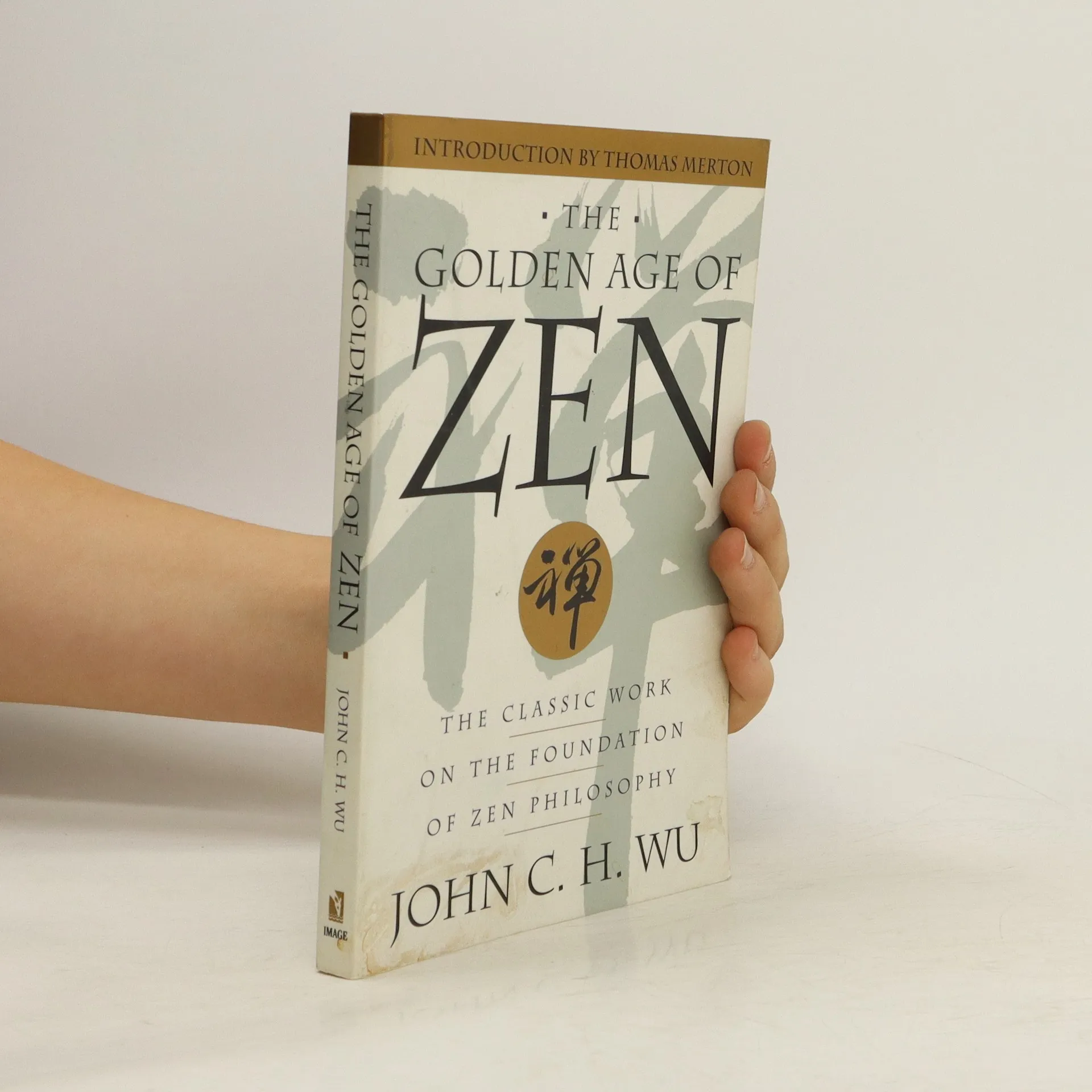
John C. H. Wu's classic work has long been the primary source for understanding the development of this hugely influential branch of Buddhism by students and teachers alike, and now, for the first time, it is available from an American publisher. The Golden Age of Zen explores the important period of religious history that followed the meeting of Buddhism with Chinese philosophies, most particularly Taoism. Wu looks first at the basic foundations of the school of Zen laid down in the sixth century by Bodhidharma and in the seventh century by Hui-neng, and then examines the magnificent flowering of the whole movement in the hands of successive generations of Chinese sages.
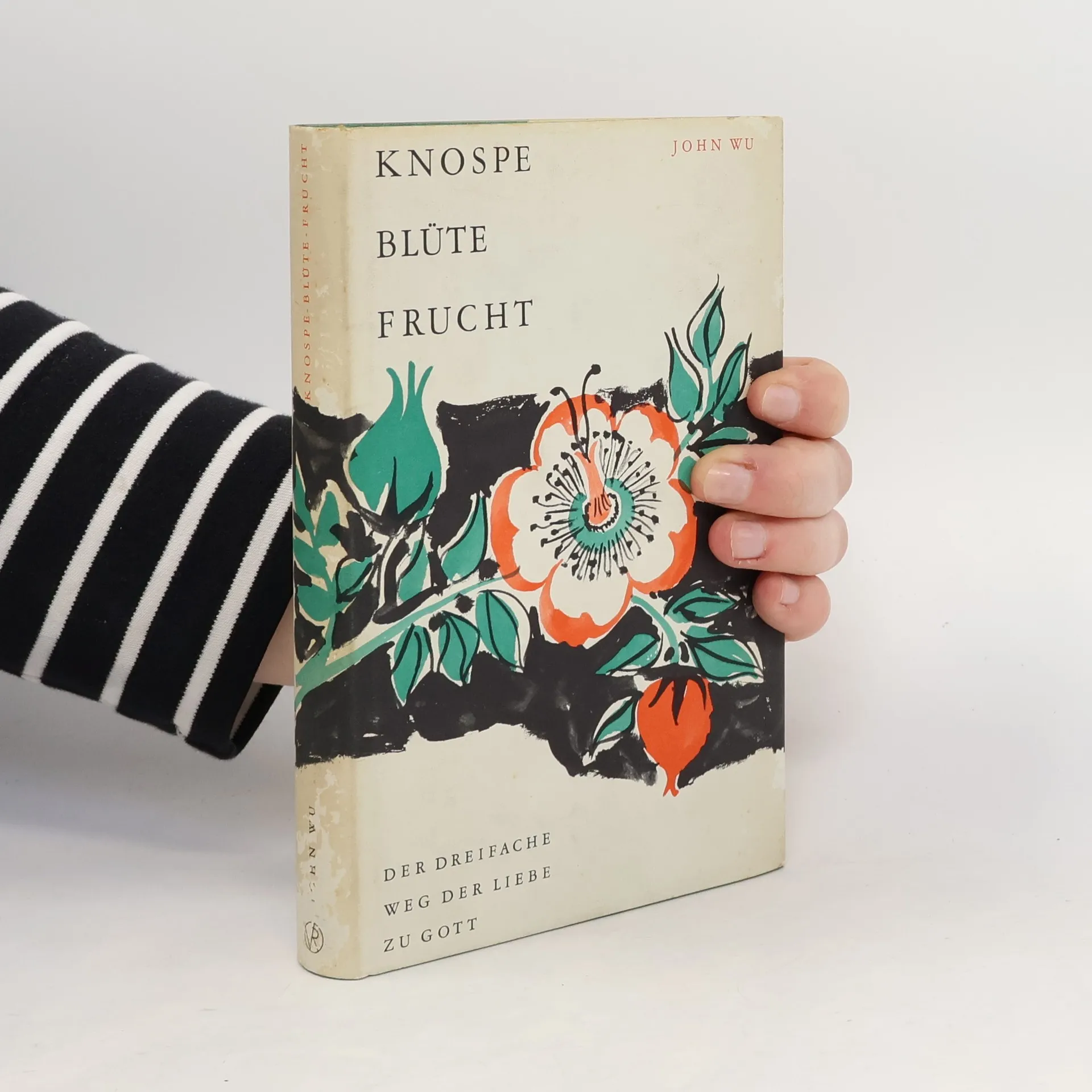
Der dreifache Weg der Liebe zu Gott