

Gayle Rubin laid the foundation for queer theory as a graduate student at Michigan in the early 70s with the essay The Traffic in Women, which was followed a decade later by an equally influential essay, Thinking Sex. This volume collects her essays covering topics ranging from BDSM to feminist debates on pornography and sex to lesbian and gay history.
Gayle S. Rubin Pořadí knih (chronologicky)
Gayle S. Rubin je kulturní antropoložka, která je uznávána jako vlivná teoretička politiky sexuality a genderu. Její práce se zabývá širokou škálou témat, od feminismu a lesbické literatury po sexuální subkultury, se zvláštním zaměřením na městské prostředí. Rubin analyzuje, jak jsou společenské normy a politické síly formovány v rámci sexuálních praktik a identit. Její přístup přispívá k hlubšímu pochopení složitosti sexuality a genderu v moderní společnosti.
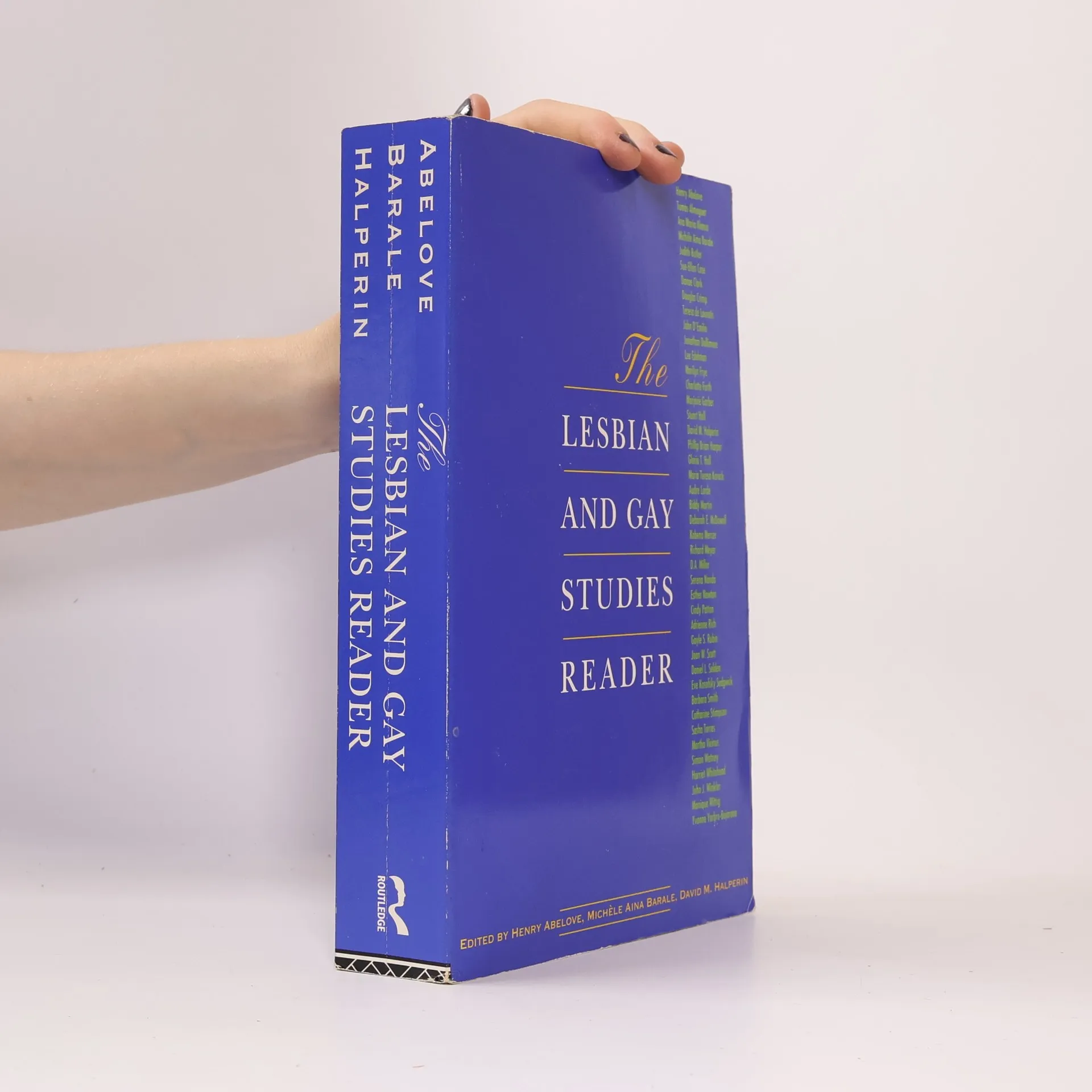

The Lesbian and Gay Studies Reader
- 688 stránek
- 25 hodin čtení
This anthology brings together forty-two influential essays, many regarded as classics, providing a vital overview of contemporary lesbian and gay studies. It showcases the breadth and depth of current scholarship, featuring contributions from esteemed scholars such as Judith Butler, John D'Emilio, and Eve Kosofsky Sedgwick. The essays delve into diverse sexual, ethnic, racial, and socio-economic experiences, reflecting a wide range of disciplines including history, literature, cultural studies, and sociology. The collection addresses significant themes such as gender roles, feminist theory, AIDS, and the politics of representation, while also exploring figures and topics like Oscar Wilde, Gertrude Stein, and the hijras of India. It highlights the cultural construction of gender and sexuality, examining the impact of societal norms on individual identities and experiences. Additionally, the anthology includes an extensive bibliographical essay, serving as a valuable resource for further exploration in the field. The contributions reflect the most important English-language work in lesbian and gay studies, making it an essential read for anyone interested in understanding the complexities of sexual identity and cultural expression.