
Knihobot

Geers Michael

    Mikrofrontendy w akcji
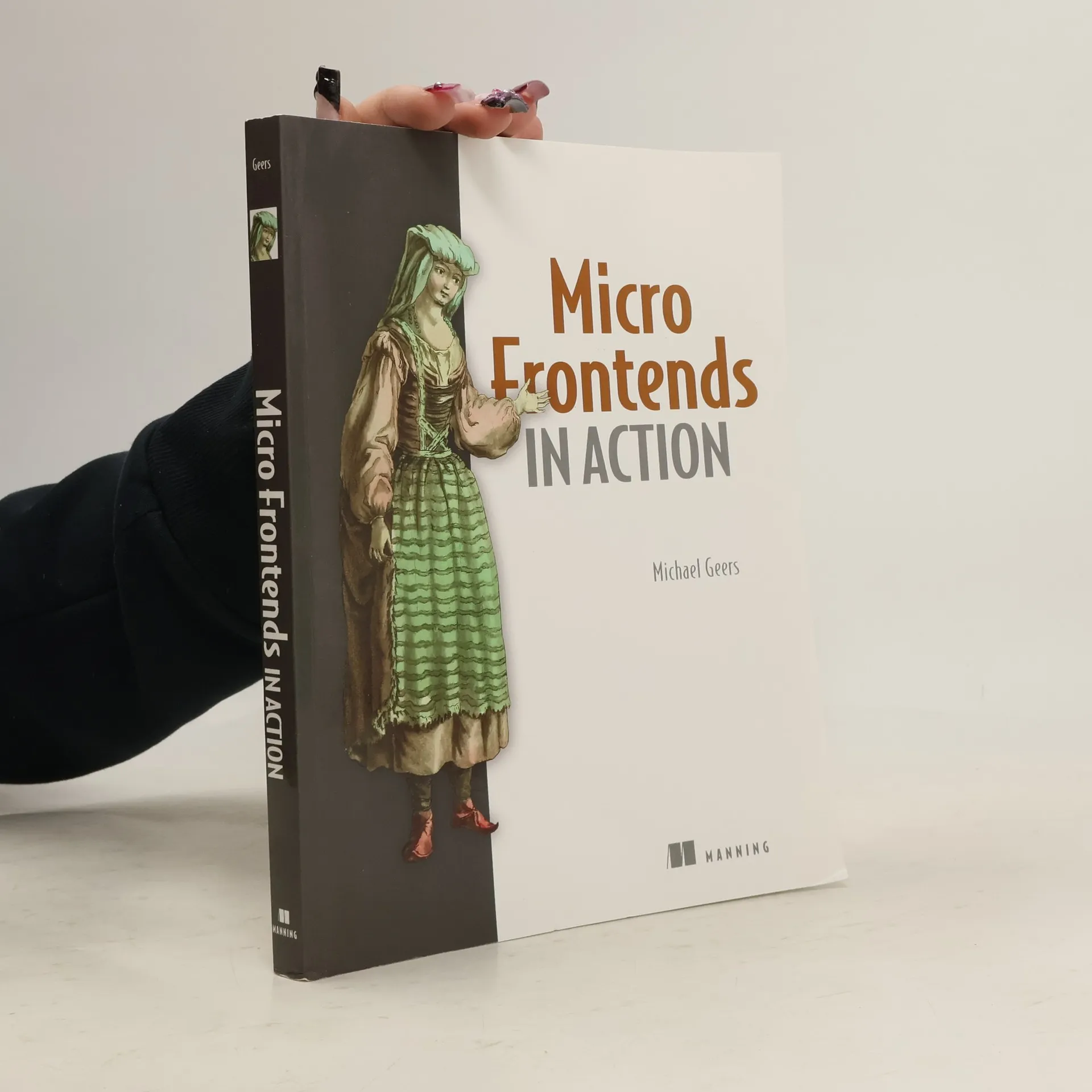
    Micro Frontends in Action
    • Micro Frontends in Action

      • 296 stránek
      • 11 hodin čtení

      Browser-based software can quickly become complex and difficult to maintain, especially when it’s implemented as a large single-page application. By adopting the micro frontends approach and designing your web apps as systems of features, you can deliver faster feature development, easier upgrades, and pick and choose the technology you use in your stack. <i>Micro Frontends in Action</i> is your guide to simplifying unwieldy frontends by composing them from small, well-defined units. <b>Summary</b> Browser-based software can quickly become complex and difficult to maintain, especially when it’s implemented as a large single-page application. By adopting the micro frontends approach and designing your web apps as systems of features, you can deliver faster feature development, easier upgrades, and pick and choose the technology you use in your stack. <i>Micro Frontends in Action</i> is your guide to simplifying unwieldy frontends by composing them from small, well-defined units. Purchase of the print book includes a free eBook in PDF, Kindle, and ePub formats from Manning Publications. <b>About the Technology</b> Micro frontends deliver the same flexibility and maintainability to browser-based applications that microservices provide for backend systems. You design your project as a set of standalone components that include their own interfaces, logic, and storage. Then you develop these mini-applications independently and compose them in the browser. <b>About the Book</b> <i>Micro Frontends in Action</i> teaches you to apply the microservices approach to the frontend. You’ll start with the core micro frontend design ideas. Then, you’ll build an e-commerce application, working through practical issues like server-side and client-side composition, routing, and maintaining a consistent look and feel. Finally, you’ll explore team workflow patterns that maximize the benefit of developing application components independently. <b>What’s Inside</b> - Create a unified frontend from independent applications - Combine JavaScript code from multiple frameworks - Browser and server-side composition and routing - Implement effective dev teams and project workflow <b>About the Reader</b> For web developers, software architects, and team leaders. <b>About the Author</b> <b>Michael Geers</b> is a software developer specializing in building user interfaces. <b>Table of Contents</b> PART 1 - GETTING STARTED WITH MICRO FRONTENDS 1 What are micro frontends? 2 My first micro frontends project PART 2 - ROUTING, COMPOSITION, AND COMMUNICATION 3 Composition with Ajax and server-side routing 4 Server-side composition 5 Client-side composition 6 Communication patterns 7 Client-side routing and the application shell 8 Composition and universal rendering 9 Which architecture fits my project? PART 3 - HOW TO BE FAST, CONSISTENT, AND EFFECTIVE 10 Asset loading 11 Performance is key 12 User interface and design system 13 Teams and boundaries 14 Migration, local development, and testing

      Micro Frontends in Action
    • Mikrofrontendy w akcji

      • 328 stránek
      • 12 hodin čtení

      Kilka lat temu aplikacje monolityczne uznano za przestarzałe, a pojęcie mikrousług dotyczyło głównie backendu. Rozwój mikrousług doprowadził do budowy architektury frontendu opartej na podobnych zasadach. Mikrofrontendy oferują elastyczność i łatwość utrzymania, pozwalając na stworzenie systemu z samowystarczalnych komponentów, które mają własne interfejsy, logikę i bazy danych. Te niezależnie rozwijane elementy łączą się w przeglądarce użytkownika i są wykorzystywane przez czołowych graczy na rynku. Książka jest skierowana do programistów aplikacji internetowych, architektów oprogramowania i inżynierów. Wyjaśnia ideę podziału monolitu na komponenty oraz zastosowanie architektury mikrousług w frontendzie. Zawiera omówienie kompozycji po stronie klienta i serwera, routingu oraz zapewnienia spójnego wyglądu. Autor porusza również organizację pracy zespołów programistycznych, co zwiększa korzyści z mikrofrontendów. Książka prezentuje praktyczne podejście, pokazując etapy tworzenia w pełni funkcjonalnej aplikacji internetowej. Kluczowe zagadnienia obejmują strategie integracji, spójność interfejsów użytkownika oraz wydajność. Michael Geers, doświadczony projektant aplikacji, specjalizuje się w budowie interfejsów użytkownika i często występuje na konferencjach branżowych.

      Mikrofrontendy w akcji