

Knihobot

Florin Curta

    Florin Curta je profesorem středověké historie a archeologie, který se zaměřuje na raně středověkou Evropu. Jeho práce se vyznačuje hlubokým prozkoumáváním historických a archeologických pramenů a zkoumá formování raných evropských společností. Curta se zabývá klíčovými procesy, jako je etnogeneze a vytváření hranic, a nabízí podrobné analýzy těchto jevů. Jeho výzkum osvětluje složitost a dynamiku raně středověkých regionů.

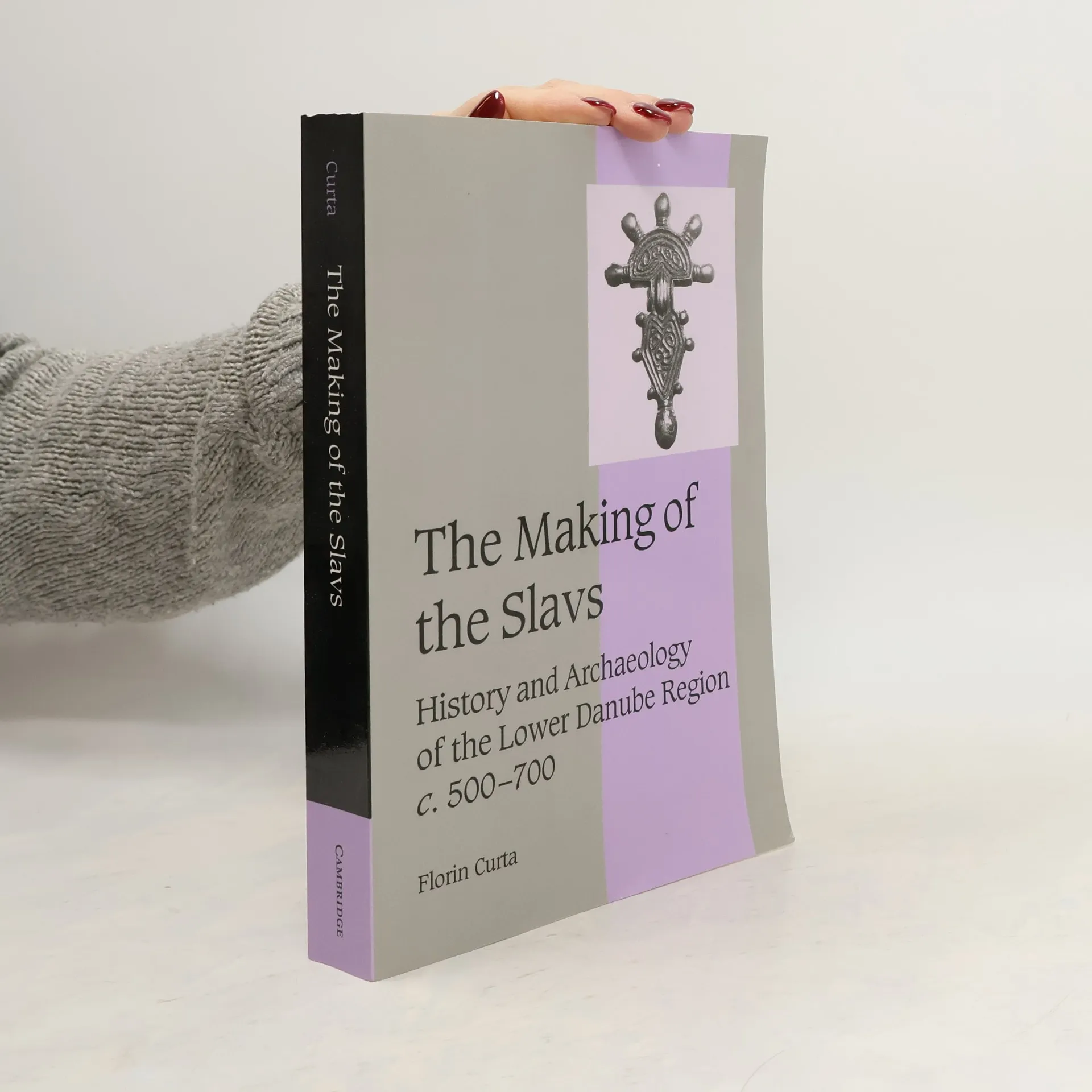
    Cambridge Studies in Medieval Life and Thought: Fourth Series - 52: The Making of the Slavs
    Slavs in the Making
    Southeastern Europe in the Middle Ages 500-1250
    • Slavs in the Making

      History, Linguistics, and Archaeology in Eastern Europe (ca. 500 - ca. 700)

      • 352 stránek
      • 13 hodin čtení

      Focusing on early medieval Eastern Europe, this book explores the impact of migration on the region's archaeology. It offers insights into the formation of Slavic identities and societies, making it a valuable resource for scholars and students interested in medieval history and the dynamics of migration in Eastern and Central Europe.

      Slavs in the Making2020
    • Cambridge Studies in Medieval Life and Thought: Fourth Series - 52: The Making of the Slavs

      History and Archaeology of the Lower Danube Region, c. 500-700

      • 496 stránek
      • 18 hodin čtení

      This book offers a new approach to the problem of Slavic ethnicity in southeastern Europe between c. 500 and c. 700. The author shows how Byzantine authors "invented" the Slavs, in order to make sense of political and military developments taking place in the Balkans. Making extensive use of archaeology to show that such developments resulted in the rise of powerful leaders, responsible for creating group identities and mobilizing warriors for successful raids across the frontier. The author rejects the idea of Slavic migration, and shows that "the Slavs" were the product of the frontier.

      Cambridge Studies in Medieval Life and Thought: Fourth Series - 52: The Making of the Slavs2007
    • Southeastern Europe in the Middle Ages stood at a crossroads of trade and crusading routes, within the sphere of influence of both the Byzantine Orthodox Church and Latin Christendom. This innovative and expansive survey draws on historical and archaeological sources in the narration of 750 years of the region's history. Among a number of key themes it addresses the rise of medieval states, the conversion to Christianity, the monastic movement inspired by developments in Western Europe and in Byzantium and the role of material culture in the representation of power.

      Southeastern Europe in the Middle Ages 500-12502006
      5,0