Don je přední světovou autoritou v oblasti inovací, médií a dopadu technologií na ekonomiku a společnost. Jeho práce pronikavě zkoumá transformativní sílu internetu a zavádí klíčové koncepty jako „digitální propast“ a „generace net“. Jeho analýzy masové spolupráce a propojeného světa nabízí hluboký vhled do výzev a příležitostí naší doby.
K úspěchu v podnikání dnes už nestačí pouze intenzivně využívat manažerské strategie. Seznamte se se čtyřmi základními principy, kterými se nová spolupráce řídí. 1. Otevřenost 2. Rovnocennost 3. Sdílení 4. Jednání v rámci celého světa Získáte odpovědi, jak konkurovat a vydělávat. Naučíte se, jak zásady komunikace a spolupráce úspěšně využít ve svém obchodování!
Rebooting Business and the World - International Edition
The global financial crisis of 2008 highlighted the need for a new approach to governing the economy, emphasizing transparency, integrity, and collaboration in financial services. As the crisis spread to other sectors, including environmental and sovereign debt issues, it became evident that traditional institutions were struggling to adapt. However, amidst the turmoil, there is optimism as a new model of economic and social innovation emerges worldwide. This model empowers individuals with passion and expertise to leverage Web-based tools for creating a more prosperous, just, and sustainable world. Drawing parallels to collaborative projects like Wikipedia and Linux, there is a historic opportunity to harness collective human ingenuity to reshape institutions for future generations. This follow-up to a best-selling management book presents a game plan for addressing global challenges through collaborative innovation across various fields such as healthcare, education, and energy. It showcases dynamic innovators and movements that are transforming industries and argues that the potential for collaboration extends beyond software and media to include government, education, and healthcare. These opportunities are not mere fantasies but tangible possibilities enabled by the principles of wikinomics.
Strategies for Globalization, Talent Management and High Performance
288 stránek
11 hodin čtení
Every day, workforce talent is becoming harder to gain and easier to lose. A mix of changing demographics, reduced engagement, and the need for new skills is forcing organizations to rethink their recruitment and retention strategies. Neglecting to manage and grow talent can lead to a significant decline in business performance. This book combines a strategic analysis of key issues with practical approaches to effectively recruit, manage, engage, and retain talent. The authors, experts from Accenture, draw on extensive international research to highlight trends impacting recruitment and retention, providing insights to help organizations secure the right talent.
With the information provided, you will be able to place talent at the core of your business strategy, hold leaders accountable for employee engagement, build capabilities in learning and skills development, establish diversity as a strategic asset, and involve your entire organization in talent identification and nurturing. Featuring case studies, research findings, and practical tools, this book offers an objective platform for evaluating talent within your company. It empowers you to understand the forces affecting recruitment and retention, enabling you to leverage them for the long-term benefit of your organization and customers.
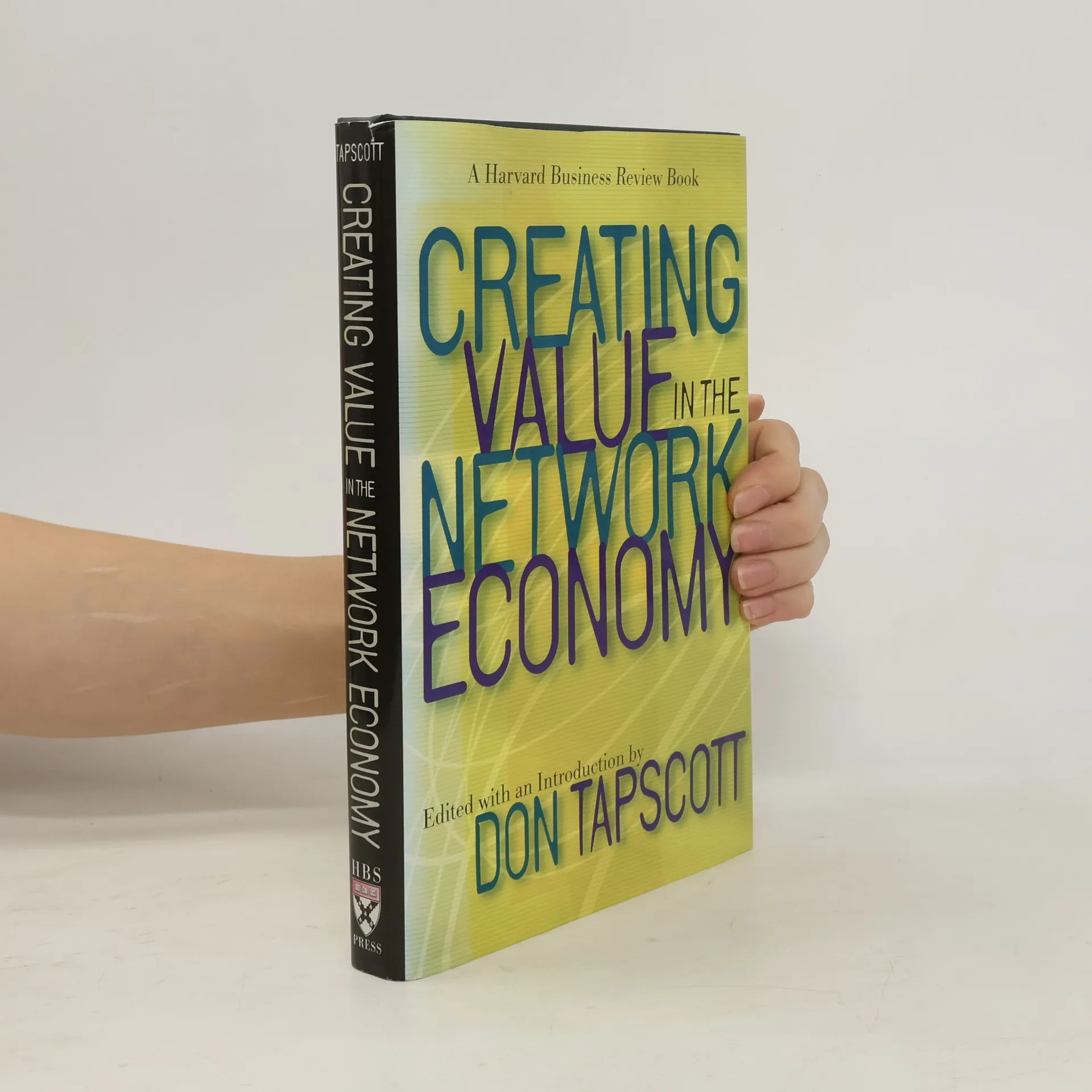
Don Tapscott organizes some of the Harvard Business Review's most insightful articles into a framework for understanding the new dynamics of value and wealth in the networked world.A rich mix of ideas and insights, Creating Value in the Network Economy explores all aspects of the interconnected business environment, from the importance of trust in the virtual organization and the changing nature of customer relationships to new ways that companies can generate returns from their intellectual assets. The real-world examples from companies such as Amazon.com, eBay, The Wall Street Journal, and Auto-by-Tel help managers to see more clearly the opportunities for transfiguring their business around the Internet.
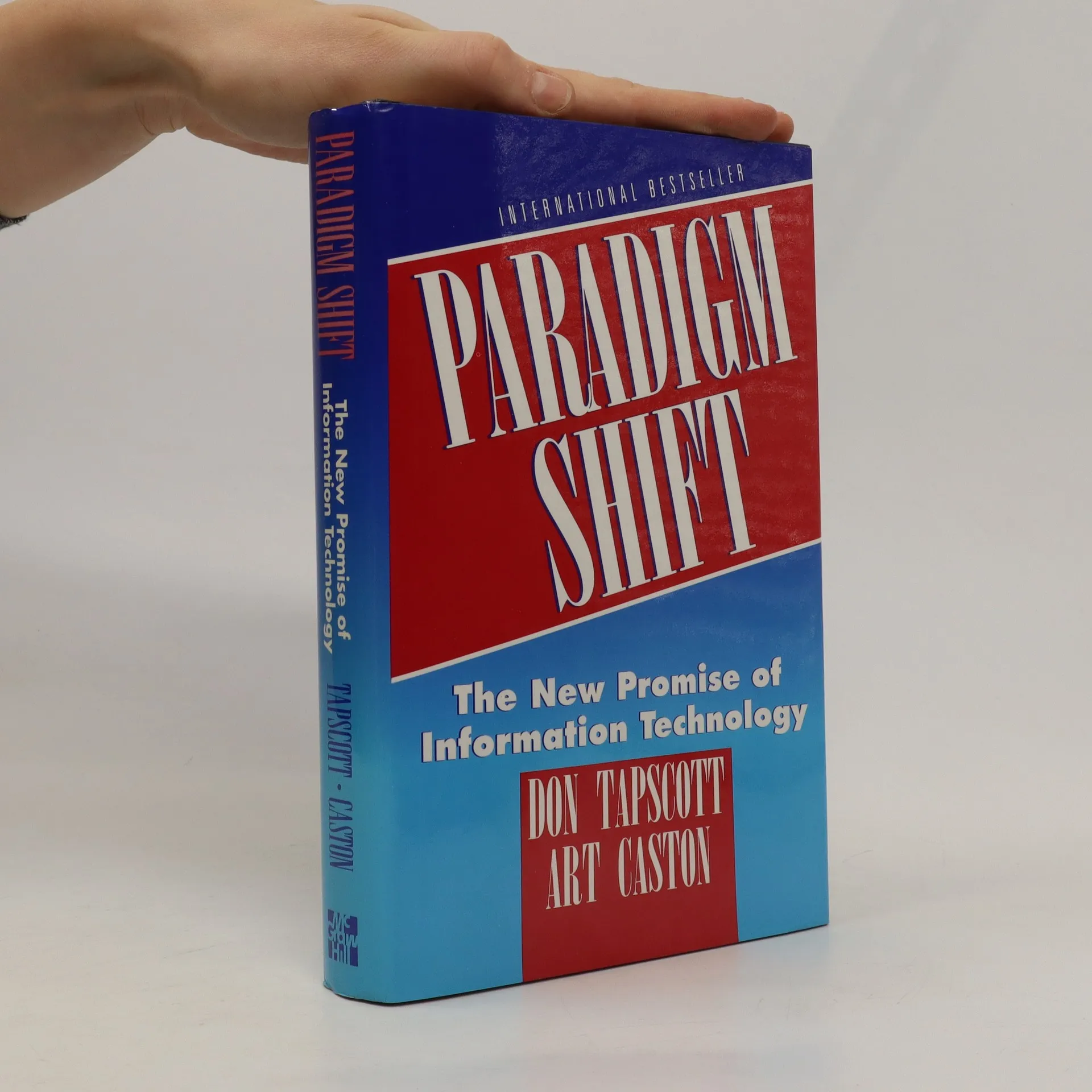
Organizations are striving to reinvent themselves in response to today's volatile global business environment, but existing computing systems often hinder this transformation. These systems are limited, costly, and slow to adapt. This book outlines how a new era of technology can facilitate the transition to a more effective enterprise. It offers guidance for managers and professionals, regardless of technical expertise, on how to leverage technology for immediate benefits while positioning their organizations for long-term success.
Based on extensive investigations of over 4,500 businesses and government entities, the text synthesizes the experiences of leading companies navigating this transition. It highlights the potential of new technology to create open, networked "client/server" enterprises, impacting various aspects of business operations. Key topics include work-group computing, business process reengineering, and enterprise computing, all aimed at fostering high-performance teams and enhancing integration with customers and partners.
The book discusses significant shifts in information technology, such as the movement from proprietary to open systems, host-based to network-based systems, and software craft to manufacturing. Most importantly, it provides critical insights on successfully transitioning to a second-era enterprise, drawing on real-world examples from notable companies like Toys 'R' Us and Federal Expr
The bestselling book announcing the arrival of the Net Generation--those kids who are growing up digital--now in paperback. Heraled by Library Journal as one of the Best Business Books of 1997, Growing Up Digital tells how the N-Generation is learning to communicate, work, shop and play in profoundly new ways--and what implications this has for the world and business. Growing Up Digital offers an overview of the N-Generation, the generation of children who in the year 2000 will be between the ages of two and twenty-two. This group is a "tsunami" that will force changes in communications, retailing, branding, advertising, education, etc. Tapscott commends that the N-Generation are becoming so technologically proficient that they will "lap" their parents and leave them behind. The book also demonstrates the common characteristics of the acceptance of diversity, because the Net doesn't distinguish between racial or gender identities, curiosity about exploring and discovering new worlds over the Internet and assertiveness and self-reliance, which result when these kids realize they know more about technologythan the adults around them.
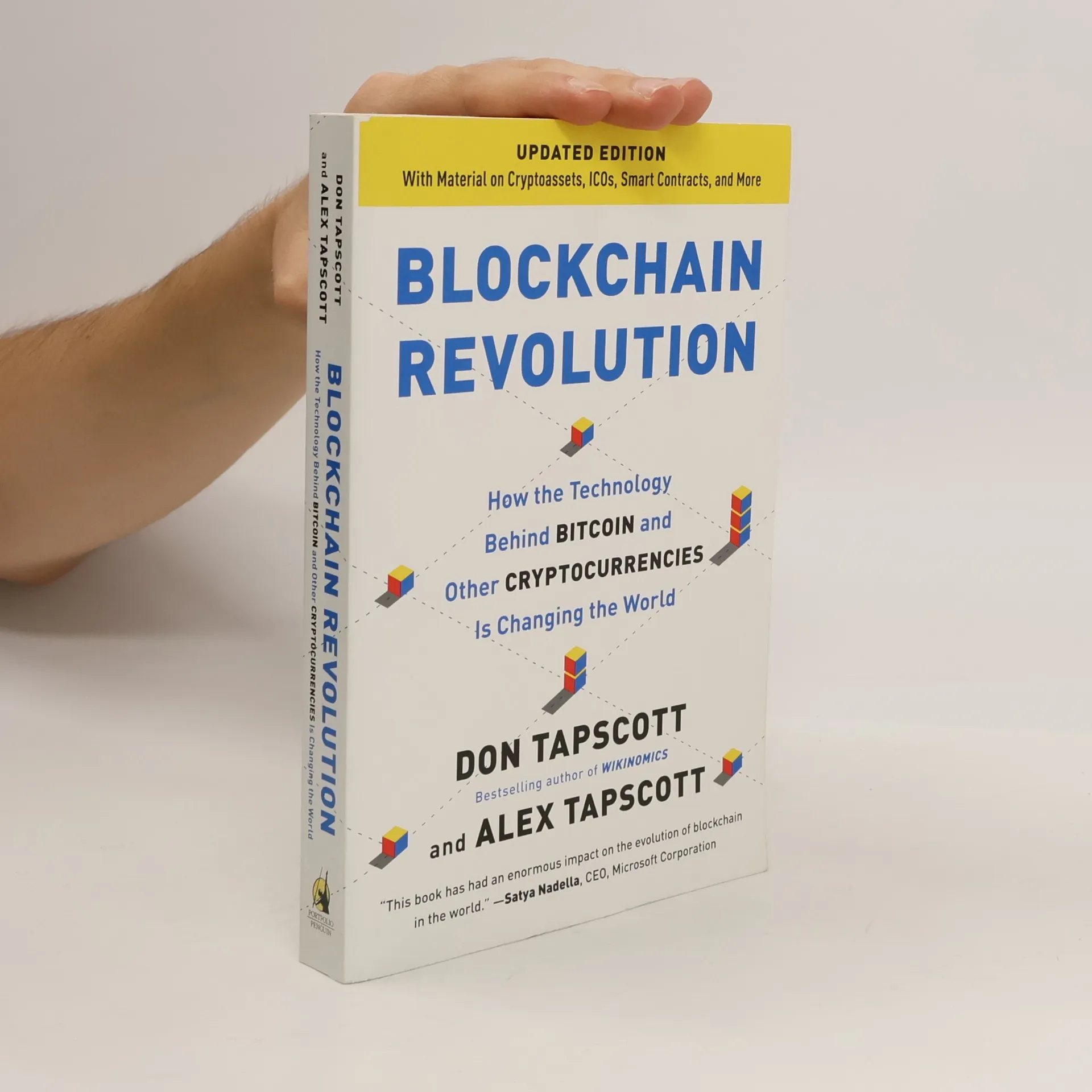
The first, foundational book on blockchain technology, from the bestselling author of Wikinomics Don Tapscott and blockchain expert Alex Tapscott, now in paperback with a new preface and chapter explaining recent developments in the world of blockchain, including cryptoassets, ICOs, smart contracts, and more. “This book has had an enormous impact on the evolution of blockchain in the world.” —Satya Nadella, CEO, Microsoft Corporation In this revelatory book, Don and Alex Tapscott bring us a brilliantly researched, highly readable, and essential book about the technology driving the future of the economy. Blockchain is the ingeniously simple, revolutionary protocol that allows transactions to be simultaneously anonymous and secure by maintaining a tamperproof public ledger of value. Though it’s best known as the technology that drives bitcoin and other digital currencies, it also has the potential to go far beyond currency, to record virtually everything of value to humankind, from birth and death certificates to insurance claims, land titles, and even votes. As with major paradigm shifts that preceded it, blockchain technology will create winners and losers. This book shines a light on where it can lead us in the next decade and beyond.
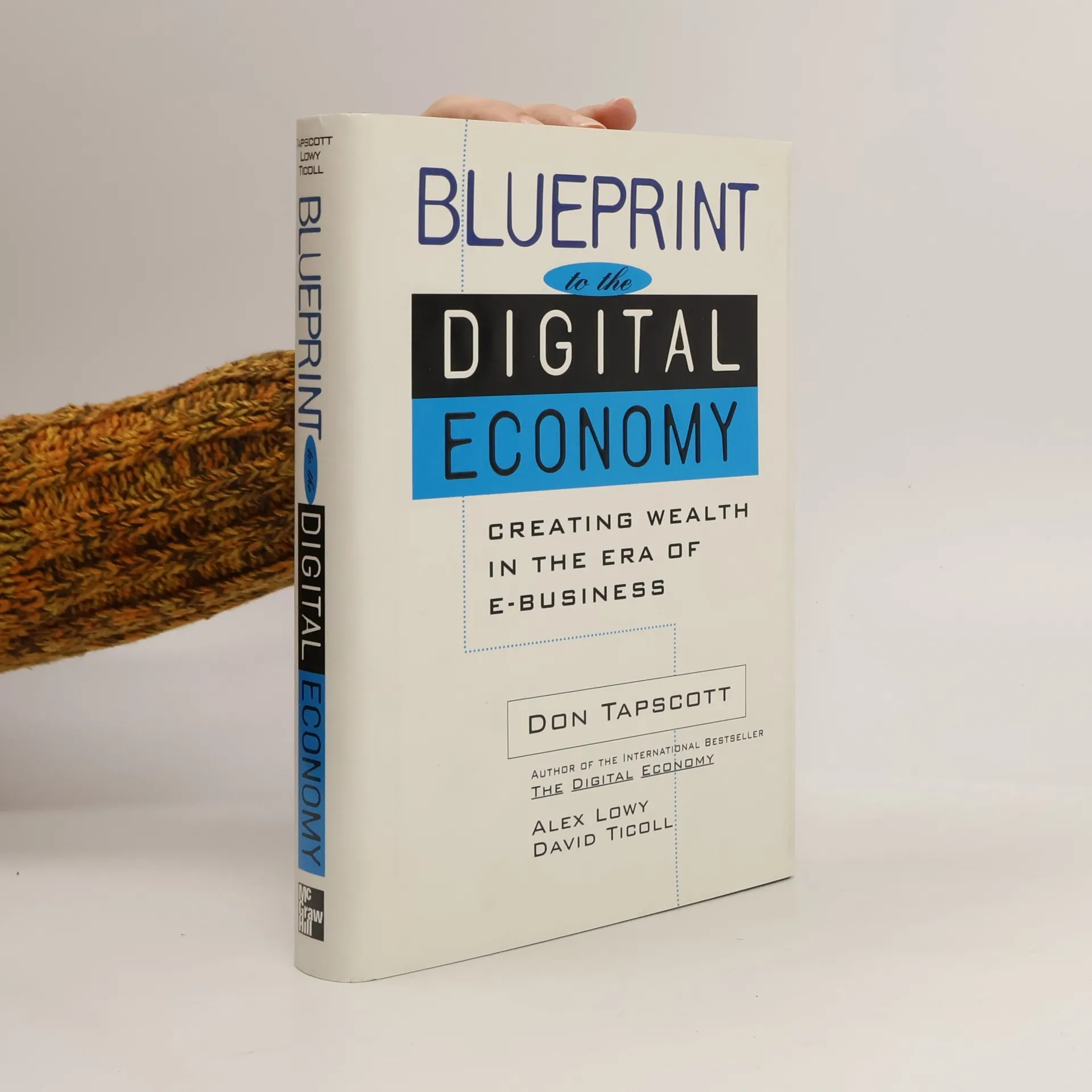
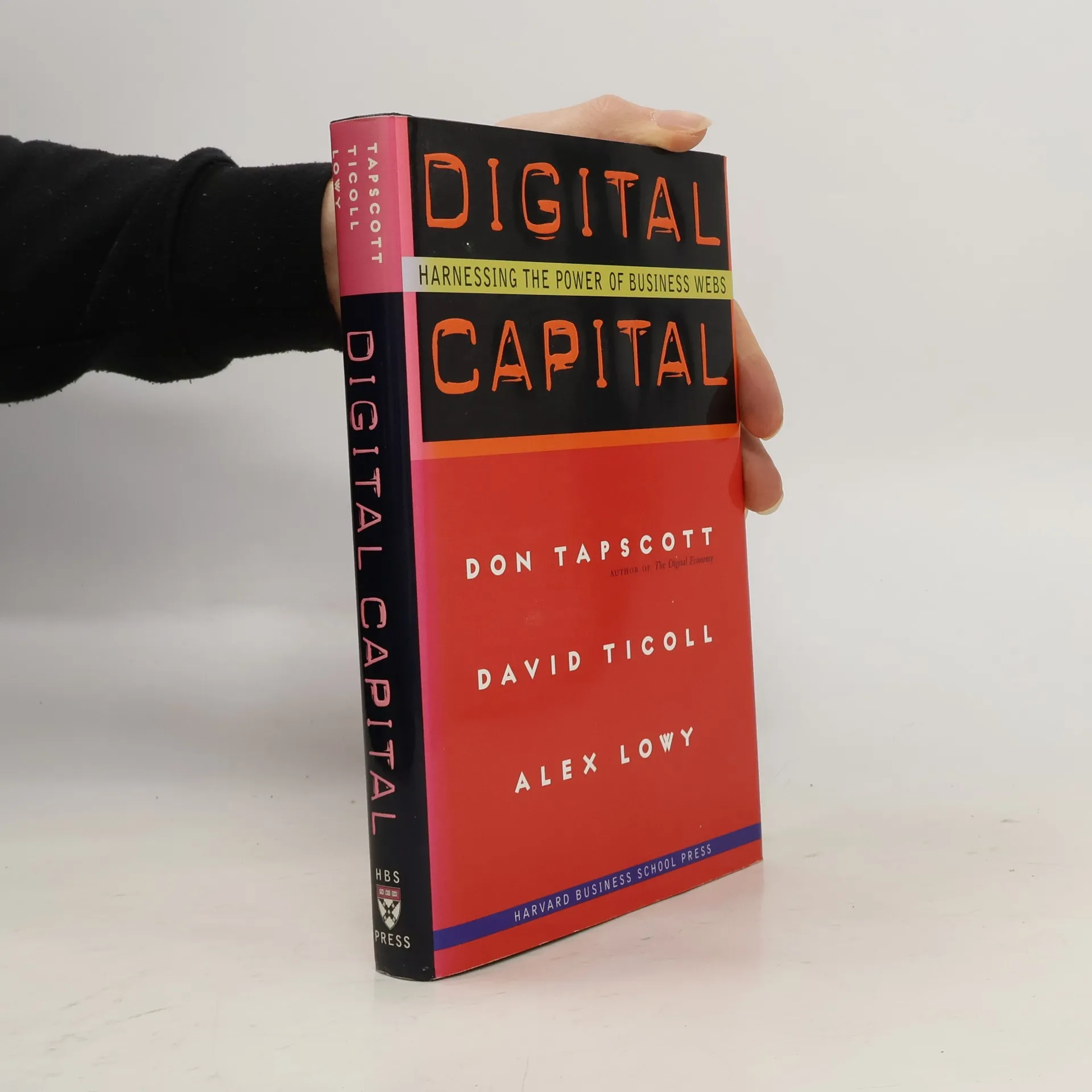
This work demonstrates how readers can become part of a business web- a group of businesses that work towards a unified goal. Such webs are replacing the traditional business structure to create wealth.