
Knihobot

Eric Schwitzgebel

    Eric Schwitzgebel je americký filozof, jehož práce se zabývá zejména propojením empirické psychologie a filozofie mysli. Zkoumá také povahu přesvědčení a způsoby, jakými se naše vnitřní přesvědčení projevují navenek. Jeho filozofický přístup často čerpá z poznatků o lidském myšlení a chování, aby osvětlil hlubší metafyzické otázky.

    The Weirdness of the World
    A Theory of Jerks and Other Philosophical Misadventures
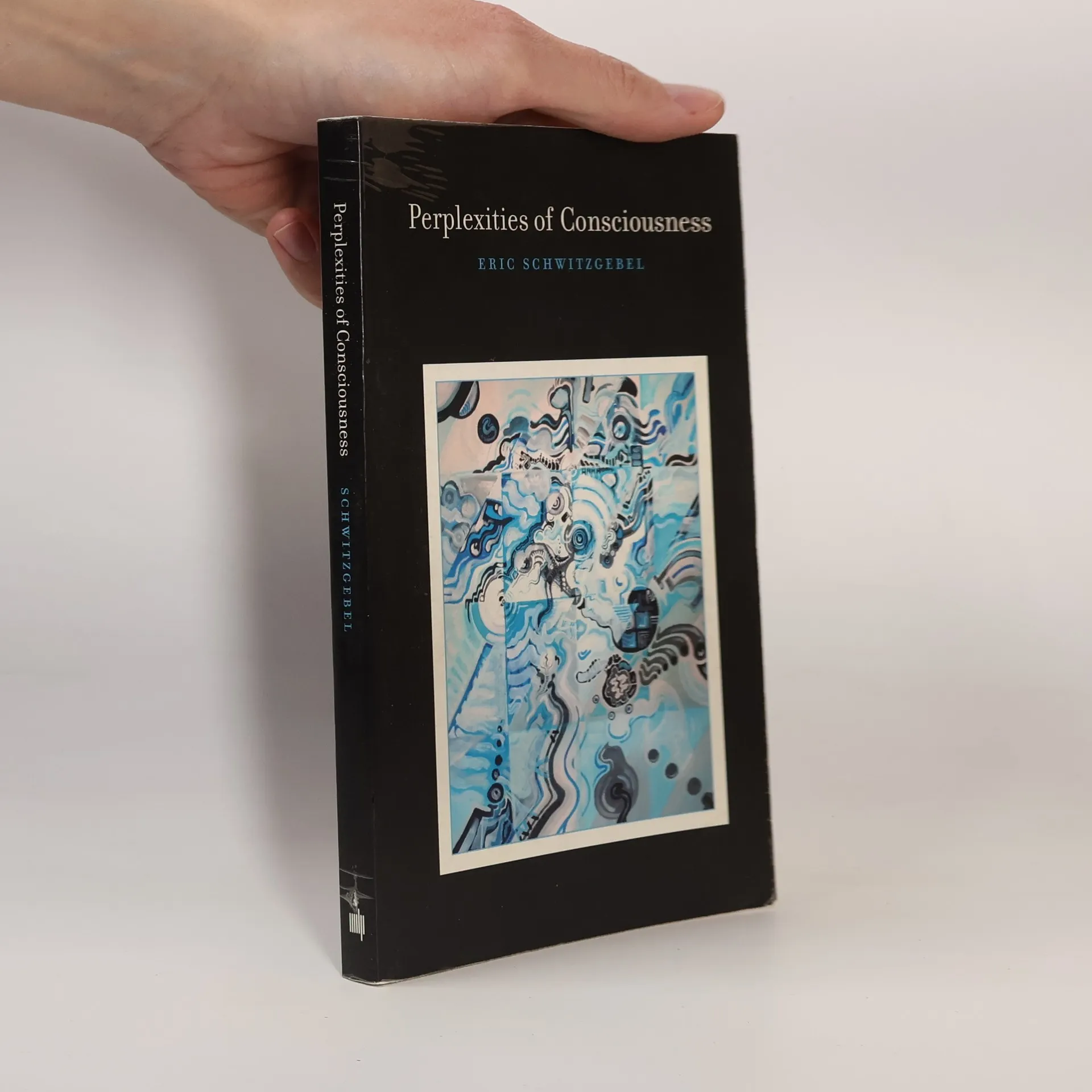
    Perplexities of Consciousness
    • Perplexities of Consciousness

      • 240 stránek
      • 9 hodin čtení

      A philosopher argues that we know little about our own inner lives. Do you dream in color? If you answer Yes, how can you be sure? Before you recount your vivid memory of a dream featuring all the colors of the rainbow, consider that in the 1950s researchers found that most people reported dreaming in black and white. In the 1960s, when most movies were in color and more people had color television sets, the vast majority of reported dreams contained color. The most likely explanation for this, according to the philosopher Eric Schwitzgebel, is not that exposure to black-and-white media made people misremember their dreams. It is that we simply don't know whether or not we dream in color. In Perplexities of Consciousness, Schwitzgebel examines various aspects of inner life (dreams, mental imagery, emotions, and other subjective phenomena) and argues that we know very little about our stream of conscious experience. Drawing broadly from historical and recent philosophy and psychology to examine such topics as visual perspective, and the unreliability of introspection, Schwitzgebel finds us singularly inept in our judgments about conscious experience.

      Perplexities of Consciousness
      3,0
    • Have you ever wondered why some people behave poorly? Pondered whether a driverless car should sacrifice one life to save others? Found a robot endearing? In this engaging and enlightening work, Eric Schwitzgebel examines these intriguing questions through a philosophical lens. The collection features quirky, accessible essays that explore a wide range of topics, from the consciousness of garden snails to the complexities of time, space, and causation. A recurring theme is the limitations of human intellect, where moral and philosophical reflections often lead to doubts and unexpected conclusions. The history of philosophy reveals how even the most confident thinkers have erred, as seen in discussions of Kant's views on various moral dilemmas. Some essays defy easy categorization, addressing the philosophical implications of dreidels, the evolving nature of profanity, and optimistic fatherhood, yet they remain captivating. Schwitzgebel has curated these pieces from over a thousand published since 2006 on his blog, The Splintered Mind, revising them for this collection. Philosophy has never been this entertaining.

      A Theory of Jerks and Other Philosophical Misadventures
      3,7