The Secret History of Neoliberalism (& How It Came to Control Your Life)
224 stránek
8 hodin čtení
Featuring powerful endorsements from prominent figures, this book promises to deliver impactful insights and compelling arguments. It tackles pressing issues with a unique perspective, aiming to inspire action and change. The strong reactions from notable supporters highlight its relevance and potential to resonate with a wide audience. Expect a thought-provoking read that encourages readers to reflect on important societal themes and take meaningful steps towards progress.
We live under an ideology that preys on every aspect of our lives: our education and our jobs; our healthcare and our leisure; our relationships and our mental wellbeing; even the planet we inhabit - the very air we breathe. So pervasive has it become that, for most people, it has no name. It seems unavoidable, like a natural law. But trace it back to its roots, and we discover that it is neither inevitable nor immutable. It was conceived, propagated, and then concealed by the powerful few. It is time to bring it into the light - and, in doing so, to find an alternative worth fighting for. Neoliberalism. Do you know what it is?
Exploring innovative solutions, this book presents a dual approach to addressing two of the world's most pressing issues: climate change and global hunger. It delves into sustainable practices and technologies that can simultaneously mitigate environmental damage and enhance food security. By examining case studies and proposing actionable strategies, the author inspires readers to envision a future where ecological balance and human nourishment coexist harmoniously.
A leading environmental and political commentator draws a roadmap towards new politics—offering a rallying cry for a new vision of what a ‘good’ society can be—in this “dazzling command of science and relentless faith in people” (Naomi Klein, author of The Shock Doctrine) What does the good life—and the good society—look like in the 21st century? A toxic ideology of extreme competition and individualism has come to dominate our world. It misrepresents human nature, destroying hope and common purpose. Only a positive vision can replace it, a new story that re-engages people in politics and lights a path to a better future. George Monbiot shows how new findings in psychology, neuroscience and evolutionary biology cast human nature in a radically different light: as the supreme altruists and cooperators. He shows how we can build on these findings to create a new politics: a “politics of belonging.” Both democracy and economic life can be radically reorganized from the bottom up, enabling us to take back control and overthrow the forces that have thwarted our ambitions for a better society. Urgent and passionate, Out of the Wreckage provides the hope and clarity required to change the world.
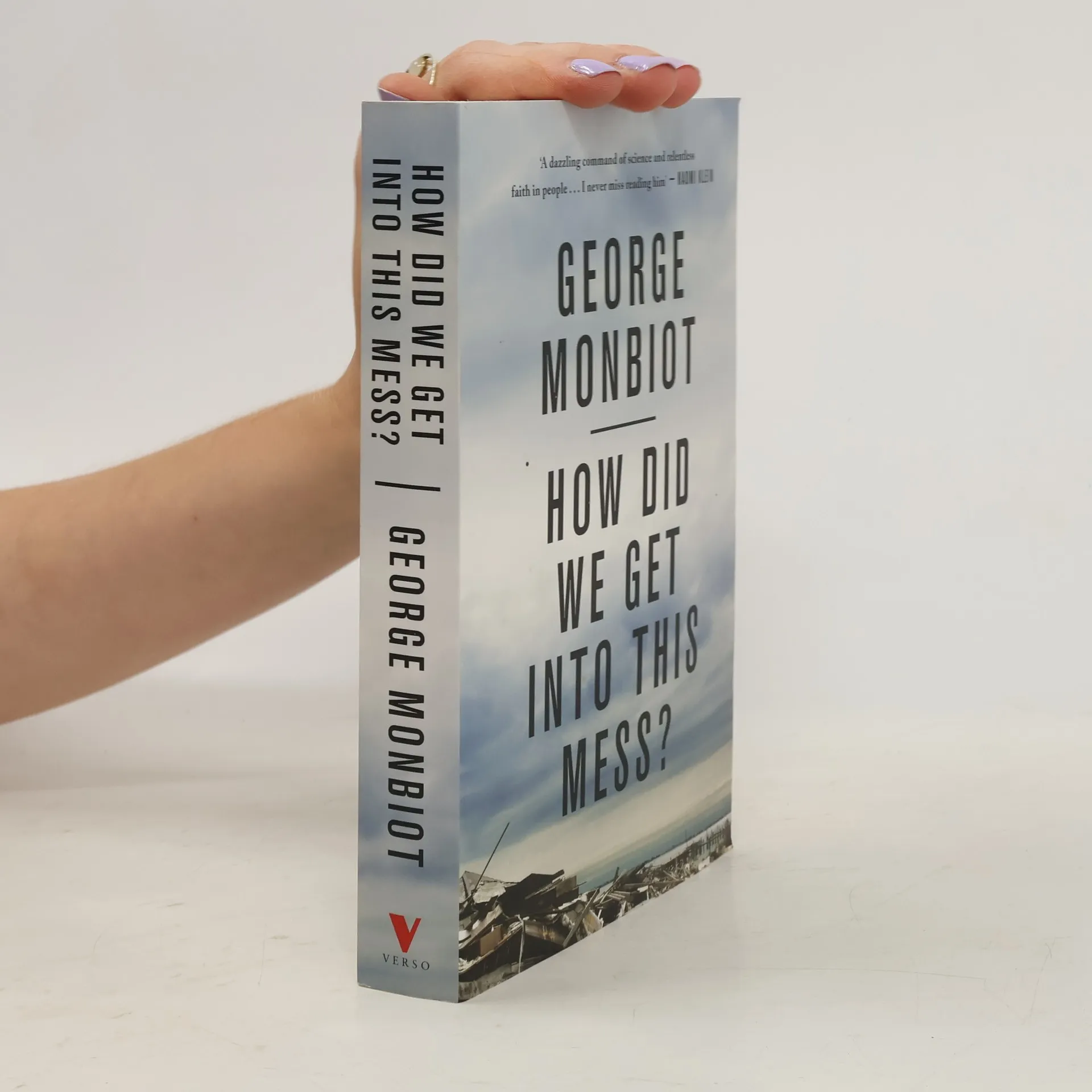
George Monbiot is one of the most vocal, and eloquent, critics of the current consensus. How Did We Get into this Mess?, based on his powerful journalism, assesses the state we are now in: the devastation of the natural world, the crisis of inequality, the corporate takeover of nature, our obsessions with growth and profit and the decline of the political debate over what to do. While his diagnosis of the problems in front of us is clear-sighted and reasonable, he also develops solutions to challenge the politics of fear. How do we stand up to the powerful when they seem to have all the weapons? What can we do to prepare our children for an uncertain future? Controversial, clear but always rigorously argued, How Did We Get into this Mess? makes a persuasive case for change in our everyday lives, our politics and economics, the ways we treat each other and the natural world
How many of us feel confined in our lives, yearning for a broader existence? This gripping narrative chronicles George Monbiot's journey to reconnect with nature and explore a new way of living. He illustrates how restoring and rewilding damaged ecosystems can reintroduce wonder into our lives. By incorporating remarkable scientific insights, the story presents a fresh, positive environmentalism that allows nature to thrive on its own terms.
Critics have praised the book as passionate and timely, emphasizing the need for expansive thinking and a break from the stifling effects of modern monoculture. It resonates with a collective desire to rewild both our landscapes and ourselves, presenting an optimistic vision for the future. The author advocates for a world less dominated by fear and greed, encouraging readers to rethink their perspectives on nature.
The narrative invites us to imagine lost lives and species that could still exist, igniting dreams of a wilder world where creatures like lynx and beavers roam freely. This thought-provoking work challenges us to reconsider our relationship with the environment and inspires a longing for a more vibrant, interconnected existence.
In these incendiary essays, George Monbiot tears apart the fictions of religious conservatives, the claims of those who deny global warming and the lies of the governments and newspapers that led us into war. He takes no prisoners, exposing government corruption in devastating detail while clashing with people as diverse as Bob Geldof, Ann Widdecombe and David Bellamy. But alongside his investigative journalism, Monbiot's book contains some remarkable essays about what it means to be human. Monbiot explores the politics behind Constable's The Cornfield, shows how driving cars has changed the way we think and argues that eternal death is a happier prospect than eternal life.
Everything You Didn't Want to Know About Climate Change But Probably Should Find Out
96 stránek
4 hodiny čtení
Presented by Britain's leading environmental cartoonist, this comic book explains the scientific principles behind climate change. It also includes an introduction by George Monbiot.
Started to worry about just how hot our world is going to get, and whether you
can do anything about it? As the effect of climate change grows by the day, so
does the amount of hot air and bluster spouted by politicians and businessmen
on what we should do about it. Using investigative journalism, this work
presents facts and inspiring ideas.
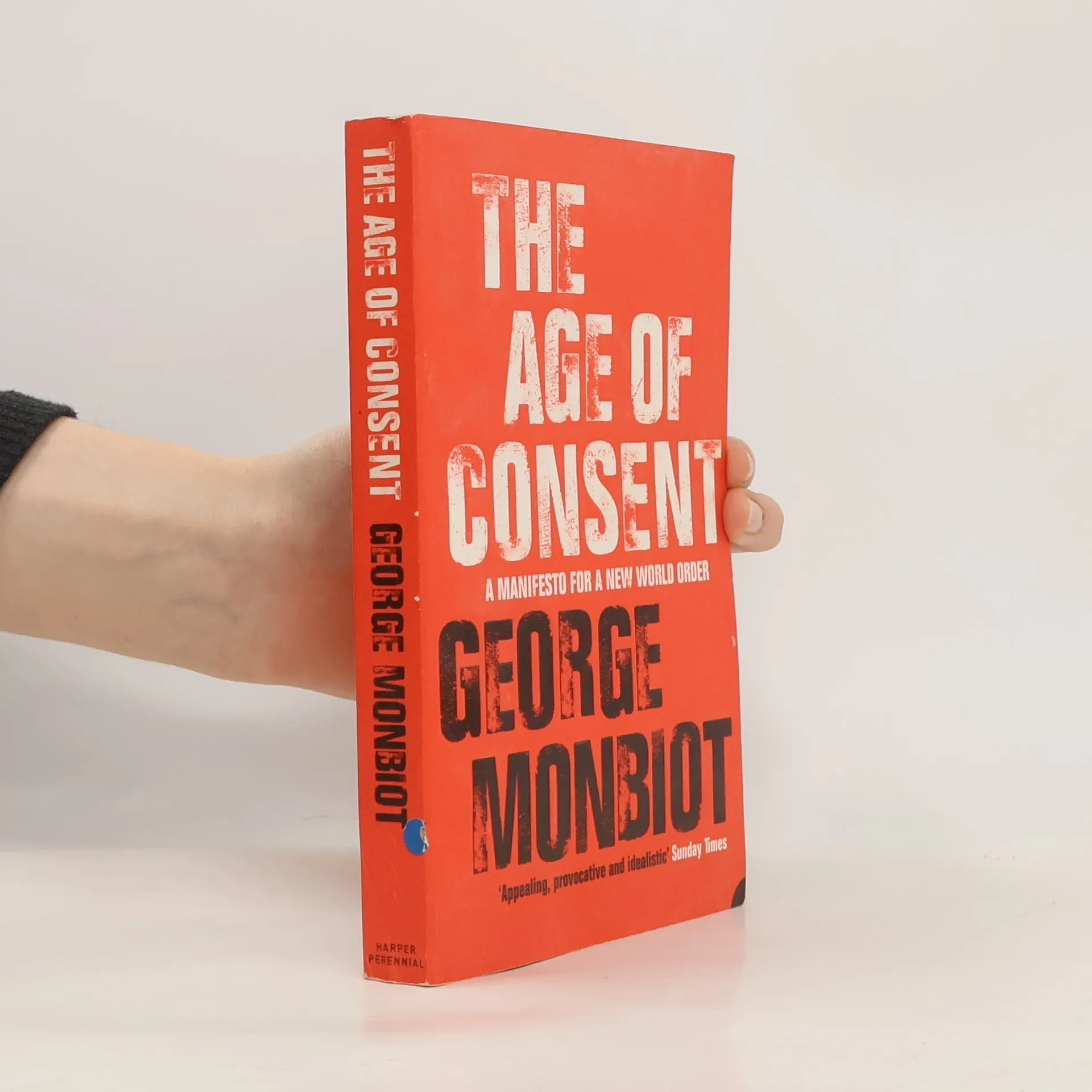
In this text, George Monbiot sets out to offer a set of proposals - political, democratic, economic and environmental - that might effect the cultural change that many in the West (not to mention those on the outside of the West looking in) now want but scarcely know how to make happen
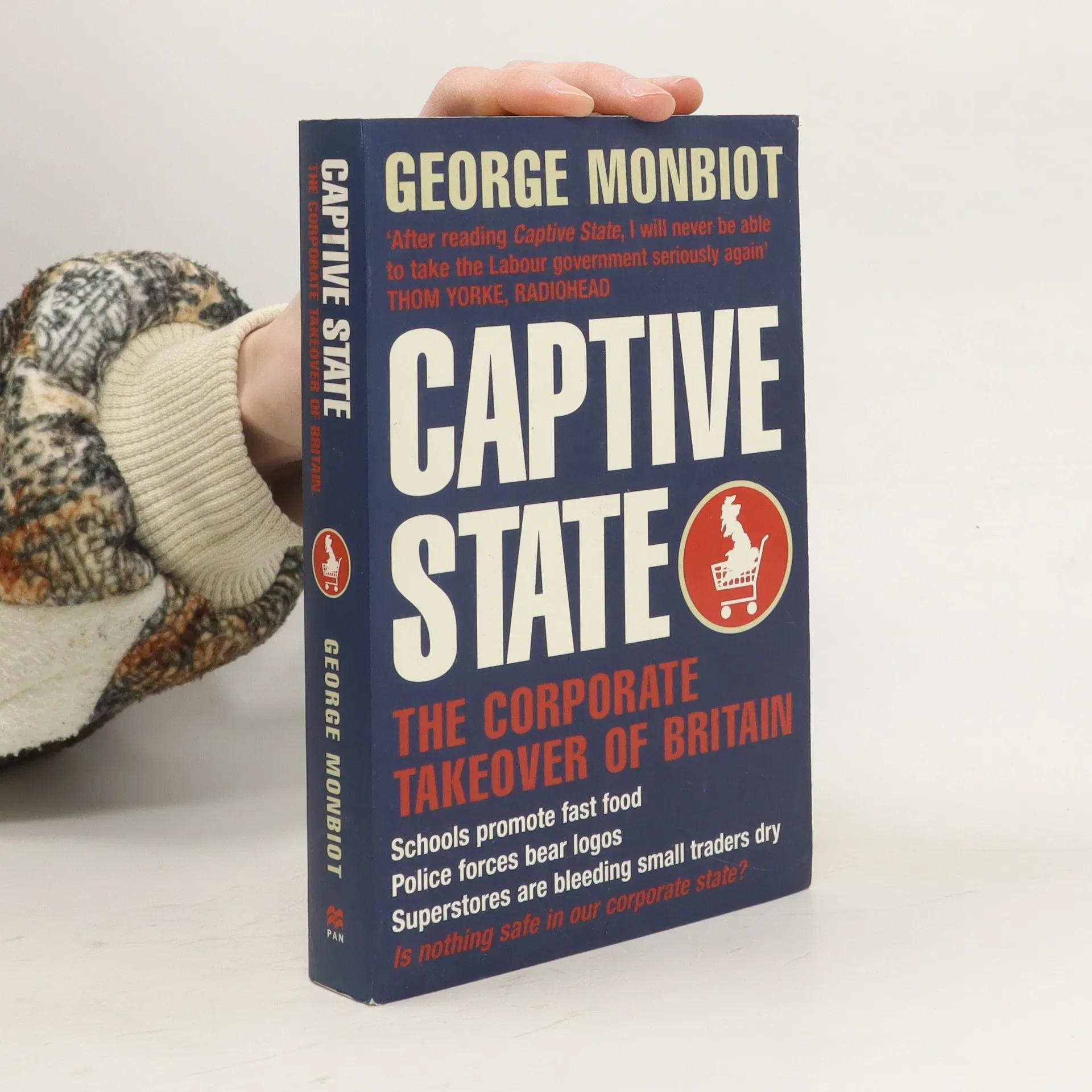
Monbiot documents the end of representative government in Britain. The state is no longer the initiator of policy but an increasingly helpless bystander. As institutional corruption strikes at the heart of public life, in a contest between the desires of big business and the needs of the electorate, the electorate loses out every time.
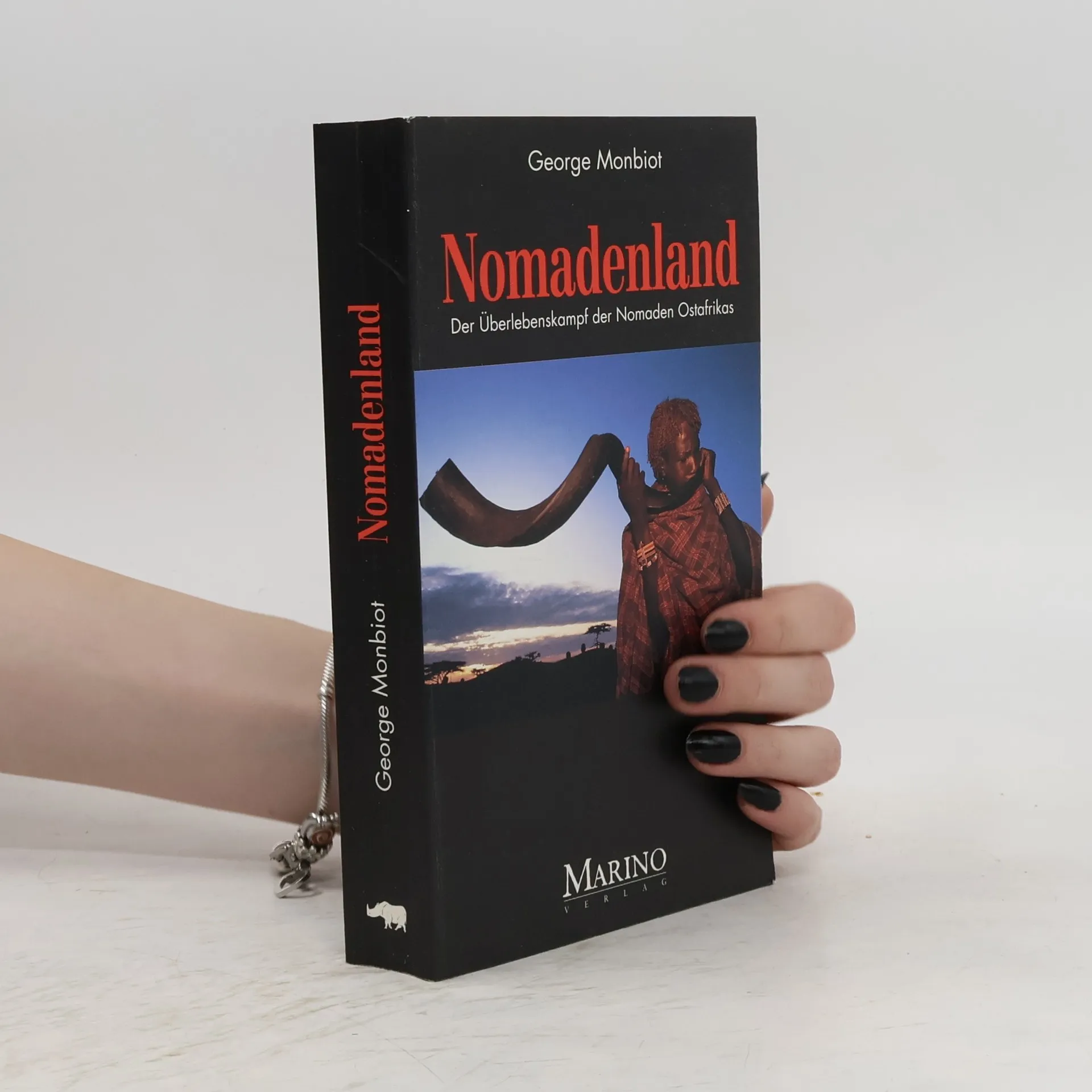
Dieser engagierte Bericht des englischen Zoologen und Journalisten zeigt, wie in Ostafrika die dort noch lebenden Nomadenstämme der Massai, Samburu, Turkana u.a. nicht nur mit der unbarmherzigen Natur, Hunger und Seuchen zu kämpfen haben, sondern auch gegen plündernde Banden aus Somalia und unterbezahlte Polizisten und Soldaten, die für habgierige Politiker Land und Vieh stehlen, die Grundlagen ihres Nomadendaseins. Dass auch noch ausländische (westliche) Banken und Entwicklungshilfeorganisationen in diese Machenschaften verstrickt sind, wundert dann schon fast nicht mehr. Das nachdenklich stimmende und zum Handeln anregende Buch sollte die schönen Bildbände und hübschen Reiseführer unbedingt ergänzen. (2)