Když se řekne "válka o Náhorní Karabach", většina z nás si nejspíš matně vzpomene, že to bylo dávno a daleko. A málokdo bude vědět, že tam od května 1994 panuje "dočasné" příměří - ani válka, ani mír, stav, který se mezinárodní společenství marně snažilo pomoci nějak uspořádat. Pro Thomase de Waala není karabašská válka ani dávno, ani daleko: pečlivě zmapoval, co jí předcházelo, jak probíhala, i jak skončila-neskončila. Jeho Černá zahrada by mohla sloužit jako učebnice o nacionalismu, o tom, jak vzniká a jak mrzačí pohled na dějiny i lidské myšlení a osudy. A také jako učebnice dějin postsovětského Kavkazu či rozpadu Sovětského svazu. Černá zahrada však zdaleka není suchá příručka, ale také skvěle napsaný poutavý cestopis, z něhož je velmi dobře cítit, jak autor miluje Jižní Kavkaz i jeho obyvatele, jak jim rozumí - a jak ho trápí, že se nedokážou vymanit ze slepé uličky vzájemné nenávisti.
Tomas de Vaal Knihy


Kniha líčí rusko-čečenský konflikt do přelomu let 1996-97 a zvolení Aslana Maschadova čečenským prezidentem. Je určena čtenářům, kteří mají o události hlubší zájem, kterým nestačí jen kratičký šot v televizním zpravodajství, kteří chtějí více než geopolitické úvahy vycházející z událostí posledních tří dnů nebo dvou týdnů. Čtenáři v knize najdou i širší historický rámec všech popisovaných událostí a seznámí se s průběhem celého konfliktu, který trvá již téměř tři sta let. Autory knihy jsou britští novináři, kteří několik let v Rusku pracovali a s většinou protagonistů se osobně setkali.
A gripping account of the Chechen struggle for independence The war in Chechnya left us with some of the most harrowing images in recent times: a modern European city bombed to ruins while its citizens cowered in bunkers; mass graves; mothers combing the hills for their missing sons. The product of investigative and on-the-scene reporting by two established journalists, Carlotta Gall and Thomas de Waal's captivating book recounts the story of the Chechens' violent struggle for independence, and the Kremlin politics that precipitated it. Exploring Chechnya's complex and bloody history, the work is also a portrait of Russia's failed attempt to make the transition to a democratic society.
The Caucasus is a thorough update of an essential guide that has introduced thousands of readers to a complex region. Armenia, Azerbaijan, Georgia, and the break-away territories that have tried to split away from them constitute one of the most diverse and challenging regions on earth, impressing the visitor with their multi-layered history and ethnic complexity. The South Caucasus region has captured international attention again because of disputes between the West and Russia, its unresolved conflicts, and its role as an energy transport corridor to Europe. The Caucasus gives the reader a historical overview and an authoritative guide to the three conflicts that have blighted the region. Thomas de Waal tells the story of the "Five-Day War" between Georgia and Russia and recent political upheavals in all three countries. He also discusses Georgian wine, Baku jazz, and how the coast of Abkhazia was known as "Soviet Florida." Short, stimulating, and rich in detail, The Caucasus is the perfect guide to this fascinating and little-understood region.
Drawing on archival sources, reportage and moving personal stories, de Waal tells the full story of Armenian-Turkish relations since the Genocide in all its extraordinary twists and turns. He looks behind the propaganda to examine the realities of a terrible historical crime and the divisive politics of genocide it produced.
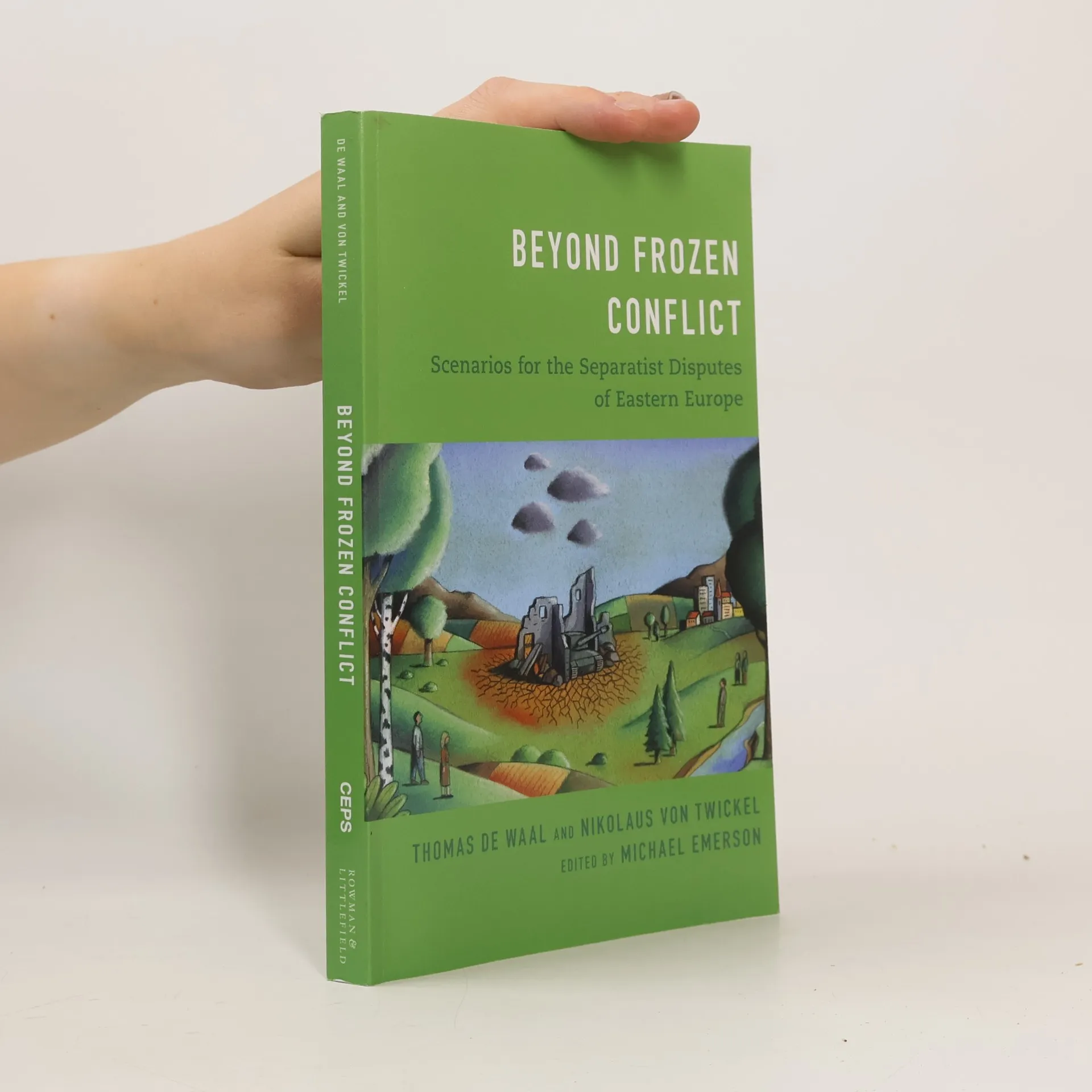
Beyond Frozen Conflict
- 238 stránek
- 9 hodin čtení
The five unresolved separatist conflicts of the post-Soviet space in Eastern Europe are the biggest risk to Europe's stability and security. Four of these - Abkhazia, South Ossetia in Georgia, Transnistria in Moldova, and Nagorny Karabakh contested between Armenia and Azerbaijan - date back to around the collapse of the Soviet Union in 1991-2, and became called 'frozen conflicts'. The fifth is Ukraine's Donbas, which in 2014 saw large parts of its Donetsk and Luhansk regions violently separate from Kyiv at a cost of 13,000 human lives so far, due crucially to Russia's supporting hybrid warfare there. This book is the first to give an up-to-date account of all five conflicts in an analytically consistent manner. It charts new territory in exploring systematically a full range of scenarios for the possible future of all five conflicts and offers a basis of sound information for officials, diplomats, scholars and the general public.