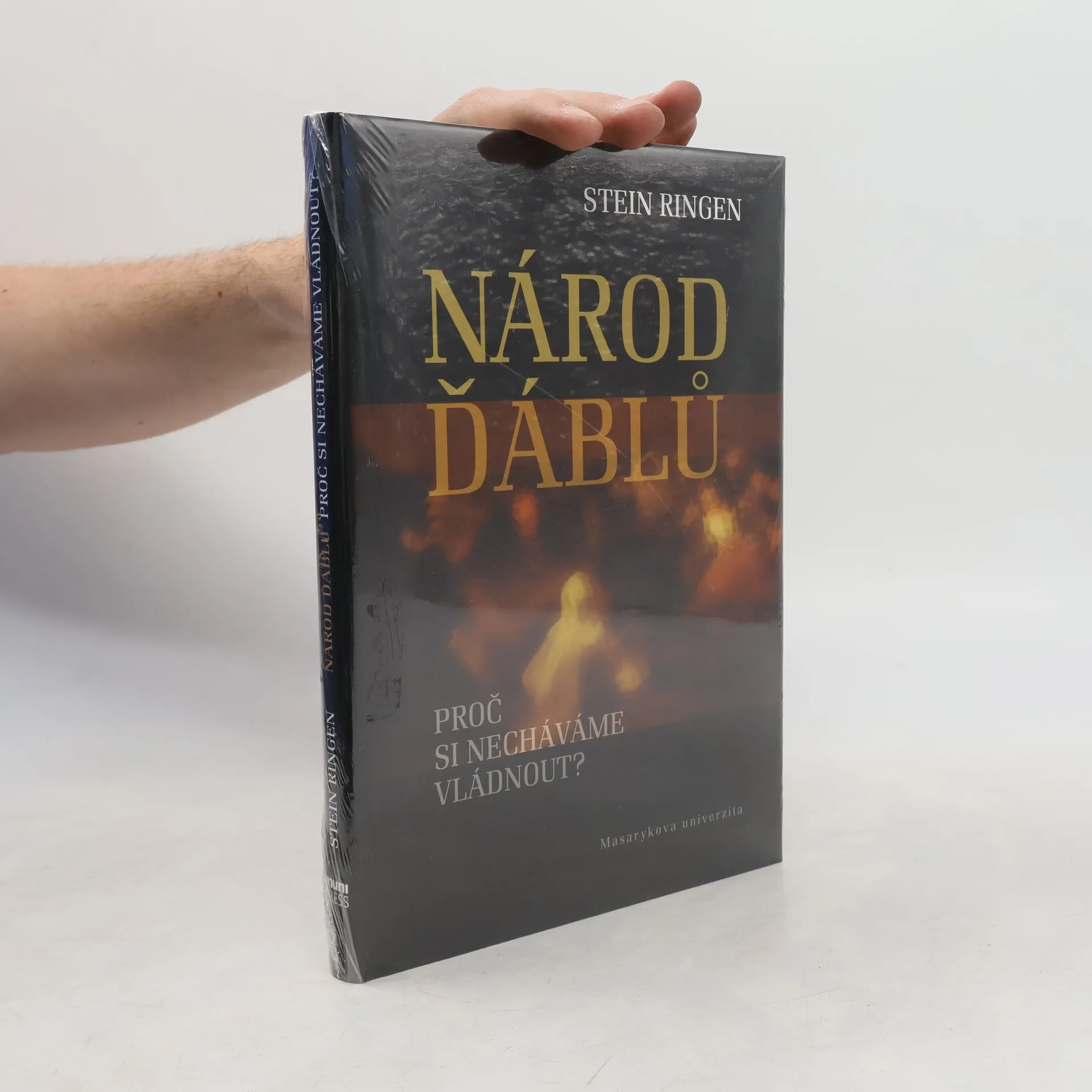
Politolog Stein Ringen z Oxfordské univerzity nabízí čtenářům provokativní zamyšlení nad principy demokratického vládnutí: jak vláda přiměje občany, aby respektovali její autoritu? Každá vláda musí prosazovat i nepopulární opatření, od výběru daní přes vymáhání práva po dodržování předpisů. Podle Ringena na to však síla nestačí; občané musejí být ochotní se podřídit a nechat se vést. Autor tento politický rébus rozplétá bez rozpaků, na příkladu Spojených států a Velké Británie břitce a přesvědčivě demonstruje, jak se vytváří a udržuje národní kultura poslušnosti. Ukazuje, jakými cestami se musejí vydat vůdci, kteří chtějí vládnout pomocí autority spíše než pomocí síly a kteří chtějí, řečeno s Immanuelem Kantem, „udržet pořádek v národě ďáblů“.
Stein Ringen Knihy



Současný čínský systém je ve své podobě ojedinělý – doposud se v lidských dějinách žádný takový nevyskytoval. Tato kniha vysvětluje, jak systém funguje a kam směřuje. Na základě podrobného studia čínských a zahraničních zdrojů, řady rozhovorů s čínskými praktiky, vědci a prostými lidmi i analýz politiky a státu dochází autor k závěru, že za současného vedení Si Ťin-pchinga se čínský vládní systém transformoval do nové podoby režimu, jenž je oproti dědictví, které zanechal Teng Siao-pching, ideologicky mnohem radikálnější a bezskrupulóznější. Čína není tak ekonomicky silná a panuje v ní mnohem větší diktatura, než si svět myslí.
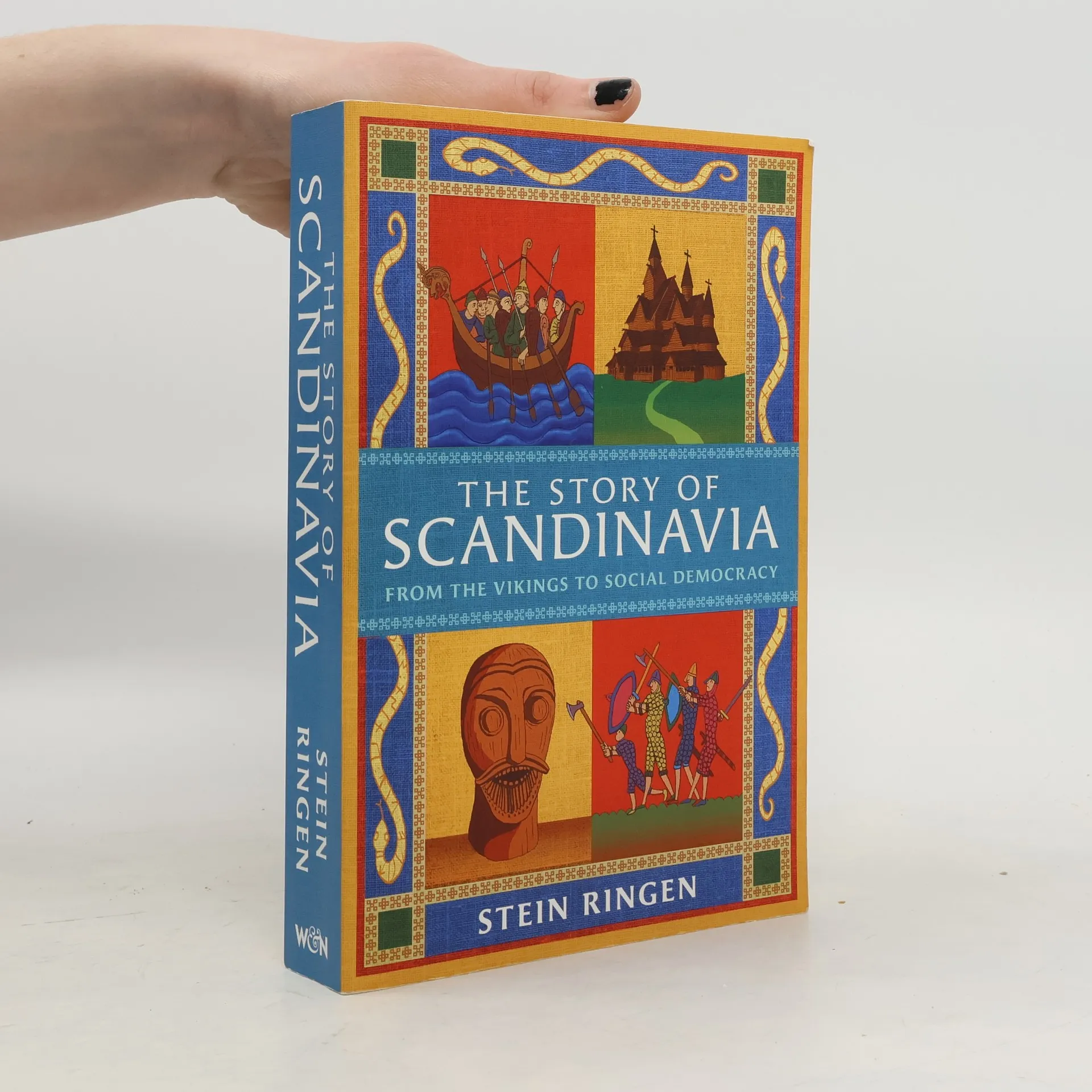
In The Story of Scandinavia, political scholar Stein Ringen chronicles more than 1,200 years of drama, economic rise and fall, crises, kings and queens, war, peace, language and culture. Scandinavian history has been one of dramatic discontinuities of collapse and restarts, from the Viking Age to the Age of Perpetual War to the modern age today. For a thousand years, the Scandinavian countries were kingdoms of repression where monarchs played at the game of being European powers, at the expense of their own populations. The brand we now know as "Scandinavia" is a recent invention. During most of its history, Denmark and Sweden, and to some degree Norway, were bloody enemies. These sentiments of enmity have not been fully settled. Under the surface of collaboration remain undercurrents of hatred, envy, contempt and pity. What does it mean today to be Scandinavian? For the author, whose identity is Scandinavian but his life European, this masterly history is a personal exploration as well as a narrative of compelling scope.
Times have not been kind to democracy. This book is in its defense.In the new century, the triumph of democracy at the end of the Cold War turned to retrenchment. The core democracies, in America and Britain, succumbed to polarization and misrule. Dictatorships, such as China, made themselves assertive. New democracies in Central Europe turned to muddled ideologies of “illiberal democracy.” In this book, Stein Ringen offers a meditation on what democracy is, the challenges it faces, and how it can be defended. Ringen argues that democracy must be rooted in a culture that supports the ability of citizens to exchange views and information among themselves and with their rulers.Drawing on the ideas of Machiavelli, Aristotle, Tocqueville, Max Weber, and others, Ringen shows how power is the fuel of government, and statecraft turns power into effective rule. Democracy should prize freedom and minimizing unfairness, especially poverty. Altogether, Ringen offers powerful insight on the meaning of democracy, including a new definition, and how countries can improve upon it and make it function more effectively. Timely and thought-provoking, How Democracies Live is a sober reminder of the majesty of the democratic enterprise.
The Economic Consequences of Mr. Brown
How a Strong Government Was Defeated by a Weak System of Governance
- 64 stránek
- 3 hodiny čtení