
Knihobot

Jesús Huerta de Soto

    23. prosinec 1956

    Jesús Huerta de Soto je španělský ekonom rakouské školy, který se zaměřuje na ekonomii aplikovanou na právo a podnikání. Jeho práce zkoumá vztah mezi svobodným trhem, podnikatelstvím a lidským jednáním, s důrazem na decentralizovanou povahu ekonomického rozhodování. Sleduje tradici Ludwiga von Misese a F. A. Hayeka a analyzuje, jak institucionální rámce ovlivňují ekonomickou prosperitu. Jeho analýzy zdůrazňují význam vlastnických práv a omezeného zasahování státu pro udržitelný ekonomický růst.

    Jesús Huerta de Soto
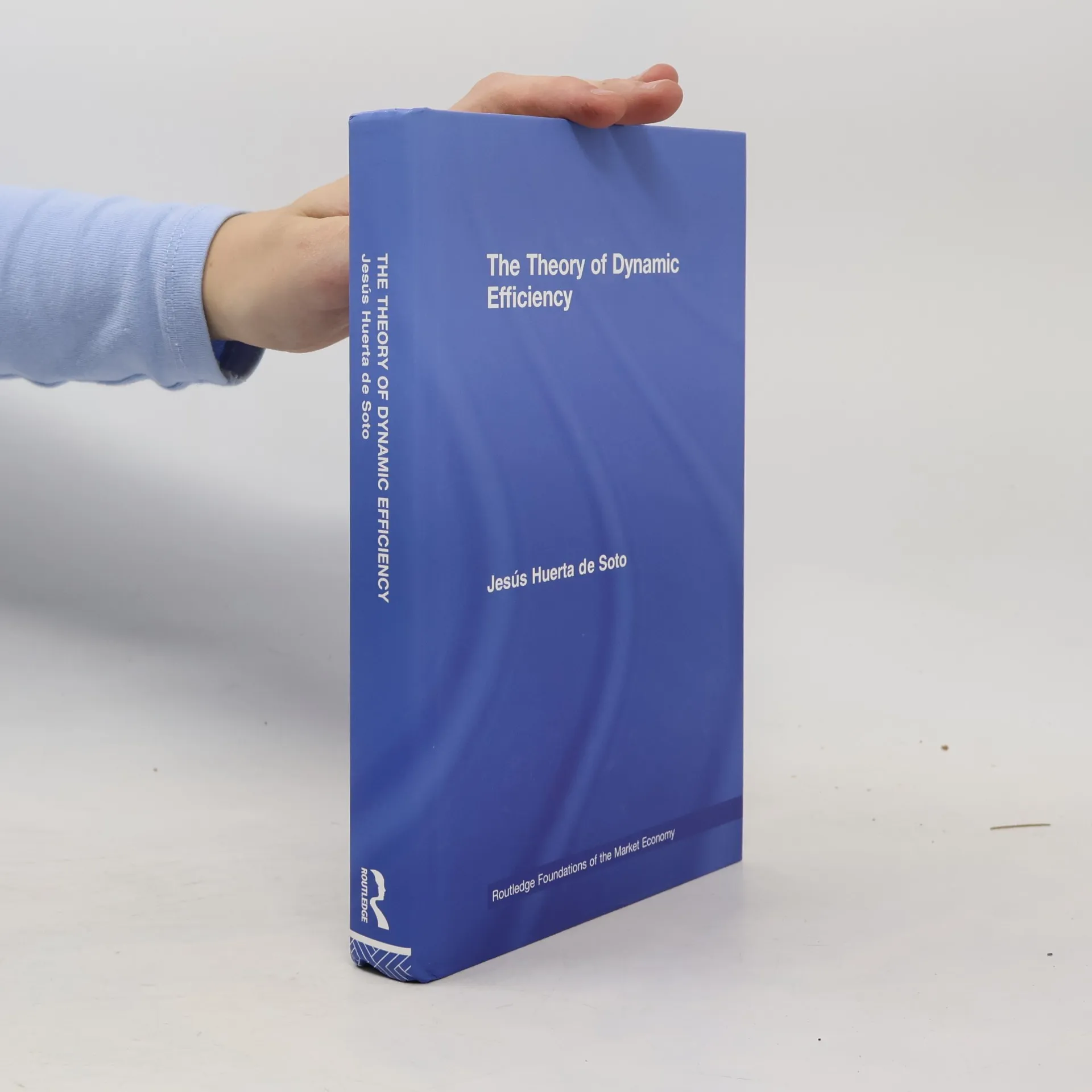
    Routledge Foundations of the Market Economy: The Theory of Dynamic Efficiency
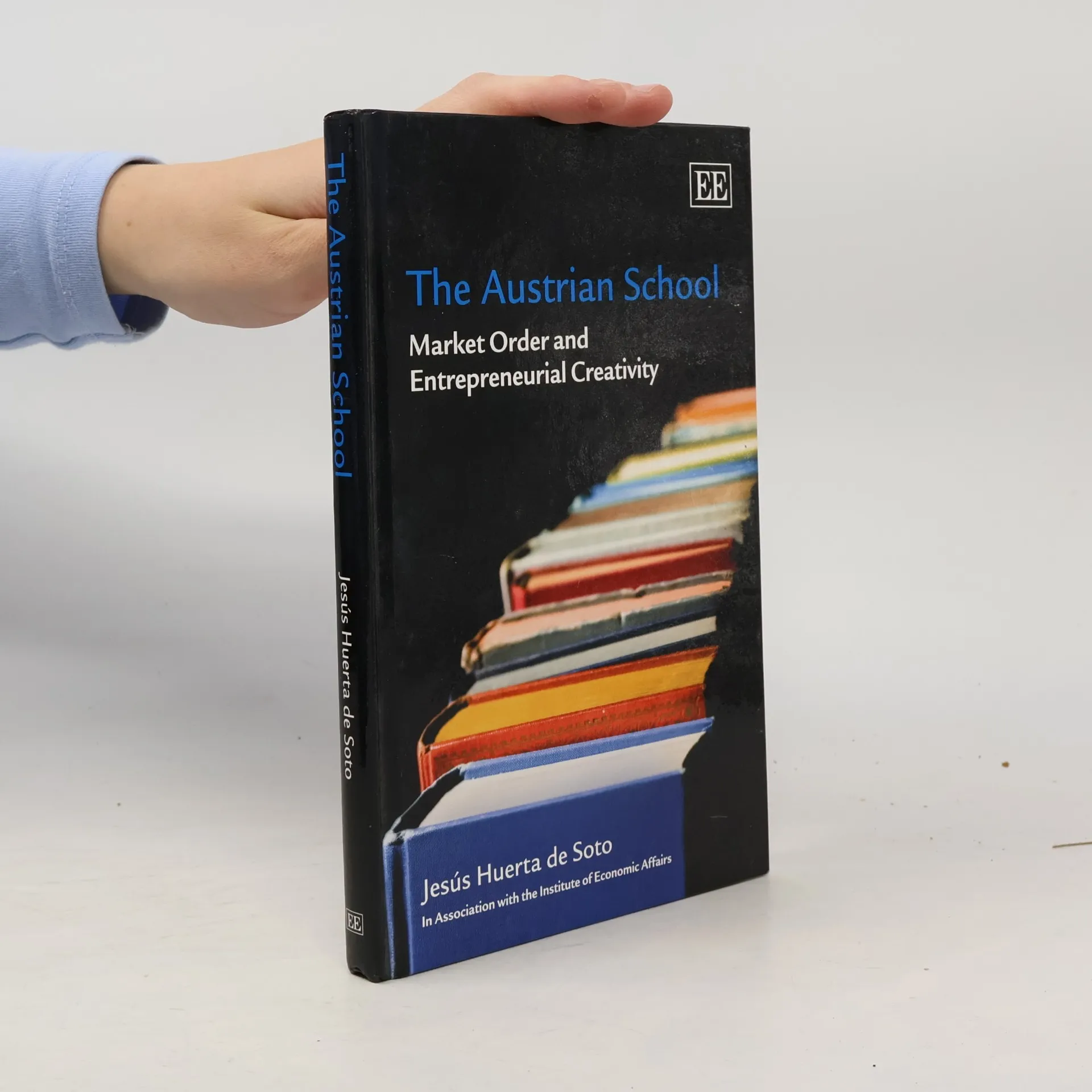
    The Austrian School
    Rakouská škola. Tržní řád a podnikatelská tvořivost
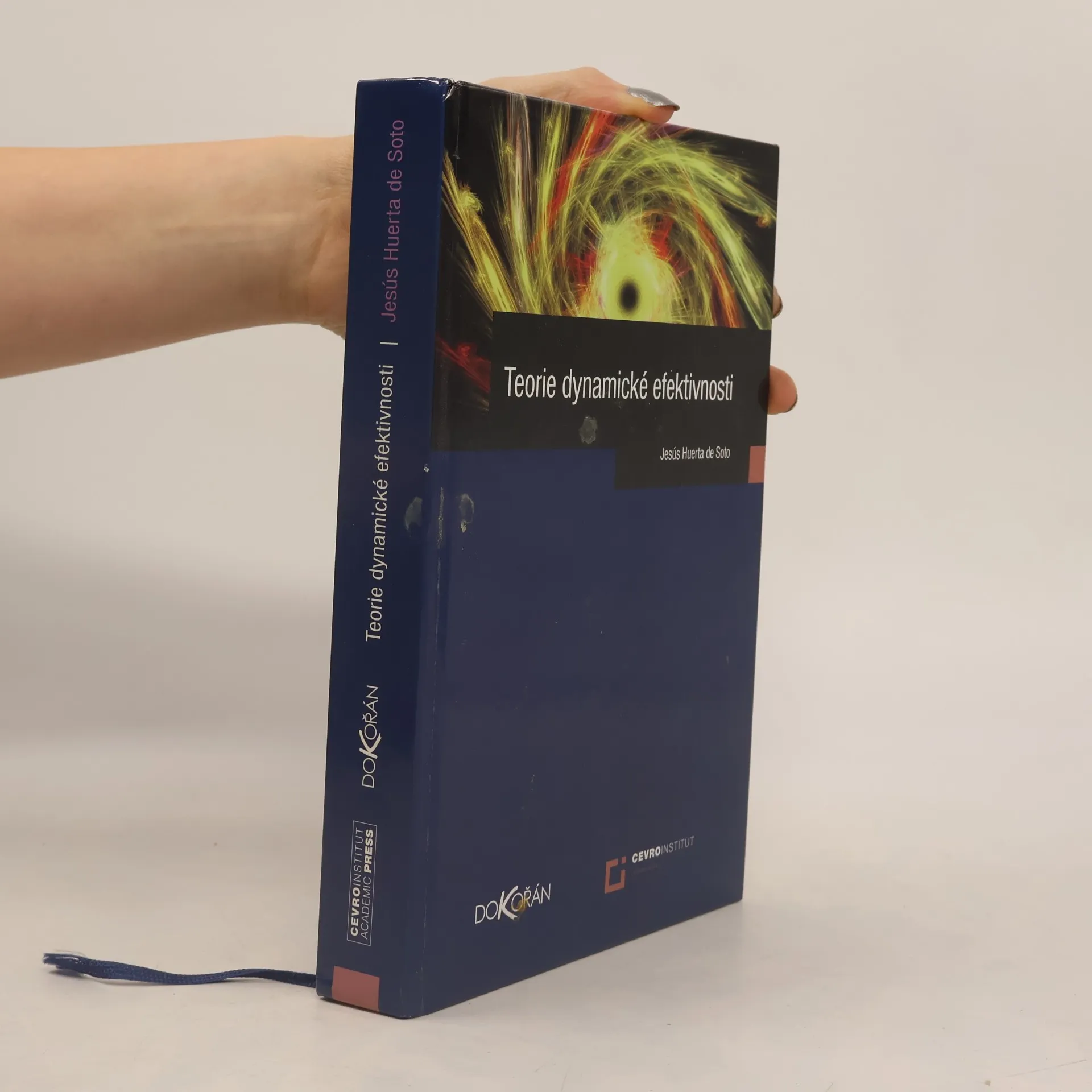
    Teorie dynamické efektivnosti
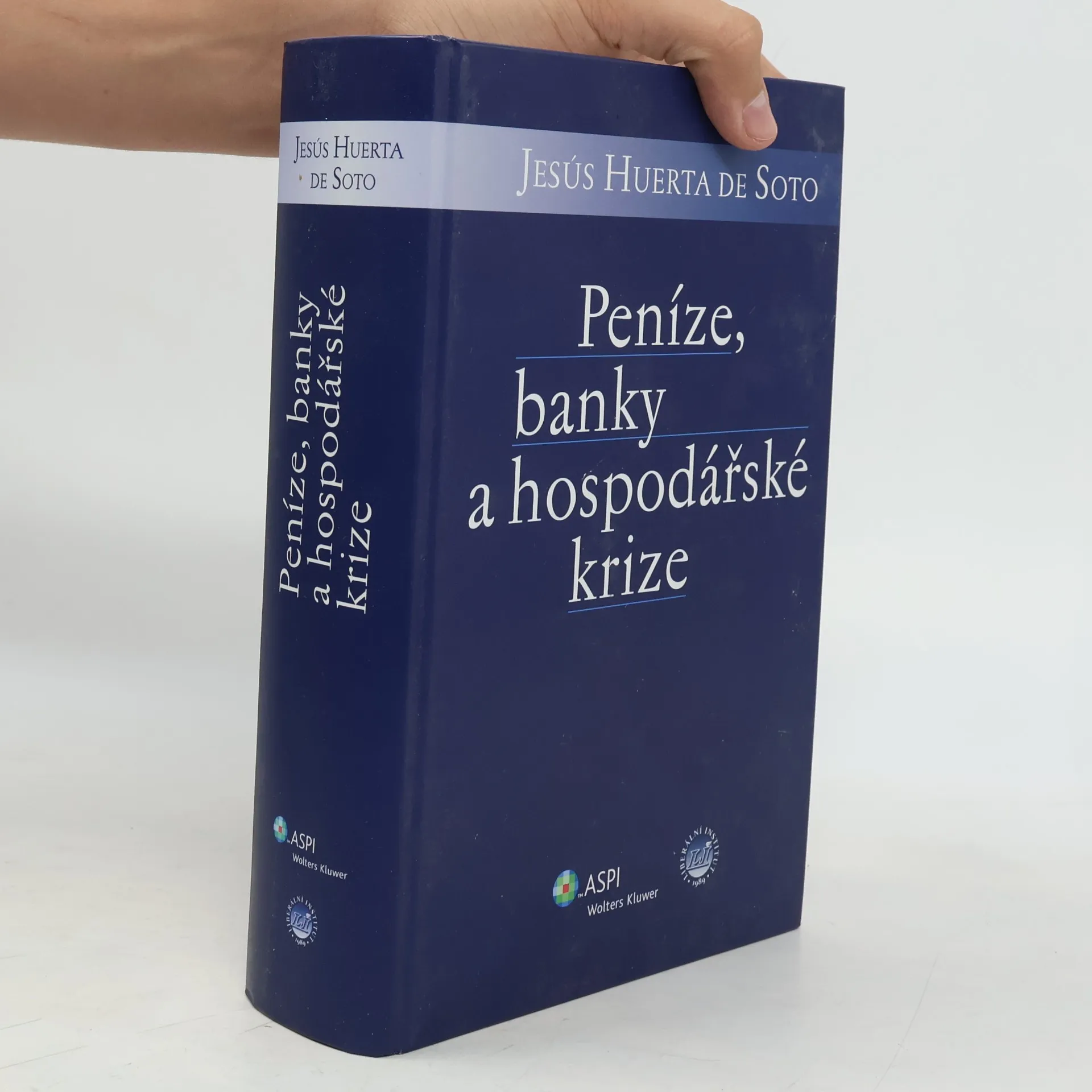
    Peníze, banky a hospodářské krize
    Socializmus, ekonomická kalkulácia a podnikanie
    • V knihe Socializmus, ekonomická kalkulácia a podnikanie je spracovaná kritická analýza socializmu v duchu subjektivistickej metodiky rakúskej ekonomickej školy a jej teórie procesov spoločenskej interakcie. Výsledkom tohto prístupu je nové ponímanie socializmu, ktoré zahŕňa jeho najvnútornejšiu podstatu: systematické inštitucionalizované donucovanie jednotlivcov ako jeho základné východisko. Takéto vyčlenenie násilnej podstaty socializmu nielen ukazuje, že tento je teoreticky nemožný, lebo je založený na intelektuálnom omyle a eticky neprijateľný, lebo ide proti ľudskej podstate, ale okrem toho aj umožňuje jednotné teoretické a oveľa plodnejšie a názornejšie spracovanie nevyhnutých dopadov rôznych typov socializmu známych z minulosti i súčasnosti (reálny, sociálnodemokratický, technokratický a podobne), čím vrhá nové svetlo na jeho historický krach, ktorý je dnes už zrejmý. Taktiež sa pristúpilo k všeobecnej revízii a prehodnoteniu teoretickej diskusie o neuskutočniteľnosti socializmu z hľadiska jeho nového ponímania, predloženého v tomto diele. Okrem toho, tento prístup sa snaží o impulz pre budúce napredovanie ekonómie ako vedy, ktorý sa môže a mal by sa premeniť v ucelenú teóriu o spoločenských dopadoch inštitucionalizovaného donucovania.

      Socializmus, ekonomická kalkulácia a podnikanie
      4,4
    • Peníze, banky a hospodářské krize

      • 908 stránek
      • 32 hodin čtení

      Monumentální kniha profesora Huerta de Sota je zářným příkladem důležitosti multidisciplinárního přístupu k problematice peněz a bankovnictví. Spojuje poznatky práva, historie a ekonomie, rozvíjí institucionální analýzu a nevyhýbá se ani politickým implikacím. Kdo chce pochopit příčiny hospodářských krizí, měl by začít právě u této publikace. "Peníze, banky a hospodářské krize je skvělým vědeckým počinem reagujícím na staré i nové práce v mnoha jazycích včetně latiny. Je to zdaleka nejdůkladnější pojednání o myšlenkách rakouských ekonomů v oblasti peněz, bankovnictví a hospodářského cyklu na trhu." (LELAND B. YEAGER. profesor ekonomie na Auburn University, USA)

      Peníze, banky a hospodářské krize
      4,5
    • Teorie dynamické efektivnosti

      • 466 stránek
      • 17 hodin čtení

      Profesor Jesús Huerta de Soto je jedním z nejvlivnějších evropských autorů rozvíjejících myšlenkový odkaz dnes stále populárnější rakouské ekonomické školy. Tato kniha nabízí pestrou směs témat, v nichž se zřetelně ukazuje důležitost multidisciiplinárního přístupu ke studiu společnosti. Dočteme se zde nejen o historických kořenech tohoto přístupu, ale především o jeho aplikacích na horké problémy dneška - krizi demokracie, problémy bankovnictví, ochranu životního prostředí, reformu důchodových systémů, přistěhovalectví, nacionalismus, ekonomickou transformaci i etiku kapitalismu.

      Teorie dynamické efektivnosti
      4,0
    • Chcete být schopni předpovědět další hospodářskou krizi? Pak je toto kniha pro vás. Ekonomové rakouské školy, jejichž přístup představuje tato publikace, předpověděli jak hospodářský propad současný, tak též Velkou hospodářskou krizi 30. let. Jejich učení vždy v dobrých dobách upadá částečně v zapomnění, aby se v dobách horších opětovně ukázalo, jak pomíjivé a zkázonosné jsou módní intervencionistické přístupy k hospodářské politice a jak trvalé a relevantní jsou poznatky Mengera, Misese, Hayeka, Kirznera, Rothbarda a dalších velikánů rakouské školy. Vychází ve spolupráci s CEVRO Institutem.

      Rakouská škola. Tržní řád a podnikatelská tvořivost
      4,0
    • The Austrian School

      Market Order and Entrepreneurial Creativity

      • 129 stránek
      • 5 hodin čtení

      The Austrian School forms a concise but comprehensive exposition of the main tenets of the modern Austrian School of Economics while also providing a detailed explanation of the differences between the Austrian and the neoclassical (including the Chicago School) approaches to economics. The book also includes: - reviews of the contributions of the main Austrian economists, critical analysis of the major objections to Austrian economics and an evaluation of its likely future development - complete exposition on the concepts and implications of entrepreneurship and dynamic competition - a new concept of dynamic efficiency (as an alternative to the standard Paretian criterion) and a generalised definition of socialism (as a systematic aggression against entrepreneurship) - evaluation of the role of Spanish Scholastics of the 16th century as forerunners of the Austrian School, as well as the influence and contributions of the main Austrian Scholars of the 19th and 20th centuries. This book will most notably appeal to Austrian economists but also to other free market economists as well as researchers and academics of economic methodology, the history of economic thought, institutional economics and comparative economic systems.

      The Austrian School
    • This book gathers a collection of English language essays by Jes�s Huerta de Soto over the past ten years, examining the dynamic processes of social cooperation which characterize the market, with particular emphasis on the role of both entrepreneurship and institutions. The author's multidisciplinary approach to the subject is in keeping with a trend in economic thought established by the Austrian school of economics; a discourse that had witnessed a significant revival over the last thirty years. Areas covered in this book include an introduction to the theory of dynamic efficiency as an alternative to the standard paretian criteria, an explanation of the differences between the Austrian and the neoclassical approach to economics, a generalized definition of socialism that allows the joint application of the analysis of interventionism, a dynamic Austrian approach to the analysis of free market environmentalism, nationalism, the reform of Social Security and the theory of banking and an evaluation of the role of Spanish Scholastics of the Sixteenth Century.

      Routledge Foundations of the Market Economy: The Theory of Dynamic Efficiency
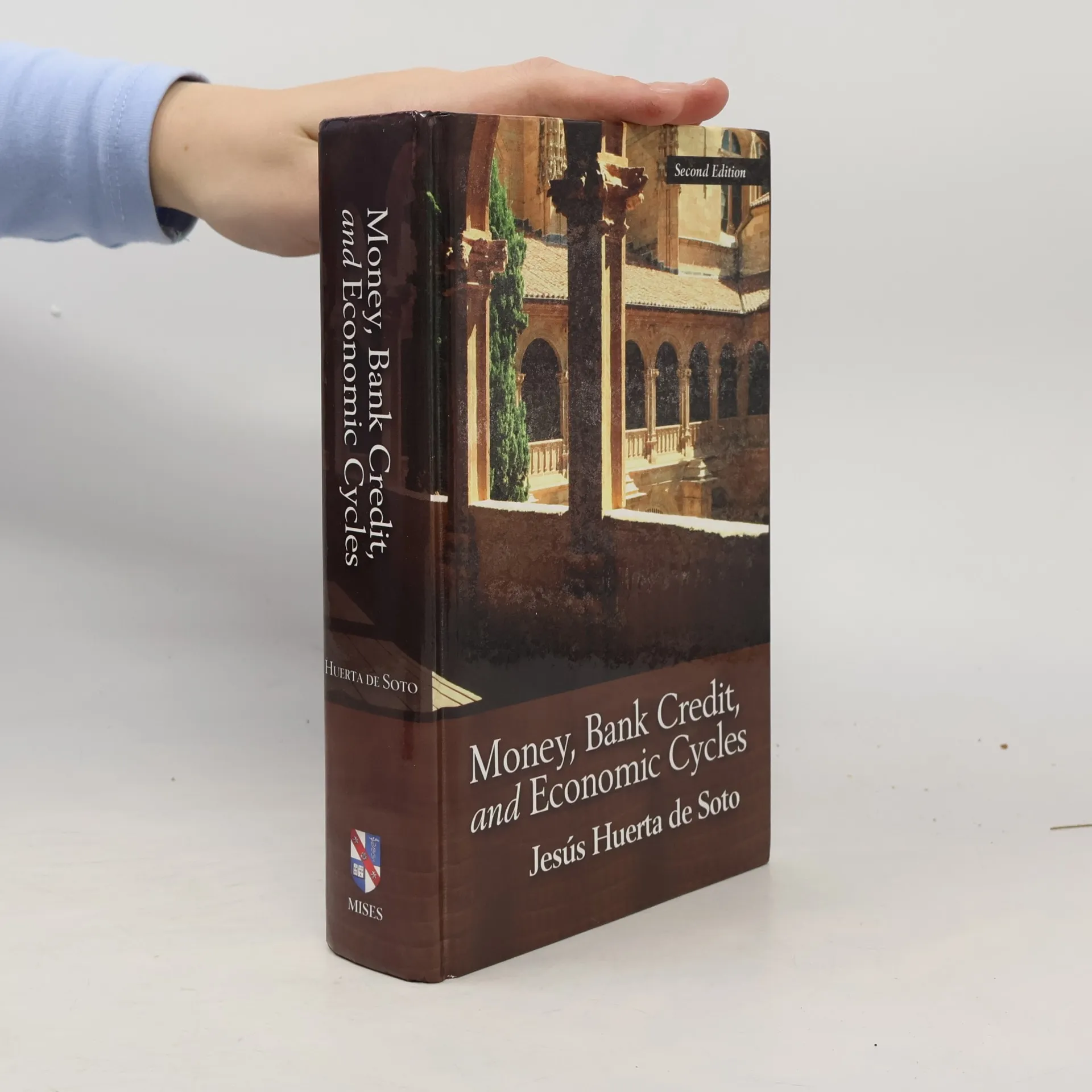
    • Money, Bank Credit, and Economic Cycles

      Second Edition

      • 885 stránek
      • 31 hodin čtení

      Can the market fully manage the money and banking sector? Jesus Huerta de Soto, professor of economics at the Universidad Rey Juan Carlos, Madrid, has made history with this mammoth and exciting treatise that it has and can again, without inflation, without business cycles, and without the economic instability that has characterised the age of government control. Such a book as this comes along only once every several generations: a complete comprehensive treatise on economic theory. It is sweeping, revolutionary, and devastating -- not only the most extended elucidation of Austrian business cycle theory to ever appear in print but also a decisive vindication of the Misesian-Rothbardian perspective on money, banking, and the law. The author has said that this is the most significant work on money and banking to appear since 1912, when Mises's own book was published and changed the way all economists thought about the subject. Its five main contributions: A wholesale reconstruction of the legal framework for money and banking, from the ancient world to modern times; An application of law-and-economics logic to banking that links microeconomic analysis to macroeconomic phenomena; A comprehensive critique of fractional-reserve banking from the point of view of history, theory, and policy; An application of the Austrian critique of socialism to central banking; The most comprehensive look at banking enterprise from the point of view of market-based entrepreneurship. Those are the main points but, in fact, this only scratches the surface. Indeed, it would be difficult to overestimate the importance of this book. De Soto provides also a defence of the Austrian perspective on business cycles against every other theory, defends the 100% reserve perspective from the point of view of Roman and British law, takes on the most important objections to full reserve theory, and presents a full policy program for radical reform. It could take a decade for the full implications of this book to be absorbed but this much is clear: all serious students of these subject matters will have to master this treatise.

      Money, Bank Credit, and Economic Cycles