Violence: A modern obsession
- 384 stránek
- 14 hodin čtení
An intelligent and evocative examination of the history of our violent world.


Richard Bessel se zaměřuje na sociální a politické dějiny moderního Německa, následky obou světových válek a historii policie. Jeho práce často zkoumá dopady historických událostí na společnost a politiku. V současné době působí jako hostující profesor v Centru pro pokročilá studia Freiburg.

An intelligent and evocative examination of the history of our violent world.
This is an original and compelling account of Germany's emergence from the catastrophe of World War II.
Druhá svetová vojna bola určujúcou udalosťou dvadsiateho storočia, ktorá za sebou zanechala milióny mŕtvych a prekreslila politickú mapu Európy takými spôsobmi, že sa to dodnes dotýka osudov prakticky celého ľudstva. Táto vojna nemala obdobu nielen z hľadiska svojho rozsahu, ale predovšetkým z hľadiska príčin, ktoré ju vyvolali. Na rozdiel od predchádzajúcich územných a politických nezhôd mala vojna vyvolaná nacistickým Nemeckom ideologický charakter a bola vedená s cieľom vymazať zo zemského povrchu celé národy a kultúry. Richard Bessel vo svojom diele dokazuje, že rasová nenávisť nebola vedľajším produktom, ale hnacou silou nacizmu. Nacizmus - neoddeliteľný od vojny - zničil starú Európu, a tak "pomohol" vytvoriť svet našej súčasnosti. Táto myšlienkovo prenikavá, hodnoverná a čítavá kniha je provokatívnou a presvedčivou vedeckou prácou.
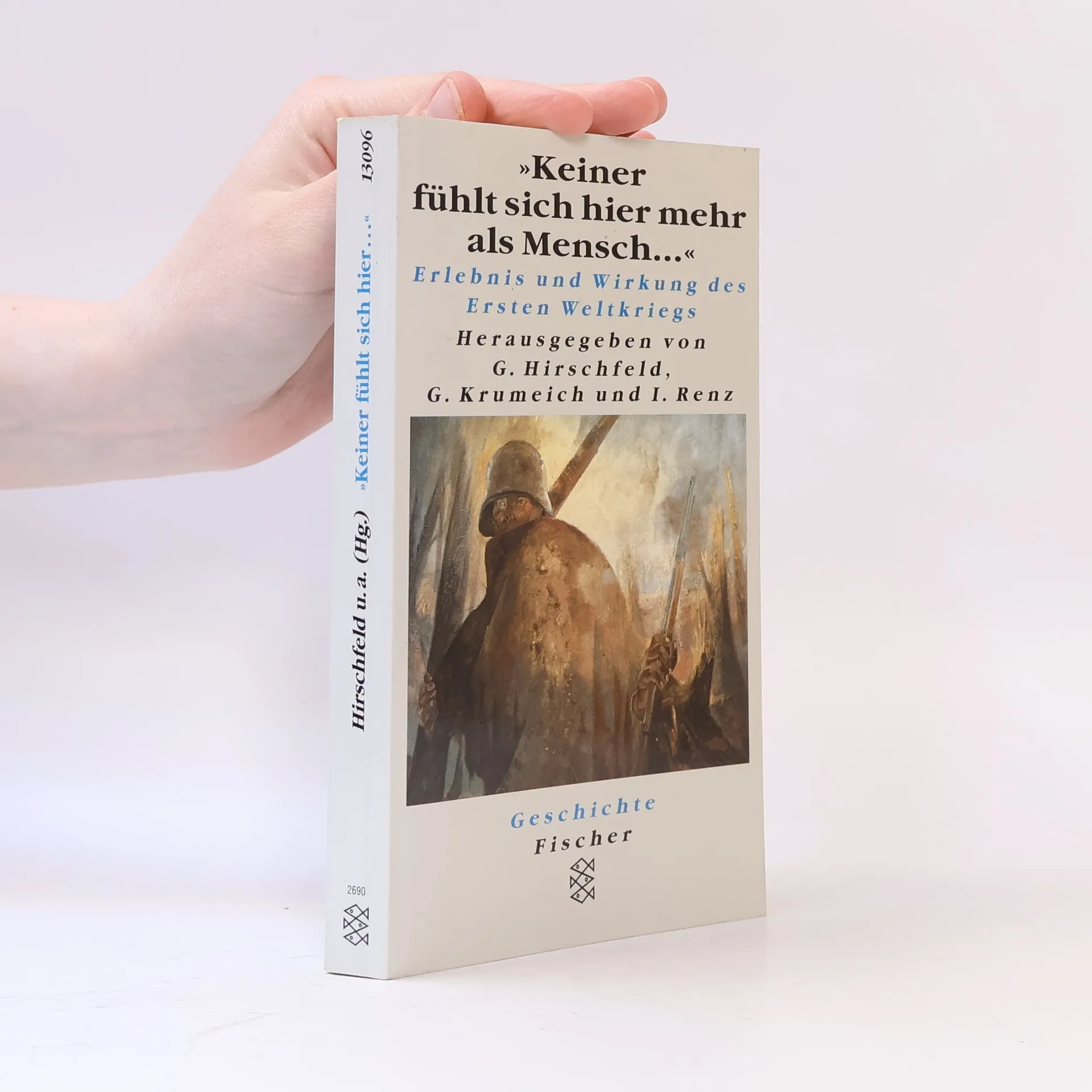
Dieser Band bündelt die vielfältigen Ebenen der neueren Forschung zum Ersten Weltkrieg und erschließt zugleich neue Themen für die weitere Beschäftigung. Die Mehrzahl der Aufsätze versteht sich als Beitrag zu einer Mentalitätsgeschichte des Krieges. Was der Krieg für die Menschen, die ihn erlebten, wirklich bedeutete und wie er auf sie gewirkt hat, wird hier ebenso thematisiert wie die Lage von Teilen der Bevölkerung, deren Geschichte sich in den Ereignissen des Weltkriegs zu verlieren droht: Frauen, Kinder und die zahlreichen Opfer des Krieges an der Front und in der Heimat. Gefragt wird sowohl nach den gesamtgesellschaftlichen Umschichtungen durch den Krieg als auch nach den Fortwirkungen und Konsequenzen des Kriegserlebnisses für das politische und kulturelle Leben der Weimarer Republik. Dies gilt vor allem für die Kontinuität der politischen Mythen des Krieges (des Verdun- und Langemarck-Mythos), die zur Schwächung der Republik entscheidend beitrugen und den extremen Nationalismus der Nachkriegszeit in hohem Maße förderten. Dieser 'von hervorragenden Sachkennern herausgegebene und geschriebene Band' (Handelsblatt) 'vermittelt einen vorzüglichen Überblick über die neuere Weltkriegsforschung' (FAZ) und markiert den Beginn einer andersartigen Beschäftigung mit dem Ersten Weltkrieg.
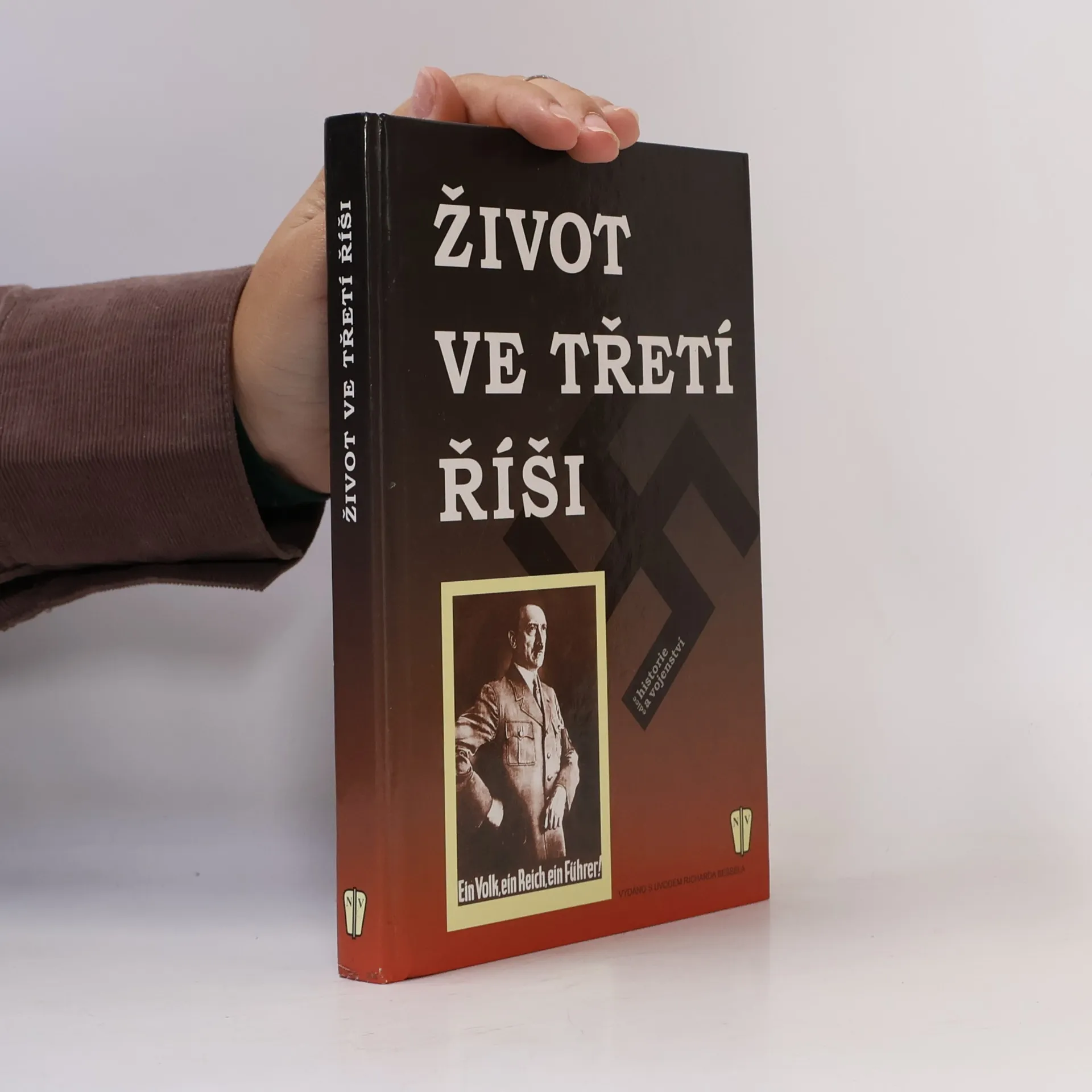
Sborník studií anglických a německých historiků věnovaný každodennímu životu obyčejných Němců ve 30. a 40. letech 20 stol., v éře tzv. třetí říše. Editor zdůrazňuje myšlenku, že s časovým odstupem a studiem dalších archivních dokumentů je možno získat nový pohled na nacistické Německo, zejména na život těch sociálních vrstev, které nebyly přímo spjaty s vrcholnou politikou. Autor proto shromáždil příspěvky německých a zejména anglických historiků, kteří se z výše zmíněného úhlu pohledu zabývají následujícími tématy: život na německém venkově, mládež a mládežnické organizace (mimo Hitlerjugend), otázky vnitřní organizace nacistického státu, vztah řadových Němců k Hitlerovi, vztah k Židům a vnímání nacistické antisemitské politiky, otázka sociálních vyděděnců a na závěr vzpomínky těch Němců, kteří přežili válku. Tím, že se autoři soustředili na skupiny německé společnosti, které nebyly bezprostředně ohroženy tragickými důsledky nacistické ideologie, vznikl obraz nacistického Německa jako společenství, ve kterém vládl řád a jehož členové byli chráněni zákonem. Otázky holocaustu, koncentračních táborů a zejména i samotná postava Hitlera a války ustupují z tohoto pohledu na okraj zájmu (i když jsou pochopitelně v textech také místy zmíněny). Doplněno doporučenou literaturou a řadou fotografií.