This book explores the effects of high agricultural pesticide use, focusing on organophosphate poisoning. It covers the compounds' toxicity, human poisoning cases, and analyzes data from the past two decades. Readers will learn about clinical manifestations, biochemical mechanisms, and management strategies for exposure. It's valuable for clinicians, researchers, and toxicologists.
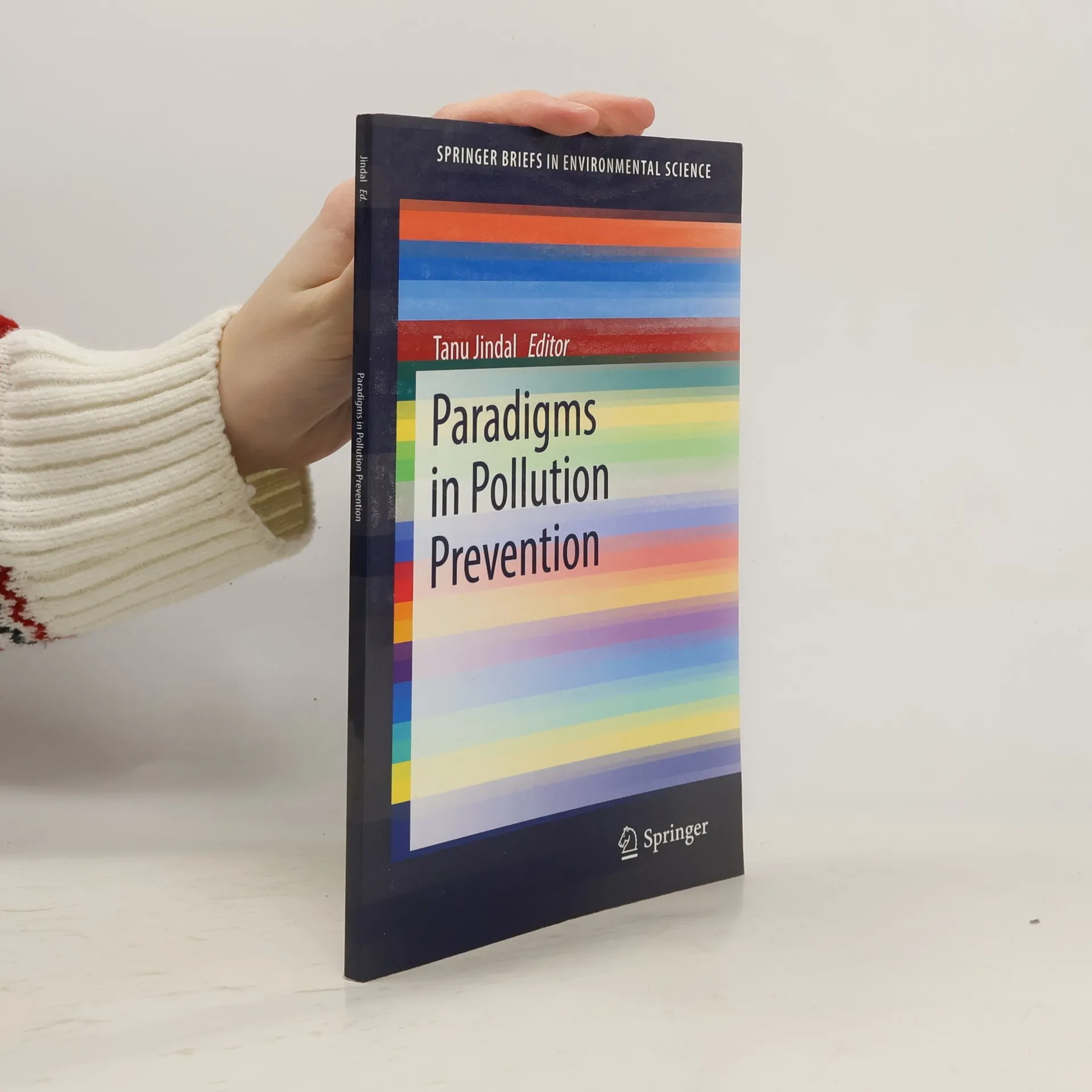
Featuring a collection of informative and descriptive chapters, this book is essential reading for environmental scientists, environmental toxicologists and people from allied fields. The research and its outcomes presented here focus on pollution prevention approaches, clean technologies and toxic use reduction that has the potential for eliminating worker exposure to health risks; and creates healthy and sustainable ecosystems. Readers will discover ways to incorporate prevention in the design of industrial processes that help to eliminate harmful environmental effects while promoting the competitiveness of industries.Issues such as biological control agents for sustainable urban agriculture, safe water and soil health; waste management and utilization in food processing industries, and ranking of Benzene, Toluene, Ethylbenzene and Xylene (BTEX) with respect to ozone formation are addressed in this book. Particular attention is given to interrelated issues associated with global warming and the use of genetically engineered organisms (GEM's) for combating pollution in extreme environments. The authors invite researchers to think through the critical analysis presented here and recommend future pathways for further research.