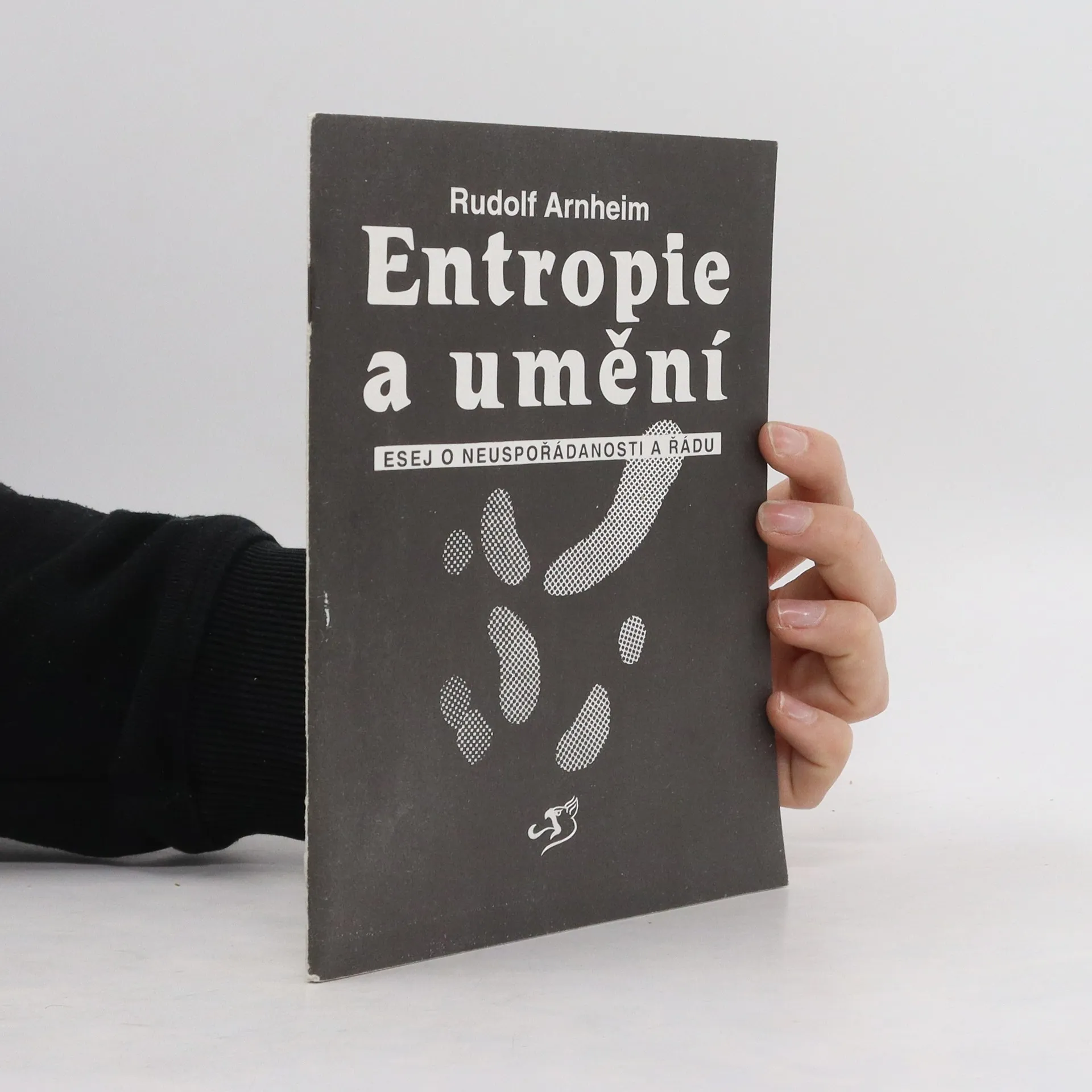
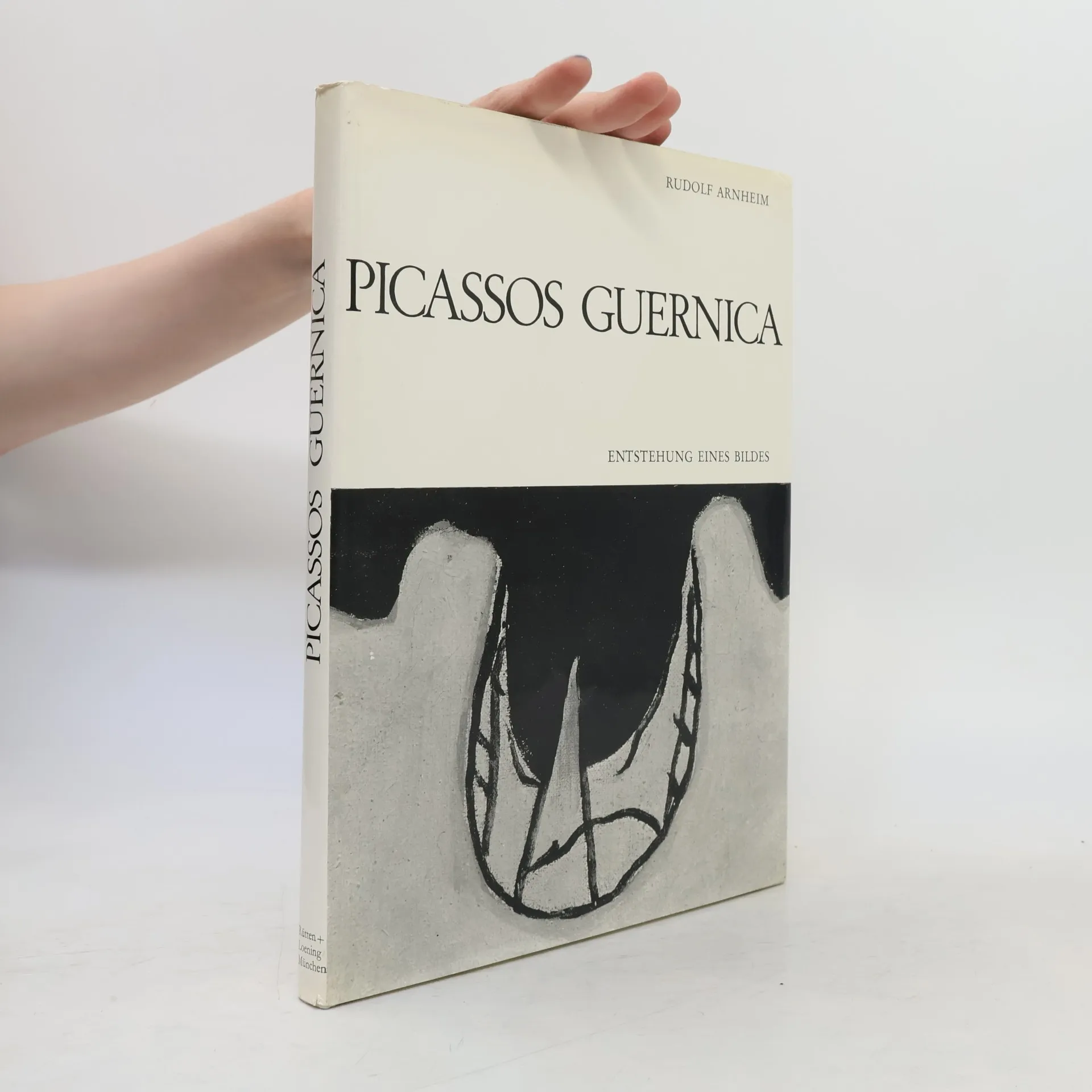
Rudolf Arnheim byl teoretik umění a filmu, který aplikoval principy gestalt psychologie na vizuální umění. Jeho práce zkoumala, jak lidé vnímají vizuální informace a jak tyto procesy ovlivňují uměleckou tvorbu a estetické vnímání. Arnheimův přístup zdůrazňoval propojení mezi psychologií vnímání a uměleckým vyjádřením. Jeho díla ovlivnila uměleckou historii i psychologii a nabízí čtenářům hlubší pochopení vizuálního světa.
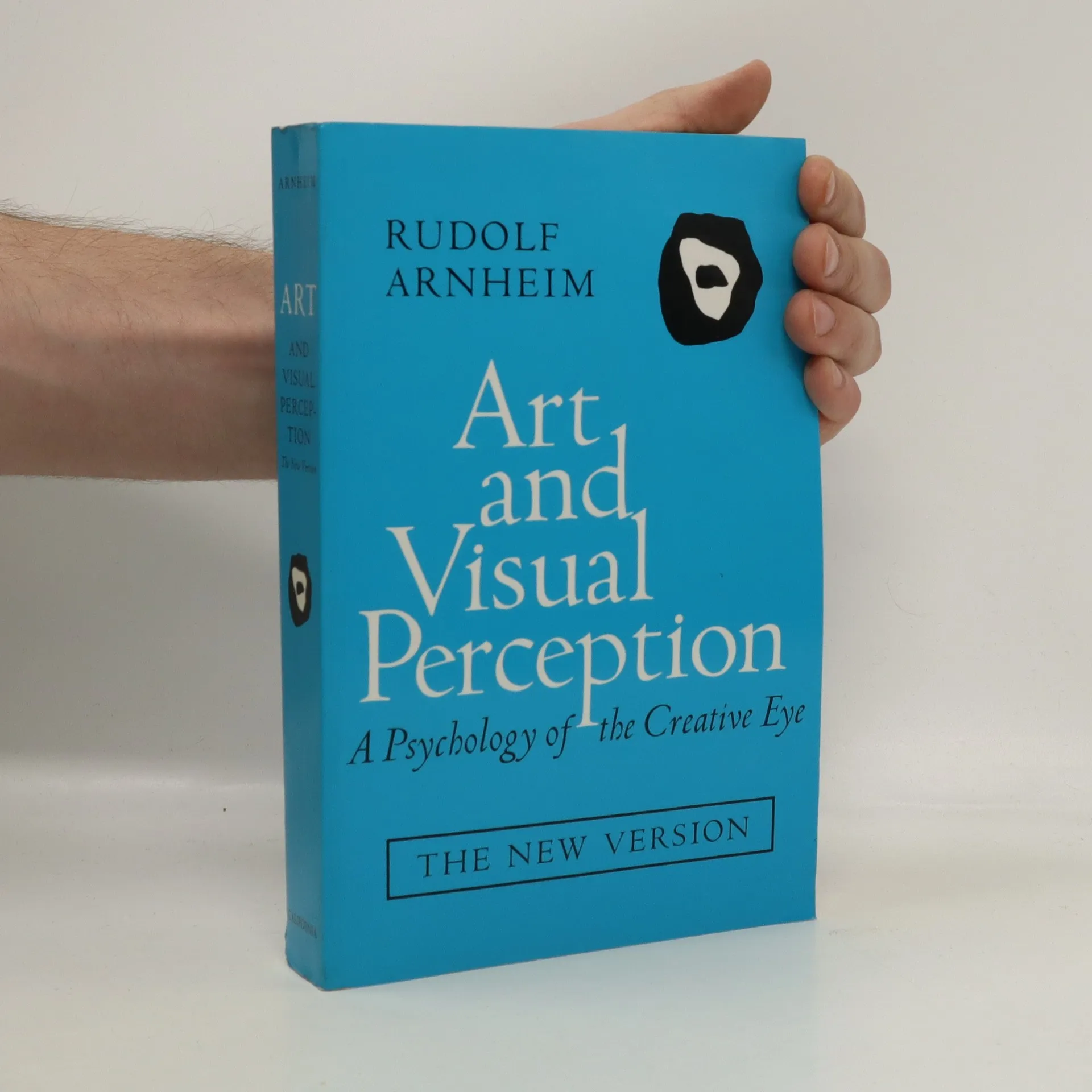
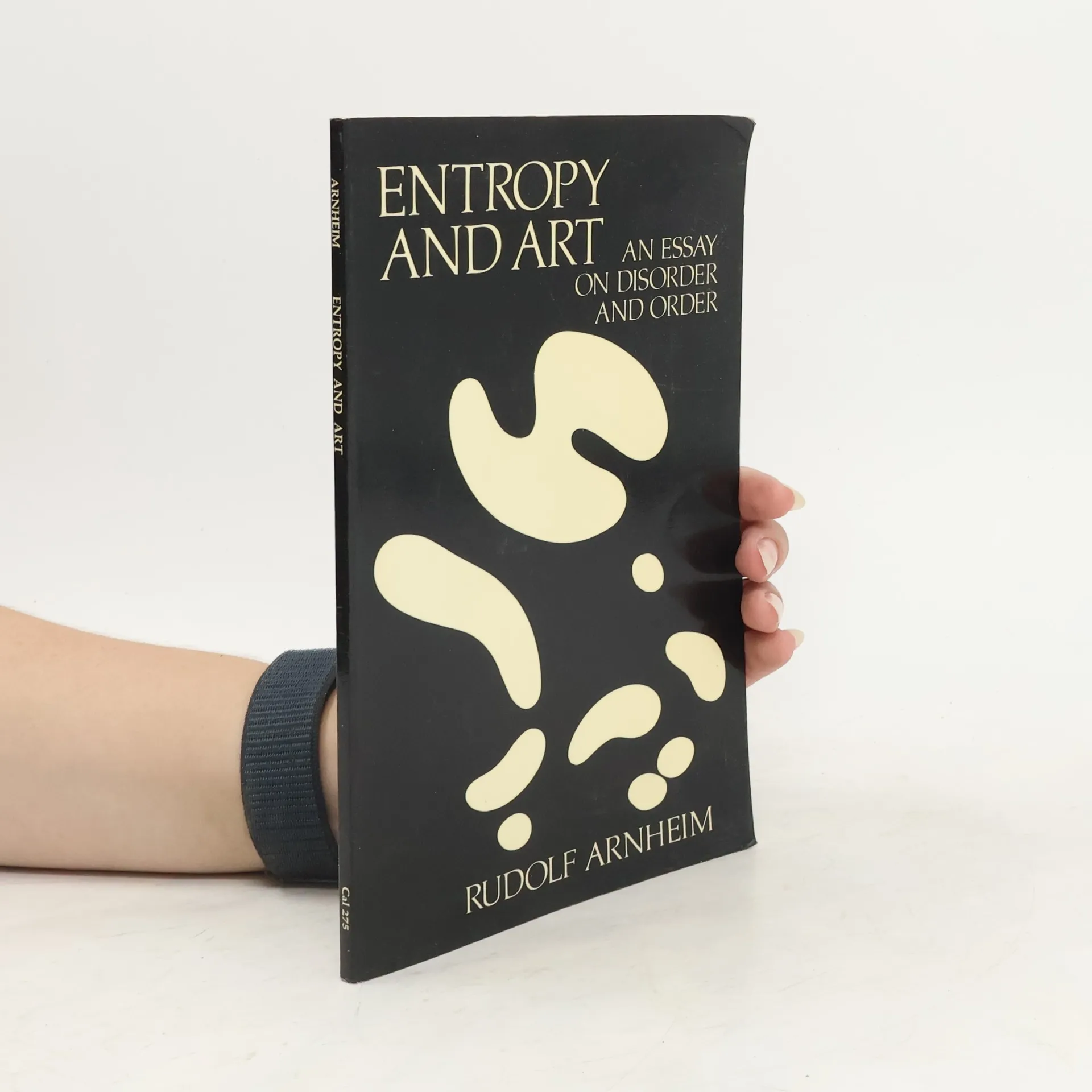
Based on the assumption that art is subject to psychology, accessible to
understanding, and needed for any comprehensive survey of mental functioning,
this book offers psychological findings range from experiments in the
perception of shape or observations on the art work of children to broad
deliberations on nature of images or of inspiration.
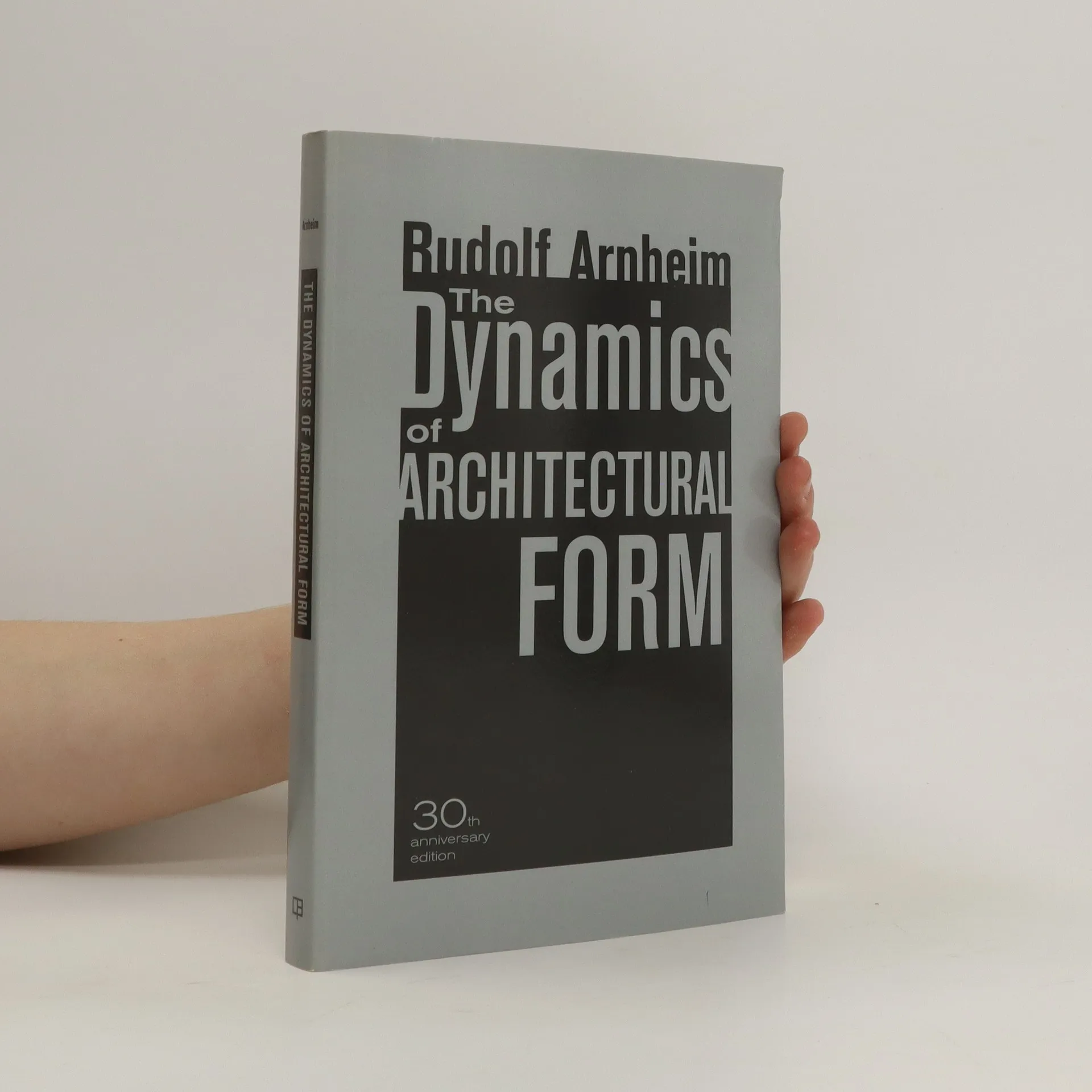
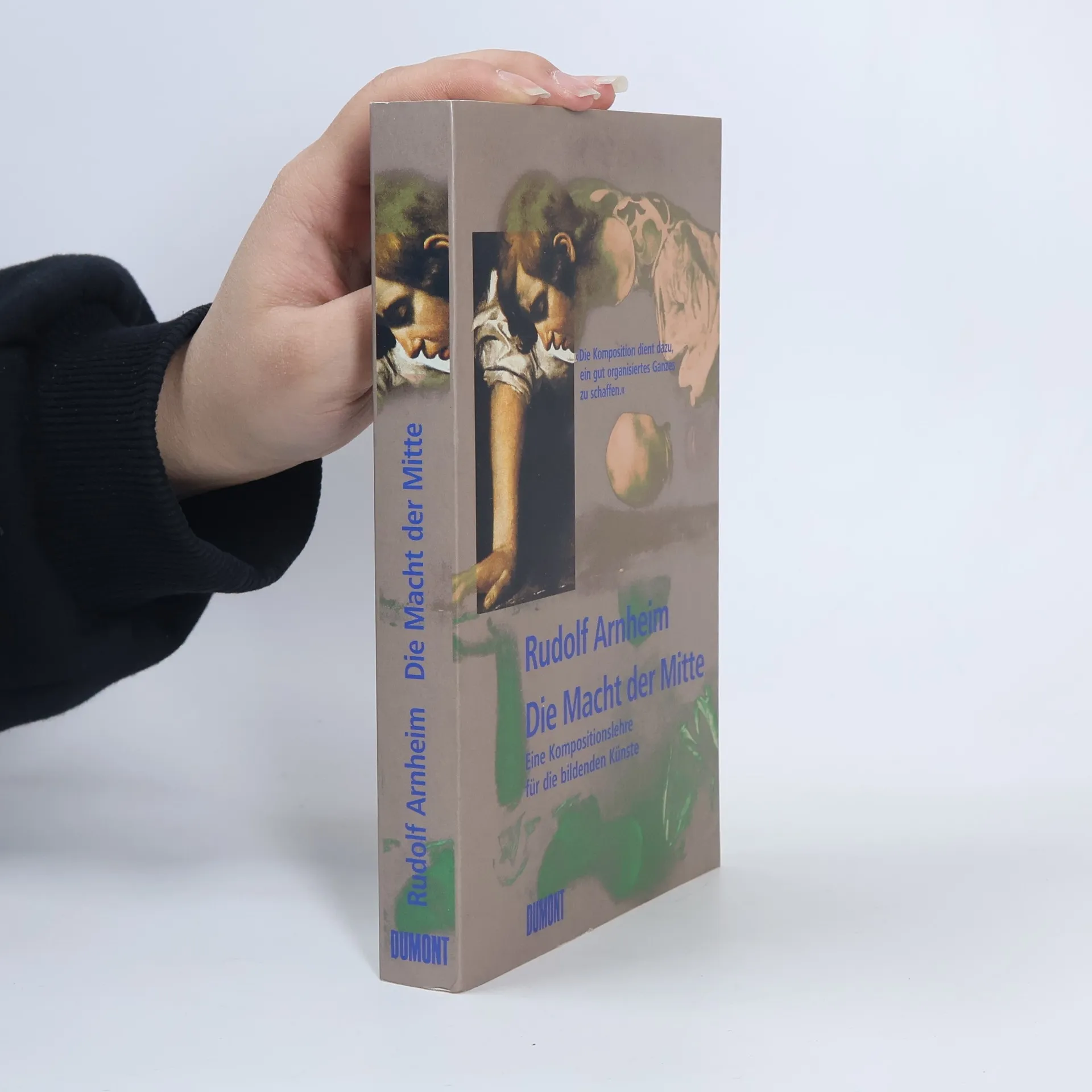
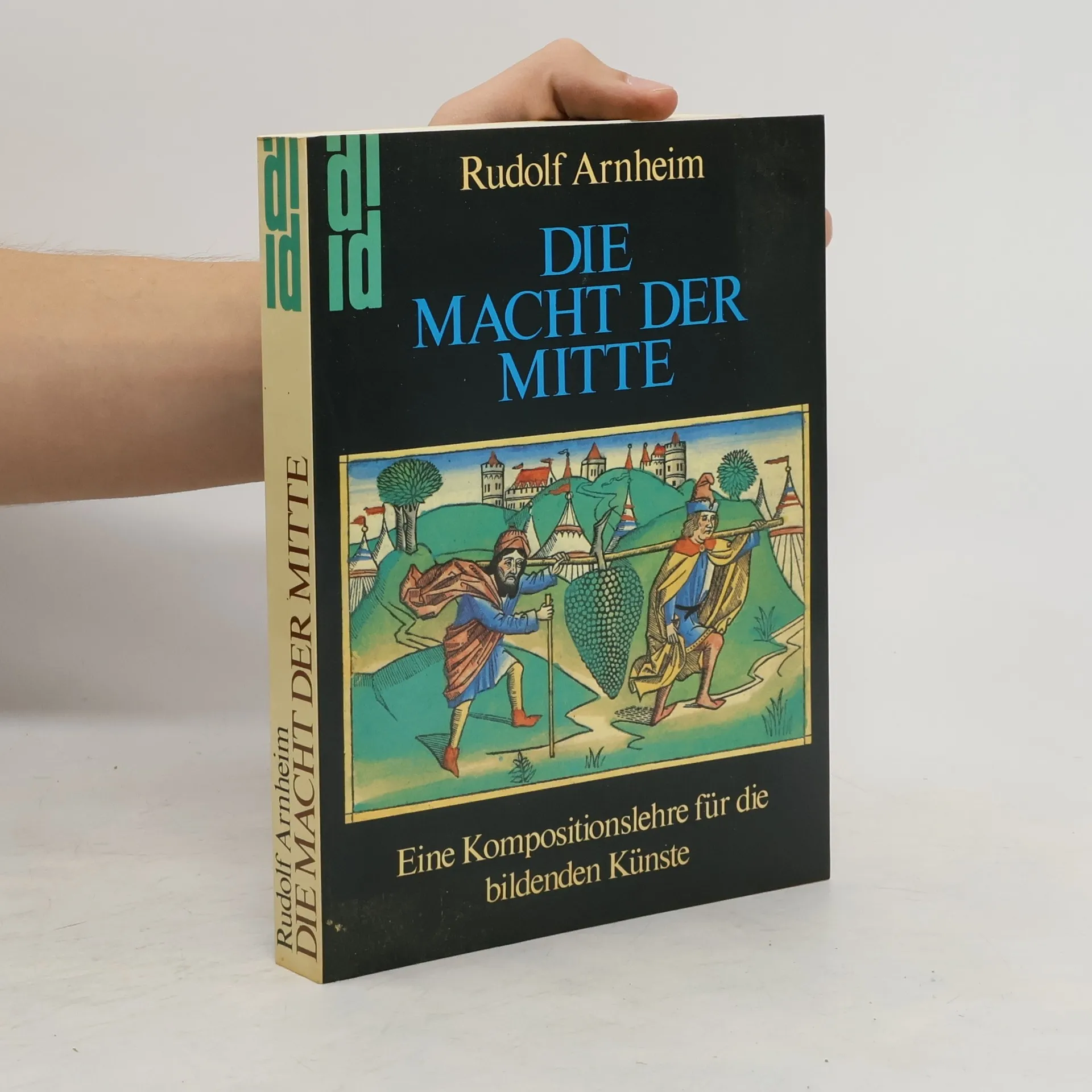
Rudolf Arnheim untersucht die Prinzipien der Kompositionsschemata in Malerei, Bildhauerei und Architektur. Er identifiziert zentrale Prinzipien wie das zentrische und exzentrische System und zeigt anhand zahlreicher Beispiele, dass diese formalen Bedingungen auf grundlegende menschliche Erfahrungen verweisen.
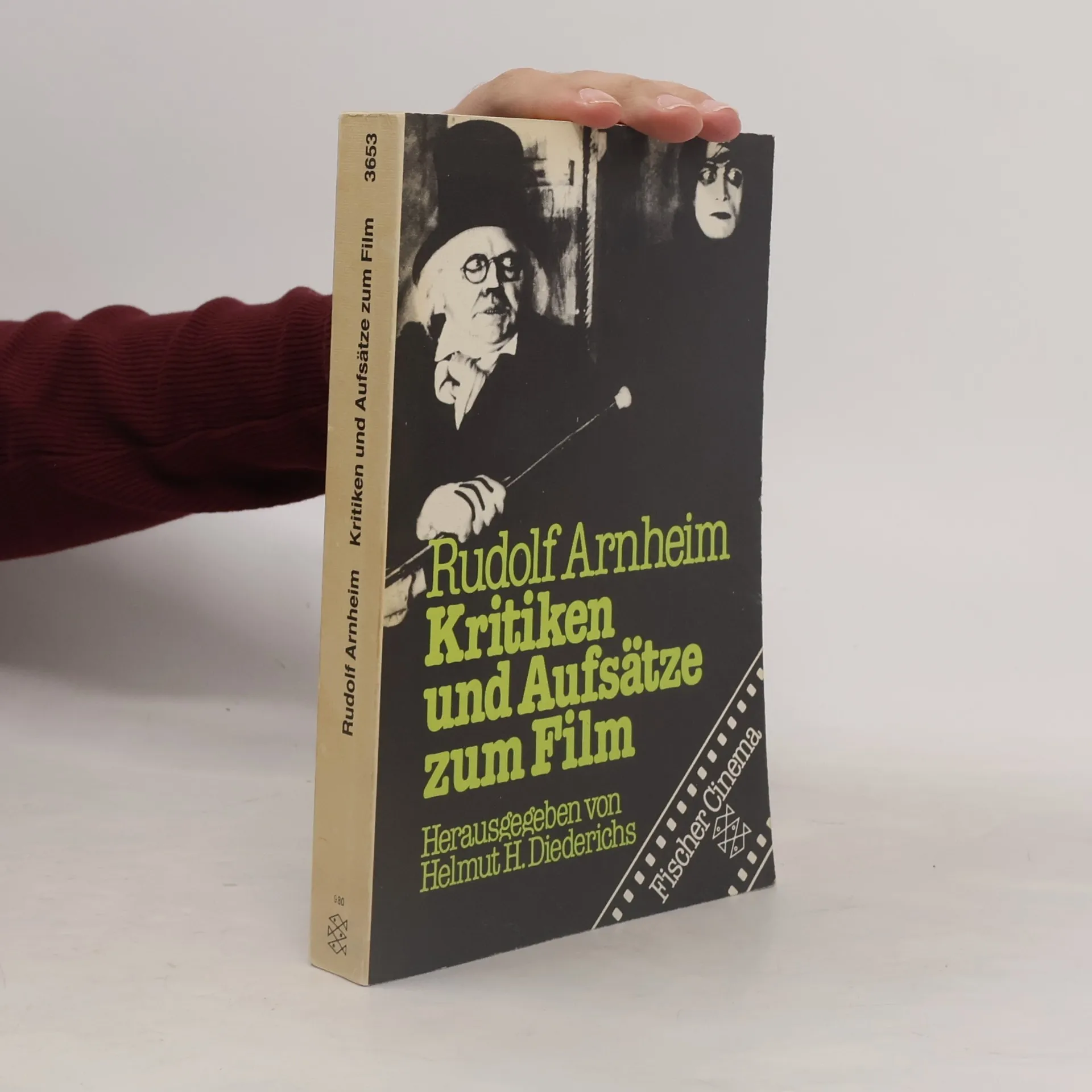
Rudolf Arnheim, a prominent film theorist known for his classic Film as Art, presents a significant collection in this first English translation of his work, which compiles film reviews and theoretical essays primarily written between 1925 and 1940. Arnheim began his writing career in 1920s Berlin, contributing to the satirical magazine Das Stachelschwein, and later became a film critic and assistant editor for Die Weltbühne. This volume features his key contributions from both publications, offering sharp and humorous insights on classics of the silent and early sound eras, including Buster Keaton’s The General and Fritz Lang’s Metropolis. Following the rise of Nazism, Arnheim emigrated first to Italy, where he penned essays for the emerging Enciclopedia del Cinema, and later to England and the United States. The collection includes thirty essays on film theory covering aspects such as early sound film, production, and the interplay between film and the state. Additionally, it contains fifty-six critical pieces reflecting Arnheim’s views on film criticism, reviews of films from Germany, America, France, and the Soviet Union, and profiles of notable figures like Greta Garbo and Charlie Chaplin. A newly revised introduction by Arnheim and a comprehensive bibliography are also included.
For thirty-five years Visual Thinking has been the gold standard for art educators, psychologists, and general readers alike. In this seminal work, Arnheim, author of The Dynamics of Architectural Form, Film as Art, Toward a Psychology of Art, and Art and Visual Perception, asserts that all thinking (not just thinking related to art) is basically perceptual in nature, and that the ancient dichotomy between seeing and thinking, between perceiving and reasoning, is false and misleading. An indispensable tool for students and for those interested in the arts.
Since its publication fifty years ago, this work has established itself as a classic. It casts the visual process in psychological terms and describes the creative way one's eye organizes visual material according to specific psychological premises. In 1974 this book was revised and expanded, and since then it has continued to burnish Rudolf Arnheim's reputation as a groundbreaking theoretician in the fields of art and psychology.
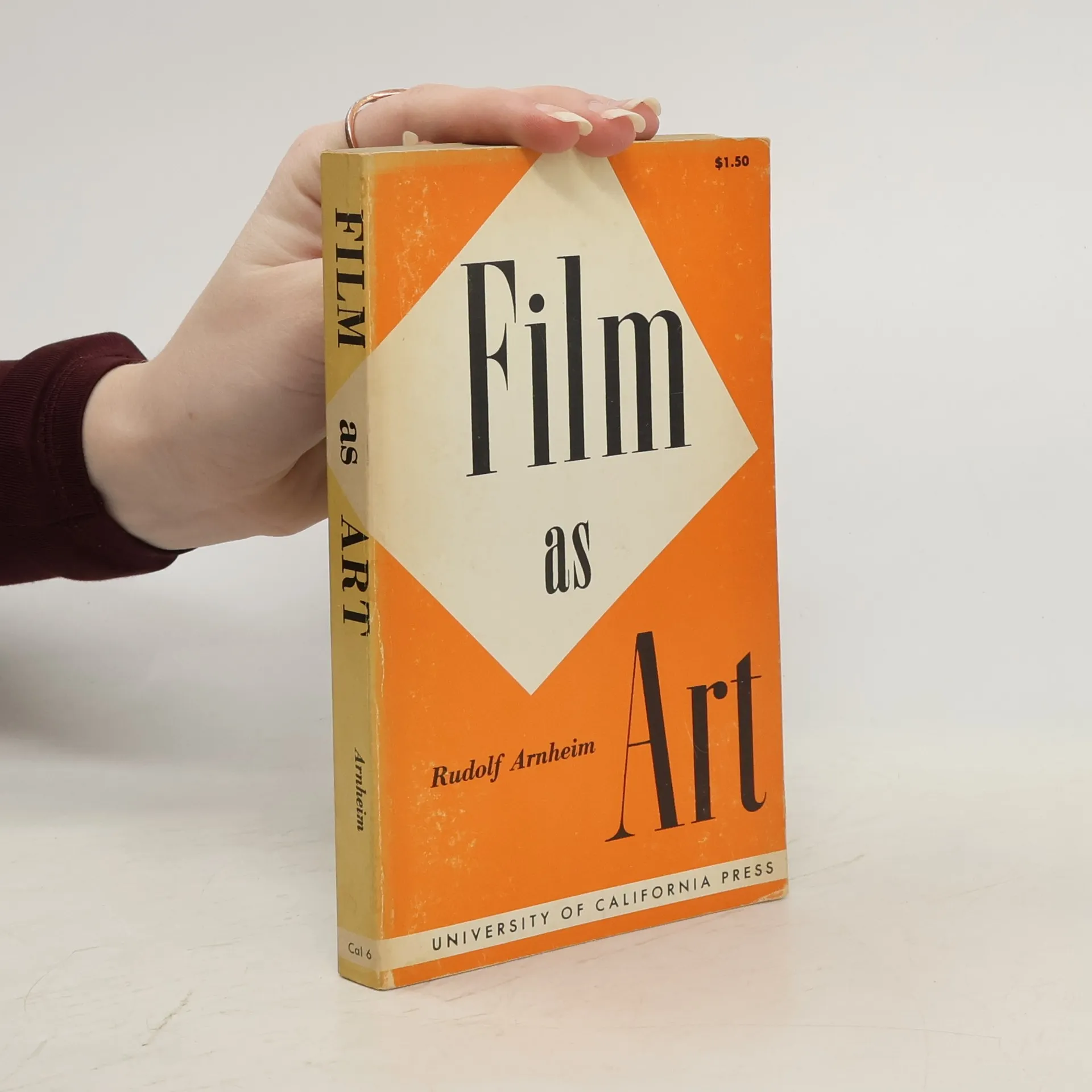
Rudolf Arnheim's "Film as Art" is a classic in film and media theory. His theory of film, influenced by Gestalt psychology, provides a concise representation of essential cinematic techniques as well as a theory of perception developed through the lens of film. First published in 1932, its theoretical and historical significance has been rediscovered in light of the recent renaissance in perception theory. The book includes the integral text along with a postscript that outlines the history of its creation and reception, as well as its contemporary relevance, accompanied by reviews from the time.