

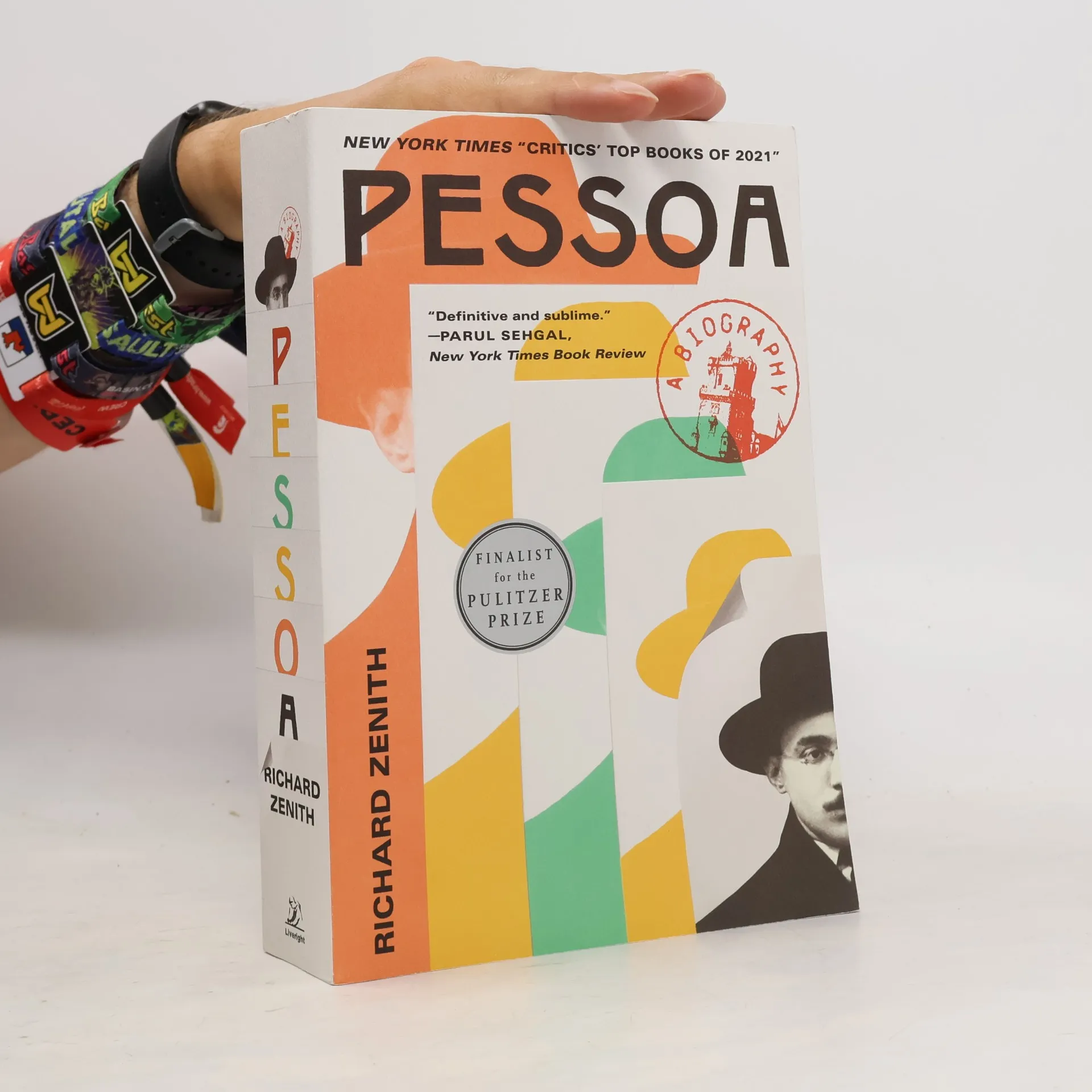
Nearly a century after his death, Portuguese poet Fernando Pessoa (1888–1935) remains an enigmatic figure. Believing he could achieve “more in dreams than Napoleon,” he created numerous alter egos, or “heteronyms,” under which he wrote in Portuguese, English, and French. Despite his complexity, definitive biographies have been elusive—until renowned translator and scholar Richard Zenith took on the challenge. Initially unknown, Pessoa's legacy transformed dramatically with the discovery of 25,000 unpublished papers in a trunk. Zenith draws from this extensive archive and unpublished family letters, situating Pessoa’s life within the nationalist currents of twentieth-century Europe. He reveals the depths of Pessoa’s imagination and literary genius, tracing the backstories of his heteronyms as projections of himself. A solitary man with a platonic love affair, Pessoa explored sexuality, spiritual truth, and the political turmoil of Portugal through his writings. Zenith also portrays Pessoa’s formative years in Lisbon and Durban, South Africa, his struggles as a translator, and his bohemian friendships, including his correspondence with Ophelia Quieroz. He highlights Pessoa's defense of banned homosexual writers and his opposition to the Portuguese dictator Salazar. In rich prose, Zenith contextualizes Pessoa’s posthumous achievements, particularly The Book of Disquiet, affirming the enduring relevance of his work in today’s disc
Richard Zenith Pořadí knih (chronologicky)
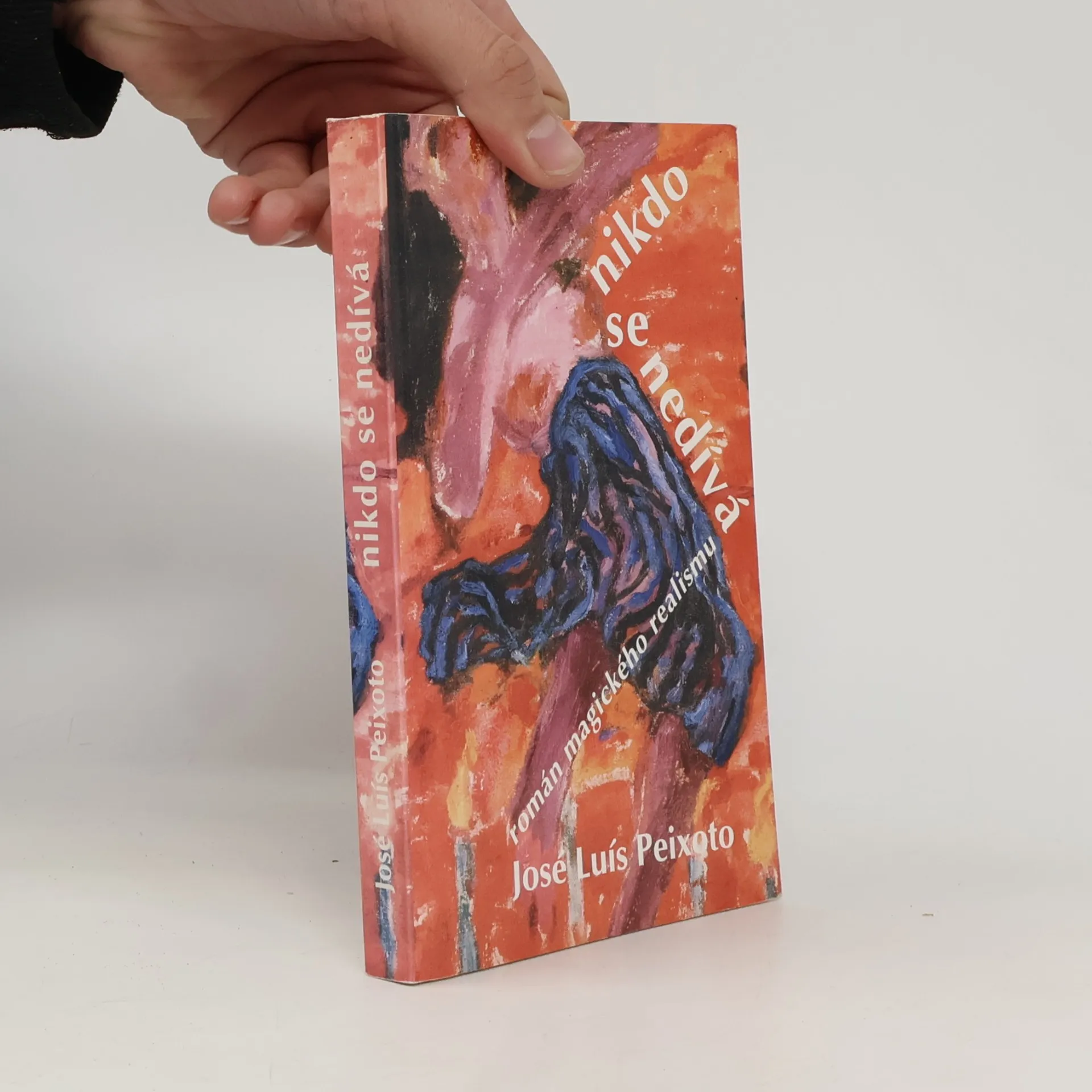

Román tvoří vlastně dvě knihy, které s třicetiletým odstupem vyprávějí dva téměř identické příběhy. Oba se odehrávají v Alenteju, portugalském vnitrozemí, a oba končí tragicky. První kniha vypráví o Josefovi-otci, druhá o Josefovi-synovi. Láska a ženy, avšak ženy anonymní, bezejmenné, jsou velice důležitou součástí nejen jejich životů, ale i celého románu. Magické opakování a cykličnost jsou základem autorovy vyprávěcí techniky a současně jako by vyjadřovaly jakousi osudovost lidského života a jeho koloběh. Román na sebe upoutal pozornost literárního světa a dostal se na přední místa v literárních soutěžích APE a PEN klubu. V roce 2001 získal Cenu Josého Saramaga, která se uděluje za nejlepší portugalsky psané dílo autorovi mladšímu 35 let.
The compass point, which marks the unseen center, does not sing like the beak of the bird that is the center of the song it occupies. However, the compass rotates as if it were moved by wings; and it draws, on paper, the circle that the bird suggests in the air.