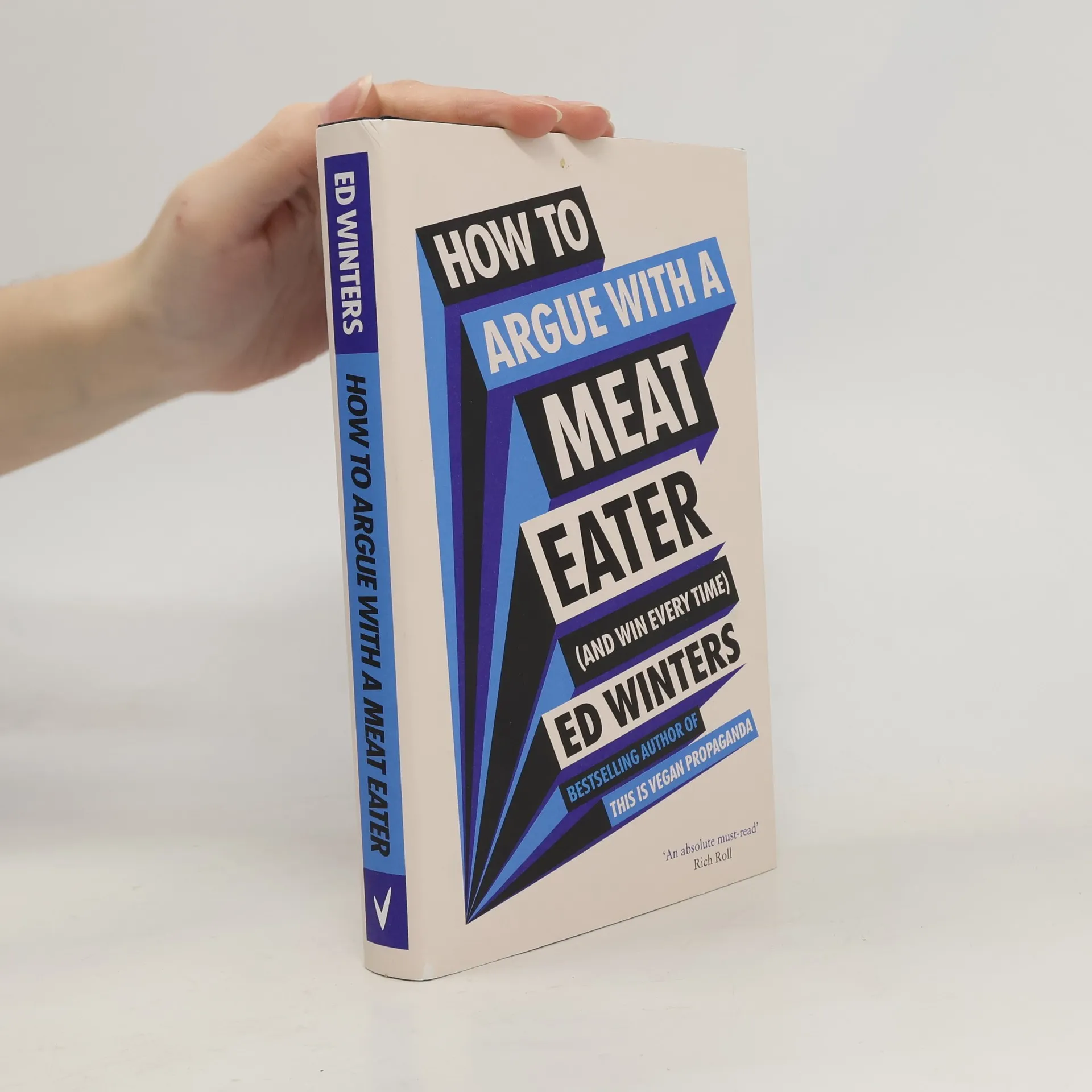
An empowering and deeply informative book - Moby Challenge their beliefs; change the world If you are a vegan, you'll know all too well how provocative it can be - you never know when you'll be challenged or how. But being able to face down and rebut arguments against veganism is hugely important. Not just because many of the arguments lack substance, but because every interaction provides a pivotal moment to create change. How to Argue With a Meat Eater will teach you to not only become a skilled debater, sharing the secrets of renowned vegan educator Ed Winters, but it will arm you with powerful facts and insights that will give pause to even the most devout meat eater. Providing you with the knowledge to become a better conversationalist and critical thinker, and the motivation to create a more ethical, kind and sustainable world, let this book be your guide and inspiration to know that, no matter what the argument, you can win every time.
Peter Singer Pořadí knih (chronologicky)
Peter Singer je vlivný filozof, který se zaměřuje na etiku zvířat, bioetiku a morální závazky bohatých vůči chudým. Navzdory tomu, že je často označován za otce moderního hnutí za práva zvířat, jeho filozofie se opírá spíše o principy užitečnosti než o práva. Jeho práce, přeložené do mnoha jazyků, zkoumají, jak bychom měli žít a jak minimalizovat utrpení ve světě. Singerův přístup vybízí k zamyšlení nad našimi morálními odpovědnostmi v globálním kontextu.






Consider the Turkey
- 128 stránek
- 5 hodin čtení
Examining the traditional turkey feast, this book reveals the troubling realities of commercially produced birds and their history. Author Peter Singer critiques the annual presidential turkey pardon while introducing readers to a charming turkey named Cornelius. He advocates for a shift towards vegetarian alternatives or focusing on popular side dishes to enhance holiday meals for both people and the planet. The book also includes delicious recipes for turkey-free celebrations, prompting a reevaluation of holiday dining choices.
The Buddhist and the Ethicist
- 265 stránek
- 10 hodin čtení
Eastern spirituality and utilitarian philosophy meet in these unique dialogues between a Buddhist monastic and a moral philosopher on such issues as animal welfare, gender equality, the death penalty, and more An unlikely duo—Professor Peter Singer, a preeminent philosopher and professor of bioethics, and Venerable Shih Chao-Hwei, a Taiwanese Buddhist monastic and social activist—join forces to talk ethics in lively conversations that cross oceans, overcome language barriers, and bridge philosophies. The eye-opening dialogues collected here share unique perspectives on contemporary issues like animal welfare, gender equality, the death penalty, and more. Together, these two deep thinkers explore the foundation of ethics and key Buddhist concepts, and ultimately reveal how we can all move toward making the world a better place.
Angenommen, ich stehe an einem Teich und muss mitansehen, wie ein Kind ertrinkt, würde mir bei der Rettungsaktion aber meinen teuren neuen Anzug ruinieren: Müsste ich das Kind nicht trotzdem retten? Wenn nun das durchaus zumutbar wäre: Warum teile ich dann nicht meinen Besitz mit jemandem, dem ich dadurch das Leben retten könnte, ohne dass mich das unzumutbar viel kosten würde? Das »Kind im Teich« ist nicht nur eines der berühmtesten philosophischen Gedankenexperimente, sondern drückt auch die Kernidee des »effektiven Altruismus« aus, einer sozialen Bewegung, die Singer maßgeblich geprägt hat. Der Band bietet eine Neuübersetzung sowie einen genauen Kommentar und zeichnet die Wirkungsgeschichte dieses so maßgeblichen Textes nach. Sprachen: Deutsch, Englisch
In recent years a number of oppressed groups have campaigned vigorously for equality. The classic instance is the Black Liberation movement, which demands an end to the prejudice and discrimination that has made blacks second-class citizens. The immediate appeal of the black liberation movement and its initial, if limited, success made it a model for other oppressed groups to follow. We became familiar with liberation movements for Spanish-Americans, gay people, and a variety of other minorities. When a majority group—women—began their campaign, some thought we had come to the end of the road. Discrimination on the basis of sex, it has been said, is the last universally accepted form of discrimination, practiced without secrecy or pretense even in those liberal circles that have long prided themselves on their freedom from prejudice against racial minorities
Why Vegan?
- 144 stránek
- 6 hodin čtení
'So the only question is: do animals other than man suffer?' One of the great moral philosophers of the modern age, Peter Singer asks unflinching questions about how we should live our lives. The ideas collected in these writings, arguing that human tyranny over animals is a wrong comparable to racism and sexism, triggered the animal rights movement and gave impetus to the rise in vegan eating. One of twenty new books in the bestselling Penguin Great Ideas series. This new selection showcases a diverse list of thinkers who have helped shape our world today, from anarchists to stoics, feminists to prophets, satirists to Zen Buddhists.
The Life You Can Save. 10th Anniversary Edition
- 312 stránek
- 11 hodin čtení
In this Tenth Anniversary Edition of The Life You Can Save, Peter Singer brings his landmark book up to date. In addition to restating his compelling arguments about how we should respond to extreme poverty, he examines the progress we are making and recounts how the first edition transformed the lives both of readers and the people they helped. Learn how you can be part of the solution, doing good for others while adding fulfillment to your own life.
Ethics in the Real World
- 355 stránek
- 13 hodin čtení
In Ethics in the Real World, Singer shows that he is also a master at dissecting important current events in a few hundred words. In this book of brief essays, he applies his controversial ways of thinking to issues like climate change, extreme poverty, animals, abortion, euthanasia, human genetic selection, sports doping, the sale of kidneys, the ethics of high-priced art, and ways of increasing happiness. Singer asks whether chimpanzees are people, smoking should be outlawed, or consensual sex between adult siblings should be decriminalized, and he reiterates his case against the idea that all human life is sacred, applying his arguments to some recent cases in the news.
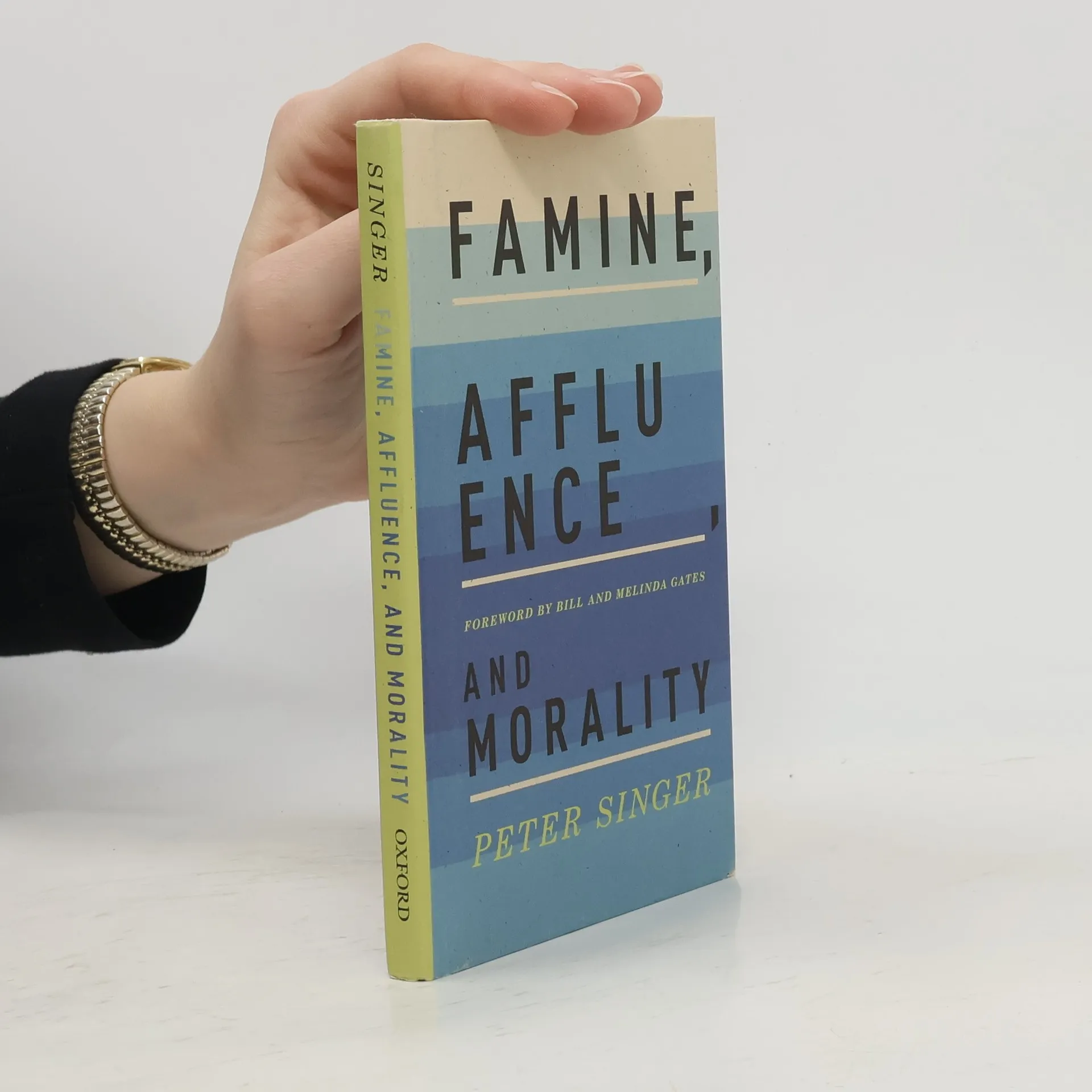
Famine, Affluence, and Morality
- 86 stránek
- 4 hodiny čtení
the arguments in Singer's short book are worth reviewing because they pose interesting questions about who we are and what we do - and perhaps especially so for health professionals who might think they already do a great deal for humanity. Richard Horton, The Lancet
V průkopnické a čtivé Darwinovské levici předkládá patrně nejznámější filozof současnosti, Peter Singer, řadu argumentů, s jejichž pomocí dokazuje nutnost radikální revize, jíž musí projít politická levice, aby překonala svoje zastaralé chápání lidské přirozenosti. Na její cestě k dosažení společenských a politických cílů jí podle něj mohou posloužit právě poznatky moderní evoluční teorie. Darwinovská levice, tvrdí Singer, bude i nadále na straně chudých a utlačovaných, bude však lépe vybavena, aby porozuměla fungování společenských a ekonomických změn a mohla reálně zlepšit situaci znevýhodněných.
The Most Good You Can Do develops the challenges Singer has made to those who donate to the arts, and to charities focused on helping our fellow citizens, rather than those for whom we can do the most good. Effective altruists are extending our knowledge of the possibilities of living less selfishly, and of allowing reason, rather than emotion, to determine how we live. The Most Good You Can Do offers new hope for our ability to tackle the world's most pressing problems
Dieses Lehrbuch bietet angehenden Lehrkräften eine praxisnahe und theoretisch fundierte Einführung in die Vorbereitung, Durchführung und Auswertung von Unterricht. Im Fokus steht ein mehrperspektivisch angelegter Unterricht, der Unterrichtstheorien und -vorstellungen integriert, um Ziele, Inhalte und Methoden von Lehr- und Lernprozessen zu verbinden. Lehrerinnen und Lehrer sowie Schülerinnen und Schüler werden systematisch einbezogen. Durch konkrete Hinweise zur Unterrichtsgestaltung fördert das Buch eine vernetzte Sicht von Theorie und Praxis. Die vielschichtige Darstellung vermittelt ein umfangreiches didaktisches Repertoire, das individuelle Lernwege und bedeutungsvolle Lernerfahrungen ermöglicht. Studierende der Lehrämter, Praxislehrpersonen sowie Referendarinnen und Referendare finden hier eine Grundlage für die Kommunikation über Unterricht in einer gemeinsamen Sprache. Die Beurteilungsraster für verschiedene Arbeitsformen und Unterrichtsarrangements unterstützen eine sachliche Auseinandersetzung mit schulischen Lehr- und Lernprozessen. Auch erfahrene Lehrkräfte und Dozierende an Pädagogischen Hochschulen profitieren von diesem Werk, da es die Reflexion des eigenen unterrichtlichen Handelns erleichtert und als nützliches Nachschlagewerk dient.
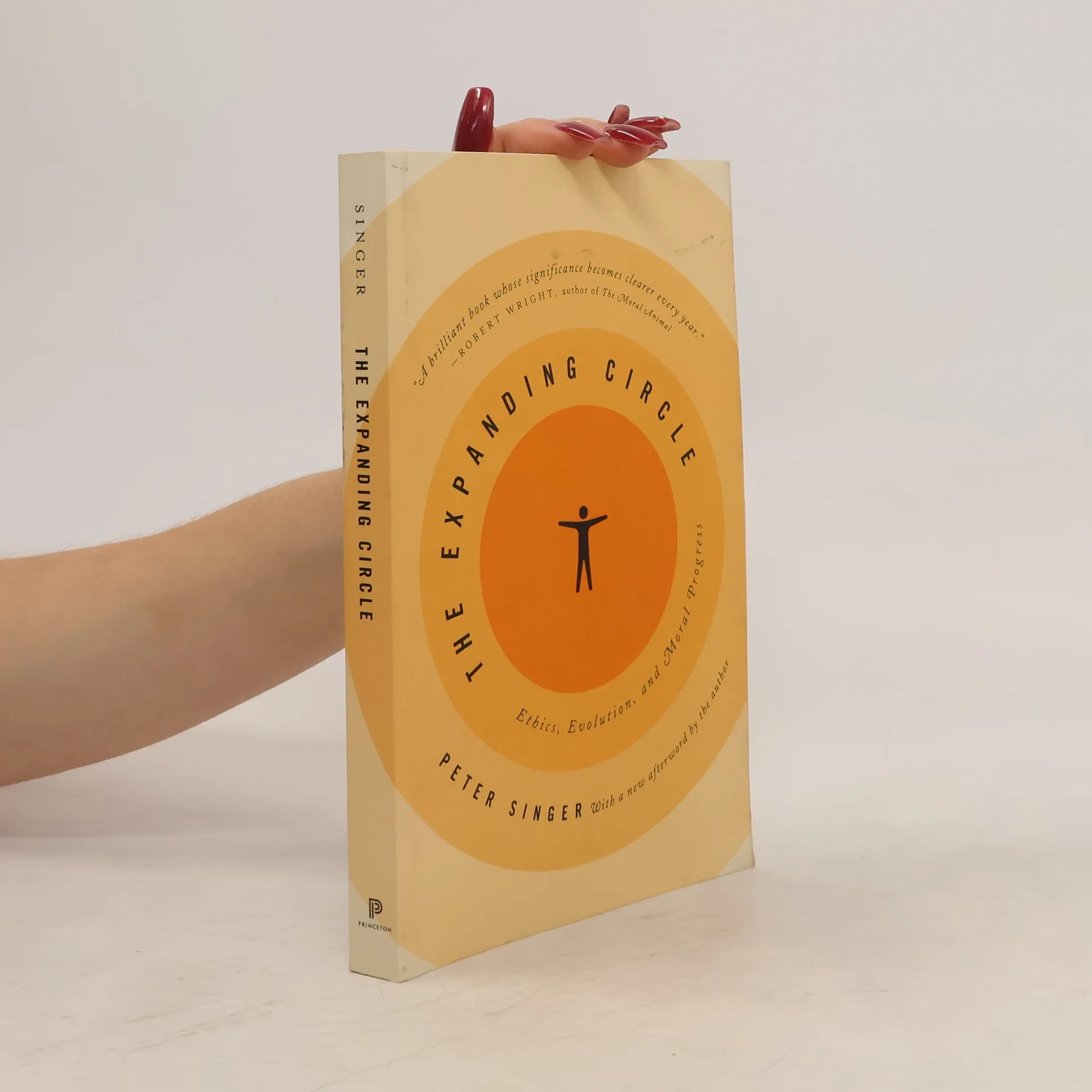
The Expanding Circle
- 208 stránek
- 8 hodin čtení
What is ethics? Where do moral standards come from? Are they based on emotions, reason, or some innate sense of right and wrong? This title argues that altruism began as a genetically based drive to protect one's kin and community members but has developed into a consciously chosen ethic with an expanding circle of moral concern.
Leben retten
- 267 stránek
- 10 hodin čtení
„Peter Singer ist einer der radikalsten Denker unserer Zeit.“ The New York Times Täglich sterben 27000 Kinder unter fünf Jahren, weil sie in Armut leben. Dieses Buch zeigt auf, wie Sie mindestens einem dieser Kinder das Leben retten könnten - und es erklärt Ihnen, warum Sie es nicht tun. Peter Singer rechnet vor, wie wir die Armut abschaffen könnten, indem jeder Einzelne, der nicht in Armut lebt, einen kaum spürbaren Teil seines Besitzes abgibt. Und er geht nüchtern der Frage nach, warum es uns so unendlich schwerfällt, diesen kleinen, aber alles verändernden Schritt zu machen. Ein Experiment: Einer Gruppe (A) wird in Aussicht gestellt, dass sie mit einer Spende einem Kind das Leben könnte. Einer zweiten Gruppe (B) wird ebenfalls in Aussicht gestellt, mit einer Spende Leben retten zu können - und zwar nicht nur von einem, sondern von acht Kindern. Ergebnis: Gruppe B spendet deutlich weniger als Gruppe A. Anhand dieses und vieler weiterer Experimente zeigt Peter Singer auf, welche psychologischen Faktoren uns davon abhalten, trotz rationaler Einsicht tatkräftig zur Lösung eines der größten Probleme der Menschheit beizutragen. Am Ende steht dabei weder eine Anklage noch eine moralische Entlastung - sondern ein konkreter Sieben-Punkte-Plan, mit dem die Armut auf der Welt abgeschafft werden kann.
The Life You Can Save
- 208 stránek
- 8 hodin čtení
Offering a seven-point plan that combines personal philanthropy, local activism and global awareness, Peter Singer argues that we need to change our views on what is involved in living an ethical life if we are to put a stop to poverty throughout the world.
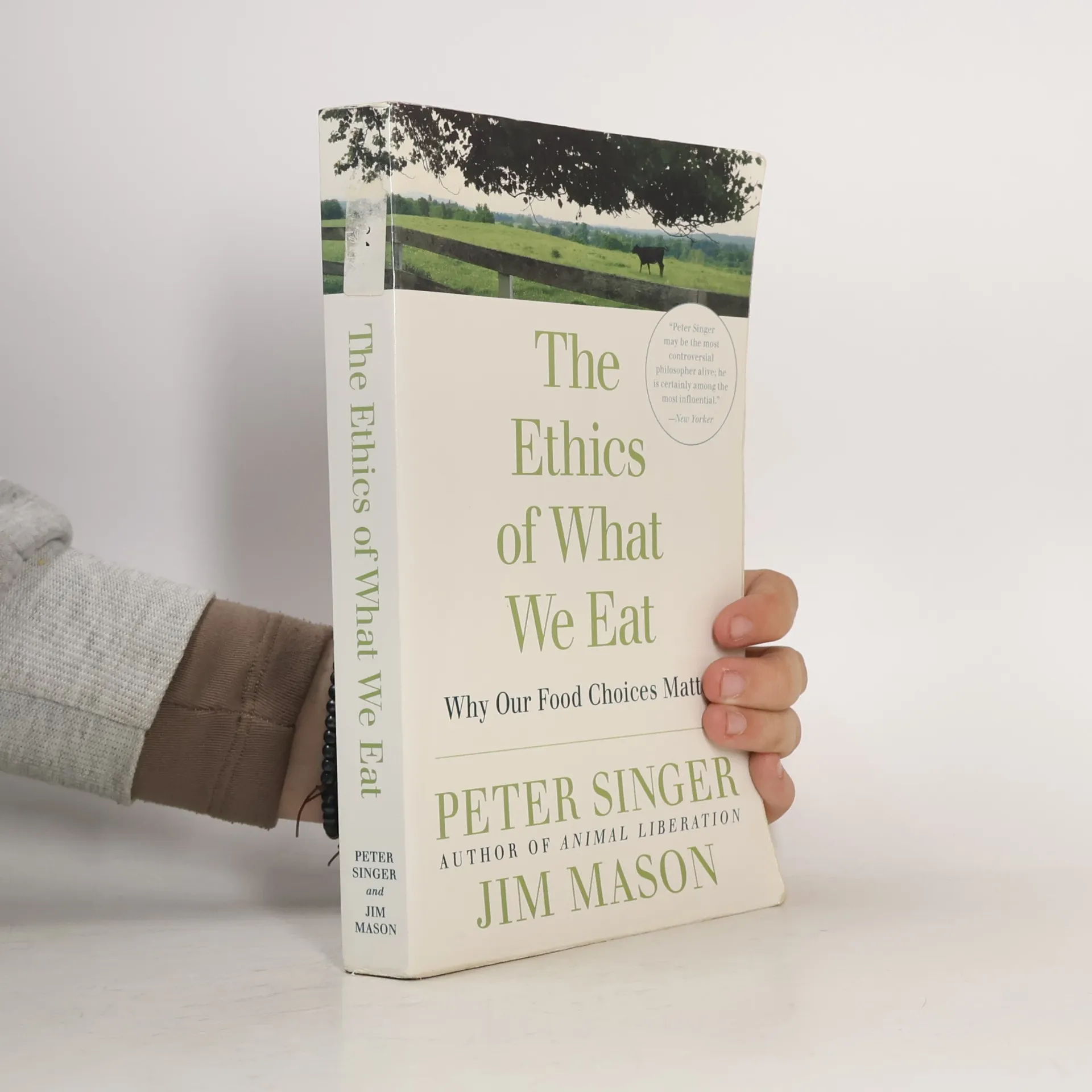
The Ethics of What We Eat
- 336 stránek
- 12 hodin čtení
Examines three families' grocery-buying habits and the motivations behind those choices. This book gives equal consideration to profitability and animal welfare and concludes that America's food industry seeks to keep Americans in the dark about the ethical components of their food choices.
Eating
- 352 stránek
- 13 hodin čtení
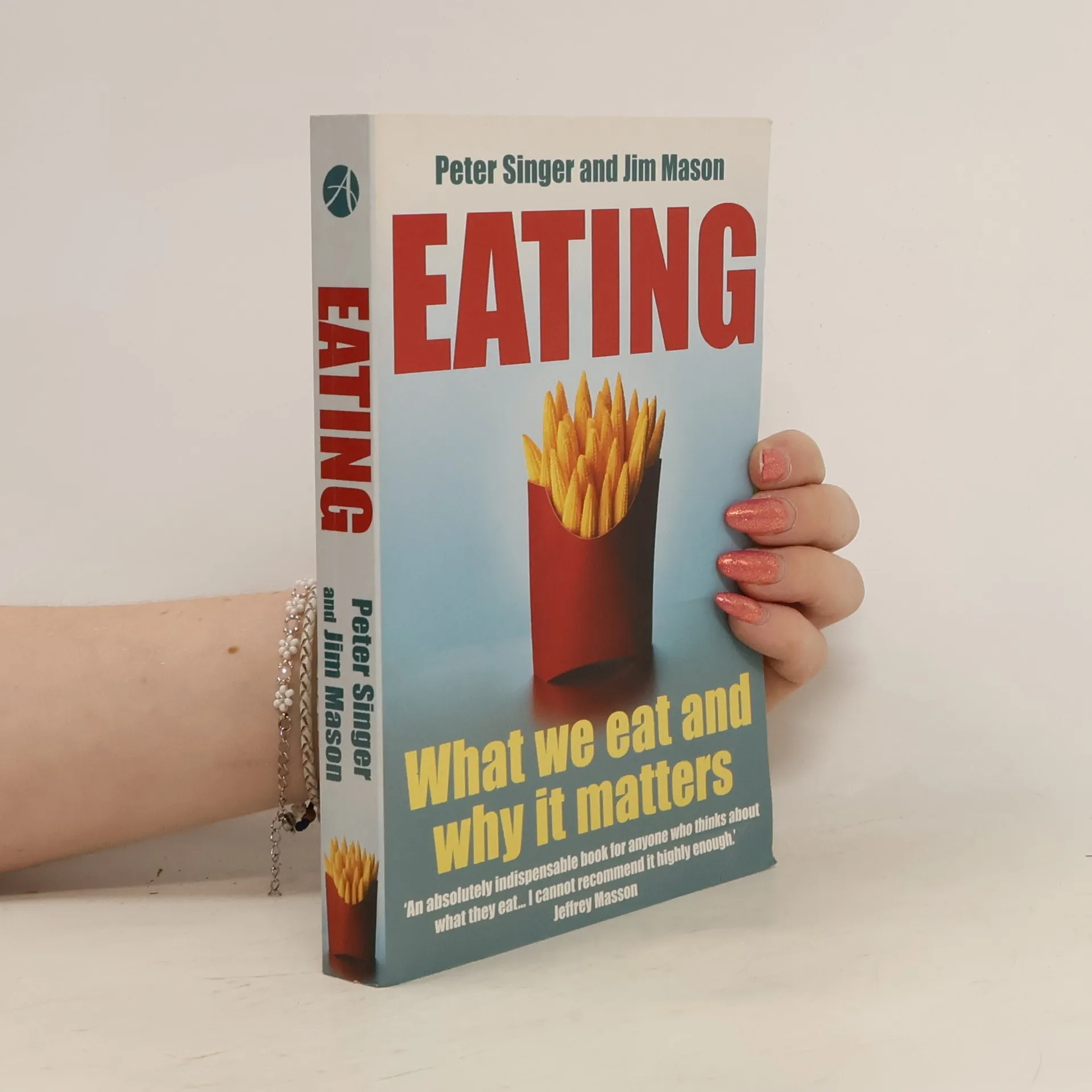
Written with investigative vigour, provocative and controversial but always accessible, Eating is a hard-hitting exploration of our eating habits, making us look at what we eat as a moral issue.
Jeden svet - Etika globalizácie
- 184 stránek
- 7 hodin čtení
Autor je jedným z najoriginálnejších predstaviteľov súčasnej praktickej, respektíve aplikovanej etiky. Jeho dielo pokrýva celé spektrum otázok bioetiky, od práv zvierat až po zásadné otázky života a smrti. Autor sa v knihe (v origináli vyšla v roku 2002) zameriava na koncept globálnej etiky, pričom kladie nové provokujúce otázky a hľadá na ne odpovede. Globálna etika v jeho koncepcii musí fungovať na transnacionálnej úrovni a presahovať hranice národných štátov. Na rozdiel od predošlých prác v tejto sa Singer veľmi podrobne venuje globálnym súvislostiam etiky a ekonomiky, etiky a politiky. Jej vydanie v slovenskom preklade nielenže zaplňuje vážnu medzeru vo vydávaní jeho prác u nás, ale významne prispeje k orientácii slovenského čitateľa v kľúčových otázkach globalizujúceho sa sveta.
Mein Grossvater
- 291 stránek
- 11 hodin čtení
Seamlessly integrates major development of the past decade into Peter Singer's classic text on the ethics of globalization, "One World." One of the world's most influential philosophers here confronts both the perils and potentials inherent in globalization. every issue is considered from an ethical perspective, including climate change, foreign aid, human rights, immigration, and the responsibility to protect people from genocide and crimes against humanity. Singer argues powerfully that solving global problems requires transcending national differences.
Jeden svet
- 184 stránek
- 7 hodin čtení
The president of good & evil: taking George W. Bush seriously
- 256 stránek
- 9 hodin čtení
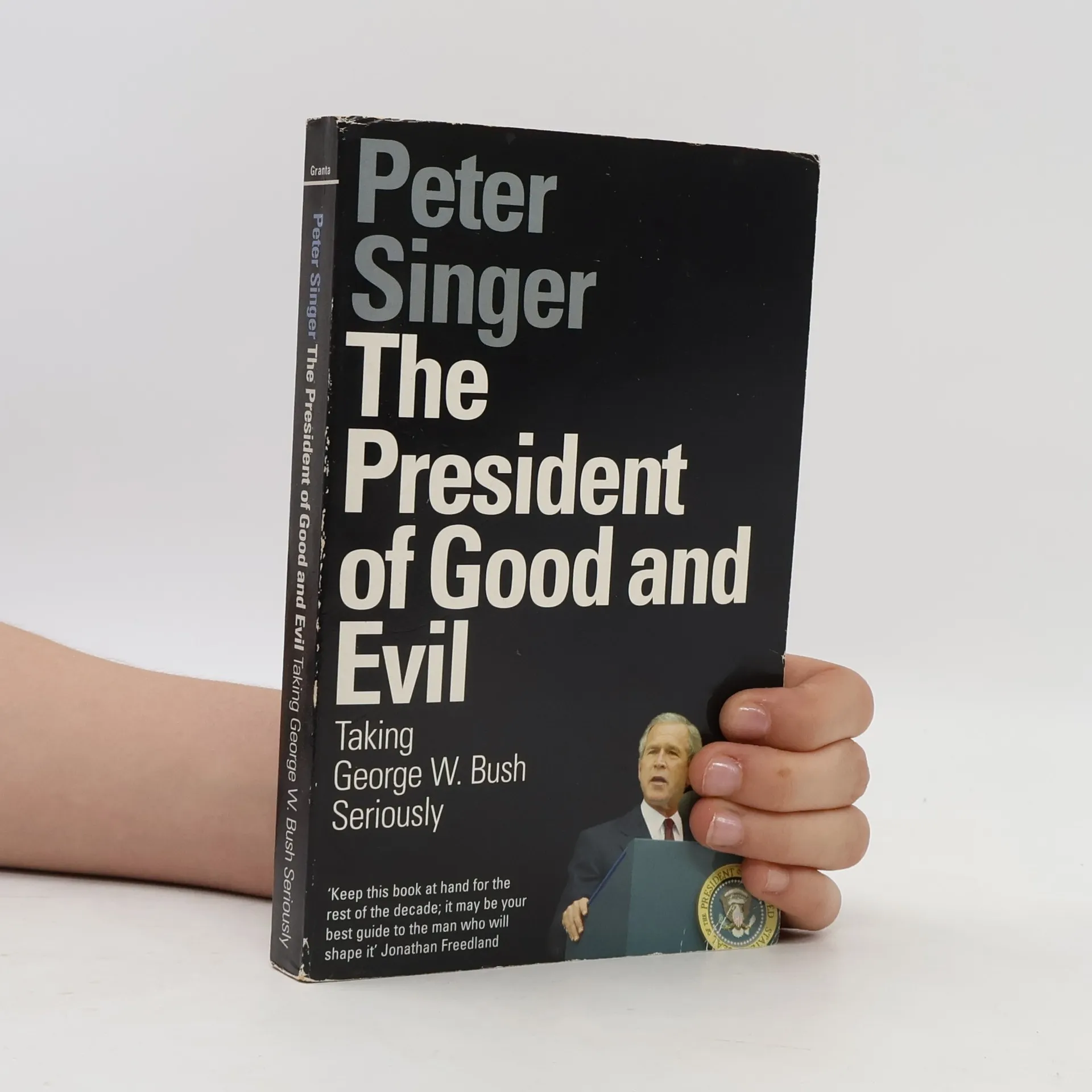
President Bush talks constantly about ethics and values. They underpin all his public pronouncements, whether he is declaring war on the 'axis of evil' or announcing tax cuts. This book is an attempt to hold his policies and actions as a president up to an ethical standard, including his own.
Pushing Time Away
- 272 stránek
- 10 hodin čtení
The author of Writings on an Ethical Life reflects on the life and work of his Viennese grandfather, a classical scholar and critic of Sigmund Freud who died at the hands of the Nazis and who left behind a legacy of personal letters and other written materials.
Blackwell Companions to Philosophy: A Companion to Bioethics
- 528 stránek
- 19 hodin čtení
This volume contains all that the beginning reader or student needs to soundly grasp the ideas and issues involved in the field.
Writings on an Ethical Life
- 384 stránek
- 14 hodin čtení
Peter Singer, an influential Australian philosopher and bioethics professor, has been a provocative figure for two decades, challenging societal norms and beliefs. His writings have ignited the modern animal rights movement and questioned the sanctity of human life. Singer argues compellingly about the moral responsibilities of wealthy nations towards impoverished populations, prompting readers to reconsider their ethical stances. His thought-provoking ideas often evoke strong reactions, making him a significant voice in contemporary philosophical debates.
The Lives of Animals
- 144 stránek
- 6 hodin čtení
In her later years, novelist Elizabeth Costello becomes consumed by the idea of human cruelty to animals, leading her to avoid eye contact with others. She perceives meat-eaters as conspirators in a vast crime occurring in farms, slaughterhouses, and laboratories worldwide. Her son, a physics professor, admires her literary accomplishments but dreads her animal rights lectures at his college, where her views are met with skepticism. Colleagues challenge her assertion that human reasoning is overrated and that life's value isn't diminished by the inability to reason. At a dinner following her lecture, guests express a range of reactions to animal rights, sparking discussions that touch on philosophical, anthropological, and religious themes. While her son finds her views offensive and eccentric, he also recognizes their unsettling validity. Nobel Prize-winning author J.M. Coetzee uses fiction to explore the complexities of animal rights through Costello's experiences of mortality, compassion for animals, and alienation from humanity, including her family. Presented as a Tanner Lecture at Princeton University, the narrative engages with literature, philosophy, and deep convictions, followed by responses from prominent thinkers. Coetzee's work, alongside essays from various scholars, delves into the social ramifications of moral conflict and confrontation.
Was sind, wie wirken Omega-3-Fettsäuren?
- 216 stránek
- 8 hodin čtení
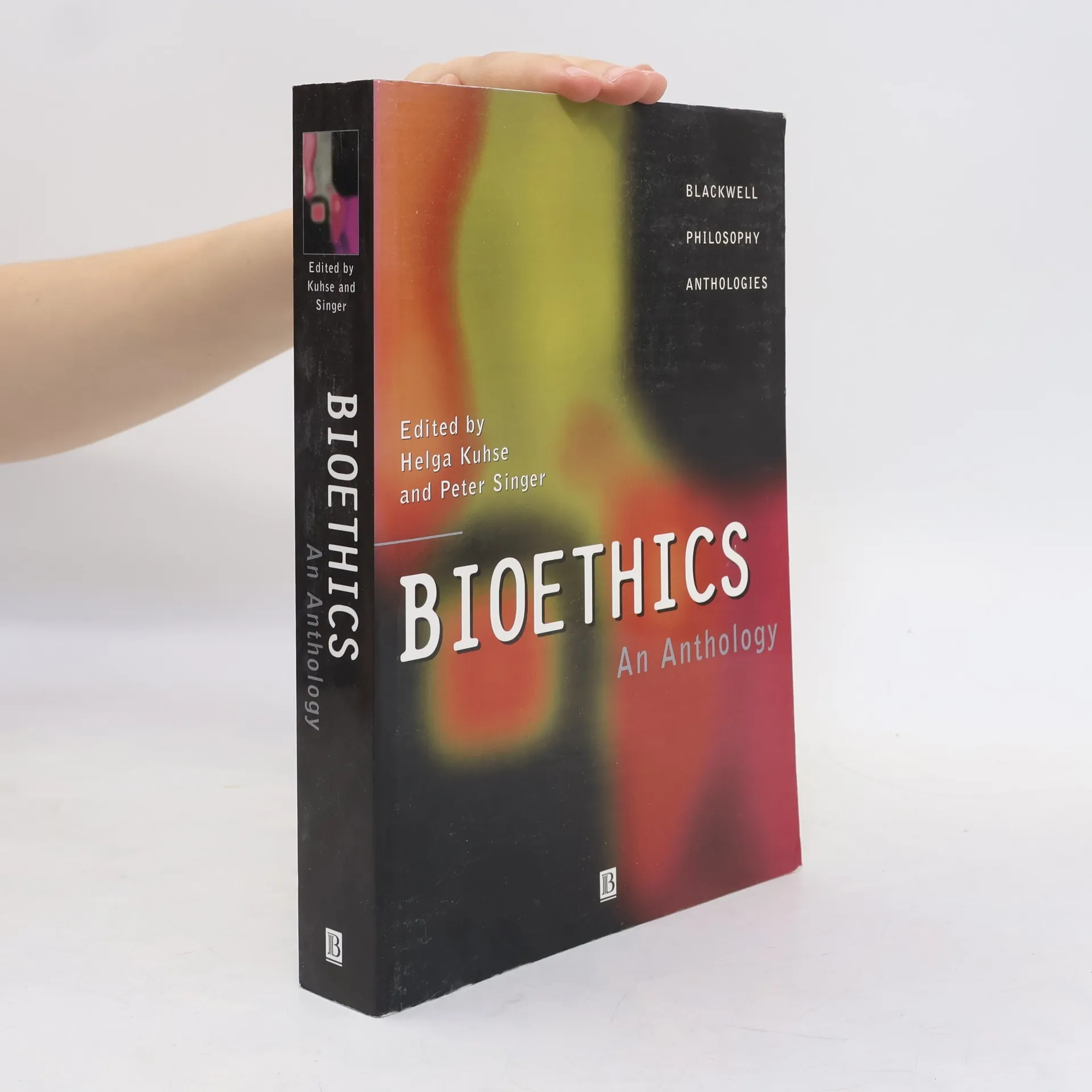
This volume is a definitive, high-qualiity, one-volume collection of key primary texts for the study of bioethics. In its structure and content, the Anthology is intended to complement the Companion to Bioethics, edited by the same scholars. The Anthology is independent of any particular approach to bioethics. Can be used as a source book to complement the Companion to Bioethics. Probes more deeply than the standard anthologies into the foundations of bioethics. More global in approach than competition.
Leben und Tod
- 255 stránek
- 9 hodin čtení
Peter Singer behandelt in seinem Werk zentrale Fragen, die Medizin, Justiz und Philosophie betreffen und in der Öffentlichkeit immer wieder aufgeworfen werden: Wann beginnt und endet das Leben? Ist ein hirntoter Mensch wirklich tot? Dürfen Ärzte die Lebensfunktionen einer hirntoten schwangeren Frau aufrechterhalten, um den Fötus zu retten? Dürfen schwerstgeschädigte Neugeborene sterben? Haben todkranke Menschen ein Recht auf ärztliche Sterbehilfe? Die Entscheidungen der modernen Medizin stehen oft im Widerspruch zu den Intuitionen vieler Menschen, was der Fall des „Erlanger Babys“ verdeutlicht. In den Niederlanden sind rechtliche Grundlagen für ärztliche Sterbehilfe geschaffen worden, während in anderen Ländern hitzige Debatten zwischen Befürwortern und Gegnern eines selbstbestimmten Sterbens stattfinden. Singer zieht in seinem Buch ein Fazit zu den ethischen Fragestellungen am Anfang und Ende des Lebens und verbindet seine tierethischen Ansichten mit Themen wie Lebensqualität und Lebenserhaltung. Dabei zeigt er sowohl die gewohnte Konsequenz in seiner Argumentation als auch eine neue Sensibilität für den emotionalen Umgang mit existenziellen Dilemmata. Singer, Professor für Philosophie und stellvertretender Direktor des Centre for Human Bioethics an der Monash University, ist international bekannt durch sein Werk zur Tierethik.
Henry Spira's extraordinary life as an activist shows that an individual can make a difference. Inspired by the thinking of Peter Singer in the early 1970's, Henry turned Singer's ethical lessons into action, launching campaigns against organizations whose practices caused unnecessary suffering to animals. By thinking about how giant corporations, including Revlon, Avon, Perdue, and McDonald's, might be vulnerable, he found ways to change their practices and save the lives and health of animals all over the United States. This book tells the inspiring story of a lifelong activist whose creativity and careful thought set the standard for the animal rights movement in the twentieth century.
Fisch gegen Herzinfarkt
- 157 stránek
- 6 hodin čtení
The new commandments according to Rethinking Life and Death .--If you must take human life, take responsibility for the consequences of your decisions.--All human life is not of equal worth; treat beings in accordance to the ethical situation at hand.--Respect a person's desire to live or die.A profound and provocative work, Rethinking Life and Death , in the tradition of Aldous Huxley's Brave New World , examines the ethical dilemmas that confront us as we near the twenty-first century.
Marx
- 160 stránek
- 6 hodin čtení
In Marx: A Very Short Introdution, Peter Singer identifies the central vision that unifies Marx's thought, enabling us to grasp Marx's views as a whole. He sees him as a philosopher primarily concerned with human freedom, rather than as an economist or a social scientist. In plain English, he explains alienation, historical materialism, the economic theory of Capital, and Marx's ideas of communism, and concludes with an assessment of Marx's legacy.About the Series: Combining authority with wit, accessibility, and style, Very Short Introductions offer an introduction to some of life's most interesting topics. Written by experts for the newcomer, they demonstrate the finest contemporary thinking about the central problems and issues in hundreds of key topics, from philosophy to Freud, quantum theory to Islam.
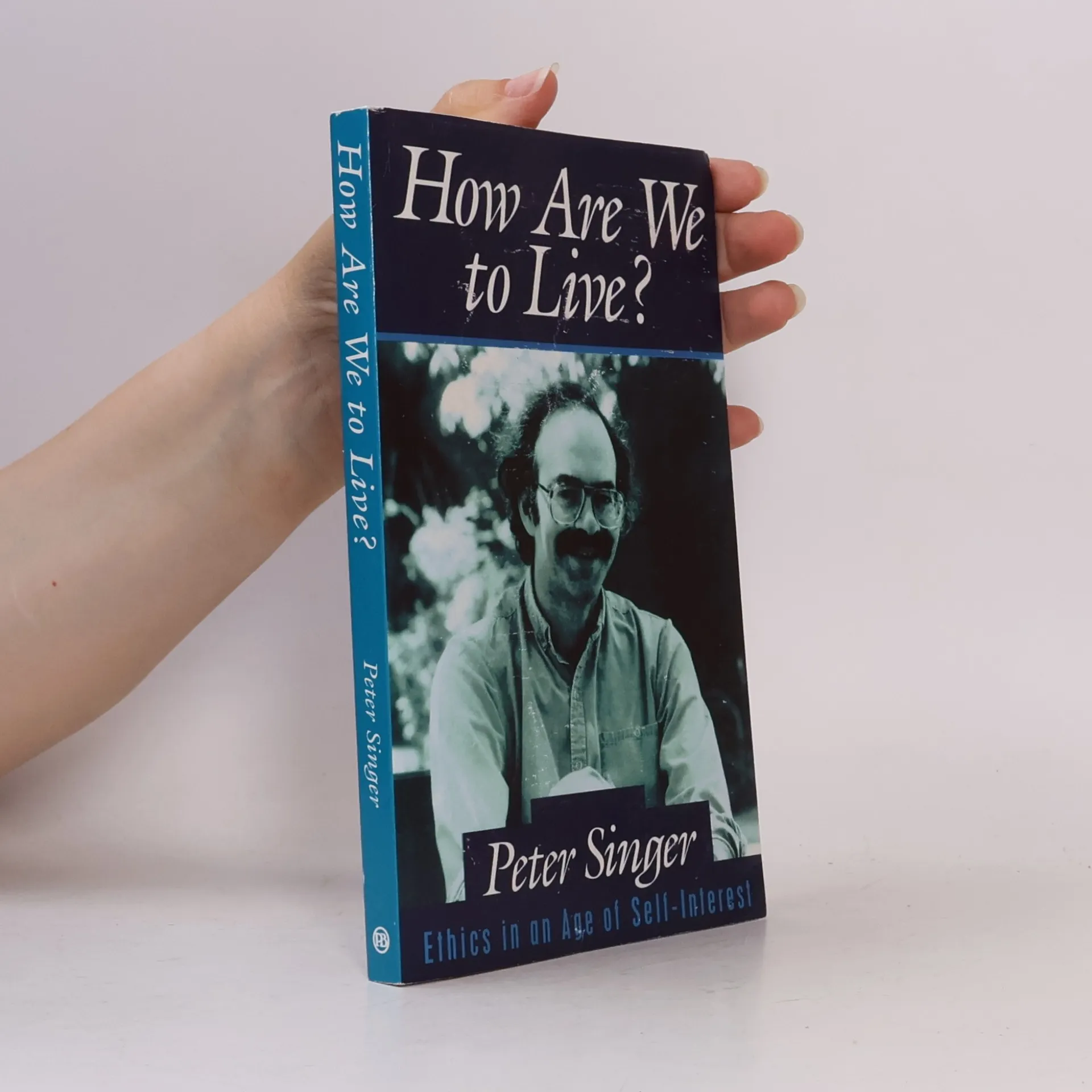
How Are We to Live?
- 272 stránek
- 10 hodin čtení
Singer suggests that people who take an ethical approach to life often find a deeper satisfaction in....
Hegel
- 129 stránek
- 5 hodin čtení
Rozbor některých ústředních myšlenek Hegelovy filozofie.
What is ethics? Where does it come from? Can we really hope to find any rational way of deciding how we ought to live? If we can, what would it be like, and how are we going to know when we have found it? To capture the essentials of what we know about the origins and nature of ethics, Peter Singer has drawn on anthropology, evolution, game theory, and works of fiction, in addition to the classic moral philosophy of such thinkers as Nietzsche, Kant, and Confucius. By choosing some of the finest pieces of writing, old and new, in and about ethics, he conveys the intellectual excitement of the search for answers to basic questions about how we ought to live. From the debates of Socrates and the profound writing of Rousseau to Jane Goodall's reflections on the ethics of chimpanzee kinship and Luther's commentary on the Sixth Commandment (thou shalt not kill), this engaging reader offers a complete and thorough introduction to the fascinating world of ethical debate.
A Companion to Ethics
- 565 stránek
- 20 hodin čtení
In this volume, some of today's most distinguished philosophers survey the whole field of ethics, from its origins, through the great ethical traditions, to theories of how we ought to live, arguments about specific ethical issues, and the nature of ethics itself. The book can be read straight through from beginning to end; yet the inclusion of a multi-layered index, coupled with a descriptive outline of contents and bibliographies of relevant literature, means that the volume also serves as a work of reference, both for those coming afresh to the study of ethics and for readers already familiar with the subject.
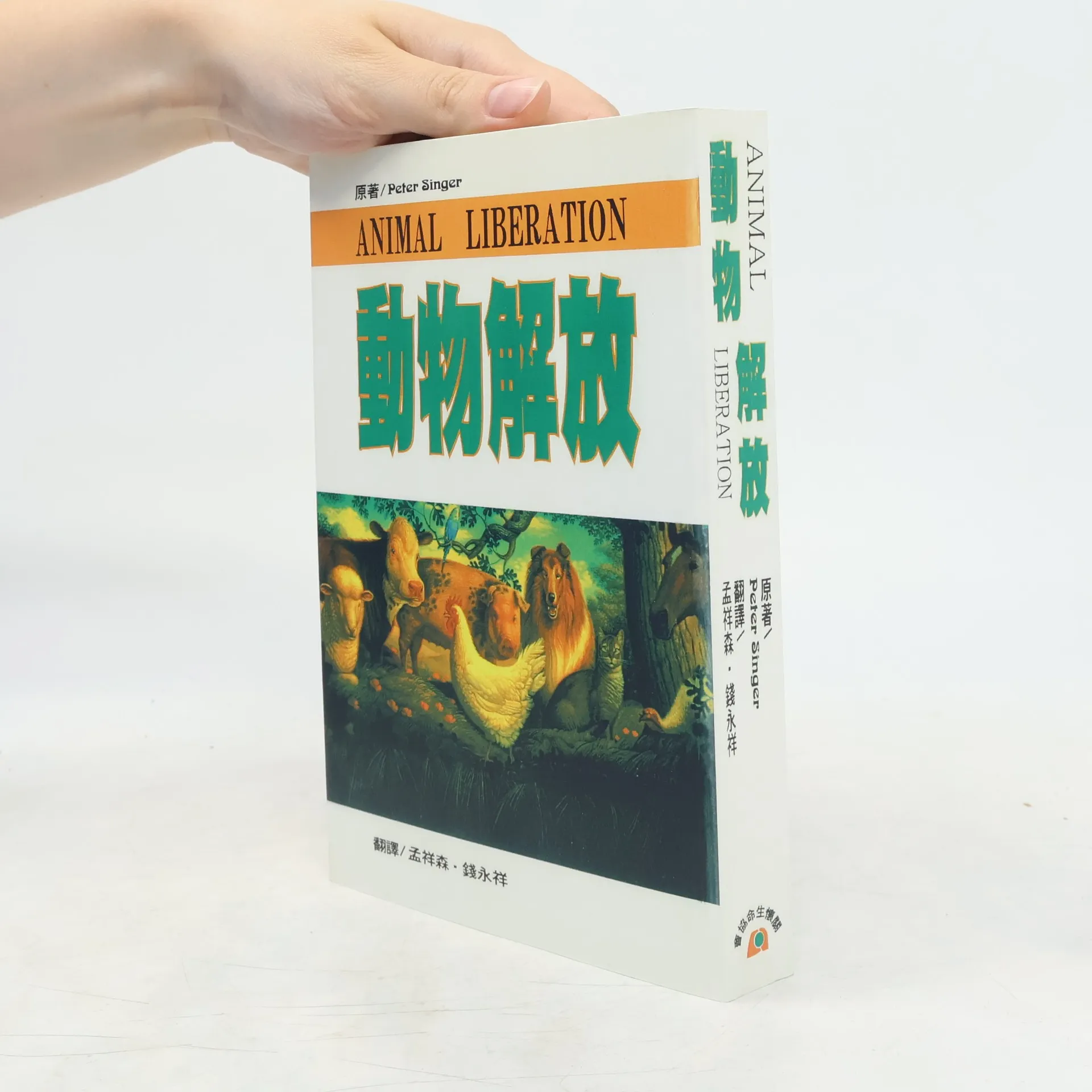
Kniha o nadvládě lidských bytostí nad bytostmi nelidskými. O nadvládě způsobující stále mnoho bolesti a utrpení. Boj proti ní je pro autora právě tak důležitý jako boj za kterékoliv morální a sociální otázky minulých let. Kniha inspirovala široké celosvětové hnutí, které má nyní stovky organizací a miliony členů. Osvobození zvířat bylo první moderní prací, jež obhajovala názor, že ti, kteří brání utrpení způsobovanému zvířatům, nejsou jen skupina přehánějících a přecitlivělých hysteriků. Na obhajobu svého názoru užívá Singer detailní popisy neospravedlnitelných bolestí, kterými trpí zvířata při vědeckém, vojenském nebo obchodním výzkumu, a nehumánních procesů, jimiž se opatřuje maso pro spotřebitele - pro lidi, kteří byli odsouzeni k tomu, aby ignorovali realitu výroby masa. Ta je nejen eticky neobhajitelná, ale také hanebně marnotratná.
Collection of historical, theoretical and applied articles on the ethical considerations in the treatment of animals by human beings.
Verteidigt die Tiere
- 352 stránek
- 13 hodin čtení
Praktická etika
- 364 stránek
- 13 hodin čtení
Praktická etika Petera Singera je již třicet let klasickým úvodem do aplikované etiky. V tomto třetím vydání autor zrevidoval a aktualizoval všechny kapitoly a přidal jednu novou o klimatické změně, tedy jedné z nejdůležitějších etických výzev naší generace. Některé otázky, o kterých zde pojednává, se týkají našeho každodenního života. Je etické kupovat luxusní zboží, když jiní nemají dost jídla? Měli bychom kupovat maso vyrobené z intenzivního chovu zvířat? Dělám něco špatně, když je moje uhlíková stopa vyšší než celosvětový průměr? Další otázky, jimž jako znepokojení občané čelíme, se týkají rovnosti a diskriminace na základě rasového původu či pohlaví, interrupcí, využívání embryí pro výzkum, eutanazie, politického násilí, terorismu a ochrany životního prostředí na naší planetě. Díky snadno srozumitelnému stylu a provokativním argumentům je tato kniha vhodná pro vysokoškolské semináře a pro každého, kdo je ochoten přemýšlet o tom, jak bychom měli žít.
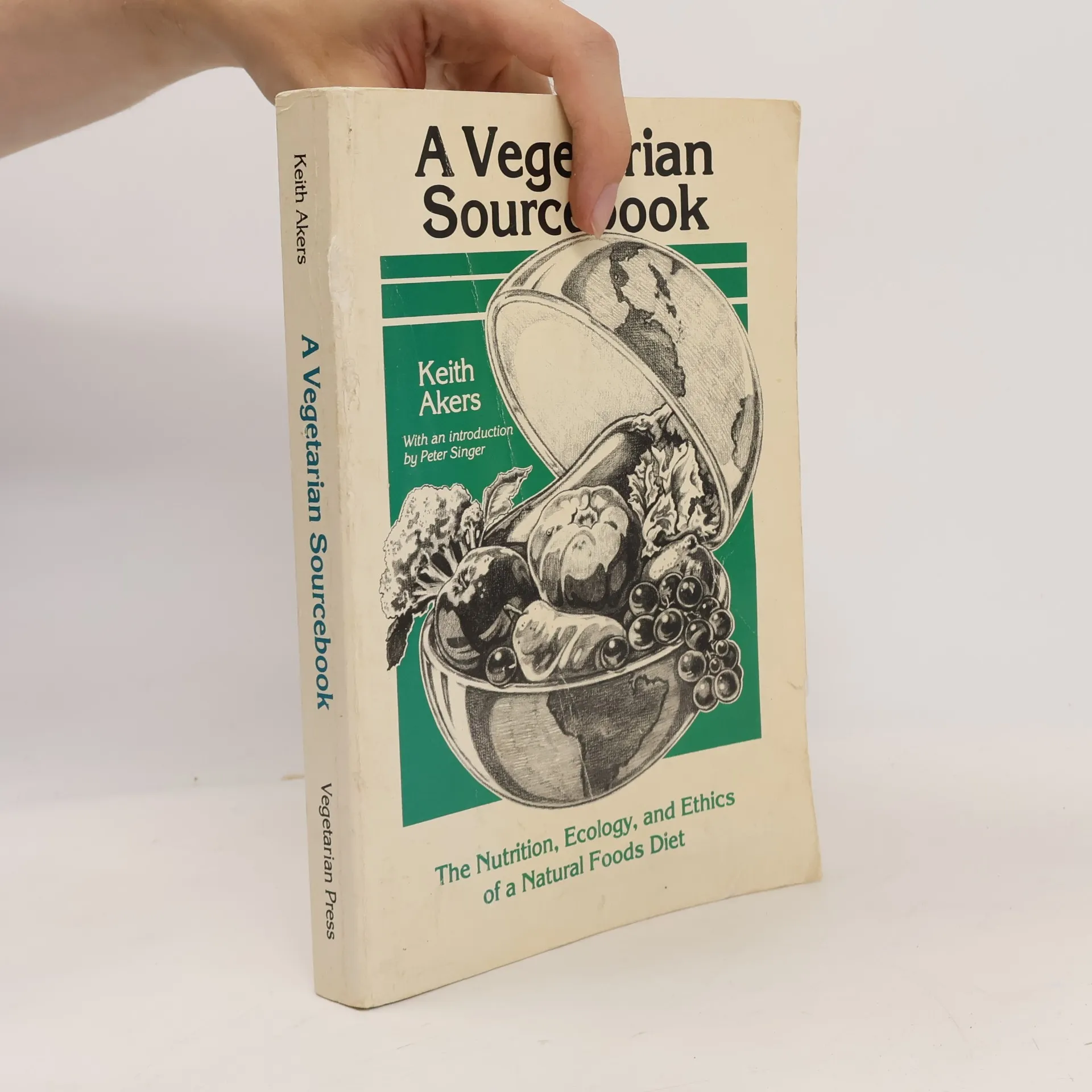
A Vegetarian Sourcebook
The Nutrition, Ecology, and Ethics of a Natural Foods Diet
- 256 stránek
- 9 hodin čtení
Befreiung der Tiere
- 300 stránek
- 11 hodin čtení