Salima Ikram Knihy
Salima Ikramová je přední odbornicí na zvířecí mumie a egyptskou pohřební archeologii. Svou vášní pro minulost a jejím zachováním pro budoucnost osvětluje málo známý svět zvířecích mumií. Její práce zkoumá funerální praxi starověkého Egypta, přičemž kombinuje vědeckou preciznost s pohlcujícím vyprávěním, které čtenáře vtáhne do tajemství starověké civilizace. Ikramová obohacuje naše chápání starověkého Egypta prostřednictvím svých publikací a přednášek.

The Mummy in Ancient Egypt
- 352 stránek
- 13 hodin čtení
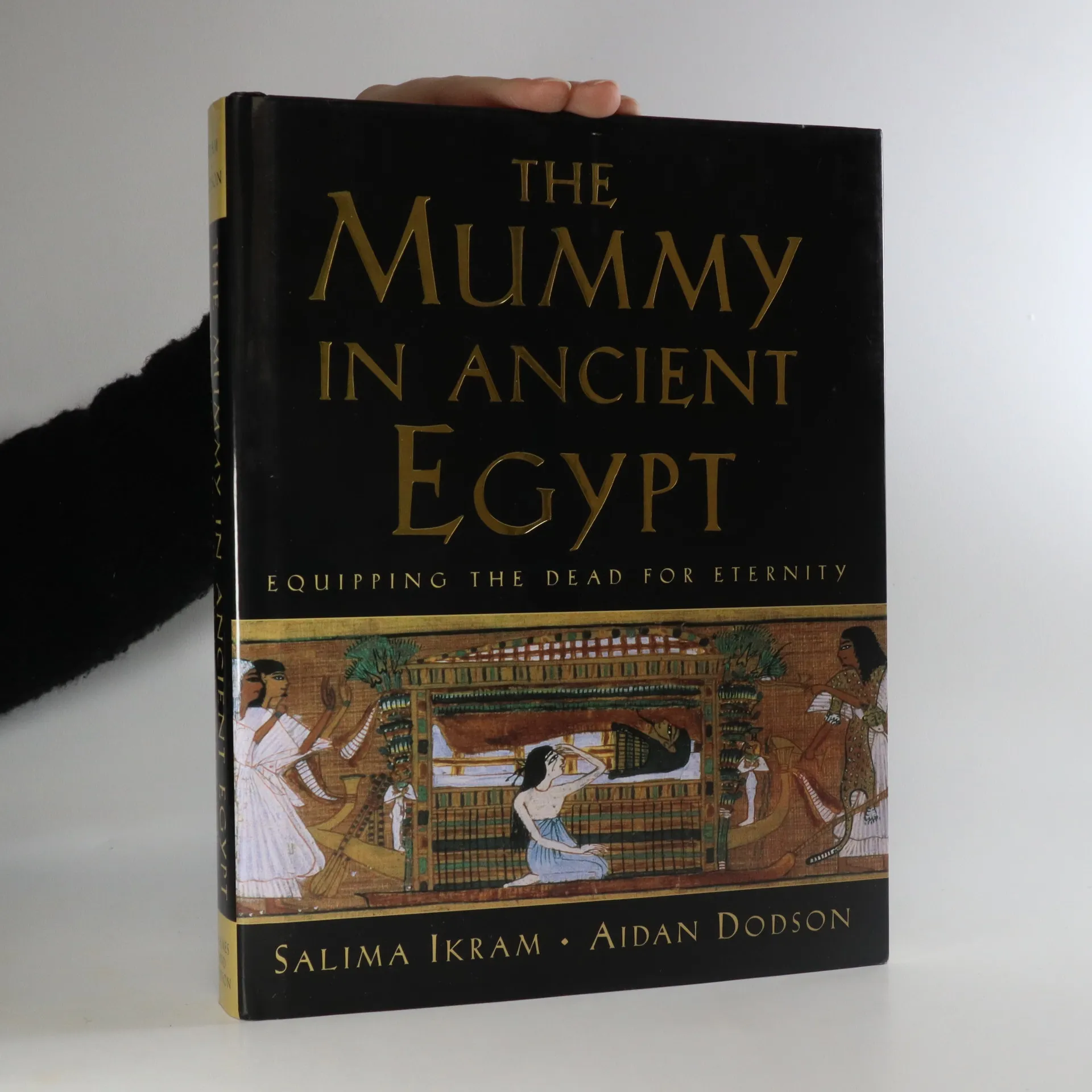
A scholarly examination of burial rites and tomb development explains how Egyptian mummies were preserved, wrapped, decorated, and sheltered for eternity
This comprehensive introduction to ancient Egypt covers essential aspects such as geography, history, society, religion, and culture. It serves as a foundational resource for understanding the complexities of this ancient civilization, providing insights into its development and significance throughout history.
Death and Burial in Ancient Egypt
- 252 stránek
- 9 hodin čtení
A Book Riot 100 Must-Read Book on Ancient History Death, burial, and the afterlife were as important to the ancient Egyptians as how they lived. This well-illustrated book explores all aspects of death in ancient Egypt, including beliefs of the afterlife, mummification, the protection of the body, tombs and their construction and decoration, funerary goods, and the funeral itself. It also addresses the relationship between the living and the dead, and the magico-religious interaction of these two in ancient Egyptian culture.Salima Ikram's own experience with experimental mummification and funerary archaeology lends the book many completely original and provocative insights. In addition, a full survey of current development in the field makes this a unique book that combines all aspects of death and burial in ancient Egypt into one volume.
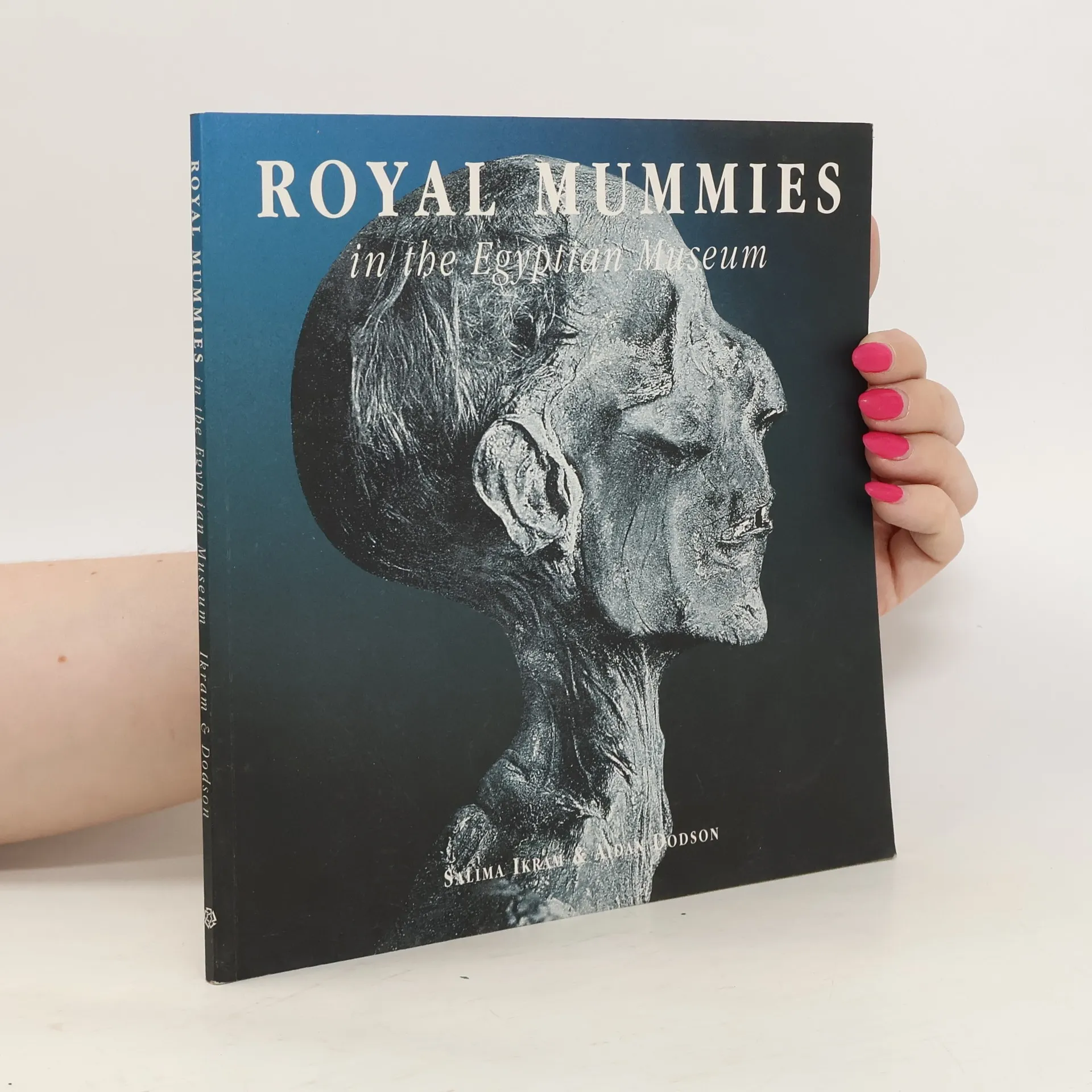
A Zeitouna Book: Royal Mummies
- 58 stránek
- 3 hodiny čtení
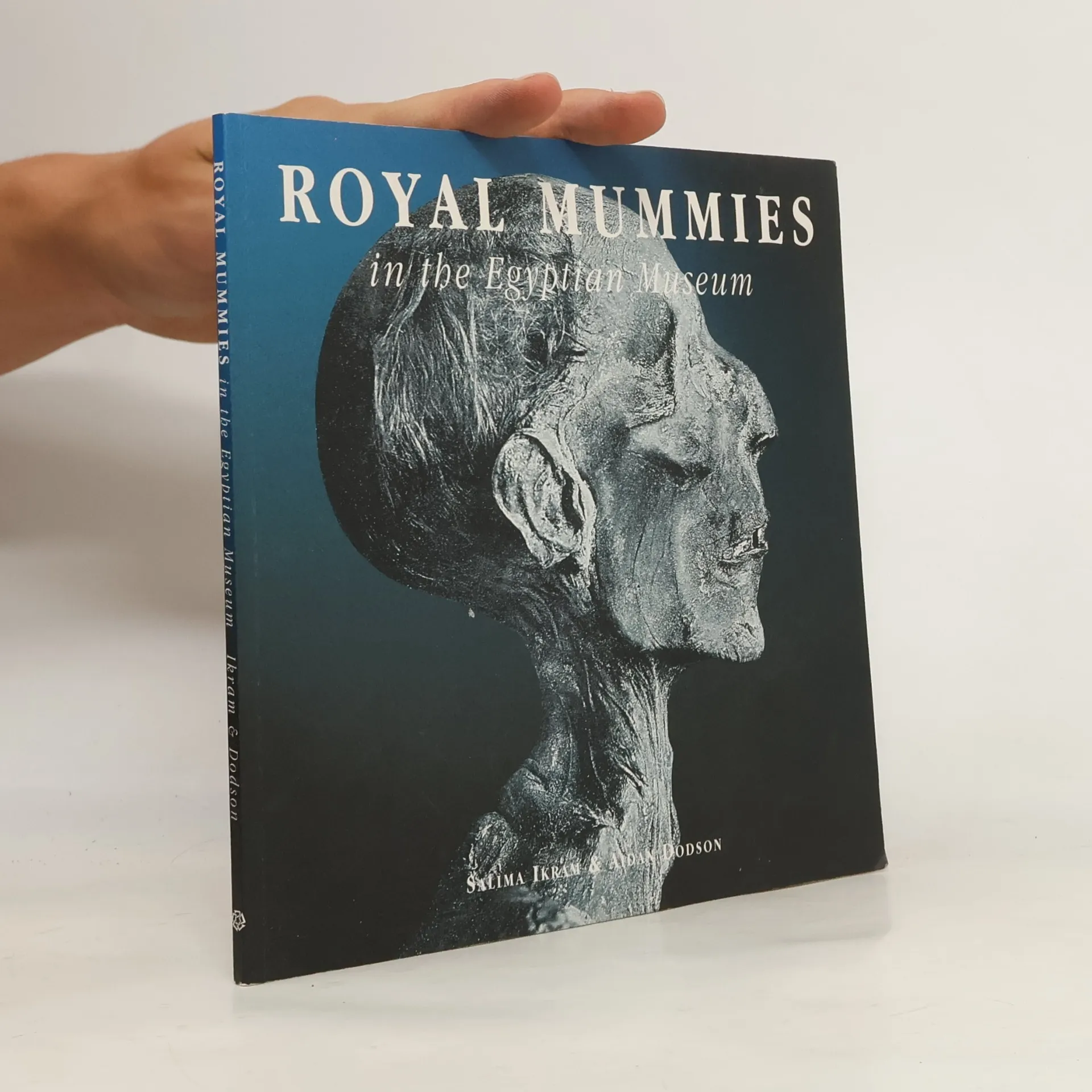
The royal mummies loom large in the consciousness of all Alone amongst those who study the ancient world, we have the very physical remains of the kings whom we study. To read, for example, of the exploits of Thutmose III three millennia ago, and then to look upon the face of the man himself is a profoundly moving experience.This book is intended to present a basic summary of what is today known of the royal mummies housed in the Egyptian Museum, Cairo, and the lives of their owners. Two mummies, both still in the Valley of the Kings, are also included in this list. We also discuss briefly how the bodies reached their final resting place, and how mummification developed over the centuries.
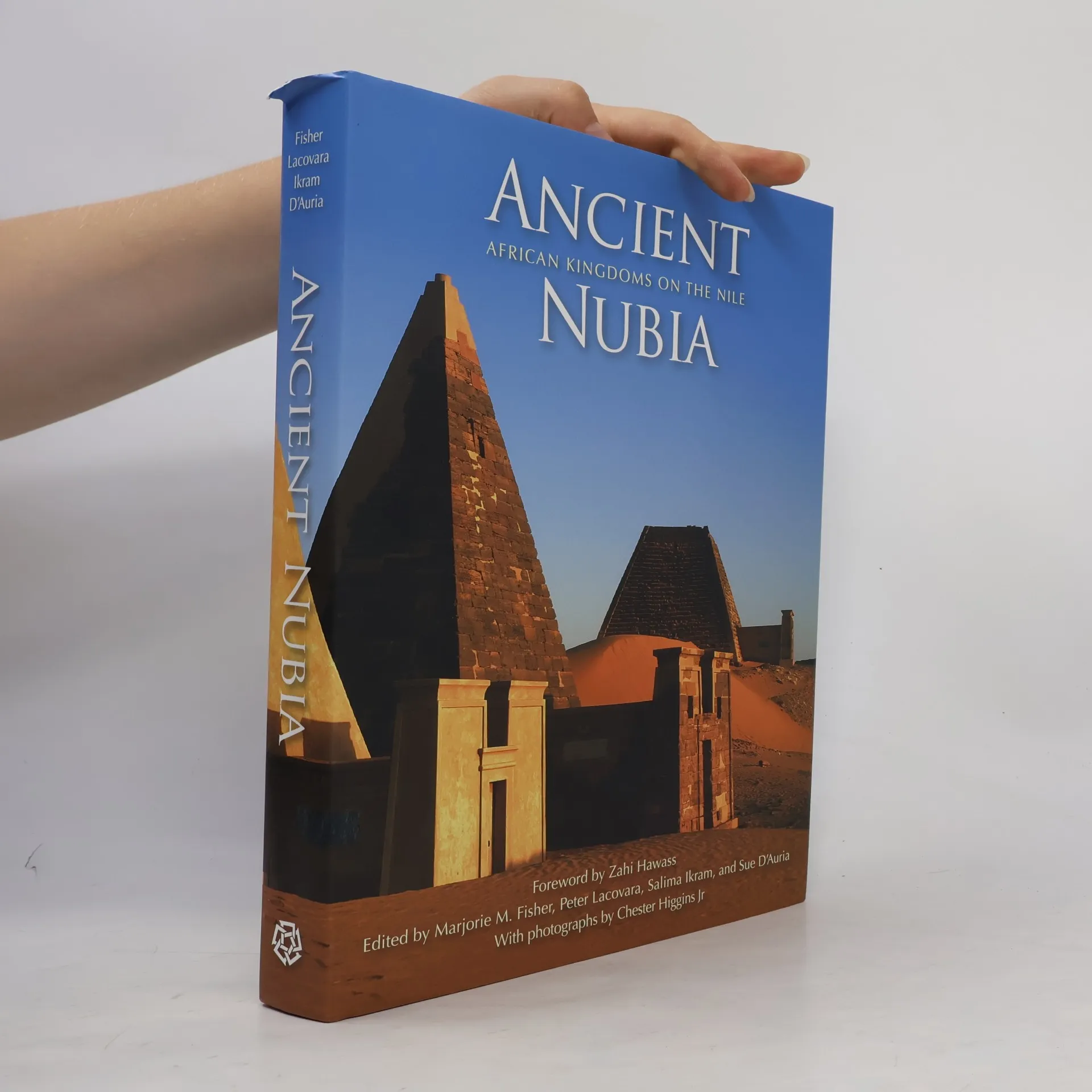
2012 American Publishers (PROSE) Awards winner for Best Archaeology & Anthropology Book For most of the modern world, ancient Nubia seems an unknown and enigmatic land. Only a handful of archaeologists have studied its history or unearthed the Nubian cities, temples, and cemeteries that once dotted the landscape of southern Egypt and northern Sudan. Nubia's remote setting in the midst of an inhospitable desert, with access by river blocked by impassable rapids, has lent it not only an air of mystery, but also isolated it from exploration. Over the past century, particularly during this last generation, scholars have begun to focus more attention on the fascinating cultures of ancient Nubia, ironically prompted by the construction of large dams that have flooded vast tracts of the ancient land. This book attempts to document some of what has recently been discovered about ancient Nubia, with its remarkable history, architecture, and culture, and thereby to give us a picture of this rich, but unfamiliar, African legacy.
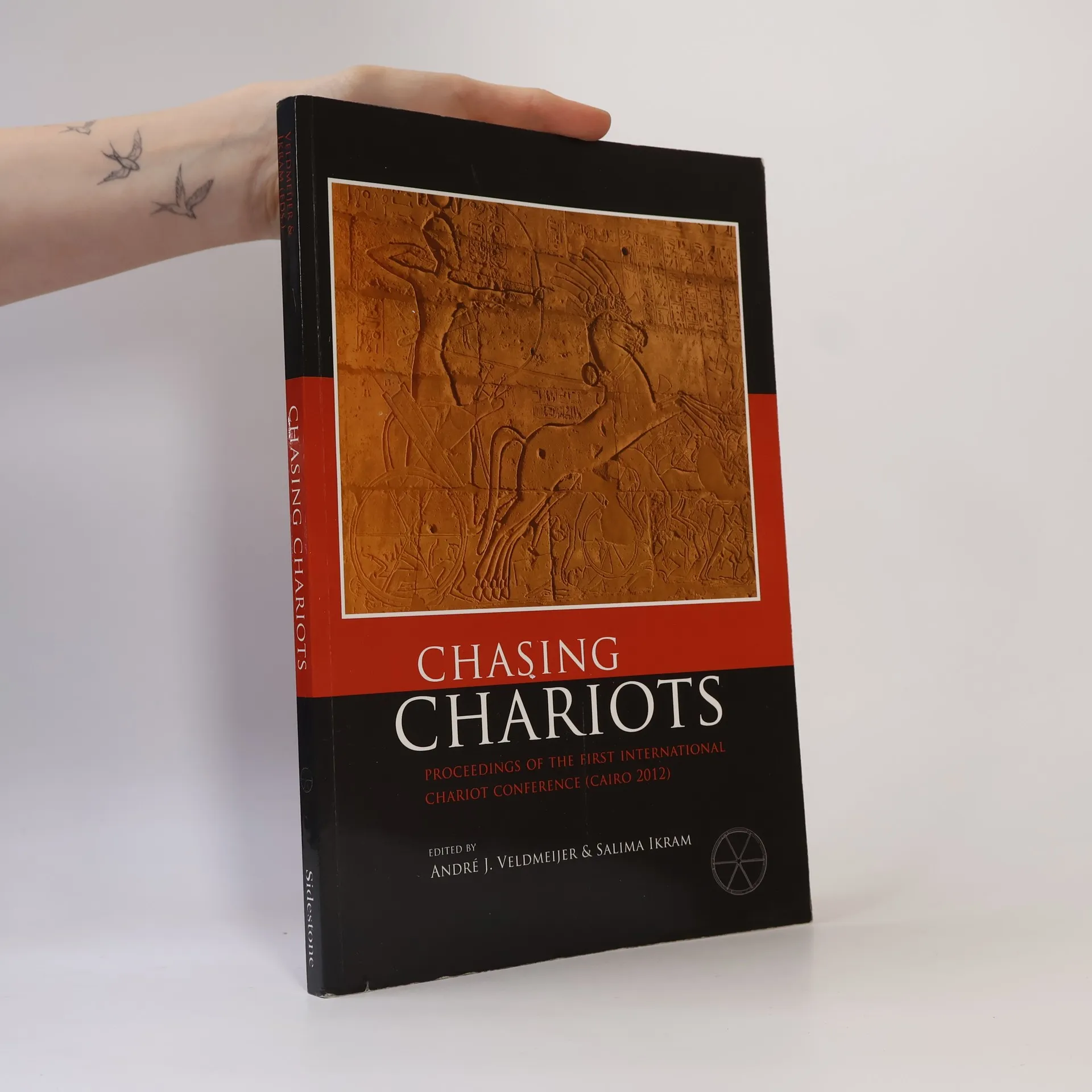
The present work stems from the First International Chariot Conference, held from 30 November to 2 December 2012, organized by the Netherlands-Flemish Institute in Cairo and the American University in Cairo. The conference aimed to assess the current understanding of chariots in Egypt and the Near East while providing a platform for discussion. It features a diverse range of papers, from broad overviews to detailed studies on specific topics, including philology, iconography, archaeology, engineering, history, and conservation. This compilation is valuable for scholars and anyone interested in ancient technology, transportation, or warfare. Dr. André J. Veldmeijer, Assistant Director for Egyptology at the Netherlands-Flemish Institute in Cairo, has been an archaeologist in Egypt since 1995, specializing in leatherwork and footwear. He (co-) directs several projects, including the Ancient Egyptian Leatherwork Project and the Egyptian Museum Chariot Project. Dr. Salima Ikram, a Professor of Egyptology at the American University in Cairo, has been involved in archaeological work in Egypt since 1986, leading the Animal Mummy Project and co-directing various other initiatives. Both scholars have published extensively for diverse audiences.