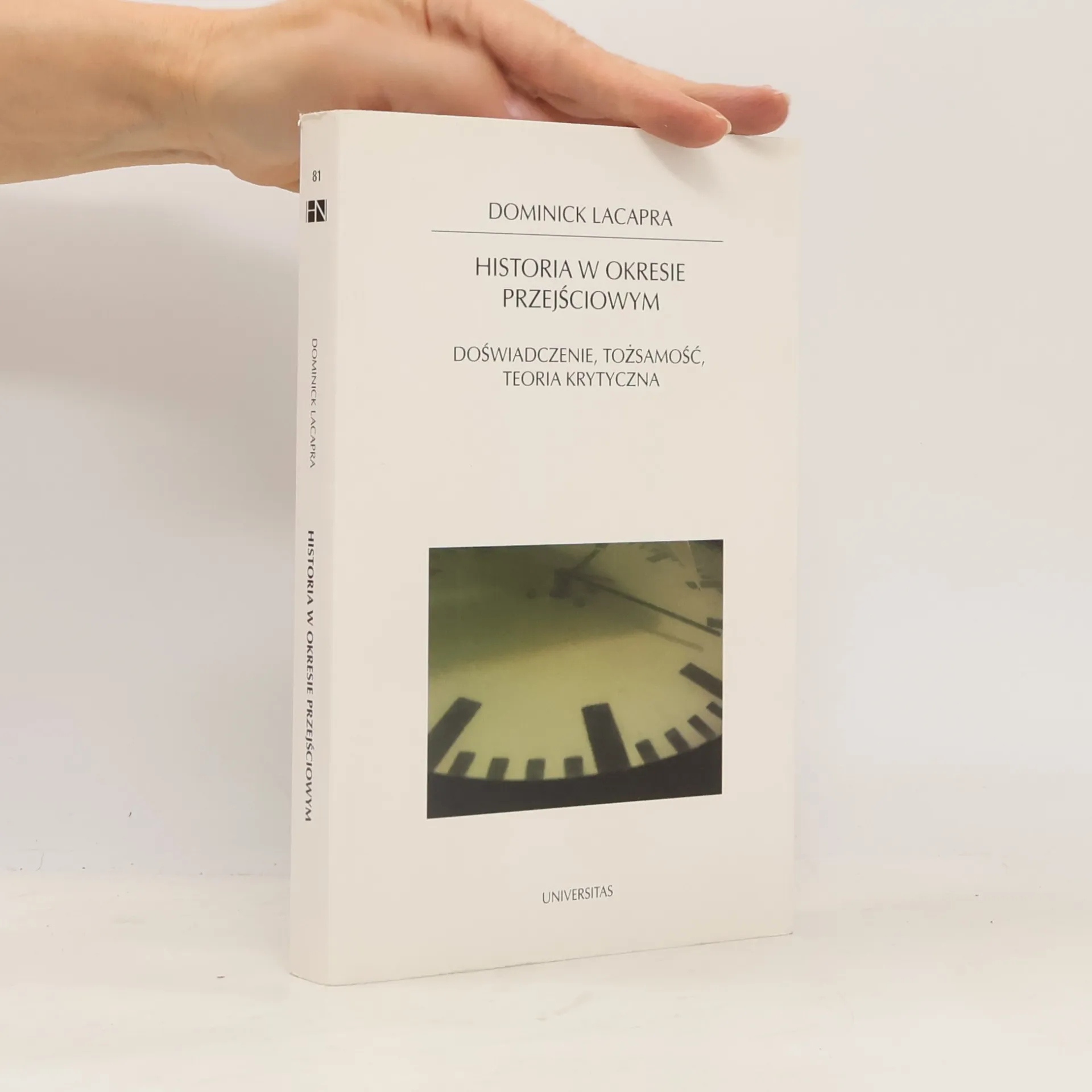
Dominick LaCapra je přední postavou v oblasti humanitních věd, jehož práce se hluboce zabývá průsečíky historie, kritické teorie a literární interpretace. Zkoumá složité vztahy mezi textem, kontextem a jazykem a nabízí pronikavé analýzy způsobů, jakými historie a fikce formují naše chápání lidské zkušenosti. LaCapra se zaměřuje na náročné historické události a jejich následky, přičemž se věnuje tématům jako je trauma, paměť a násilí. Jeho přístup vyzývá čtenáře, aby se kriticky zamysleli nad způsoby, jakými jsou historické narativy konstruovány a jak ovlivňují naše vnímání minulosti i současnosti.
To what extent do we and can we understand others-other peoples, species,
times, and places? What is the role of others within ourselves, epitomized in
the notion of unconscious forces? Can we come to terms with our internalized
others in ways that foster mutual understanding and counteract the tendency to
scapegoat, project, victimize, and...
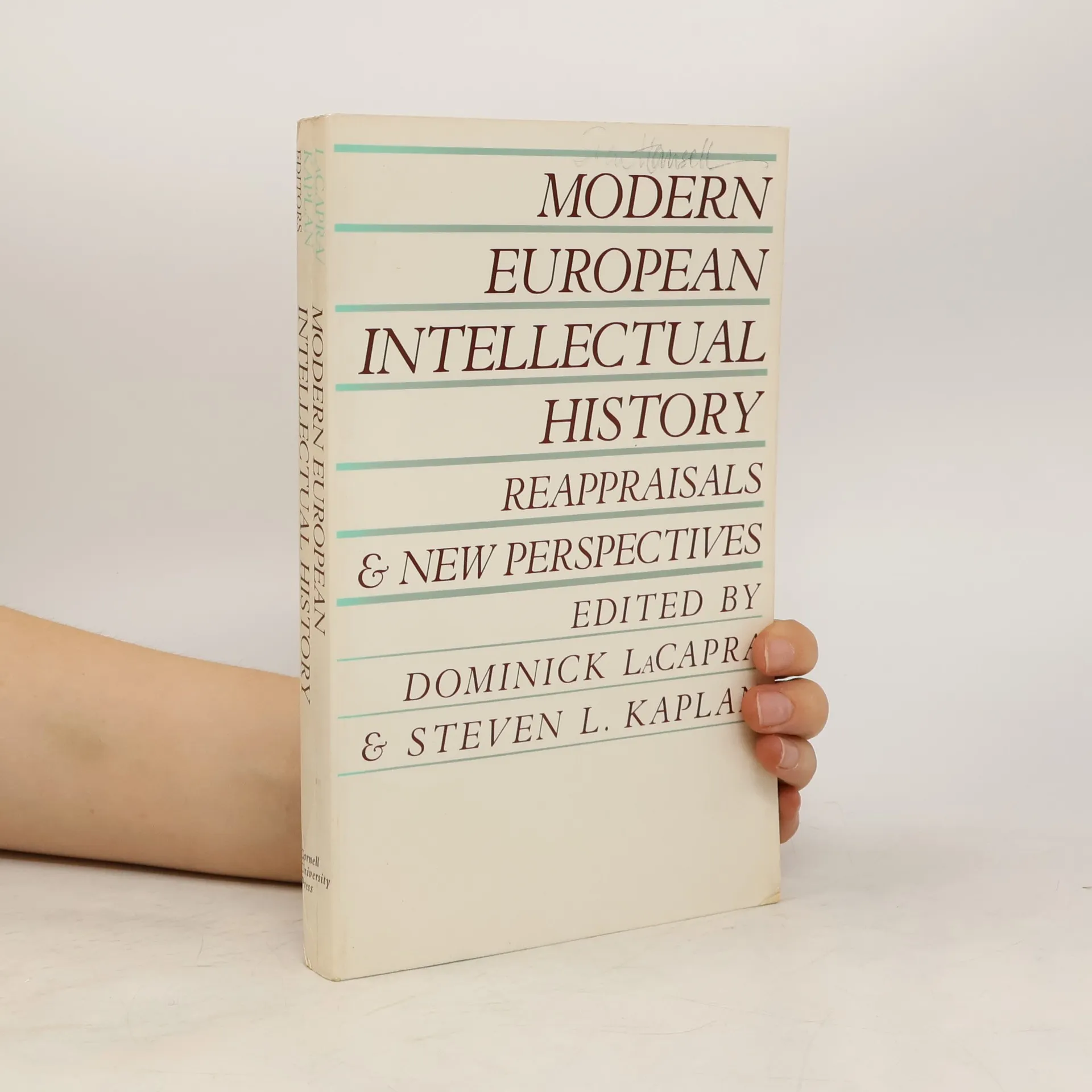
"LaCapra offers an intriguing collection of essays to support both his enthusiasm for intellectual history... and his concern about the 'excesses' he finds in techniques and practices of the new social history. Admitting that the essays are...
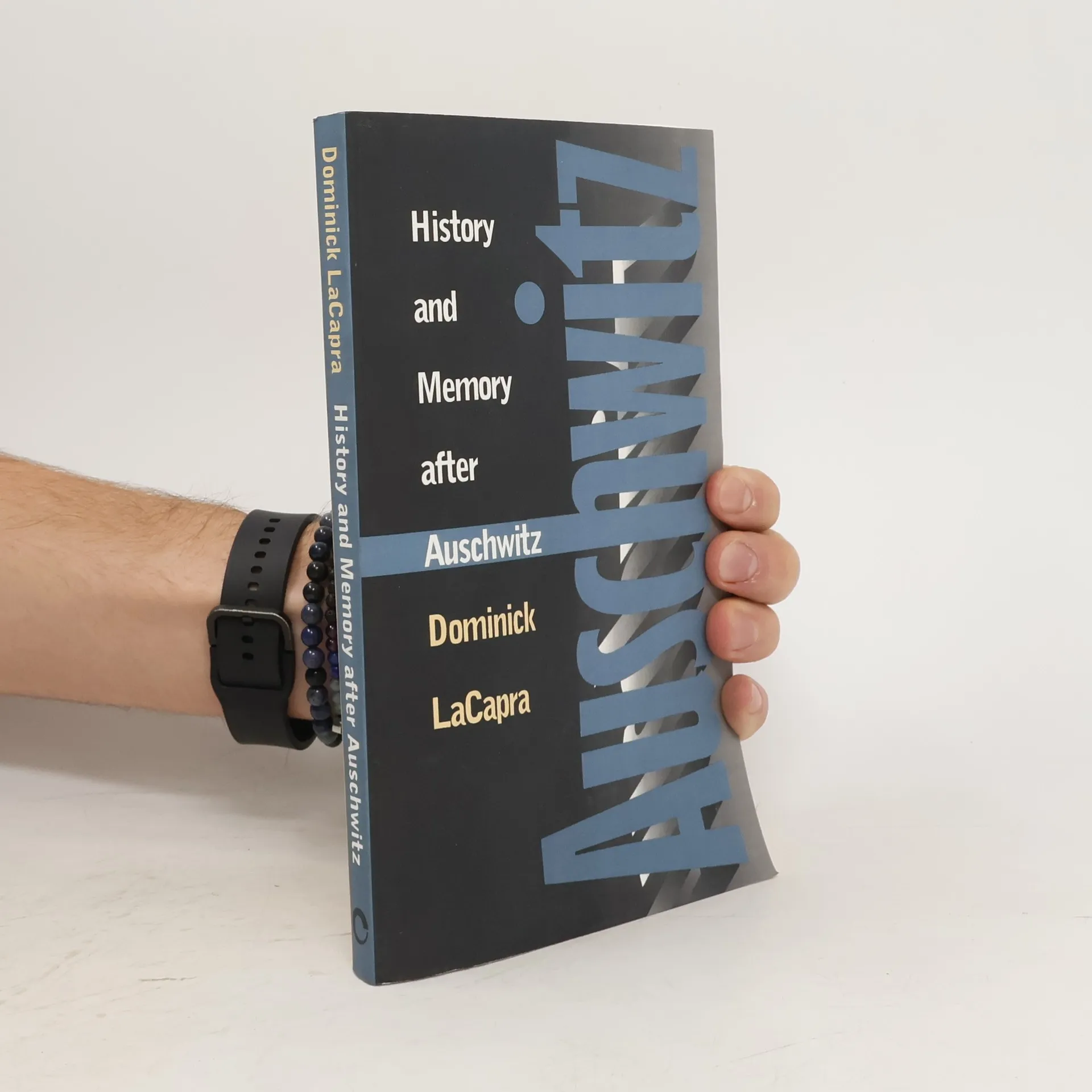
The tragic history of the Holocaust has been both repressed and canonized in postmodern Western culture, leading to ongoing controversies regarding its interpretation. Debates surrounding figures like Paul de Man and Martin Heidegger highlight attempts to downplay the Holocaust's significance. Dominick LaCapra, a prominent voice in historiographical discussions, brings clarity to these complex issues by examining the intersections between historical events and the theories we use to understand them. In a series of essays, including three published for the first time, LaCapra addresses the challenges faced by historians and critics grappling with the Holocaust. He explores canon formation, revisionist historiography, and the implications of de Man's wartime writings. Additionally, he analyzes Heidegger's ties to National Socialism and critiques postmodernist preoccupations with concepts such as loss and deferred meaning. LaCapra argues that psychoanalysis extends beyond individual psychology, encompassing sociocultural dimensions that illuminate the relationship between past and present. He asserts that our attempts to comprehend the Holocaust are often hindered by its traumatic legacy, necessitating a "working through" of that trauma to achieve a deeper understanding of its significance.
The relations between memory and history have become a subject of contention -
the implications of the debate are particularly troubling for aesthetic,
ethical and political issues. This study focuses on the interactions of
history, memory and ethicopolitical concern in the aftermath of the Shoah.