

Knihobot

Sylvia Martin

    Ted Partin - Eyes look through you
    Lehmbruck - Kolbe - Mies van der Rohe
    Ink in Her Veins: The Troubled Life of Aileen Palmer
    Video Art
    Futurism
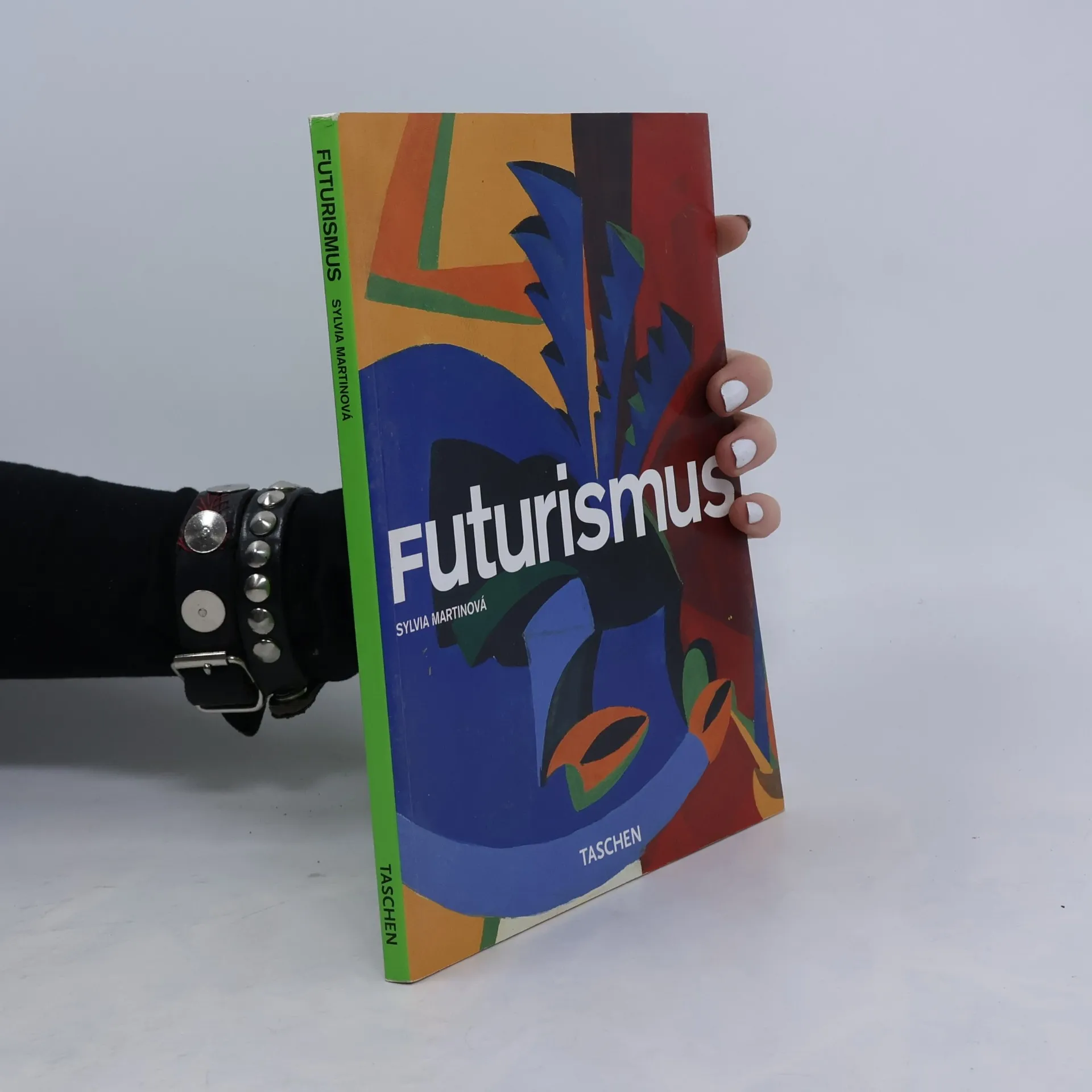
    Futurismus
    • Futurismus

      • 96 stránek
      • 4 hodiny čtení
      5,0(4)Ohodnotit

      Futurismus, literární a výtvarný umělecký směr 1. čtvrtiny 20. století, je jedním z hlavních avantgardních směrů. Záměrem futurismu byla obnova společenského života ve všech jeho uměleckých a také sociálních oblastech, přičemž východiskem a měřítkem teoretických myšlenek se staly nejnovější technické vymoženosti a vědecké poznatky. Futurismus tudíž nepředstavoval žádnou avantgardu, která by se snažila výhradně o formálně estetické inovace, jako například kubismus, nýbrž se mnohem více považoval za hnutí života. Tuto vizi následovaly nejrozdílnější umělecké osobnosti, které svou individualitou hnutí obohatily, ale zároveň ho učinily náchylnějším ke sporům a štěpení. Futuristická skupina prokázala pružnost svého personálního složení, stejně jako i místa a času působení, a než v první polovině 40. let dospěla ke svému konci, prošla si mnoha vrcholy i pády.
      Futurismus
    • Futurism

      • 96 stránek
      • 4 hodiny čtení
      3,6(8)Ohodnotit

      Inspired by the development of Cubism, the Futurist movement was founded in 1909 by Filippo Tommaso Marinetti, along with painters Giacomo Balla. Umberto Boccioni, Carlo Carra, and Gino Severini. The school, which celebrated technology and the mechanical era, was comprised of painters, sculptors, designers, architects, and writers.

      Futurism
    • Video Art

      • 96 stránek
      • 4 hodiny čtení
      3,7(28)Ohodnotit

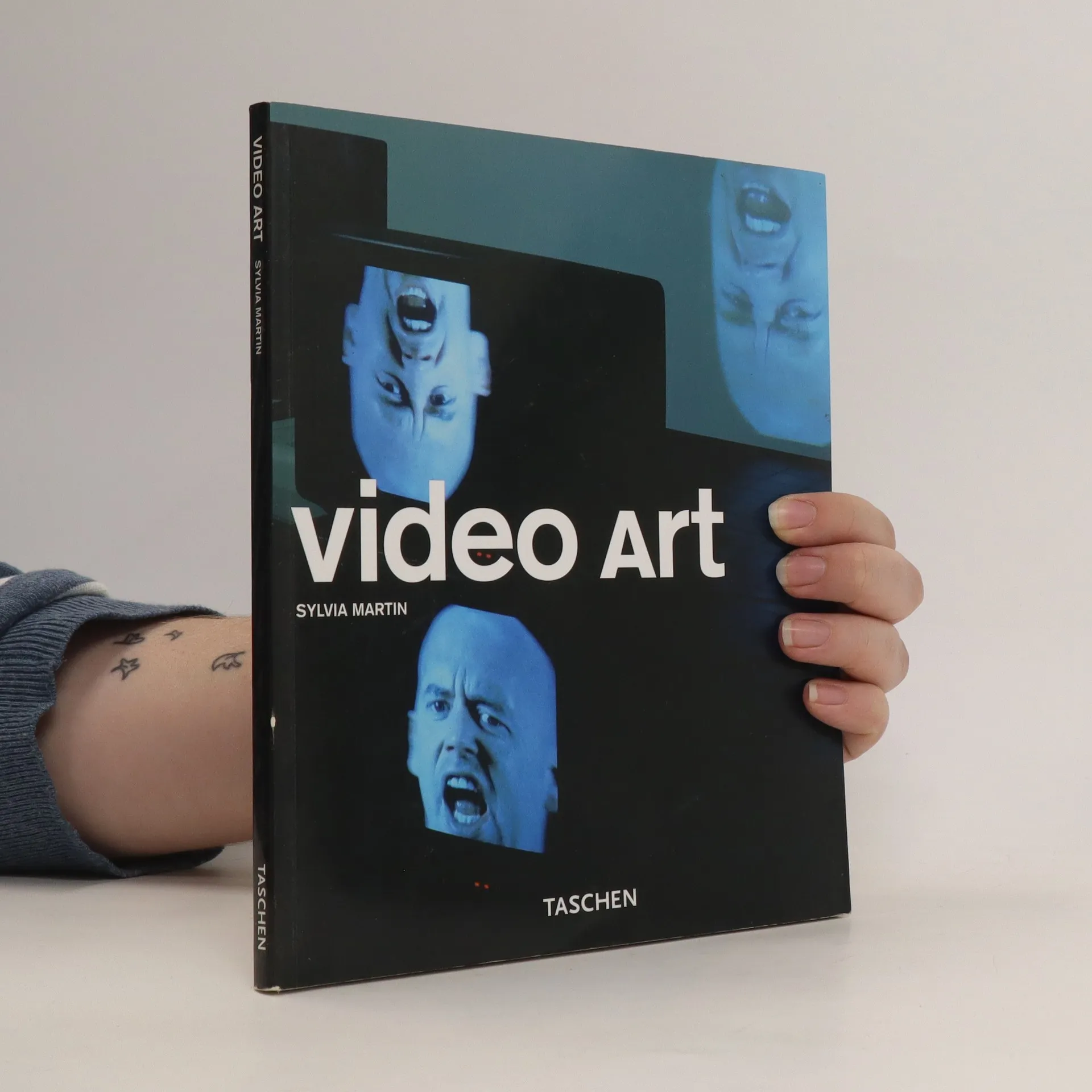
      Taschen [Paperback] B004THP4U6 The immediacy and accessibility of video makes it an ideal medium for artists who want to work with sound and moving image; no sooner than video cameras were available to the public in the 1970s were artists already beginning to experiment with the possibilities of video. Though it took decades for it to be widely embraced by mainstream art, video is now firmly accepted as an important medium, thanks to the work of artists such as Matthew Barney, Bruce Nauman, Bill Viola, and Gillian Wearing. Artists Eija-Liisa Ahtila, Chris Cunningham, Matthew Barney, Fischli/Weiss, Gary Hill, Nan Hoover, Christian Marclay, Steve McQueen, Mariko Mori, Bruce Nauman, Tony Oursler, Marcel Odenbach, Nam June Paik, Pipilotti Rist, Sam Taylor-Wood, Bill Viola, Gillian Wearing.

      Video Art
    • Aileen Palmer, the daughter of prominent Australian writers, emerged as a poet, translator, and political activist deeply influenced by her parents' literary legacy. Her adventurous spirit led her to join the Communist Party and participate in the Spanish Civil War and World War II's ambulance service. However, her return to Australia proved challenging as she struggled with reintegration, familial pressures, and psychiatric illness. Sylvia Martin's portrayal reveals the complexities of Aileen's life, marked by talent and resilience amidst the harsh realities of her time.

      Ink in Her Veins: The Troubled Life of Aileen Palmer
    • "In Ludwig Mies van der RoheU+2019s villas such as Haus Lange in Krefeld the sculptures by Lehmbruck and Kolbe function both as independent artworks and also as elements of an organism made up of space, light, material, water and plants. The publication traces the interaction between the three outstanding modernist artists and the interrelationship between sculpture, architecture and nature."--From the publisher's website.

      Lehmbruck - Kolbe - Mies van der Rohe
    • Ted Partin widmet sich in eindrücklichen Fotoarbeiten dem Bild des Menschen, einem der großen emotionalen Kernthemen der Fotografiegeschichte. Erstmals wird Partins Blick auf eine junge amerikanische Gesellschaft in einer Monographie vorgelegt.

      Ted Partin - Eyes look through you
    • The sculptures, video works, and installations of Alicja Kwade (b. Katowice, Poland, 1979; lives and works in Berlin) explore economic, scientific, and sociocultural systems and their inherent uncertainties. For example, the artist traces the flows of money through the financial markets, which are based on probabilities and projections and always involve a degree of risk. She also reflects on the phenomenon of time, an elementary constant that cannot be understood outside evershifting interrelations. Alicja Kwade's oeuvre is itself an open she employs transformations, mirror images, doublings and replications of amterials and objects to develop realist fictions that amaze and surprise the beholder and raise questions concerning the functional contexts as well as ideas of value. Her installations frequently feature recurring motifs such as the clock, the mirror, the stone, the lamp, light, the surfaces of certain materials, and (porcelain) figurines. These elements bring their own temporality to bear on the ensemble while also gesturing toward a rich iconographic tradition in art. "Grad der Gewissheit" is Alicja Kwade's third monograph published by Distanz. With essays by Sylvia Martin, Vanessa Joan Muller, and Robin Schuldenfrei.

      Alicja Kwade, Grad der Gewissheit
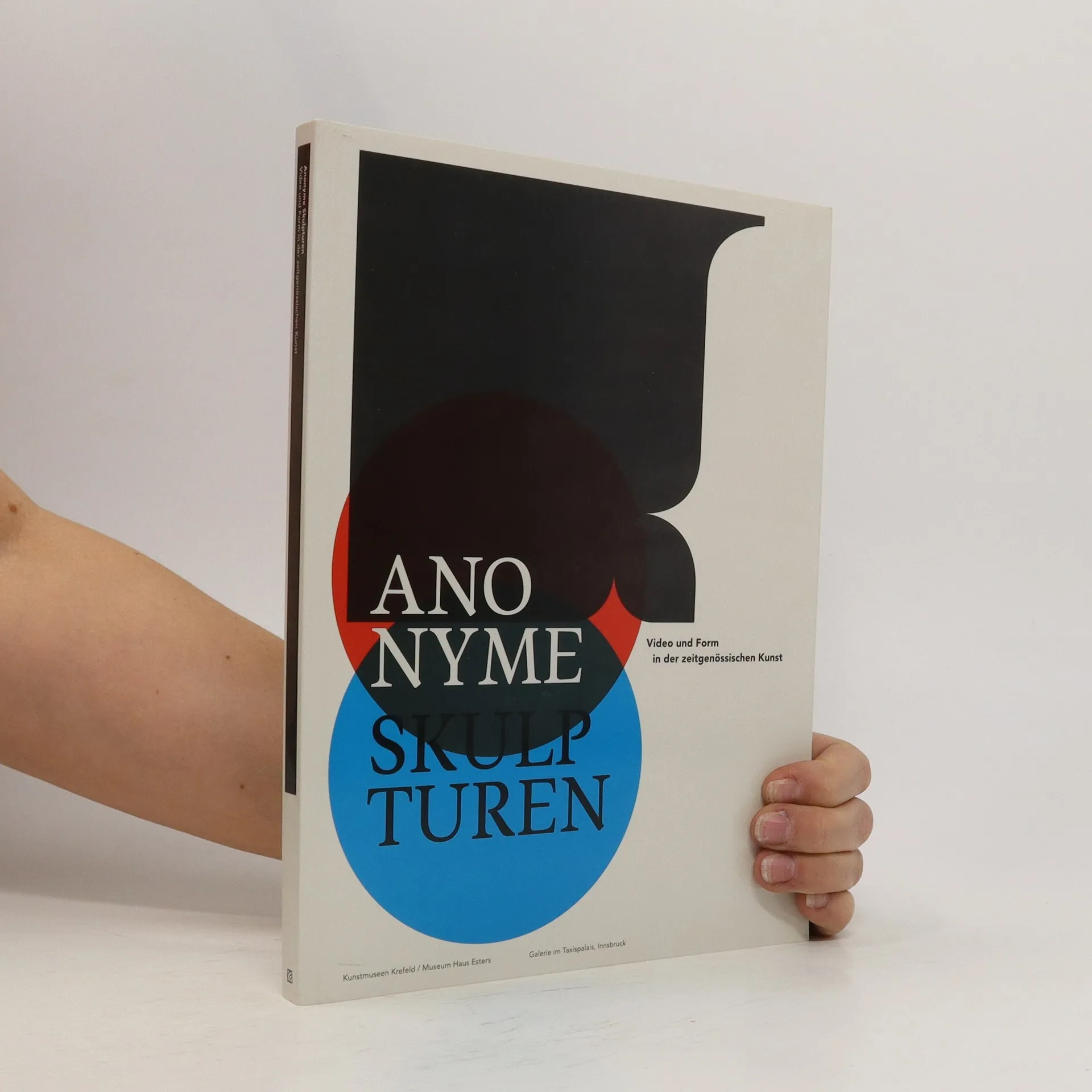
    • Thema ist das Zusammenspiel der oftmals nur getrennt wahrgenommenen Medien: Video und Skulptur. 1989 wurde in der Ausstellung 'Video-Skulptur' erstmals das Ineinandergreifen beider Ausdrucksformen analysiert. Heute ist dieser Begriff nahezu vergessen. Es stellt sich die Frage: Gibt es eine zeitgenössische Form der Videoskulptur? Das Buch reflektiert den Grenzbereich von Skulptur, Video und Installation mit Referenz auf Arbeiten aus den späten 1990ern und ganz aktuelle Positionen von Nathalie Djurberg, Matias Faldbakken, Zilla Leutenegger, Aernout Mik, Yves Netzhammer, Tony Oursler, Paul Pfeiffer, Tracey Snelling, Fiona Tan, Diana Thater.

      Anonyme Skulpturen
    • In seinen Skulpturen und raumbezogenen Installationen transformiert Koenraad Dedobbeleer (*1975) in überraschender Weise Alltagsgegenstände und setzt sie in einen modernistischen Kontext. So fasst die Jury des Mies van der Rohe-Stipendiums das Werk des Künstlers zusammen, das mit einem Preis und einer Ausstellung im Museum Haus Esters gewürdigt wurde. Der Stipendiat bestückte das ganze Haus und selbst den Garten mit seinen Skulpturen und Fotografien. Beispielsweise entwickelten sich Abflussrohre zu einer Bauplastik, die unter der Terrassendecke befestigt war; ein gewöhnlicher Plastikbecher verwandelte sich in ein Objekt aus Nickel, das unwirklich über dem Boden schwebte, oder Dedobbeleer bemalte die originale Bilderleiste. Die nun hellgrauen Stangen zogen sich durch die Räume wie Schatten. Die ursprüngliche Funktion der Bilderleisten blieb erkennbar, doch durch den farblichen Anstrich wurde ihre Gestalt betont. Die poetischen und bizarren Arbeiten von Koenraad Dedobbeleer ließen das Gebäude des Bauhaus-Meisters weniger streng, dafür ein wenig surrelaer erscheinen. Vorliegende Publikation gibt beredtes Zeugnis von den phantasievollen Skulpturen, die zugleich spielerisch und introspektiv, subtil und unmittelbar alles andere als einfache Denkmodelle boten.

      Boredom won't starve as long as I feed it
    • Allora & Calzadilla

      • 128 stránek
      • 5 hodin čtení

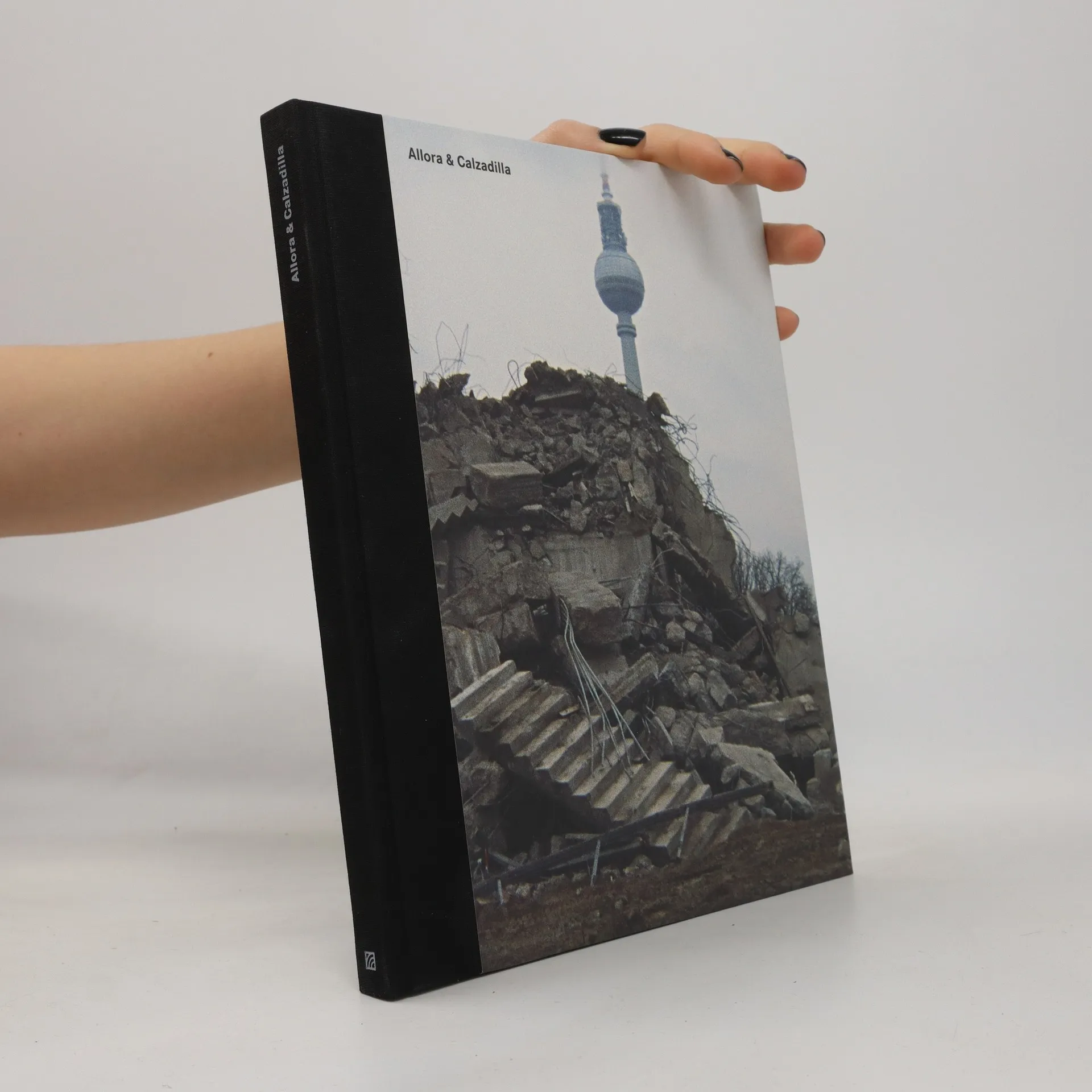
      Jennifer Allora (*1974 Philadelphia/USA) und Guillermo Calzadilla (*1971 Havanna/Kuba) verbinden in ihrer Arbeit die Medien Skulptur, Video, Sound und Performance. Sie befragen Orte und Territorien und entfalten deren konkrete politische Zusammenhänge, soziologische und historische Schichten. In den Kunstmuseen Krefeld (Museum Haus Esters) zeigen die Künstler zwei Videoprojektionen: 'A Man Screaming Is Not a Dancing Bear', 2008, behandelt die Situation in New Orleans nach dem Hurrikan Katrina. 'How To Appear Invisible', 2009, thematisiert den Moment in Berlin, als der Palast der Republik Ende 2008 endgültig abgerissen wurde und damit ein architektonisches Monument der ehemaligen DDR verschwand. Bildgewaltig greifen Allora & Calzadilla in beiden Arbeiten die kontroversen Diskussionen um Stadtentwicklung, Geschichtsbewusstsein und politische Verantwortung auf, die zu den Ereignissen in New Orleans und Berlin geführt haben. Das Buch zur Ausstellung stellt in Form einer beeindruckenden Bildcollage die Orte und ihre Geschichte vor. Die Texte von Carsten Ruhl (Architekturhistoriker), Raimar Stange (Kunstkritiker) und Sylvia Martin (Kunsthistorikerin) führen in die Kunst von Allora & Calzadilla ein und gehen dem Berliner Schlossplatz als 'utopischem Ort' nach.

      Allora & Calzadilla