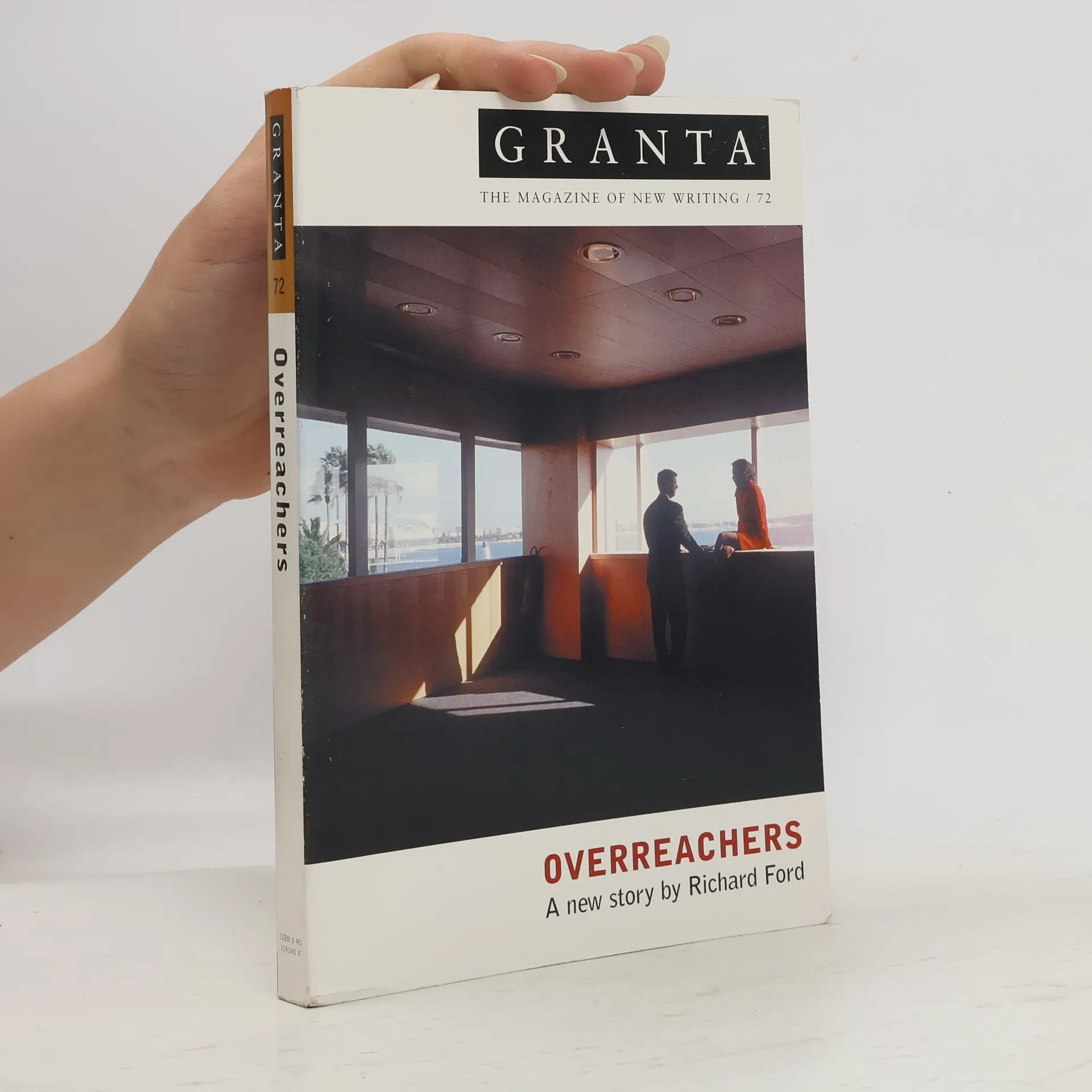
There was always the - is this it? - issue. It made him think of his father again. His father had been a New Yorker and had New Yorker ways. His father always felt there should be more, more for Henry and his brothers. More than they had. To accept, to not overreach, was to accept defeat.
Boris Ford Knihy
1. červenec 1917 – 19. květen 1998

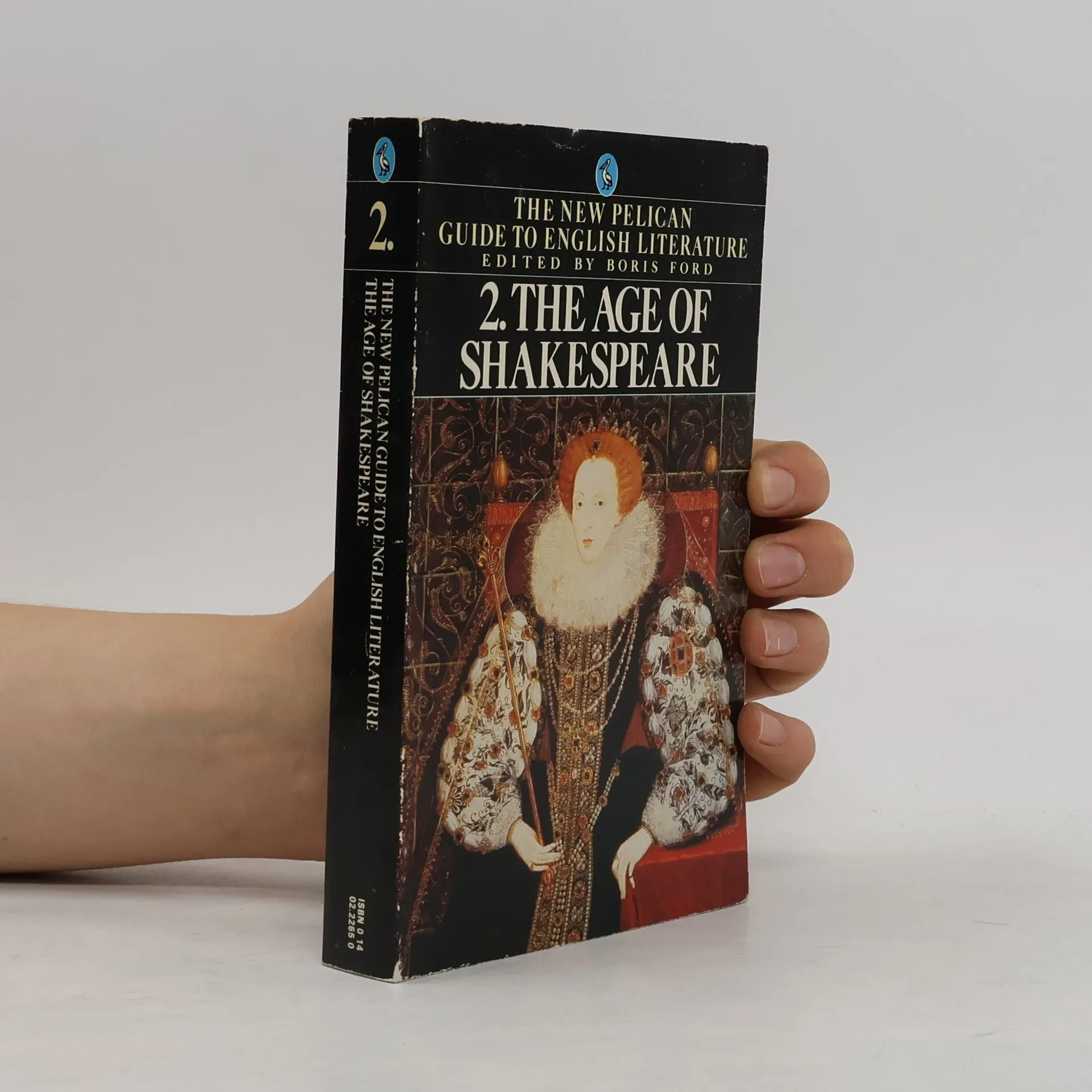
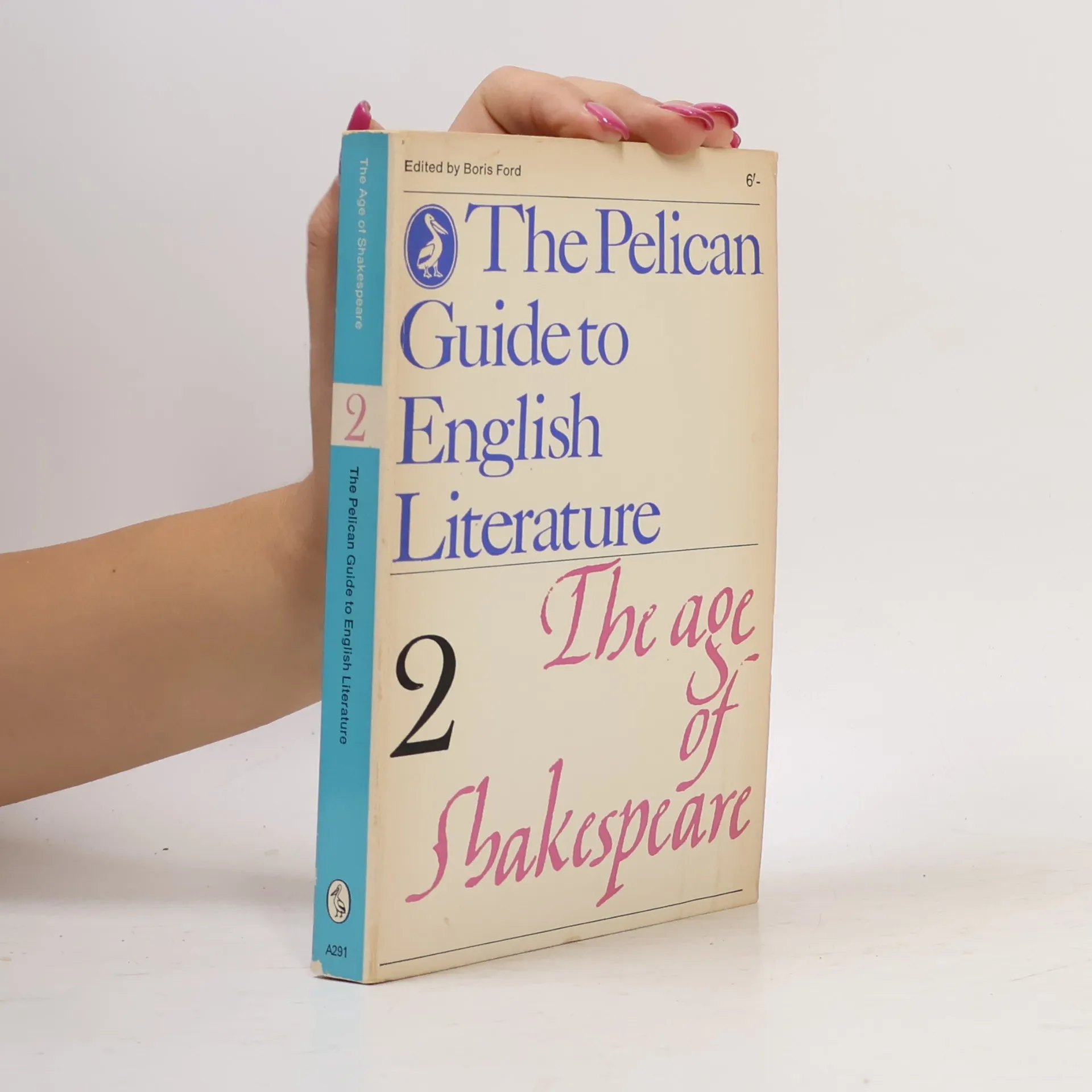
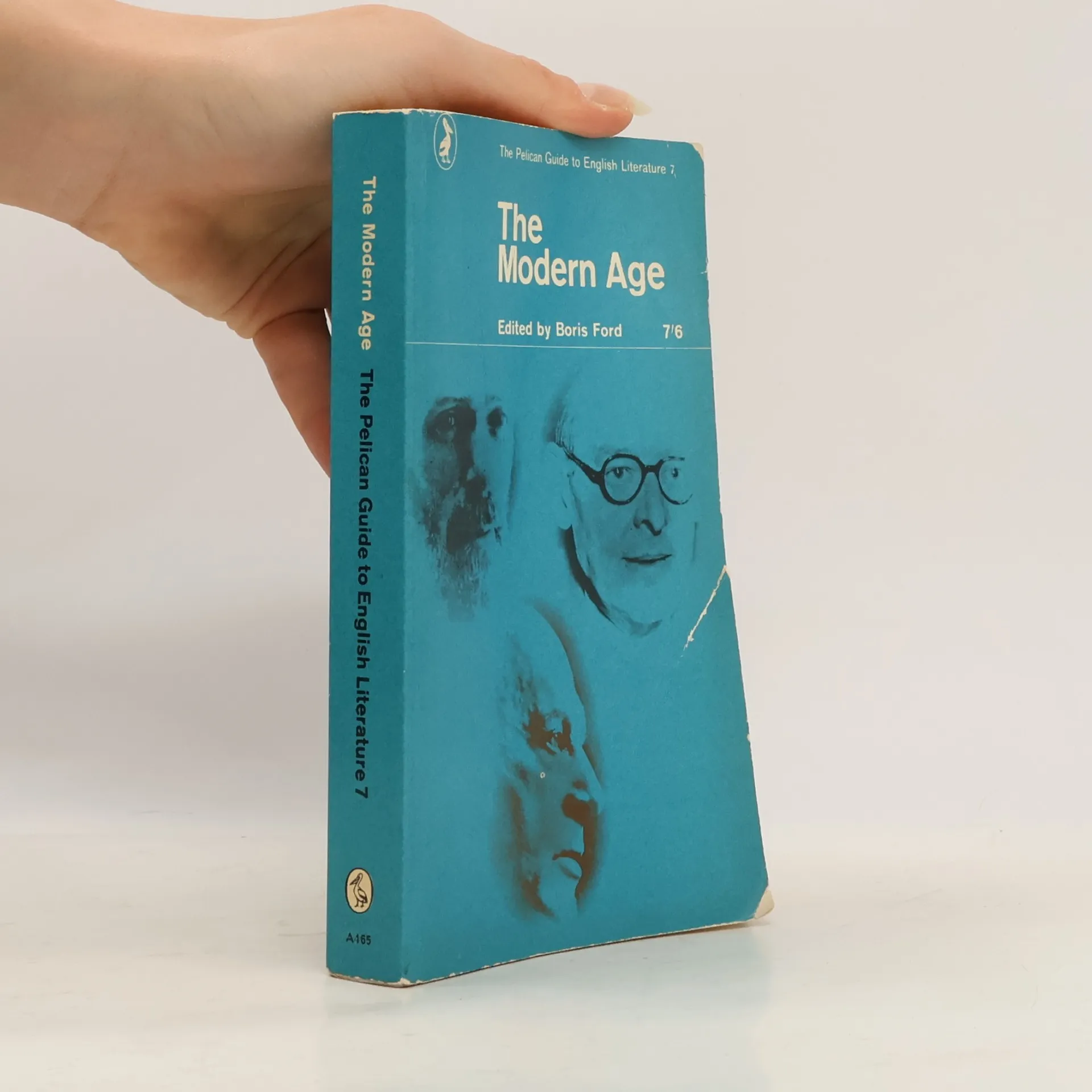
2. - The Age of Shakespeare
- 608 stránek
- 22 hodin čtení
Useful reference for a study of Shakespeare's theatre.; Social setting - Elizabethan Renaissance - Shakespeare and his age - Jacobean tragedy and prose - Spenser and The faerie queen - Sidney - Daniel - Ralegh - Words and music in Elizabethan England - Marlowe - Ben Jonson - Chapman - Middleton
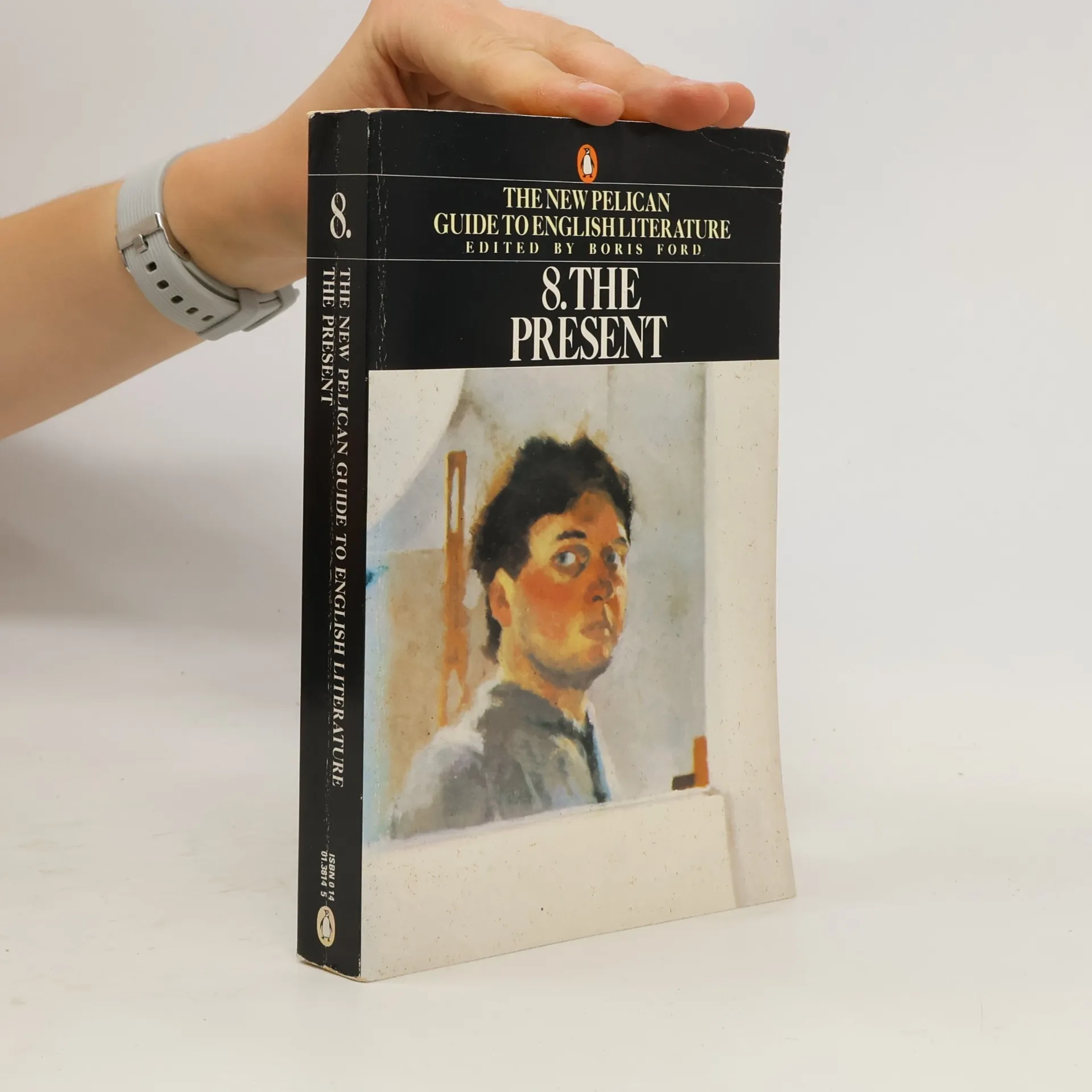
Social and cultural setting - The literary scene - George Orwell - Patrick White - Doris Lessing - Iris Murdoch
Book by
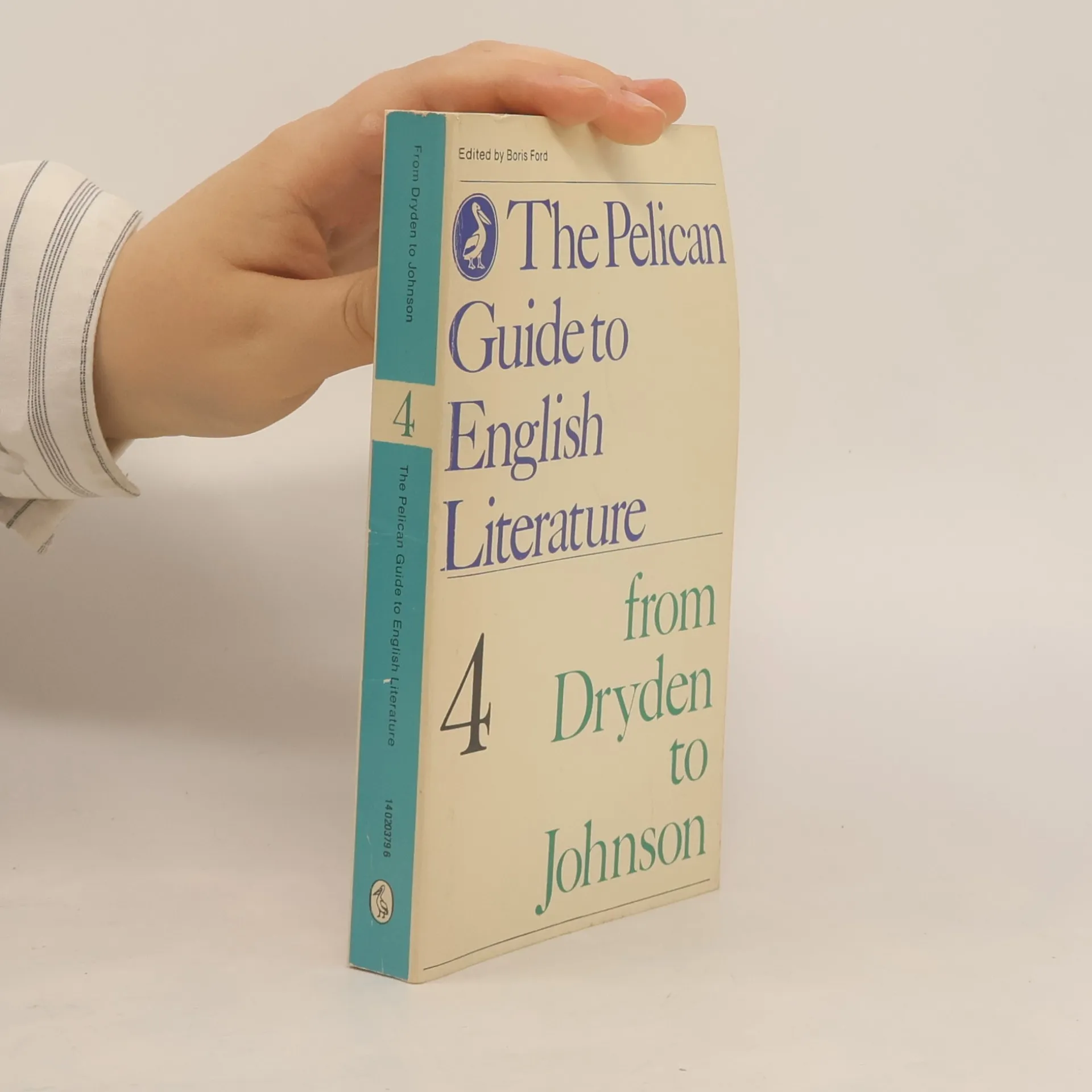
The Pelican Guide to English Literature - 4: From Dryden to Johnson
- 512 stránek
- 18 hodin čtení
A discussion of the development of English literature from 1660 to 1780 includes examinations of authors, such as Alexander Pope, Daniel Defoe, and Henry Fielding.
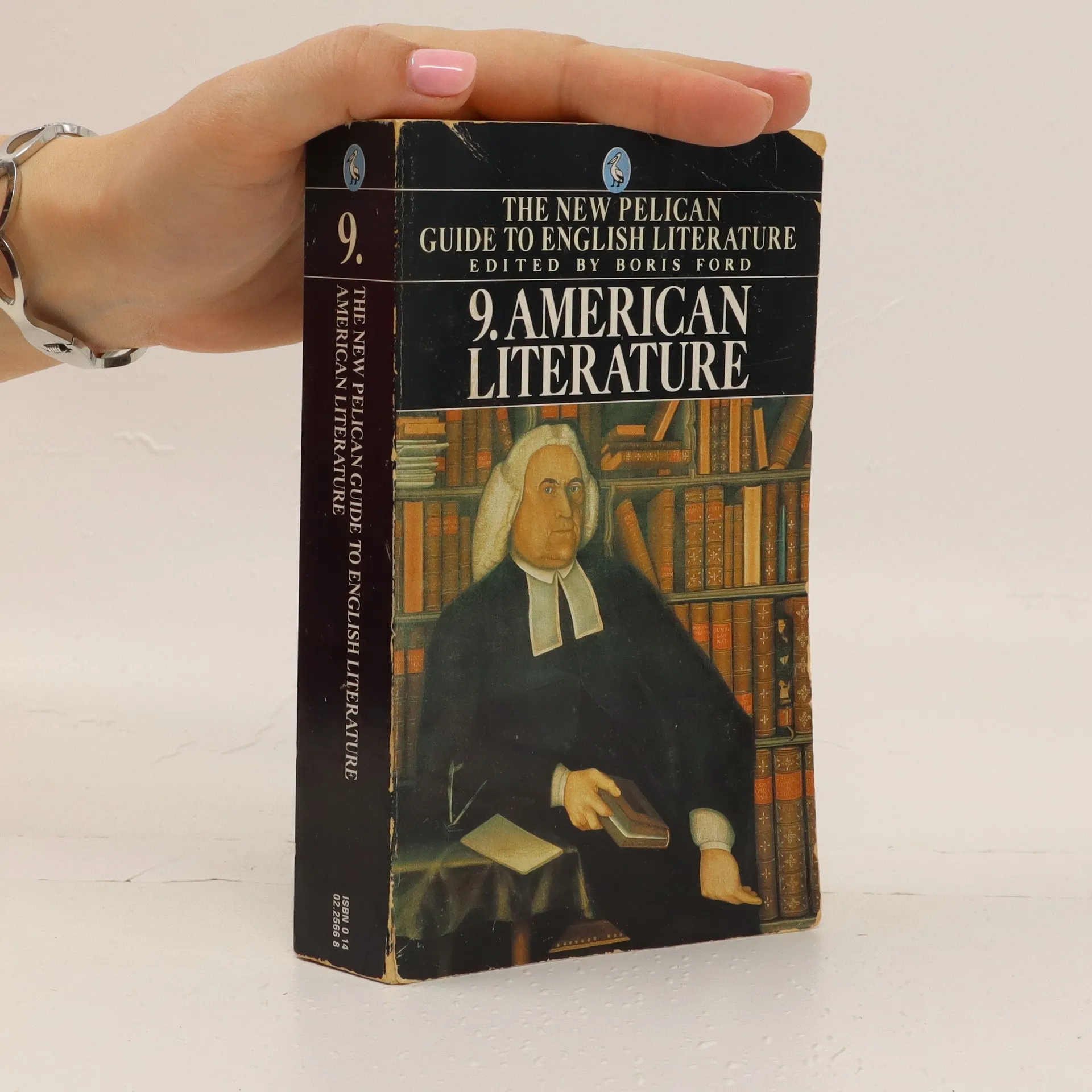
The new Pelican Guide to English Literature. 9. American Literature
- 816 stránek
- 29 hodin čtení
This is the ninth volume in the Penguin Guide to Literature, and comprises an account of American literature from its colonial origins to the heterogeneous, distinctive voices of today. The first part of this book, which includes an essay on the relevant social and historical context, takes the reader from James Fenimore Cooper, the first American writer to achieve international status as a novelist, through to the early 20th-century and the works of Henry James and Edith Wharton and includes essays on Hawthorne, Poe, Melville, Twain and Whitman.
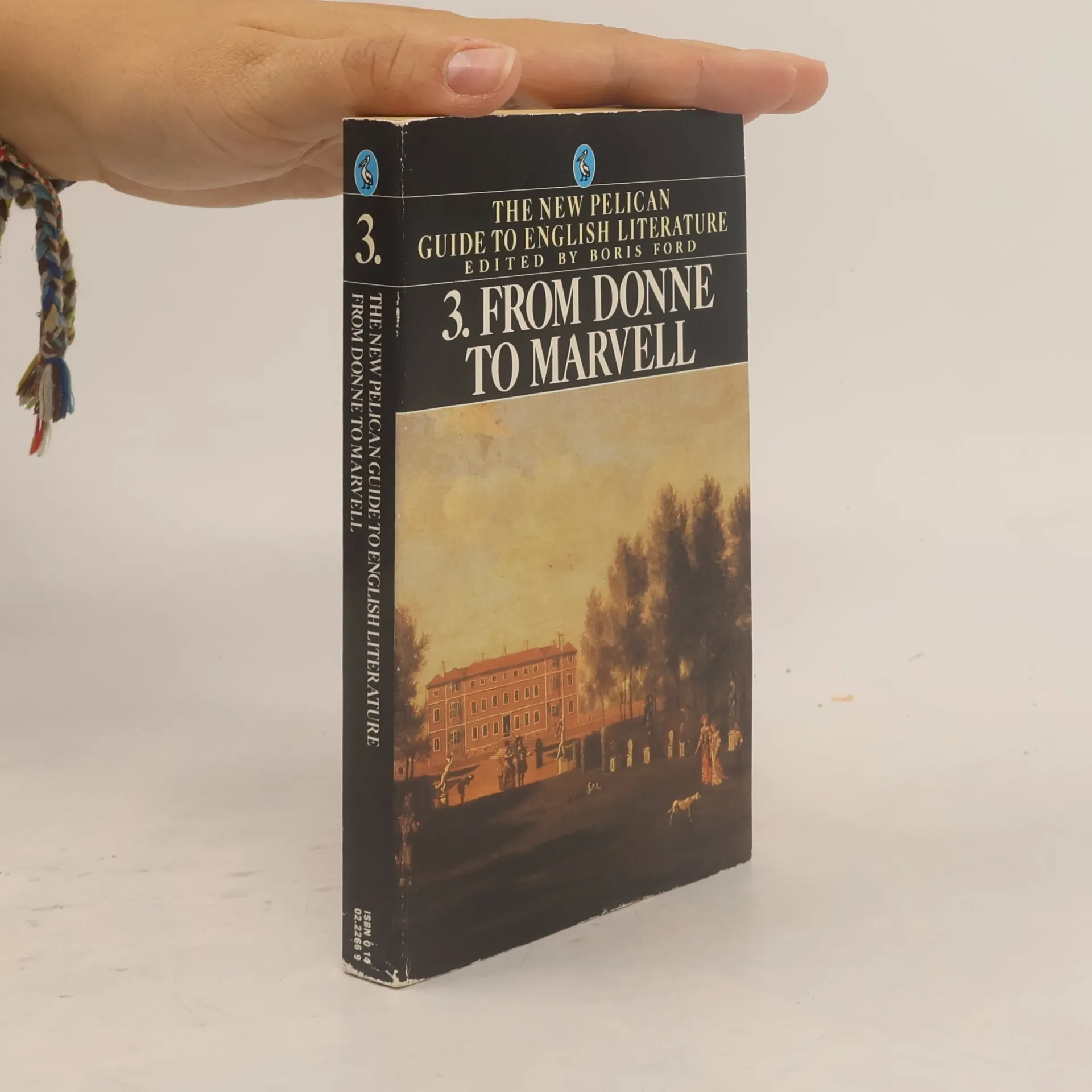
From Donne to Marvell
- 416 stránek
- 15 hodin čtení
Sets the literature of the 17th century in its social and intellectual context. Includes essays on metaphysical and religious poetry - The Caroline poets; The Cavalier poets - John Milton - John Donne - Thomas Browne - Francis Bacon - Ben Jonson - George Herbert and the devotional poets; Christopher Marvell - Thomas Hobbes - John Bunyan - Samuel Butler - John Wilmot, Earl of Rochester - Abraham Cowley.
Petrohradský student Razumov se vrací domů a nachází spolužáka, který spáchal atentát na ministra vnitra a nyní žádá o pomoc. Tím se jeho svět zásadně mění. V carském Rusku na počátku 20. století je pronásledován kariéristy, obavami o budoucnost, občanskými postoji a výčitkami svědomí. Po rozhodnutí zradit kolegu se ocitá pod tlakem i v komunitě ruských uprchlíků v Ženevě, kam dorazil se zvláštním posláním. Dramatický popis Razumovova zločinu a trestu je považován za jedno z nejpůsobivějších děl autora, který kritizuje britskou blahosklonnost. Příběh, určený západnímu publiku, zkoumá podivné formy ruského revolucionářství, od Dostojevského a Tolstého po Bakunina a Černyševského, a zmiňuje i bolševického vůdce Lenina. Výsledkem je hluboký pohled do psychologie země, kterou mladý autor poznal na Sibiři, kde zemřeli jeho rodiče. Tragikomické vylíčení udavačovy bezvýchodnosti ukazuje, jak se postoje Západu a Ruska míjejí. Liberálně soucitný Západ Rusku nerozumí, a Rusko ani nechce, aby mu někdo rozuměl. Tato nevyzpytatelná velmoc se vyznačuje „četností mimořádného" a lavírováním mezi hulvátstvím a mysticismem. Autorovo mistrovské dílo tak stále promlouvá svou prorockou naléhavostí.
Book by Chaucer, Geoffrey, more
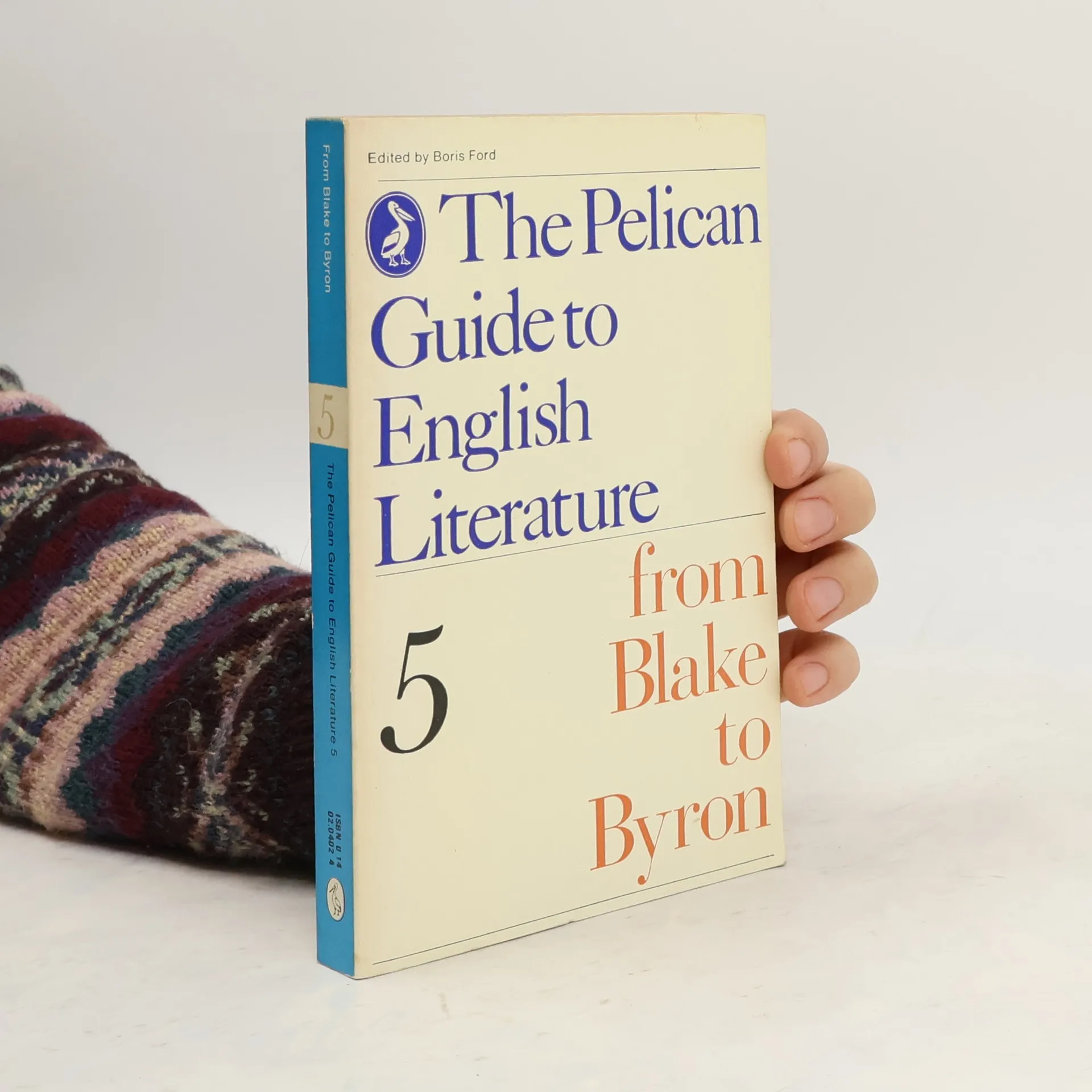
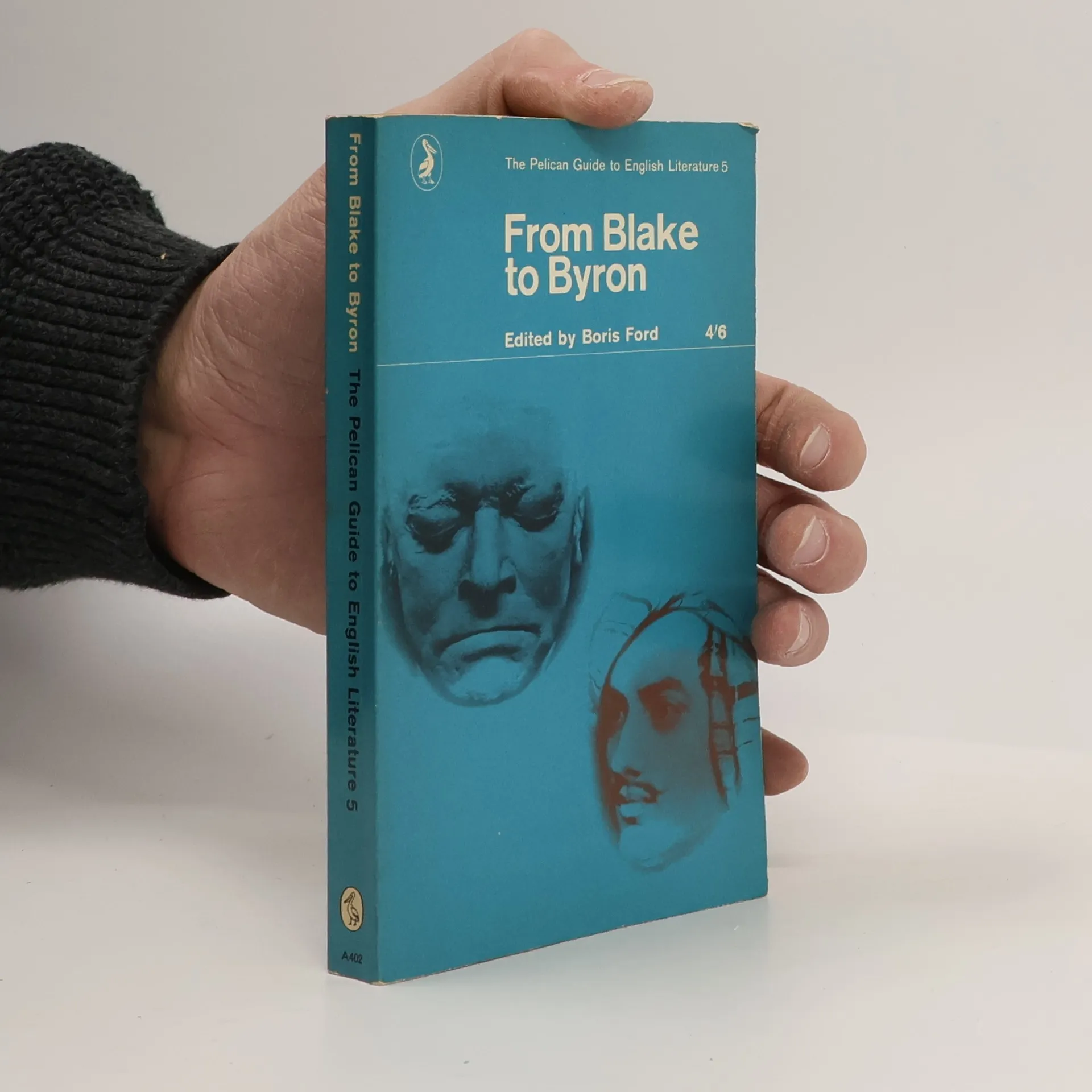
This fifth volume covers the period from William Blake to Lord Byron. It begins with an account of the social and itellectual context of English literature during this, the Romantic, period, followed by a survey of the literature itself. The rest of the book is made up of a series of essays dealing in detail with Blake, Wordsworth, Coleridge, Crabbe, KJeats, Shelley, Byron, Burns, /jane Austen, Scott, and the Essayistsw. Finally the volume contains an Appendix of biographies and bibliographies.
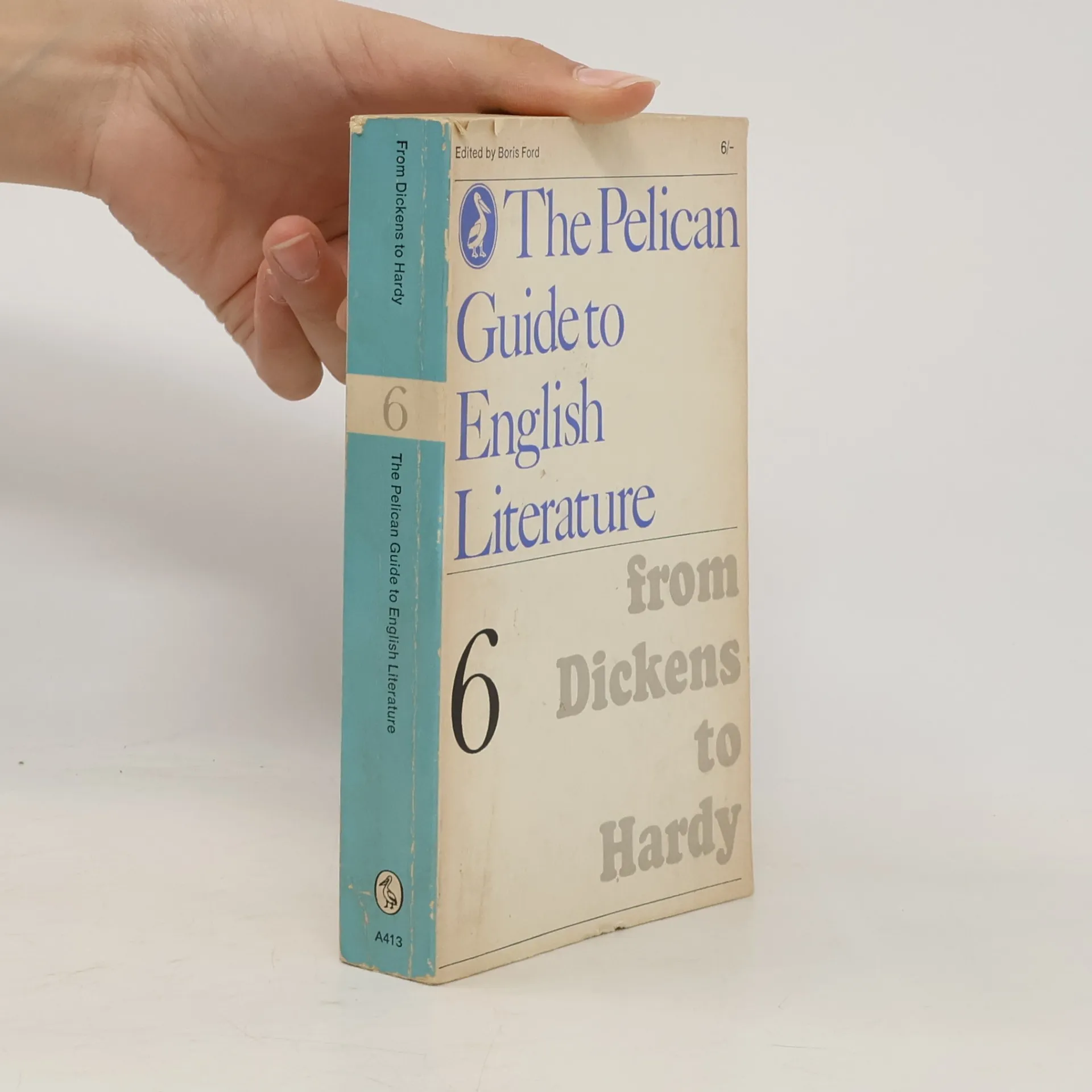
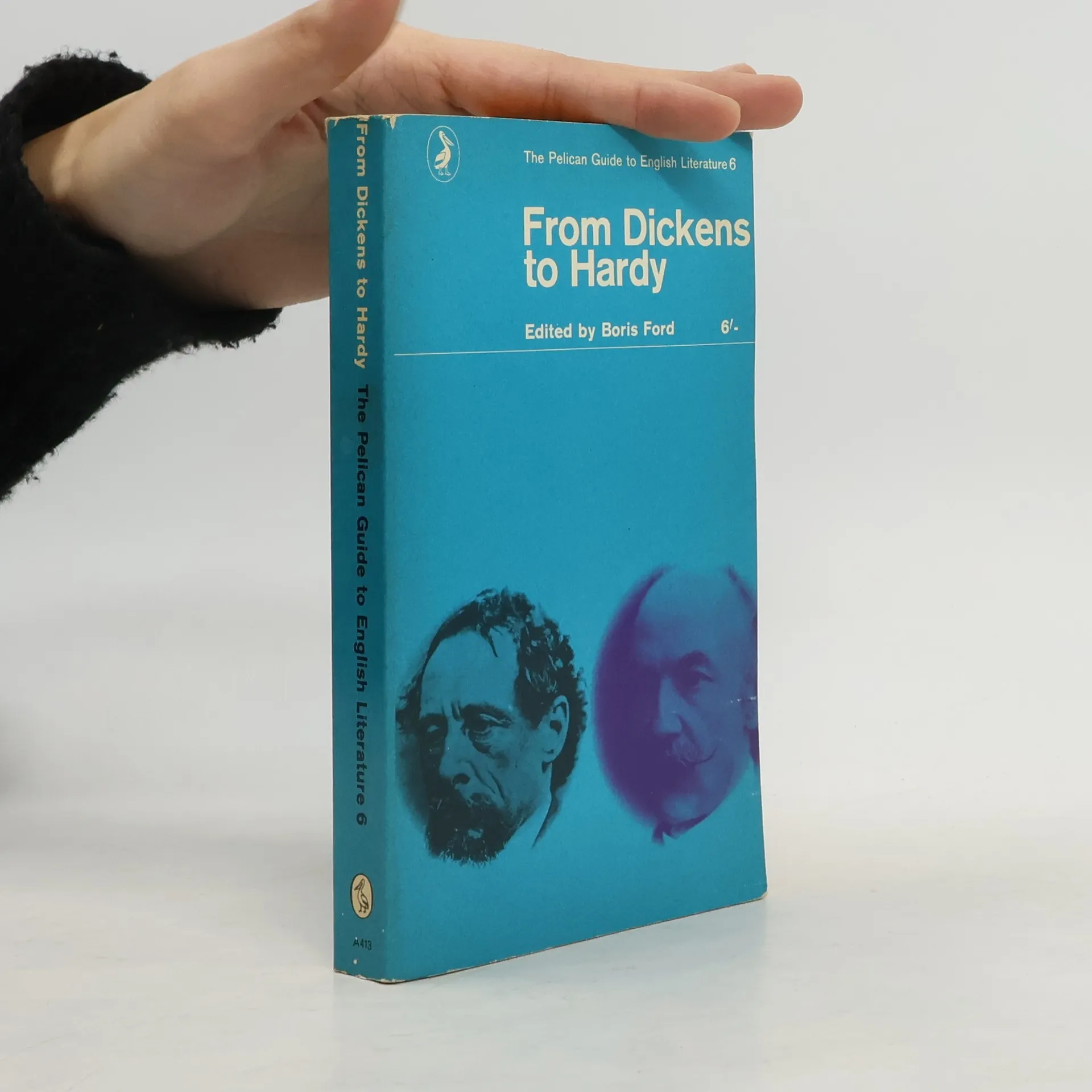
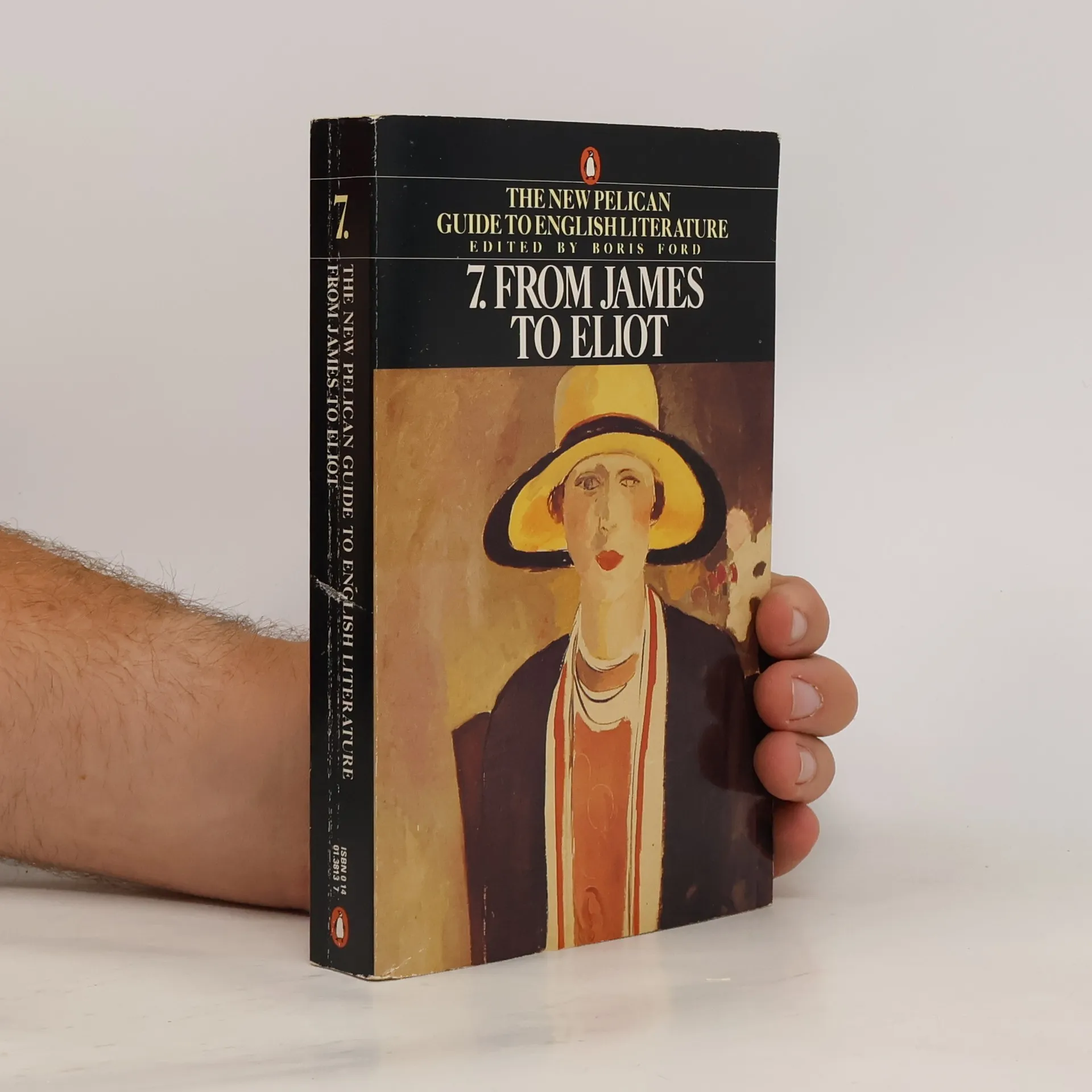
The Victorian social and political scene - Literary scene -Charles Dickens - Thackeray and Trollope - Tennyson - Robert Browning - Bronte sisters - George Eliot - Language and literature in the Victorian period - Matthew Arnold - Gerard Manley Hopkins - Hardy's tales - Aspects of Victorian architecture.
Let Me Be Frank With You. Frank, englische Ausgabe
- 252 stránek
- 9 hodin čtení
A brilliant new work that returns Richard Ford to the hallowed territory that sealed his reputation as an American master: the world of Frank Bascombe, and the landscape of his celebrated novels The Sportswriter, the Pulitzer Prize and PEN/Faulkner winning Independence Day, and The Lay of the Land. In his trio of world-acclaimed novels portraying the life of an entire American generation, Richard Ford has imagined one of the most indelible and widely discussed characters in modern literature, Frank Bascombe. Through Bascombe—protean, funny, profane, wise, often inappropriate—we’ve witnessed the aspirations, sorrows, longings, achievements and failings of an American life in the twilight of the twentieth century. Now, in Let Me Be Frank with You, Ford reinvents Bascombe in the aftermath of Hurricane Sandy. In four richly luminous narratives, Bascombe (and Ford) attempts to reconcile, interpret and console a world undone by calamity. It is a moving and wondrous and extremely funny odyssey through the America we live in at this moment. Ford is here again working with the maturity and brilliance of a writer at the absolute height of his powers.
Canada
- 420 stránek
- 15 hodin čtení
The distinguished modern American master and Pulitzer Prize-winning author returns with this haunting and elemental novel about a young man forced by catastrophic circumstance to reconcile himself to a world that has been rendered unrecognizable.