Janice Anderson Pořadí knih


- 2023
- 2020
Distinguished by their lavish sculpture, metalwork or tile facades, Art Nouveau buildings certainly stand out. Art Nouveau buildings are unique, audacious and inspirational. Rejecting historic styles, considered inappropriate for an era driven by progress, architects and designers sought a new vocabulary of architectural forms. Their vision was shaped by modern materials and innovative technologies, including iron, glass and ceramics. A truly democratic style, Art Nouveau transformed life on the eve of the twentieth century and still captivates our imaginations today. Beautifully illustrated, this book explains how the new style came into being, its rationale and why it is known by so many different names: French Art Nouveau, German Jugendstil, Viennese Secession, Catalan Modernisme, Italian Liberty and Portuguese Arte Nova. It covers the key architects and designers associated with the style; Victor Horta in Brussels, Hector Guimard in Paris, Antoni Gaudi on Barcelona, Otto Wagner in Vienna, Odon Lechner in Budapest and Charles Rennie Mackintosh in Glasgow. There are detailed descriptions and stunning photographs of buildings to be found in Brussels, Paris, Nancy, Darmstadt, Vienna, Budapest, Barcelona, Milan, Turin and Aveiro. Finally, it covers the decorative arts, stained glass, tiles and metalwork that make Art Nouveau buildings so distinctive.
- 2018
Even though most artists down through the ages have found painting children a daunting challenge, there are a few more satisfying results than the innocence, the joy and often the mischief of childhood captured for all time.
- 2010
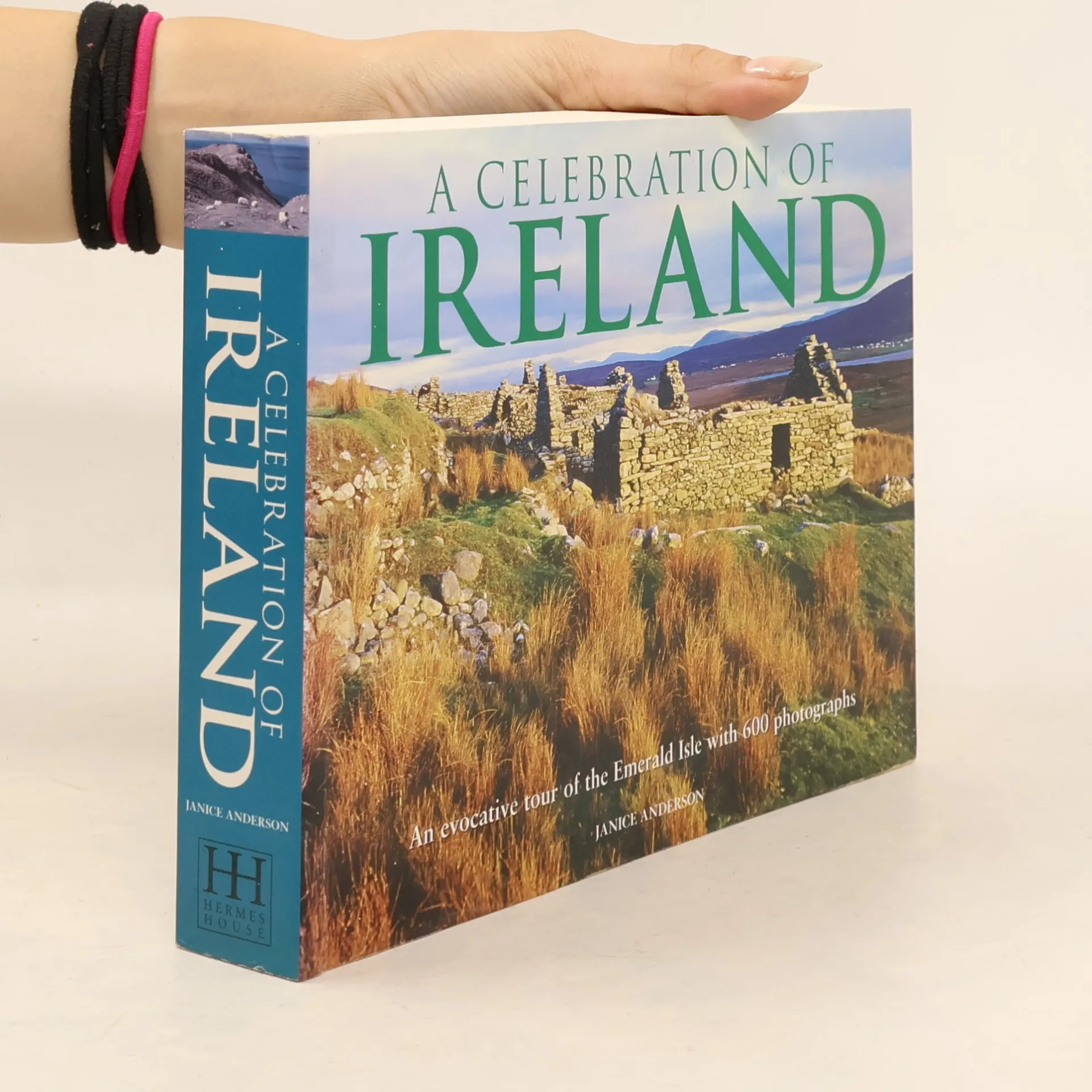
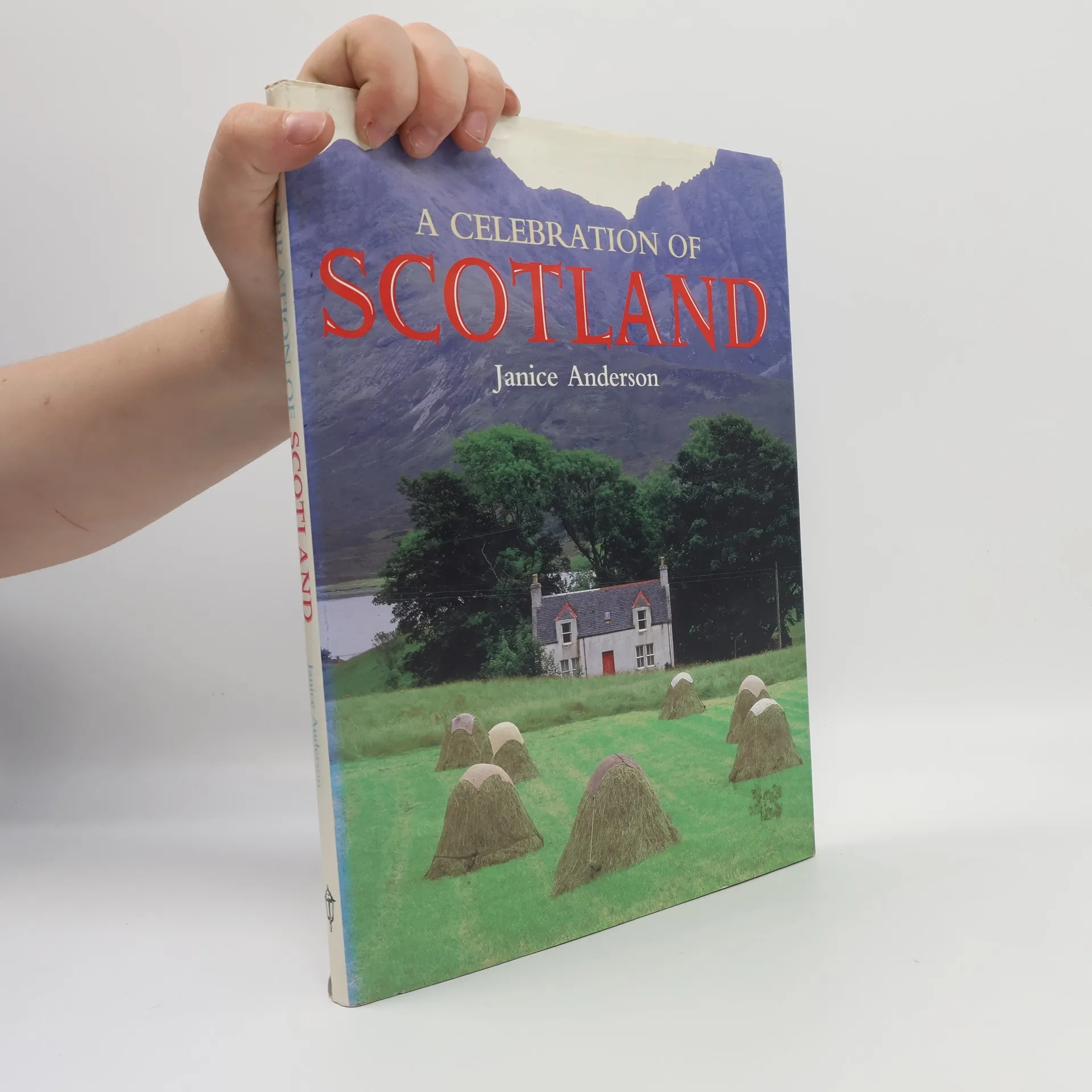
This guide to Ireland outlines all the major tourist attractions in each of the country's regions. It highlights the main historical sites within each area, as well as the most popular beauty spots. The text is accompanied by up-to-date photographs to provide a memento of Ireland.
- 2009
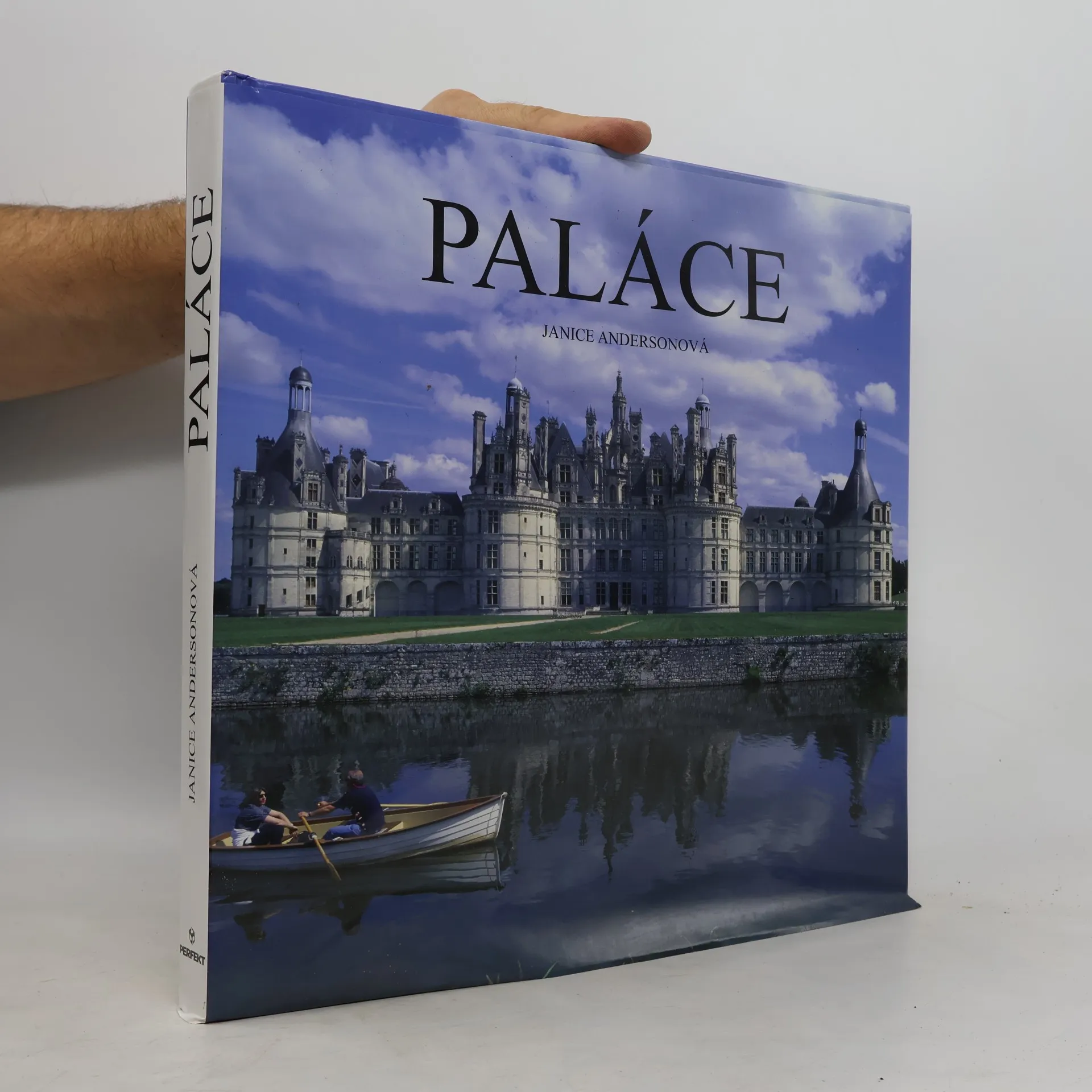
Paláce
- 272 stránek
- 10 hodin čtení
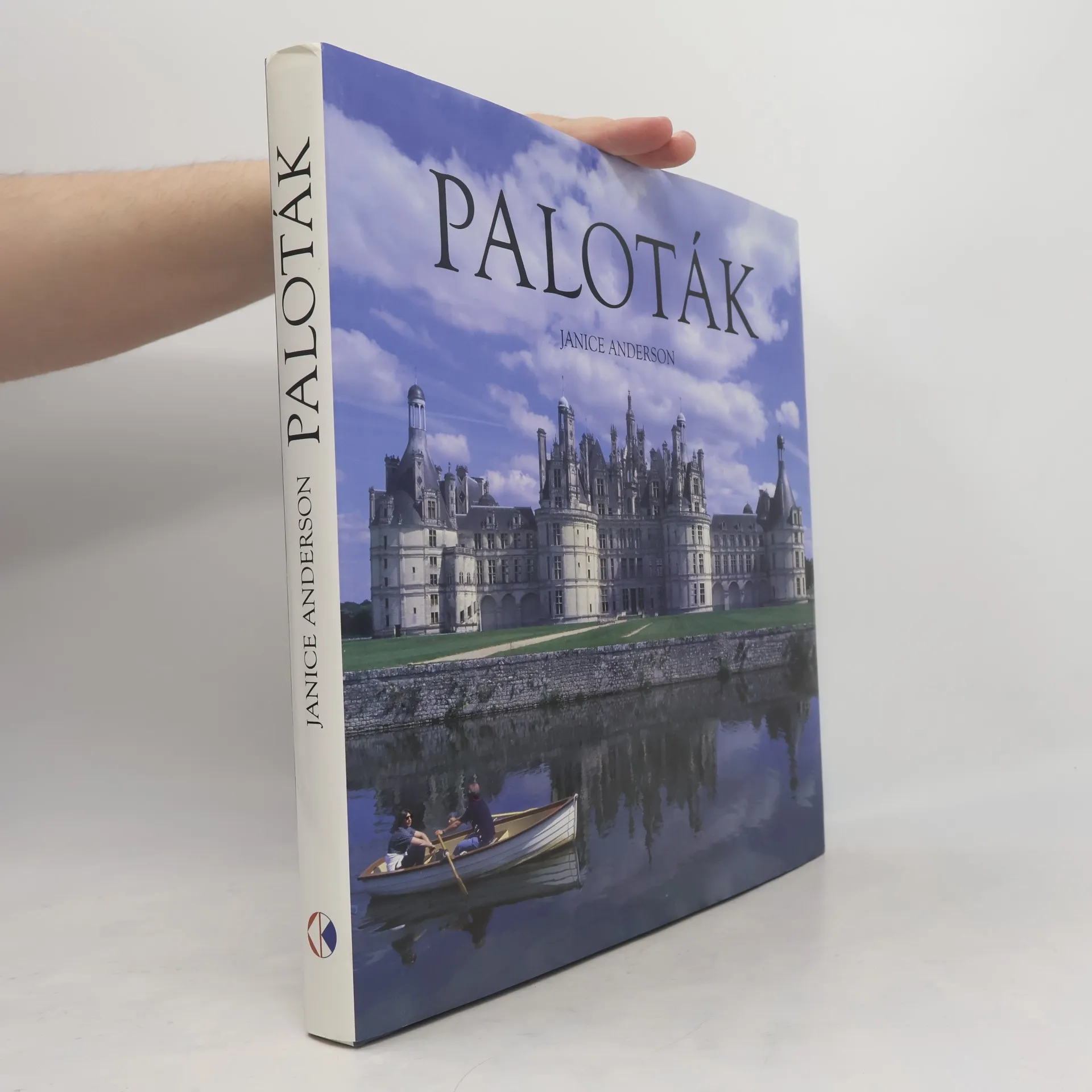
Kniha Paláce popisuje a přepychově zobrazuje stovku nejkrásnějších paláců světa. Není to učebnice palácové architektury, i když stavební postupy a měnící se stavitelské slohy hrají v příběhu paláců velkou roli. Kniha zařazuje paláce spíše do jejich společenského a dějinného kontextu, ukazuje, jak místní zvyky, tradice a náboženská přesvědčení spolu s rostoucí mocí císařů a králů, vládců a knížat určovaly rozvržení, stavební styl a výzdobu paláců. Protože kniha zahrnuje pouze budovy, které jsou dostatečně zachovány v původním stavu, aby poskytly návštěvníkům dobrou představu o tom, jaké byly v době, kdy se v nich žilo, je většina popsaných paláců v Evropě. Od Evropy přechází pozornost autorky k palácům Středního východu, islámského světa, Indie, jihovýchodní Asie, Číny a Japonska. Krásu paláců v srdci Evropy přibližuje čtenářům v poslední kapitole doc. Ing. arch. Jana Pohaničová, Ph.D. Představení obdivuhodných architektonických staveb v České republice a na Slovensku je současně poslední zastávkou na zajímavé cestě za poznáváním paláců v různých koutech světa.
- 2007
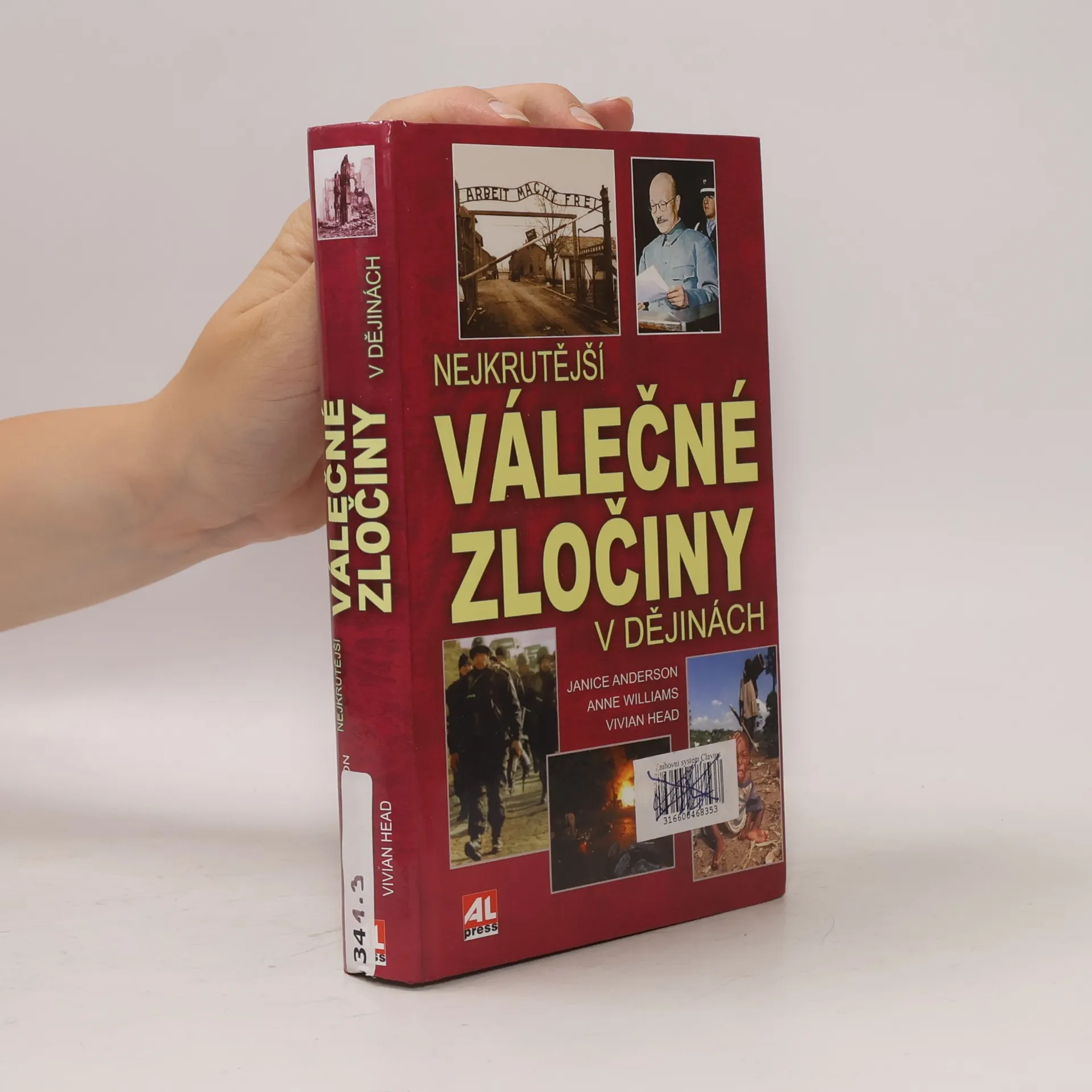
Nejkrutější válečné zločiny v dějinách
- 398 stránek
- 14 hodin čtení
Dějiny válečných zločinů, masových vražd, genocidy a dalších činů proti lidskosti, které spáchalo lidstvo během různých válek a teroru za poslední 3 tisíce let.
- 2004
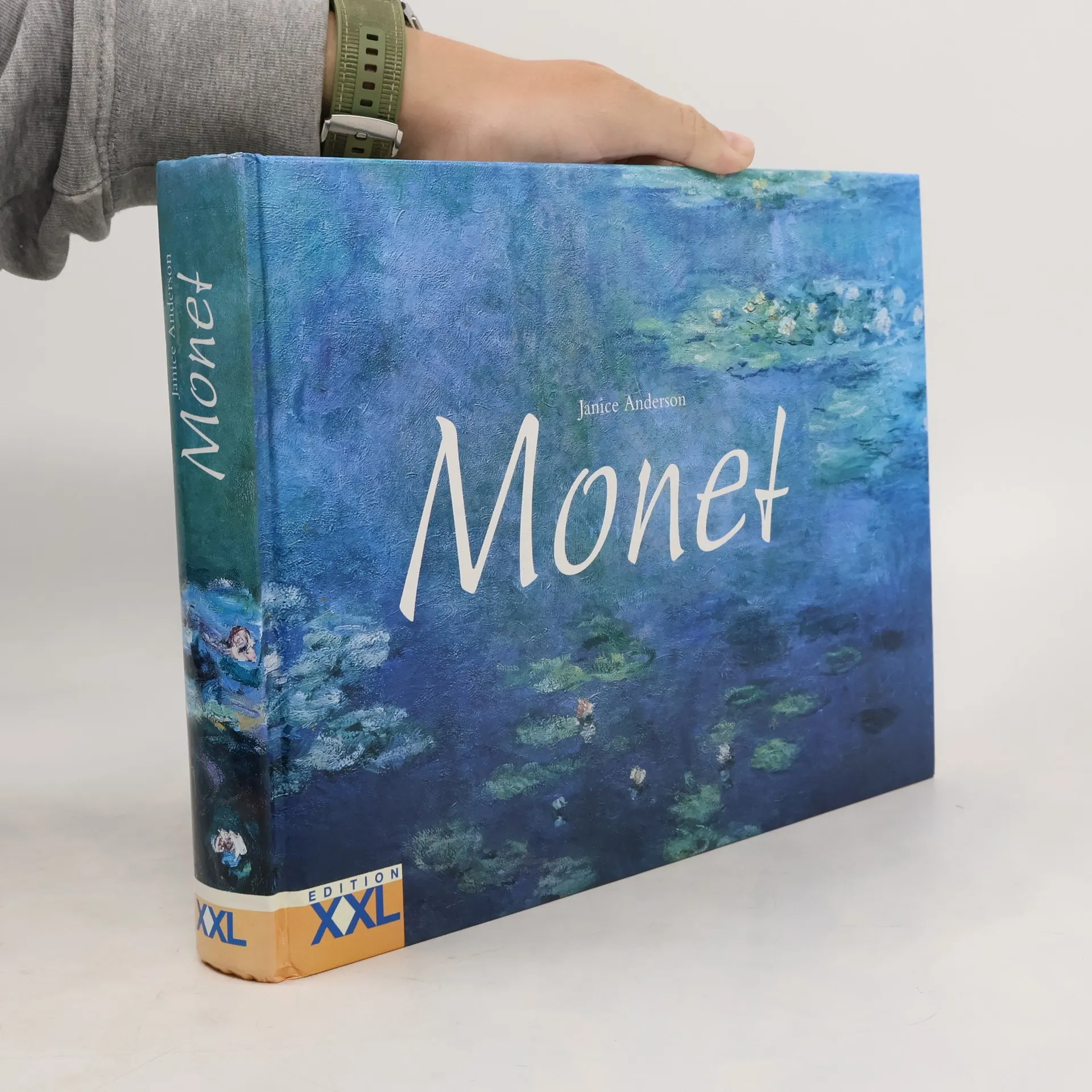
Ausführlicher Bildband über das Leben und Wirken des Claude Monet. Seine frühen Jahre in Paris bis zum Titel „Meister des Impressionismus“. Seine Reisen und die Suche nach extremem Licht, die Bildserien wie beispielsweise Seerosen, Pappeln und Seerosenteich mit japanischer Brücke. Ein Band, der jeden Kunstliebhaber entzückt.
- 1999
The Cube Teapot
- 84 stránek
- 3 hodiny čtení
A paragon of modern design, this book charts the history, rise and fall of the world's best-selling patented teapot.
- 1996
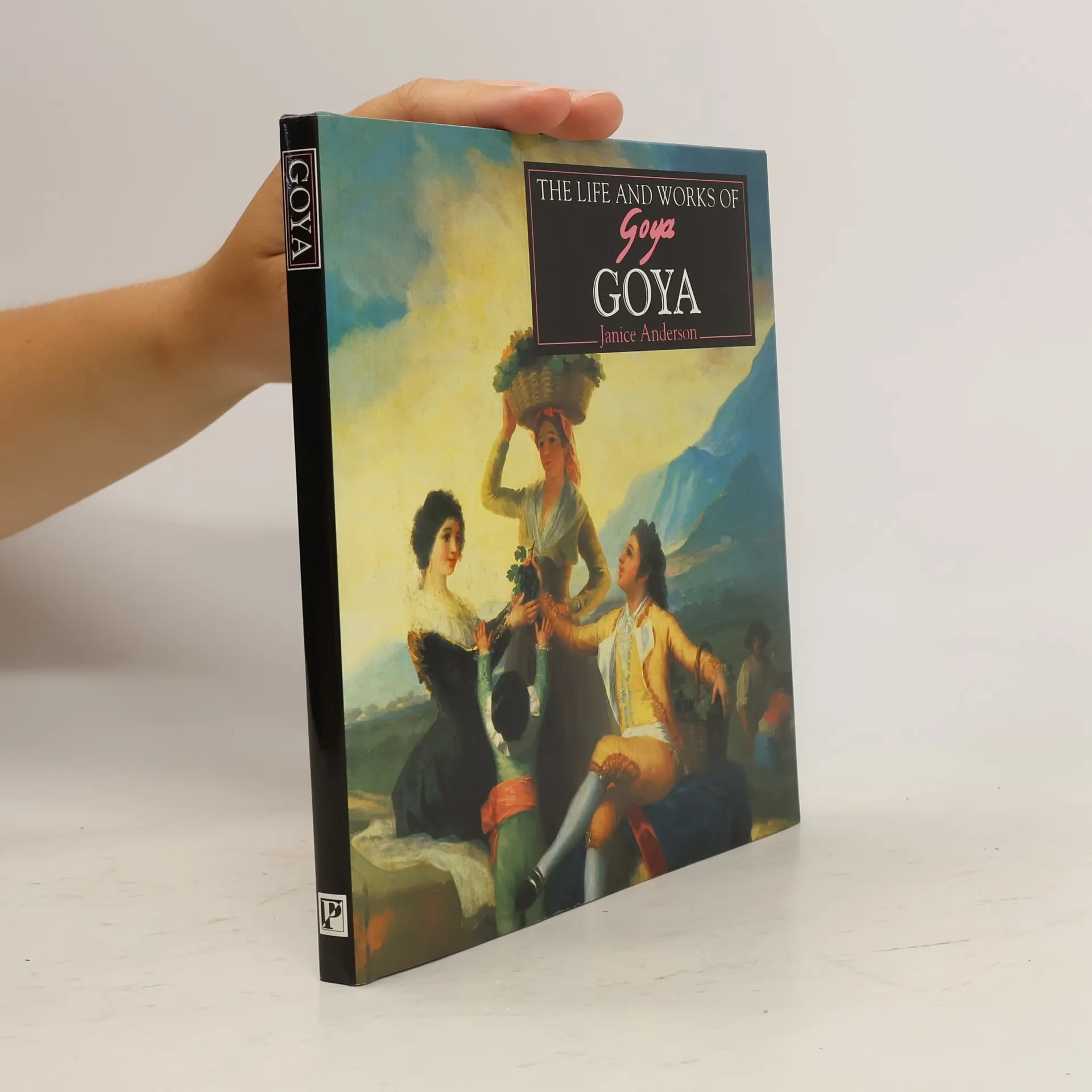
Goya
- 79 stránek
- 3 hodiny čtení
- 1996
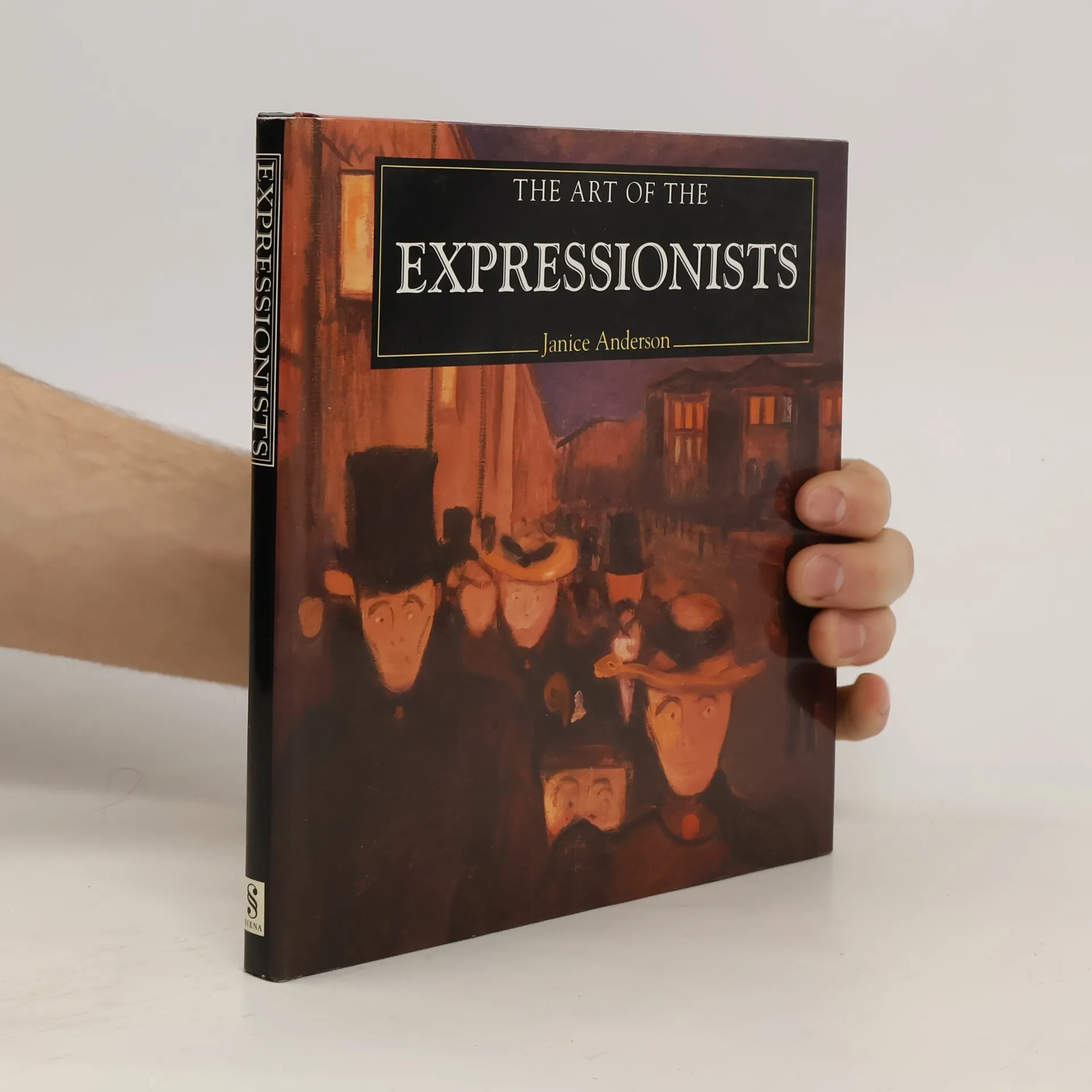
Expressionism is an exciting style of painting developed by artists at the beginning of the century to give direct expression to their feelings rather than simply record scenes. Their immediate forerunners were van Gogh, Munch & Ensor. Many of the leading Expressionists were German artists, who were contemporaries with the Fauves of France. Among them were Kirchner, whose Street Scene 1915 shows wartime Berlin Heckel, who painted Bruges on Corpus Christy Day 1914 & Kandinsky, leading the way to abstraction with his Apocalypse Rider. In other countries the Expressionist idea attracted painters like Rouault, Chagall, Bacon & Freud, all of whom are included in this illuminating book.