
Knihobot

Ralf Lindner

    Arbeiten in der Zukunft
    Electronic Democracy in Europe
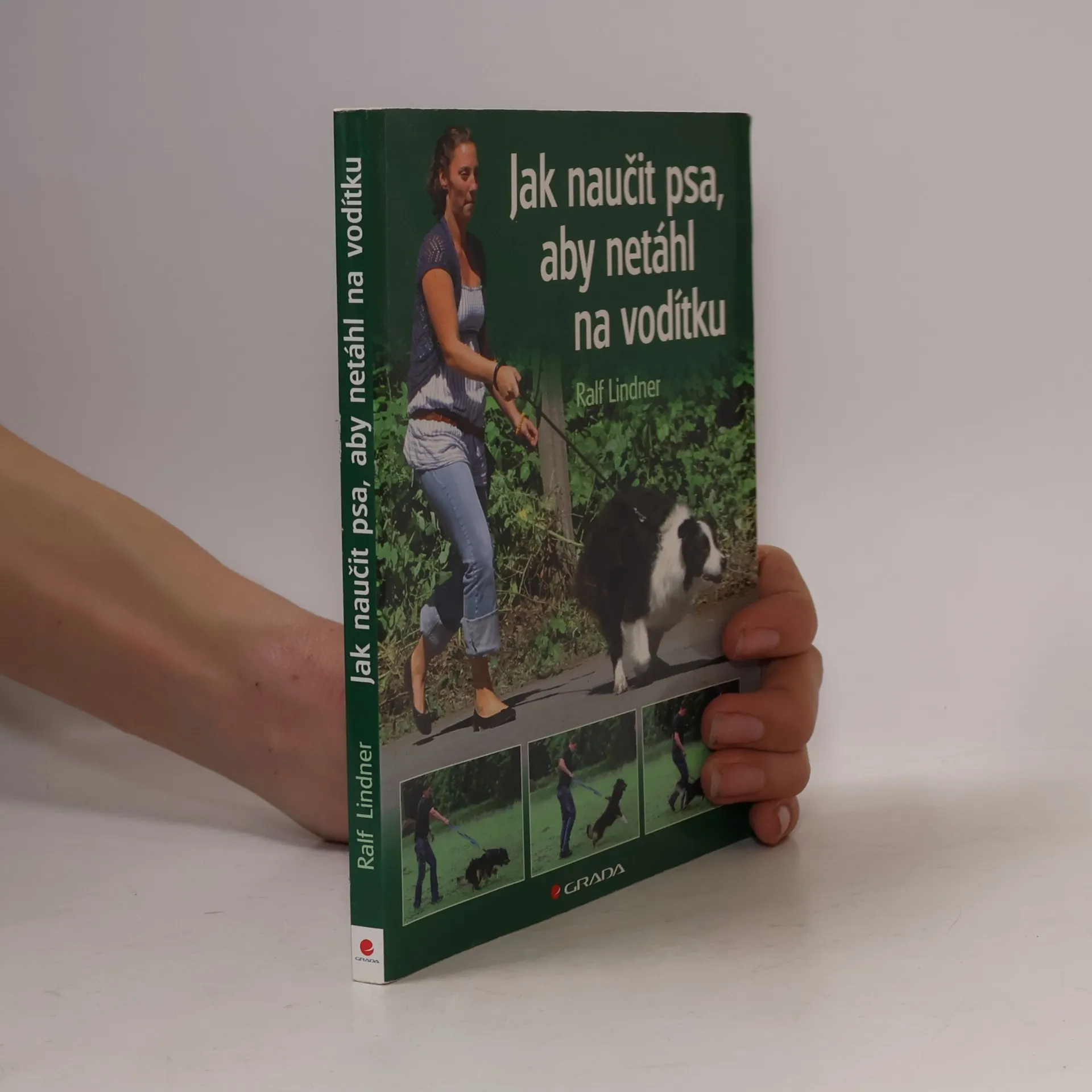
    Jak naučit psa, aby netáhl na vodítku
    • Jak naučit psa, aby netáhl na vodítku

      • 160 stránek
      • 6 hodin čtení
      2,9(3)Ohodnotit

      Škube váš pes každou chvíli za vodítko, vleče vás na procházce za sebou směrem, kterým chce on, a nikoli vy? Z venčení je nepříjemná povinnost a pomyšlení na hezké vycházky přichází vniveč kvůli neustálému táhnutí? Nevíte si rady a jen bezmocně sledujete, jak si dělá venku, co chce? Pak byste si měli přečíst tuto knihu. Je plná dobrých rad a promyšlených metod, jak naučit psa, aby se choval tak, jak má. Tyto rady vtipně udílí v těchto věcech nesmírně zběhlý odborník, teriér Bertík. Ze svého psího pohledu nejlépe ví, co psi táhnutím za vodítko svému pánovi vlastně sdělují, prozrazuje, kde se majitelé psů nejčastěji dopouštějí chyb, určuje pravidla, která by měly obě strany dodržovat, krok za krokem mezi nimi buduje vztah plný porozumění. Kniha je plná barevných návodných fotografií a schémat.

      Jak naučit psa, aby netáhl na vodítku
    • Electronic Democracy in Europe

      Prospects and Challenges of E-Publics, E-Participation and E-Voting

      • 216 stránek
      • 8 hodin čtení

      This edited book is the first of its kind to systematically address the intersection of e-democracy and European politics. It contributes to an improved understanding of the role that new media technologies play in European politics and the potential impact that Internet-based political participation processes may have on modern-day representative democracy in Europe. A unique, holistic approach is taken to examine e-democracy’s current state and prospects in Europe from three, partially overlapping and interlocking perspectives: e-public, e-participation and e-voting. The authors provide both theory-inspired reflections on e-democracy’s contribution to the formation of the European public sphere, as well as rich empirical analyses of contemporary e-participation phenomena such as the European Citizens’ Initiative or e-voting practices in Estonia. Based on the presented findings, the concluding chapter combines a prospective outlook with recommendations for future paths towards meaningful integration of e-democracy in European politics and governance.

      Electronic Democracy in Europe
    • Arbeiten in der Zukunft

      Strukturen und Trends der Industriearbeit

      • 298 stránek
      • 11 hodin čtení

      Die Arbeitswelt in der Industrie ist im Umbruch: Globalisierung, wachsender Bedarf an Dienstleistungen, neue Organisationsmodelle, neu aufkommende Technologien (Biotechnologie, Nanotechnologie, Ambient Intelligence) - viele Faktoren treiben den Wandlungsprozess. Wie sich diese Treiber entwickeln werden und welche Arbeitsstrukturen in fünf bis zehn Jahren zu erwarten sind, ist Gegenstand dieser am Fraunhofer ISI durchgeführten Untersuchung. Dazu werteten die Forscher Zukunftsstudien aus und analysierten parallel dazu, welche Veränderungen bereits Platz gegriffen haben. Demnach werden sich zwei kritische Entwicklungen zukünftig noch weiter verschärfen: Geringqualifizierte werden es in Zukunft noch schwerer haben, Arbeit zu finden. Gleichzeitig wird der Mangel an Fachkräften - vor allem bei Ingenieuren, Natur- und Wirtschaftswissenschaftlern - infolge der identifizierten Trends weiter zunehmen. Hier sollten, so empfiehlt die Studie, alle Handlungsoptionen ausgelotet werden, wirksam gegenzusteuern. Weitere Empfehlungen zielen darauf, das Angebot zur Aus- und Weiterbildung in der Bio- und Nanotechnologie anwendungsorientierter zu gestalten oder in der Ausbildung mehr Wert auf Dienstleistungen zu legen.

      Arbeiten in der Zukunft