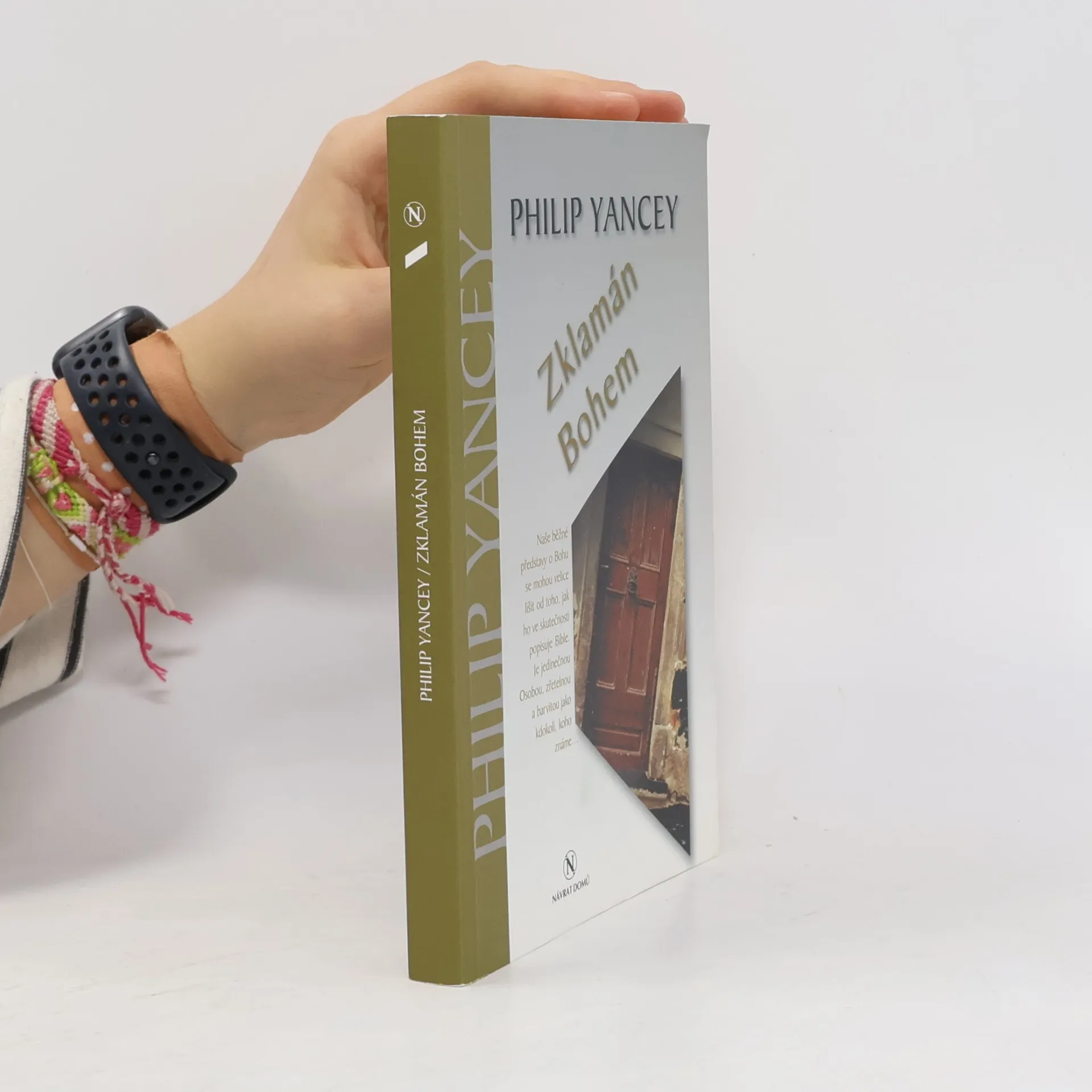
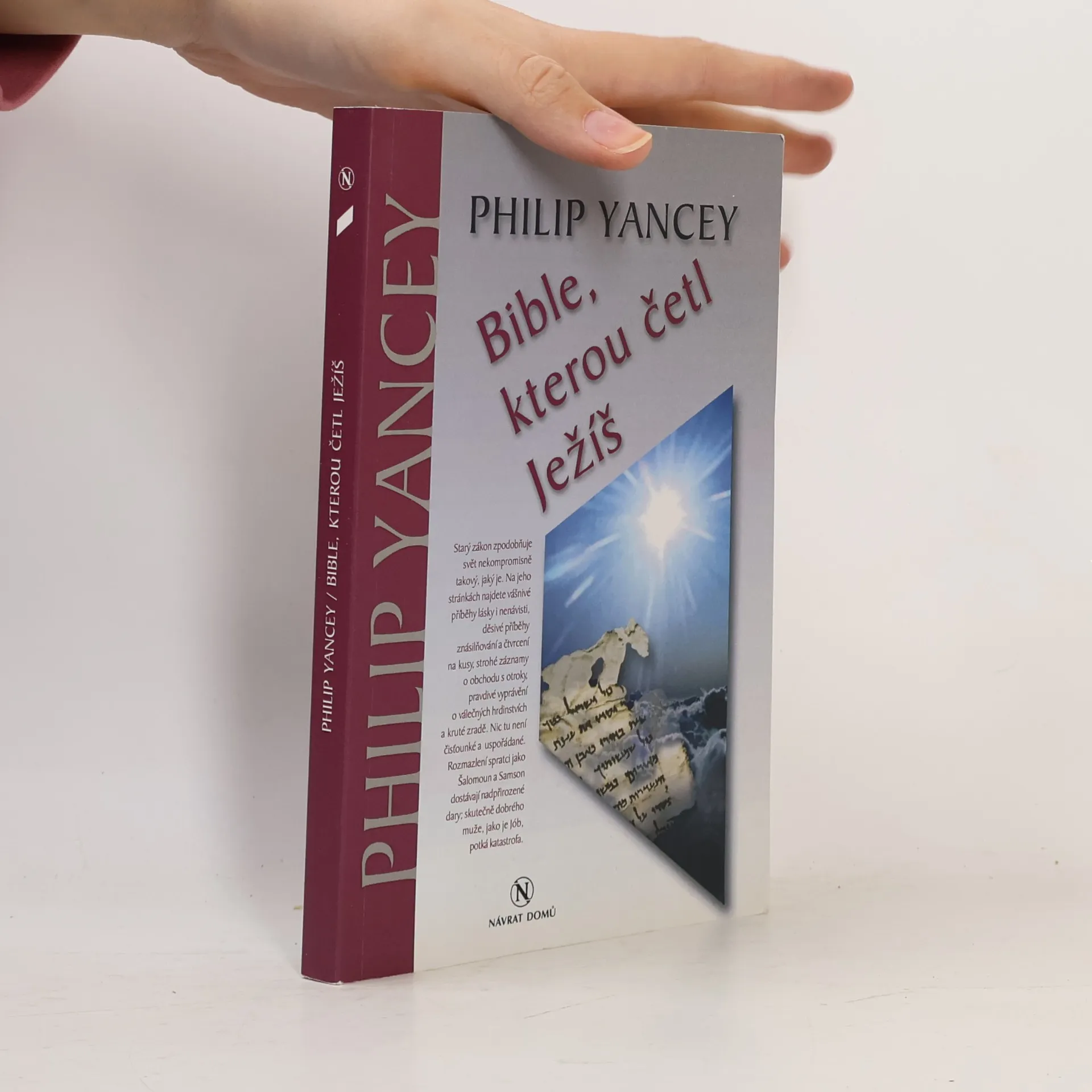
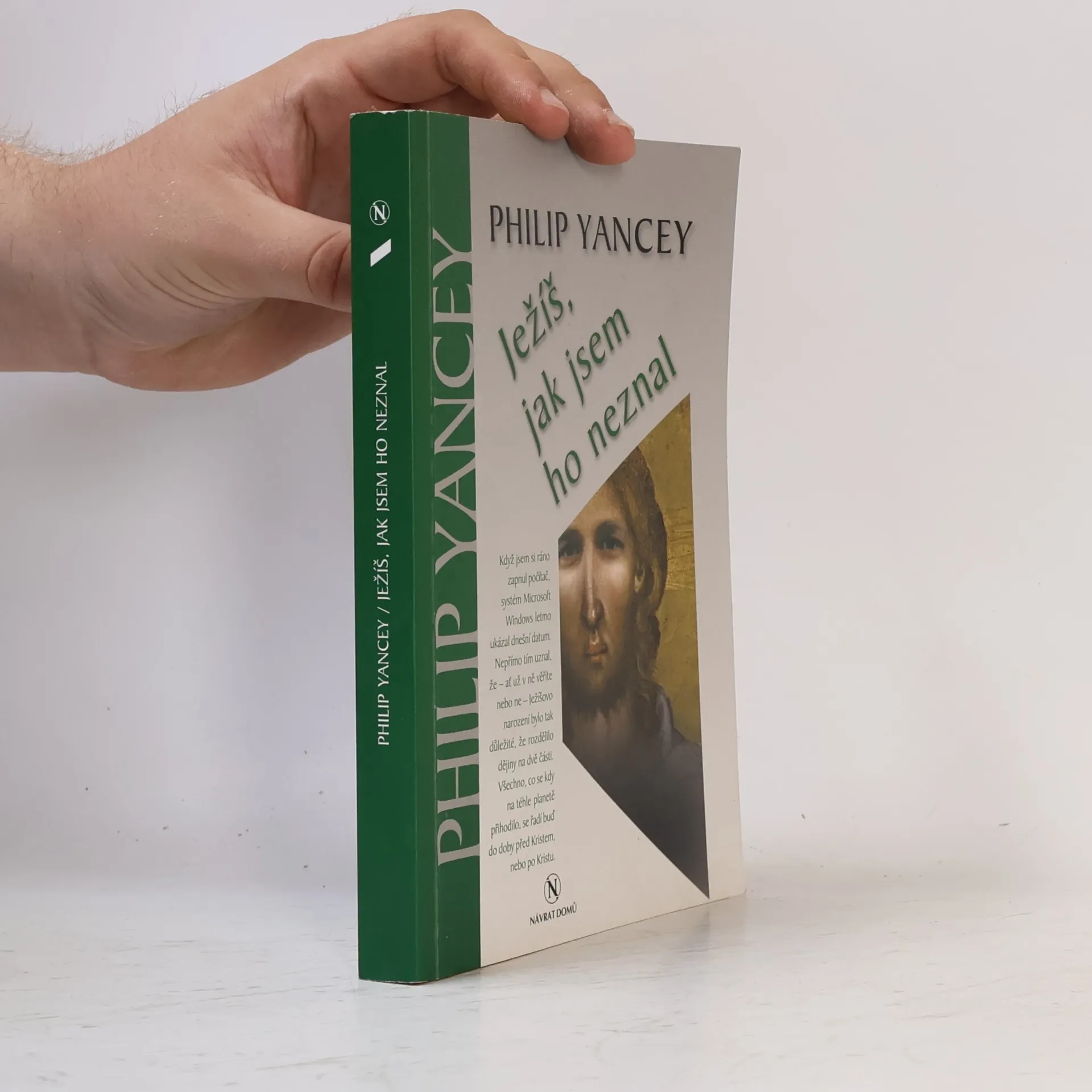
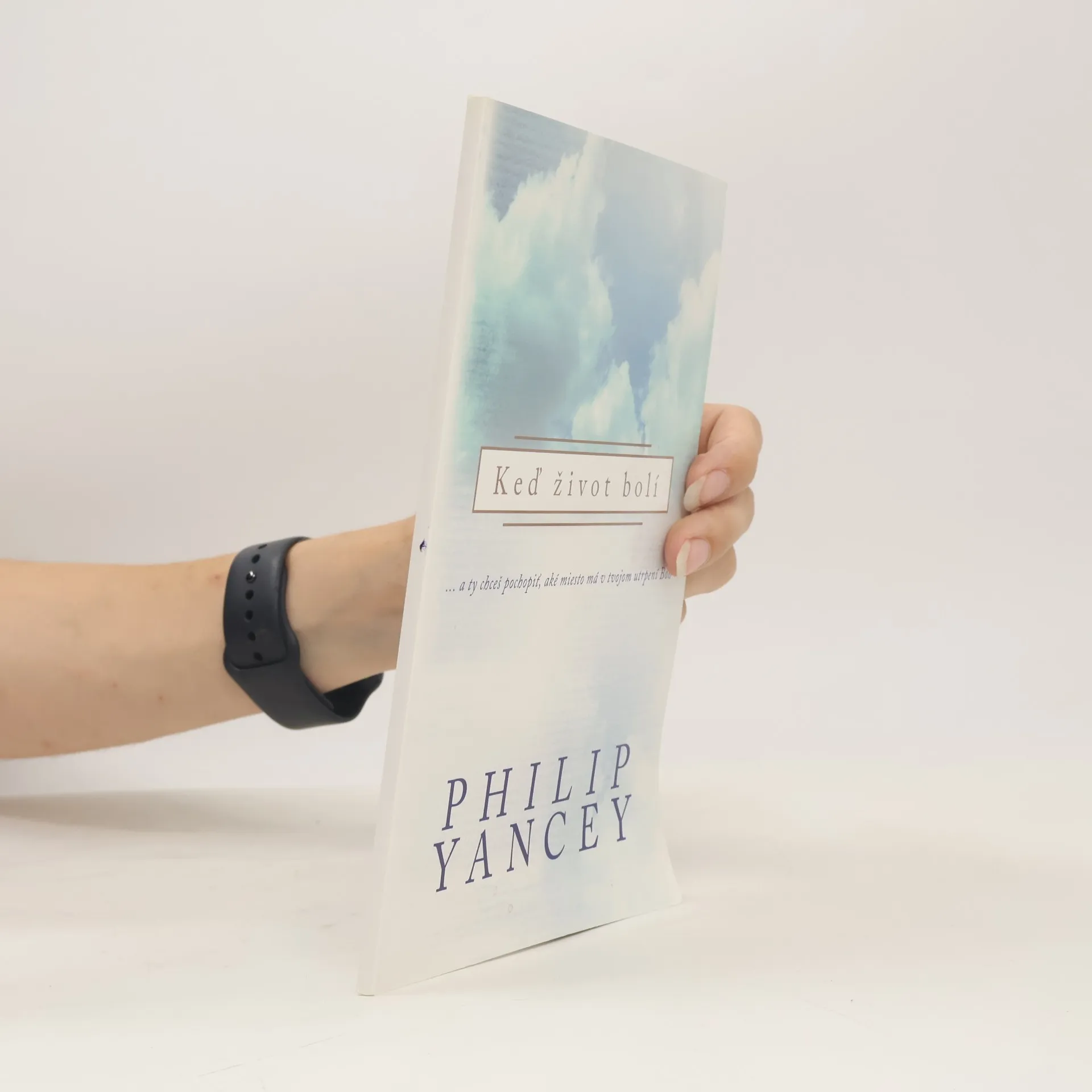
Philip Yancey se vyznačuje pronikavým zkoumáním víry a lidské zkušenosti, často se zaměřuje na složité otázky, které ostatní obcházejí. Jeho psaní je známé svou upřímností a ochotou konfrontovat pochybnosti a zklamání, čímž nabízí naději a hlubší porozumění. Yanceyho eseje se ponoří do podstaty duchovního života a zkoumají, jak víra obstojí tváří v tvář životním výzvám. Jeho styl je přístupný a zároveň podnětný, což čtenáře zve k zamyšlení nad vlastní cestou víry.
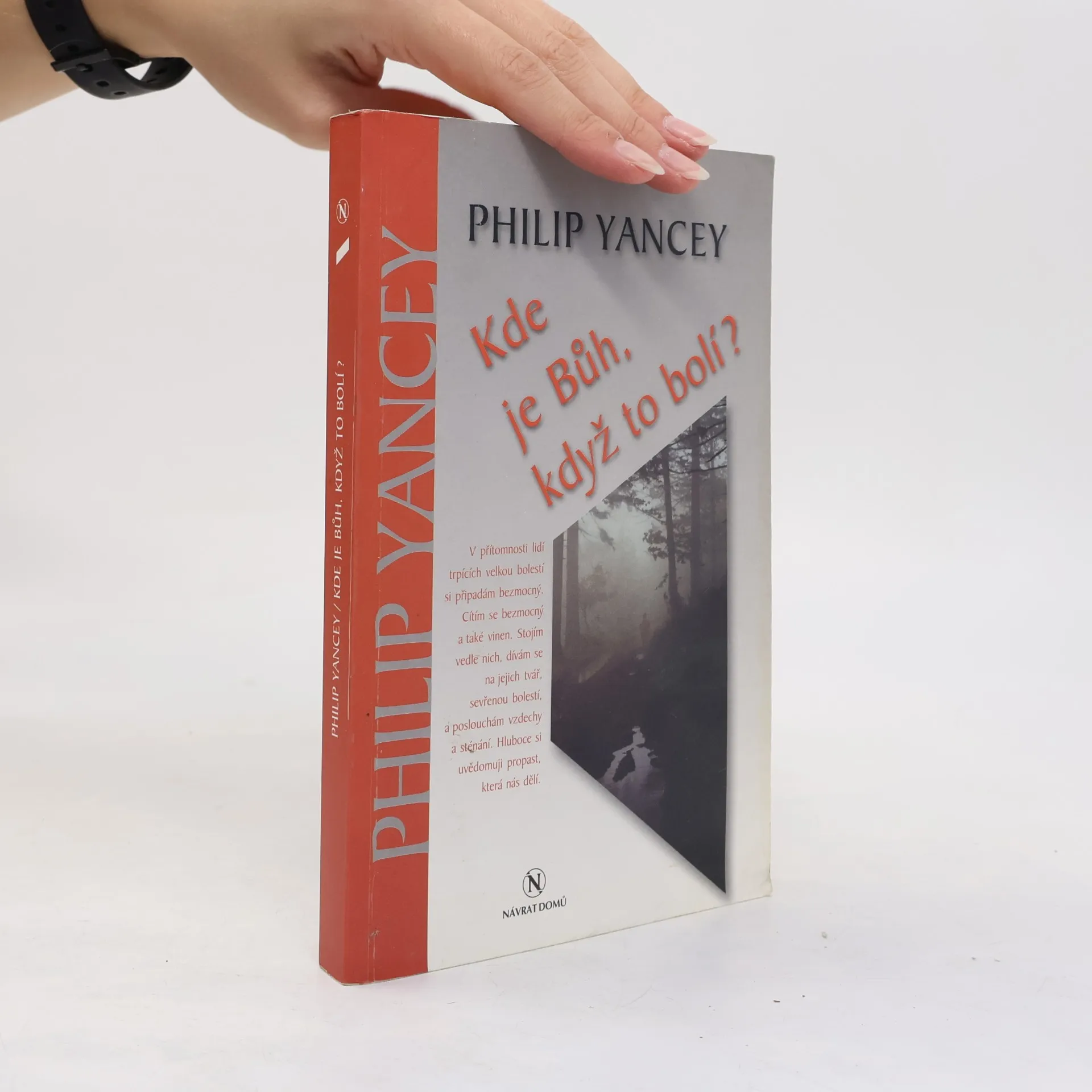
V první části knihy ilustruje své originální a odvážné myšlenky řadou příkladů lidí, kteří v životě prošli strádáním. V druhé části se pak zaměřuje na biblickou knihu Jób, pomocí níž vykládá význam lidské bolesti a utrpení, zároveň nabízí odpovědi na ony tři klíčové otázky. Tato knih plná porozumění a naděje je vhodná pro každého, kdo prochází nelehkým obdobím svého života.
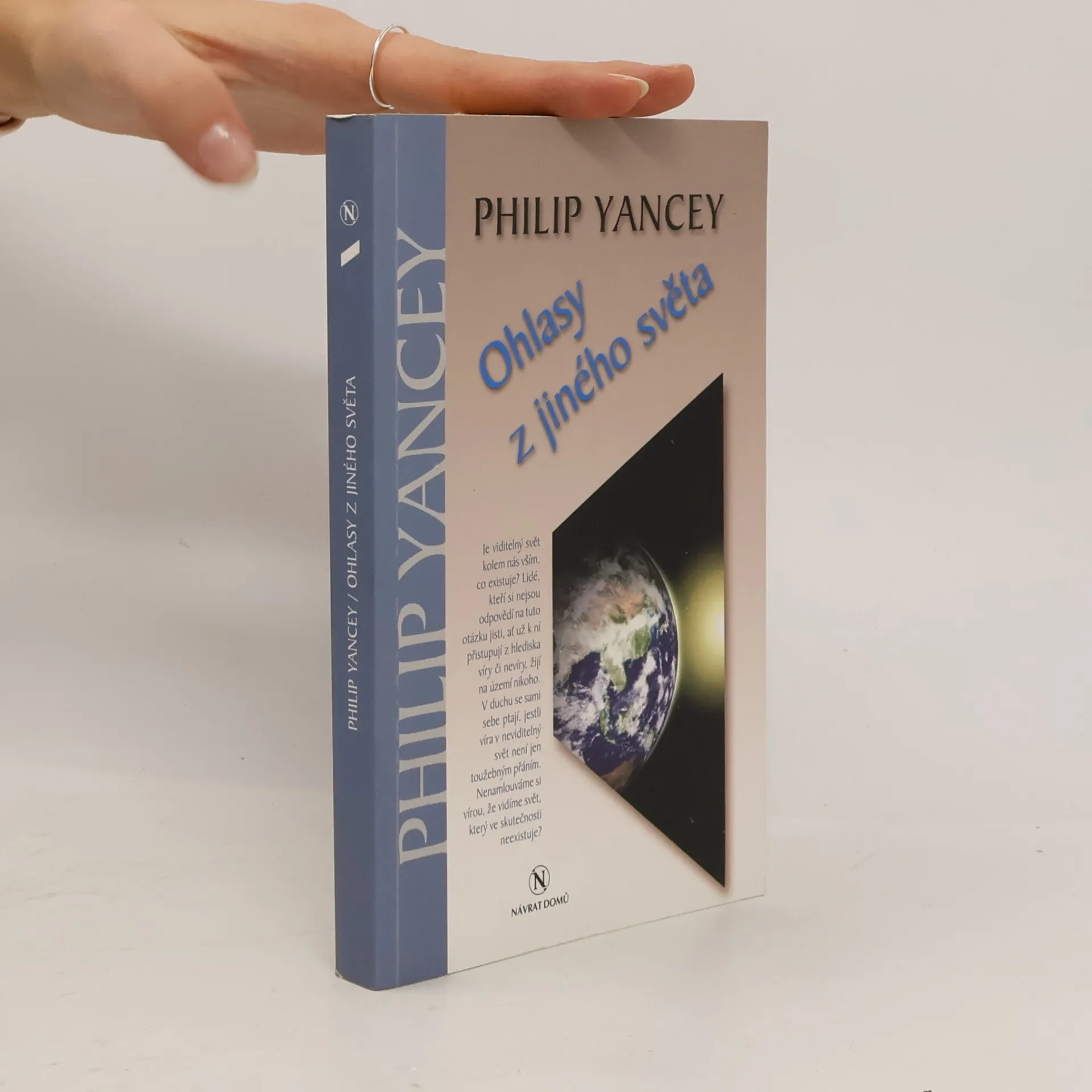
Autor ve své nové knize nahlíží za oponu každodenních drobných i velkých zázraků, které jako záblesky z neviditelného světa pronikají do našich smyslů... Jeho práce je pokusem najít odpověď na otázku, jestli neviditelný svět není jen naším toužebným přáním.
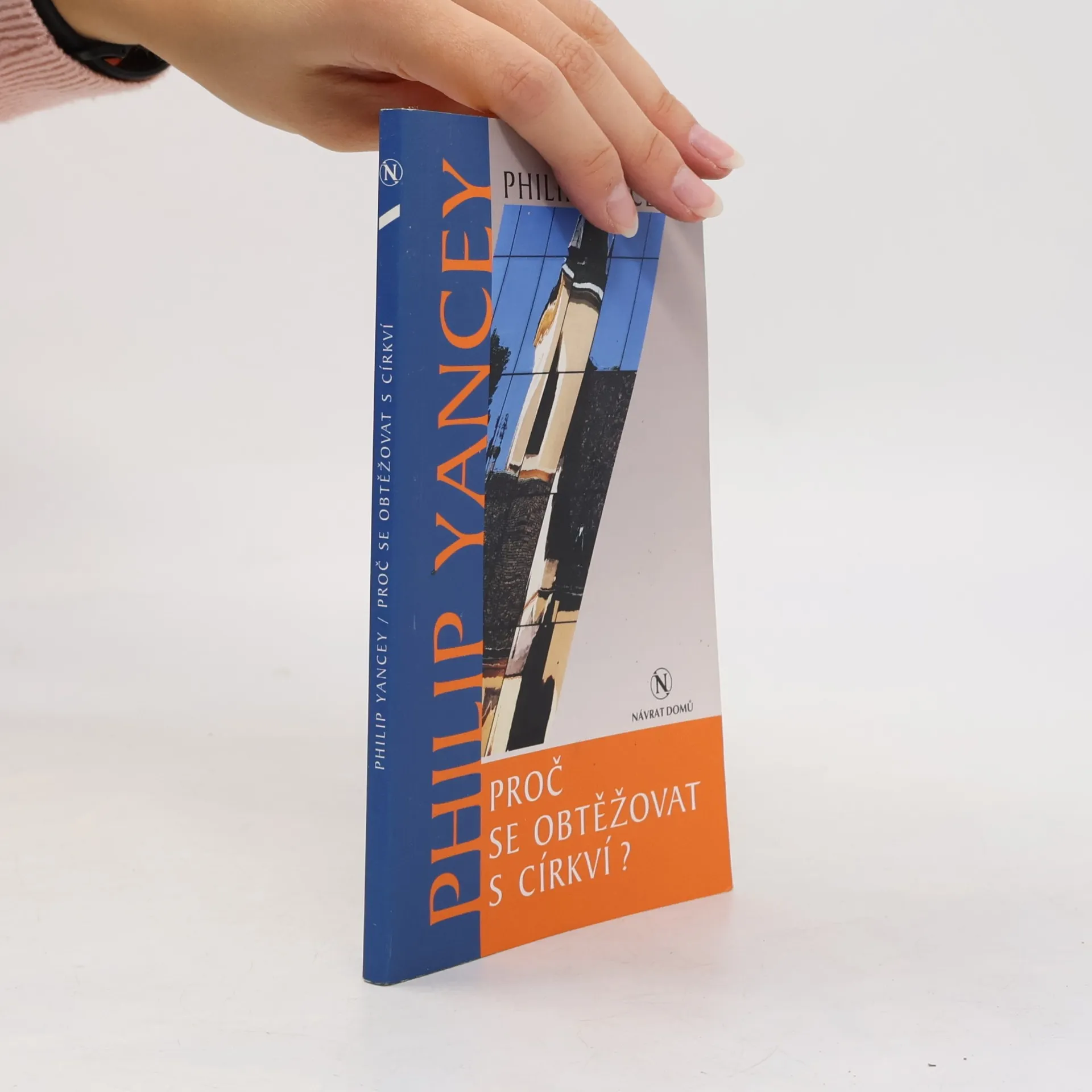
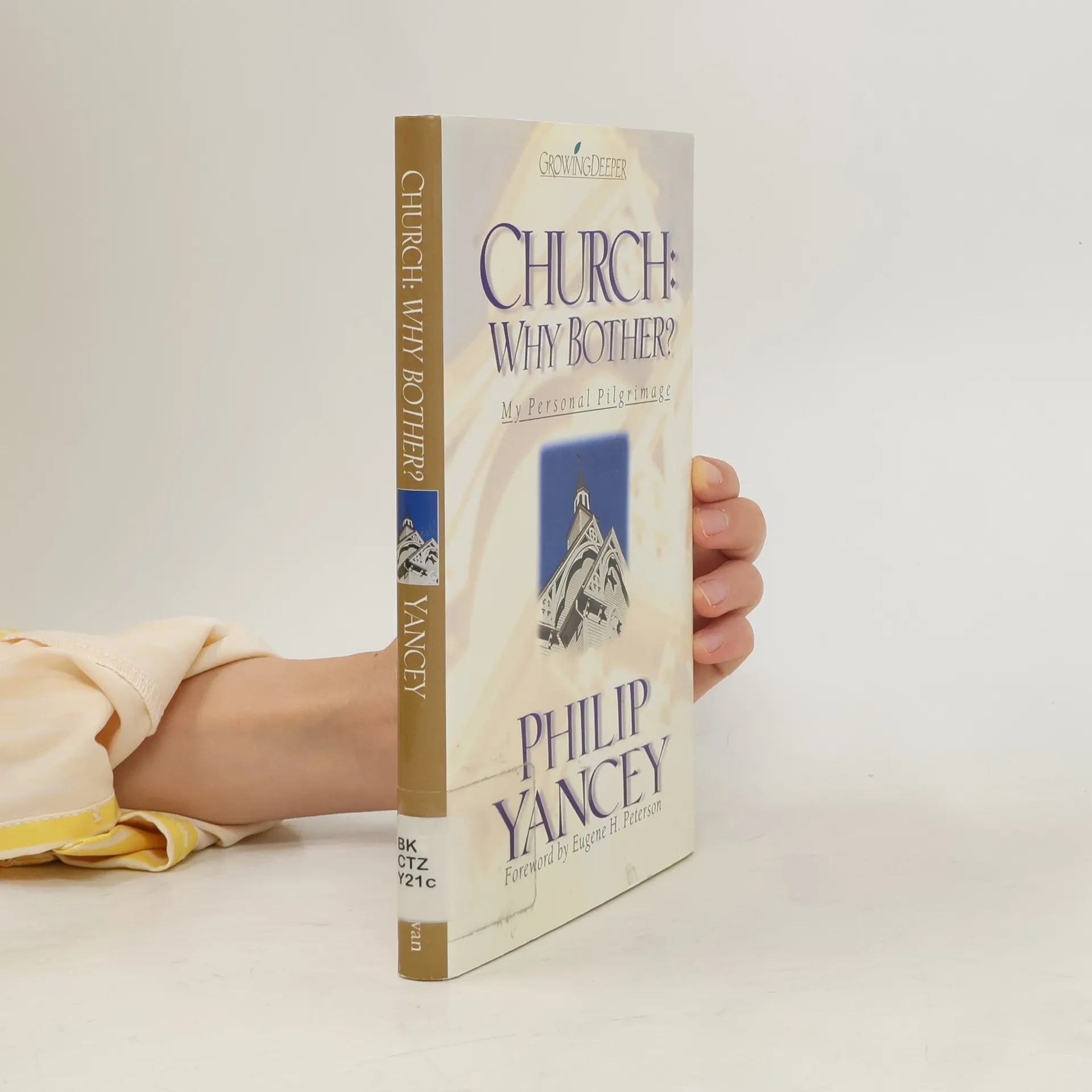
Autor, známý americký publicista, předkládá své postřehy o křesťanské církvi tak, jak ji osobně poznal. Hovoří o situacích, které ho oslovily, a o lidech, kteří se nějakým způsobem zapsali do jeho života. Jeho pohled je laskavý a plný milosti i přes to, že je v mnoha ohledech bolestivě pravdivý i štiplavě kritický.
Hledání možnosti, jak navázat vztah s neviditelným Bohem a co to všechno pro člověka obnáší, je středobodem Yanceyho práce. V ní přináší řadu osobních svědectví, postřehů, pochybností, ale i nově odkrývá doposud nepoznané dimenze víry, naděje a lásky. Yanceyho mimořádný vypravěčský talent vtáhne čtenáře do mozaiky vtipných i dojemnýchpříběhů a zároveň úvah, které spíše než jednoznačné odpovědi přinesou mnohem zásadnější otázky a s nimi i pronikání do hlubin tajemství vztahu s Neviditelným.
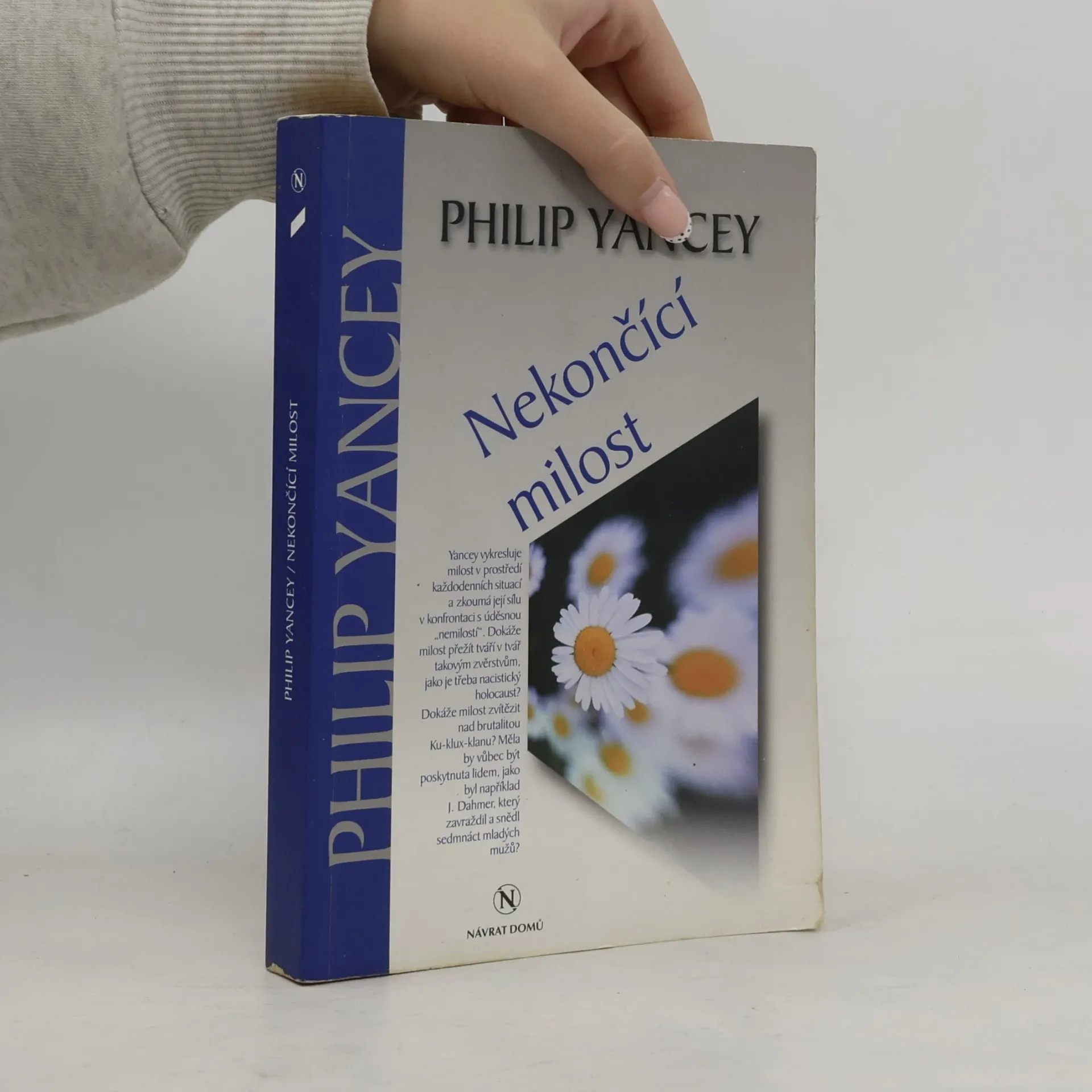
Nefalšovaná milost je šokující, skandální. Boří konvence, protože se přibližuje k těm, kdo se provinili proti nám, protože se jich dotýká s láskou a nadějí. Milost přináší odpuštění – a odpuštění obnovuje. Autor ve svých jednotlivých zamyšleních, která jsou ilustrována skutečnými příběhy, hledá hloubku milosti, naděje a odpuštění.
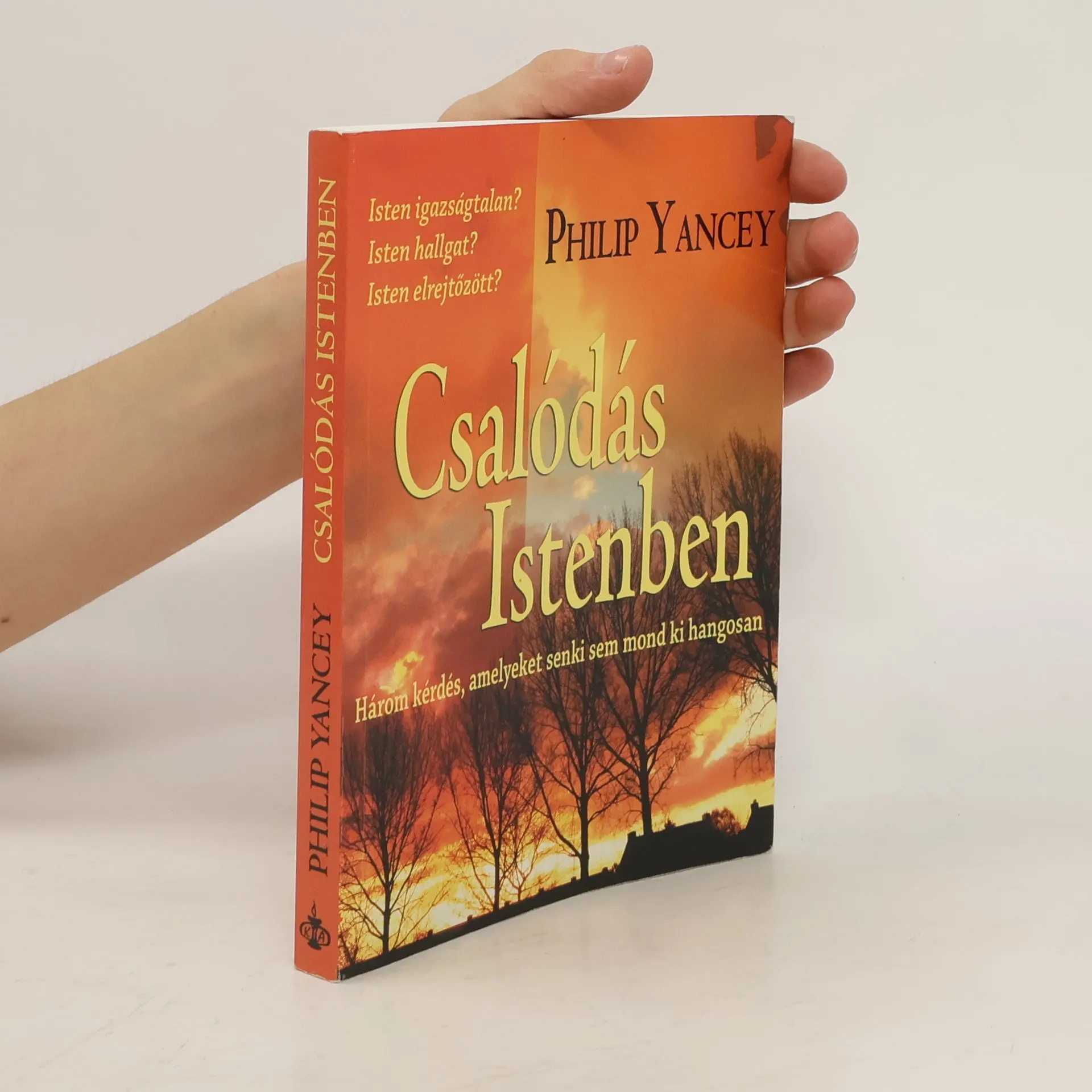
Bože můj, Bože můj, proč jsi mě opustil1? To je otázka, kterou si kladl nejenom Ježíš na kříži, ale kterou i já mám často tendence si klást tehdy, když mám pocit, že trpím, tehdy když si Boha neumím představit jinak, než jako sadistického režiséra vyžívajícího se v utrpení oněch bezmocných herců na jevišti zvaném Země. Autor knihy Kde je Bůh, když to bolí se snaží najít odpověď na otázky Proč právě já a Má utrpení vůbec nějaký smysl?
Starý zákon zpodobňuje svět nekompromisně takový, jaký je. Na jeho stránkách najdete vášnivé příběhy lásky i nenávisti, děsivé příběhy znásilňování a čtvrcení na kusy, strohé záznamy o obchodu s otroky, pravdivé vyprácění o válečných hrdinstvích a kruté zradě. Nic tu není čisťounké a uspořádané. Rozmazlení spratci jako Šalomoun a Samson dostávají nadpřirozené dary, skutečně dobrého muže, jako je Jób, potká katastrofa... Na Bibli není nic pohodlného - pokud se nám nepovede zvyknout si na ni tak, že si ji pro sebe pohodlnou uděláme... Přestali jsme knize klást otázky, anebo přestala klást otázky nám? Přestali jsme s ní bojovat? Potom už ji nejspíš nečteme vážně.
Každý člověk, který se někdy tázal po smyslu života, po existenci Boha a setkal se s osobou Ježíše, se ptal: „Vážně Bohu na nás záleží? Má vůbec Bůh zájem o utrpení tady na zemi?“
Philip Yancey ve své knize na tyto otázky odpovídá:
Jestli tak mohu mluvit, Bůh „se naučil“, jak chutná život uvězněný na planetě Zemi. Ježíš poznal zármutek důvěrně, během krátkého, strastiplného života nedaleko prašných plání, kde se kdysi v bolestech svíjel Jób…
V Ježíši se Bůh jakoby položil na pitevní stůl, rozpažený v pozici ukřižovaného, aby se dal k přezkoumání všem skeptikům, kteří kdy žili…
Mám pocit, že všechny ty pokroucené teorie o Ježíši, které samovolně vznikaly už od chvíle, kdy zemřel, prostě jen potvrzují to nesmírné riziko, jaké Bůh podstoupil, když se položil na pitevní stůl – a dokonce se zdá, že to riziko vítá: „Prozkoumej mě. Vyzkoušj si mě. Rozhoduješ ty.“
Bolesť niekedy obracia našu pevnú vieru a dôveru v Boha v pochybnosti. Philip Yancey vo svojej knihe Keď život bolí poukazuje na päť hlavných otázok, ktoré nám bolesť vmieta do očí: Je tu Boh so mnou? Je naozaj taký všemocný? Je voči mne spravodlivý? Prečo sa niekedy zdá, že sa o moju bolesť vôbec nezaujíma? Kde je môj Boh, keď ho najviac potrebujem? Autor poskytuje podnetné odpovede na otázky, ktorým čelia veriaci v ich najtemnejších chvíľach a dokazuje, že aj v utrpení a bolesti, a niekedy aj kvôli nim, nám Božia láska, múdrosť a sila stále svietia na cestu životom. Aj v tých najzúfalejších a najhorších chvíľach.
An internationally renowned surgeon and an award-winning writer of faith take
readers on a tour of wonder through the human body - from the micro-view of
cells to the macro-view of our connectedness as people made in God's image.
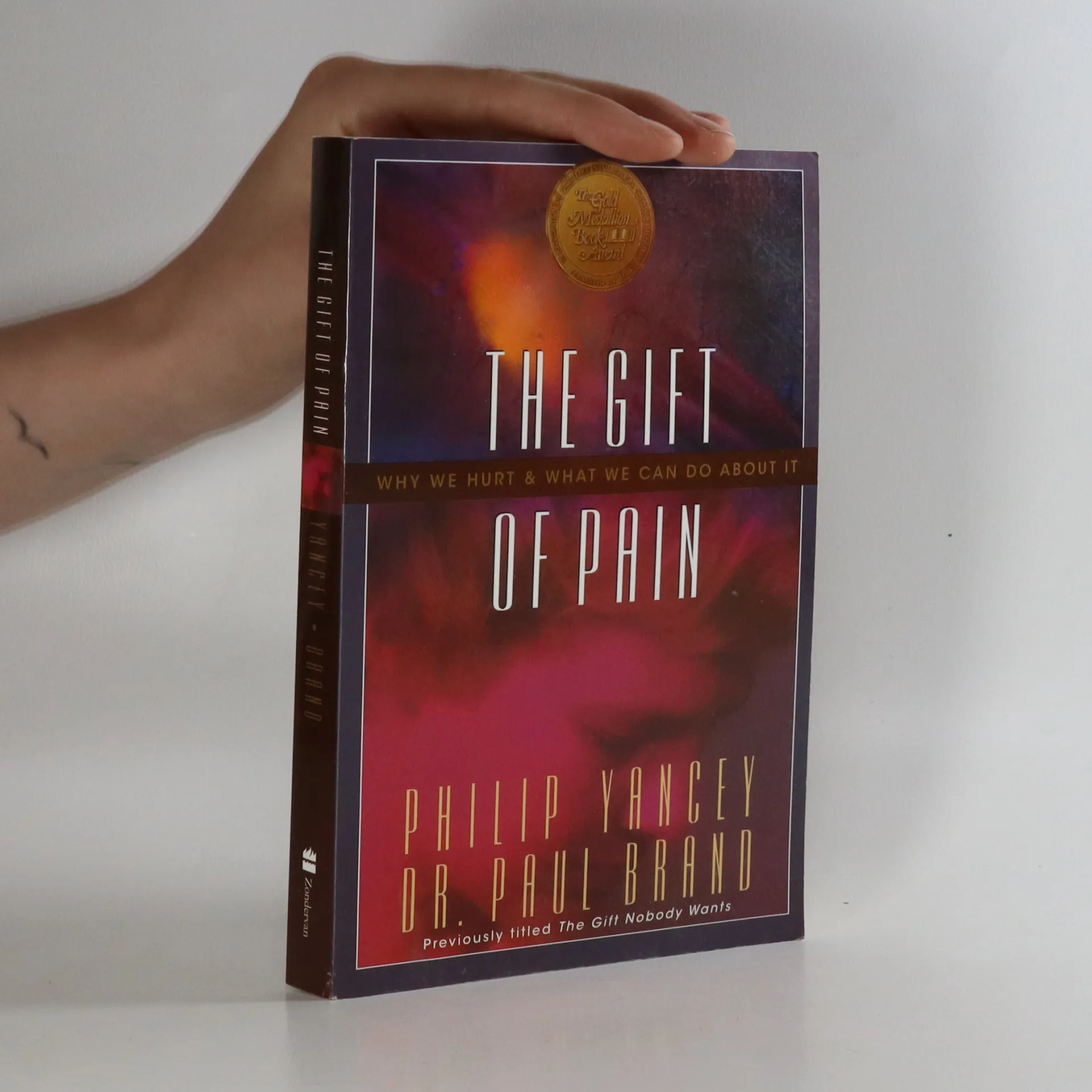
A WORLD WITHOUT PAIN? Can such a place exist? It not only can---it does. But it's no utopia. It's a colony for leprosy patients: a world where people literally feel no pain, and reap horrifying consequences. His work with leprosy patients in India and the United States convinced Dr. Paul Brand that pain truly is one of God's great gifts to us. In this inspiring story of his fifty-year career as a healer, Dr. Brand probes the mystery of pain and reveals its importance. As an indicator that lets us know something is wrong, pain has a value that becomes clearest in its absence. The Gift of Pain looks at what pain is and why we need it. Together, the renowned surgeon and award-winning writer Philip Yancey shed fresh light on a gift that none of us want and none of us can do without.
Exploring the presence of God in unexpected locations, the book highlights how divine traces can be found in diverse settings, from urban slums to natural wonders and cultural works. It emphasizes the importance of recognizing these signs and seizing opportunities to share hope with those who need it most. By uncovering these connections, the narrative encourages Christians to become more aware of their surroundings and to actively make God's presence known in the world.
The Student Bible's proven, commonsense approach to studying the Scriptures appeals to high school and college readers as well as adults of every age. Its carefully researched features will help you overcome common obstacles to reading and understanding the Bible. Edited by award-winning authors Philip Yancey and Tim Stafford, this Bible enables you to understand what you read, find the topics you're looking for, and make real progress in your studies. Also included is a study track that takes you on a fascinating and enriching year-long tour of the Bible. Recommended for homeschool use.
The book explores the pivotal role of religion in shaping the post-Soviet landscape of Russia and Ukraine following the fall of the Berlin Wall. It examines the initial movement towards democracy and religious freedom, influenced by American evangelicals, and contrasts it with Vladimir Putin's later authoritarian shift, marked by hostility towards religious organizations and the invasion of Ukraine. By highlighting the divergent paths of these two nations, the narrative reveals the complex interplay between faith, politics, and national identity in their histories.
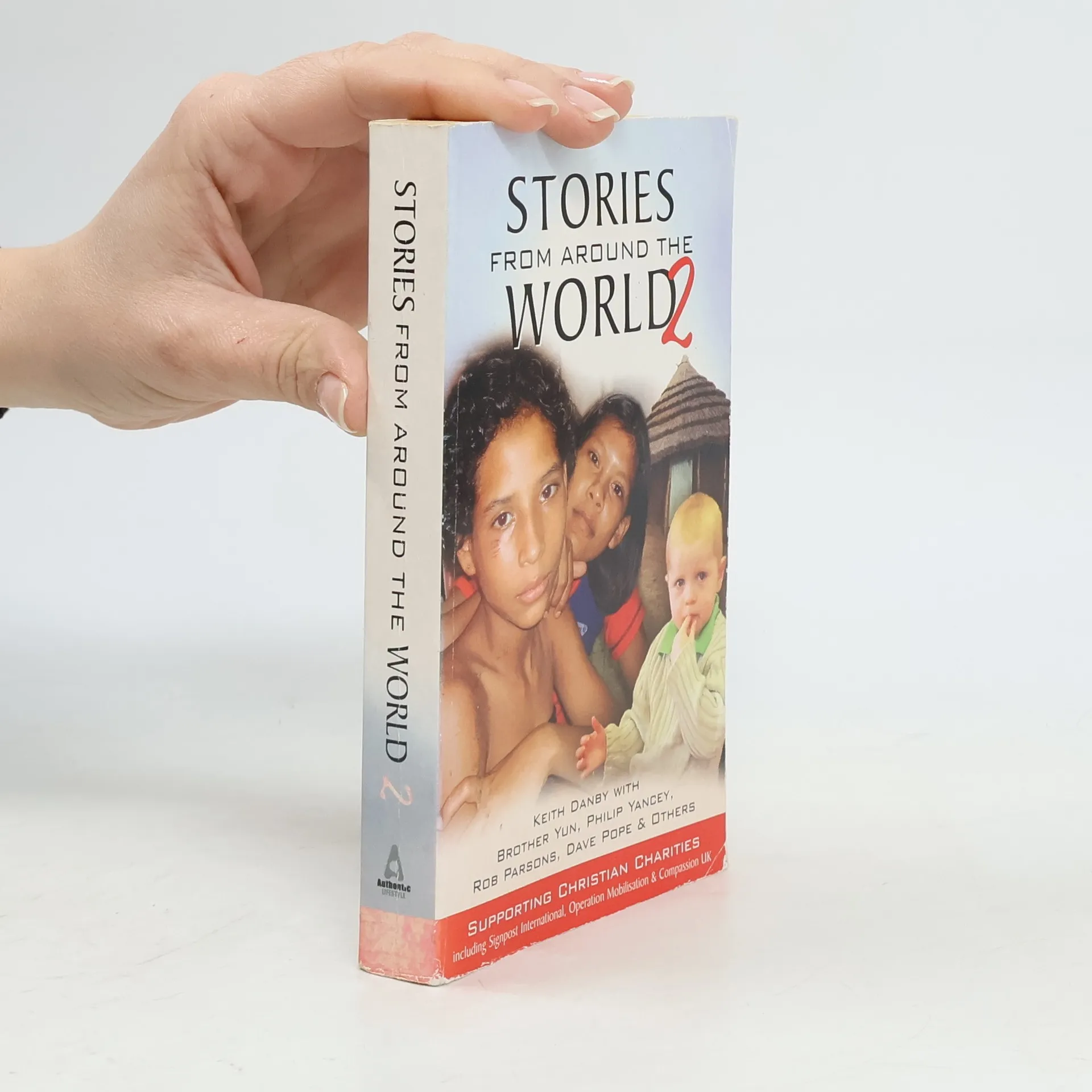
Following the success of Stories from Around the World, the second volume continues in the same vein as the firstâ?"stories of individuals working for the gospel. Contributors include Brother Yun,
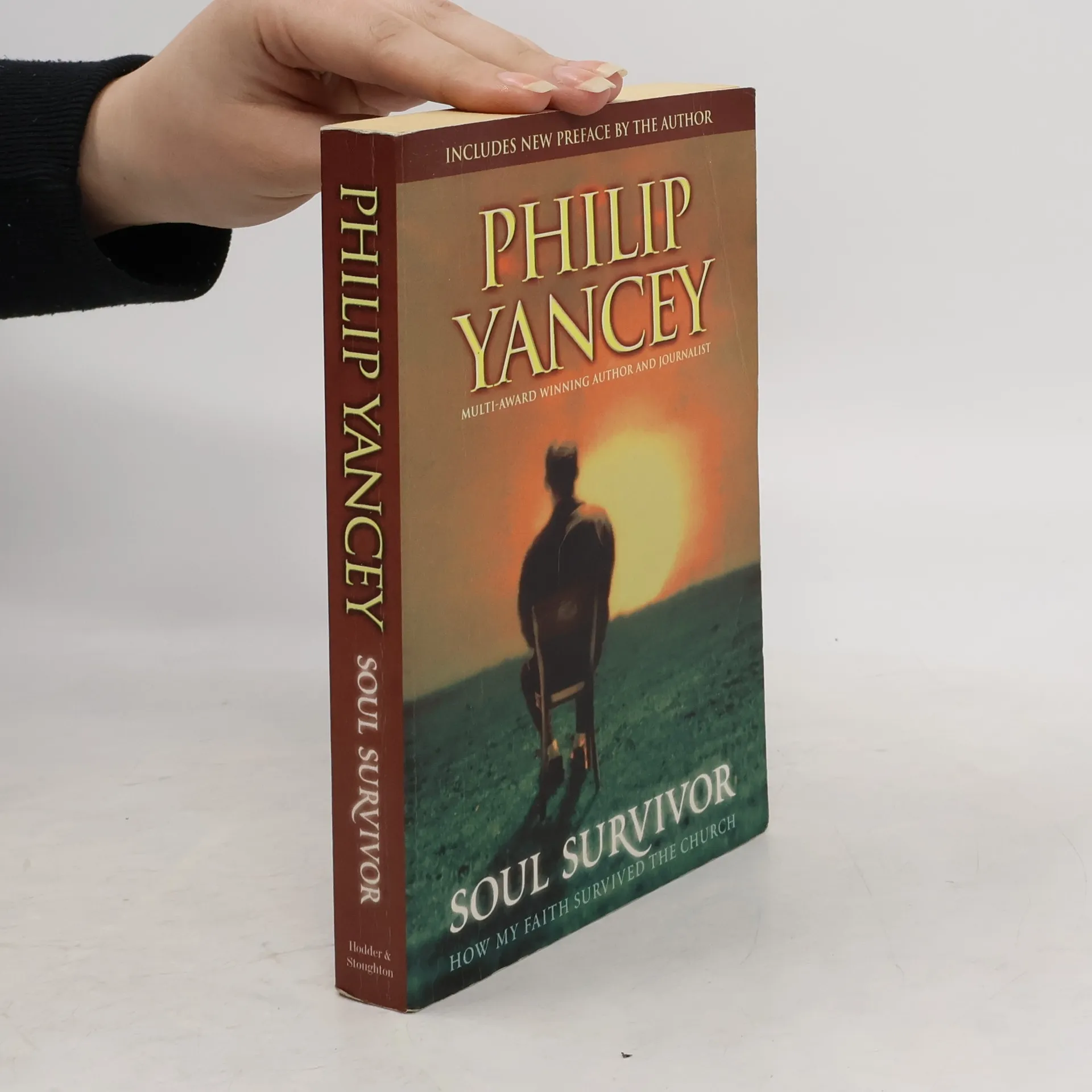
Overexposed to the distortions and hypocrisies of Christian churches, Philip Yancey set out in search of a life enhanced by faith instead of diminished by religion. Having struggled to forge personal convictions about God amid the ironies of life and the incongruities of religion, he looks closer at those whose lives radiate spiritual authenticity rather than pious posturing. From John Donne to Martin Luther King, Dostoevsky to Mahatma Gandhi, G K Chesterton to Henri Nouwen, Yancey pays homage to some of the most remarkable, selfless, Christ-like lives our world has known, and asks what both he and we can do to find such beautiful faith in our own lives. Soul Survivor's haunting new Preface covers Yancey's personal experience of the September 11 tragedy and his subsequent visit to Ground Zero, which once again prompted a searing spiritual self-examination.
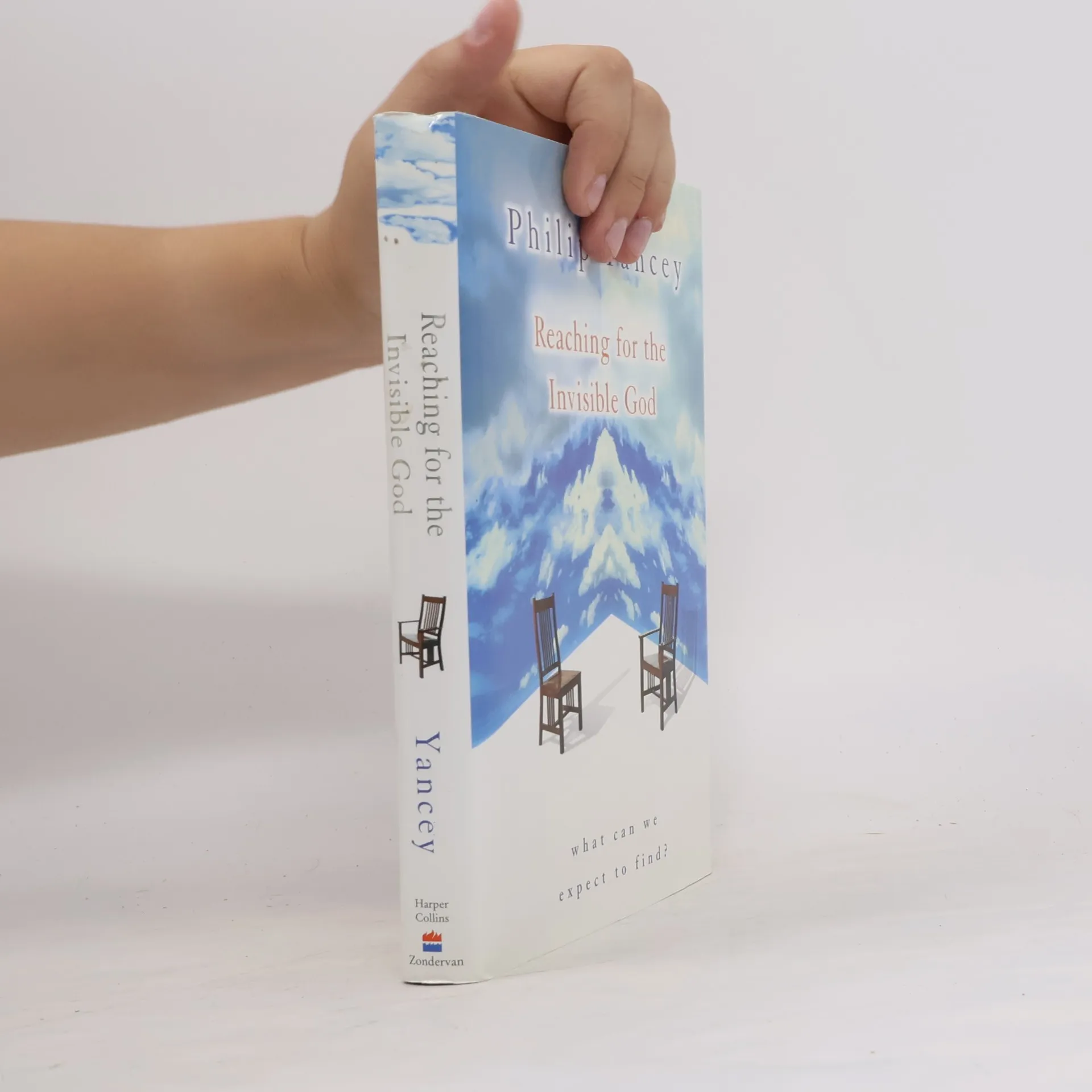
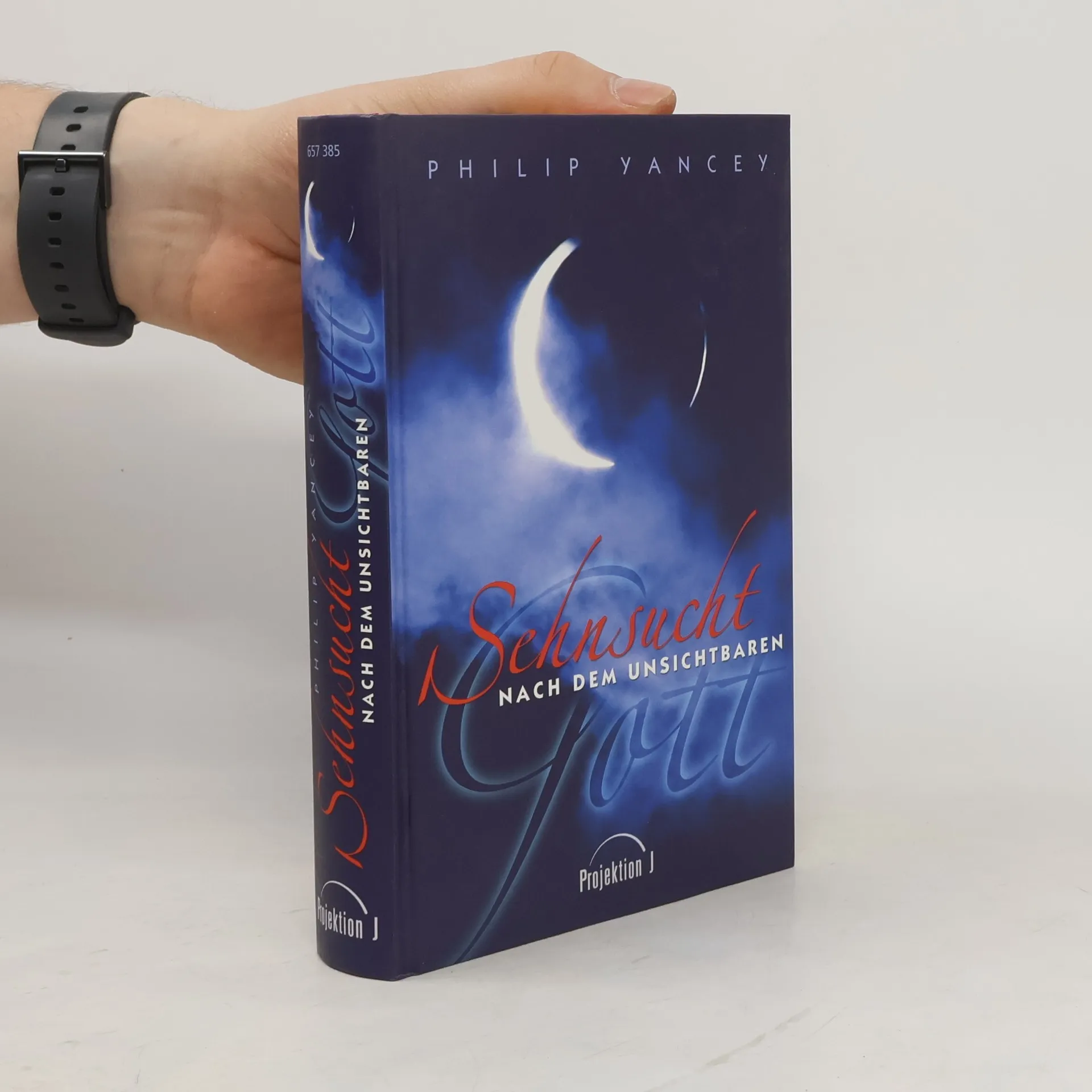
Reaching for the Invisible God: What Can We Expect to Find? is Yancey at his best--wrestling with difficult questions and refusing to give pat answers. In our quest to know God, he offers this caveat: "The more personal conception of God we have, the more unnerving are the questions about him."
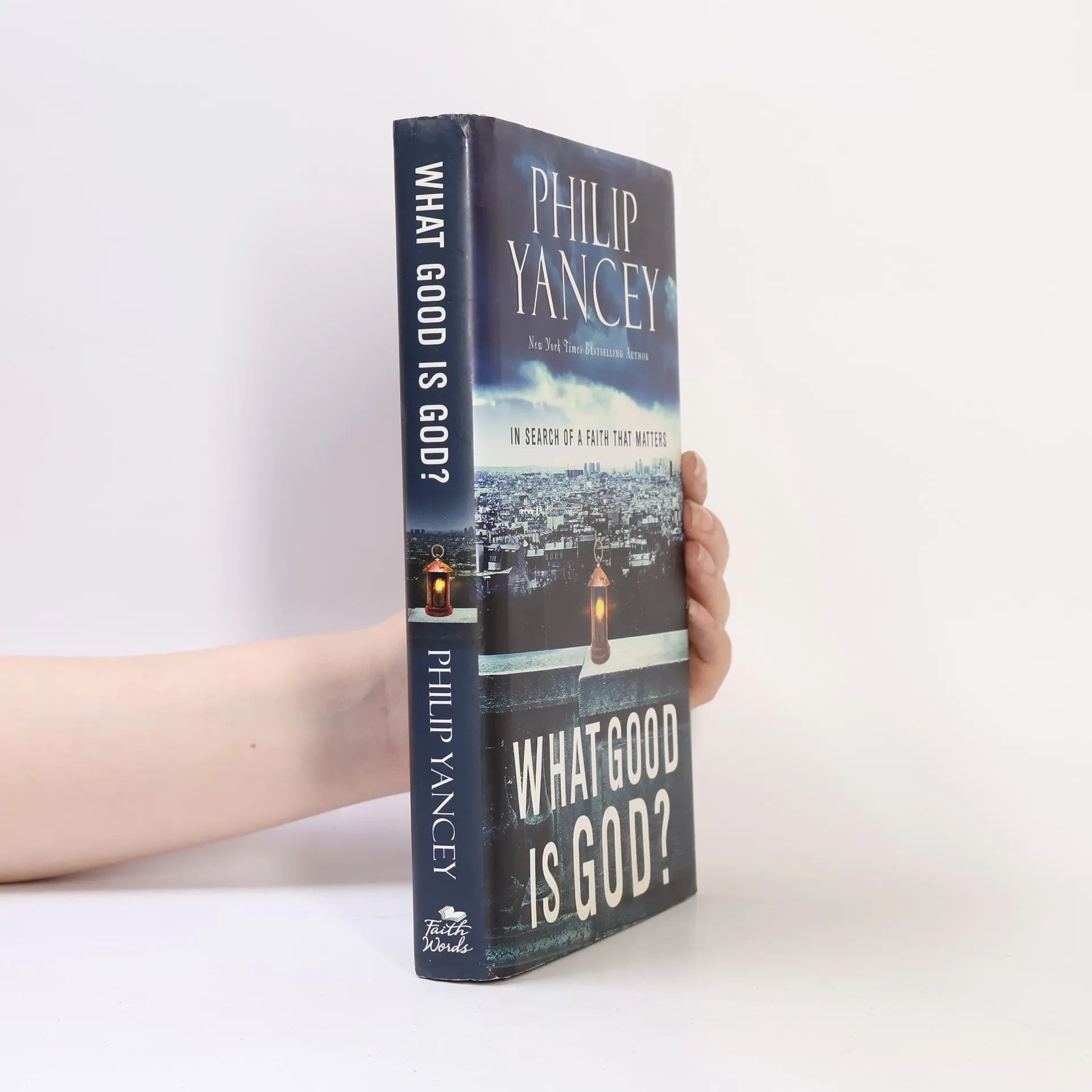
Journalist and spiritual seeker Philip Yancey has always struggled with the most basic questions of the Christian faith. The question he tackles in What Good Is God? concerns the practical value of belief in God. His search for the answer to this question took him to some amazing settings around the Mumbai, India when the firing started during the terrorist attacks; at the motel where Martin Luther King Jr. was assassinated; on the Virginia Tech campus soon after the massacre; an AA convention; and even to a conference for women in prostitution. At each of the ten places he visited, his preparation for the visit and exactly what he said to the people he met each provided evidence that faith really does work when what we believe is severely tested. What Good Is God? tells the story of Philip's journey -- the background, the preparation, the presentations themselves. Here is a story of grace for armchair travelers, spiritual seekers, and those in desperate need of assurance that their faith really matters.
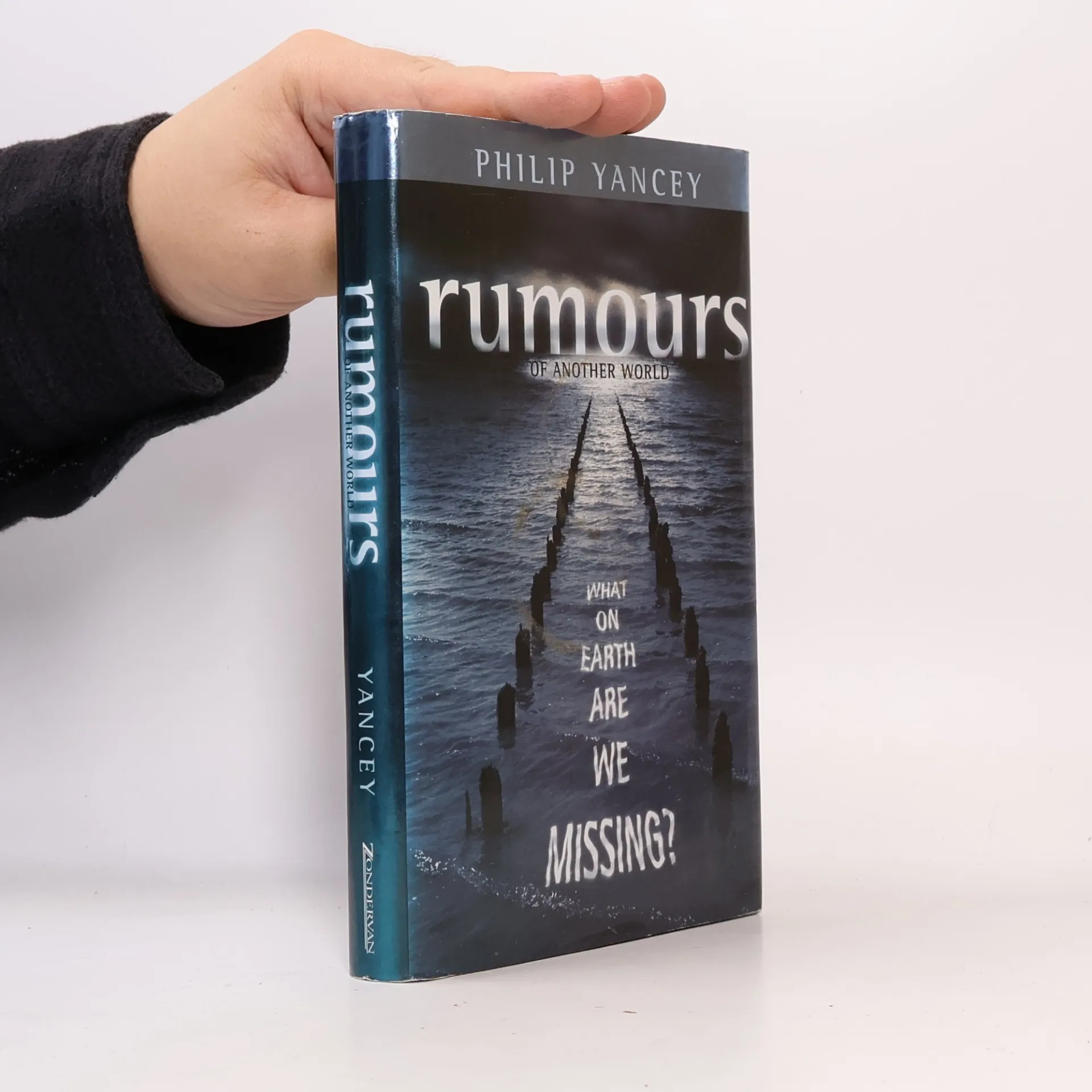
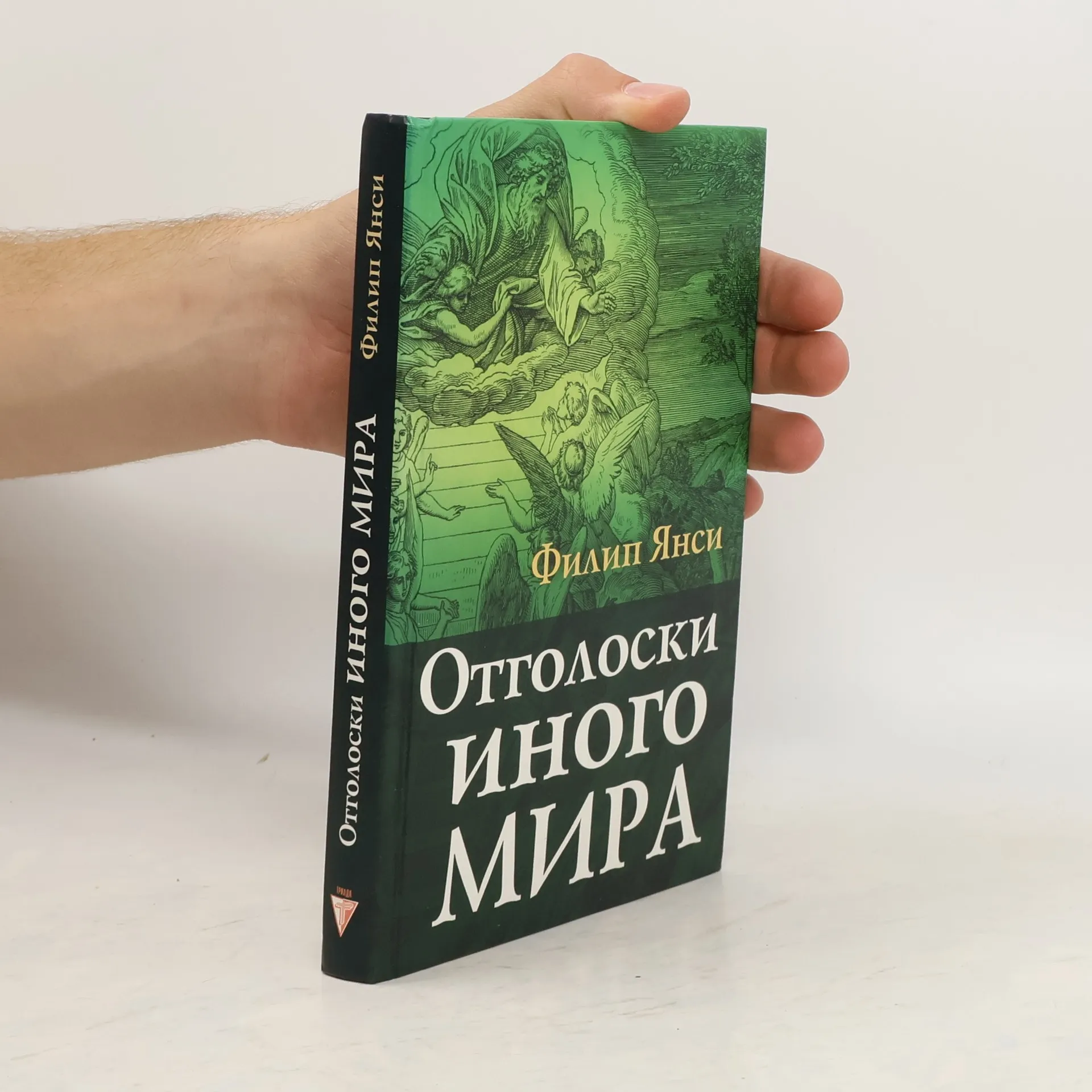
What on earth are we missing? Philip Yancey believes we are missing the supernatural hidden in everyday life. In Rumors of Another World, Yancey investigates the natural world and discovers the supernatural hiding in plain view. He grapples with why God made the world and what our role truly is, and seeks to answer the question, “How do I live in the natural world while expressing the values of the supernatural?” Philip writes, “I have come to understand faith as the highest form of integrated encounter. Faith puts together, assembles, re-orders, accepting the entire world as God’s handiwork. We live among clues, like rescuers sifting through pieces of stained glass shattered by a bomb, and only with a blueprint or some memory of original design can we begin to connect the shards, to assemble them into a pattern that makes sense of our world. “Nature and supernature are not two separate worlds, but different expressions of the same reality. To encounter the world as a whole, we need a more supernatural awareness of the natural world.” Yancey invites readers to join him on a journey of discovery. He challenges us to tune into “rumors of another world,” and connect the seen with the unseen. He promises that the grace-filled result will be a life of beauty, purpose, freedom, and faith.
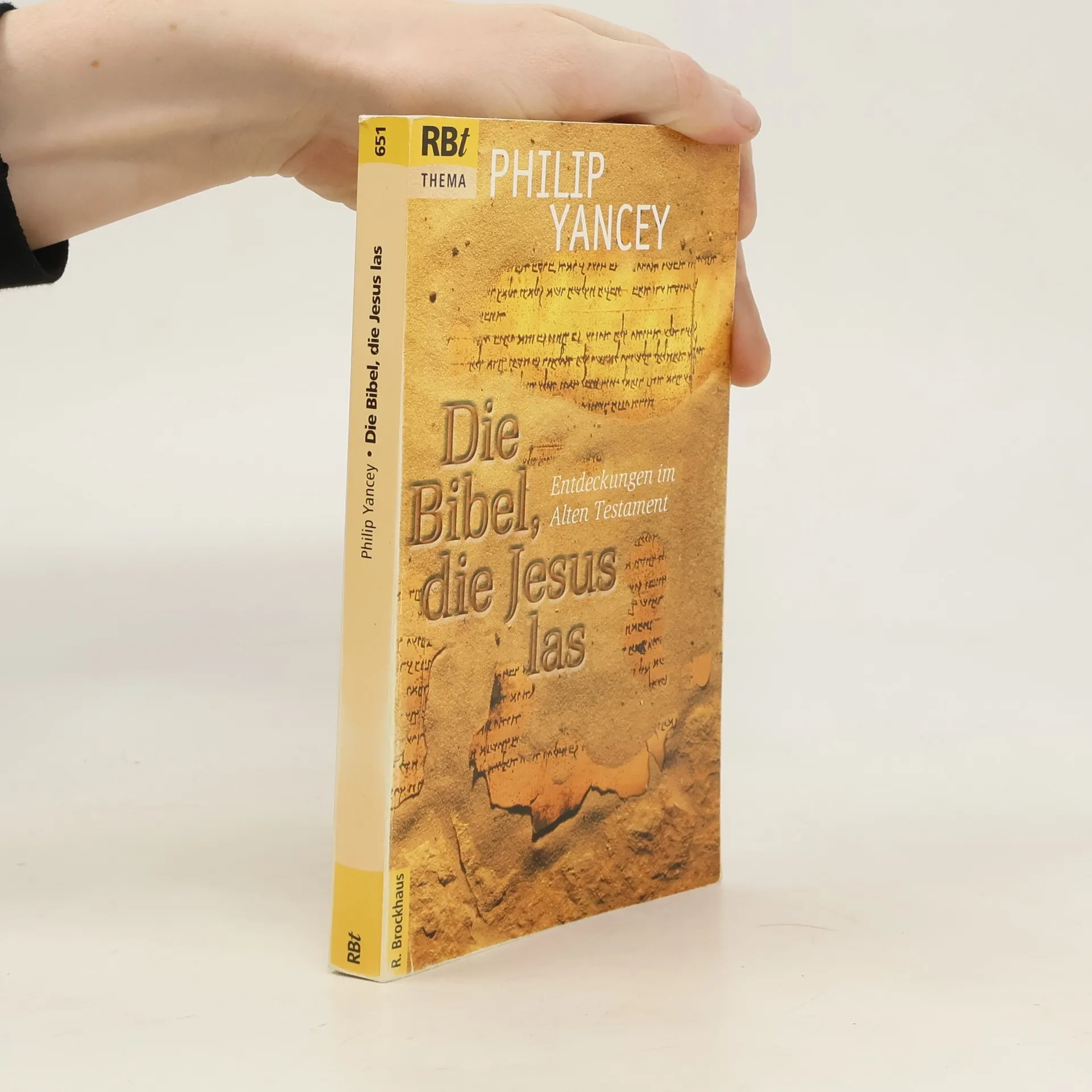
Philipp Yancey hatte anfangs Schwierigkeiten mit dem Alten Testament, entdeckte jedoch dessen spannende und lebensnahe Aspekte, wie die von Hiob und Prediger. Seine Auseinandersetzung ist typisch für Yancey: brillant und leidenschaftlich.
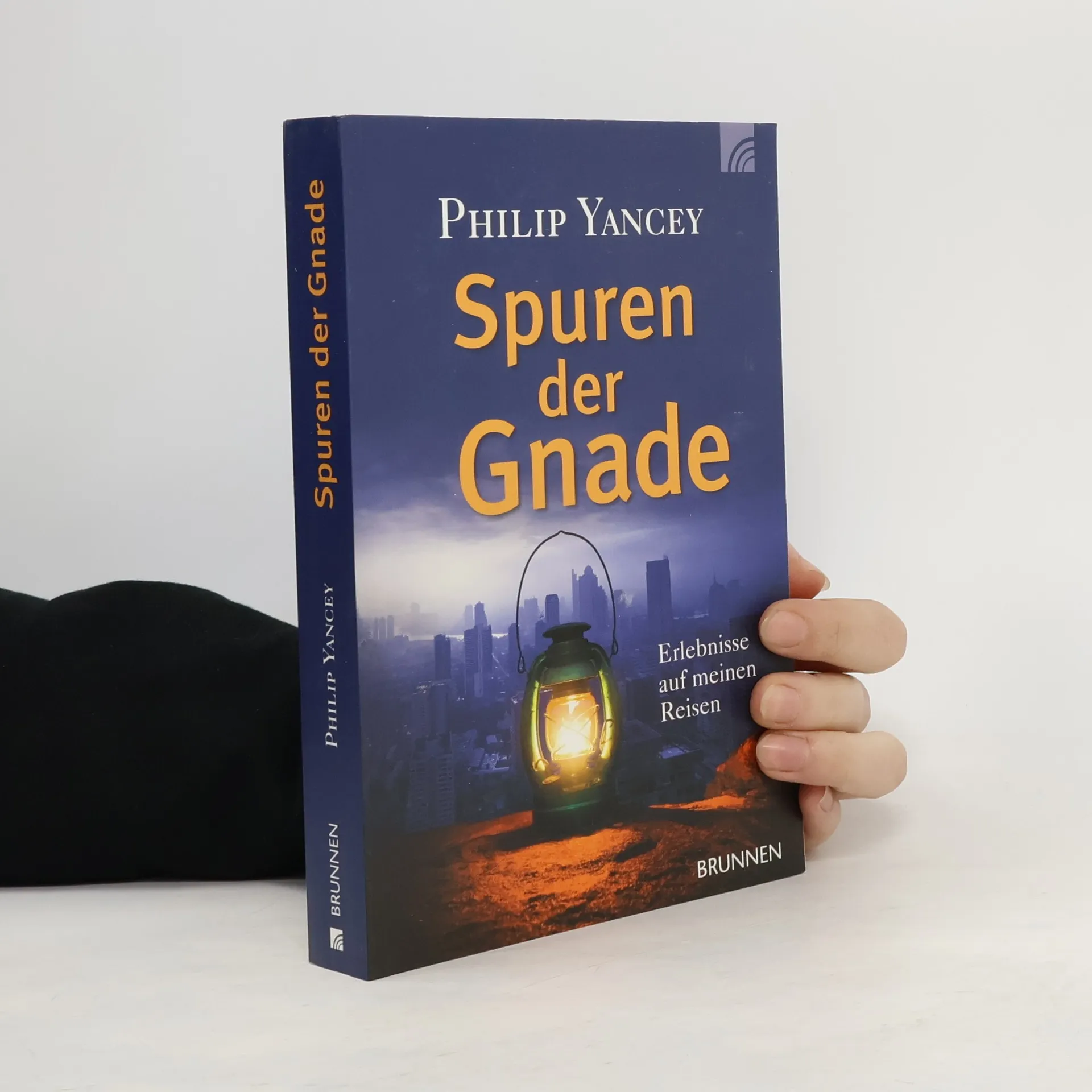
In „Spuren der Gnade“ nimmt Philip Yancey den Leser mit auf seine Reisen um die Erde. Aber zugleich ist dieses Buch eine Reise zum Mittelpunkt des Glaubens. Radikal und ehrlich stellt Yancey die Frage, was der christliche Glaube „bringt“, wenn er extremen Härtetests ausgesetzt wird. Seine Erfahrungsberichte berühren zutiefst, wühlen auf, fordern heraus. Gott ist nicht beweisbar. Aber wo Seine Gnade Menschen verändert, begegnen wir Seinen unverwechselbaren Spuren.
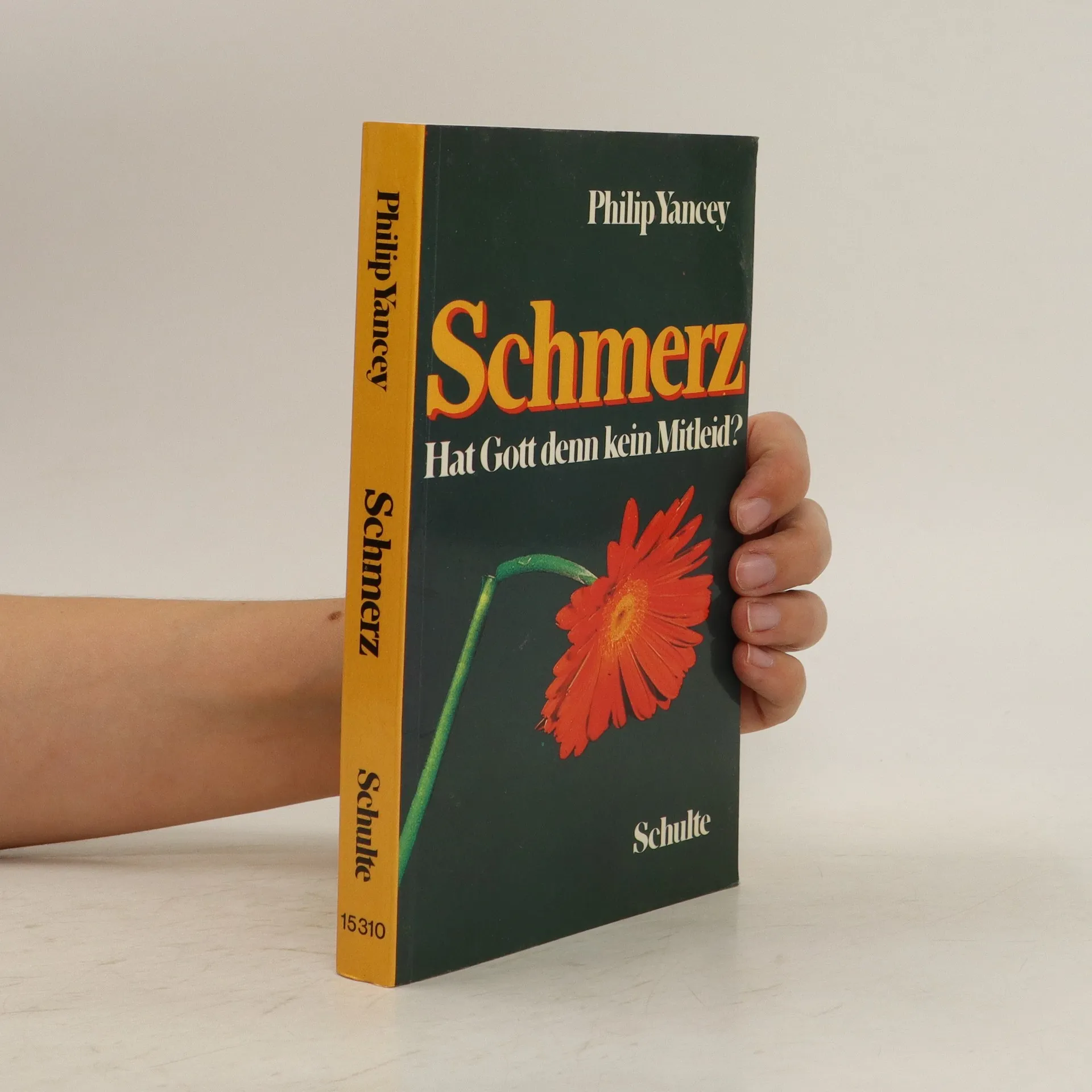
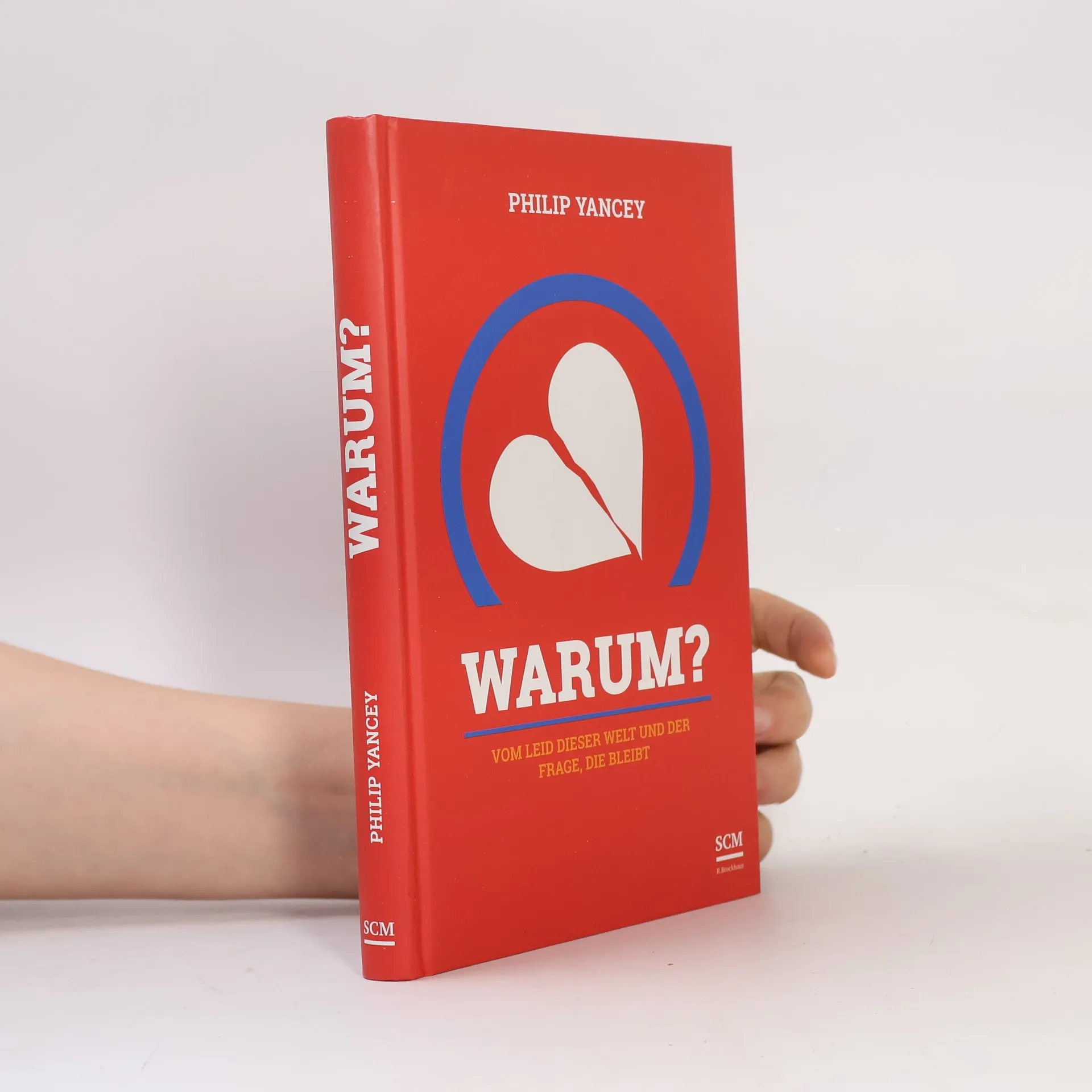
Philip Yancey thematisiert in seinem Buch das Leid und stellt die Frage nach dem "Warum?". Er bietet differenzierte Einsichten und verzichtet auf einfache Antworten, um die Hoffnung auf Erlösung im christlichen Glauben zu verdeutlichen. Gott, der selbst gelitten hat, kümmert sich um unser Leid.