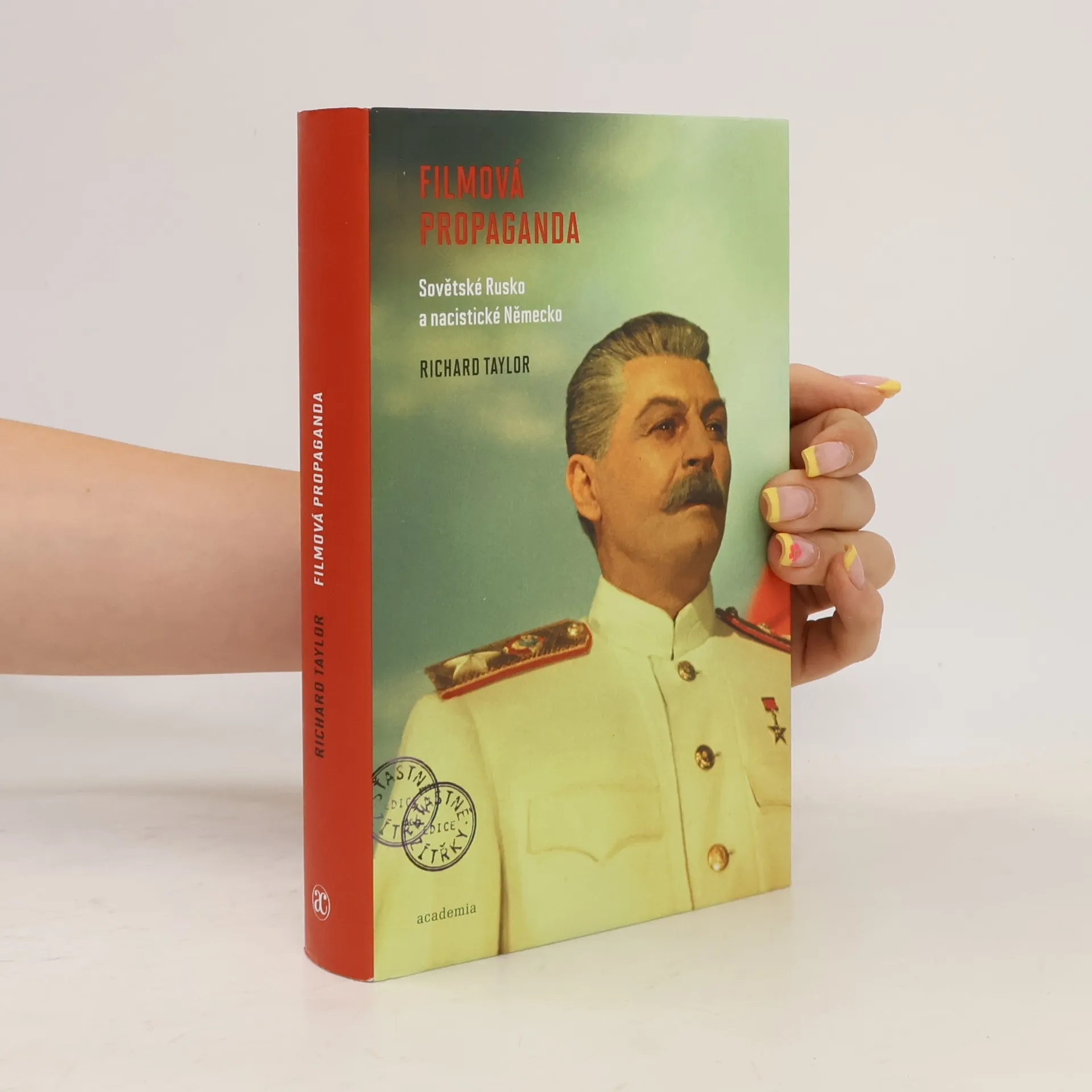
Aby si vynutili poslušnost společností, které ovládli, nepoužívali Hitlerovi nacisté a sovětští bolševici jen teroru. Veledůležitým nástrojem jejich moci byla také propaganda. A nejmocnějším nástrojem propagandy byl v první polovině 20. století film; na tom by se Lenin s Goebbelsem jistě shodli. O tom, jak si bolševici a nacisté ve svých zemích podmanili filmové společnosti a posléze i značnou část filmových tvůrců, a také o jejich nejvýraznějších propagandistických filmech, jež byly samozřejmě vydávané za „umělecké“ či „dokumentární“, pojednává kniha Filmová propaganda.
Richard Taylor Knihy
Richard Taylor se zaměřuje na psaní poezie a prózy, často s tématy spojenými s historií Kentucky. Jeho díla jsou známá svým osobitým stylem a hlubokým zkoumáním lidské zkušenosti. Jako bývalý kentucký laureát básnictví Taylor přináší do své práce bohatý jazyk a silné obrazy. Jeho psaní je ceněno pro svou schopnost zachytit podstatu místa a historie.



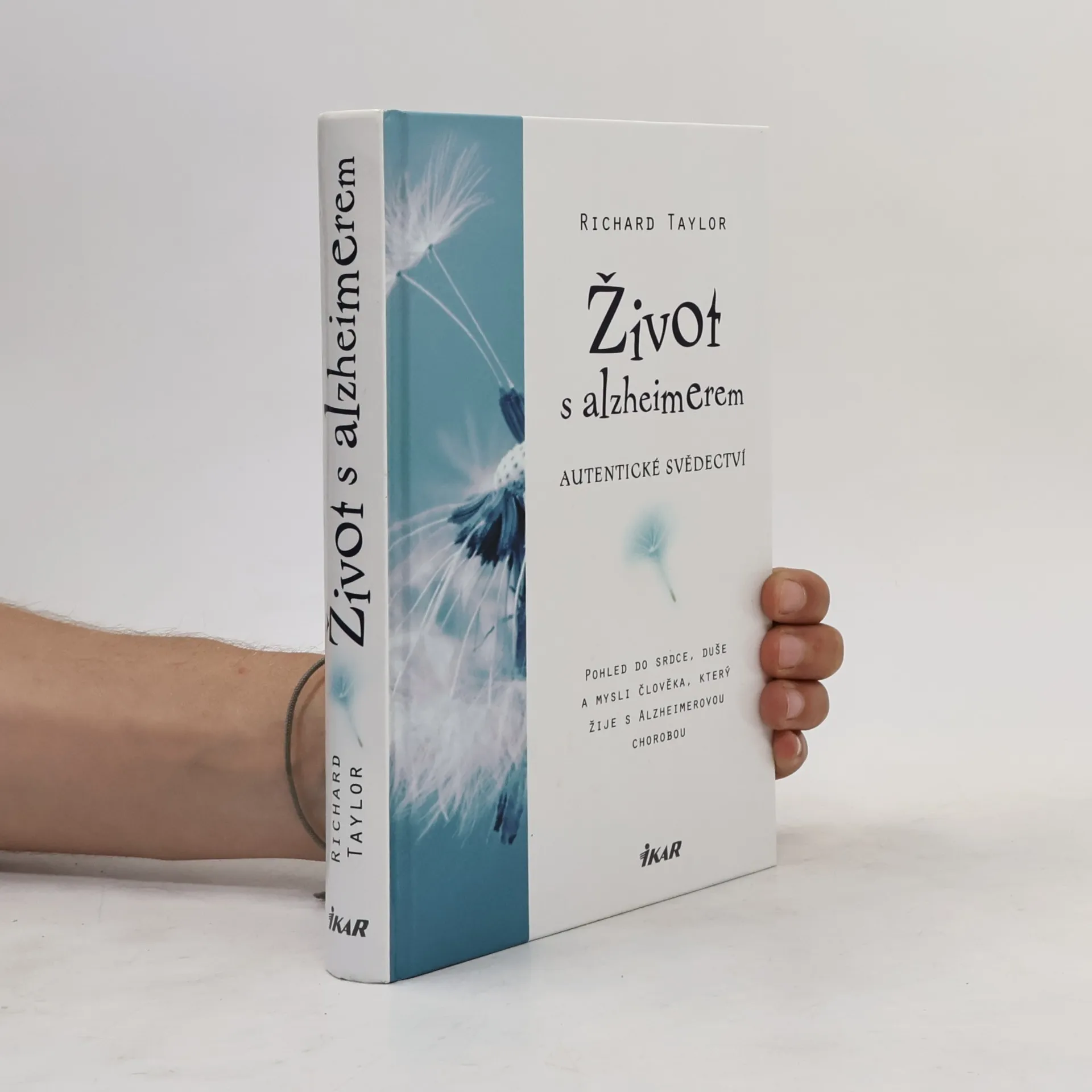
Co prožívá člověk postižený alzheimerem? Co se mu honí hlavou, když sleduje, jak za něj ostatní mluví, rozhodují, a dokonce i myslí? Autor, který touto chorobu sám trpí, se po počátečním šoku z diagnózy rozhodl vydat svědectví ze života „těch druhých“ a začal si zapisovat své postřehy a úvahy. Věnuje se složitým problémům, jako jsou ztráta nezávislosti, změna vlastní osobnosti, neschopnost komunikace, vztahy s bližními, narůstající pocit nemohoucnosti a nekonečná nejistota z budoucnosti. S mrazivou upřímností přibližuje vlastní pozvolnou transformaci a mentální deterioraci a zachycuje prohlubující se propast mezi svým vnímáním reality a realitou ostatních.
Nick Drake: The Life
- 576 stránek
- 21 hodin čtení
This biography is a treasured account of Nick Drake, who, in 1968, seemed to have everything—an idyllic upbringing, popularity at Cambridge, and a record deal with Island Records. However, after releasing three critically acclaimed but commercially unsuccessful albums, he succumbed to a mysterious mental illness, returning to his family home in Warwickshire, where he died in 1974 at just 26. Since then, his music has gained immense popularity, with millions of records sold and frequent features in TV shows and films, solidifying his status as a revered singer-songwriter. This biography is unique, written with the support of his sister and estate, and draws on extensive original research, including new interviews with family, friends, and collaborators. It incorporates deeply personal materials previously unavailable, such as his father's diaries, essays, and private correspondence, providing the most comprehensive account of his life. With a foreword by Gabrielle Drake and over 75 photos, many rare or unseen, this work stands as the definitive exploration of Nick Drake's enigmatic existence and enduring legacy.
The Film Factory provides a comprehensive documentary history of Russian and Soviet cinema. It provokes a major reassessment of conventional Western understanding of Soviet cinema. Based on extensive research and in original translation, the documents selected illustrate both the aesthetic and political development of Russian and Soviet cinema, from its beginnings as a fairground novelty in 1896 to its emergence as a mass medium of entertainment and propaganda on the eve of World War II.
Encyclopedia of Animation Techniques
- 176 stránek
- 7 hodin čtení
Discusses every aspect of creating an animated film, from scripting and storyboarding to filming and marketing.
Girty
- 149 stránek
- 6 hodin čtení
In this classic work, Richard Taylor artfully assembles a collage of passages from diaries, travel accounts, and biographies to tell part of the notorious villain's story. Taylor uses the voice of Girty himself to unfold the rest of the narrative through a series of interior monologues, which take the form of both prose and poetry.
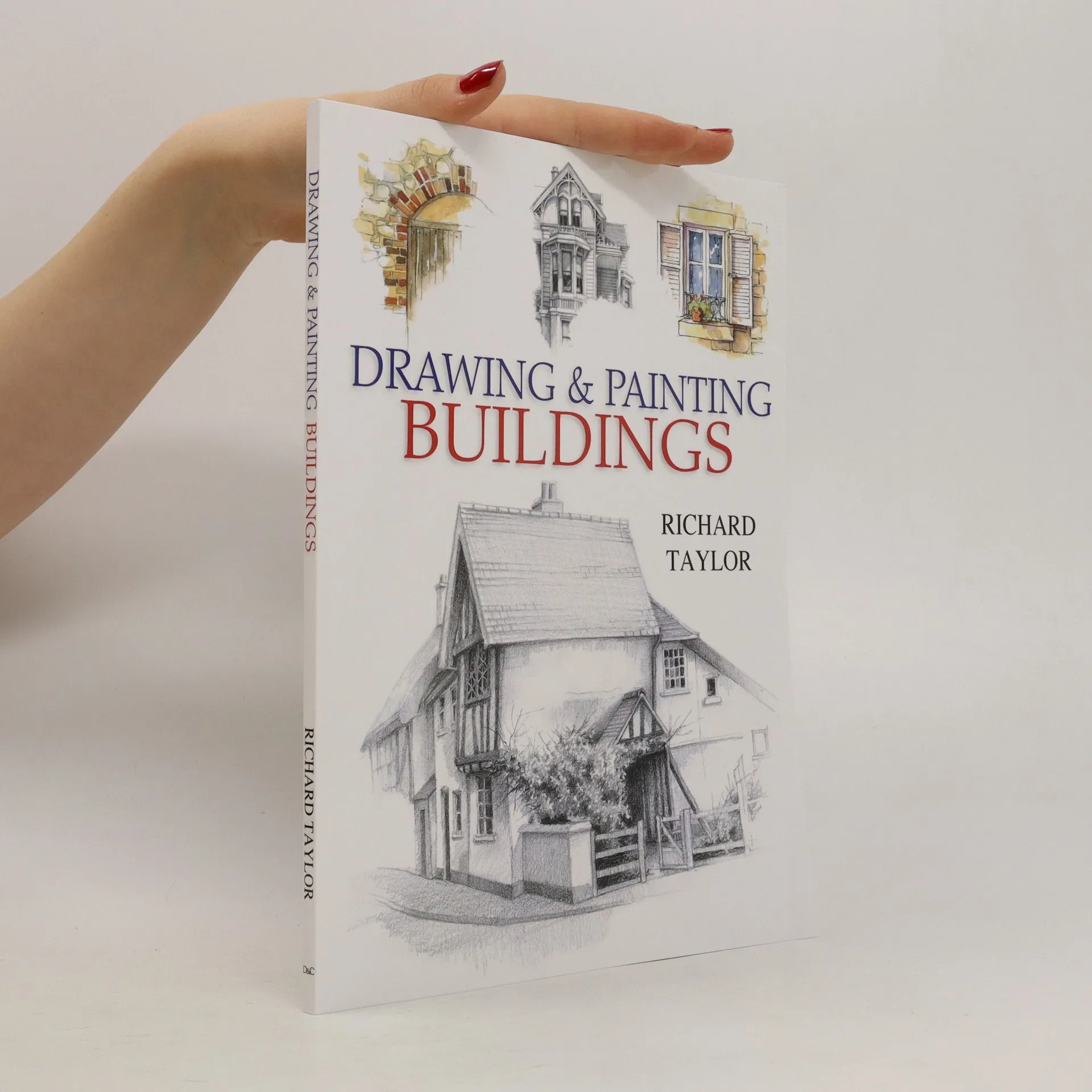
Drawing & Painting Buildings
- 121 stránek
- 5 hodin čtení
"Drawing & Painting Buildings" is a comprehensive and practical guide full of advice and inspiration for anyone wishing to capture the beauty of the urban landscape.Detailed artworks in a range of styles and media are thoroughly annotated to demonstrate key techniques and important details.It includes thorough studies of a wide range of different architectural styles, from town houses and rural cottages to churches and continental cafes.Taylor's own exquisite drawings and paintings demonstrate the quality of the results that can be achieved by following his helpful guidance and advice.
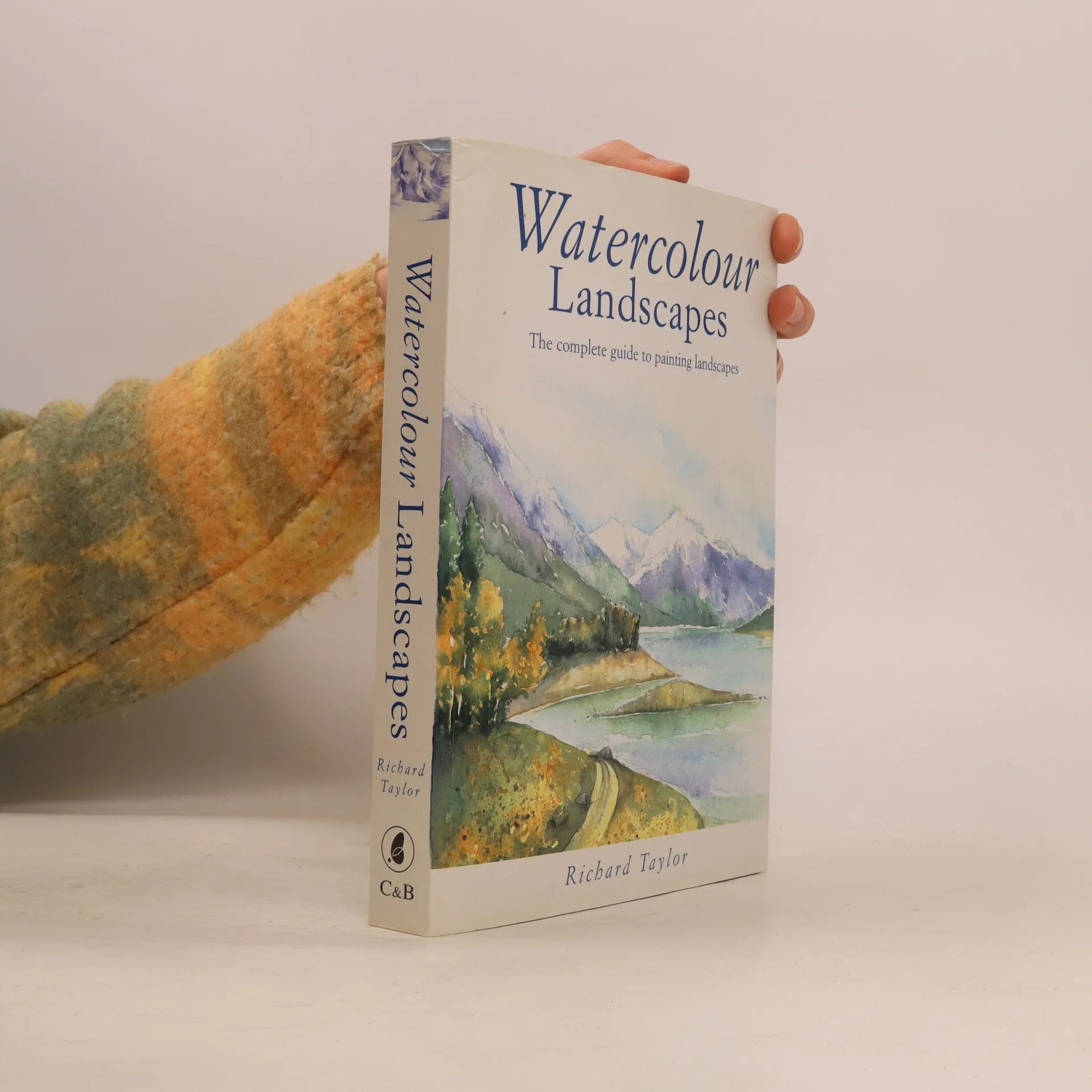
An experienced artist and teacher uses stunning examples of his own work to explain every facet of watercolor landscape painting. Explore the wide range of effects possible with different brushstrokes and washes, such as blotting and sponging to produce texture and working with color to suggest movement. Plenty of practical suggestions on choosing materials and supplies are included along with inspiring, annotated studies and easy-to-follow projects that demonstrate basic techniques in action, including painting all kinds of skies, depicting perspective, creating shadows, combining colors and more.
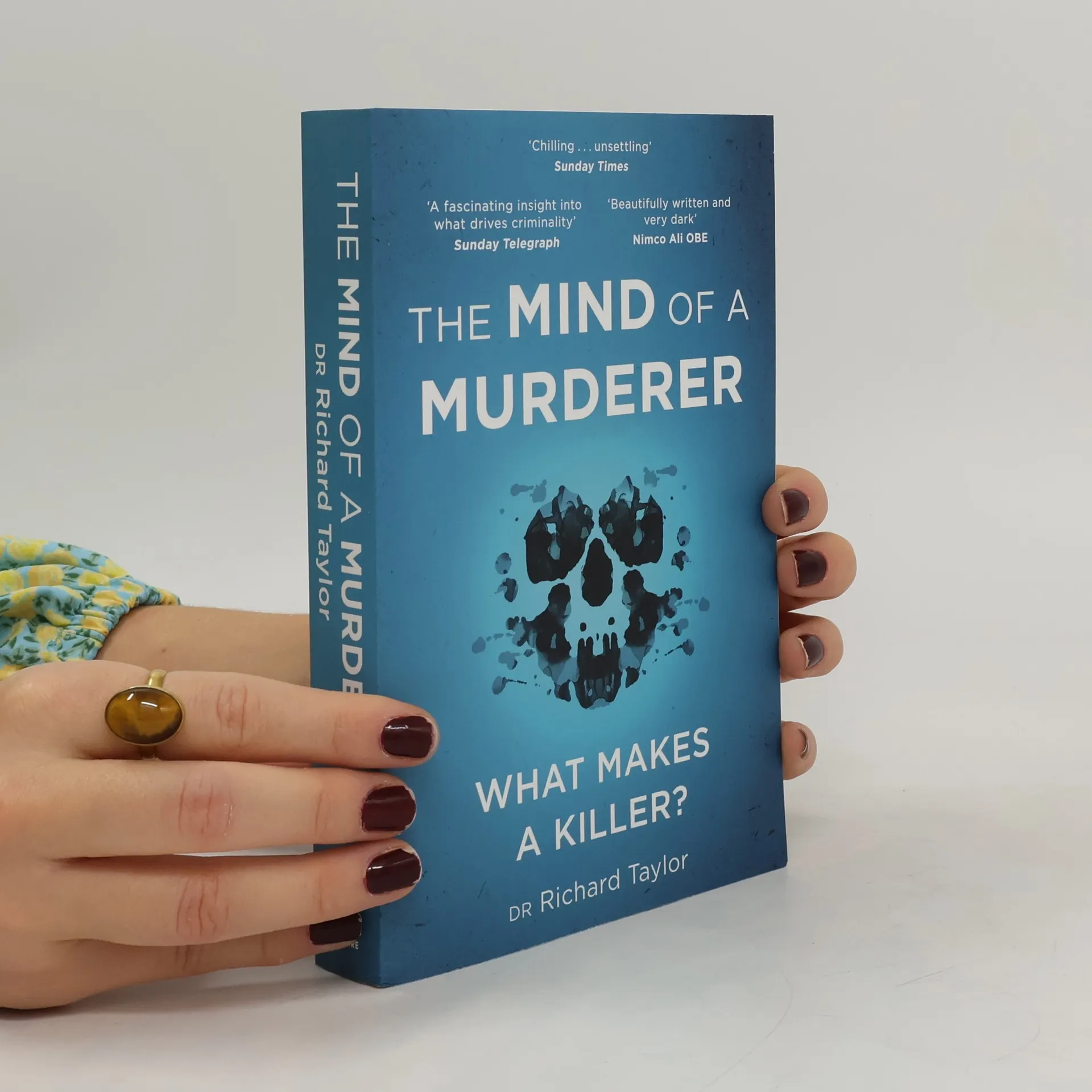
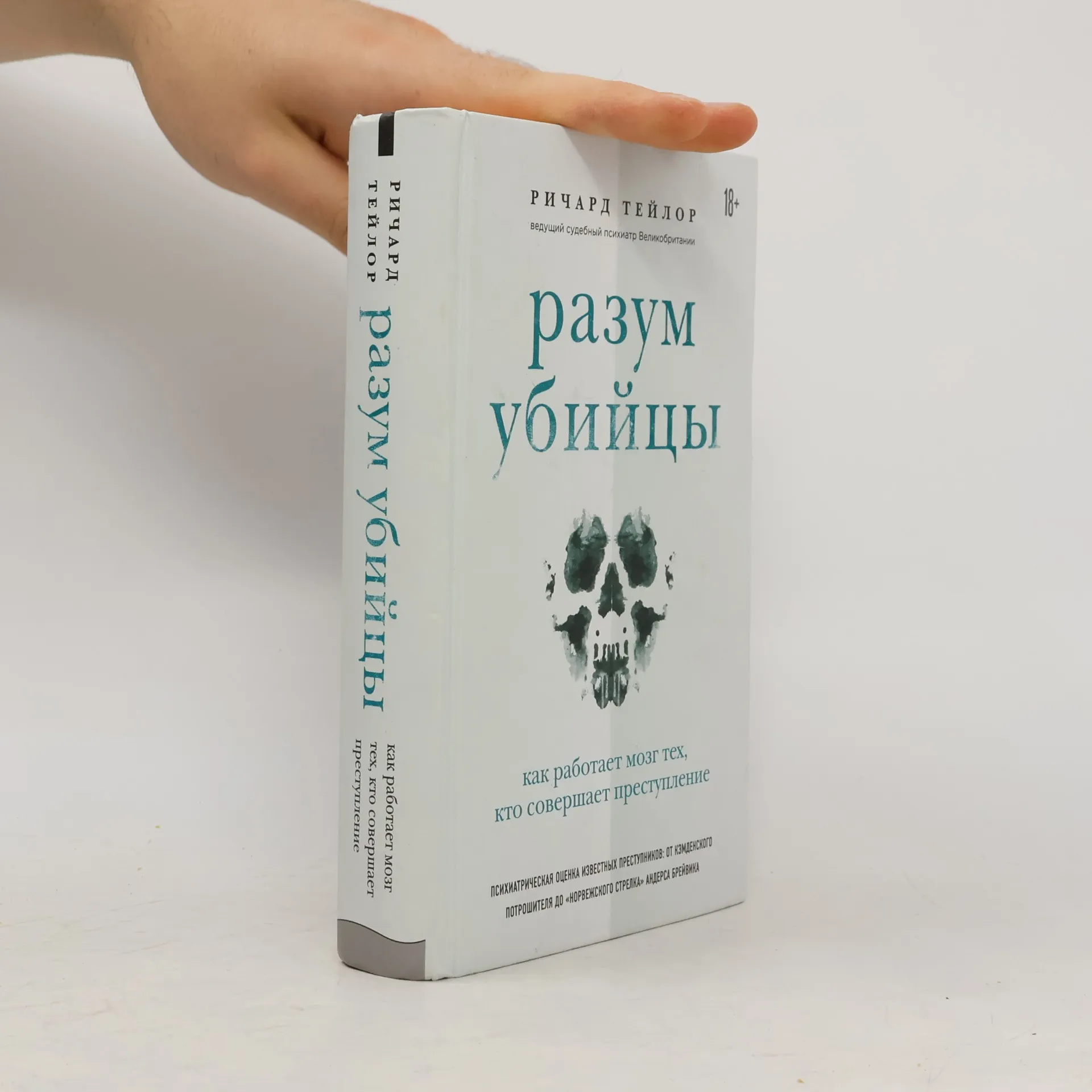
The Mind of a Murderer
- 432 stránek
- 16 hodin čtení
A gripping and eye-opening insight into life as a forensic psychiatrist, from one of the most experienced doctors in the field
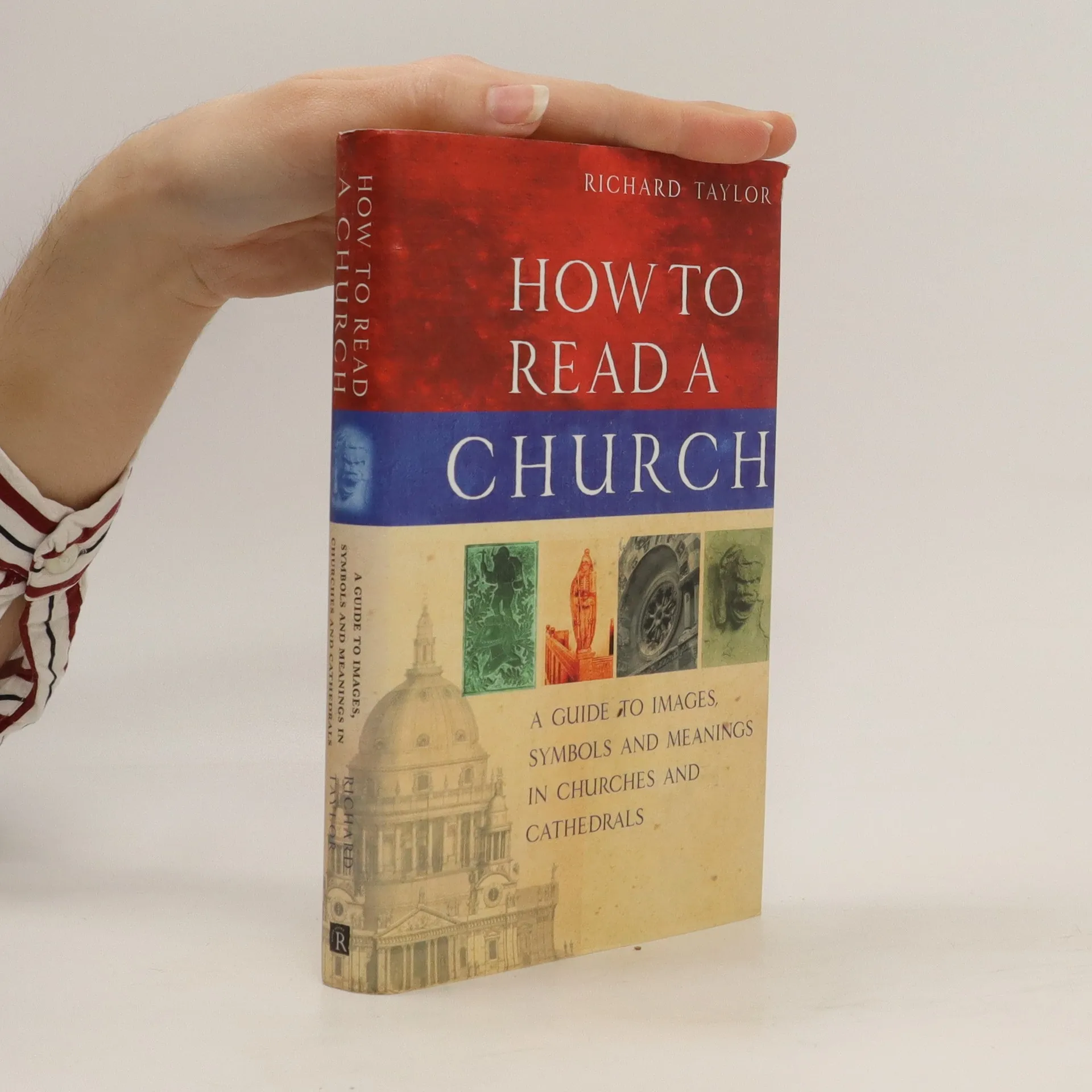
How to read a church : a guide to images, symbols and meanings in churches and cathedrals
- 224 stránek
- 8 hodin čtení
This guide informs visitors to churches and cathedrals how to interpret the common images and meanings in church art and architecture. It explains how to identify people, scenes, details and their significance, and explores the symbolism of different animals, plants, colours, numbers and letters
Set against the backdrop of the Tet Offensive, the story follows Lieutenant Taylor, who embarks on what he believes will be an adventure in Vietnam. Instead, he faces the harsh realities of war alongside one American companion and a small group of ARVN soldiers as they find themselves counterattacking in their own city amidst chaos. The narrative explores themes of growth, survival, and the brutal transformation young men undergo in the face of conflict.
Almost Eden
- 256 stránek
- 9 hodin čtení
Set against the backdrop of World War II and the Vietnam War, this love story follows Izzy, a young guerrilla girl from Luzon, who defies her parents to serve as a Red Cross volunteer in Vietnam. There, she meets Abe, a soldier, and they fall deeply in love. Their relationship faces significant trials, yet they draw strength from the enduring affection of their family's patron spirit, highlighting themes of love, resilience, and the impact of war on personal connections.
Footfalls of the Unknown
- 114 stránek
- 4 hodiny čtení
Exploring the evolution of thought through poetry, the collection reflects on the ironies of existence and the deeper mysteries of life. Early works capture the innocent insights and confusions of youth, while later poems revisit these themes with a more complex understanding. This journey highlights the contrasts between youthful perceptions and adult realizations, revealing the intricate layers of meaning that unfold over time.
Return To Eden
- 272 stránek
- 10 hodin čtení
Set against the backdrop of World War II, the narrative follows Joe Armand-Joshua's son in Manila, where he encounters Luci Blake, an American nurse. Their romance blossoms amid the chaos of the Japanese invasion, leading them to endure the hardships of guerrilla warfare. As Joshua searches for Joe and Luci, he grapples with his lingering feelings for Isabella. This poignant tale blends brutality with heartwarming moments, exploring the complexities of love during wartime.
Eden Lost
- 278 stránek
- 10 hodin čtení
Eden Lost is a romantic novel of 85,000 words cast in a historic setting of grand events and deep human adversity. This story will appeal to those who enjoy the panoramic sweep of history as seen through the eyes of lovers from diverse cultures. Once they confront their differences, can they reconcile them and survive? Can happiness be found in a Lost Eden? This action-packed, romantic story is of hope and love struggling to endure under the most adverse circumstances, yet poetic in utter sorrow.
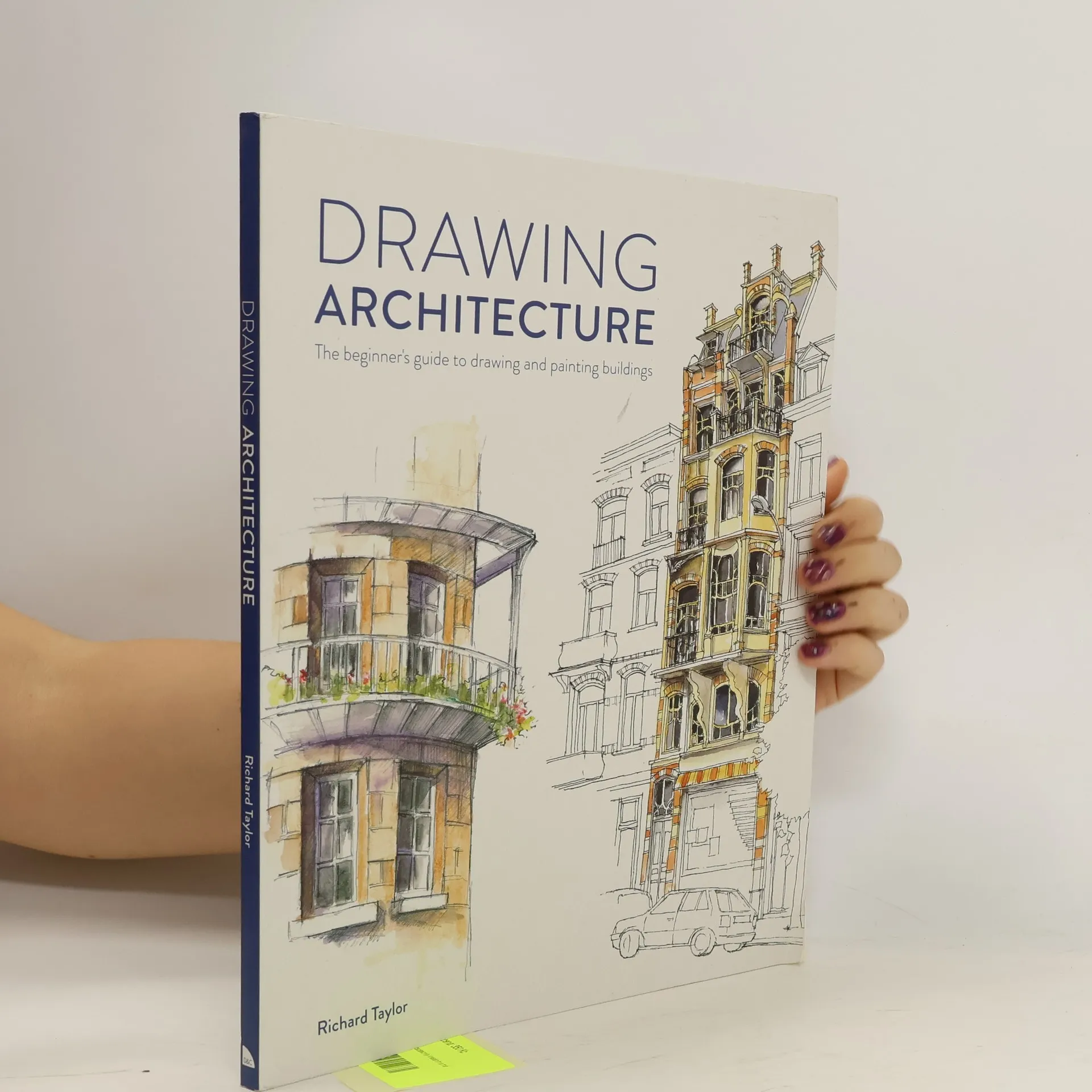
Drawing Architecture
- 120 stránek
- 5 hodin čtení
Giving advice for those wishing to capture the beauty of the urban landscape, this guide annotates artworks in a range of styles and media to demonstrate techniques and details. It includes studies of a range of different architectural styles, from town houses and rural cottages to churches and continental cafes.
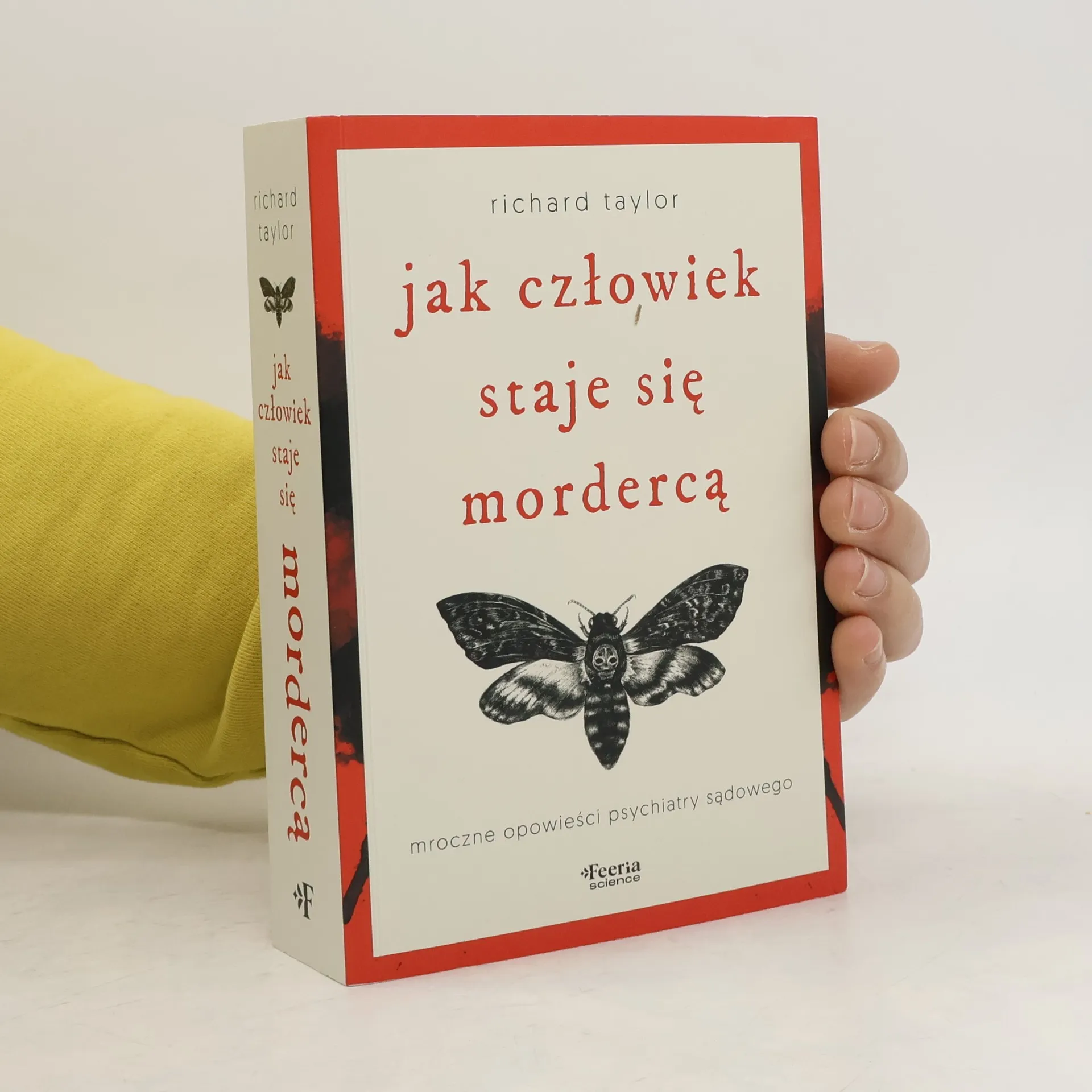
Jak człowiek staje się mordercą
Mroczne opowieści psychiatry sądowego
Dlaczego ludzie zabijają? Czy popełnienie makabrycznej zbrodni czyni z kogoś potwora? Czy każdy z nas, gdyby miał powód, mógłby zostać zabójcą? W ciągu dwudziestu sześciu lat praktyki klinicznej psychiatra sądowy Richard Taylor pracował nad ponad setką spraw dotyczących morderstw. I chociaż wszystkie kończyły się ludzką śmiercią, to za zbrodniami stały odmienne motywacje. W swojej fascynującej opowieści autor wspomina najbardziej tragiczne, przerażające i poruszające przypadki. Pojawiają się w niej zarówno oskarżeni, których poznawał podczas przewodu sądowego, jak i pacjenci, których leczył. Ujawnia też sekrety z przeszłości własnej rodziny, które pomagają mu znaleźć odpowiedzi na najbardziej osobiste kwestie, z którymi zmaga się każdego dnia… Taylor próbuje dociec, co kryje się w umysłach osób, które targnęły się na cudze życie, zastanawia się, jak w ogóle zrozumieć mroczne zakamarki ludzkiej psychik i dlaczego tak ważne jest, abyśmy spróbowali je poznać. Ta książka to niezwykła analiza psychiki zabójców, a także wyjątkowy wgląd w życie i umysł ich lekarza. Znakomita lektura dla fanów trudnych przypadków i wszystkiego, co niejednoznaczne. Powyższy opis pochodzi od wydawcy.
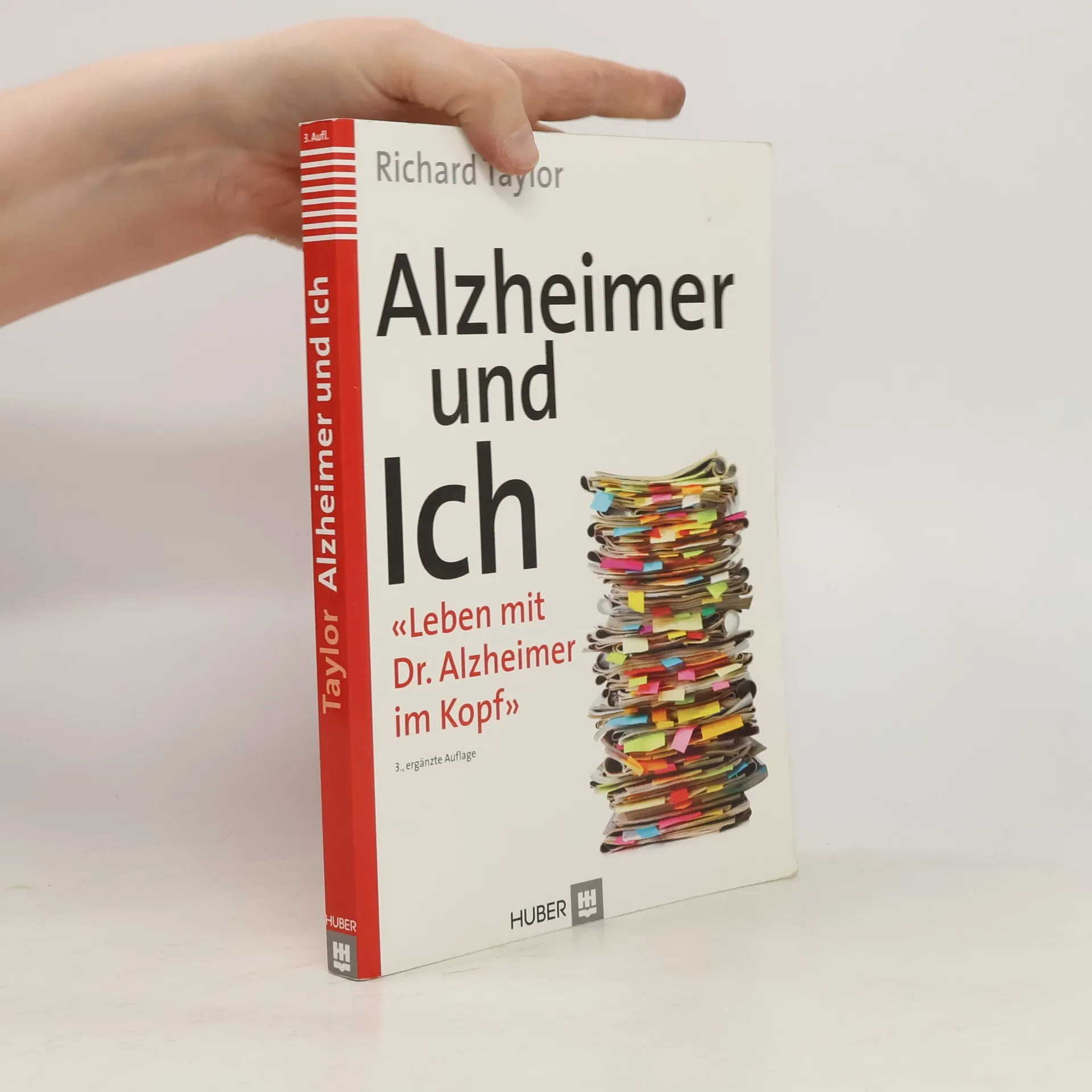
Alzheimer und Ich: "Leben mit Dr. Alzheimer im Kopf"
- 304 stránek
- 11 hodin čtení
Stadtbilder zeichnen
Gebäude, Strukturen, Details. Zeichenbuch fürs Architektur zeichnen mit Atmosphäre. Gebäude zeichnen leicht gemacht mit Technikteil, Materialkunde und vielen Inspirationsbildern.
- 120 stránek
- 5 hodin čtení
Urban Sketching ist ein beliebtes Thema, und dieses Buch richtet sich an alle, die Gebäude und Skylines detailliert darstellen möchten. Mit den Tipps von Richard Taylor können Sie schnell die Architektur und Atmosphäre urbaner Umgebungen einfangen. Die Kapitel behandeln verschiedene Aspekte des Gebäudezeichnens, sodass Sie je nach Kenntnisstand entweder das gesamte Buch durcharbeiten oder gezielt Techniken nachschlagen können. Zunächst wird die Materialkunde behandelt: von Bleistiften bis Aquarellfarben – welche Materialien eignen sich für verschiedene Strukturen? Es folgt die Perspektive: Wie wählt man die richtige Fluchtpunkt-Perspektive für Stadtansichten und wie unterscheidet sich das Zeichnen von Straßenschluchten im Vergleich zu einzelnen Gebäuden? Anhand gezeichneter Beispiele lernen Sie, worauf beim Darstellen unterschiedlicher Architekturstile zu achten ist. Zudem erfahren Sie, wie man eine Stadt oder Skyline im Weitwinkel zeichnet. Taylor betont, dass das Zeichnen von Architektur mehr ist als nur die Darstellung von Gebäuden; emotionale Bilder sind entscheidend. Im letzten Kapitel behandelt er das Zeichnen von Gebäuden anhand fotografischer Vorlagen, sodass Sie auch von zu Hause aus berühmte Bauwerke aus aller Welt künstlerisch erfassen können.
Alzheimer und Ich
- 279 stránek
- 10 hodin čtení
Bücher über Alzheimer und Demenz sind zahlreich, doch keines dieser Bücher wurde von einem Betroffenen selbst verfasst. Richard Taylor leidet an einer Demenz, vermutlich des Alzheimer-Typs, aber er hat all seine Erfahrungen mit der Erkrankung, Gedanken und Ideen in essayistischen Innen- und Außenansichten beschrieben. In seinen brilliant formulierten, humorvoll gewürzten und vehement vorgetragenen Beiträgen setzt er sich dafür ein, das Erleben der Betroffenen besser zu verstehen, deren Rechte zu verteidigen und durch Schreiben ein Stück seiner selbst zu bewahren.
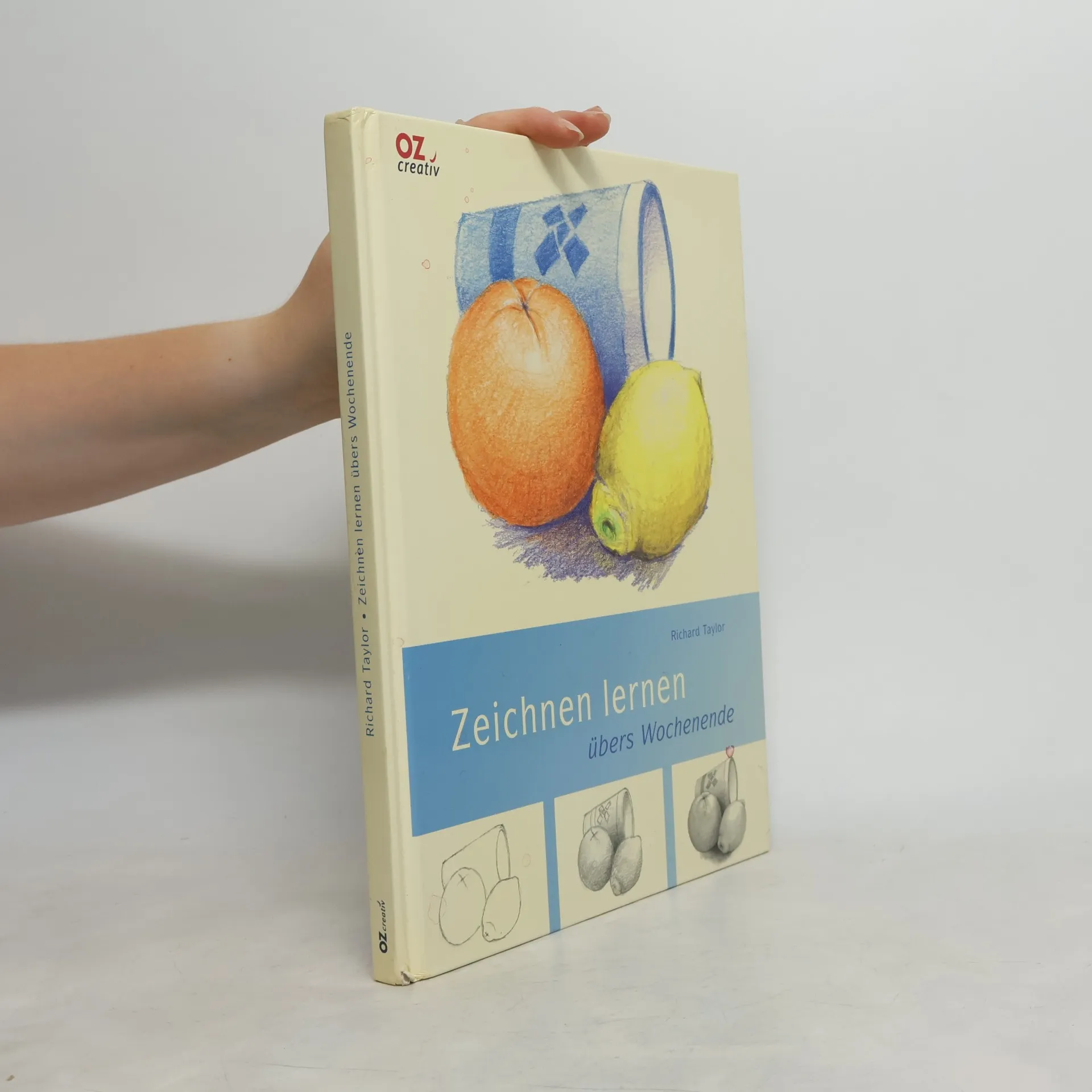
Zeichnen lernen übers Wochenende
- 120 stránek
- 5 hodin čtení
Sie wollten schon immer gern zeichnen lernen, hatten jedoch nie genug Zeit? Dann ist dieses praxisorientierte Handbuch genau das Richtige für Sie. Bereits nach drei Tagen kennen Sie die Grundlagen des Zeichnens. Gleichzeitig lernen Sie den Umgang mit Farb- und Bleistift, Aquarellfarben und -stiften sowie Tusche und Filzstift. Unglaublich – und das an einem Wochenende: Freitag: Sie zeichnen die ersten Linien, erkennen geometrische Grundformen in Objekten und erfahren das Wichtigste über Licht und Schatten, Tonwerte und Perspektive. Samstag: Sie zeichnen erste Stillleben mit vertrauten Gegenständen Ihrer Wohnung. Dabei achten Sie auf Bildkomposition, Lichteinfall sowie Strukturen von Oberflächen. Sonntag: Sie malen im Freien! Blumen und Bäume, Häuser, Himmel und Wasser und sogar schon kleine Landschaftsszenen. Dabei berücksichtigen Sie Tonwerte, Tiefenwirkung und Perspektive.
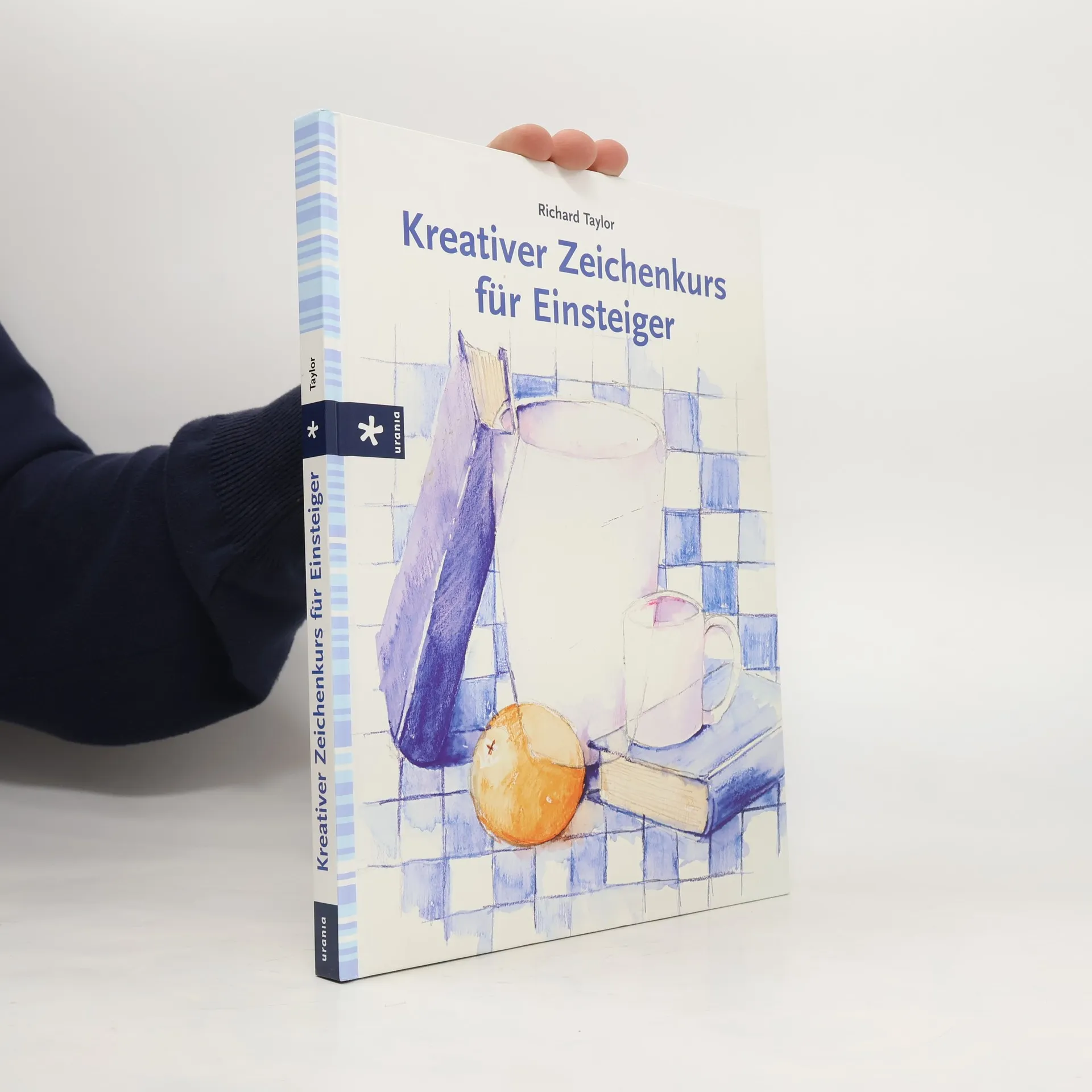
Kreativer Zeichenkurs für Einsteiger
- 128 stránek
- 5 hodin čtení
Zeichnen lernen kann wirklich jeder – und „Kreativer Zeichenkurs für Einsteiger“ macht Schritt für Schritt mit allen Techniken und Zeichenmitteln vertraut, die man dazu benötigt. Vom Bleistift, Filzstift oder Kugelschreiber bis hin zur Zeichenkohle und Ölpastellkreiden. Das Buch enthält zahlreiche leicht nachvollziehbare Übungen, anregende Zeichenprojekte und nützliche Praxistipps. Es eignet sich, um zeichnerische Fähigkeiten und um eine lockere, spontane Linienführung zu erlangen. Gleichzeitig ermutigt es einen ganz persönlichen Zeichenstil zu entwickeln.
Разум убийцы. Как работает мозг тех, кто совершает преступления
- 432 stránek
- 16 hodin čtení
Besser zeichnen Tag für Tag
In 15 bis 60 Minuten täglich Farbe, Licht und Perspektive. Zeichnen lernen Schritt für Schritt wie ein Profi. Zeichnen für Anfänger und Fortgeschrittene mit Zeichenübungen
- 128 stránek
- 5 hodin čtení