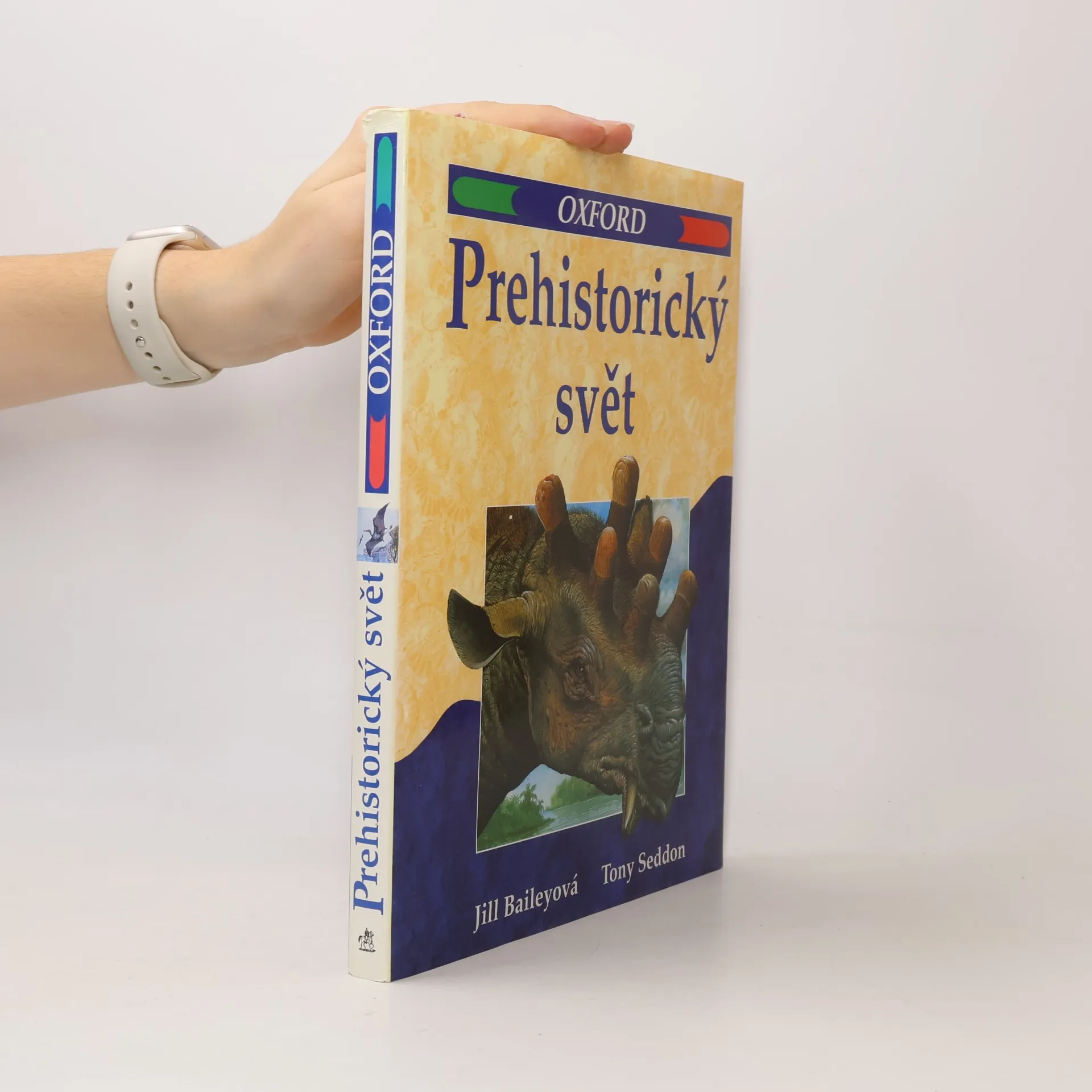
Tentokrát nejen o dinosaurech, ale také o trilobitech, loděnkách, žralocích, pelykosaurech, ichthyosaurech a srstnatých mamutech... Školní oxfordská encyklopedie Prehistorický svět vás spolu s vynikajícím obrazovým materiálem seznámí s celistvou historií života na Zemi od jeho prvopočátků až po příchod lidstva.
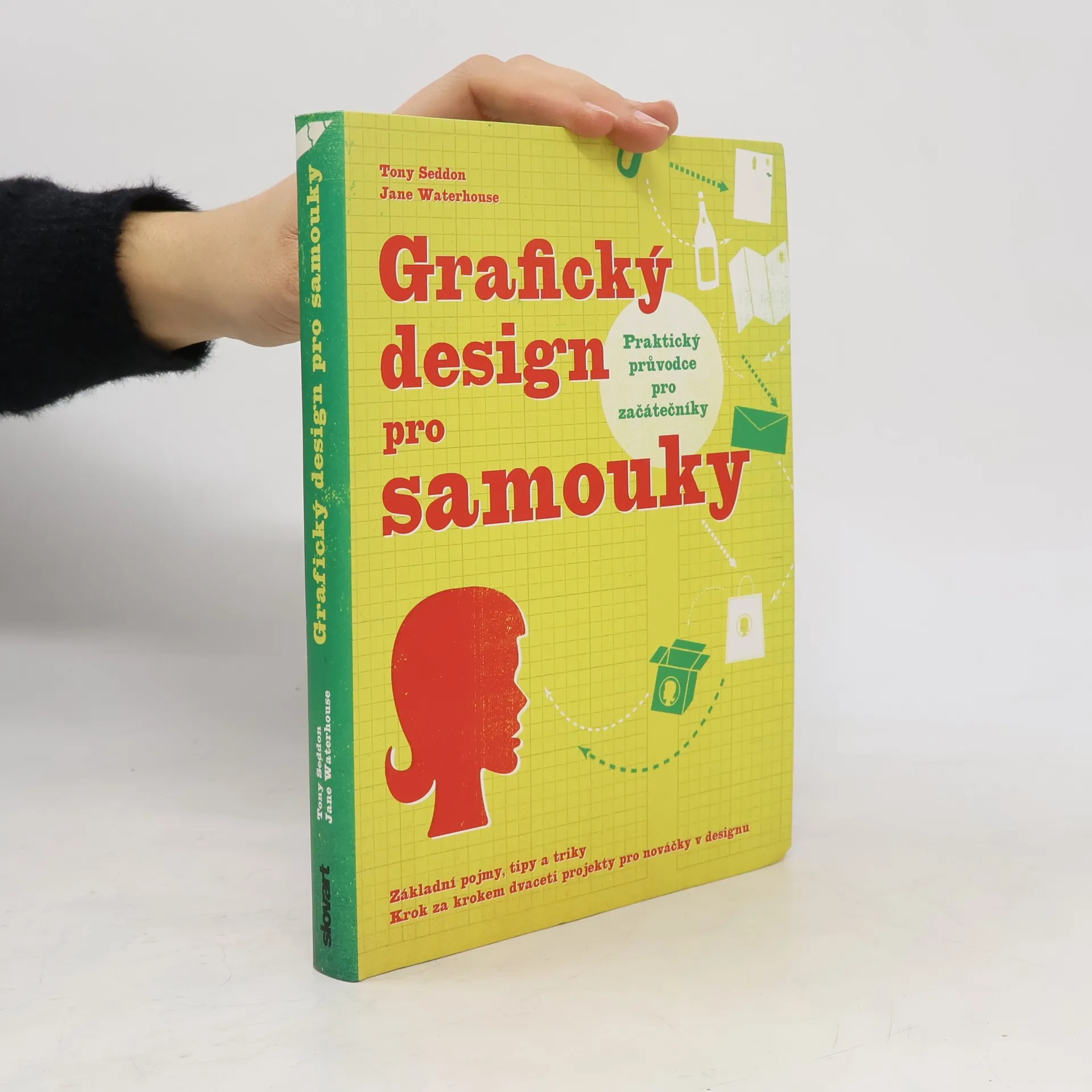
Každý z nás aspoň jednou v životě vytvářel nějaký dokument, který lze zařadit do kategorie "grafický desing". Ať už se jednalo o pozvánku na oslavu narozenin, plakát nebo jen inzerát na firemní či školní nástěnku nebo web, můžeme jej příště udělat s pomocí této knihy profesionálně dokonalým. Grafický design pro samouky vysvětluje základní principy grafického designu včetně efektivního využití prostoru, barev a písma. Publikace transformuje obtížně získané zkušenosti profesionálních designérů do jednoduchých pravidel, co a jak používat a čeho se naopak vyvarovat, ilustrovaných tipů a rad doplněných srovnávacími příklady. Kniha nezapomíná ani na potřebné vybavení a jeho cenu, popisuje nejlepší a cenově nejdostupnější materiály, hardware a software.
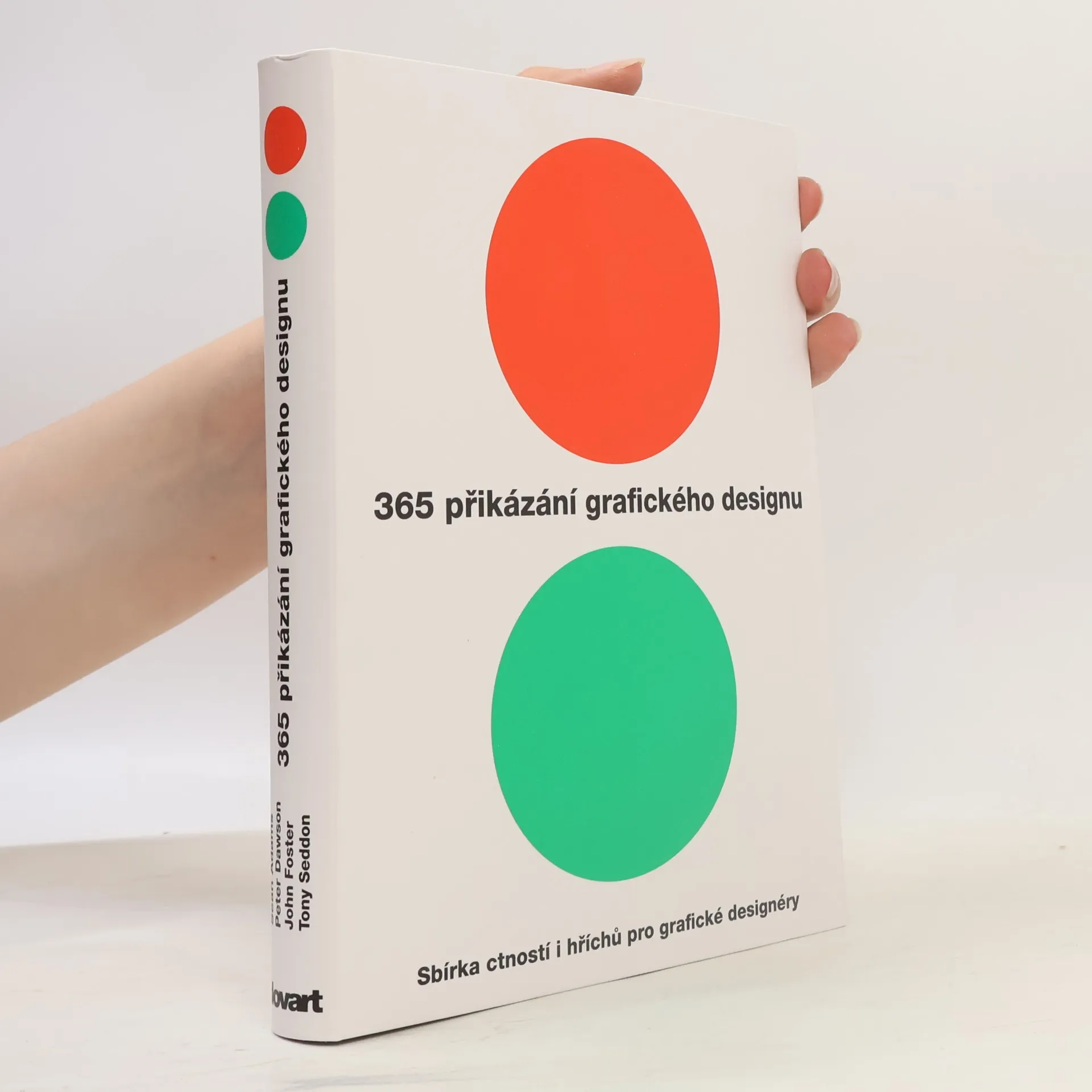
Sbírka ctností i hříchů pro grafické designéry
Zeptejte se jakéhokoli grafického designéra na světě, podle čeho vybírá font a barvu a jak postupuje při tvorbě nového layoutu, a nikdy neuslyšíte stejnou odpověď. Každý tvůrce má svůj vlastní kreativní přístup, a což je možná mnohem podstatnější, vlastní způsob, jak vybrat a zkombinovat stovky a stovky technik, které jsou při tvorbě designového projektu k dispozici. Existují však jistá pravidla, jež nepřestanou nikdy platit. Přinejmenším dokud se budeme ptát, kudy vede cesta k nejlepšímu grafickému designu. Tato prakticky a čtivě podaná příručka je nepostradatelným pomocníkem pro stále početnější skupinu grafiků, kteří touží designu porozumět. Knihu tvoří tematicky řazené příspěvky autorů, nad nimiž se můžete nadšeně tetelit nebo pohrdavě šklebit - záleží, zda milujete či nenávidíte dělení slov, jestli máte fobií z béžové, nebo si myslíte, že mřížky jsou nuda.
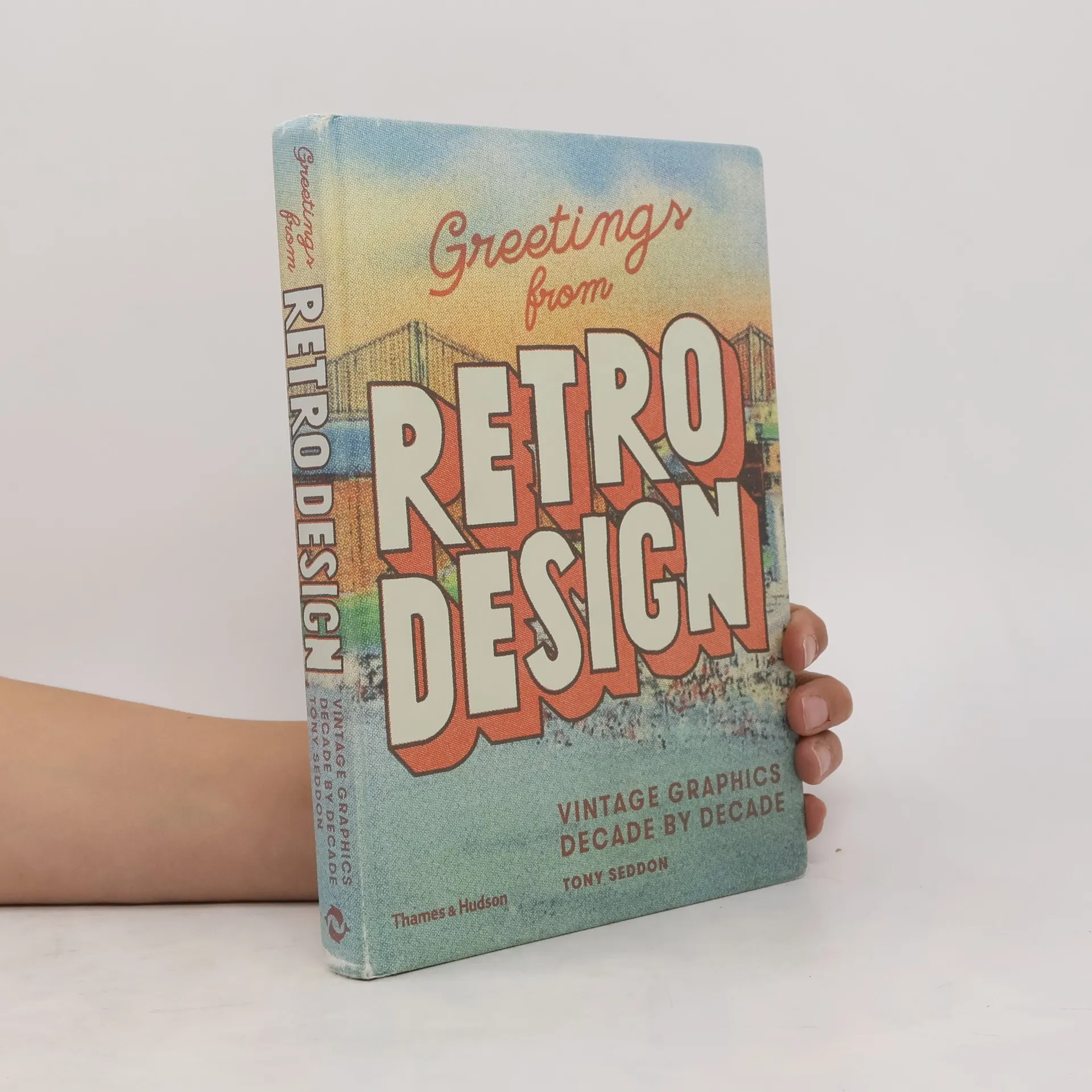
What is a true 1950s look, as opposed to a 1930s or 1940s look? This book aims to address that question by thoroughly surveying the development of graphic design over the course of the 20th century. Timelines for each decade highlight key moments, styles and movements, while profiles of thirty influential graphic designers three per decade are interspersed throughout the book.
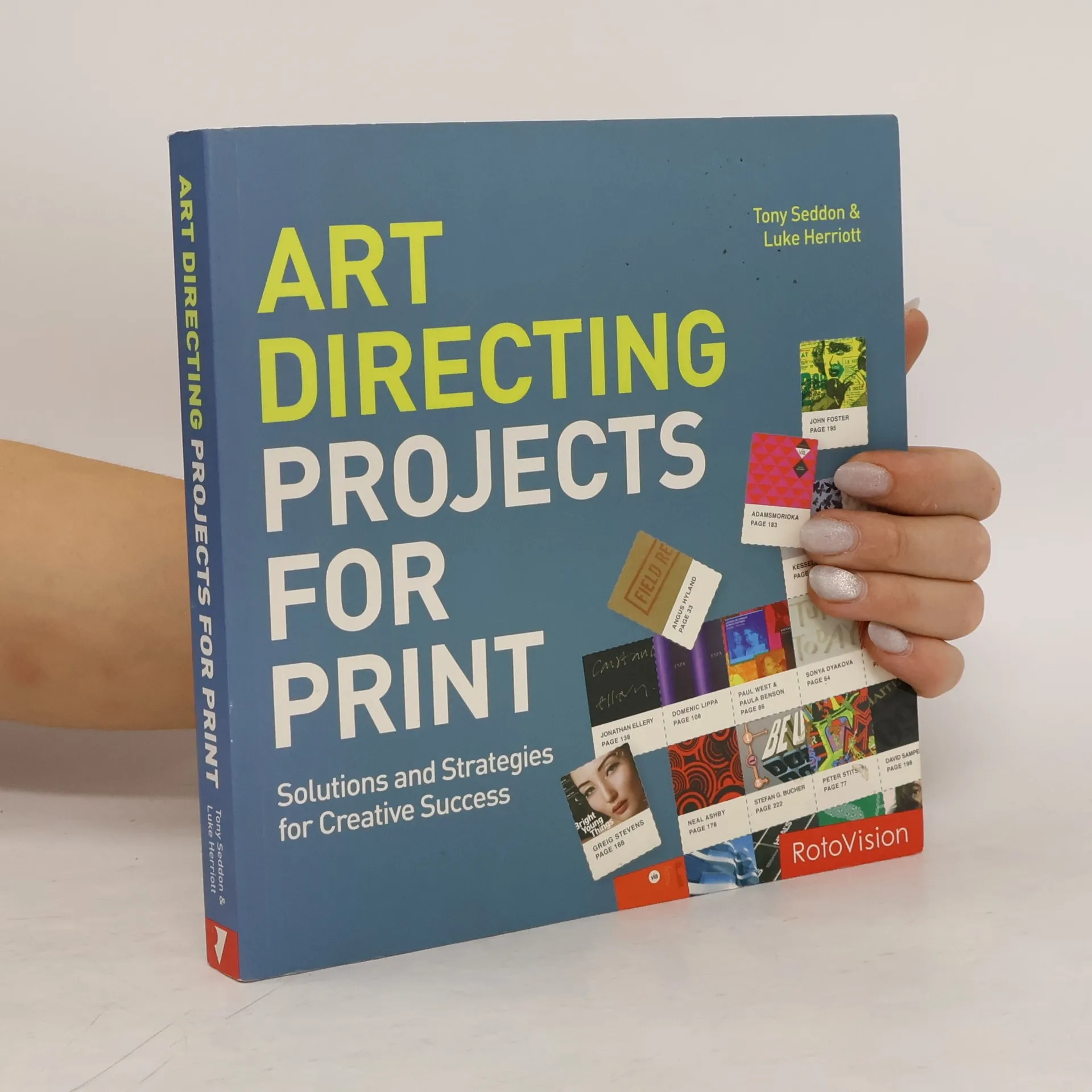
Art directors need to balance both the creative and business-oriented aspects of their role to be truly successful. As well as needing top-level visual and creative skills, art directors must also motivate, communicate with, and inspire their coworkers and clients. Art Directing Projects for Print provides a creative, inspirational, and “skill set” path for designers who wish to raise their careers to a more ambitious level. This ground-breaking book will give them the essential building blocks to make the professional transition from competent designer to pace-setting art director, in the highly competitive and innovative area of print design. Art Directing Projects for Print reveals the professional skills involved in key creative areas of print design through providing a unique mix of theory, context, contemporary media awareness, inspirational case studies, international showcases, interviews with big-name professionals, developmental advice, and practical information.
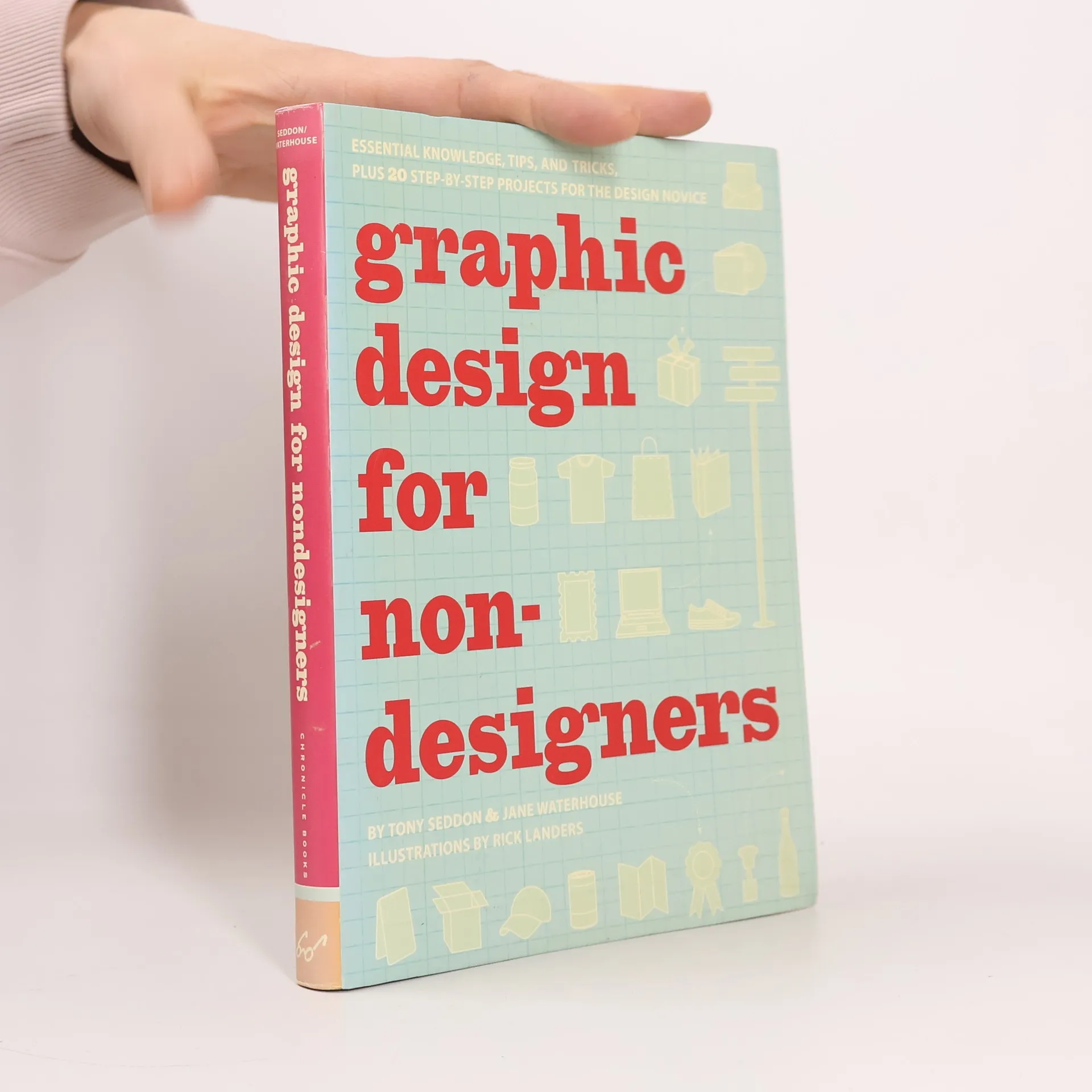
Not a graphic designer? Not a problem! Whether the project's a birthday card, a poster, or a flier, Graphic Design for Nondesigners is here to help. Twenty step-by-step projects for designing everything from Web sites to business cards to T-shirts are accompanied by a clear and concise initiation into the basic principles of graphic design€”including the effective use of space, color, and type€”presented in a way that's easy for anyone to start applying right away. Armed with this essential primer, nondesigners will have everything they need to go forth and create effective design with polish, panache, and grace.
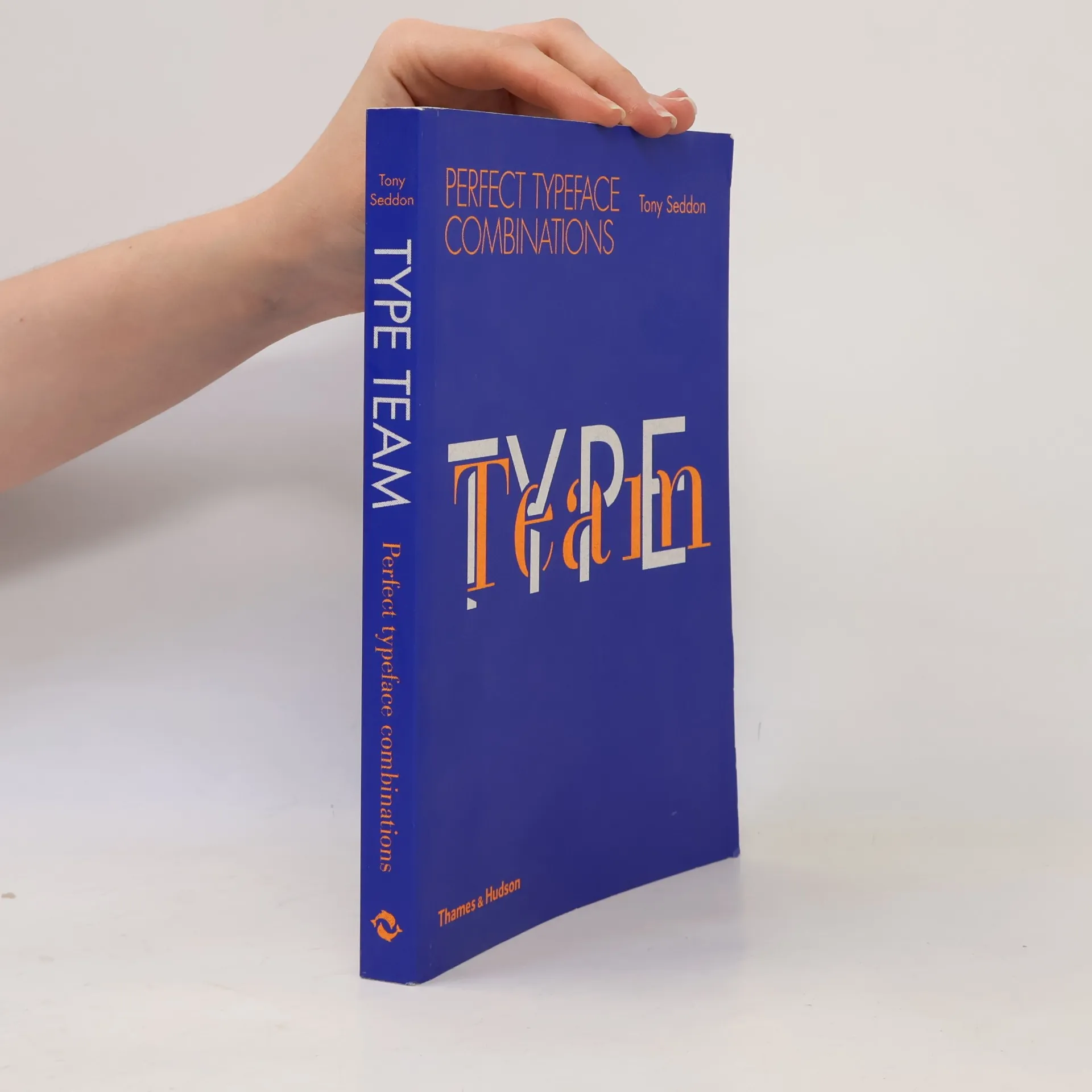
Typeface combinations don't always work together naturally. For an experienced designer, the process becomes largely intuitive, but even seasoned professionals sometimes struggle to come up with the perfect pairing. Developed with typographers, graphic designers and font geeks in mind, Type Team gets to grips with the best techniques for combining typefaces from all classifications and styles for any project. Almost 150 typeface combinations are grouped into 25 contrasting categories, ranging from Classical and Scholarly to Edgy and Vibrant, and with a full page devoted to each entry. In addition, 50 typographic principles are discussed and illustrated using appropriate typefaces. In this unique reference for font spotters, designers, and users, the perfect typeface combination for any creative project can always be found.
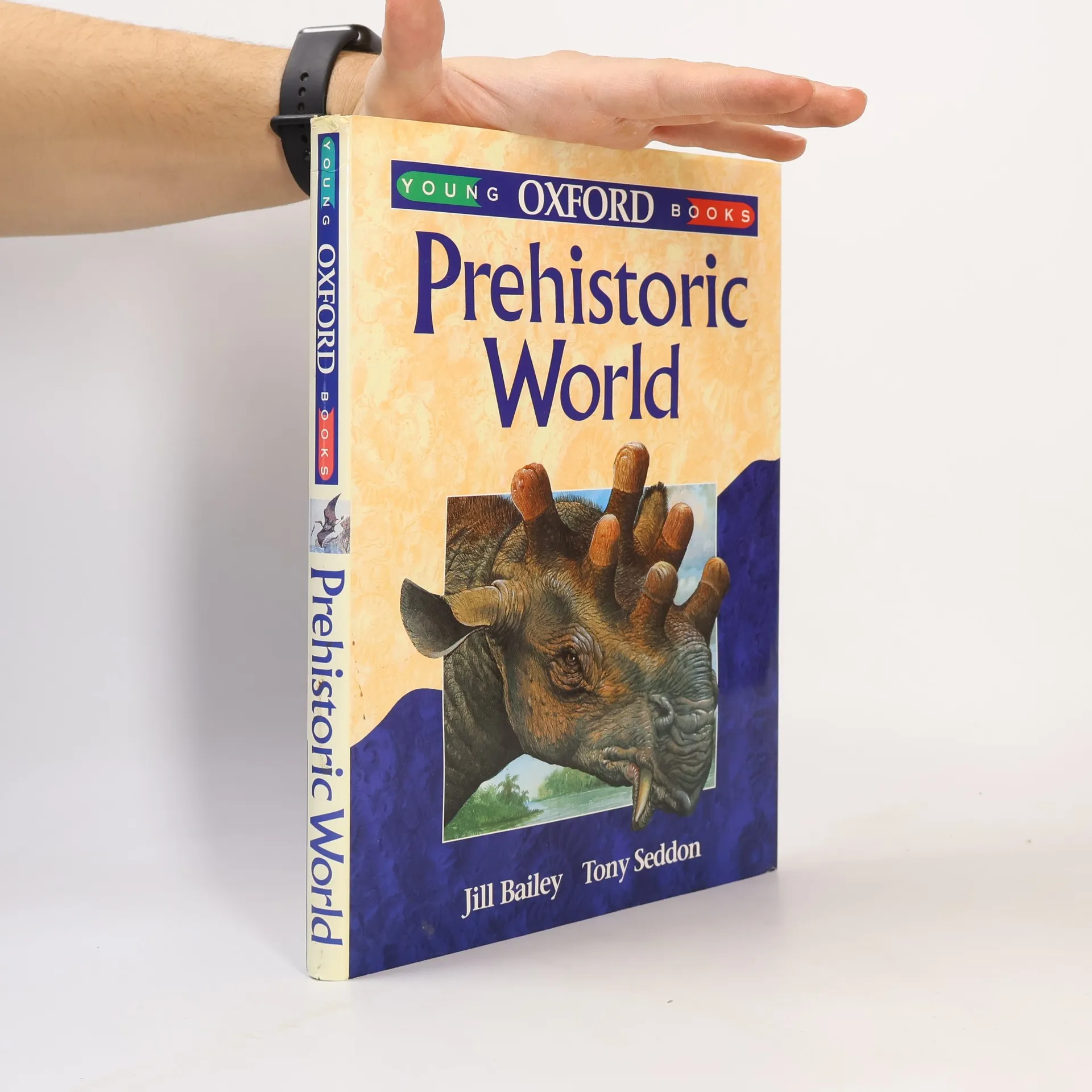
This is the complete story of the prehistoric world, which takes the young reader from the origins of the universe, through the beginning of life on Earth, to the arrival of homo sapiens. The text is structured as a chronological narrative with a chapter for each of the geological epochs. Geological and fossil evidence is examined throughout and used to support the various theories discussed. Evolution is clearly shown as a continuing process, with the evolution of horses and elephants treated in a series of updated reports throughout the book. The story of human evolution has a separate chapter.