

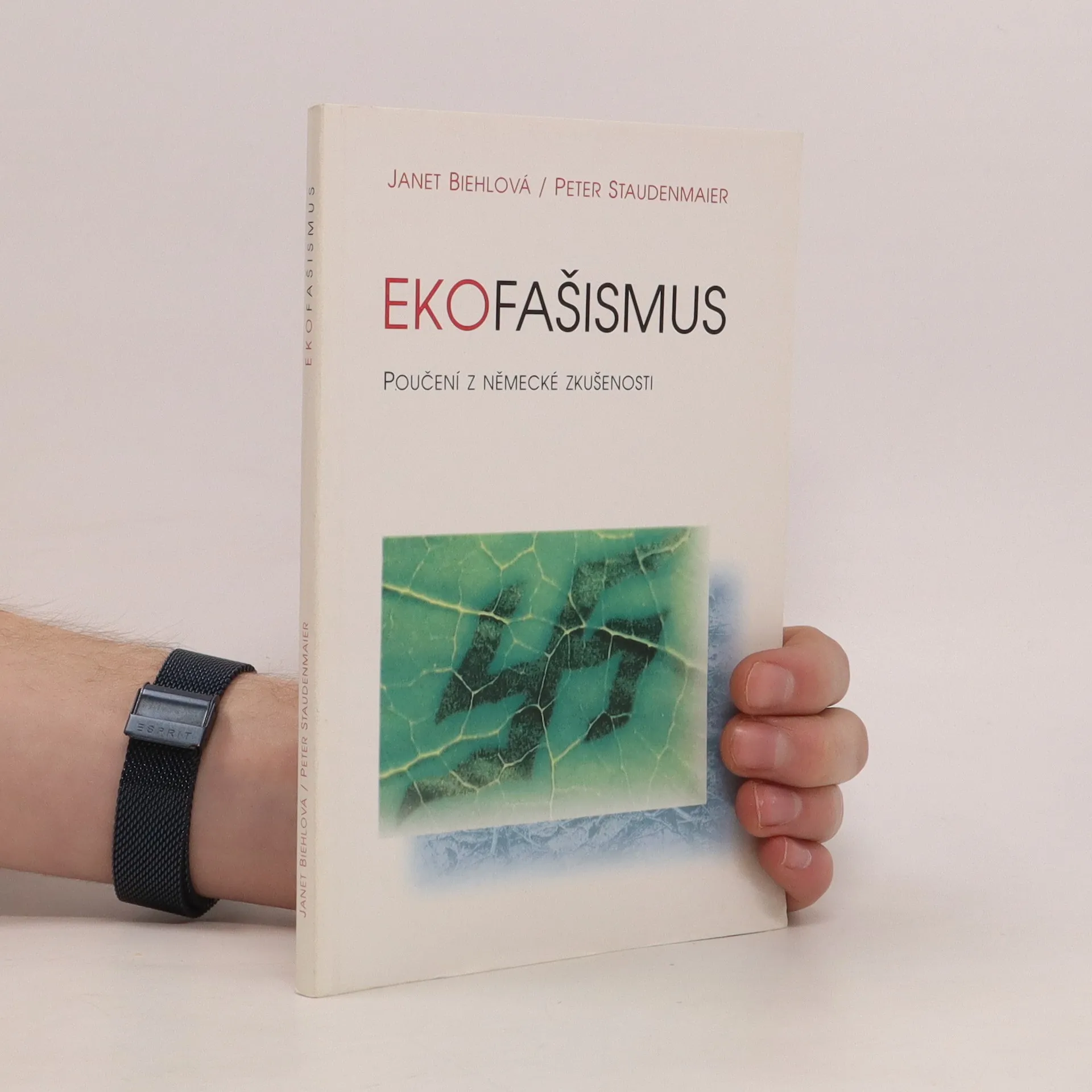
Probíhající obrození fašismu v mnoha zemích západního světa je jednou z nejvíce znepokojujících skutečností sklonku dvacátého století. Stejně znepokojující je snaha různých fašistických ideologů a politických skupin zapojit ekologii do služeb společenské reakce. Toto úsilí nepostrádá zvláště v Německu historické kořeny, které lze vystopovat jak v romantismu devatenáctého století, tak i ve zkušenosti Třetí říše ve století dvacátém. Autor a autorka dvou esejí obsažených v knize: Fašistická ekologie: "zelené křídlo" nacistické strany a jeho historičtí předchůdci (Peter Staudenmaier) a "Ekologie" a modernizace fašismu na německé krajní pravici (Janet Biehl), kteří se pokládají za sociální ekology, zkoumají německou zkušenost, by z ní vyvodili historické poučení o politickém využití ekologických myšlenek - což je velmi aktuální problém pro dnešní ekologická hnutí.
Janet Biehl Knihy
Tento autor se zaměřuje na analýzu společenských a ekologických problémů, přičemž čerpá z hlubokého porozumění politickým hnutím a jejich historickým kontextům. Jeho práce se vyznačuje pečlivým zkoumáním vzájemných vztahů mezi ekologií, sociální spravedlností a autonomními formami organizace. Prostřednictvím svých překladů a vlastních děl přispívá k šíření myšlenek o radikálních společenských změnách a osvobození žen. Jeho přístup je informovaný, analytický a usiluje o porozumění složitým dynamikám současných světových výzev.


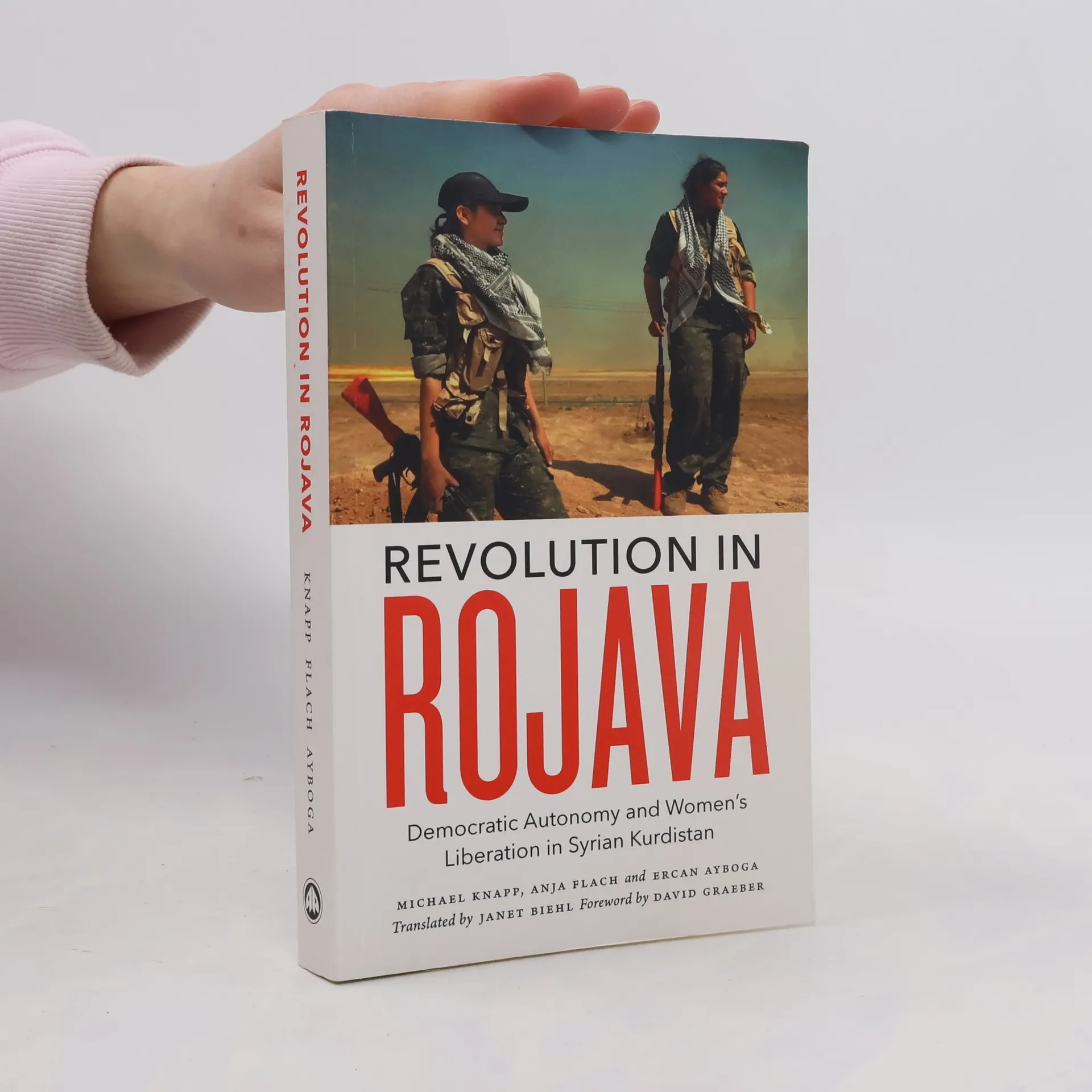
Revolution in Rojava
Democratic Autonomy and Women's Liberation in the Syrian Kurdistan
- 272 stránek
- 10 hodin čtení
Given the widespread violence and suffering in Syria, it's not unreasonable that outsiders look at the situation as unrelentingly awful. And while the reality of the devastation is undeniable, there is reason for hope in at least one small pocket of the nation: the cantons of Rojava in Syrian Kurdistan, where in the wake of war people are quietly building one of the most progressive societies in the world today. Revolution in Rojava tells the story of Rojava's groundbreaking experiment in what they call democratic confederalism, a communally organized democracy that is fiercely anti-capitalist and committed to female equality, while rejecting reactionary nationalist ideologies. Rooted in the ideas of imprisoned Kurdish leader Abdullah Ocalan, the system is built on effective gender quotas, bottom-up democratic structures, far-sighted ecological policies, and a powerful militancy that has allowed the region to keep ISIS at bay. This first full-length study of democratic developments in Rojava tells an extraordinary and powerfully hopeful story of a little-known battle for true freedom in dark times.
Finding Our Way - Rethinking Ecofeminist Politics
- 160 stránek
- 6 hodin čtení
Finding Our Way is a well-written, clear introduction to a range of ecofeminist thought. In four essays, Biehl explores ecofeminism’s intellectual affinities with social ecology and other schools of thought; critiques the increasing role of Goddess mythology within today’s movement; spiritedly defends reason and naturalism against what she sees as a “counter-Enlightenment” mentality within feminist and academic circles; and mines the Western democratic tradition for its relevant political insights for feminists today.
Exploring transformative ideas, this work reflects a lifetime of contemplation on societal change. It delves into innovative concepts and strategies aimed at improving communities and fostering progress. The author presents a compelling vision for a better future, encouraging readers to engage with the possibilities of social reform and collective action. Through insightful analysis and thought-provoking proposals, it serves as both a call to action and a guide for those seeking to make a meaningful impact.