

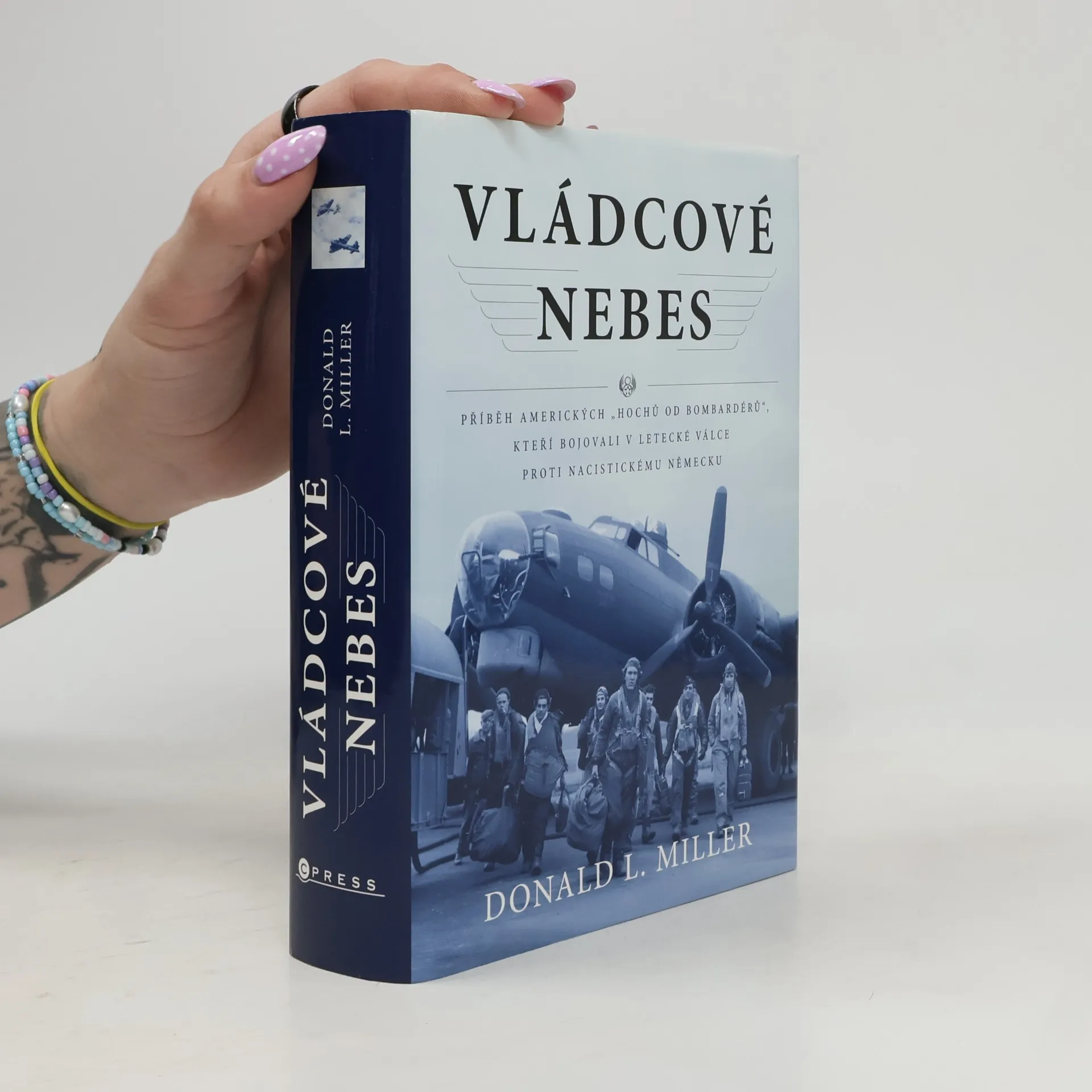
Vládcové nebes jsou osobním příběhem amerických hochů od bombardérů v době 2. světové války, kteří tento válečný konflikt přenesli až na samotný práh pomyslného Hitlerova domu. S vyprávěcí silou vlastní beletrii bere Donald Miller své čtenáře na nervy drásající jízdu pod palbou pročesávané oblohy nad Berlínem, Hannoverem a Drážďany, zatímco současně líčí také strašlivou cenu, kterou za bombardování zaplatili sami Němci. ISBN pro soubor: 978-80-264-0892-5
Donald L. Miller Knihy
Dr. Miller je profesorem historie na Lafayette College, kde se specializuje na americké dějiny, zejména na druhou světovou válku. Jeho práce se hluboce ponořuje do klíčových momentů a bitev tohoto globálního konfliktu a osvětluje statečnost a strategické boje těch, kteří se ho účastnili. Zkoumá také širší témata americké historie a poskytuje čtenářům poutavé historické vyprávění.

Oh No! Not Another Brat!
- 508 stránek
- 18 hodin čtení
The story follows 14-year-old Don and his younger brother as they escape their abusive home life in 1956, prompted by a heated argument with their father. After stealing money for their journey, the brothers embark on a bike trip from Illinois to Florida, unaware of the dangers that await them, including a predatory killer in Chicago. The narrative explores themes of familial neglect, the quest for freedom, and the harsh realities of their world as they seek a better life away from their troubled past.
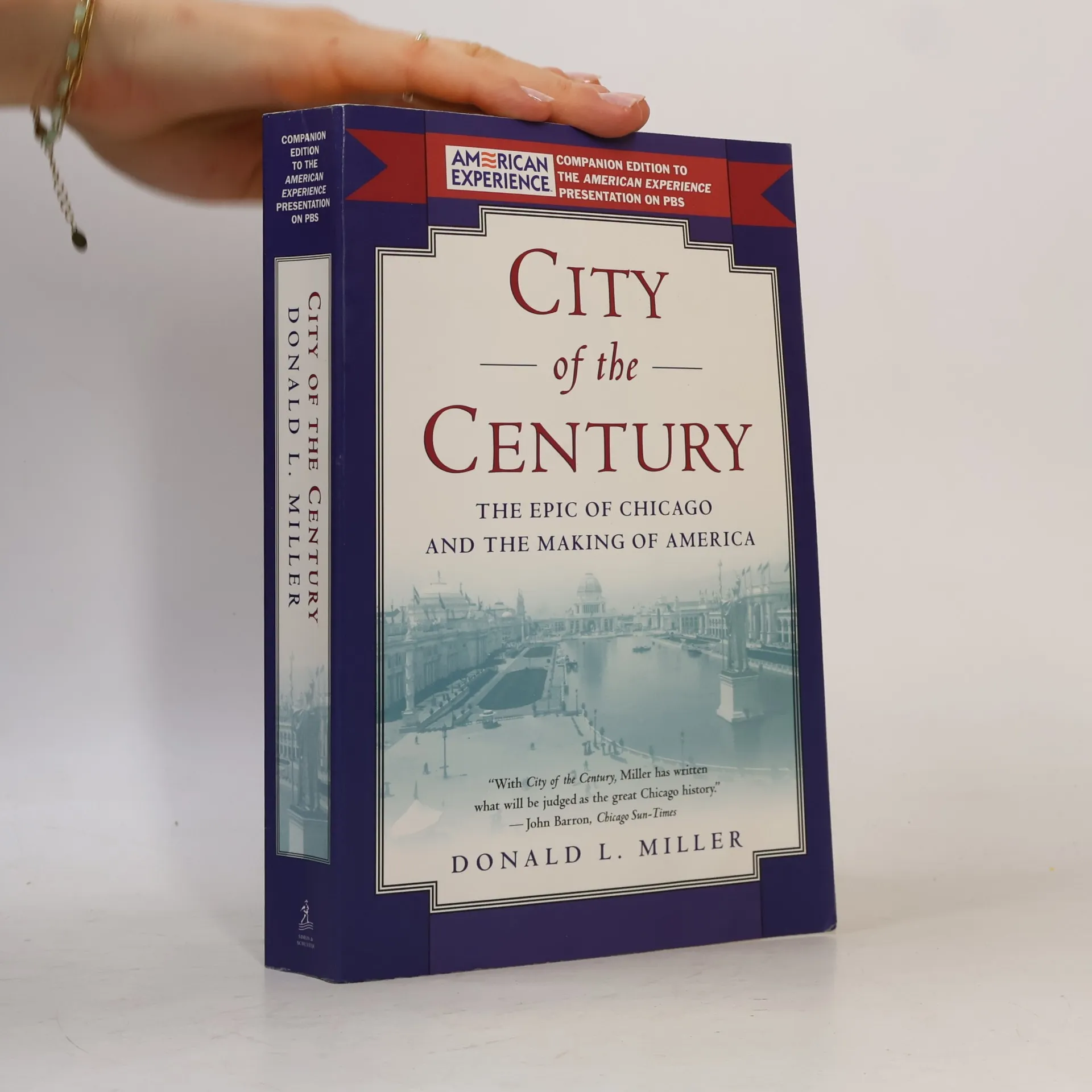
American Experience: City of the Century
The Epic of Chicago and the Making of America - Companion Edition to The American Experience Presentation on PBS
- 704 stránek
- 25 hodin čtení
The epic of Chicago is the story of the emergence of modern America. Here, witness Chicago's growth from a desolate fur-trading post in the 1830s to one of the world's most explosively alive cities by 1900.Donald Miller's powerful narrative embraces it all: Chicago's wild beginnings, its reckless growth, its natural calamities (especially the Great Fire of 1871), its raucous politics, its empire-building businessmen, its world-transforming architecture, its rich mix of cultures, its community of young writers and journalists, and its staggering engineering projects -- which included the reversal of the Chicago River and raising the entire city from prairie mud to save it from devastating cholera epidemics. The saga of Chicago's unresolved struggle between order and freedom, growth and control, capitalism and community, remains instructive for our time, as we seek ways to build and maintain cities that retain their humanity without losing their energy. City of the Century throbs with the pulse of the great city it brilliantly brings to life.
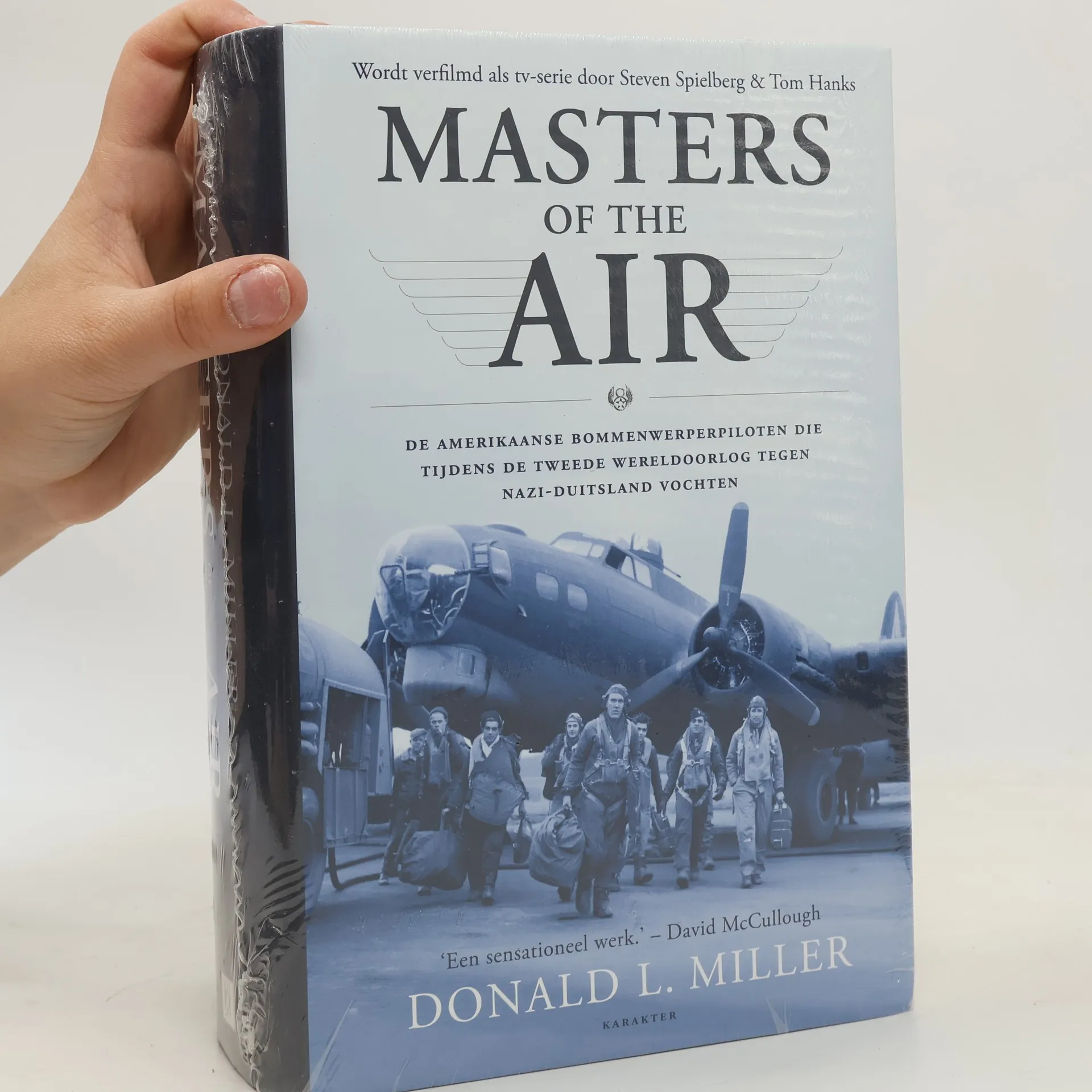
Masters of the Air
De Amerikaanse bommenwerperpiloten die tijdens de Tweede Wereldoorlog tegen Nazi-Duitsland vochten
- 774 stránek
- 28 hodin čtení
Masters of the Air is het zeer persoonlijke verhaal van de Amerikaanse bomber boys (onder wie bekende filmsterren als Clark Gable en Jimmy Stewart), die lang voordat de geallieerde grondtroepen Duits grondgebied bereikten Hitler in de Tweede Wereldoorlog het vuur aan de schenen legden. Met de verhalende kracht van fictie neemt historicus Donald L. Miller de lezer op een enerverende vlucht door het door de gevechten vuurrode luchtruim boven Berlijn, Hannover en Dresden. De Achtste Luchtmacht (The Mighty Eighth) begon halverwege 1942 met een beperkte bombardementscampagne. Vechtend op bijna acht kilometer hoogte in ijzige omstandigheden, werd de bemanning van de bommenwerpers geconfronteerd met aanslagen op hun geestelijke en fysieke gesteldheid. Daarbij werden enorme verliezen geleden, maar uiteindelijk werd het luchtoffensief toch een succes, waardoor de Duitse oorlogsinspanning steeds meer ontwricht raakte. De Amerikaanse escortejagers maakten korte metten met de Luftwaffe. De prijs die hiervoor betaald moest worden was hoog: de Achtste Luchtmacht verloor tijdens de oorlog meer mensen dan het Amerikaanse Korps Mariniers. En degenen die het overleefden, gingen gebukt onder een enorme psychische druk ten gevolge van het vliegen van operaties die veel weg hadden van zelfmoordmissies. Masters of the Air is gebaseerd op recente interviews, ooggetuigenverslagen, en onder andere Amerikaans, Brits en Duits archiefmateriaal.