
Knihobot

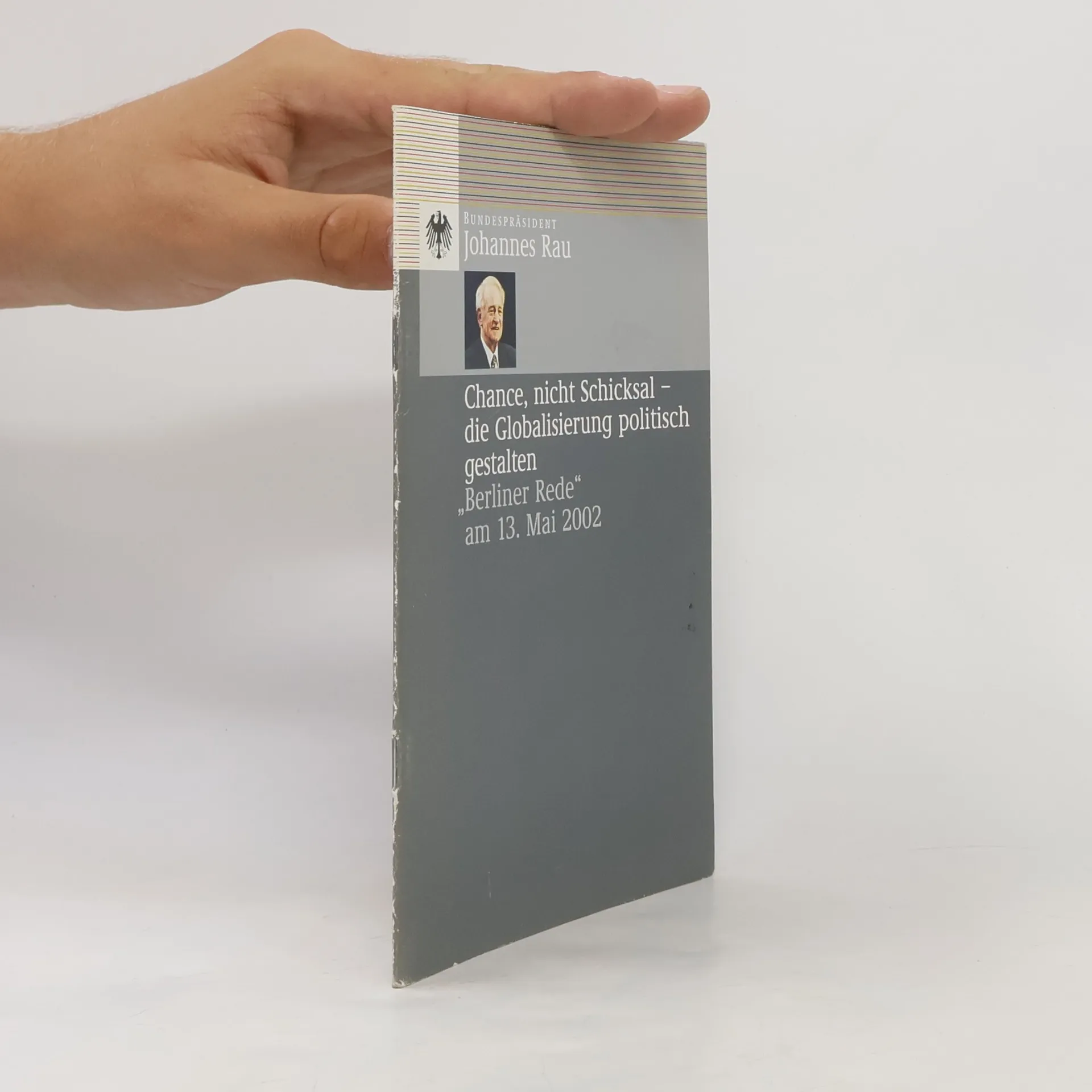
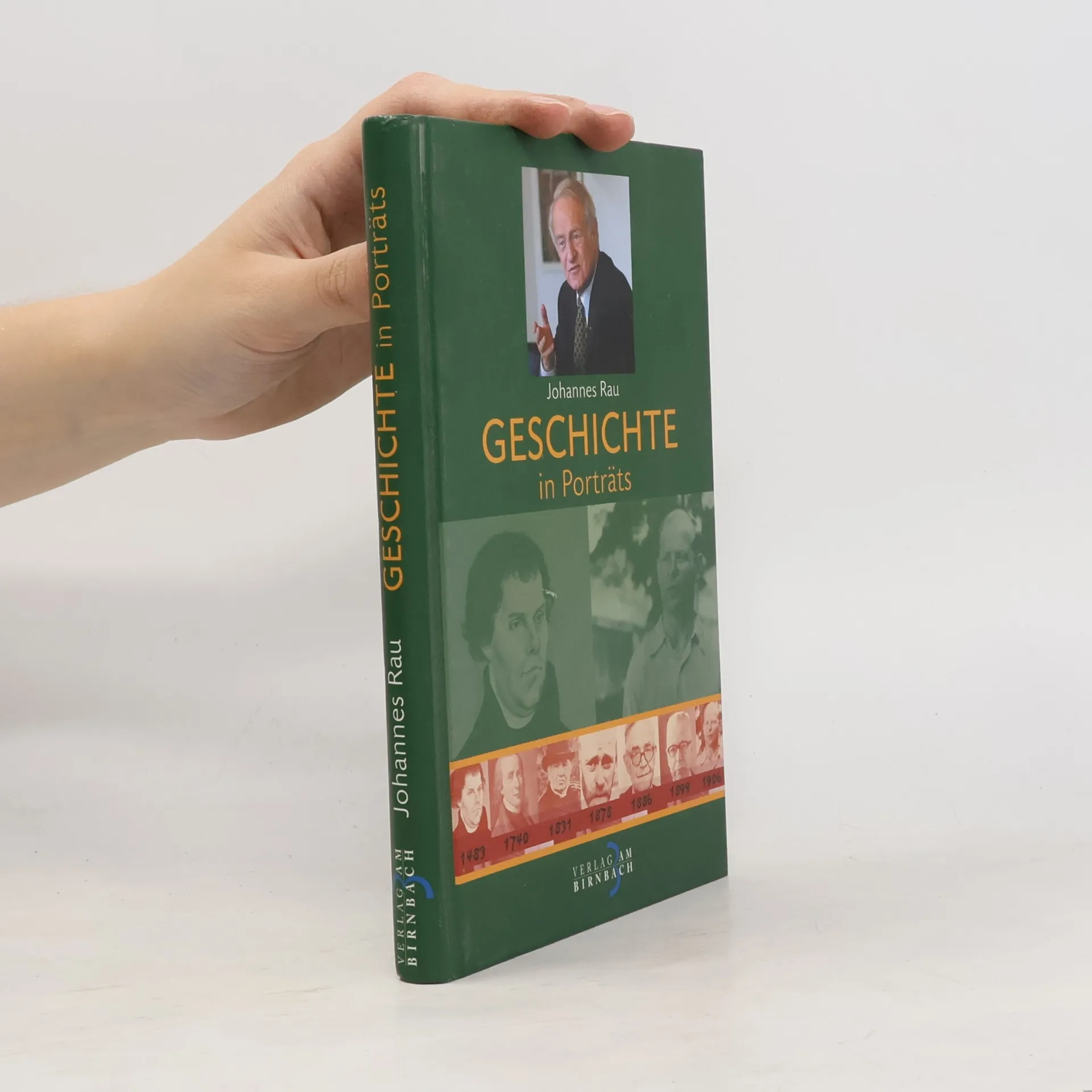
Johannes Rau

    Tento autor se zaměřuje na politické a společenské otázky, přičemž zkoumá dynamiku moci a její dopady na společnost. Jeho styl je charakteristický svou analytickou hloubkou a přesvědčivou argumentací. Autor často reflektuje historické události a jejich dlouhodobé důsledky. Díla jsou určena pro čtenáře hledající pronikavý pohled na fungování politiky.

    Geschichte in Porträts
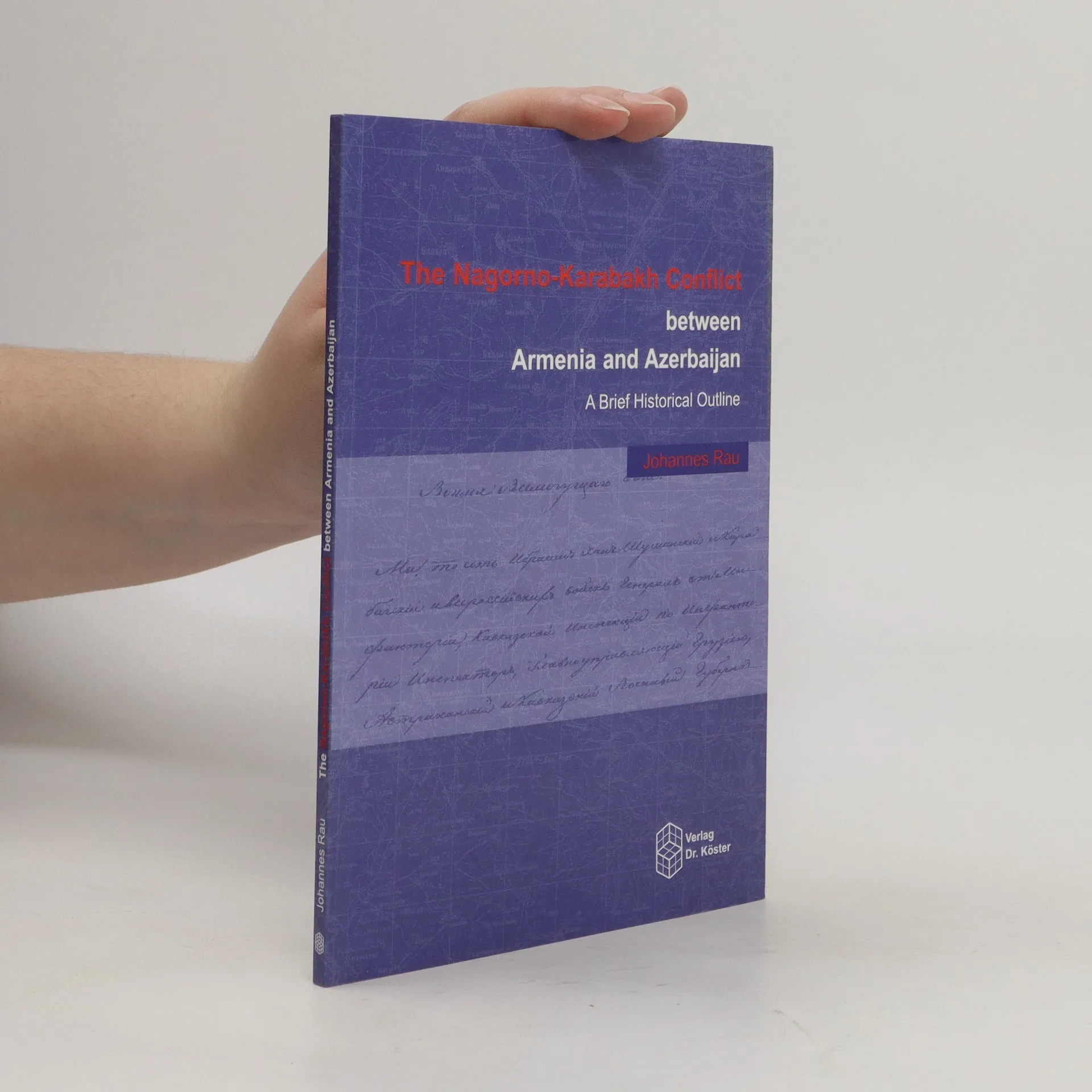
    Nordrhein Westfalen
    Friedrich Ebert
    Pfarrerskinder
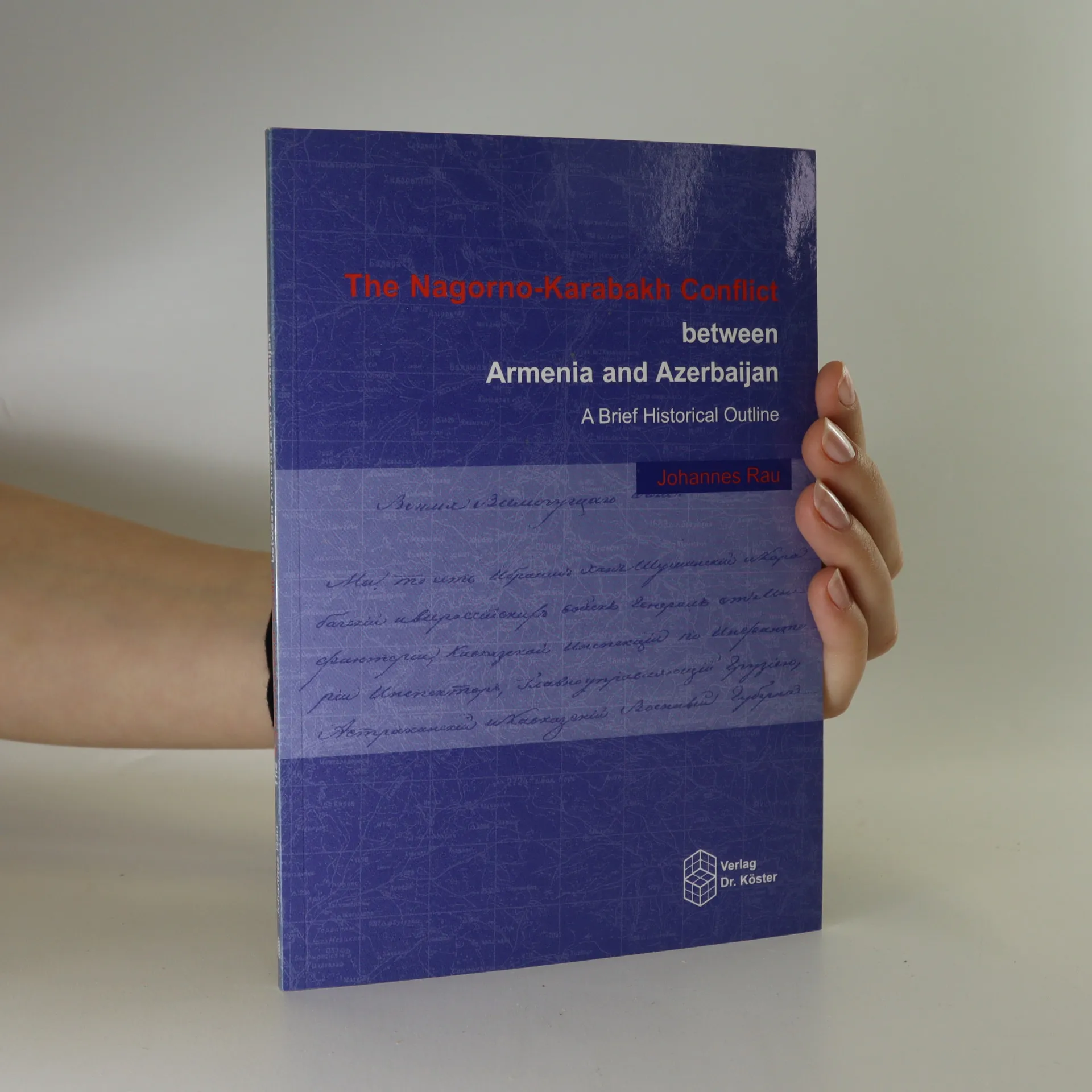
    The Nagorno-Karabakh Conflict
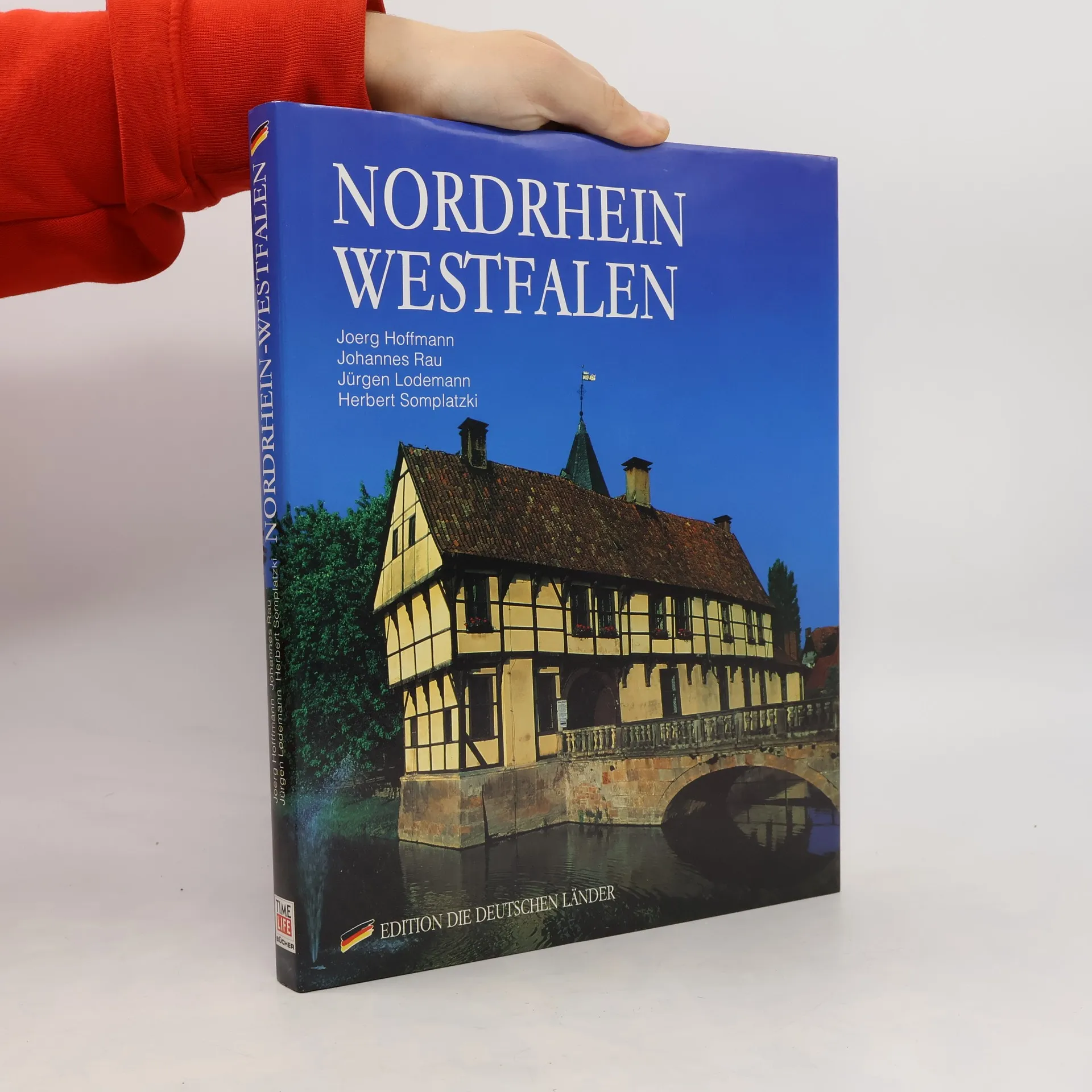
    The Nagorno-Karabakh conflict between Armenia and Azerbaijan
    • The conflict which broke out between Armenia and Azerbaijan over the Nagorno-Karabakh region at the end of the 1980s reached its high point with the destruction of the Azerbaijani town of Khojali. The massacre of the civilian population claimed hundreds of lives. Armenia occupied 20 % of the territory of Azerbaijan. This led to hundreds of thousands of people being expelled from their homeland. The war cost 30,000 lives. The conflict itself is deeply rooted in both countries’ histories. The general public is largely unaware of the historical context. This book closes the information gap. A large number of historical facts are presented to a broad readership for the first time.
      The Nagorno-Karabakh conflict between Armenia and Azerbaijan
    • The Caucasus region, situated on a natural isthmus between the Black Sea and the Caspian Sea, has long been a border zone and a melting pot for a diverse range of cultures and peoples. As the intersection between Europe and Asia, and also - tween Russia and the Ottoman and Persian Empires, it has featured in the strategic plans of numerous great powers over the centuries. Given its abundance of natural resources, the ready-made raw material transport routes to Europe and its enduring position on the edge of Russia, nothing has changed to the present day. The tremendous development opportunities of the Caucasian region are being tarnished by unresolved territorial conflicts that put a continual and regionally balanced growth, sustained democratisation and long-term stability at risk. These conflicts, which all erupted with the dissolution of the Soviet Union, include the separatist movements in Abkhazia, Chechnya, Nagorno-Karabakh and South - setia. The war over South Ossetia, which erupted between Russia and Georgia in August 2008, spelt out the explosive potential still inherent in these conflicts.

      The Nagorno-Karabakh Conflict
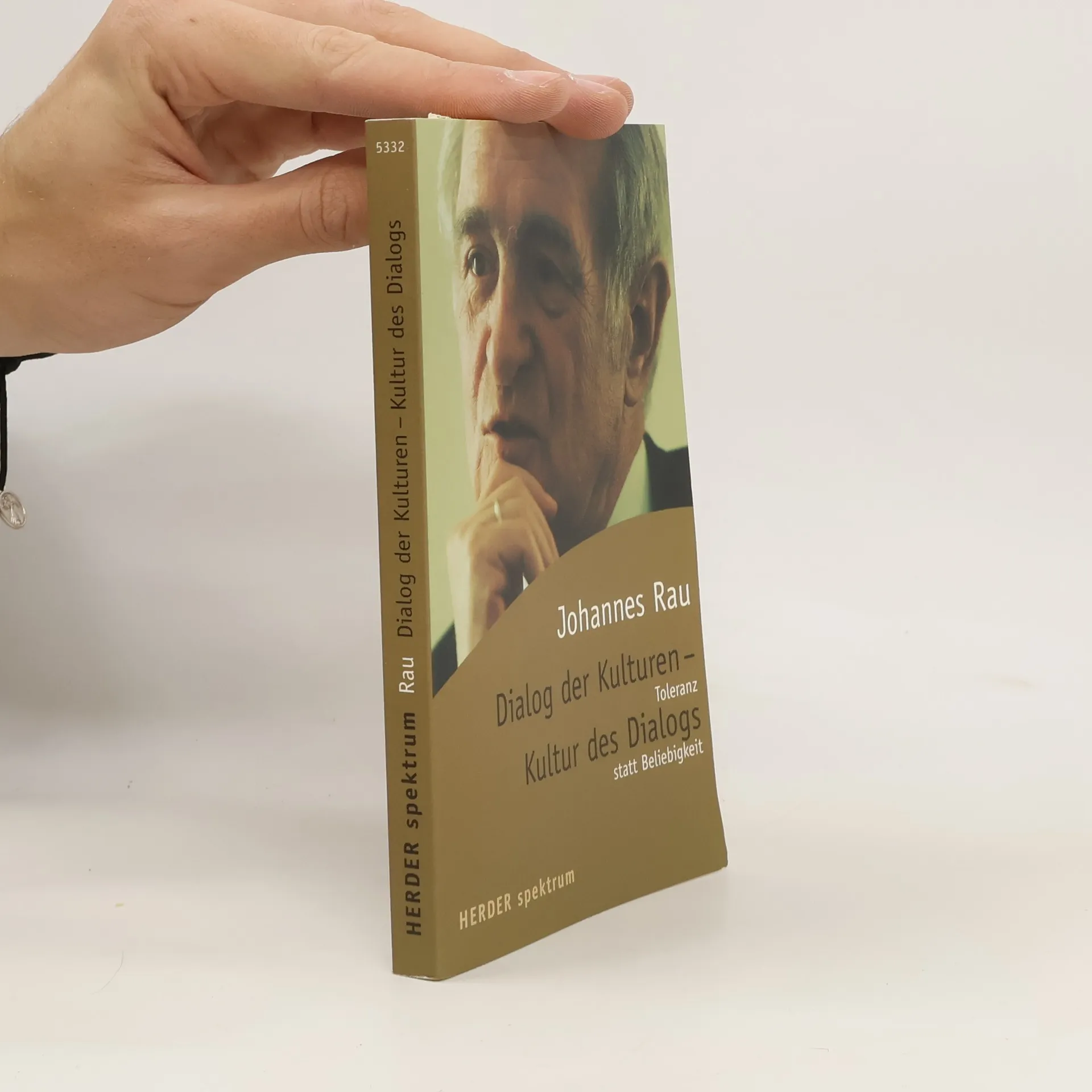
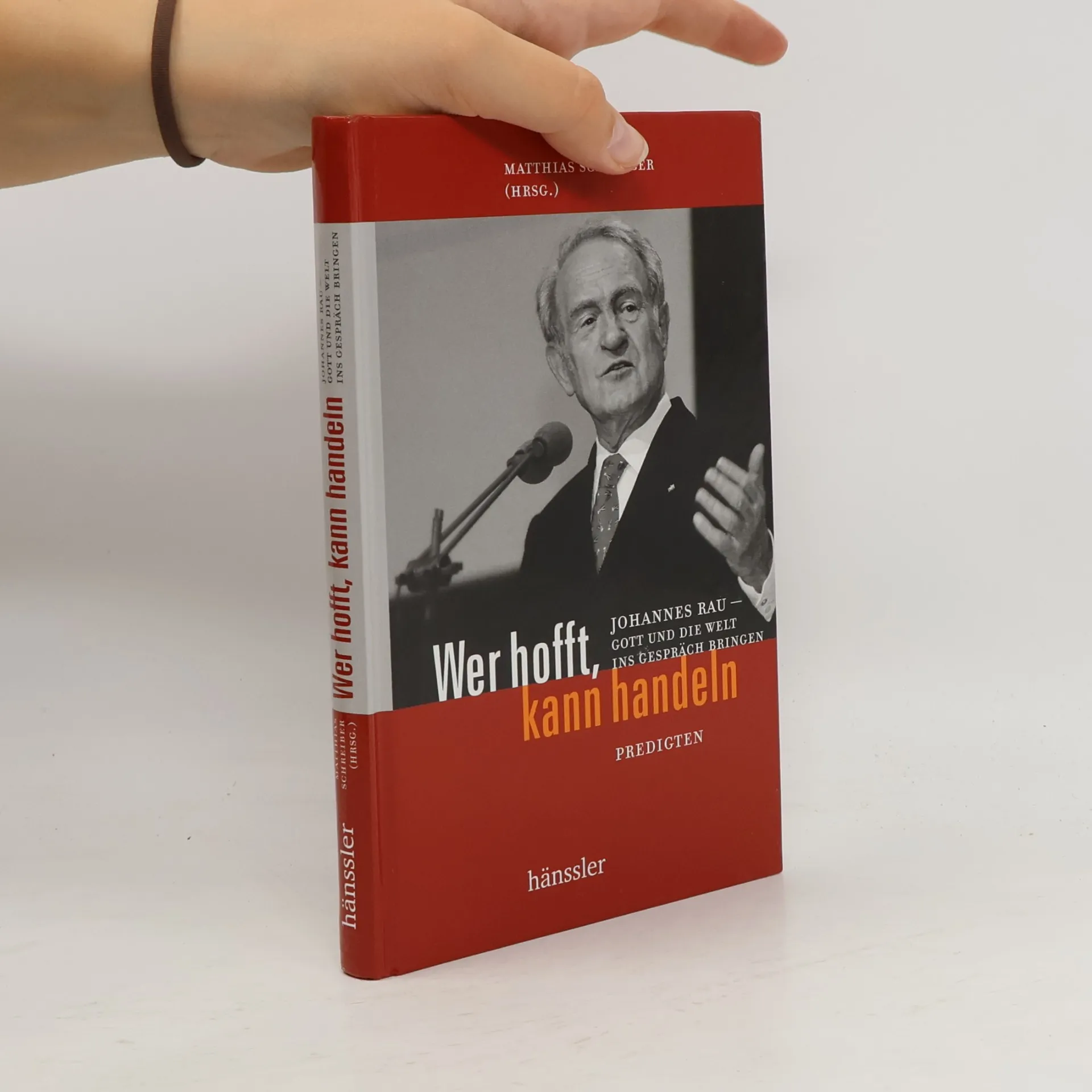
    • Pfarrerskinder

      Autobiographisches zu einem protestantischen Thema

      • 244 stránek
      • 9 hodin čtení
      Pfarrerskinder
    • Friedrich Ebert

      sein Platz in der deutschen Demokratiegeschichte ; [Festansprache ... am 11. Februar 1989 ... anläßlich der Eröffnung der Gedenkstätte]

      • 19 stránek
      • 1 hodina čtení
      Friedrich Ebert
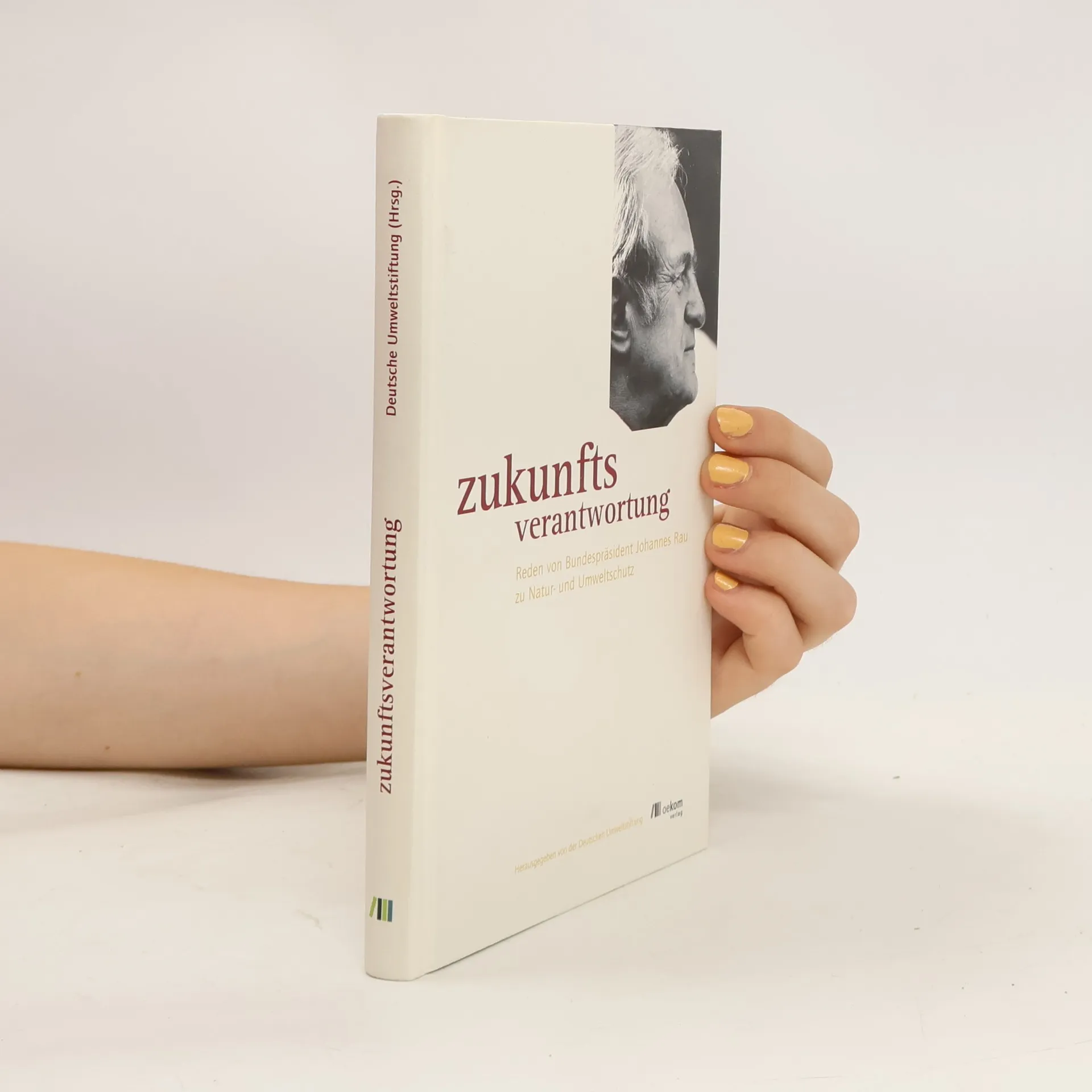
    • Johannes Rau(1931-2006) zeichnet eindrückliche Bilder verschiedener Persönlichkeiten, die ihr Leben in Verantwortung vor Gott und vor ihren Mitmenschen geführt haben. Die einzelnen Porträts zeigen, wie der Glaube ins politische Handeln, in die politische Mitarbeit und Beteiligung führt.

      Geschichte in Porträts
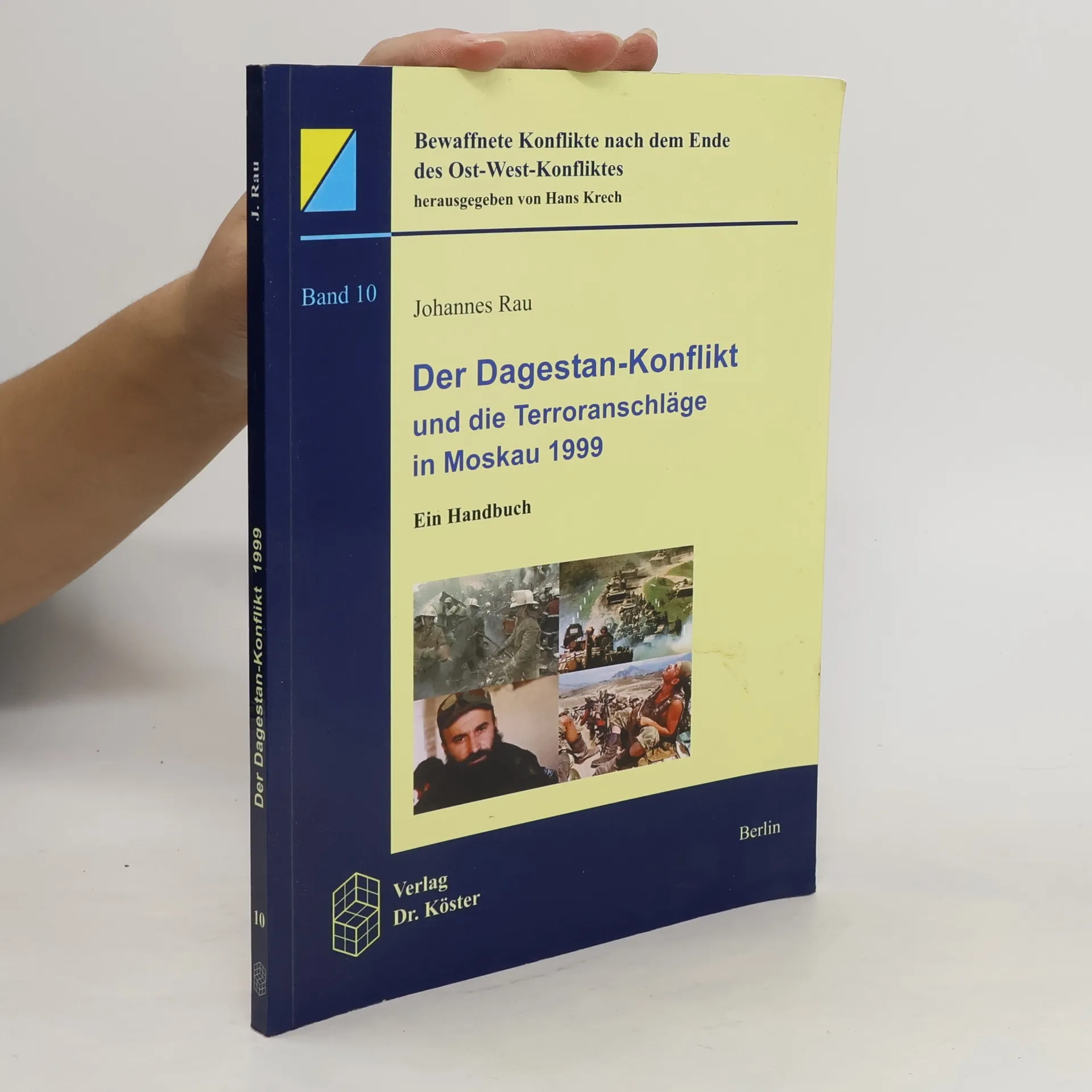
    • Anfang August 1999 marschierte eine tschetschenisch-dagestanische Miliz unter Schamil Bassajew in Dagestan ein und rief zur Rebellion gegen Russland auf. Hauptziel war die Unterbrechung der Erdölpipeline von Baku nach Noworossisk, was Moskau in der geopolitischen Auseinandersetzung mit den USA um die Kontrolle der Erdölfelder in Mittelasien eine strategische Niederlage drohte. Bassajew wurde zurückgeschlagen, doch im September 1999 erschütterten Sprengstoffanschläge in Moskau und anderen Städten die Föderation, bei denen 300 Menschen starben. Die russische Regierung machte die tschetschenischen Mudjahedin verantwortlich. Der neue Ministerpräsident Putin, ein ehemaliger KGB-Offizier, nutzte die Terrorwelle für seine Wahlkampagne. Russische Truppen marschierten in Tschetschenien ein, was den Zweiten Tschetschenien-Krieg einleitete, der bis heute andauert. Prof. Dr. Johannes Rau, ein Kaukasusexperte, untersucht die Hintergründe des Machtkampfes um Dagestan. Wusste die russische Regierung von Bassajews Überfall? War der Inlandsgeheimdienst FSB in die Terroranschläge verwickelt? Wer provozierte Bassajew kurz vor den Wahlen? Warum kämpfte die Mehrheit der Bevölkerung Dagestans nicht auf Seiten der Mudjahedin, sondern unterstützte die russischen Truppen?

      Der Dagestan-Konflikt und die Terroranschläge in Moskau 1999