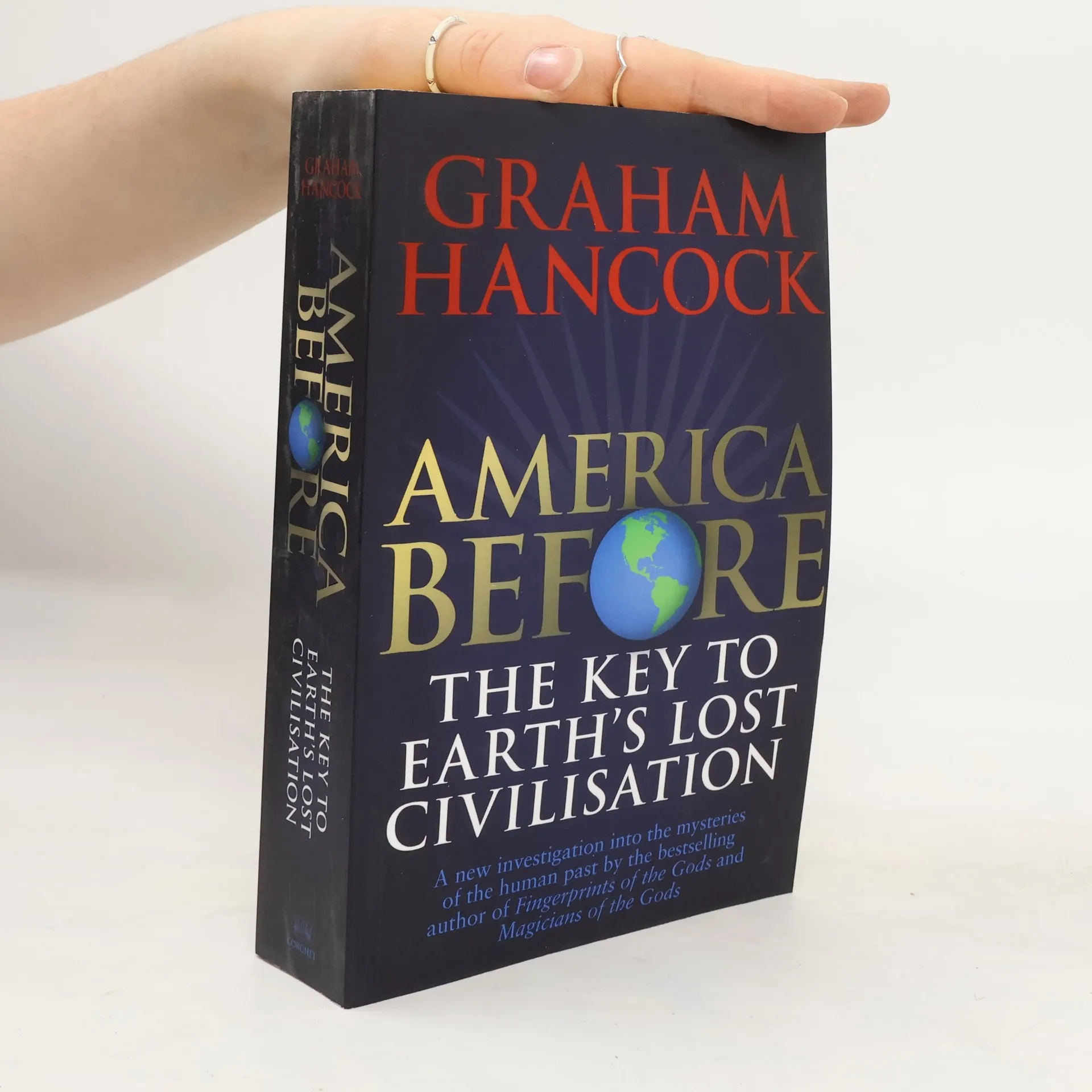
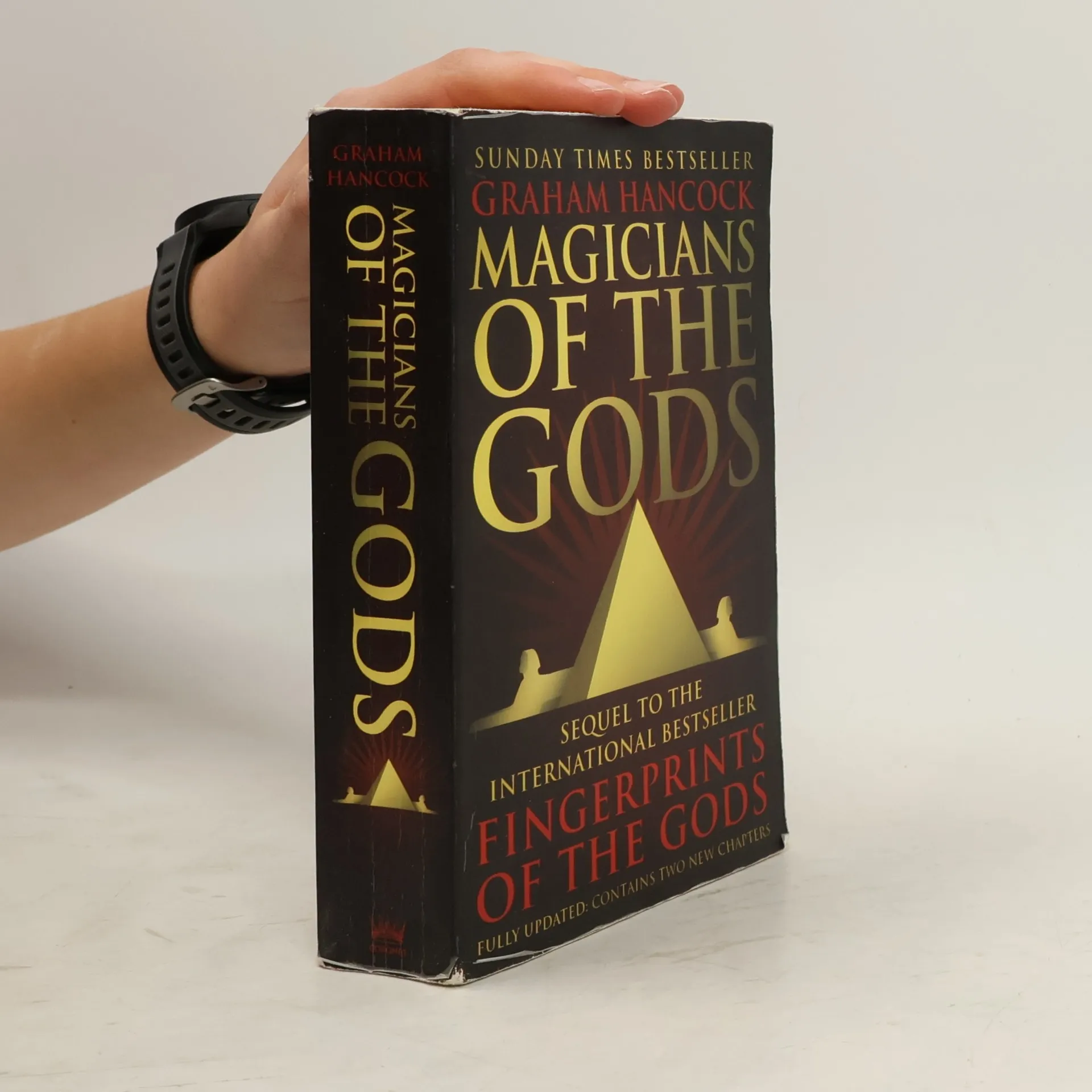
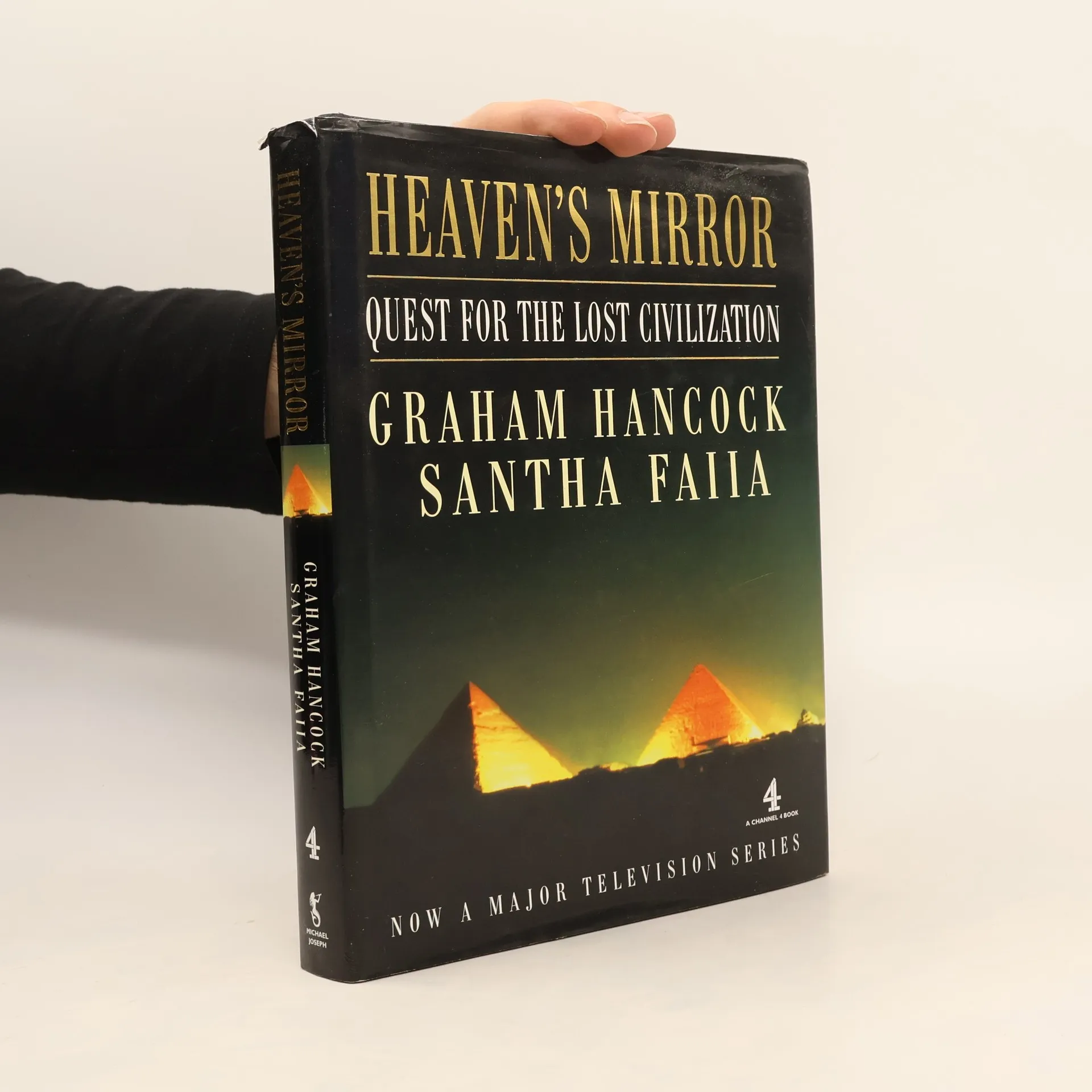
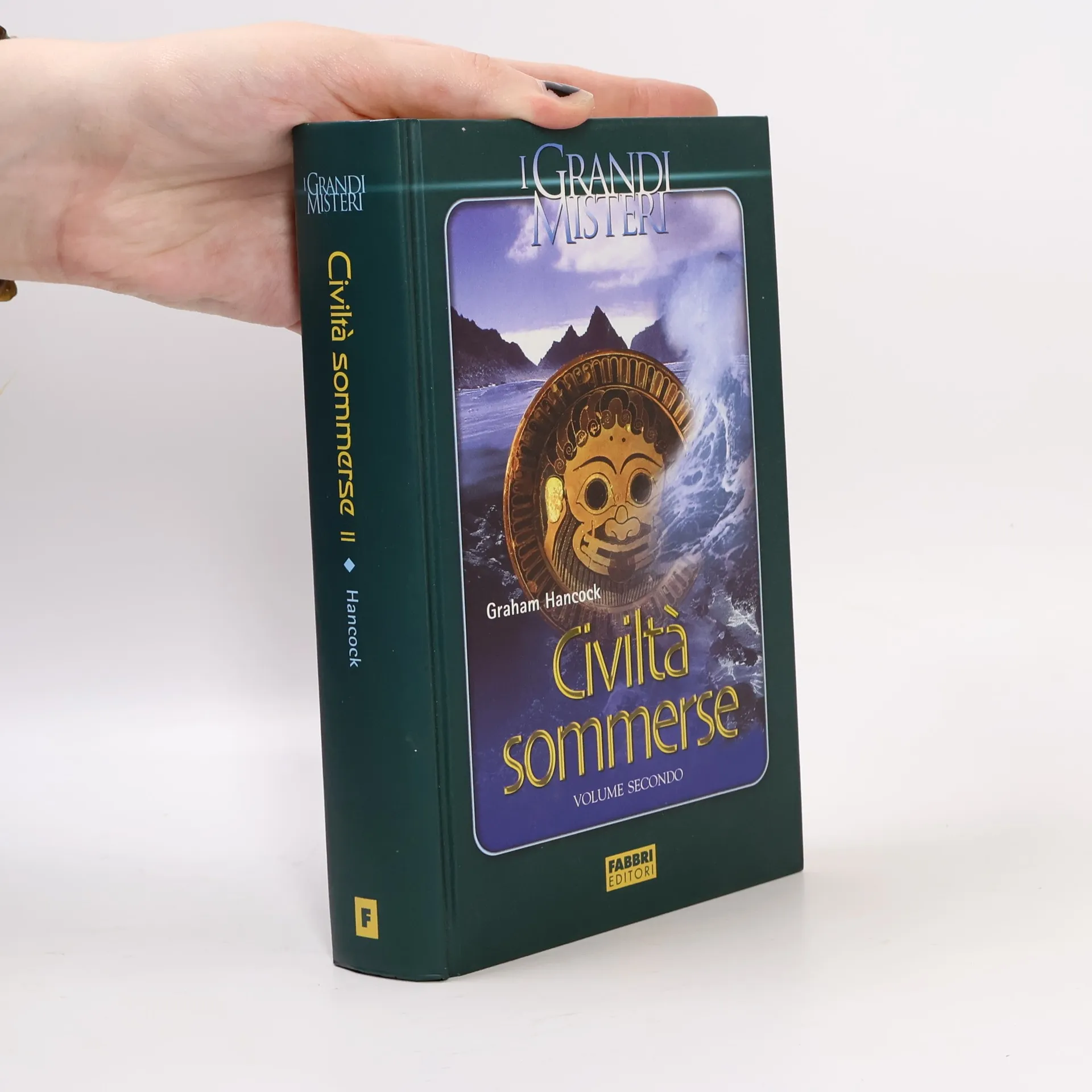
Graham Hancock je britský autor a novinář, který se ve své práci zabývá především neortodoxními teoriemi o historii lidstva a archeologii. Jeho díla zkoumají možnosti ztracených vyspělých civilizací a interpretují starověké mýty a monumenty jako důkazy zapomenutých znalostí. Hancockův styl je často provokativní, jelikož zpochybňuje konvenční historické narativy a vyzývá čtenáře k přehodnocení našeho chápání minulosti. Jeho psaní je určeno pro ty, kteří se zajímají o záhady historie a hledají alternativní pohledy na původ lidské civilizace.
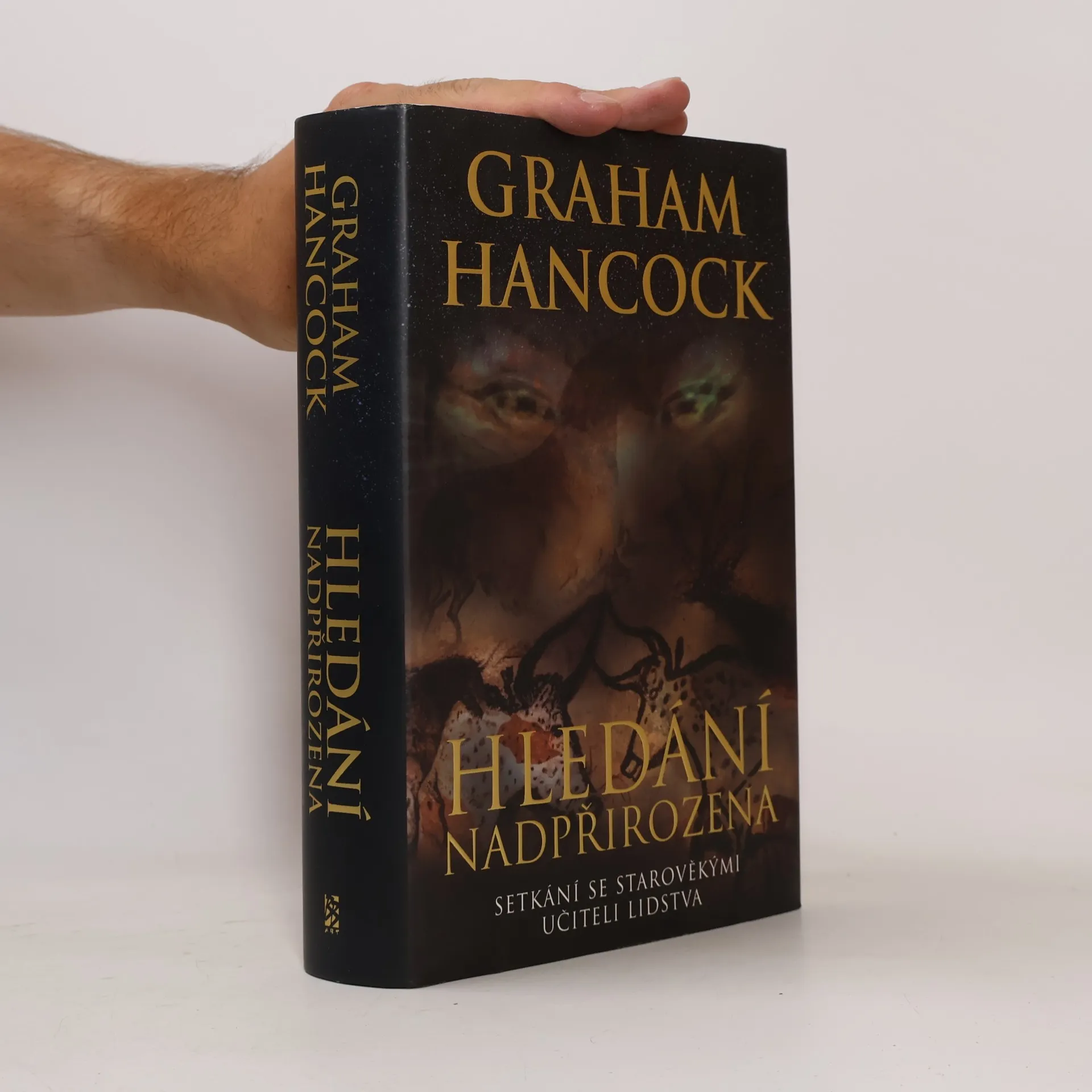
V knize Hledání nadpřirozena se Graham Hancock snaží dopátrat toho, co přivedlo naše předky k vytváření úžasných jeskynních a skalních maleb, co je ukryto v našem genetickém kódu a co mají společného tak složité fenomény jako UFO a kouzelné bytosti.
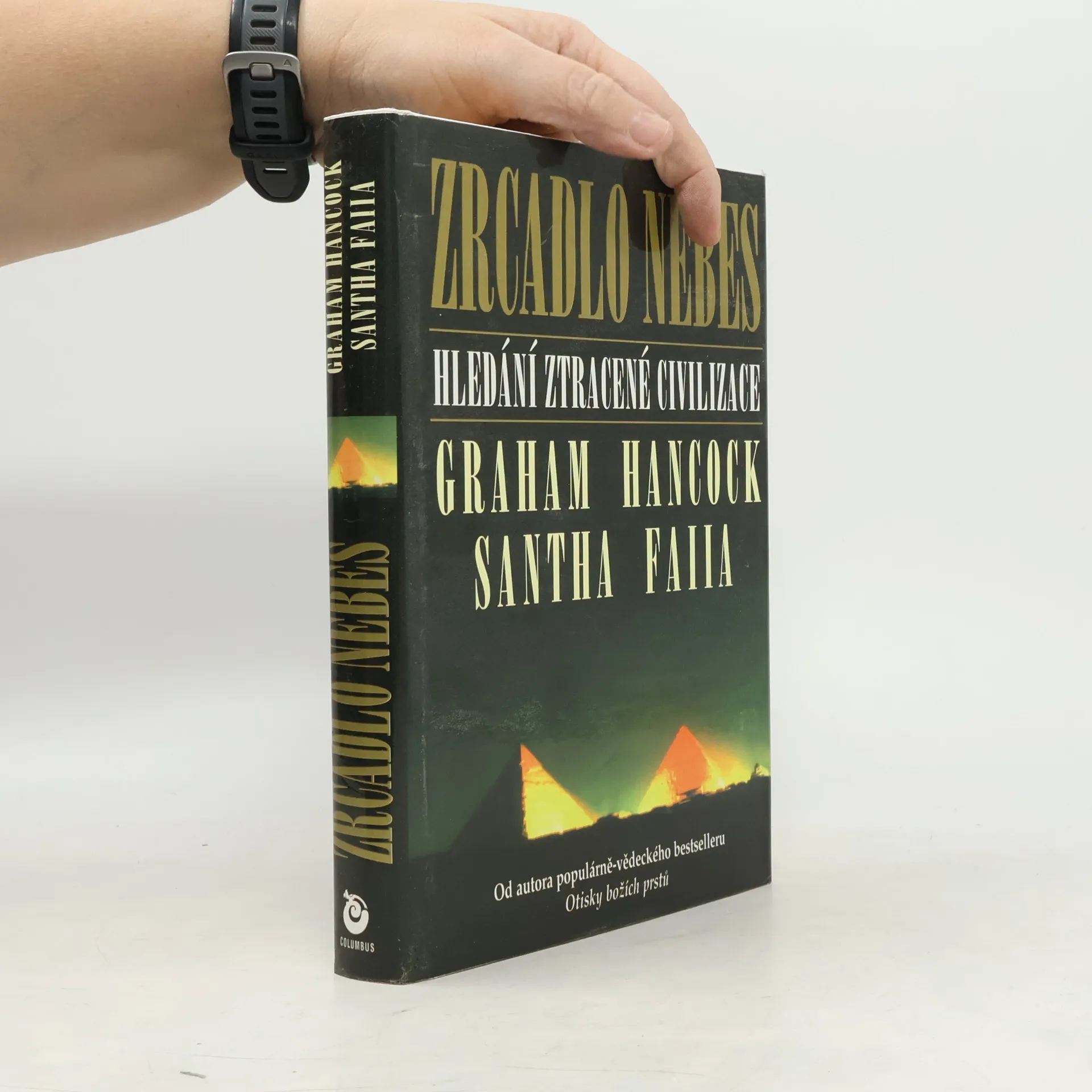
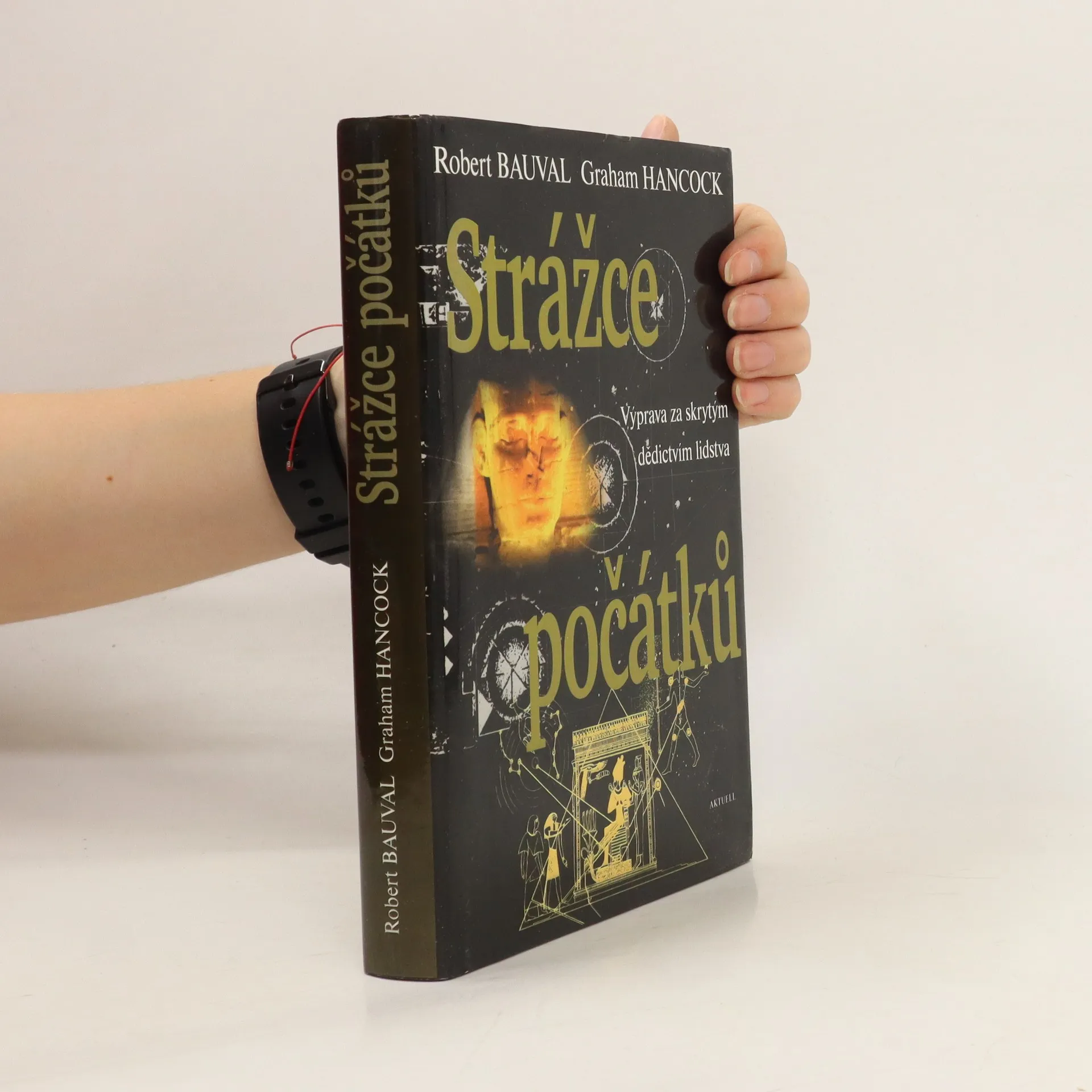
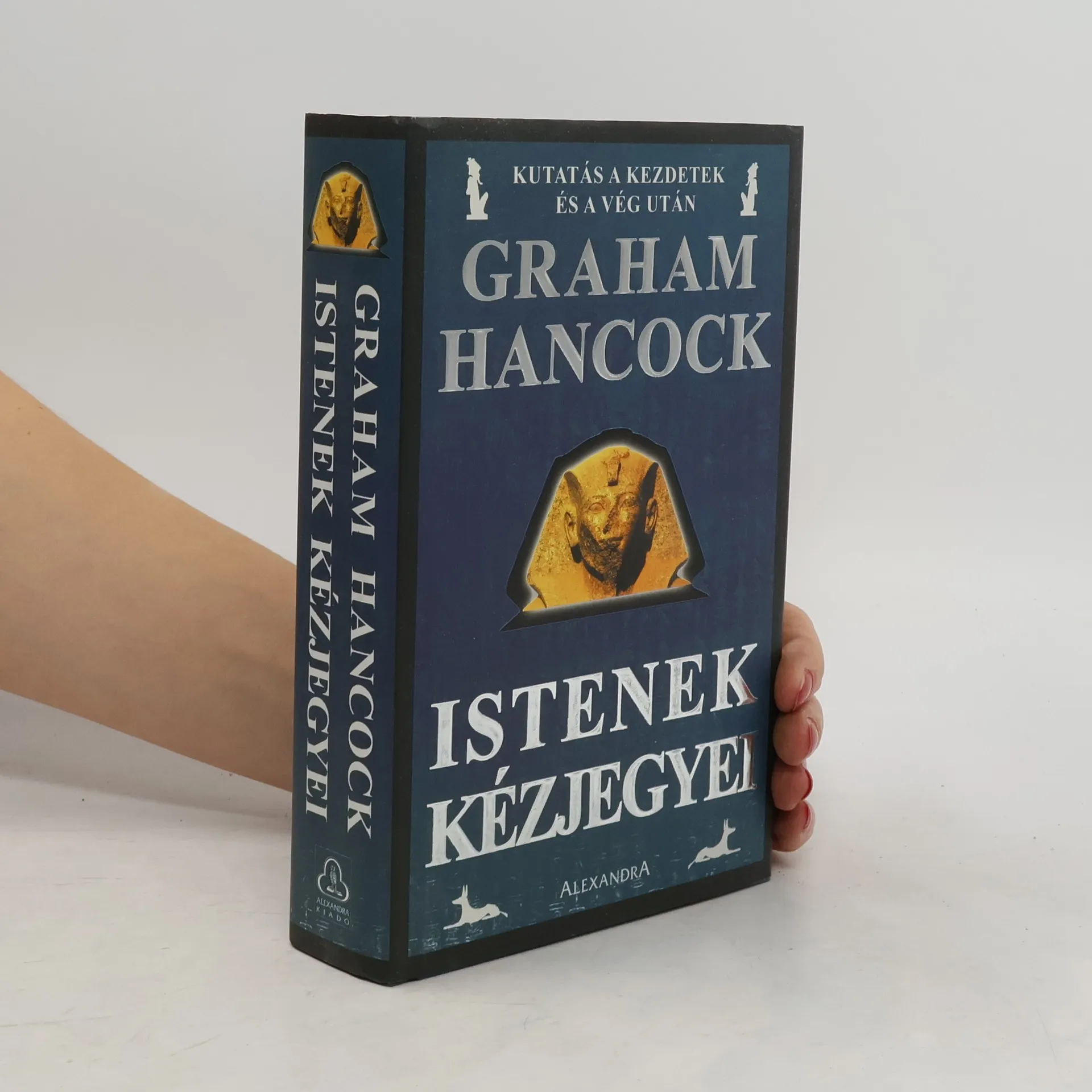
Autoři knihy se snaží obhájit svou teorii, podle níž egyptská Sfinga nevznikla v epoše kolem r.2500 př.n.l.,jak se obvykle uvádí, ale daleko dříve,kolem r. 10500 před n.l. Jako důkaz uvádějí erozi sochy, která nese známky vodního působení. A právě před více než 12000 lety postihly Egypt velké záplavy a změny klimatu. Podobně autoři uvažují i o celém komplexu v Gíze, jehož oficiálně uznávané stáří i celý běžně uváděný smysl zpochybňují.Podobně jako známý E. von Däniken přisuzují pyramidám hluboký, dosud nedoceněný astronomický význam. Dokonce vidí pyramidy jako produkt neznámé, mimořádně vyspělé předpotopní civilizace.
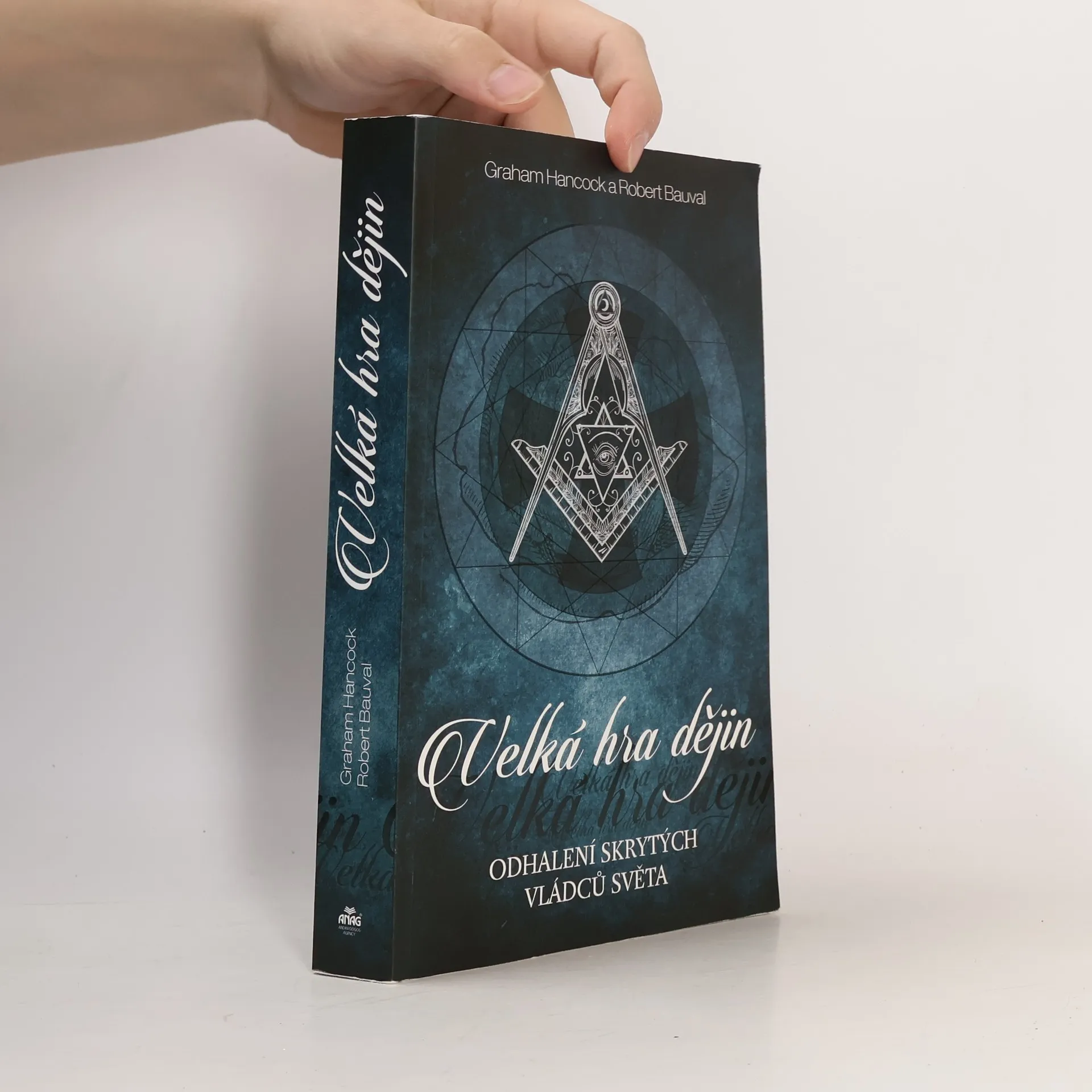
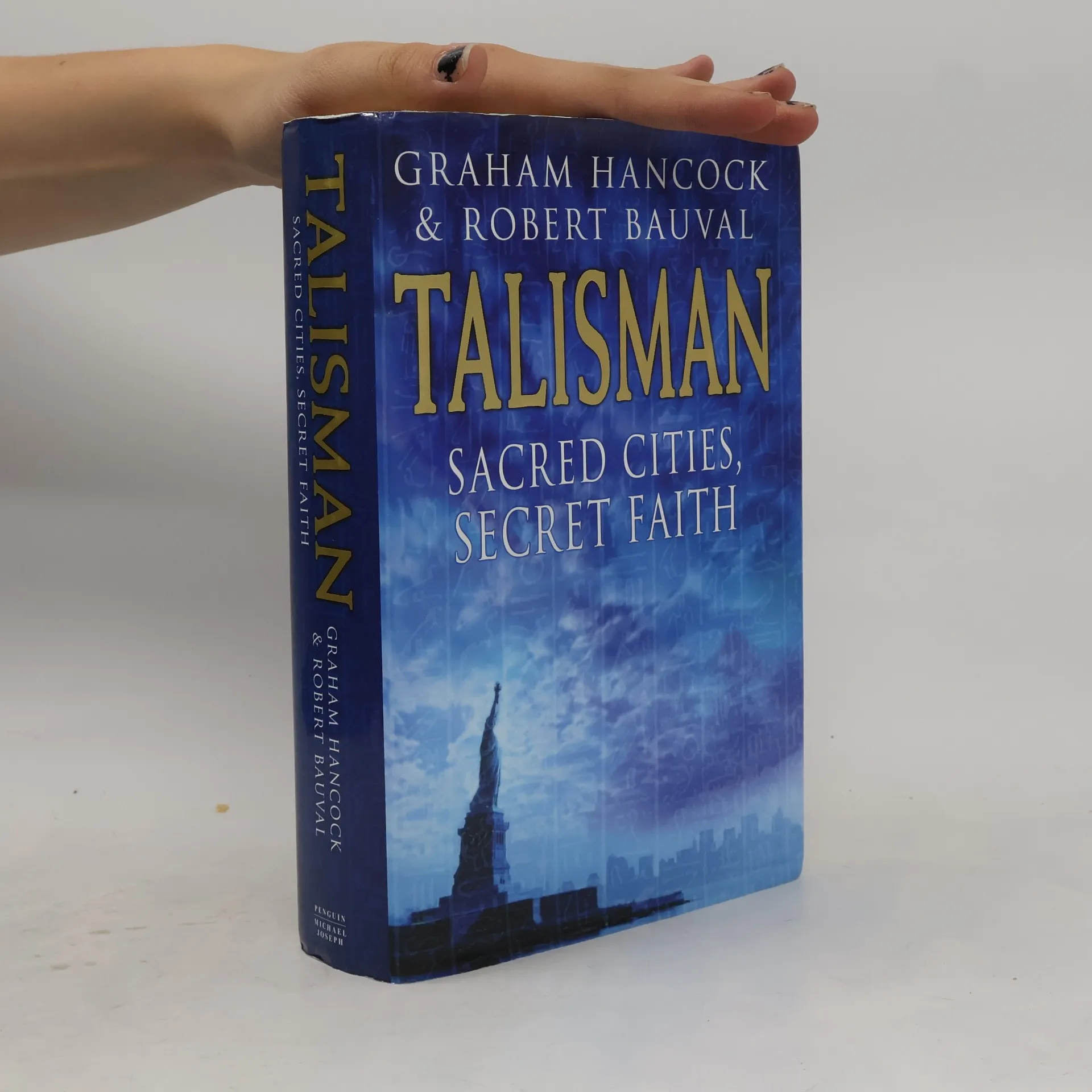
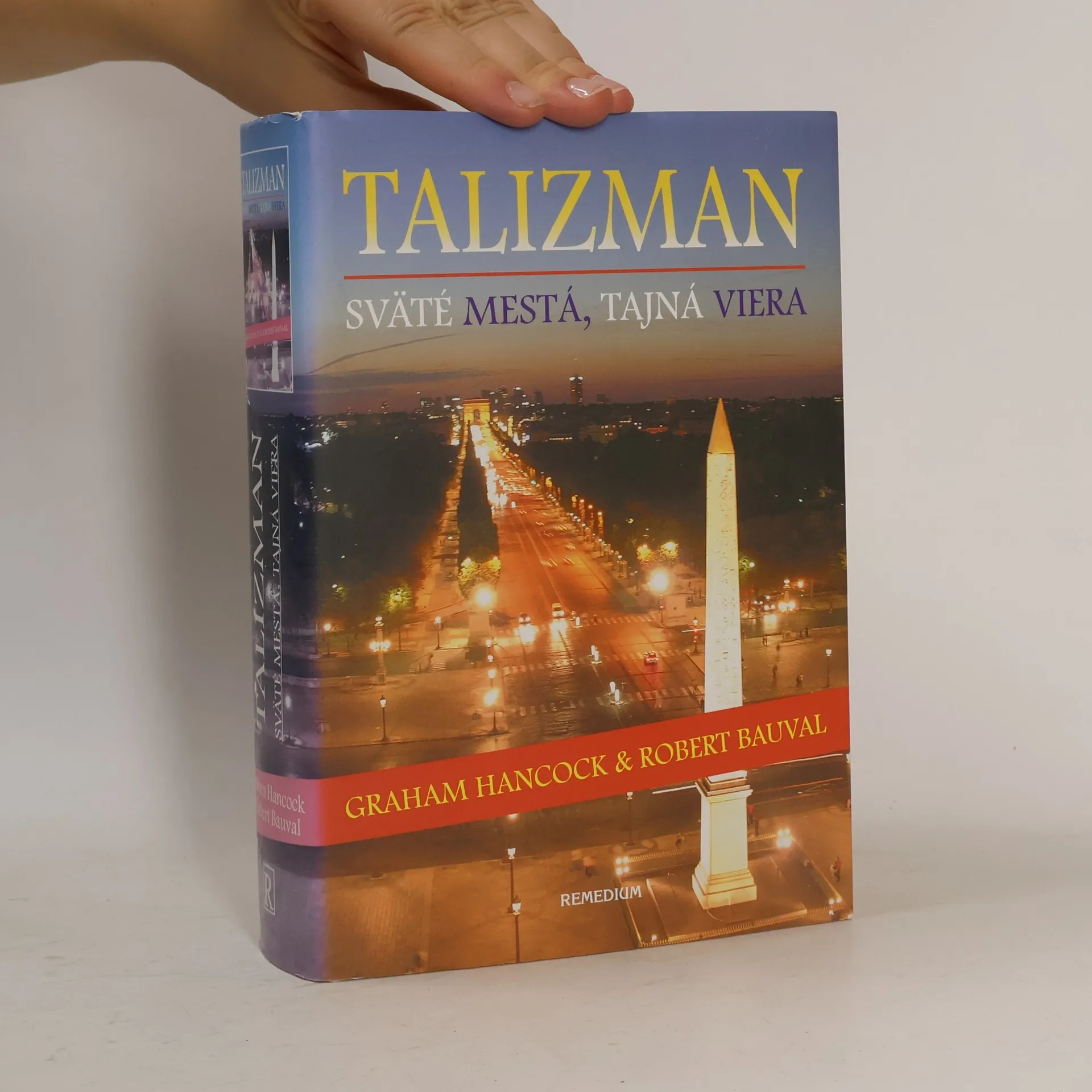
Mistrovská hra je intelektuální cestou, která prostřednictvím skrytých uliček prochází historií, přičemž odkrývá stopy v architektuře a památkách tajných náboženství, která dala světu tvář. Stěžejní historické události a procesy jako zrození renesance, vědeckého racionalismu a Francouzská a Americká revoluce jsou zde radikálně přehodnoceny ve světle nových důkazů. Dokonce i víra v to, že Spojené státy mají "globální misi", může být přehodnocena... Kniha se podrobněji zabývá zednářským ideálem, sleduje počátky hry symbolů, slov a talismanů od starověkého Egypta až po moderní dobu, a to přímo na místech elitářských zednářských ritů ve Washingtonu. Kniha odhaluje pravý důvod uspořádání světa a co je ještě důležitější, ukazuje, jak to vše ovlivnilo svět.
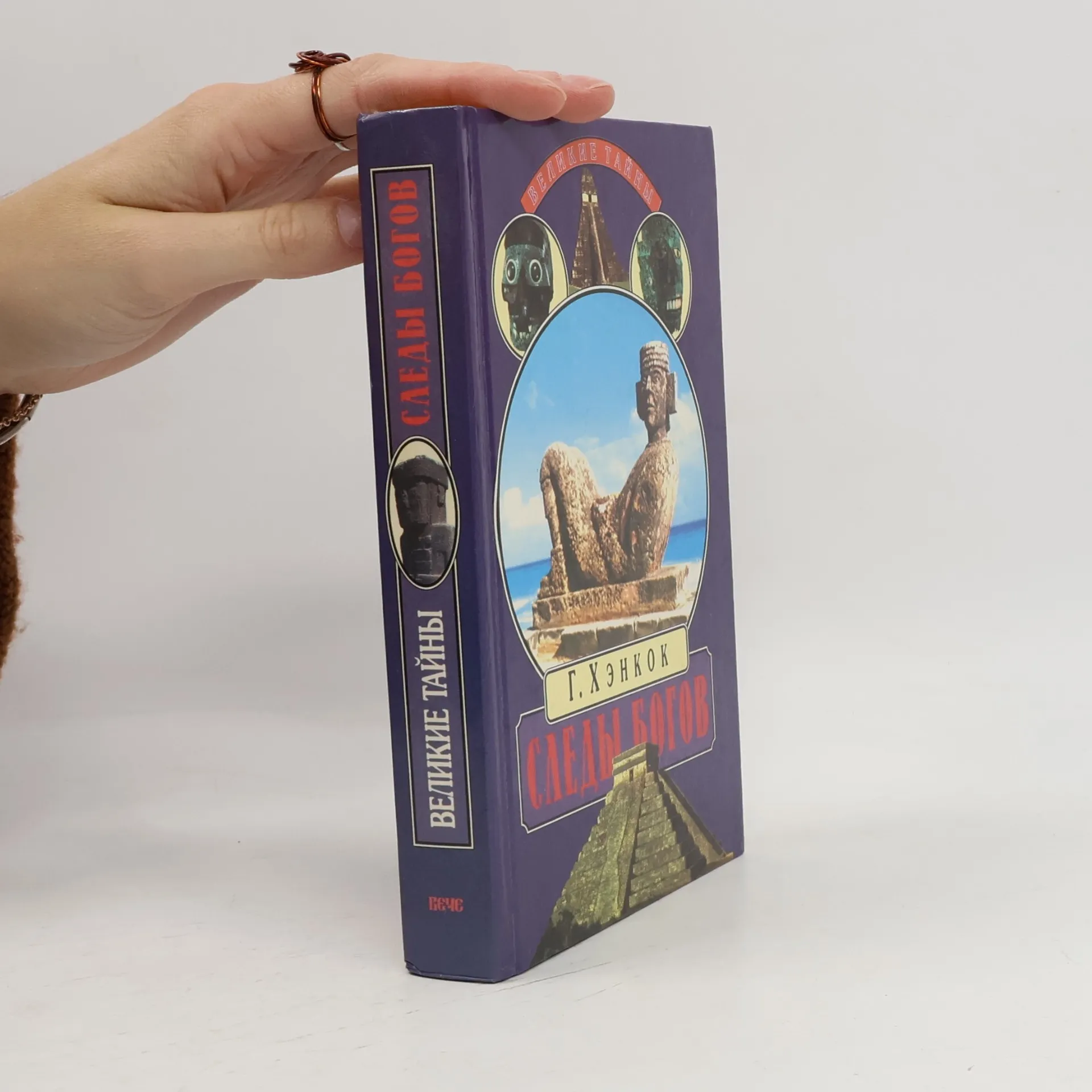
Pomocí nejmodernějších počítačových simulací se autorovi téhle knihy povedlo doložit, že pyramidy společně se Sfingou, přesně kopírují souhvězdí Orion. Inspirován touhle neobvyklou skutečností se pokusil vypočítat, kde asi by prehistoričtí astronomové postavili další model souhvězdí, další Zrcadlo nebes. Zapíchl tedy kružítko do mapy. Ocitl se uprostřed legendárního kambodžského chrámu Angkor Vat. Rozmístění chrámů přesně kopírovalo tentokrát souhvězdí Draka! To ho povzbudilo k dalším výpočtům a k dalším cestám. Do Tichomoří, do Peru, Bolívie, do tajemného města Tiahuanaco, k záhadným obrazcům na planině Nazca, na Velikonoční ostrov... Graham Hancock je přesvědčený, že to všechno je dílem jediné pradávné, nesmírně rozvinuté civilizace, která tak zanechala svůj odkaz těm, kdo přijdou po ní. S mrazivou naléhavostí nám dávní stavitelé znovu a znovu sdělují, že existuje jakási nesmírně důležitá souvislost mezi astronomií a nesmrtelností člověka. Jaká? To se nám zatím odhalit nepodařilo. Ale prý máme ještě chvíli čas...
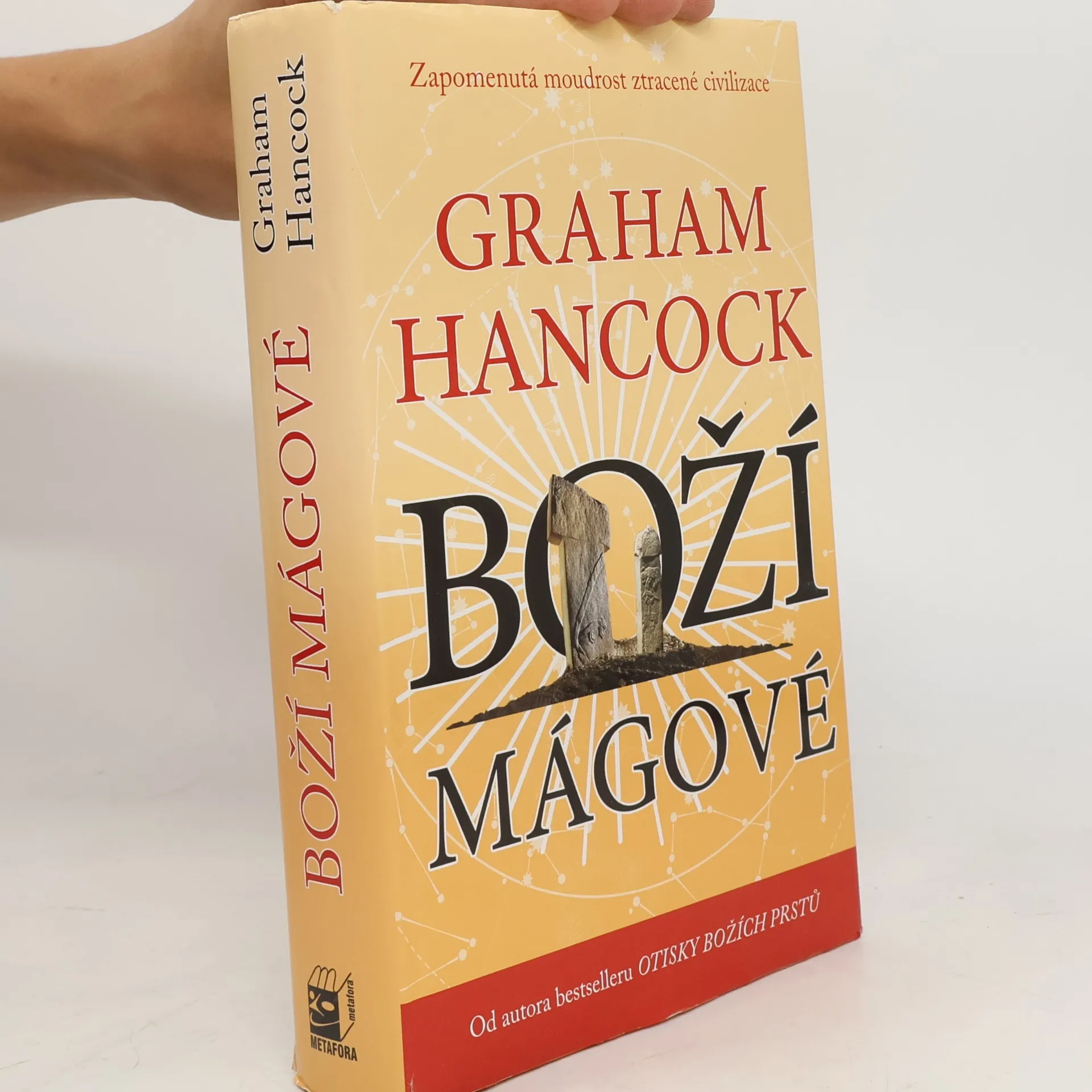
Nové archeologické důkazy pro existenci prehistorických civilizací, od autora bestselleru Otisky božích prstů Bestseller Grahama Hancocka Otisky božích prstů, rozsáhlé pátrání po tajemství naší minulosti a po důkazech ztracené prehistorické civilizace, vyvolal obrovské pozdvižení svou kontroverzní hypotézou. Mohla tu už dávno předtím, než vůbec začalo to, čemu říkáme „historie“, vzkvétat pokročilá civilizace, která pak zmizela v propasti zapomnění? Civilizace schopná složitých astronomických měření a nevídaných architektonických výkonů? A pokud ano, ztratila se úplně beze stopy? Nyní, o dvacet let později, přichází Hancock s pokračováním svého převratného díla naplněným zcela novými, nedávno objevenými vědeckými důkazy a archeologickými nálezy.
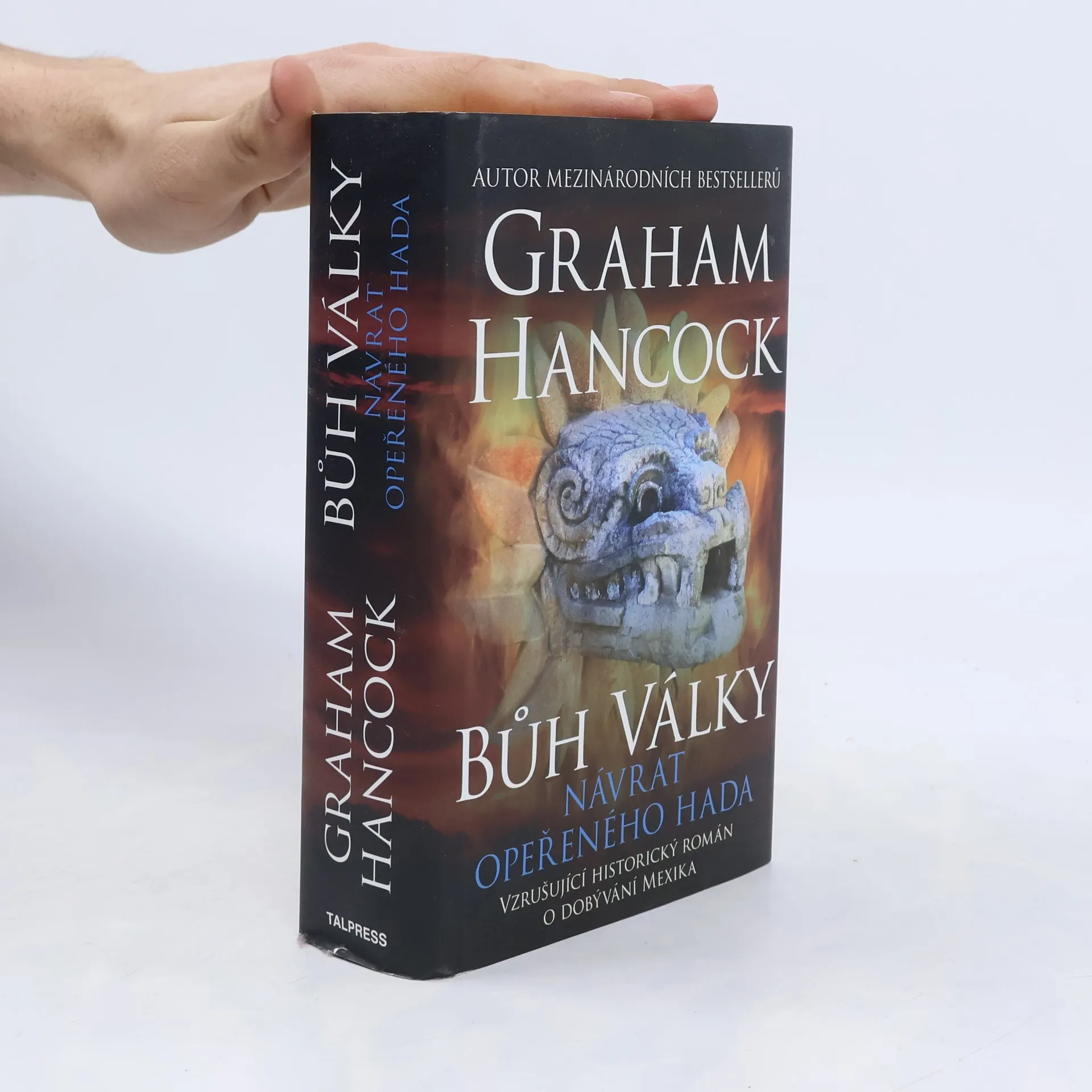
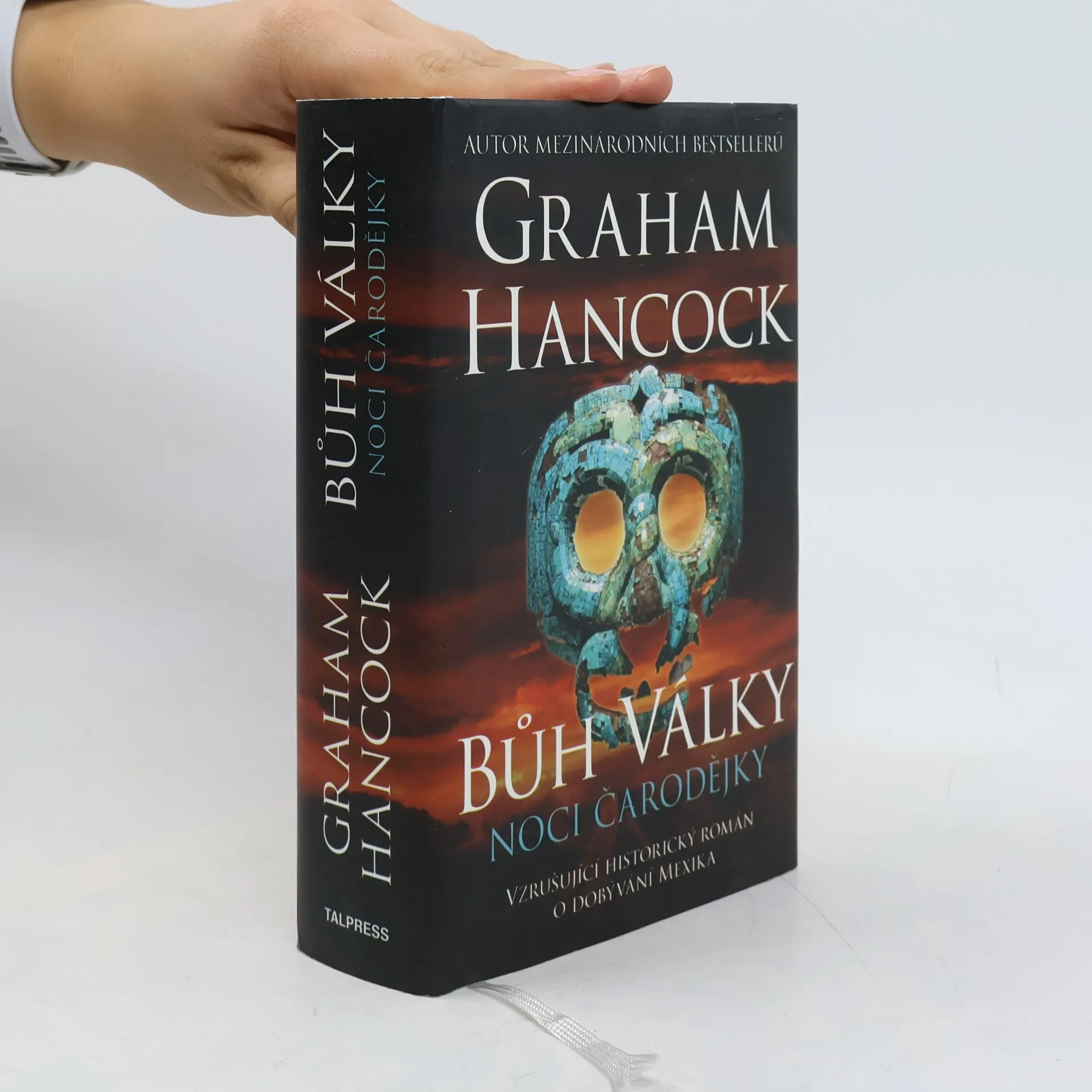
Conquistador Hernán Cortés je pevně odhodlán ovládnout Mexiko a získat zlato Aztéků. Zničil už Maye u Potonchanu a nyní táhne na Tenochtitlán, aztécké zlaté hlavní město. Obklopuje ho aura boha, který se podle proroctví měl vrátit a pomstít se. Jeho malá výprava pouhých pěti set Španělů bude čelit dvousettisícové armádě pološíleného vládce Montezumy. Cortés se pouští do psychologické hry nervů, aby ještě před tím, než se střetnou armády, podlomil Montezumovo sebevědomí - a v tomto boji není sám. Pomáhají mu mayská princezna Malinal, jež ho zasvětí do proroctví o návratu Opeřeného hada, a její přítelkyně, mladá čarodějka Tozi, která se snaží vyvolat rozkol mezi Mexiky. Souboj nervů, strategií, brutální vojenské síly i citů nabírá na obrátkách a spěje k vyvrcholení... Prostřední díl trilogie opět kombinuje velkolepý historický příběh největšího střetu civilizací v dějinách s prvky fantasy a milostné romance.
Před méně než 50 000 lety lidstvo postrádalo umění, náboženství a složitou symboliku. Poté došlo k pozoruhodné transformaci, kterou vědci popisují jako jedno z největších tajemství historie, což vedlo k rozvoji dovedností a kvalit, které dnes vysoce hodnotíme. Autor zkoumá tento klíčový okamžik a vlivy, které formovaly moderní lidskou mysl. Jeho cesta se táhne od dechberoucích malovaných jeskyní pravěké Francie, Španělska a Itálie po odlehlé skalní úkryty v Jižní Africe, kde odhaluje mimořádnou sbírku umění doby kamenné. Během svého putování objevuje stopy, které ho vedou hluboko do amazonského pralesa, kde zažívá mocný halucinogen Ayahuasca s domorodými šamany. Jejich umění zobrazuje nadpřirozené bytosti připomínající hybridy zvířat a lidí, které se nacházejí v pravěkých jeskyních. Další halucinogeny, jako je meskalin, také vyvolávají vize těchto stejných entit. Výzkumníci v oblasti studia vědomí začínají uvažovat o tom, že takové halucinace by mohly představovat skutečné vnímání jiných dimenzí. To vyvolává zajímavé otázky: Byly nadpřirozené bytosti zobrazené v pravěkém umění původními učiteli lidstva? Je lidská evoluce cílevědomějším a inteligentnějším procesem, než jak naznačil Darwin, procesem, který teprve začínáme chápat?
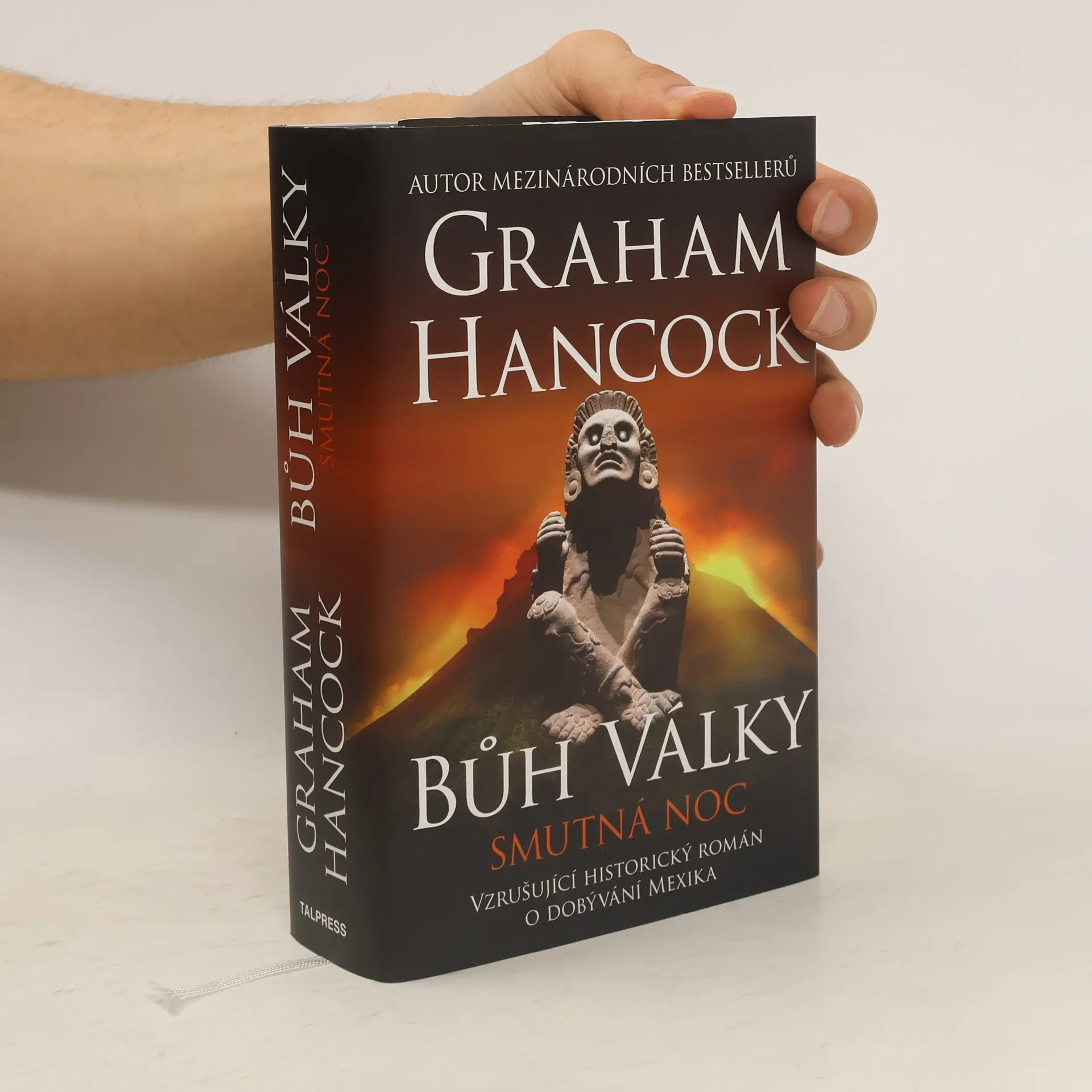
Conquistador Hernán Cortés v čele své malé armády slavně vtáhne do hlavního města Aztéků Tenochtitlánu, kde ho uvítá sám Montezuma. Vzápětí všichni zúčastnění rozhodí sítě intrik, přetvářky a nejrůznějších pastí a snaží se vzájemně přechytračit a vyzrát jeden na druhého. Montezuma se chystá Španěly pobít, ale Cortés ho předběhne a vezme ho jako rukojmí. Tím se fakticky stane vládcem Mexika. Mezitím v Tenochtitlánu Mexikové povstanou a oblehnou hrstku Španělů stále držících Montezumu jako rukojmí. Cortés se musí rychle vrátit, ale i jeho posílenou armádu oblehnou Mexikové, kteří zmobilizovali všechny síly. Cortés tak stojí proti několiksetnásobné přesile. Nastává tzv. Smutná noc, kdy vyvede svou armádu k ústupu z Tenochtitlánu a dojde k děsivému masakru.
Tento román pojednává o střetu dvou říší, dvou armád a dvou bohů války. Pět set dobrodruhů se bez okolků bezhlavě vrhá proti té nejkrutější z domorodých armád starých amerických kontinentů, která se skládá ze stovek tisíc vojáků. V této válce proti sobě bojují bohové a lidé. Temné síly hýbající dějinami lidstva předvedou svoji moc ve chvíli, kdy příjezd Cortése naplňuje proroctví příchodu boha Quetzalcoatla. Aztécký vládce Montezuma se zoufale snaží uspokojit boha války lačnícího po lidských obětech. A posláním španělské inkvizice je ještě větší krveprolití. Do víru těchto událostí a střetu mezi dvěma bohy války je vržena Tozi, Pepillo a krásná Malinal, otrokyně a kurtizána, která Montezumu nenávidí tak hluboce, že je v zájmu jeho záhuby ochotna zradit svoji zemi a svůj národ.
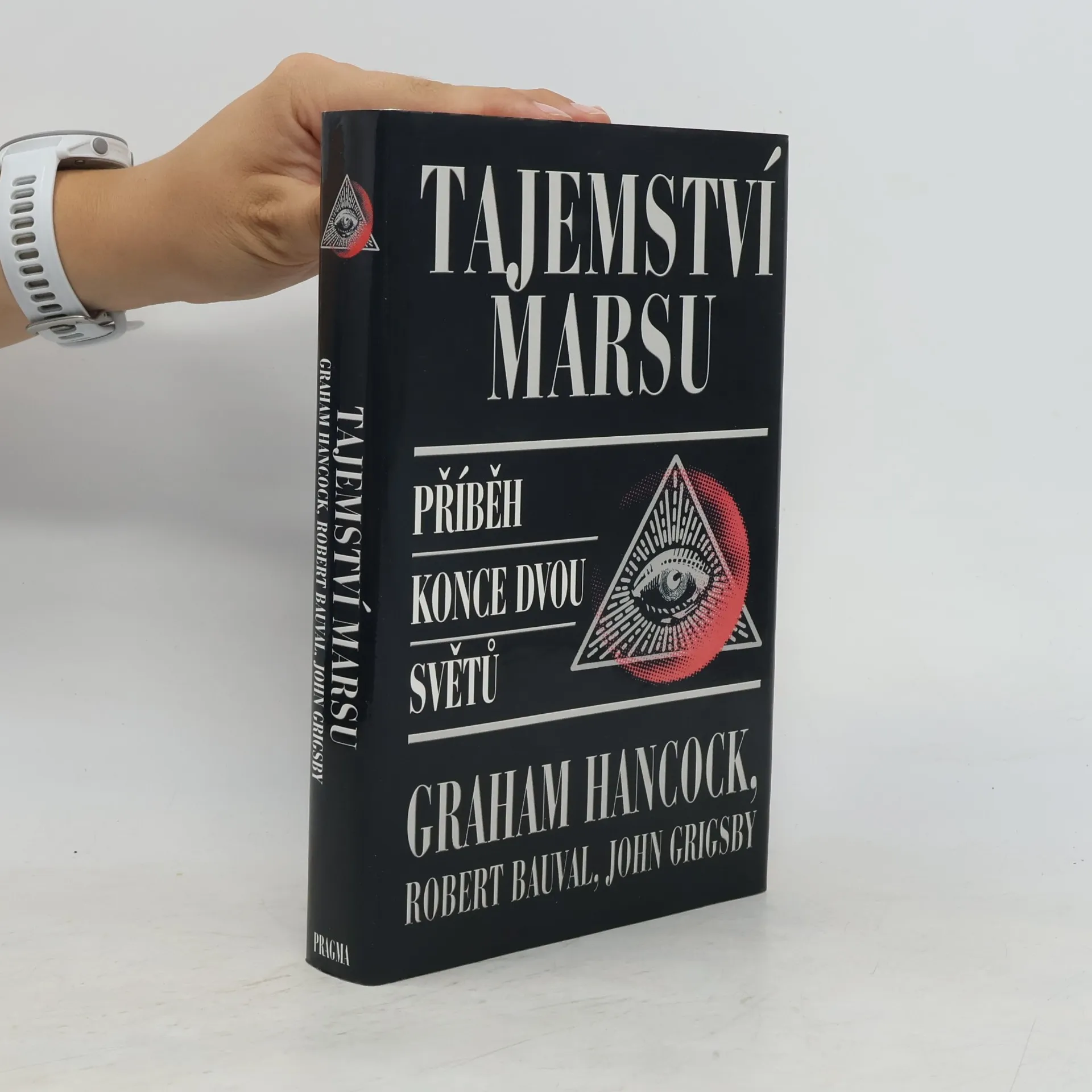
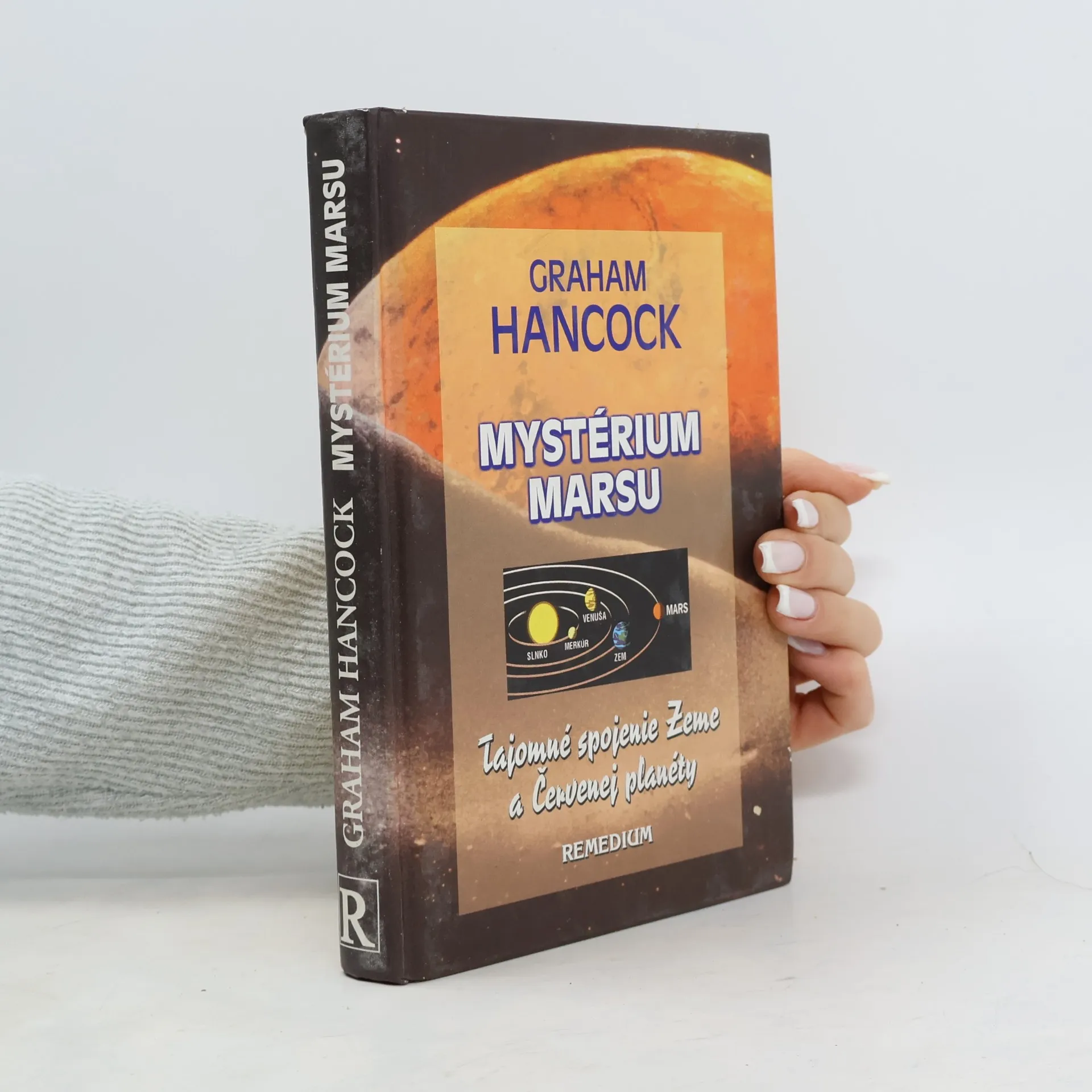
Na základě poznatků vědy spekulují autoři o životě vyspělé prehistorické civilizace na planetě Mars. Podle různých poznatků moderní vědy a techniky (snímky Marsu, rozbor atmosféry, atd.) usuzují autoři, že na Marsu byl vyspělý život, který zmařila kosmická katastrofa. V závěru varují před podobným ohrožením naší Země.
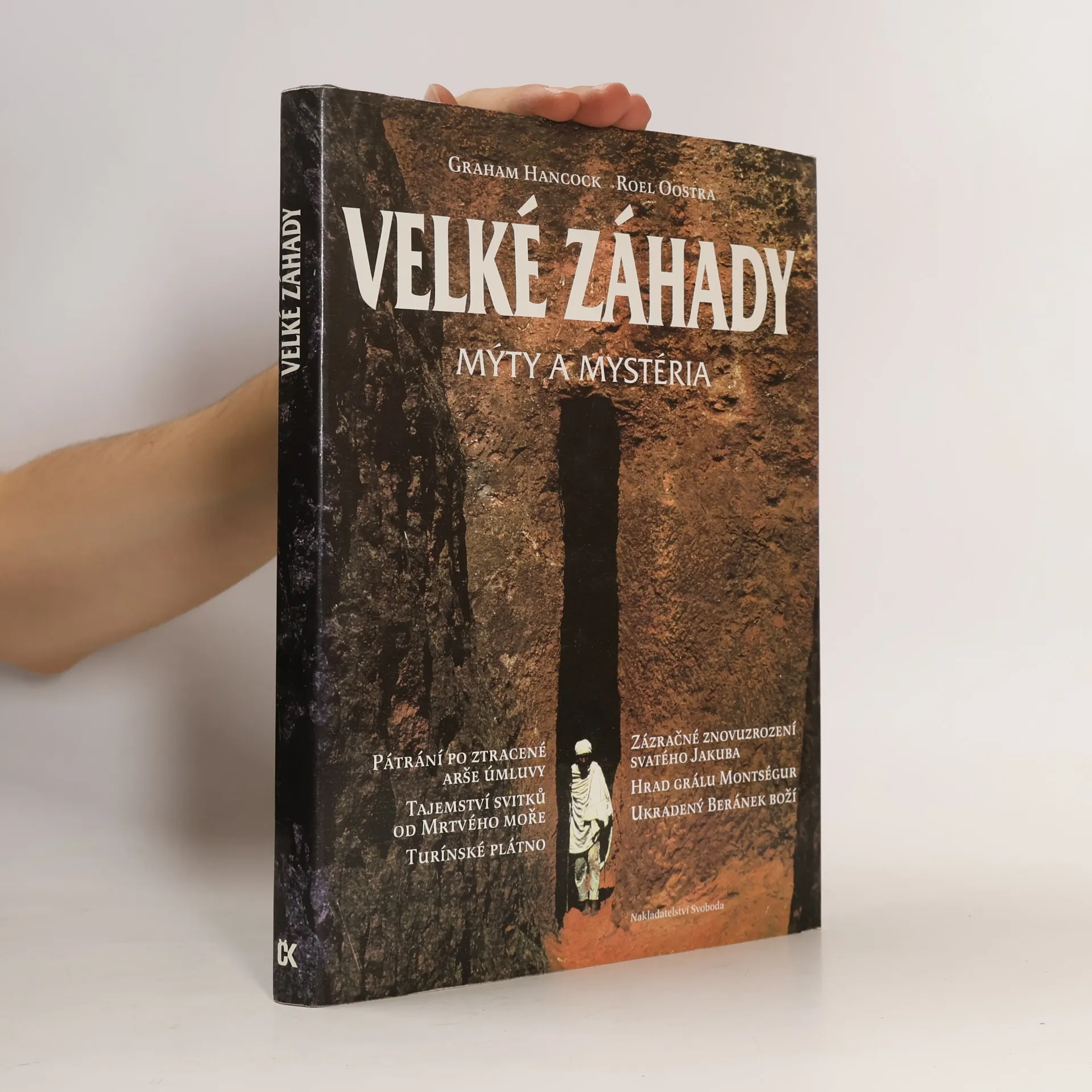
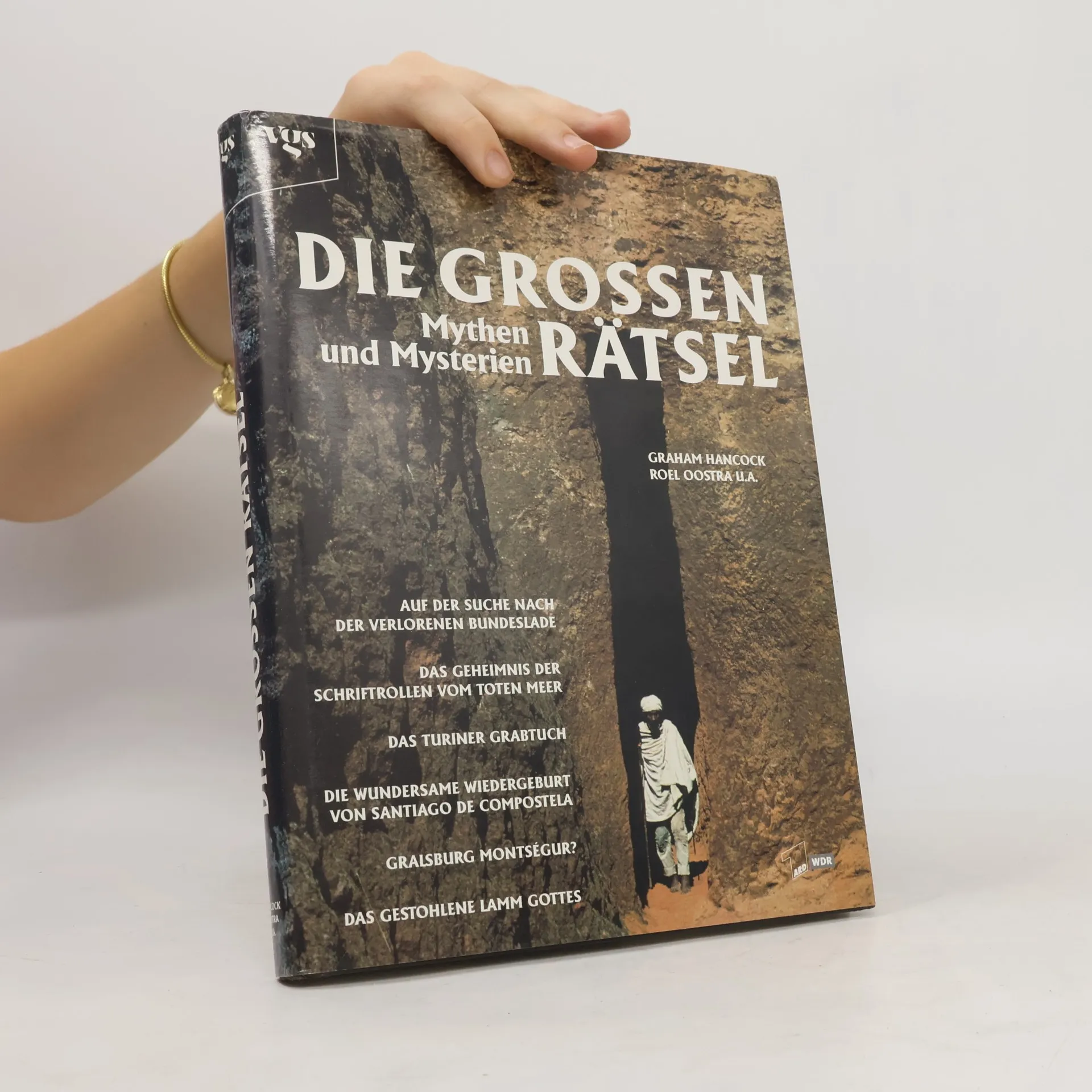
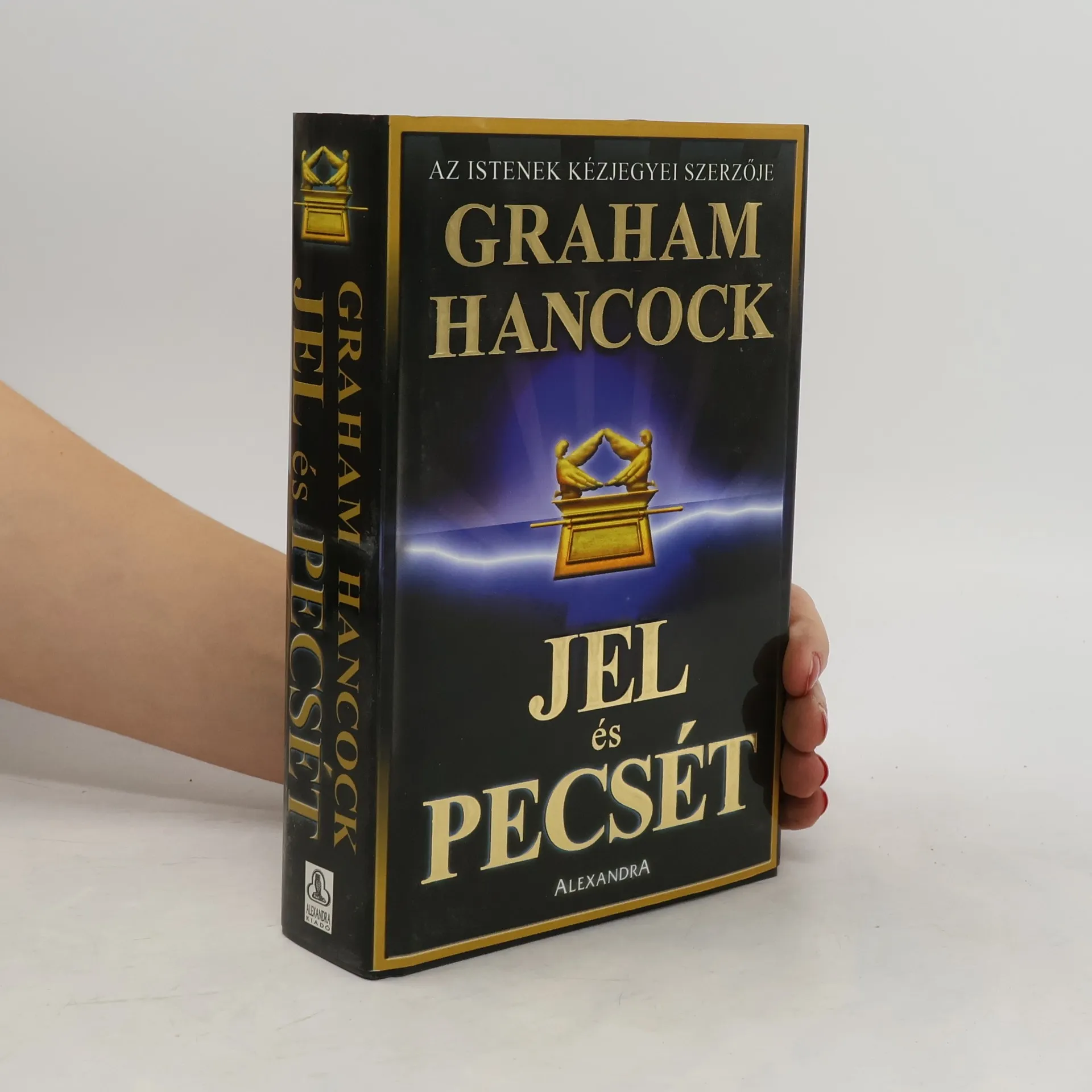
Pátrání po ztracené arše úmluvy, Tajemství svitků od Mrtvého moře, Turínské plátno, Zázračné znovuzrození svatého Jakuba, Hrad grálu Montségur, Ukradený Beránek boží.
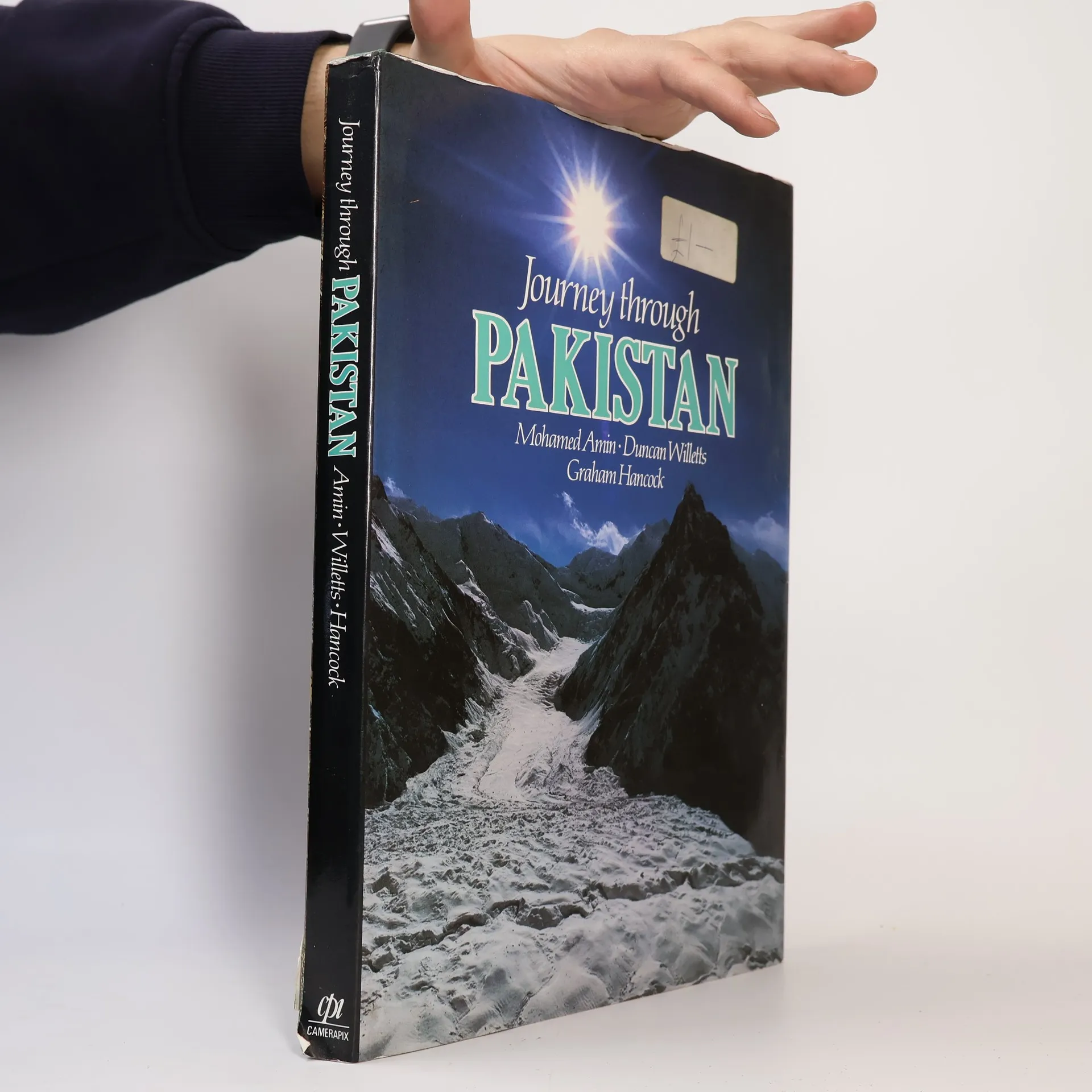
Journey Through Pakistan is a magnificent photo book that follows the course of the Indus river as it passes through isolated valleys, through fertile plains and past cities. Brilliantly photographed and with an absorbing text, Journey through Pakistan does justice to its magnificent subject, a 'frontier tale' told and illustrated with skill and enthusiasm in 188 stunning colour pictures.
Originally published in 2007, this work explores the realm of the supernatural, delving into various phenomena and beliefs that challenge the boundaries of reality. It offers insights into the mysteries of the unseen world, blending historical accounts with contemporary interpretations. The narrative invites readers to question their perceptions and consider the implications of supernatural experiences on human understanding and culture. Engaging and thought-provoking, it serves as a gateway to exploring the enigmatic aspects of existence.
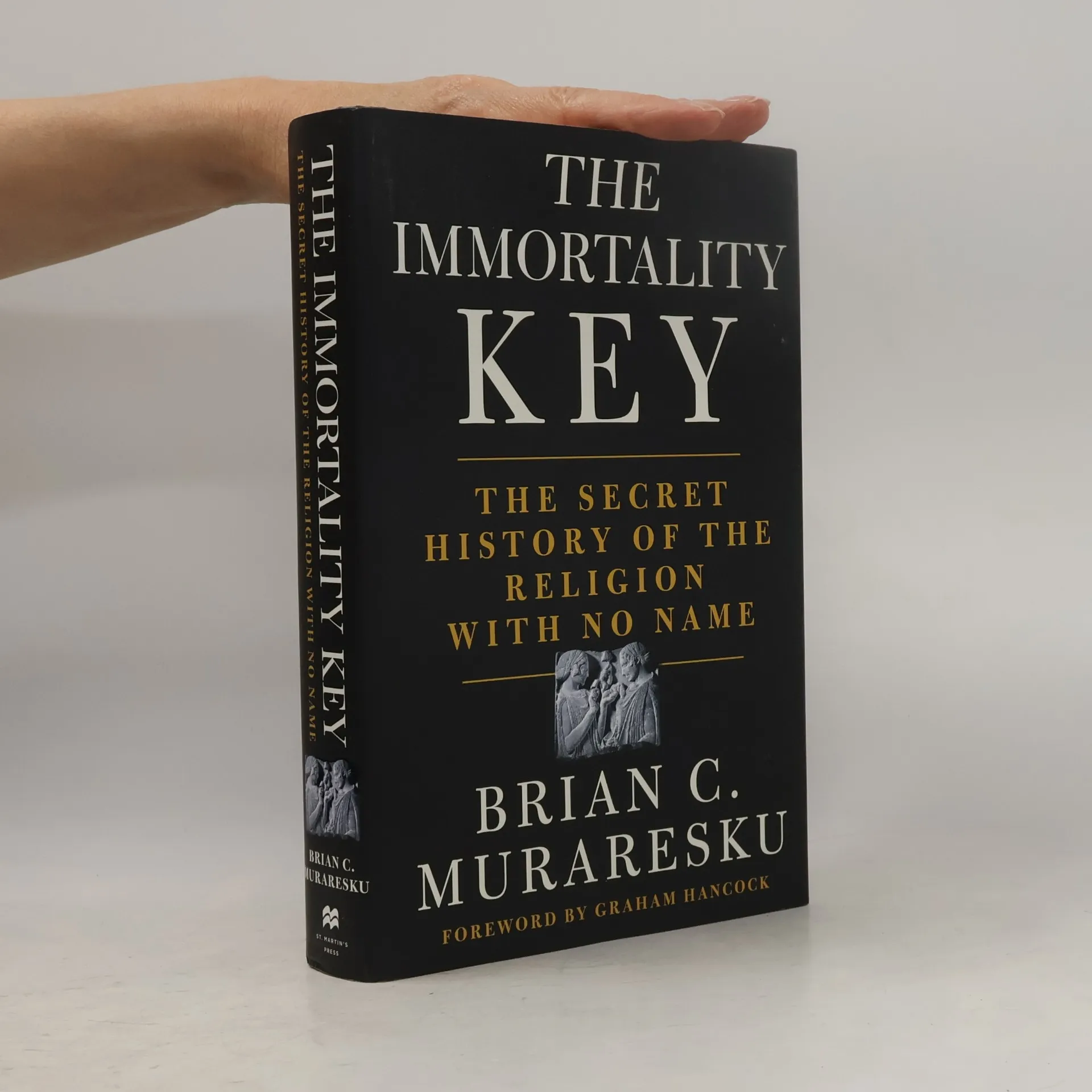
This groundbreaking exploration delves into the pivotal role psychedelics have played in humanity's experience of the Divine throughout Western history, potentially challenging the foundations of the Church. The work connects the lost psychedelic sacrament of Greek religion to early Christianity, revealing the true origins of Western Civilization. Over a decade, the author investigates across Greece, Germany, Spain, France, and Italy, gaining access to hidden archives in the Louvre and the Vatican. The narrative uncovers a little-known link between Ancient Greece's best-kept secret and the story of Jesus, the most significant figure in history, and the world's largest religion, which today encompasses 2.4 billion followers. Before the rise of Jerusalem, Rome, and Mecca, Eleusis stood as the spiritual heart of the ancient world, offering a potion that promised immortality. This sacrament was lost when the Christianized Roman Empire destroyed Eleusis in the fourth century AD. Scholars in the 1970s suggested the Greek potion was psychedelic, akin to the original Christian Eucharist, and recent archaeological chemistry has begun to validate this theory. With new translations and compelling evidence, the author combines science, classical literature, biblical scholarship, and art to reveal the hidden key to eternal life, inviting readers to the edge of a vast frontier.
Until recently, it was widely believed that humans first entered the Americas from Siberia around 13,000 years ago via the Bering landbridge, spreading throughout Central and South America over the following millennia. This consensus led to a lack of exploration into the Americas' role in human origins and civilization. However, recent scientific advancements and archaeological findings have revealed that humans inhabited the Americas for tens of thousands of years earlier than previously thought. Unexpected genetic links have emerged, connecting Native Americans with Australian Aborigines and Western Europeans. This shift in understanding indicates that humans may have been present in the Americas for at least 50,000 years, prompting questions about what these 'lost Americans' were doing during the unexplored millennia when they were believed to be absent. The recent discoveries challenge scholars to reconsider what evidence may have been overlooked, particularly regarding the origins of civilization. This raises the intriguing possibility that significant insights into early human history could still be uncovered in North America, a region previously deemed unlikely to hold such revelations.
Graham Hancock's multi-million bestseller Fingerprints of the Gods remains an astonishing, deeply controversial, wide-ranging investigation of the mysteries of our past and the evidence for Earth's lost civilization. Twenty years on, Hancock returns with the sequel to his seminal work filled with completely new, scientific and archaeological evidence, which has only recently come to light
From Mexico to Iceland, Cambodia to Easter Island, China to Egypt, we are finding a common astronomical wisdom handed down from a time before history, a time perhaps before the 'Great Flood'. This book discusses about the common wisdom from a lost civilisation which might hold the key to our own identity on earth.
"LEGOa Heroes is a collection of twelve remarkable stories about everyday heroes using the LEGOa system in unique ways to solve some of life's greatest challenges"--
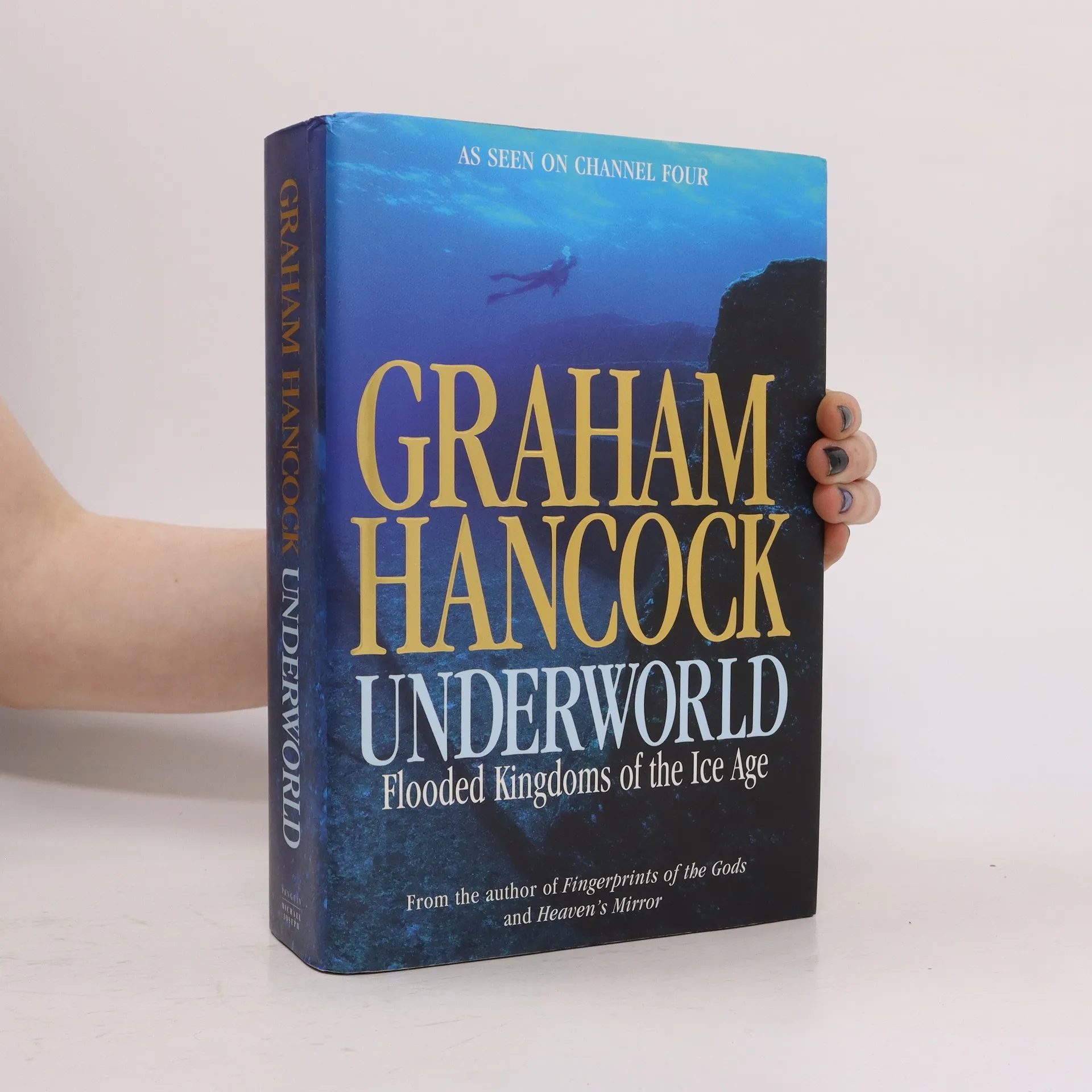
A physical and intellectual journey, a worldwide exploration diving for the underwater ruins of a lost civilization, this book follows clues in ancient scriptures and mythlogy and in the scientific evidence of the flood that swept the Earth at the end of the last Ice Age. This text explores the question of early humans swept away by the catastrpohe. Who were these populations - pre-civilised hunter-gatherers or more sophisticated peoples altogether? The text is written as a personal adventure involving the reader in the travels, the practicalities and the risks while developing the larger themes along the way, building up to the explosive revelation of a global mystery.
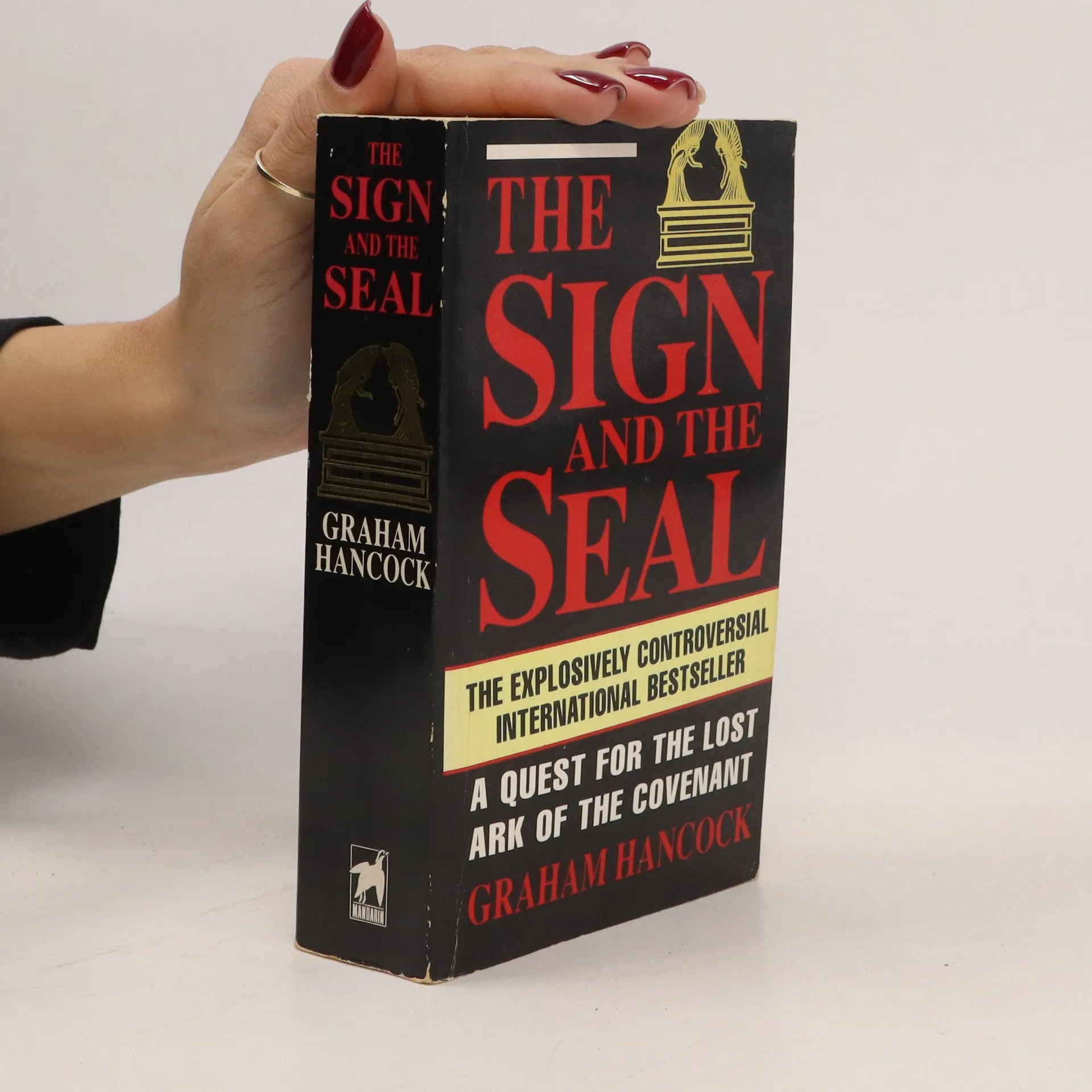
Part adventure story and part historical detective work, this is a quest into the real nature and current whereabouts of the Ark of the Covenant. The author has found, scattered amongst dusty archives and leading back through cryptically coded parchments, secret societies, the Knights Templar and even the Freemasons, traces of an organized and sometimes sinister tradition of quest for the Ark. Against this backdrop he mounts his own search for the sacred relic, a search that takes him to the tombs and pyramids of Ancient Egypt, to the walls of Jericho and the Temple Mount in Israel, and amidst civil war and political turmoil to the country in which the Ark is said to rest.
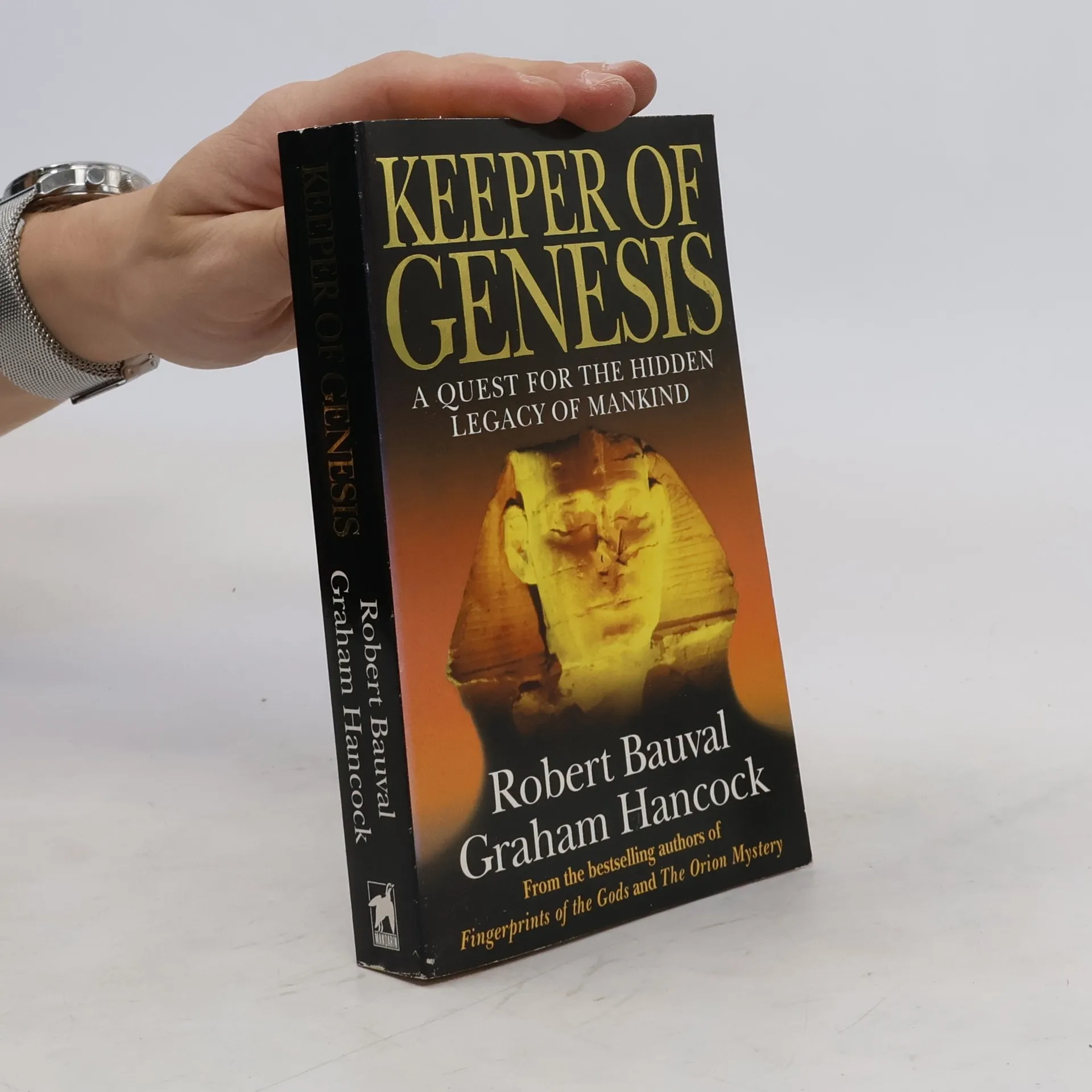
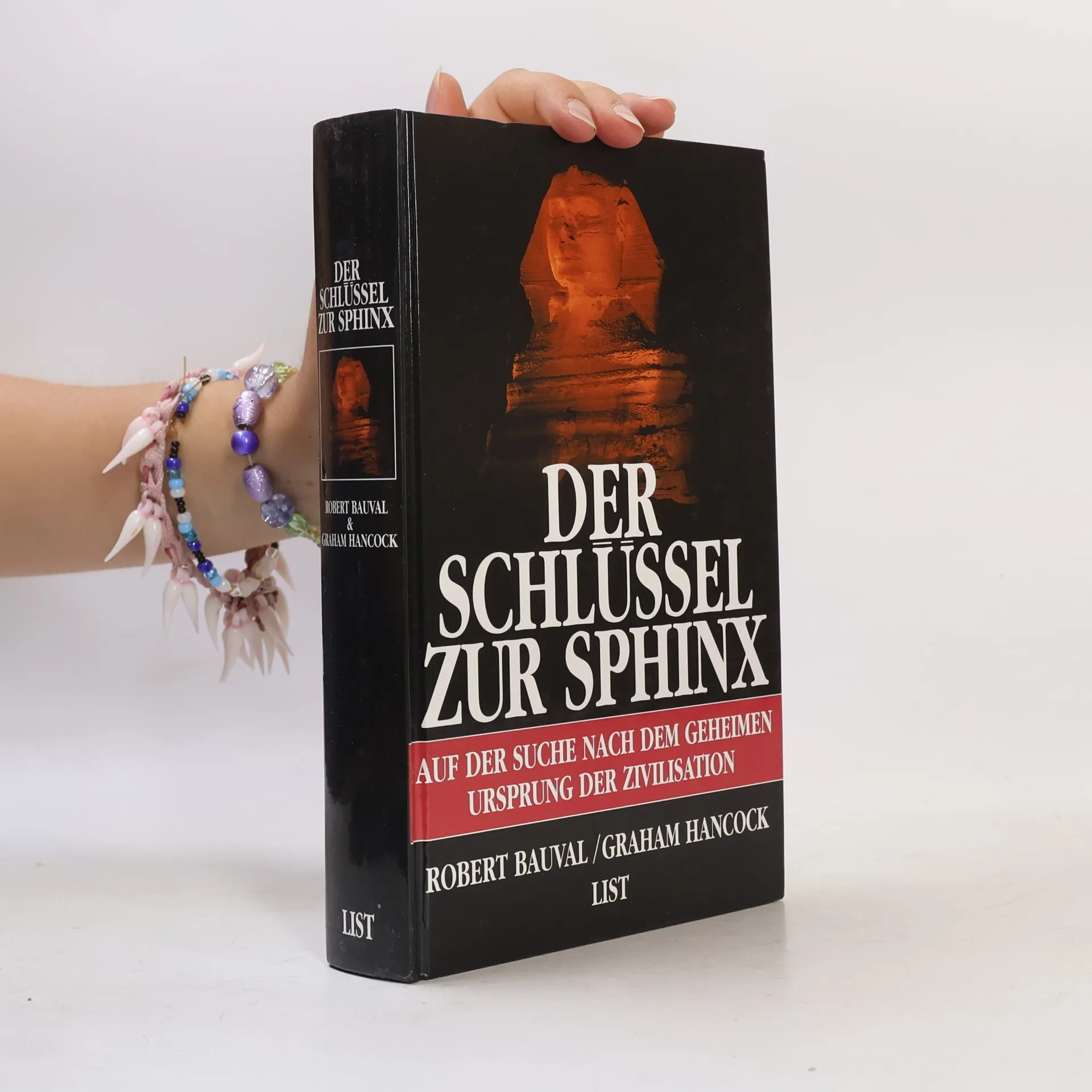
For thousands of years the Great Sphinx of Egypt has gazed towards the east, reading a message in the stars that mankind has long forgotten. This work considers geological and archaeo-astronomical evidence that suggests that the Sphinx may be a great deal older than Egyptologists believe. It has also become clear that the three enormous pyramids of the Giza plateau, half a mile to the west of the Sphinx, are not the tombs of megalomaniac Pharaohs but a precise map of the stars of Orion's Belt.
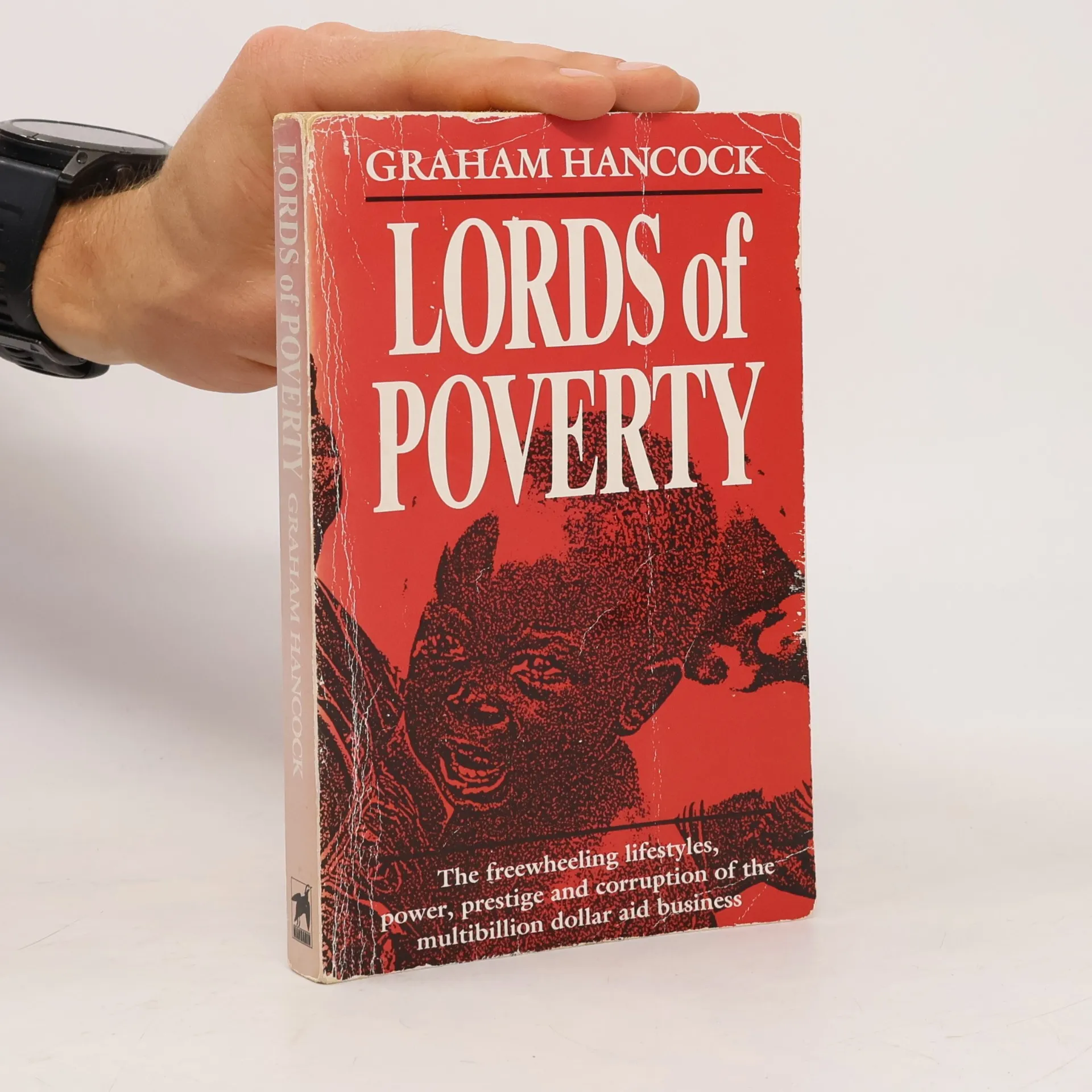
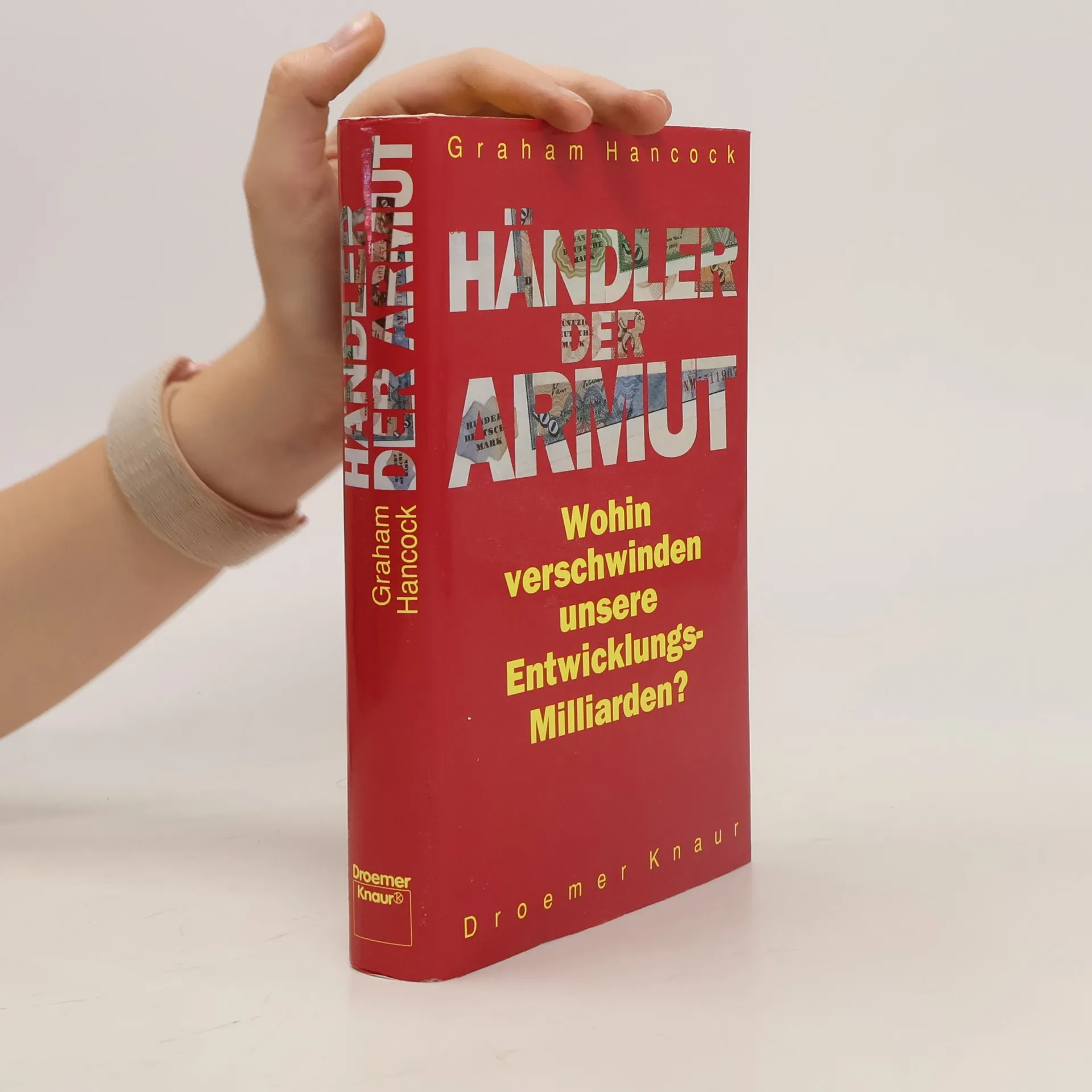
Lords of Poverty: The Freewheeling Lifestyles, Power, Prestige & Corruption of the Multibillion Dollar Aid Business is a case study in betrayals of a public trust. The shortcomings of aid are numerous, and serious enough to raise questions about the viability of the practice at its most fundamental levels. Hancock’s report is thorough, deeply shocking, and certain to cause critical reevaluation—of the government’s motives in giving foreign aid, and of the true needs of our intended beneficiaries.
As mankind faces its deadliest battle, two young women must unite to prevent the forces of evil destroying the world as we know it. But theirs is no ordinary alliance, for these two women live at opposite ends of history, until fate brings them together and their destinies are inextricably intertwined. Leoni, a troubled teen from 21st Century Los Angeles, finds everything she's ever known thrown into disarray when a drug overdose catapults her into a parallel dimension.There she meets Ria, who is also suspended on the edge of time. Ria's world is violent and desolate in a way Leoni has never experienced - but only together can they stop the powerful demon Sulpa, the Eater of Souls.The embodiment of pure evil, Sulpa is preparing to perpetrate one final, horrific act of unspeakable wickedness, after which nothing will be able to stand in the way of his ultimate goal: the annihilation of mankind. Only Leoni and Ria can stop him...
"Watch out Dan Brown and Umberto Eco! Here's a real esoteric thriller written by some real Illuminati who know the real thing and aren't afraid to let the secret out. Sex, magic, politics, and mystery. The Forbidden Book is a gripping, exciting, and illuminating read." Gary Lachman , author of Turn Off Your Mind "This is a really excellent bookgripping, thoughtprovoking, mysterious, deep and resonant with esoteric knowledge. It keeps you turning the pages in a most compelling way. I couldn't put it down." Graham Hancock , author of the international bestsellers The Sign and the Seal, Fingerprints of the Gods , and Heaven's Mirror This gripping pageturner has something for every fan of occult fiction: a murder mystery set against the conflicts of Islam and the West with symbolism, alchemy, and magic fueling the action. The evocative setting of Venice and the Veneto dominates the plot, along with vivid scenes in Santiago de Compostela, Provence, Washington, and the Vatican. The Forbidden Book delves deep into esoteric knowledge and practice, thanks to Guido Mina di Sospiro's extensive knowledge of Catholicism and Joscelyn Godwin's authoritative studies of the western esoteric tradition. Underlying the fastpaced action, the reader will find a profound treatment of moral and political dilemmas, the conflict of religions, and the frightening possibilities of the occult.
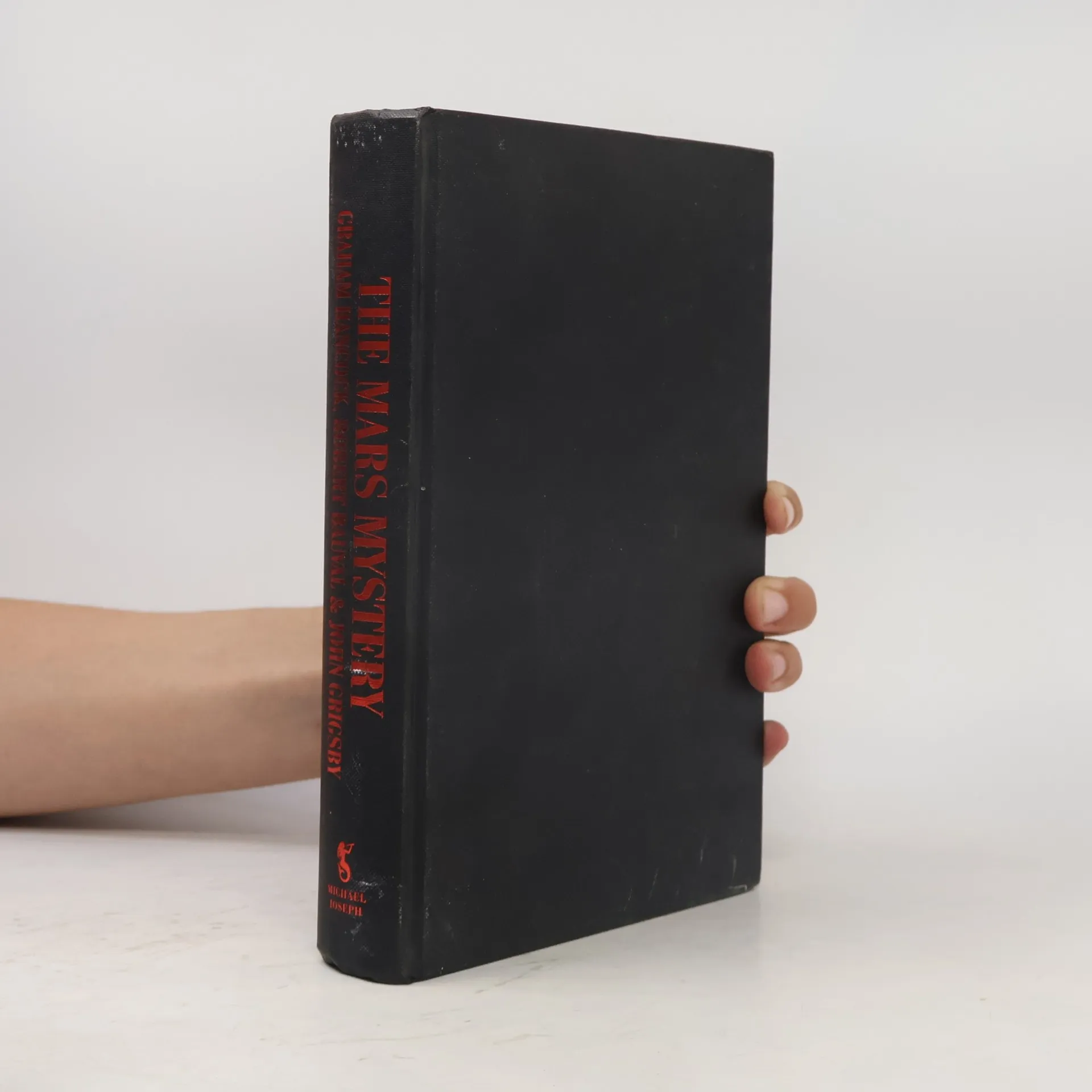
An asteroid transformed Mars from a lush planet with rivers and oceans into a bleak and icy hell. Is Earth condemned to the same fate, or can we protect ourselves and our planet from extinction? In his most riveting and revealing book yet, Graham Hancock examines the evidence that the barren Red Planet was once home to a lush environment of flowing rivers, lakes, and oceans. Could Mars have sustained life and civilization? Megaliths found on the parched shores of Cydonia, a former Martian ocean, mirror the geometrical conventions of the pyramids at Egypt's Giza necropolis. Especially startling is a Sphinx-like structure depicting a face with distinguishable diadem, teeth, mouth and an Egyptian-style headdress. Might there be a connection between the structures of Egypt and those of Mars? Why does NASA continue to dismiss these remarkable anomalies as "a trick of light"? Hancock points to the intriguing possibility that ancient Martian civilization is communicating with us through the remarkable structures it left behind. In exploring the possible traces left by the Martian civilization and the cosmic cataclysm that may have ended it, The Mars Mystery is both an illumination of our ancient past and a warning--that we still have time to heed--about our ultimate fate.
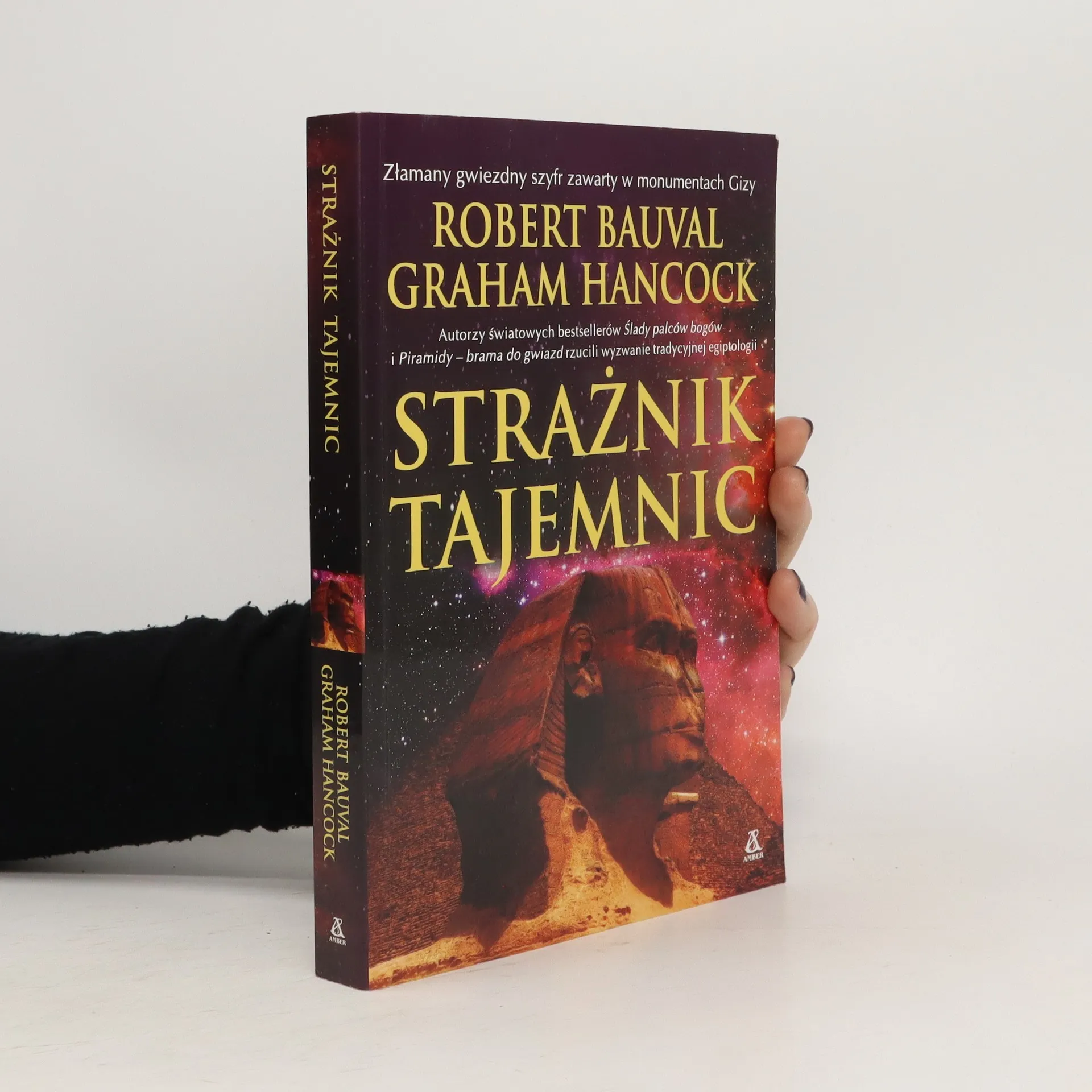
Prawdziwe przeznaczenie piramid i Wielkiego Sfinksa ujawnione! Autorzy bestsellerów rzucili wyzwanie tradycyjnej egiptologii. Wielki Sfinks, spoglądając na wschód, odczytuje zapomniane przesłanie z gwiazd, które domaga się zrozumienia. Robert Bauval, legenda niezależnej egiptologii, oraz Graham Hancock, kontrowersyjny badacz prehistorii, na podstawie badań archeoastronomicznych dowodzą, że Sfinks jest o tysiące lat starszy, niż twierdzi współczesna nauka — powstał nie 2500 lat p.n.e., lecz 8000 lat wcześniej, na początku astronomicznej ery Lwa. Piramidy są dokładną gwiezdną mapą Pasa Oriona sprzed 12 500 lat, zamkniętą w 15 000 000 ton kamiennych bloków, niosącą przesłanie ich budowniczych. W mistrzowskim śledztwie Bauval i Hancock używają komputerowych symulacji, aby złamać starożytny gwiezdny szyfr zawarty w monumentach Gizy i reinterpretować Teksty Piramid oraz inne egipskie zapisy. Odkrycie otwiera drzwi do zaginionego rozdziału historii i nieznanych początków cywilizacji. W bestsellerze podano sensacyjne dowody istnienia zaginionej, wysokorozwiniętej cywilizacji, która dała początek wszystkim starożytnym kulturom. Kontynuując śledztwo, udowadnia, że globalny kataklizm nastąpił 12 000 lat temu, a ocaleli nieliczni nazywani byli magami bogów.
S Talizmanom sa zúčastníme na výnimočnom putovaní intelektu po neprechodených cestách histórie za kľúčmi skrývajúcimi sa v textoch, architektúre a monumentoch…, tajných náboženstiev, ktoré kedysi tvarovali svet. Autori, skutoční znalci vo svojich odboroch, putujú krížom krážom po svete za symbolmi, ktorým ľudia pripisovali a pripisujú až okultný význam, a mapujú udalosti spred tisícok rokov, aby ich konfrontovali so súčasnou vojnou, ktorú vedú teroristi. Objavujú tajnú históriu manipulácií a podvodov, ktoré zasahujú priamo do srdca súčasného svetového poriadku... a možno aj poriadku, čo ešte len príde. Pokúšajú sa odhaliť ,majstrovskú hru‘, ktorá sa začala hrať za scénou svetového javiska v dávnoveku a, ako sa nazdávajú, opäť sa dala do pohybu pred 2000 rokmi. Šírkou, kvalitou, objaviteľskou hodnotou autorskej práce a čitateľsky pútavým podaním je TALIZMAN v našom prostredí ojedinelá kniha.
Oberland dove alpinismo e turismo sono stati inventati. Il luogo dove tutto è cominciato. Questo libro è un viaggio tra cime, valli, villaggi e personaggi della Belle Époque cent’anni di sorprendente sviluppo economico e sociale, dalla metà del XIX alla metà del XX secolo, che hanno radicalmente mutato la percezione delle Alpi svizzere, facendone la locomotiva dell’industria turistica internazionale. Dalle prime spa ai grandi alberghi, fino all’invenzione di uno «stile alpino» artificiale che è diventato standard in tutto il mondo. E soprattutto con l’alpinismo, vero carburante di questo sviluppo, dalle conquiste della Golden Age alla corsa alle pareti nord degli anni Trenta. Nel nostro itinerario incontreremo i personaggi veri e di finzione, che sono stati protagonisti di questa storia, come Leslie Stephen, J.R.R. Tolkien, James Bond, Mark Twain, Winston Churchill, Sherlock Holmes, Paul Klee, Tartarino di Tarascona, Richard Wagner, Baden Powell e tanti altri che, con i loro talenti, aspirazioni, visioni, hanno rimodellato il cuore ghiacciato d’Europa.
Tödliches Goldfieber und Wissensdurst motivieren Schatzsucher wie Harold Lasseter, der im australischen Outback nach einem Goldriff sucht, sowie Gene Savoy und Graham Hancock, die in den Anden und an Küsten nach verlorenen Kulturen forschen. Abenteuerliche Geschichten mit beeindruckenden Ergebnissen!
Expedition zur Sphinx von Gizeh: Die Bestseller Autoren Robert Bauval und Graham Hancock enträtseln ein jahrtausendealtes Geheimnis und enthüllen die dunklen Ursprünge der ägyptischen Zivilisation. Ein Buch, das durch wissenschaftliche Glaubwürdigkeit und fesselnde Darstellung überzeugt und uns an einem einzigartigen Entdeckerpuzzle teilnehmen läßt.