

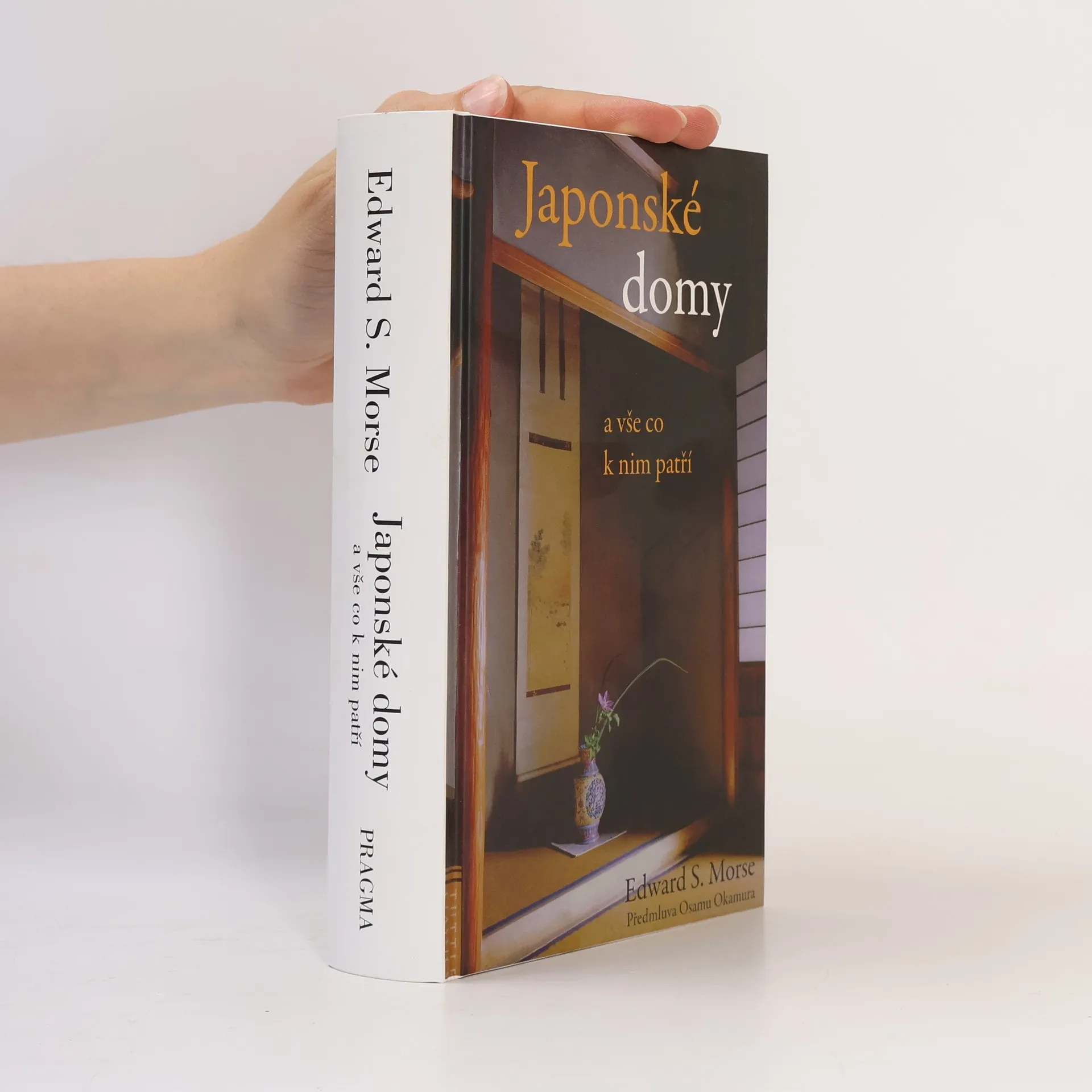
Autor, americký zoolog, spisovatel, kurátor a pokrokový vynálezce, tuto knihu poprvé vydal v roce 1886. Do Japonska přijel v době, kdy procházelo ranou etapou období Meidži. Země se tehdy vzdávala svých tradic a nadšeně přijímala vše západní. Morse cítil, že mnoho aspektů tradiční materiální kultury tak bude zapomenuto. Začal tedy zkoumat tradiční japonské domovy, strávil několik let návštěvami japonských domácností a pořizoval si detailní kresby jak exteriérů, tak interiérů. Do deníku si zaznamenával své objevy i rozhovory s místními obyvateli. Byl unesen tradičním japonským bydlením. Nejvíc jej uchvacovala prostá a uhlazená jednoduchost japonského domu a flexilibita, s níž se plocha interiéru mohla kdykoli zvětšit, a zejména jeho kontakt s přírodou. Kniha byla napsána v době těsně před tím, než tradiční japonská architektura začala mizet. Zdokumentování celé škály architektonických detailů a regionálních specifik architektury obydlí v předmoderním Japonsku je tak velmi cenným zdrojem jejího poznání – jedním z mála.
David E. David Earl Young Knihy
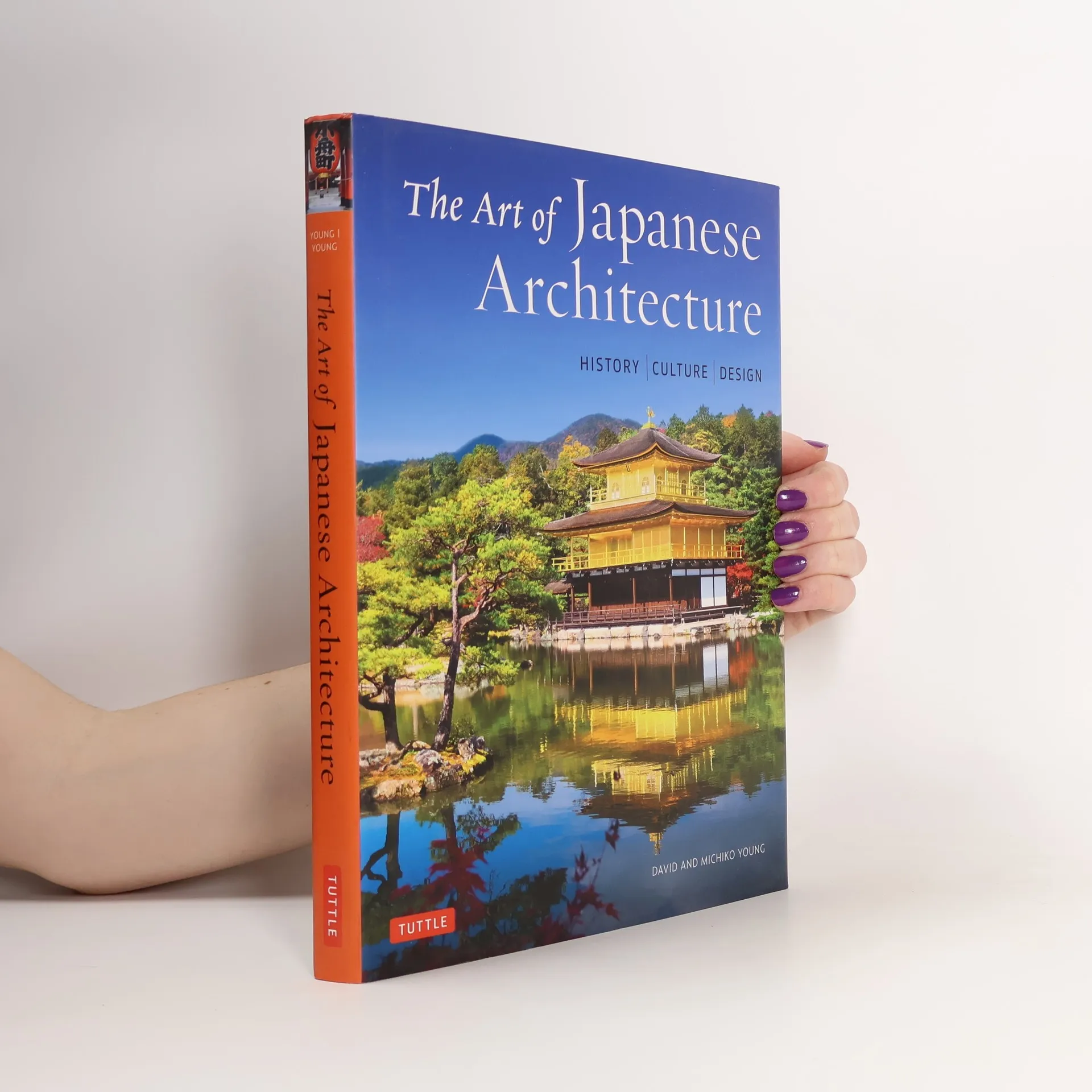
The Art of Japanese Architecture presents a complete overview of Japanese architecture in its historical and cultural context. The book begins with a discussion of early prehistoric dwellings and concludes with a description of works by important modern Japanese architects. Along the way it discusses the iconic buildings and architectural styles for which Japan is so justly famous--from elegant Shinden and Sukiya aristocratic villas like the Kinkakuji "Golden Pavilion" in Kyoto, to imposing Samurai castles like Himeji and Matsumoto, and tranquil Zen Buddhist gardens and tea houses to rural Minka thatched-roof farmhouses and Shinto shrines. Each period in the development of Japan's architecture is described in detail and the most important structures are shown and discussed--including dozens of UNESCO World Heritage Sites. The aesthetic trends in each period are presented within the context of Japanese society at the time, providing a unique in-depth understanding of the way Japanese architectural styles and buildings have developed over time and the great variety that is visible today. The book is profusely illustrated with hundreds of hand-drawn 3D watercolor illustrations and color photos as well as prints, maps and diagrams. The new edition features dozens of new photographs and a handy hardcover format that is perfect for travelers.