Im April 1945, die Rote Armee hat längst die Oder überschritten, vergräbt Otto Ther eine Schatzkiste. Mit einem Diamantkreuz, Schmuck und frisch poliertem Silberbesteck. Die Preziosen sollen am Fuß des Riesengebirges überdauern, bis die Familie zurückkehren kann in den Ort, der auf Deutsch Hohenelbe heißt und auf Tschechisch Vrchlabí. Wie Millionen Deutsche müssen die Thers fliehen, unterwegs werden sie zerstreut. Otto stirbt in einem bayerischen Flüchtlingslager. Offiziell an einer Rippenfellentzündung, in Wirklichkeit an Verzweiflung. Nach dem Mauerfall macht sich Philipp Ther, Ottos Enkel, mit seinem Vater immer wieder auf in die verlorene Heimat im Norden Tschechiens. Sie durchstreifen den Ort und die sanfte Hügellandschaft. Die legendäre Truhe finden sie nicht, dafür bekommen sie im örtlichen Museum drei Kisten voller Fotos und Dokumente überreicht, die sich als Schatz für den Historiker erweisen: Er kann die Verstrickung der Familie in den Aufstieg der Sudetendeutschen Partei und des Nationalsozialismus rekonstruieren, das Schicksal der jüdischen Mieter, die Traumata des Vaters, der mit sechzehn gleich zweimal zum Volkssturm musste. Daraus entsteht nicht nur ein realhistorischer Familienroman, sondern zugleich ein Porträt einer europäischen Region, die lange im Schatten des Eisernen Vorhangs lag.
Philipp Ther Pořadí knih (chronologicky)



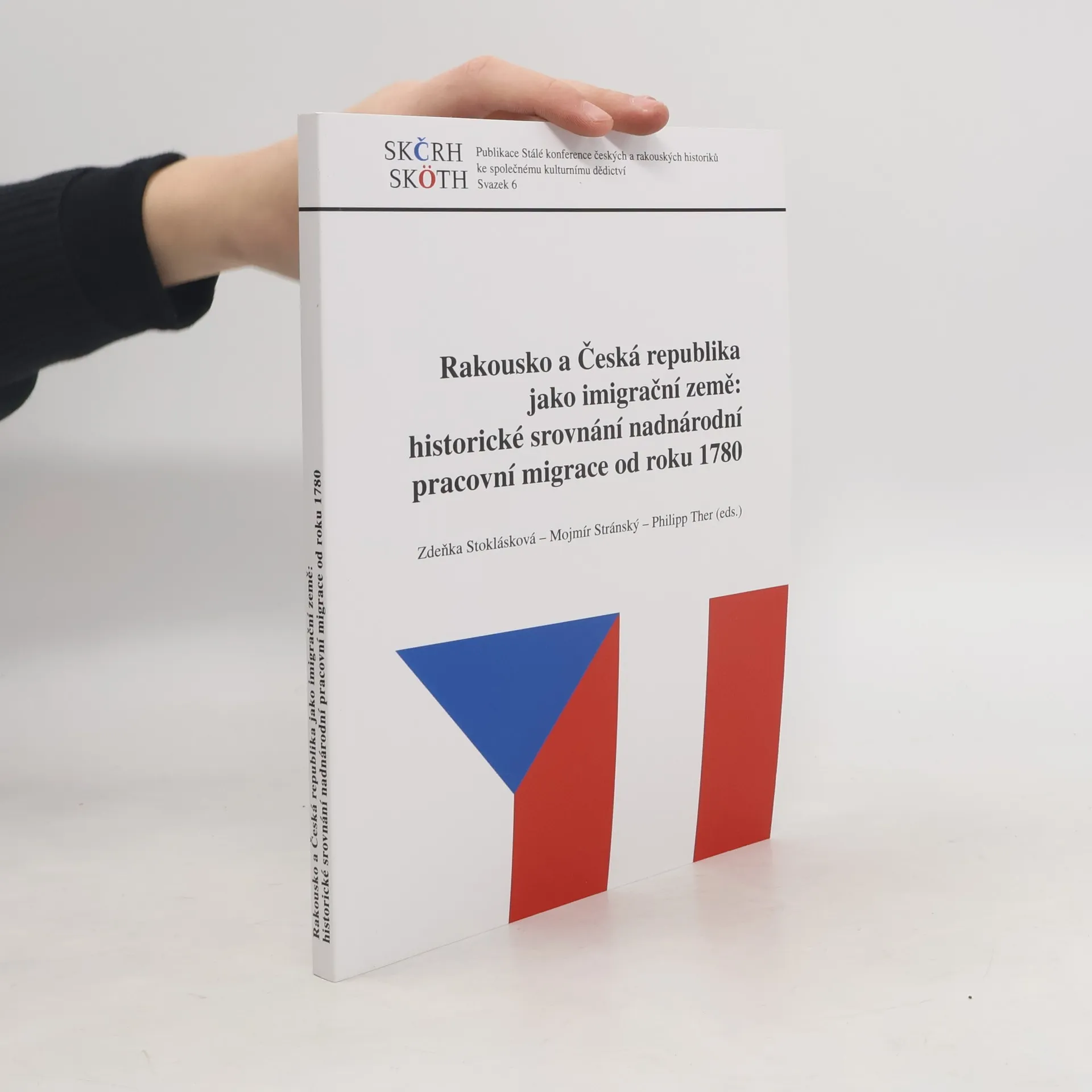

Přehled dějin pracovní imigrace do Rakouska, českých zemí a Československa od 2. poloviny 18. století do současnosti v širších celoevropských souvislostech.
How the West Lost the Peace
- 304 stránek
- 11 hodin čtení
When the Berlin Wall was stormed and the Soviet Union fell apart, the West and above all the United States looked like the sole victors of history. Three decades later, the spirit of triumph rings hollow. What went wrong? In this sequel to his award-winning history of neoliberal Europe, the renowned historian Philipp Ther searches for an answer to this question. He argues that global capitalism created many losers, preparing the ground for the rise of right-wing populists and nationalists and their remarkable successes in the ‘annus horribilis’ of 2016 and its aftermath. He shows how the promise of prosperity and freedom did not catch on sufficiently in Eastern Europe despite material progress, and how the West lost Russia and alienated Turkey. Neoliberal capitalism also left the world poorly prepared to cope with Covid-19, and the pandemic further weakened the Western hegemony of the post-1989 period, which is now brutally contested by Russia´s war against Ukraine. The double punch of the pandemic and the biggest war in Europe since 1945 has brought to an end the age of transformation that was inaugurated by the end of the Cold War. Drawing inspiration from the great economic historian Karl Polanyi, this penetrating analysis of the disarray of the post-1989 world will be of great interest to anyone who wishes to understand how we got to where we are today and the great challenges we now face.
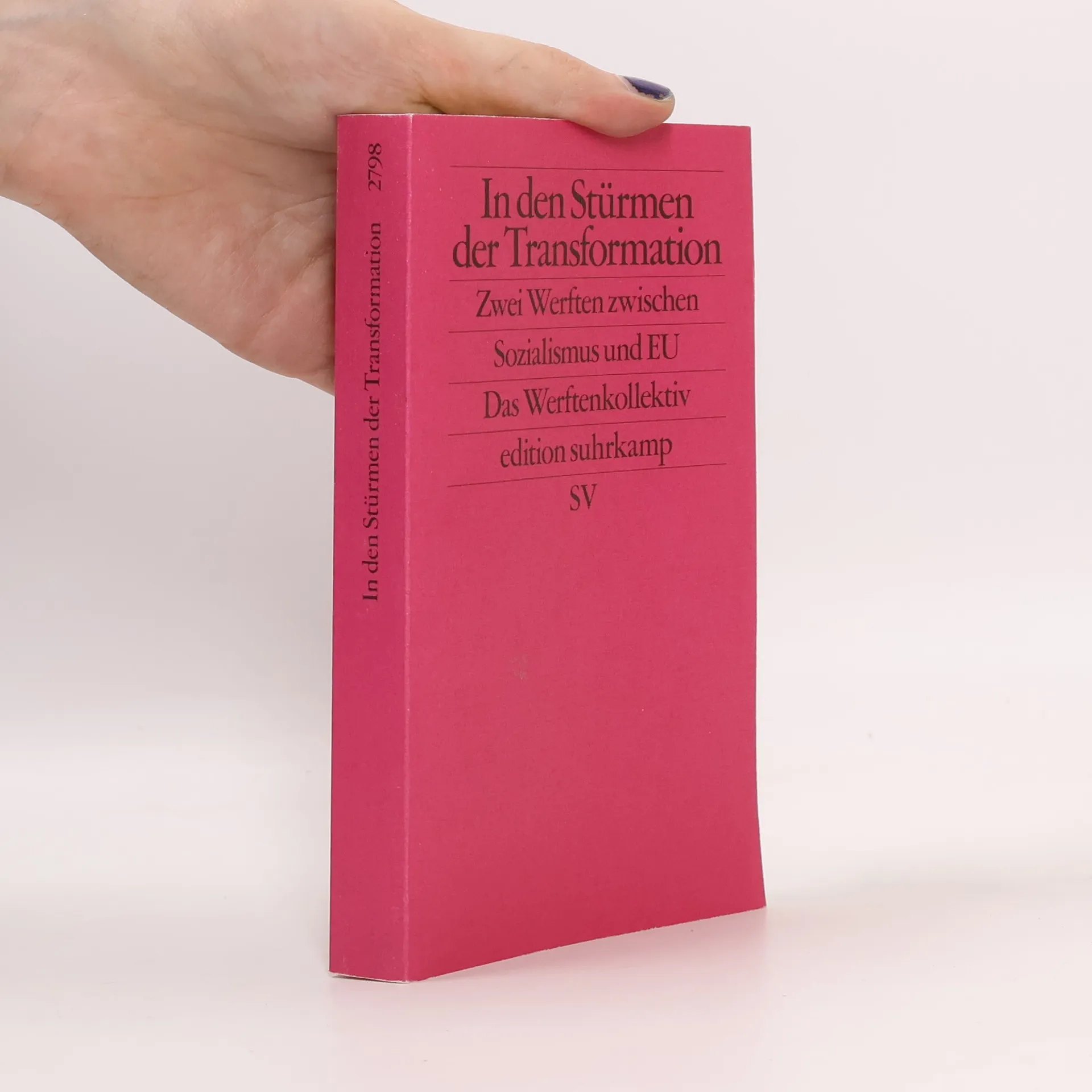
In den Stürmen der Transformation
Zwei Werften zwischen Sozialismus und EU
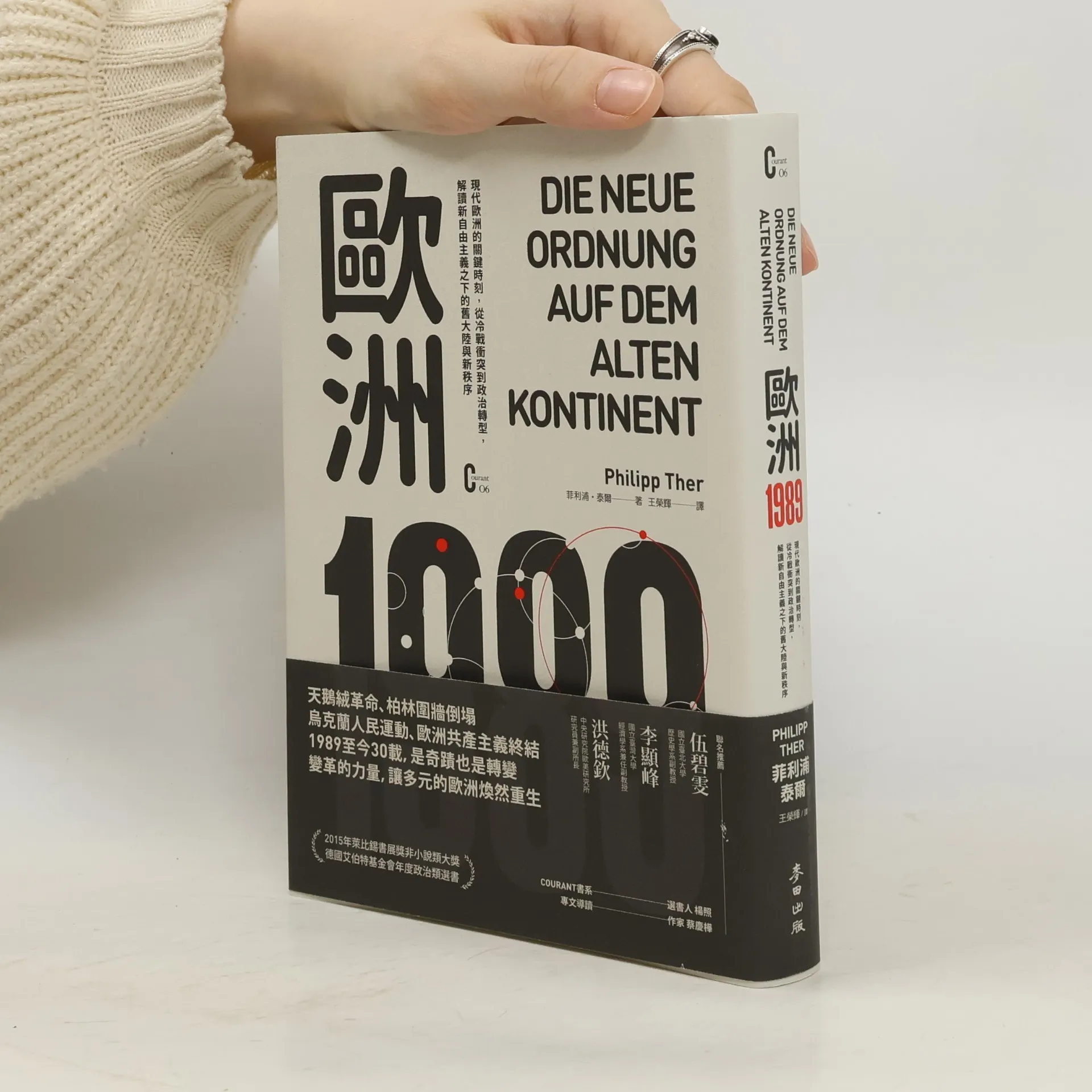
一九八九年,近代歐洲新方向的轉捩點 ▍兩德統一扭轉柏林,轉型成就德國新的政治生態。 ▍蘇聯改革失利與嚴重的通貨膨脹,開始對下層人民實行更進一步的緊縮政策。 ▍波蘭國會大選,終結歐洲共產主義,是東歐民主化的起點。 ▍捷克發生反共產黨統治天鵝絨革命,朝向民主化國家發展。 ▍烏克蘭人民運動成立,爭取改革運動。 本書作者菲利浦・泰爾,根據親身經歷為讀者詳細地描述了自一九八九年以來的歐洲歷史。一九八九年十一月柏林圍牆倒下後,一場遍及整個歐洲大陸的大規模實驗也跟著展開。在短短幾年中,前「東方集團」國家走向新自由主義的體制,政權也服膺於私有化與自由化。轉型造就了贏家與輸家。俄國落入一場經濟混亂,總統普丁趁勢建立了他的威權政府。波蘭、捷克與烏克蘭等國則勵精圖治,如今更成為歐盟的成員國。有別於華沙與其他的首都發展成為新興都市,鄉村地區卻是日益貧困。 在本書中,作者以敘事的方式,為讀者講述了這些轉變的細節。他表示,自由化和私有化的深刻的影響了東歐各國,此外,經濟「休克療法」並非歐洲經濟增長的基礎,人力資本和基礎性的轉型才是經濟成功與失敗的決定性因素。與此同時,作者也闡述了西方資本主義如何對東歐進行「重塑」、西歐新自由主義改革的步伐和範圍,以及二○○八年後全球性金融危機對東歐、西歐產生的各種影響等問題。
Jiný konec dějin : eseje o velké transformaci po roce 1989
- 244 stránek
- 9 hodin čtení
V roce 1989 se zdálo, že v duchu Fukuyamova citátu nastal konec dějin a že z nich vítězně vyšel Západ. Dnes už to působí poněkud jinak. Mnohokrát oceněný historik Philipp Ther se esejistickou formou věnuje otázce, odkud to celé pramení. Opírá se o přelomové dílo Karla Polanyiho o velké transformaci a tematicky pokrývá vývoj v USA od dob Billa Clintona po konec úřadu Donalda Trumpa, německou cestu transformace po znovusjednocení nebo například důvod, proč se Rusko a Turecko natolik vzdálily Evropě. Toto aktualizované vydání se již vyjadřuje také k době covidové a ruské válce na Ukrajině.
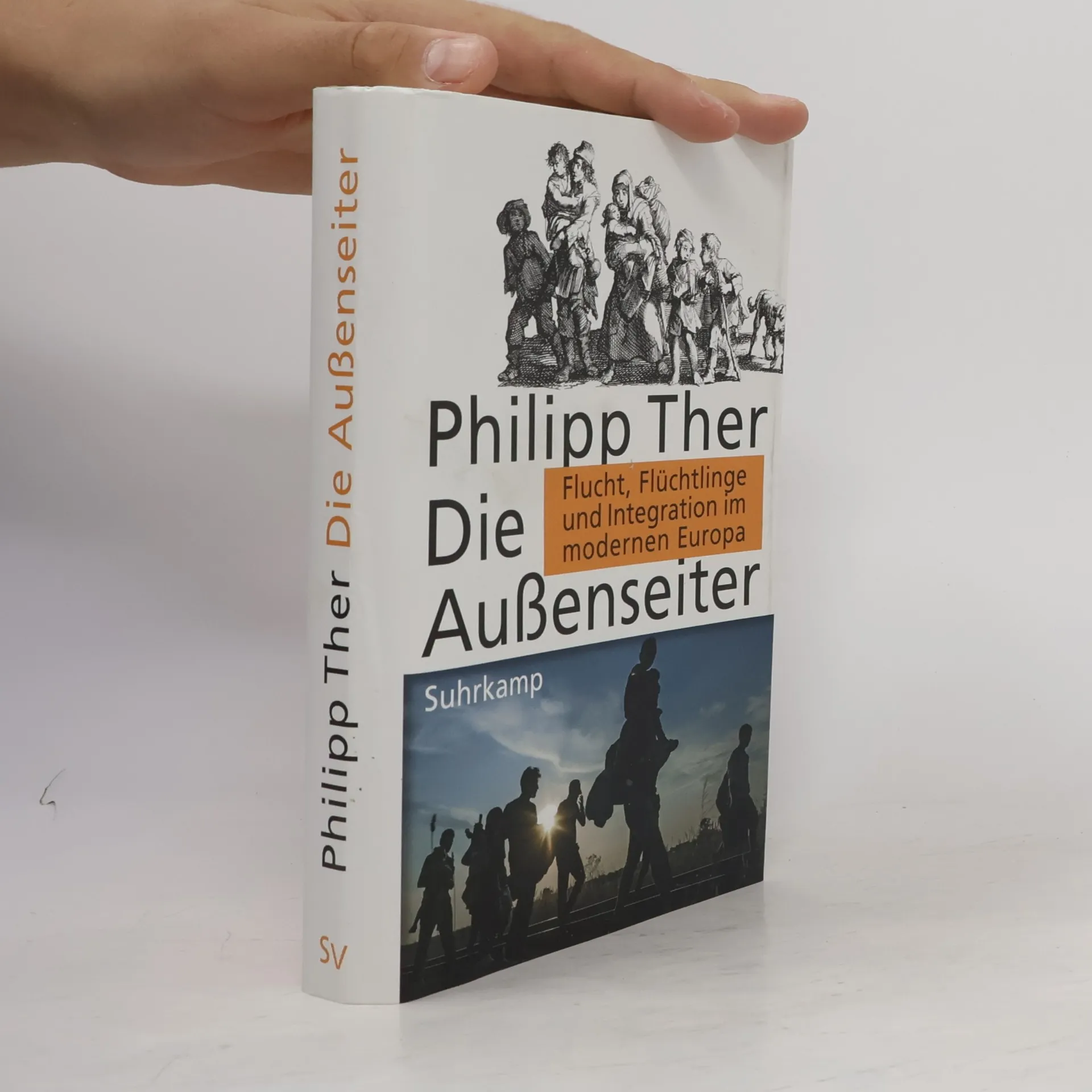
Die Außenseiter
Flucht, Flüchtlinge und Integration im modernen Europa
Flucht und Integration gehören zu den beherrschenden Themen der Gegenwart. Sie sind ein maßgeblicher Grund für den Aufstieg rechtspopulistischer Parteien und drohen, die EU zu spalten. Ein Blick in die Tiefen der Geschichte relativiert allerdings die »Flüchtlingskrise« des Jahres 2015. Seit 1492 die sephardischen Juden von der iberischen Halbinsel vertrieben wurden, ist Europa immer ein Kontinent der Flüchtlinge gewesen. Philipp Ther geht den Gründen der Flucht nach: religiöser Intoleranz, radikalem Nationalismus und politischer Verfolgung. Anhand von Lebensgeschichten veranschaulicht er die Not auf der Flucht, identifiziert Faktoren für gelingende Integration und erörtert das wiederholte Versagen der internationalen Politik sowie die Lehren, die daraus etwa in der Genfer Flüchtlingskonvention von 1951 gezogen wurden. Der Humanitarismus ist, wie Ther zeigt, in der Flüchtlingspolitik stets brüchig gewesen. Doch auch wenn heute einmal mehr die Angst vor einem Scheitern der Integration dominiert, haben die Zielländer fast immer von der Aufnahme von Flüchtlingen profitiert. Das belegt insbesondere die deutsche Nachkriegsgeschichte, als gerade die junge Bundesrepublik zu einem Flüchtlingsland wurde.
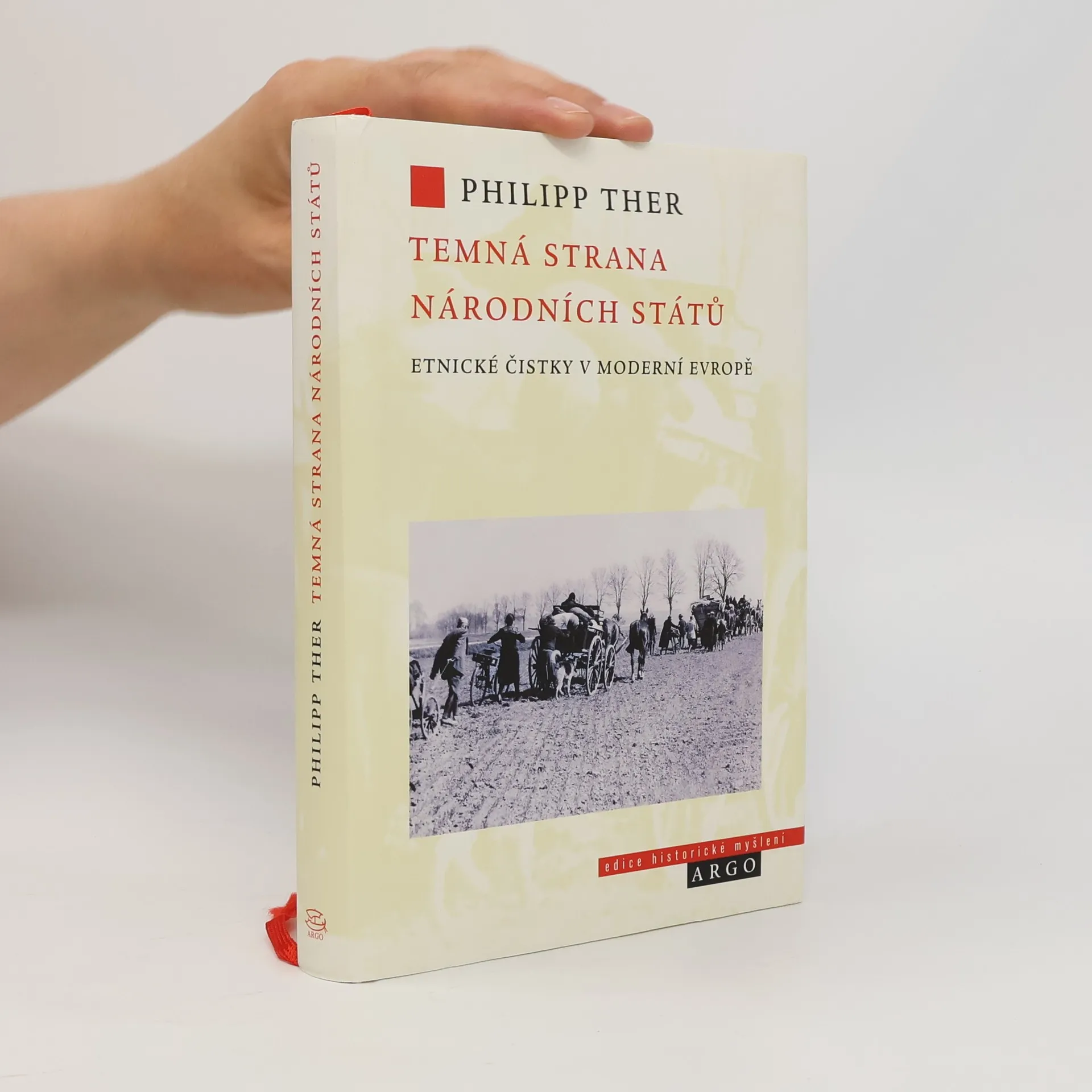
Temná strana národních států: Etnické čistky v moderní Evropě
- 296 stránek
- 11 hodin čtení
V knize Temná strana národních států se autor věnuje etnickým čistkám a vyhnáním v Evropě ve 20. století. Stranou přitom ponechává problematiku holocaustu, která podle jeho názoru představuje zcela specifický a svébytný způsob rasově zdůvodňovaných čistek. Srovnávacím způsobem analyzuje vyhánění a etnické čistky před první světovou válkou, resp. těsně po ní, meziválečný status quo, v němž byla vedena napříč evropskými státy debata o ochraně národnostních menšin. Velkou kapitolu představují návrh na řešení národnostních otázek na konci druhé světové války, resp. vyhnání Němců z Polska a Československa. Stranou však neponechává ani vyhánění a transfery obyvatelstva v Sovětském svazu po celé období jeho existence. Své zkoumání problému pak dovádí až do konce 20. věku v souvislosti s válkami v bývalé Jugoslávii, přičemž nalézá velké paralely těmito etnickými čistkami a etnickými čistkami na Balkáně v první polovině minulého století.
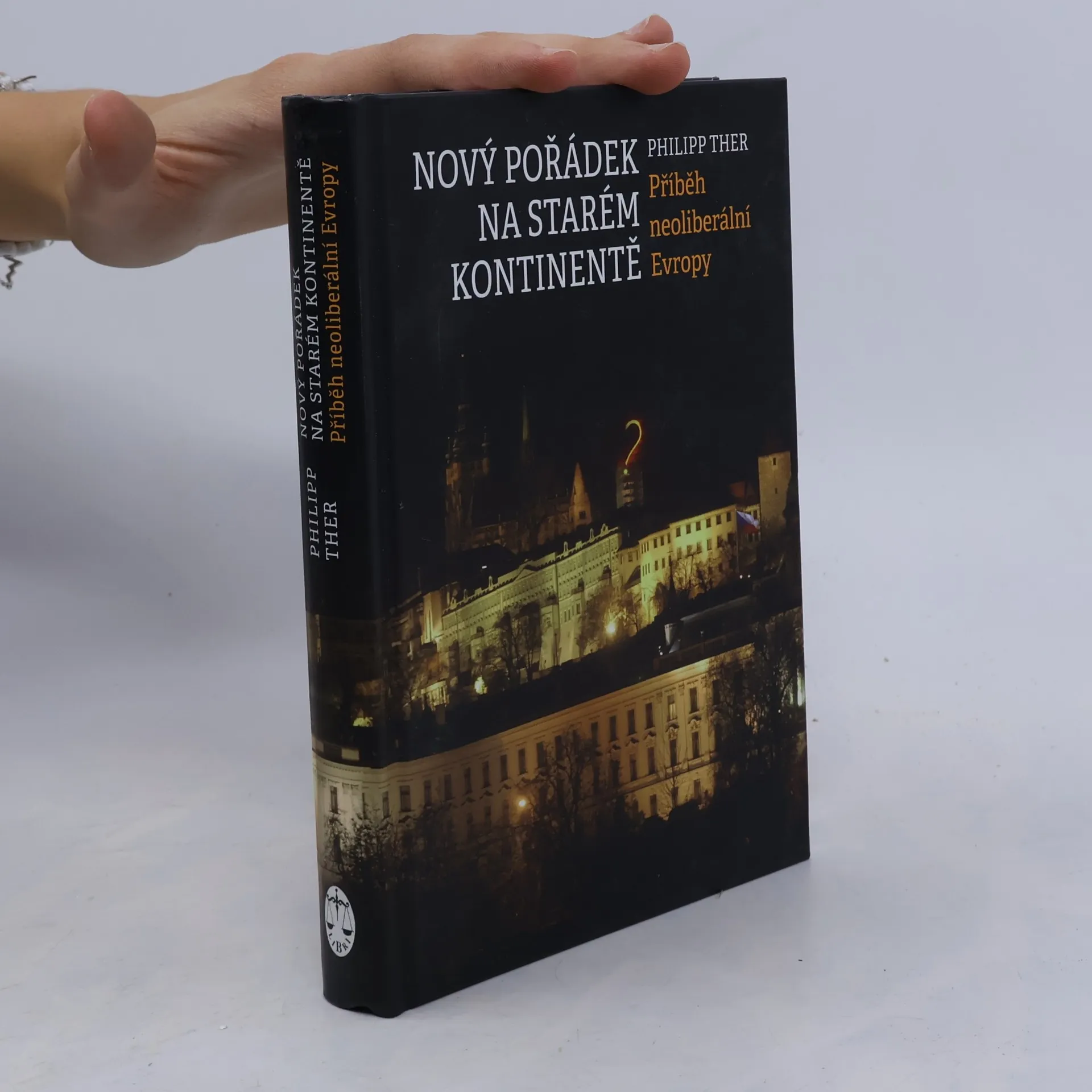
Nový pořádek na starém kontinentě
- 360 stránek
- 13 hodin čtení
Příběh neoliberální Evropy. Pád Berlínské zdi v roce 1989 dal vzniknout experimentu obrovských rozměrů. Tento experiment ovlivnil celou Evropu: národy, které do té doby tvořily východní blok, byly přetvořeny, aby vyhovovaly západnímu neoliberálnímu systému a podřídily se tak režimu liberalizace, deregulace a privatizace. Philipp Ther byl svědkem těchto historických proměn, ať už v ulicích Prahy během sametové revoluce, nebo v Polsku a na Ukrajině, kde žil několik let. V této knize přináší zprávu o Novém pořádku na starém kontinentě – a poprvé tak i komplexní analýzu tohoto pořádku z celoevropského hlediska.
Die dunkle Seite der Nationalstaaten
- 304 stránek
- 11 hodin čtení
“Ethnic cleansings” are not solely the deeds of dictators, but have also been perpetrated by democratically elected politicians. They are the result of modern nationalism and the creation of sovereign national states in the 19th and 20th centuries. This book provides fundamental insights into one of the darkest chapters of modern Europe. It deals with the prerequisites necessary for »ethnic cleansings« to occur, and with the times and persons responsible for the displacement, forced relocation and deportation of entire peoples. This report is not limited to Eastern Europe, but also highlights the role of the Western powers. The author gives a sweeping look at the Balkan wars just before World War I to the »ethnic cleansings« during and as a result of World War II up to the civil wars in former Yugoslavia and the Caucasus in the 1990s.
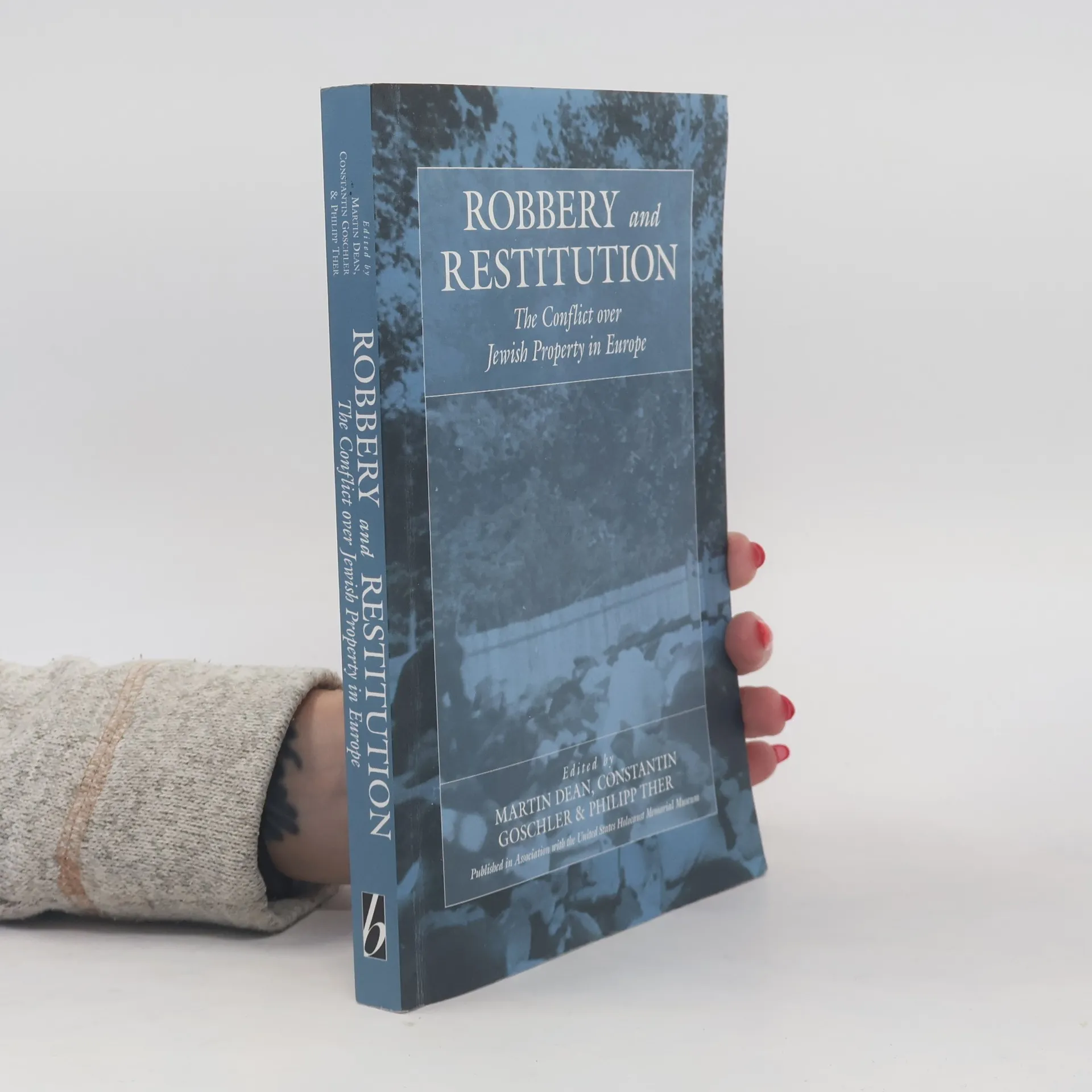
Studies on War and Genocide - 9: Robbery and Restitution
The Conflict over Jewish Property in Europe
- 308 stránek
- 11 hodin čtení
The robbery and restitution of Jewish property are two inextricably linked social processes. It is not possible to understand the lawsuits and international agreements on the restoration of Jewish property of the late 1990s without examining what was robbed and by whom. In this volume distinguished historians first outline the mechanisms and scope of the European-wide program of plunder and then assess the effectiveness and historical implications of post-war restitution efforts. Everywhere the solution of legal and material problems was intertwined with changing national myths about the war and conflicting interpretations of justice. Even those countries that pursued extensive restitution programs using rigorous legal means were unable to compensate or fully comprehend the scale of Jewish loss. Especially in Eastern Europe, it was not until the collapse of communism that the concept of restoring some Jewish property rights even became a viable option. Integrating the abundance of new research on the material effects of the Holocaust and its aftermath, this comparative perspective examines the developments in Germany, Poland, Italy, France, Belgium, Hungary and the Czech Republic.
Od založení do první světové války. Kniha německého historika nabízí zajímavý pohled na dějiny operní větve naší přední scény v širším evropském kontextu. Autor v ní zkoumá kulturní kontakty Národního divadla s operními divadly v sousedním Sasku, v Haliči a ostatních zemích habsburské monarchie. Podrobně se věnuje opernímu souboru a upozorňuje na nejdůležitější posuny v repertoáru. Ve svém přístupu kombinuje společenskohistorické a kulturněhistorické srovnávací hledisko a z této široké perspektivy se snaží vysvětlit obrovský úspěch Národního divadla a české opery v Evropě na konci 19. a počátku 20. století.
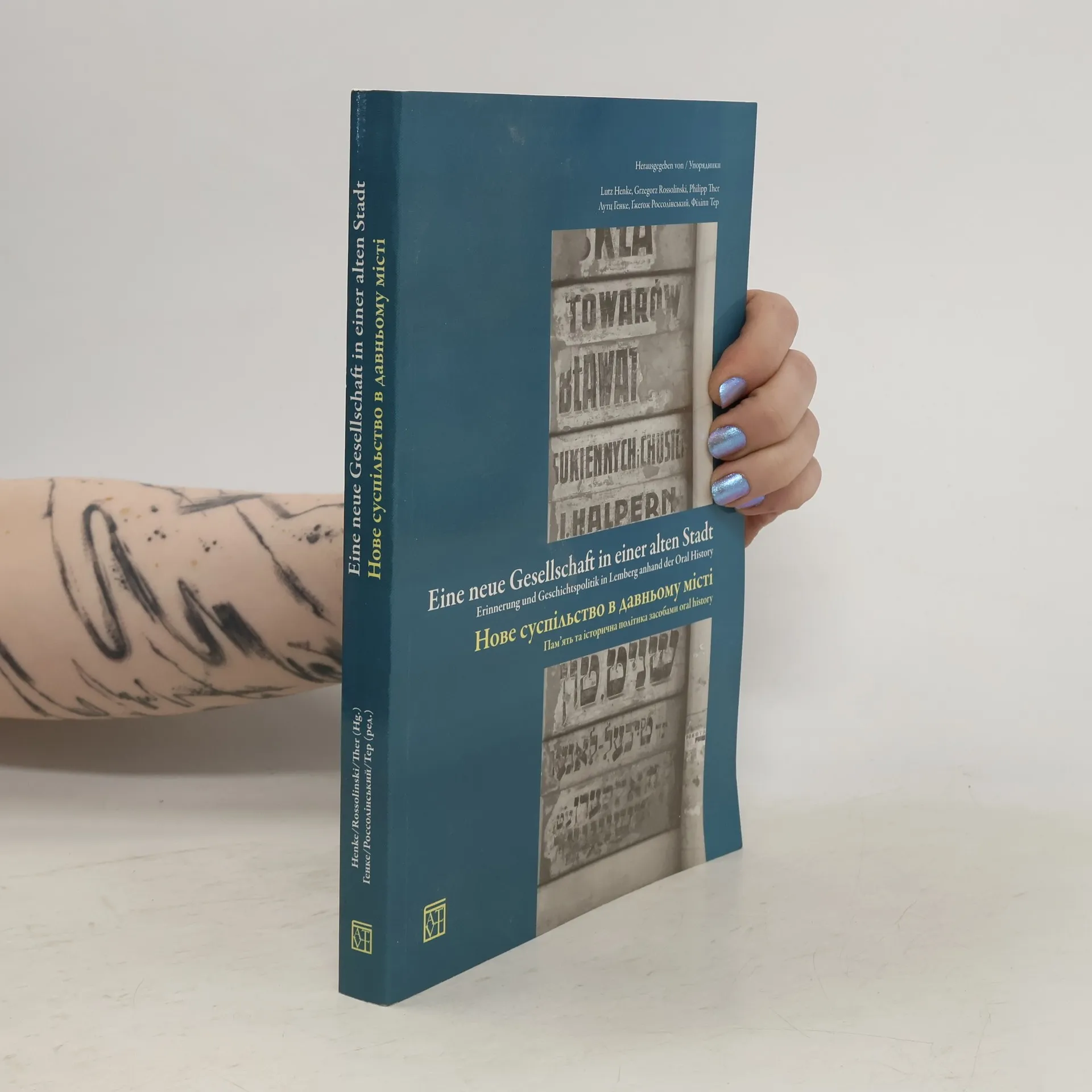
Eine neue Gesellschaft in einer alten Stadt
Нове суспільство в давньому місті: Erinnerung und Geschichtspolitik in Lemberg anhand der Oral History / Пам'ять та історична політика засобами oral history
- 313 stránek
- 11 hodin čtení
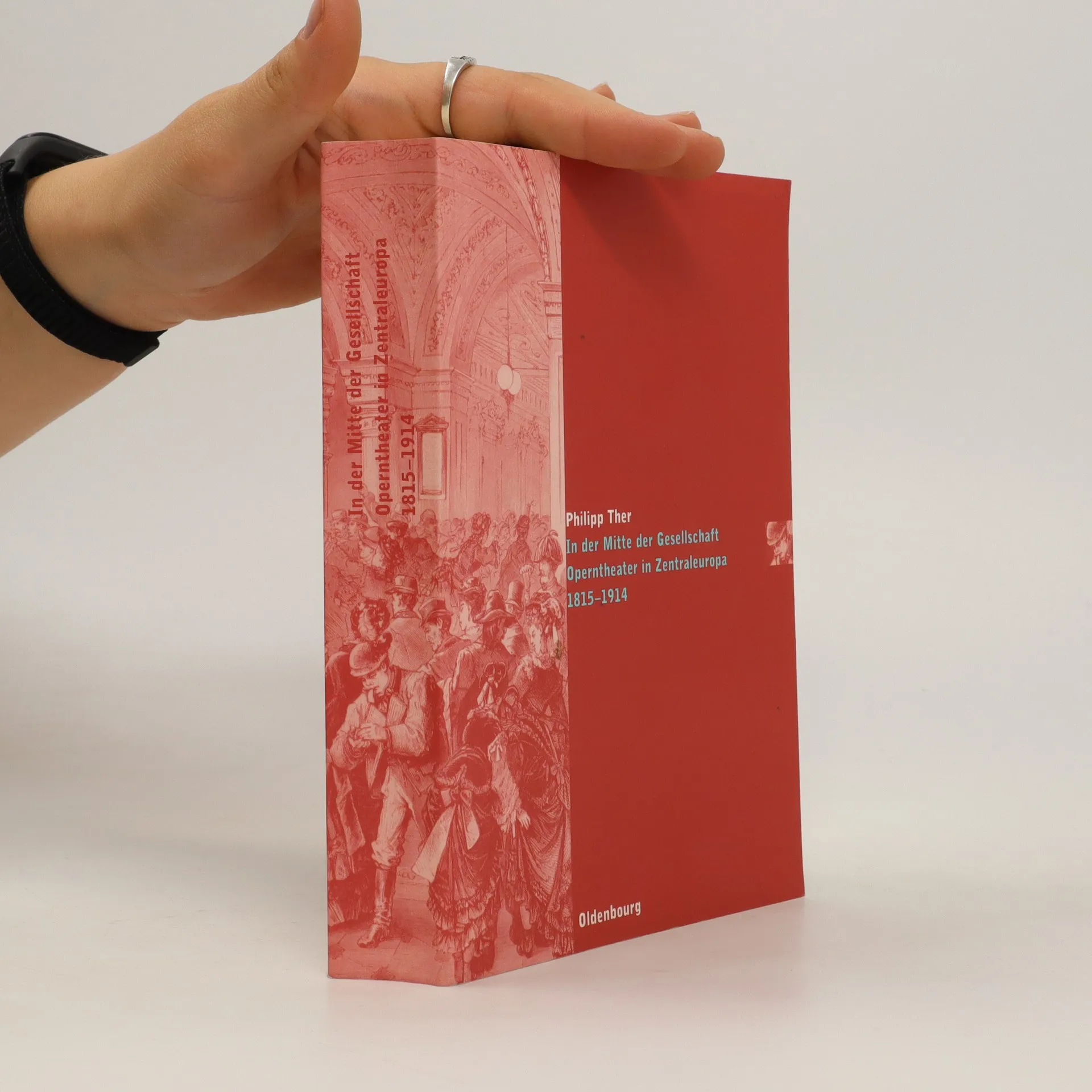
In der Mitte der Gesellschaft : Operntheater in Zentraleuropa 1815-1914
- 465 stránek
- 17 hodin čtení
Die Operntheater waren im 19. Jahrhundert politische und soziale Treffpunkte, Orte der Hochkultur und der Massenunterhaltung sowie der Konstruktion von Nationalkulturen. Philipp Ther untersucht exemplarisch drei Typen von Operntheatern: die höfische Semperoper in Dresden, das adelig geprägte Polnische Theater in Lemberg und das bürgerliche Tschechische Nationaltheater in Prag. Diese drei Opernhäuser waren von zentraler Bedeutung für die Entwicklung der deutschen, polnischen und tschechischen Oper. Ebenen des Vergleichs sind die soziale Funktion und Organisation der Häuser, ihr Publikum, ihre soziale Reichweite, ihre Repertoires und Aufführungspraxis. Thers Studie kombiniert Methoden des historischen Vergleichs mit dem Ansatz des Kulturtransfers und verbindet Sozial-, Kultur- und Musikgeschichte.
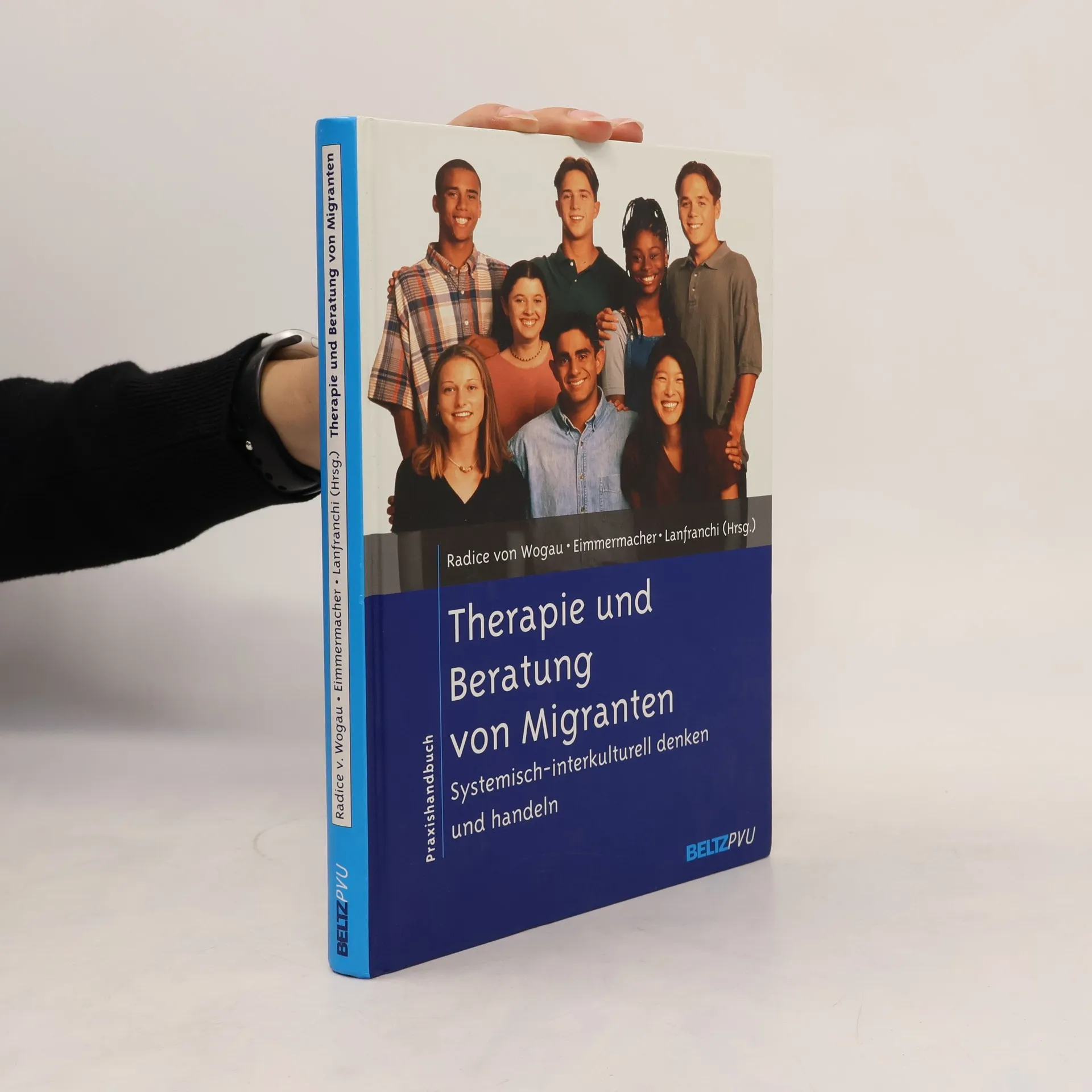
Therapie und Beratung von Migranten
Systemisch-interkulturell denken und handeln - Praxishandbuch
- 297 stránek
- 11 hodin čtení
Viele Zugewanderte fühlen sich „hier“ heimisch. Was aber bedeutet es für Therapie und Beratung, mit sehr unterschiedlichem Denken und Handeln konfrontiert zu sein? Wie umgehen mit Konflikten? Wie eigene Stereotypisierungen aufdecken, Vorurteile abbauen? Dieses Buch setzt einen neuen Qualitätsstandard für alle, die professionell Migranten unterstützen. Im Zentrum steht eine - für die Praxis dringend notwendige - Synthese von systemischem Denken und interkulturellem Handlungsansatz. Teil I widmet sich den Grundlagen, z. B.: Was ist Migration, Kultur, System? Wie gestaltet sich Netzwerkarbeit? Warum sind Sprache und eine interkulturelle Fachlichkeit so wichtig für Therapie und Beratung? Aus diesem Katalog entwickelt sich das Konzept des „systemisch-interkulturellen Denkens und Handelns“. Teil II gilt der Praxis: Hier kommen Autoren zu Wort, die nach obigem Konzept arbeiten und Einblick in ihre medizinische, therapeutische und sozialarbeiterische Praxis geben. Viele methodisch-didaktische Hinweise und Praxisbeispiele motivieren, sich verstärkt der Thematik zu öffnen und sie in die eigene Praxis zu integrieren.