
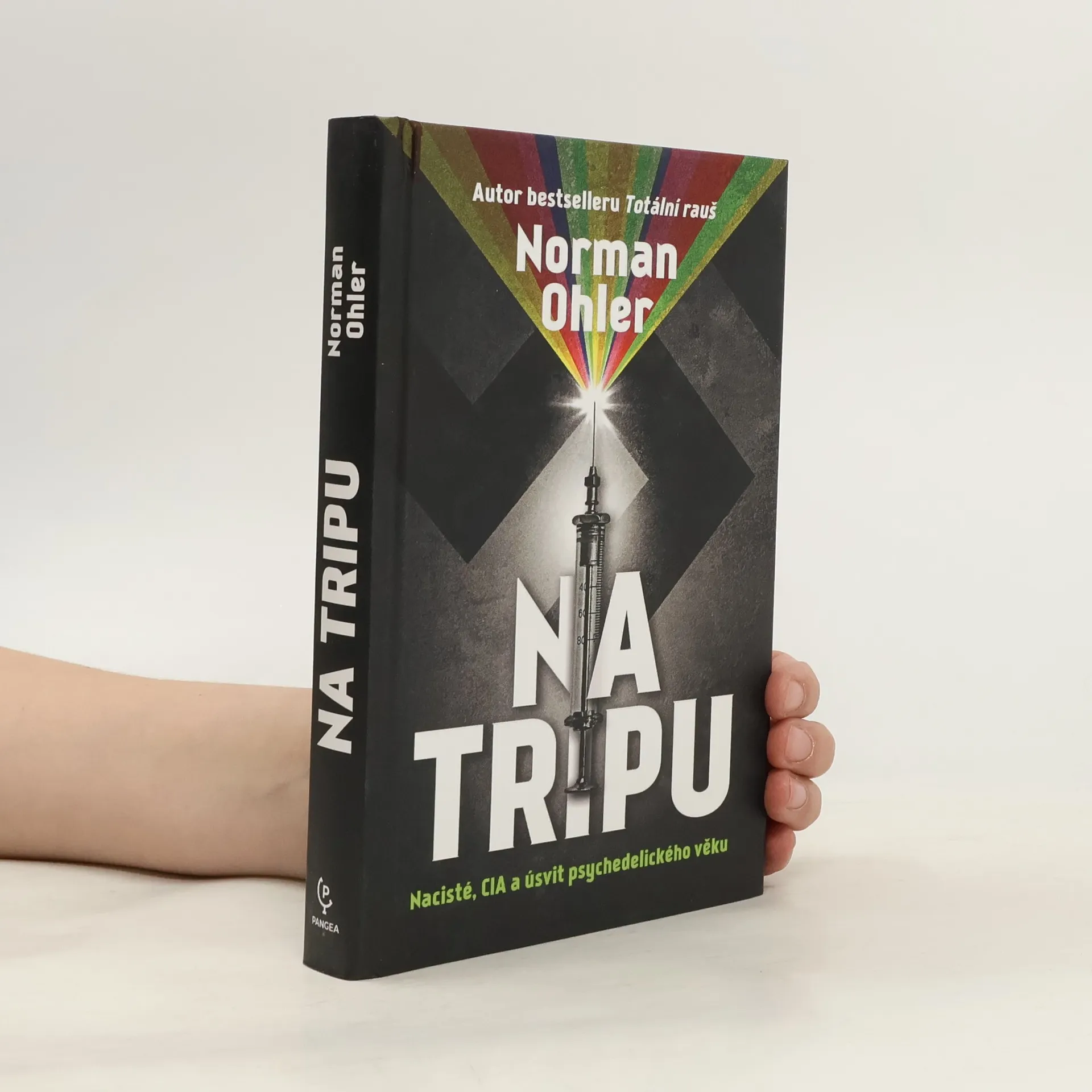
V dubnu 1933 SS zatýká a těžce týrá Harro Schulzeho-Boysena, třiadvacetiletého vydavatele nezávislého časopisu Gegner. Jeho blízký přítel, žid Henry Erlanger, mučení nepřežije. Od té chvíle Harro pomýšlí na pomstu. Když v roce 1934 potká Libertas, pocházející ze starobylého německého šlechtického rodu, jež pracuje u filmové společnosti Metro-Goldwyn-Meyer, nezačne se odvíjet jen příběh jich dvou. Z mnohostranných kontaktů se postupně vytvoří síť přátelských a odbojových kruhů, které se stavějí proti nacistickému teroru. K více než sto padesáti bojovníkům hnutí odporu patří dělníci, zaměstnanci, intelektuálové, umělci, mladší i starší. Dvě pětiny jsou ženy – což je v německém odboji vzácnost. Až do svého odhalení zvláštní komisí gestapa „Rote Kapelle“ (Rudá kapela) koncem léta 1942 Harro a Libertas podporují se svými přáteli židy a politicky pronásledované, šíří letáky, podnikají senzační akci s nalepováním lístků. Obzvlášť nebezpečnou aktivitou jsou tajné informace Harro Schulzeho-Boysena a Arvida Harnacka z ministerstva letectví a hospodářství Spojencům. Libertas a Harro zároveň žijí otevřeným životním a milostným stylem a odmítají se vzdát svobody a podřídit se rigidní nacistické morálce i v intimním soužití.
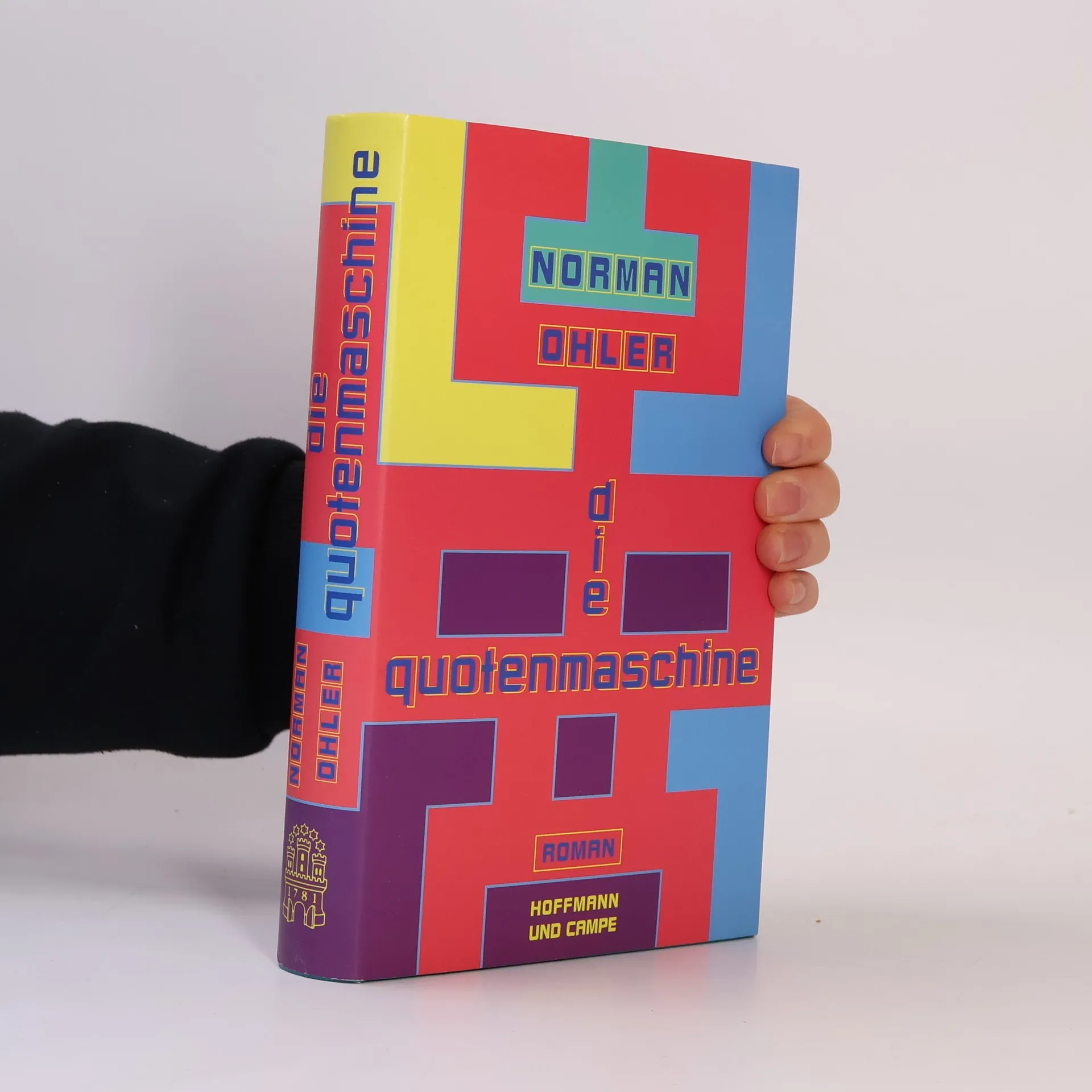
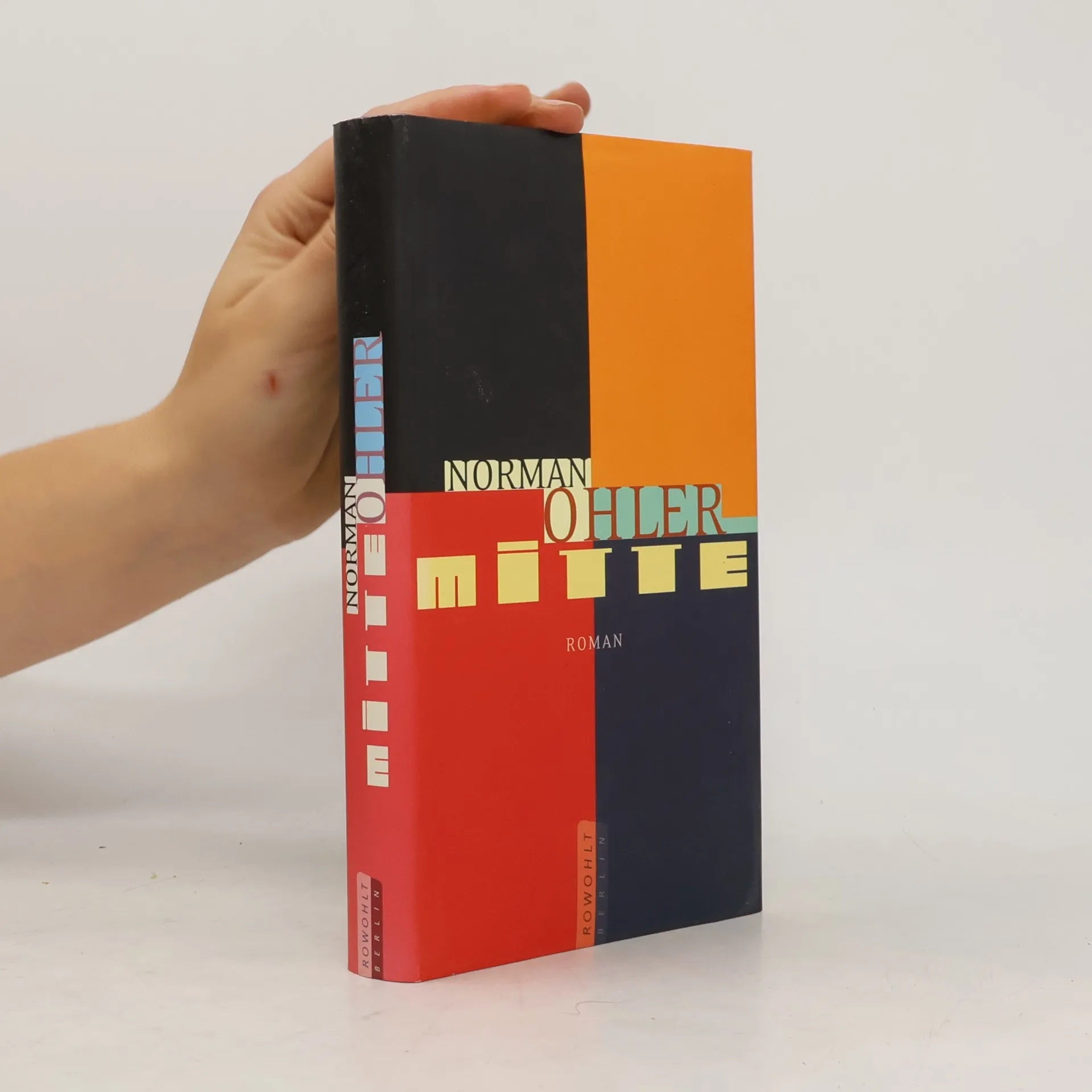
Norman Ohler Knihy
Norman Ohler je německý autor a scenárista, známý svým přístupem k historickému výzkumu a jeho začleněním do poutavých vyprávění. Jeho práce se vyznačuje hlubokým zkoumáním méně známých aspektů historie a odhalováním lidských příběhů v rámci velkých událostí. Ohlerův styl psaní je pečlivý a zároveň přístupný, což čtenářům umožňuje nahlédnout do složitých témat s novým porozuměním. Jeho literární přínos spočívá ve schopnosti oživit minulost a zpochybnit obecně přijímané pohledy prostřednictvím důkladného bádání a pohlcujícího vyprávění.


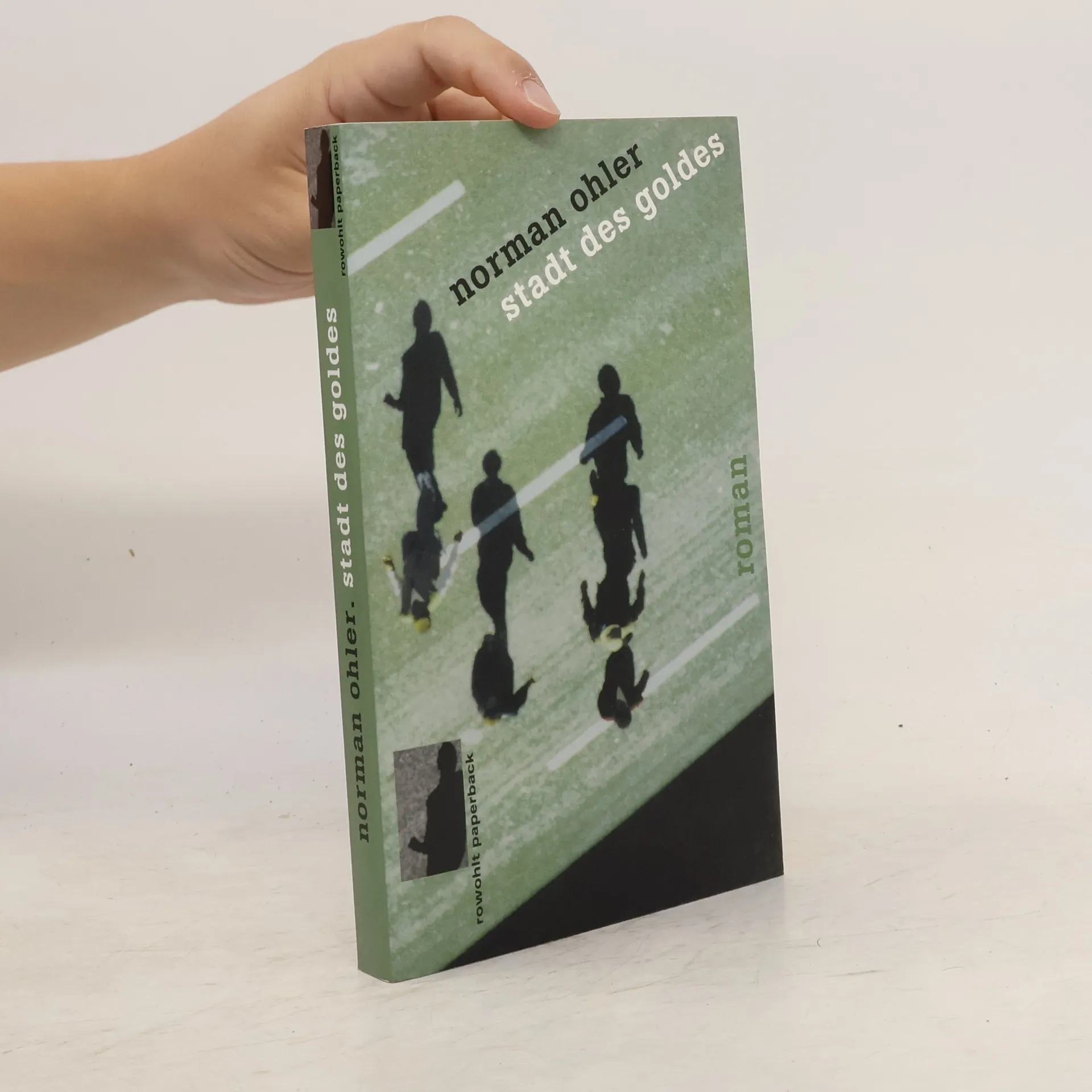
Na tripu
- 248 stránek
- 9 hodin čtení
Populárně-naučná kniha Na tripu je strhujícím vyprávěním o objevu psychedelických drog, a to zejména LSD. Popisuje, jak tato substance vznikala v renomované švýcarské firmě Sandoz, líčí rovněž spolupráci této firmy s nacistickými vědci za druhé světové války a také životní osudy objevitele této látky, muže jménem Albert Hofmann. Tato jedinečná kniha zároveň poukazuje na to, že po letech přísných represí a zákazů snad konečně nadchází doba, kdy bude možno tuto látku používat i jako lék, a to obzvláště na neurodegenerativní choroby. Kniha se opírá o bohaté rešerše z archivů již zmíněné firmy Sandoz i jiných, ale také o vyhodnocení korespondence hlavních aktérů a další materiály. Je napsána fundovaně, ale zároveň velmi čtivě. Je to první seriózní práce na toto téma, jež se dostává do rukou českého čtenáře.
Strhující jako thriller – první komplexní studie drogové problematiky ve třetí říši. Když Němci v roce 1940 vtrhli do Francie, měli vojáci wehrmachtu k dispozici třicet pět milionů dávek pervitinu. Látka – dnes mezinárodně známá jako meth – byla tehdy k dostání v každé lékárně. Droga měla umožnit tzv. bleskovou válku a stala se běžnou součástí výbavy vojáků. Dokonce i údajný abstinent Hitler se rád uchyloval k farmaceutickým stimulantům. V době, kdy nařídil poslední ofenzivu v zimě roku 1944, nebyl čistý ani jeden den. Jeho osobní lékař Theo Morell jej zásoboval všemi druhy léků, hormonů i tvrdých drog. Pouze v tomto stavu mohl vůdce vydržet tak dlouho. Ohler prošel všechny materiály k tématu, hovořil s pamětníky, vojenskými historiky i lékaři. Na knize se podílel přední historik Hans Mommsen, který také napsal doslov.
Tripped
- 226 stránek
- 8 hodin čtení
This account brilliantly sifts through a massive history to reveal ideological connections, making it a must-read. The author of the New York Times bestseller Blitzed presents a provocative exploration of drugs and postwar America, detailing how Nazi experiments with psychedelics covertly influenced CIA research and shaped the War on Drugs. In Berlin 1945, drug use surges after the fall of the Third Reich, with policies enforced by the four allied powers: the Soviet Union, Britain, France, and the US. In the American sector, Arthur J. Giuliani from the Federal Bureau of Narcotics investigates Nazi anti-drug laws for potential insights. Five years later, Harvard professor Dr. Henry Beecher collaborates with the US government to delve into Nazi psychedelic research, which began with mescaline and expanded to LSD. Originally developed for medical use by Swiss pharmaceutical Sandoz, the Nazis repurposed LSD for mind control military research, which the US sought after the war. This research led to MKUltra, the CIA's infamous brainwashing program in the 1950s and 1960s, and significantly influenced US drug policy on psychedelics for decades. Drawing on extensive archival research, the author reveals hidden connections between the Nazis and early American drug culture, illustrating how this secret history hindered therapeutic research on psychedelics and laid the groundwork for America's War on Drugs.
The Infiltrators
- 320 stránek
- 12 hodin čtení
The incredible true story of two idealistic young lovers who led the anti-Nazi resistance in the darkening heart of Berlin, by the author of the internationally bestselling Blitzed.
Meticulously researched, this narrative combines historical depth with the fast-paced excitement of a thriller. It weaves together compelling characters and intricate plots, engaging readers with its vivid storytelling and suspenseful twists. The book invites readers to explore a richly crafted world that balances factual accuracy with thrilling entertainment, making it a captivating read from start to finish.
The Bohemians
- 320 stránek
- 12 hodin čtení
';A story of love, incredible bravery and self-sacrifice ... brilliantly told.'Antony Beevor, New York Times best-selling author of The Fall of Berlin 1945 , The Second World War , and D-Day ';Ataut, absorbing tale of anti-Nazi resistance.' Kirkus Reviews
Harro und Libertas
- 496 stránek
- 18 hodin čtení
Liebe und Widerstand in Hitlers Berlin. Mit »Harro und Libertas« hat der Schriftsteller Norman Ohler eine historische Leistung erbracht. Mit seinem überaus spannend erzählten und sorgfältig recherchierten Buch hat er Harro Schulze-Boysen und seine Frau Libertas endlich als das gezeigt, was sie waren: zwei historisch höchst bedeutsame Helden des Widerstands gegen das Naziregime, die lange Zeit sowohl in Westdeutschland als auch in der DDR nicht die Anerkennung gefunden haben, die sie verdienen. Es ist die wahre Geschichte zweier Liebender, die um sich herum im Berlin der NS-Zeit ein Netzwerk von Gleichgesinnten aus allen Berufen und sozialen Schichten gebildet und sich mutig dem Naziterror entgegengestellt haben. Zugleich lebten Libertas und Harro einen offenen Liebes- und Lebensstil und weigerten sich, diesen der rigiden NS-Moral unterzuordnen. Nach seiner deutschsprachigen Veröffentlichung hat Norman Ohlers Buch sofort in einer Vielzahl von Übersetzungen international Karriere gemacht – in den USA unter dem Titel »The Bohemians«, in England (»The Infiltrators«) sowie in Italien, Frankreich und den Niederlanden.
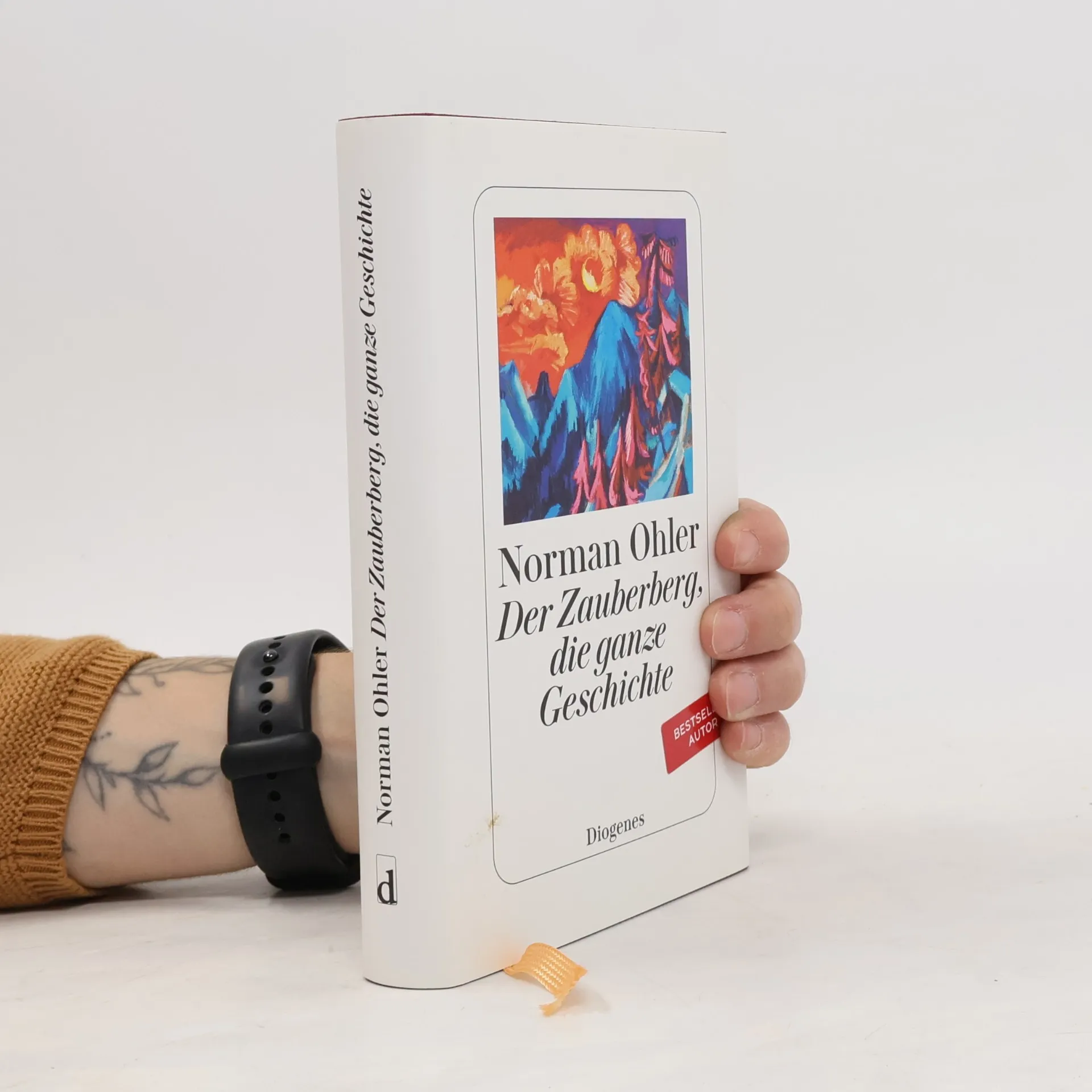
Der Zauberberg, die ganze Geschichte
- 272 stránek
- 10 hodin čtení
Ein Erzähler reist mit seiner Tochter nach Davos und reflektiert über die Moderne, das Skifahren und die Tuberkulosepandemie. Er untersucht, wie aus dem armen Bergdorf ein Symbol des globalen Reichtums wurde und stellt sich grundlegenden Fragen zu Lebensweisen und der Zukunft seiner Kinder.
Der stärkste Stoff
- 272 stránek
- 10 hodin čtení
LSD: Wie alles begann und was in der Gegenwart daraus wurde Wie Norman Ohler in seinem internationalen Bestseller »Der totale Rausch« am Beispiel der NS-Zeit gezeigt hat, spielen Drogen und Drogenpolitik eine dramatische, immer noch unterschätzte Rolle in der Geschichte der Menschheit. In seinem neuen Buch nimmt der Autor diesen Faden wieder auf und untersucht, wie Entwicklung, Produktion und Verbreitung psychedelischer Substanzen Politik und Gesellschaft von der Nachkriegszeit bis in die Gegenwart geprägt haben. Bei seinen ebenso abenteuerlichen wie gründlichen Recherchen in Archiven in Europa und den USA differenziert Norman Ohler zwischen drei Dimensionen beim Blick auf Drogen: ihre Funktion als Rauschmittel, als Werkzeug der Bewusstseinskontrolle sowie als Heilmittel. Am Beispiel der Entdeckung des LSDs und dem aus mexikanischen Pilzen gewonnenen Psilocybin bringt Norman Ohler Licht in das Zusammenspiel aus wissenschaftlicher Forschung, staatlichen Behörden und hedonistischer Drogenkultur. Und er zeigt überzeugend, wie eine undifferenzierte Prohibitionspolitik Fortschritte im Kampf gegen Zivilisationskrankheiten wie Depression oder Alzheimer verhindert. Es treten auf: Albert Hofmann und die Basler Firmen Sandoz und Novartis, Harry J. Anslinger und sein Federal Bureau of Narcotics, Richard Nixon und Elvis Presley, Aldous Huxley und John Lennon, sowie die Eltern des Autoren.