




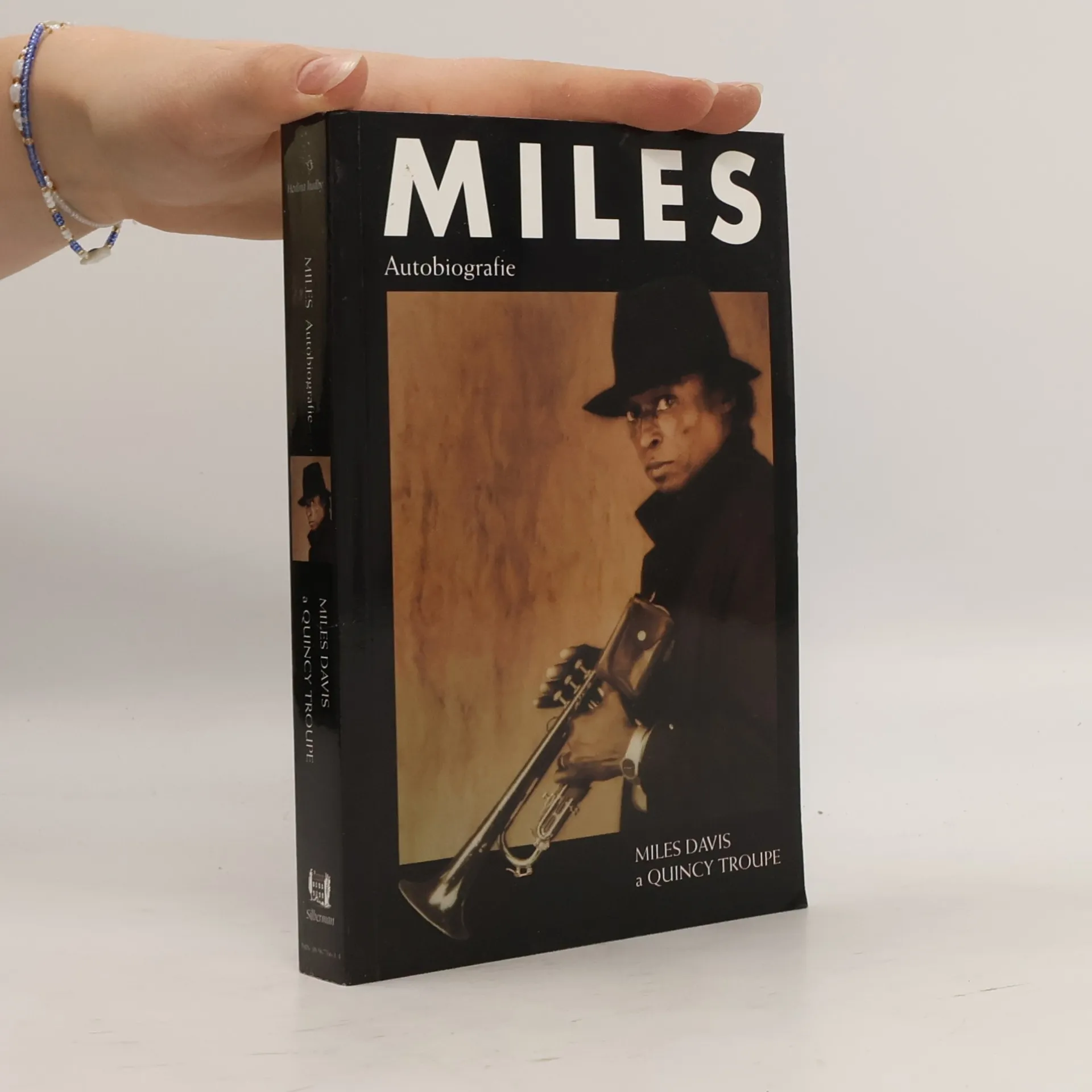
Miles
Autobiografie
Jazzový král vzpomíná. Představovat amerického jazzového trumpetistu Milese Davise je nejspíš zbytečné – tento vpravdě geniální hudebník nejen že byl u všech podstatných proměn poválečného jazzu, on je přímo režíroval. Vliv, jaký měl na jazz – ale i rock – tak lze těžko zcela docenit. Davis, který odmítal zestárnout a neustále držel krok s hudebním vývojem, vypráví nejen o své hudbě, ale také o všech slavných jazzmanech, a to tak, jak se o nich obvykle nepíše. Představovat amerického jazzového trumpetistu Milese Davise je nejspíš zbytečné – tento vpravdě geniální hudebník nejen že byl u všech podstatných proměn poválečného jazzu, on je přímo režíroval. Vliv, jaký měl na jazz – ale i rock – tak lze těžko zcela docenit. Davis, který odmítal zestárnout a neustále držel krok s hudebním vývojem, vypráví nejen o své hudbě, ale také o všech slavných jazzmanech, a to tak, jak se o nich obvykle nepíše. Nebere si před ničím servítky, žádná modla mu není dostatečně svatá, a tak jsou jeho paměti velice osobitým a svérázným pohledem na historii jazzu. Davis ovšem nezapomíná ani na rockové muzikanty, s velkou úctou mluví například o Jimi Hendrixovi či Princovi. Vzpomíná také na svůj bohatý osobní život, na své manželky i milenky, na divoké drogové i sexuální eskapády, nezastírá svou leckdy temnou minulost, z každé věty je ovšem cítit, jak silnou osobností byl – ostatně, jinak by přeci nemohl být Králem jazzu...