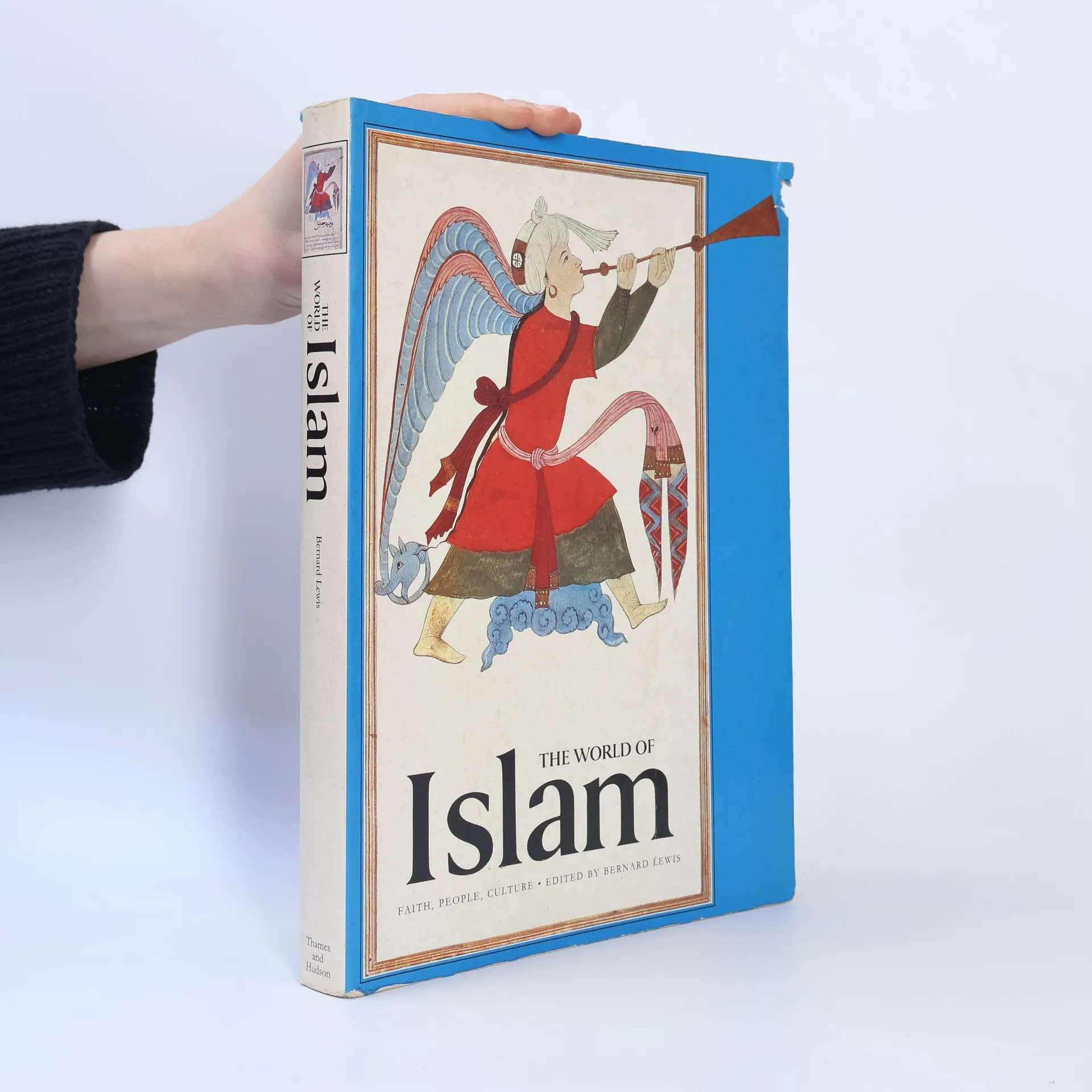
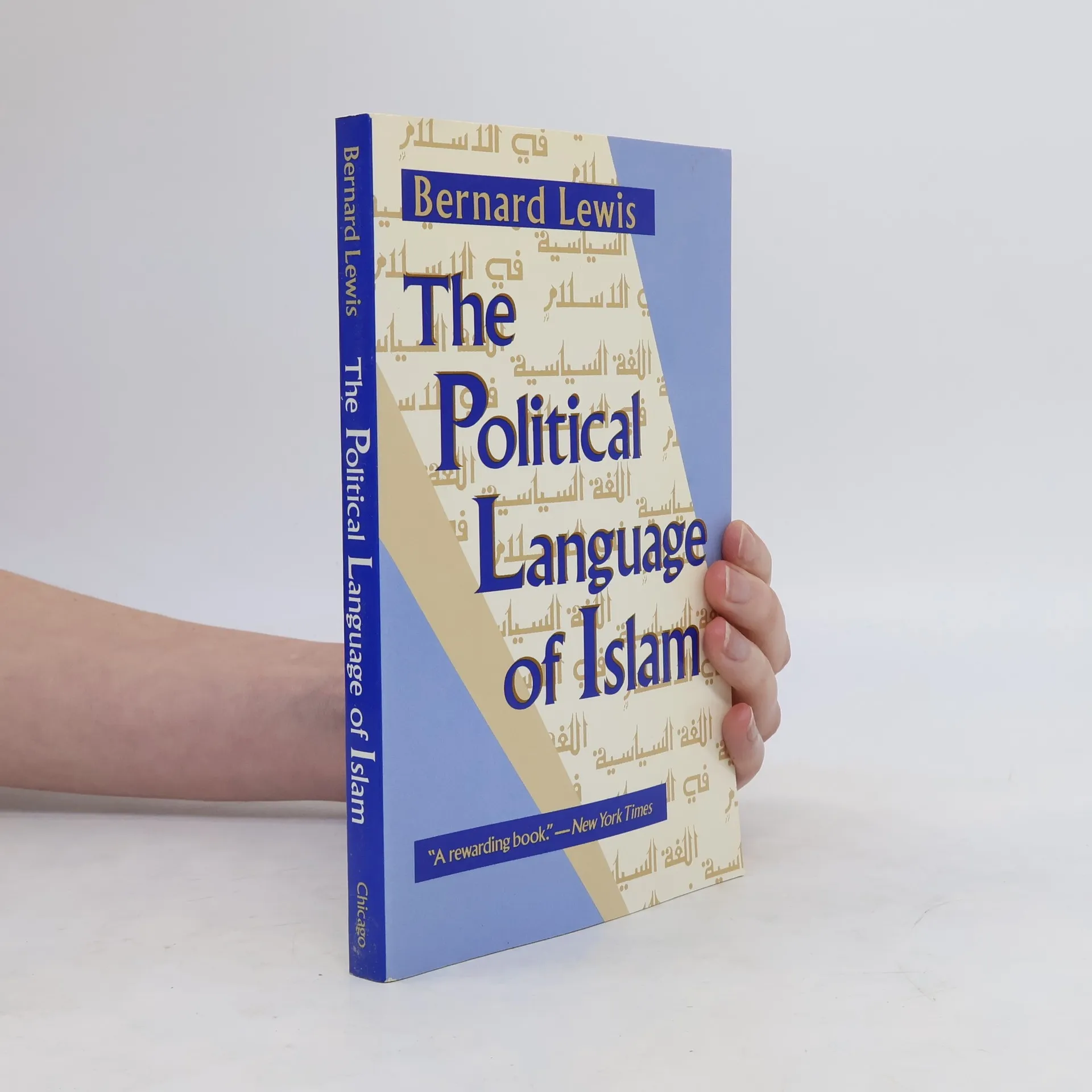
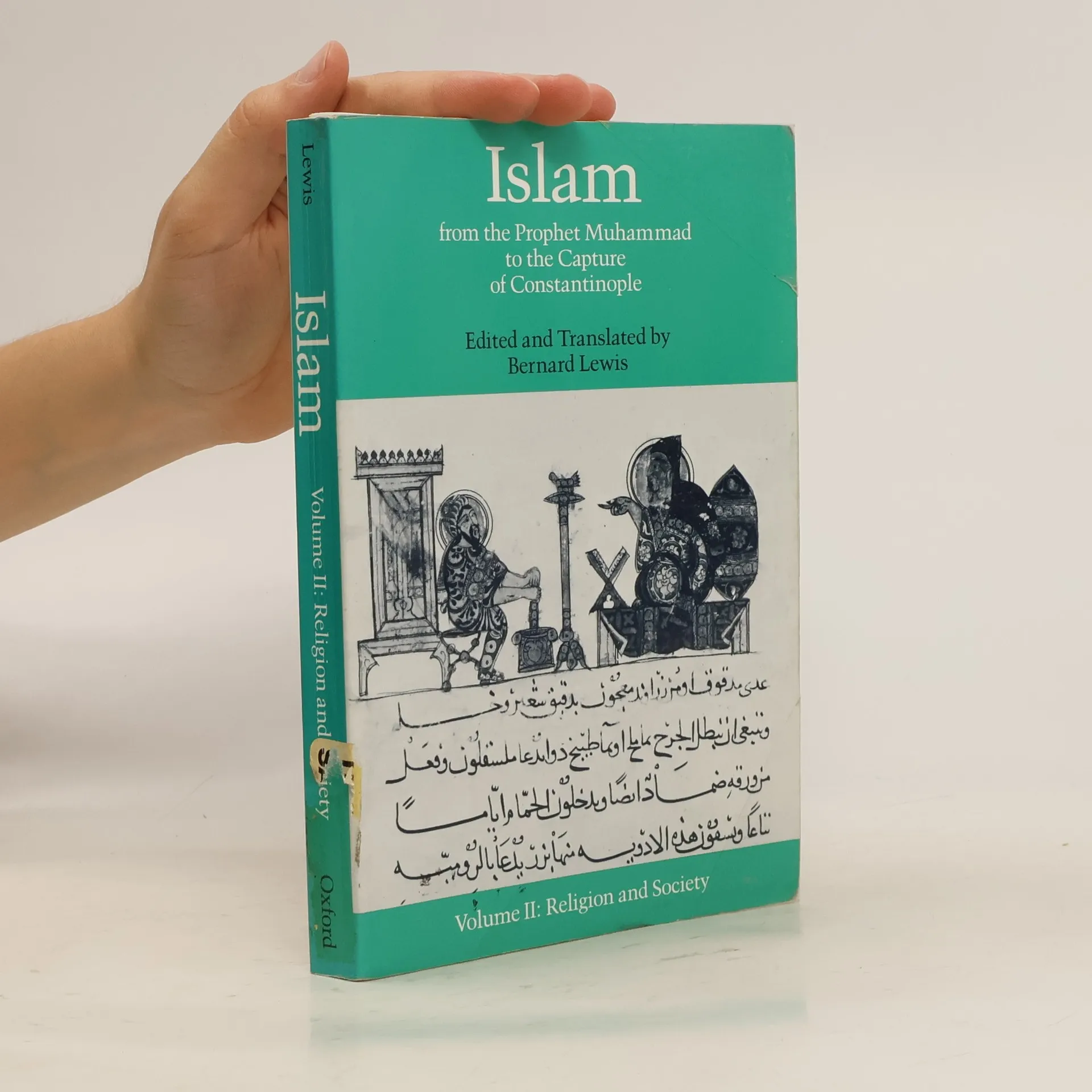
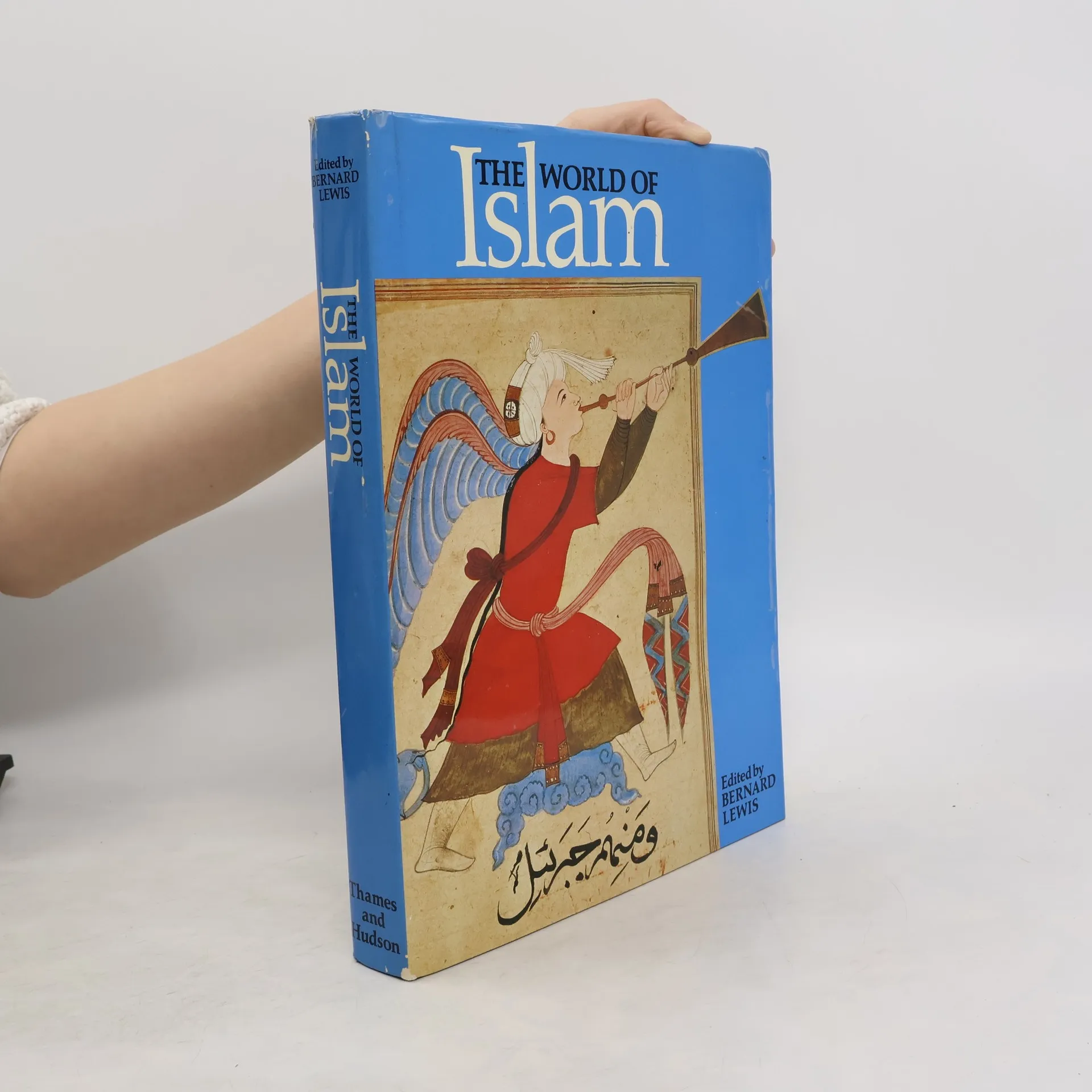
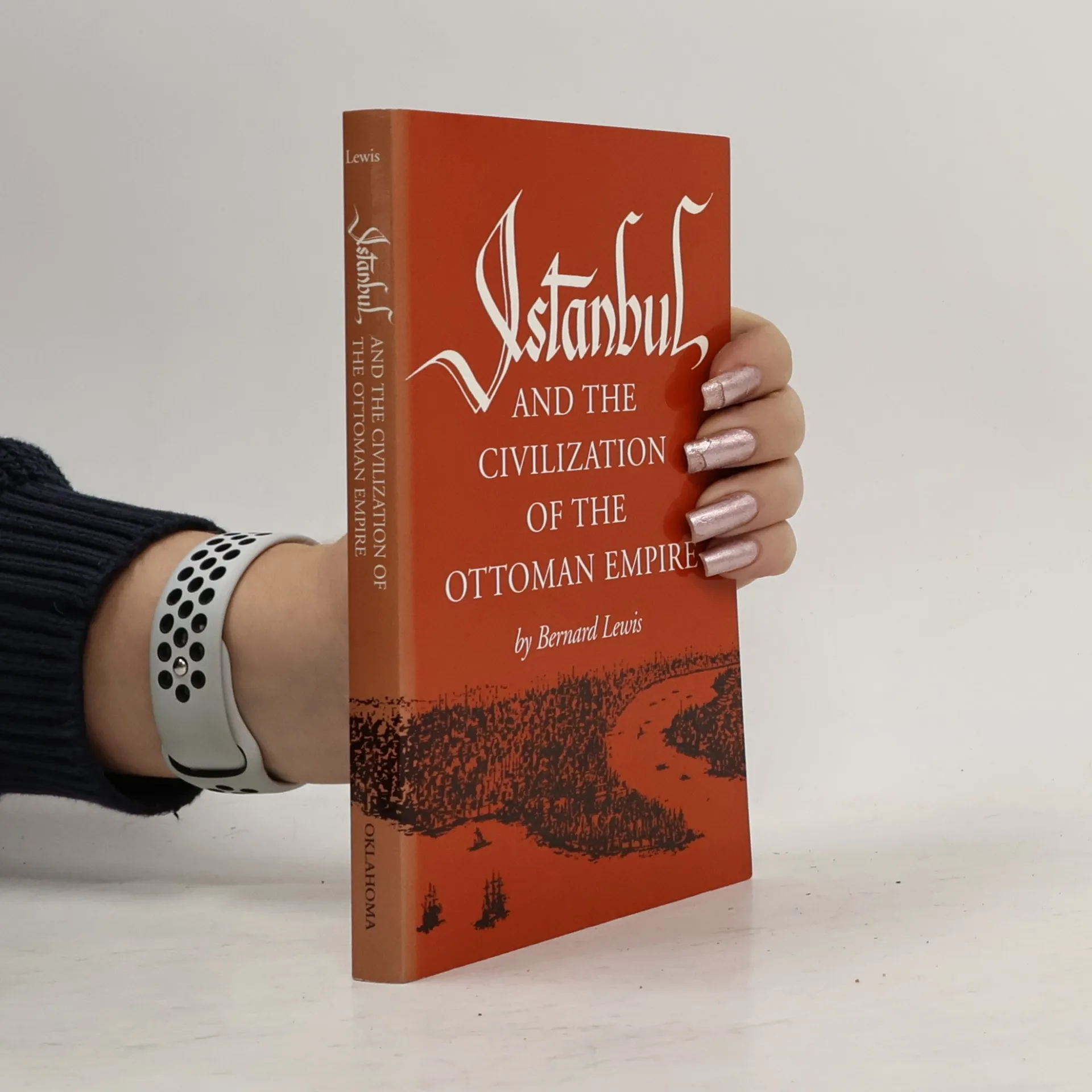
Bernard Lewis byl emeritním profesorem Princeton University a autorem mnoha oceňovaných a bestsellerových knih o Blízkém východě. Jeho díla, která získala mezinárodní uznání, zkoumají složitou historii a současnost regionu. Lewis se zaměřoval na hluboké kulturní a historické kořeny událostí, které formovaly Blízký východ, a nabízel pronikavé pohledy na jeho vývoj. Jeho práce jsou ceněny pro svou hloubku, jasnost a schopnost osvětlit komplexní témata pro širší publikum.
Exploring Islamic political thought, this collection features 11 essays by Bernard Lewis, a prominent figure in Middle Eastern studies. Renowned for his accessible writing, Lewis engages a diverse audience, including scholars, politicians, and journalists, making complex historical insights approachable for the general public. The essays reflect his deep understanding of the subject, offering valuable perspectives on the interplay between Islam and politics.
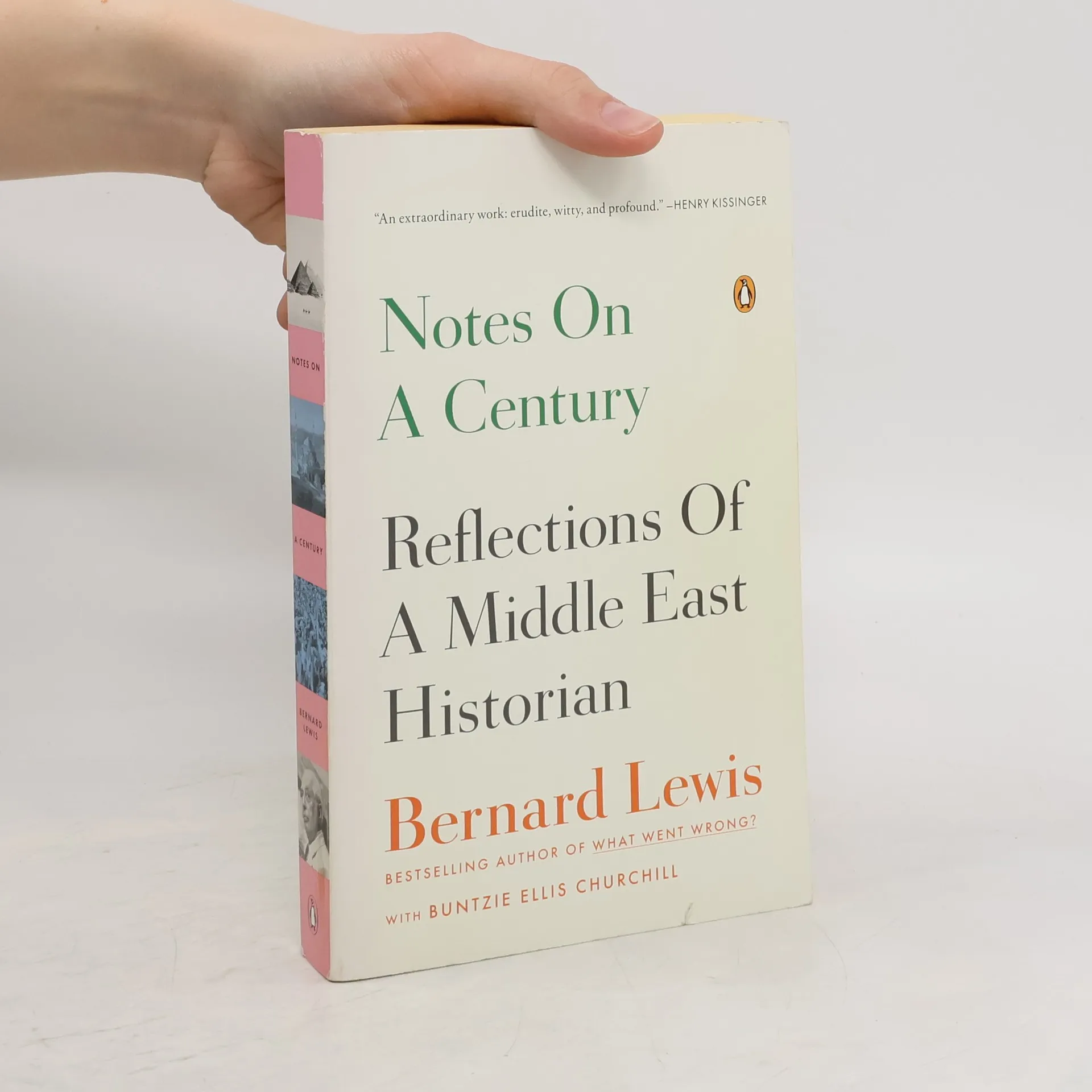
There are few historians like Bernard Lewis, who end up as historical actors in their own right. When we think of the Middle East, we see it in terms that he defined and articulated. In this exceptional memoir, the bestselling author of What Went Wrong? shares stories of his wartime service in London and Cairo as an intelligence officer for MI6. After the war, he was the first Western scholar to enter the Ottoman archives. He explains how he coined the phrase "clash of civilizations" in the 1950s, long before anyone imagined that political Islam would one day pose more of a threat than communism. Then September 11 catapulted him onto the world stage. Notes on a Century chronicles a time of spectacular upheaval in the Middle East-from the Second World War and the founding of Israel to the Iranian Revolution and the Arab Spring. Book jacket.
Quando si discute di globalizzazione, emergono atteggiamenti contrastanti: da un lato opportunità e crescita, dall'altro oppressione e mercificazione. Questo fenomeno suscita dibattiti tra studiosi e cittadini, generando sia speranze che timori. È davvero nuovo, o rappresenta una sfida rinnovata alla conoscenza e al progresso, simile a rivoluzioni passate? Se non è innovativo, come possiamo garantire che i benefici siano equamente distribuiti tra i popoli? Il mondo si sta espandendo: commerci, relazioni economiche, politiche e culturali si intrecciano, portando con sé valori e aspirazioni. Tuttavia, sorgono interrogativi su cosa non funzioni in questo processo e su cosa debba essere corretto. È giusto fermare l'espansione o continuare a promuoverla? Le lezioni raccolte nella Sala Zuccari di Palazzo Giustiniani affrontano queste tematiche, presentando contributi di figure di spicco come Giovanni Agnelli, Henry Kissinger, Václav Havel, Valéry Giscard d’Estaing, Bill Gates e Bernard Lewis. Insieme, offrono una prospettiva preziosa e originale sul fenomeno della globalizzazione, esplorando le sue dimensioni economiche, politiche, culturali e storiche.
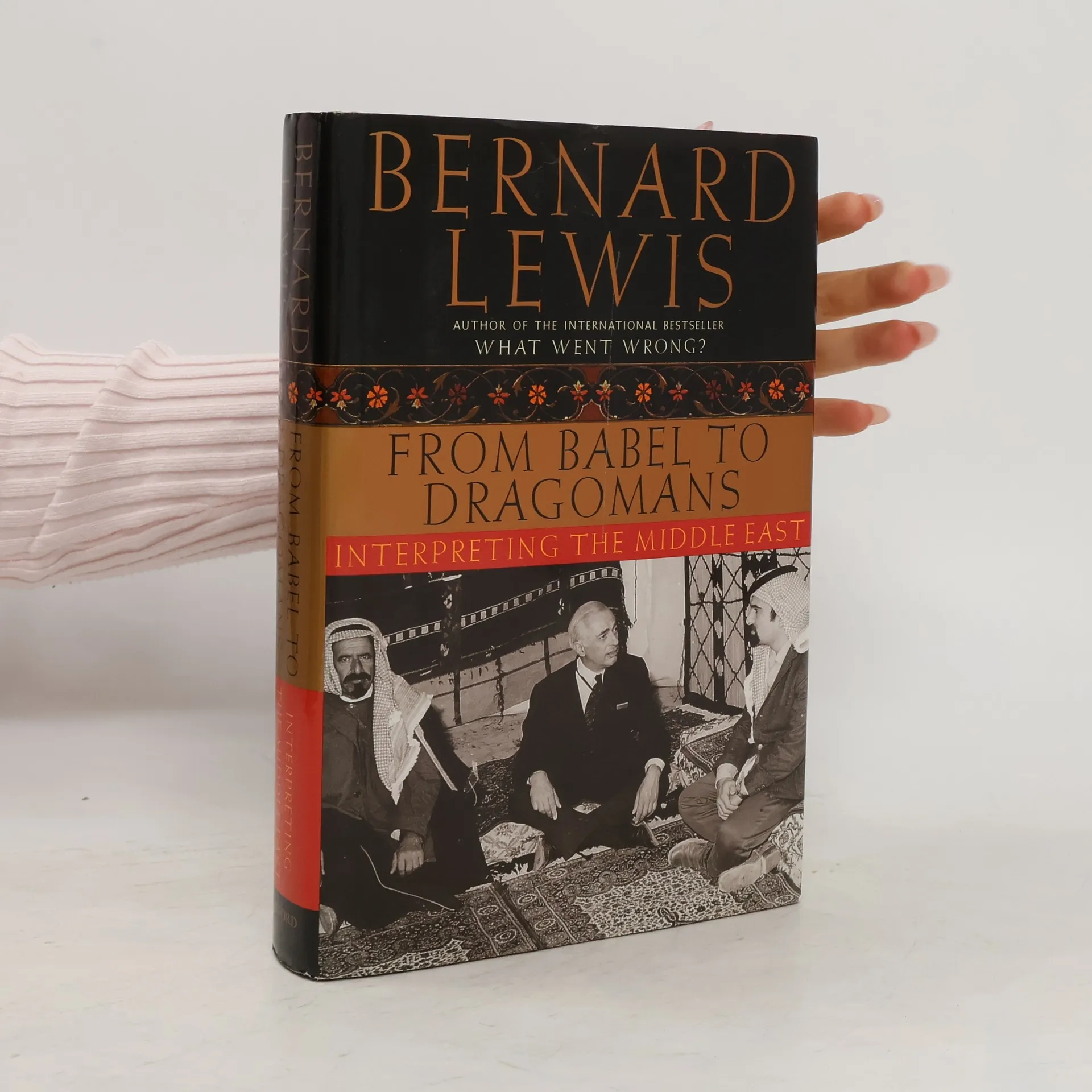
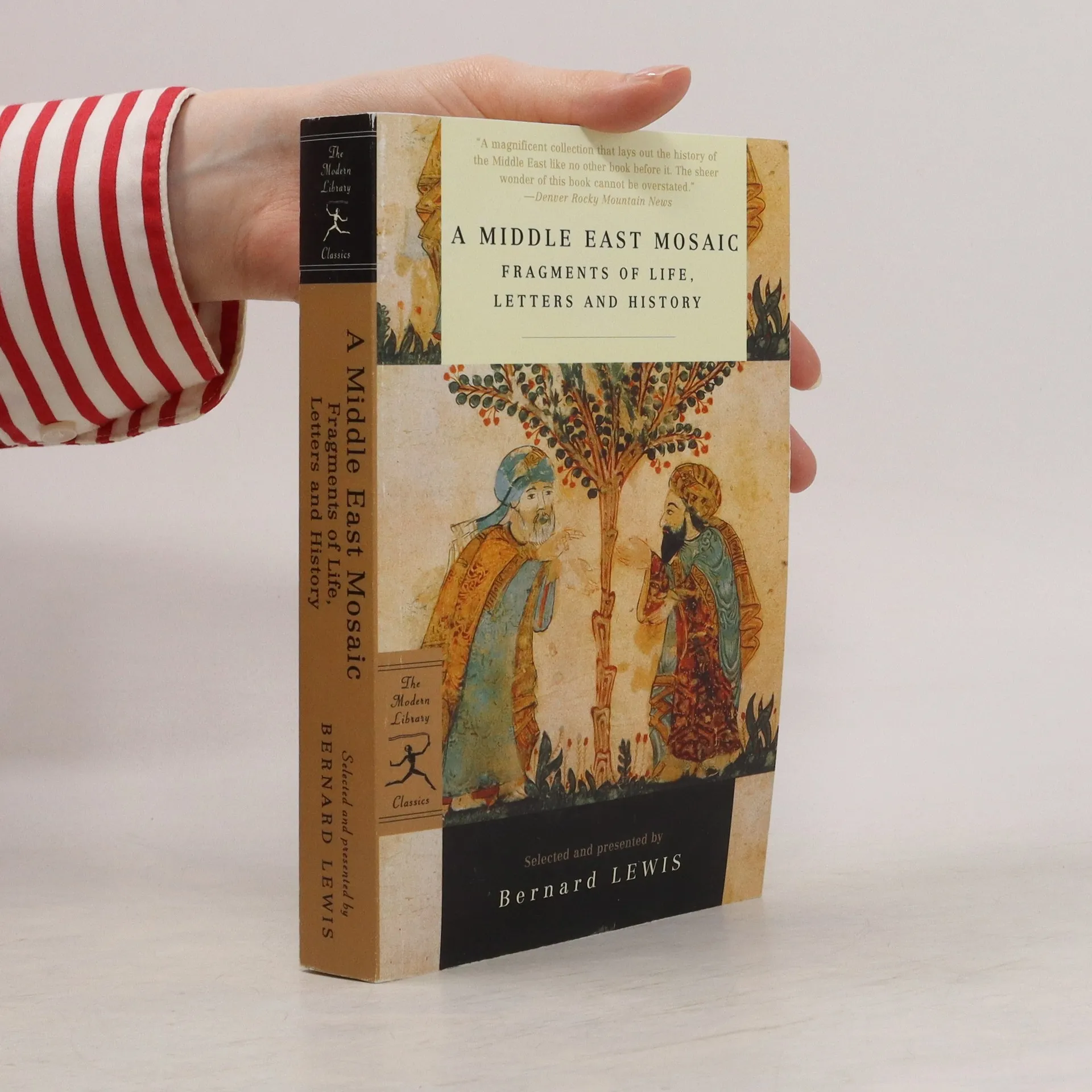
Bernard Lewis, a distinguished scholar fluent in multiple languages, has significantly contributed to the understanding of Islam, the Ottoman Empire, and the modern Middle East for Western audiences. This collection compiles his reflections on Middle Eastern history and foreign affairs spanning six decades. The essays explore various topics, including pan-Arabism, the Mughal and Ottoman empires, and the dynamics between Western powers and the Middle East. They also delve into travel experiences, culinary traditions, and the challenges of documenting Middle Eastern history. Key events of the twentieth century, such as the rise of modern Israel, the Iranian Revolution, and the Gulf War, are examined alongside pressing issues like the conflicts in Iraq and Afghanistan, and the roles of figures like Saddam Hussein and Osama bin Laden. The collection features a mix of English originals, previously unpublished writings, and notable essays from esteemed publications like Foreign Affairs and The New York Review of Books. With over fifty pieces accompanied by a personal memoir from Lewis, this anthology serves as an invaluable resource for anyone interested in the complexities of the Middle East, offering deep insights into its history, culture, politics, and contemporary issues.
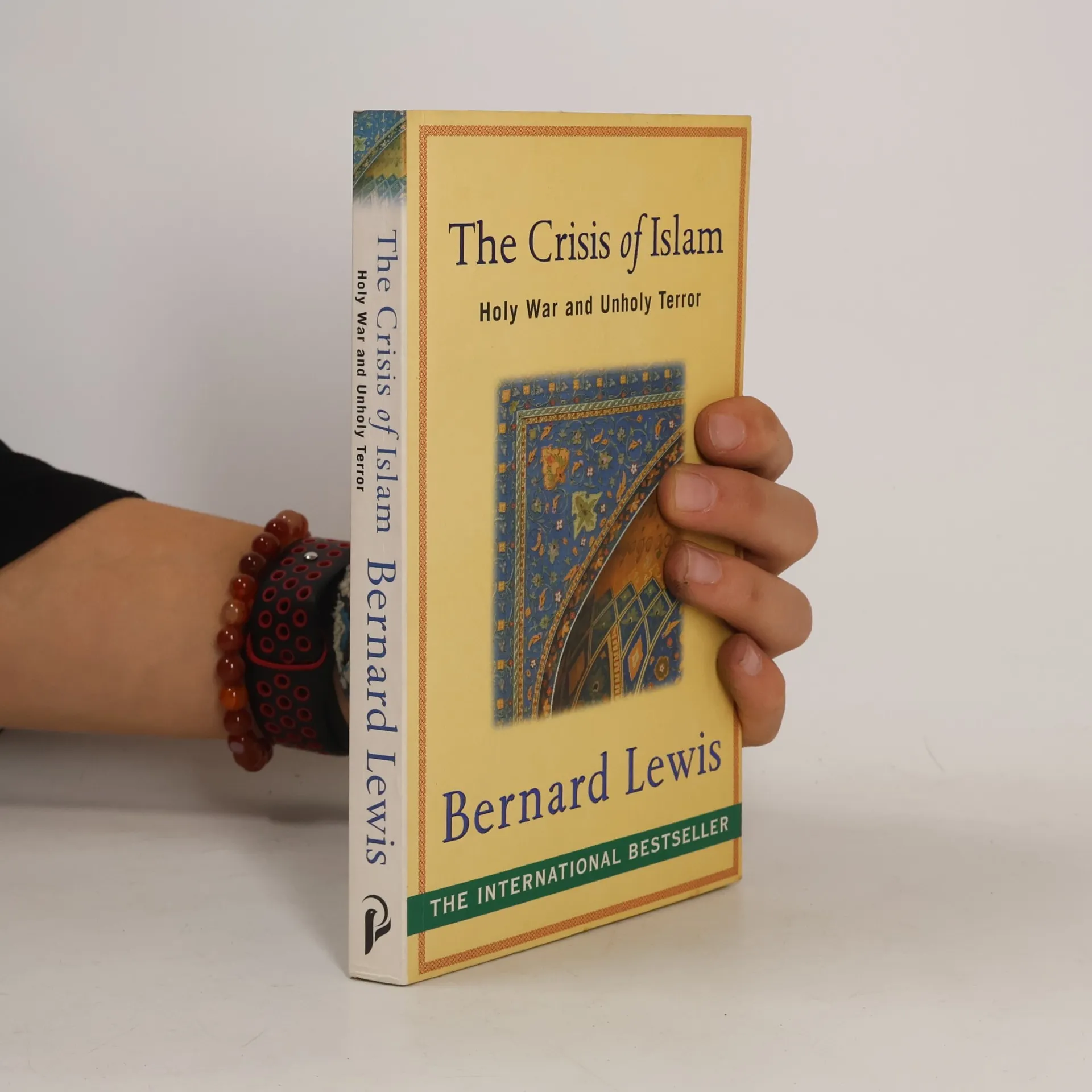
President Bush has made it clear that we are engaged in a war against terrorism. But for Usama bin Laden and his followers this is religious war, a war for Islam against infidels, especially the United States, the greatest power in the world of the infidels. In this book Bernard Lewis shows us where the anger and frustration have come from, and the extent to which almost the entire Muslim world is affected by poverty and tyranny. He looks at the influence of extreme Wahhabist doctrines in the Saudi kingdom, where custodianship of Islam's holy places and the revenues of oil have given worldwide impact to what would otherwise have been an extremist fringe in a marginal country. He looks at American double standards, which have long caused Muslim anger, and tells us the real meaning of `Islamic fundamentalism', `jihad' and `fatwa', and why the peoples of the Middle East are conscious of history in a way most Americans find difficult to understand.
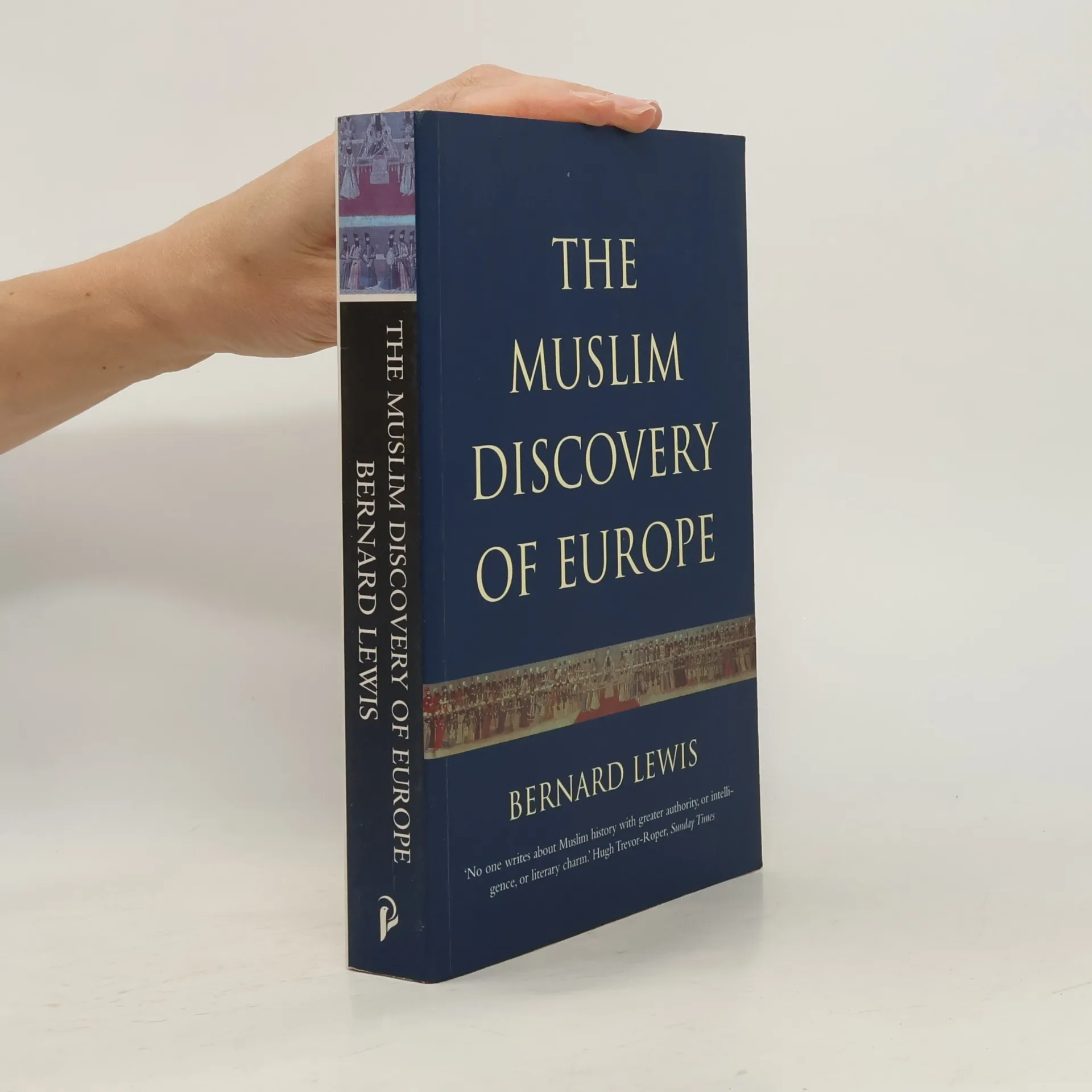
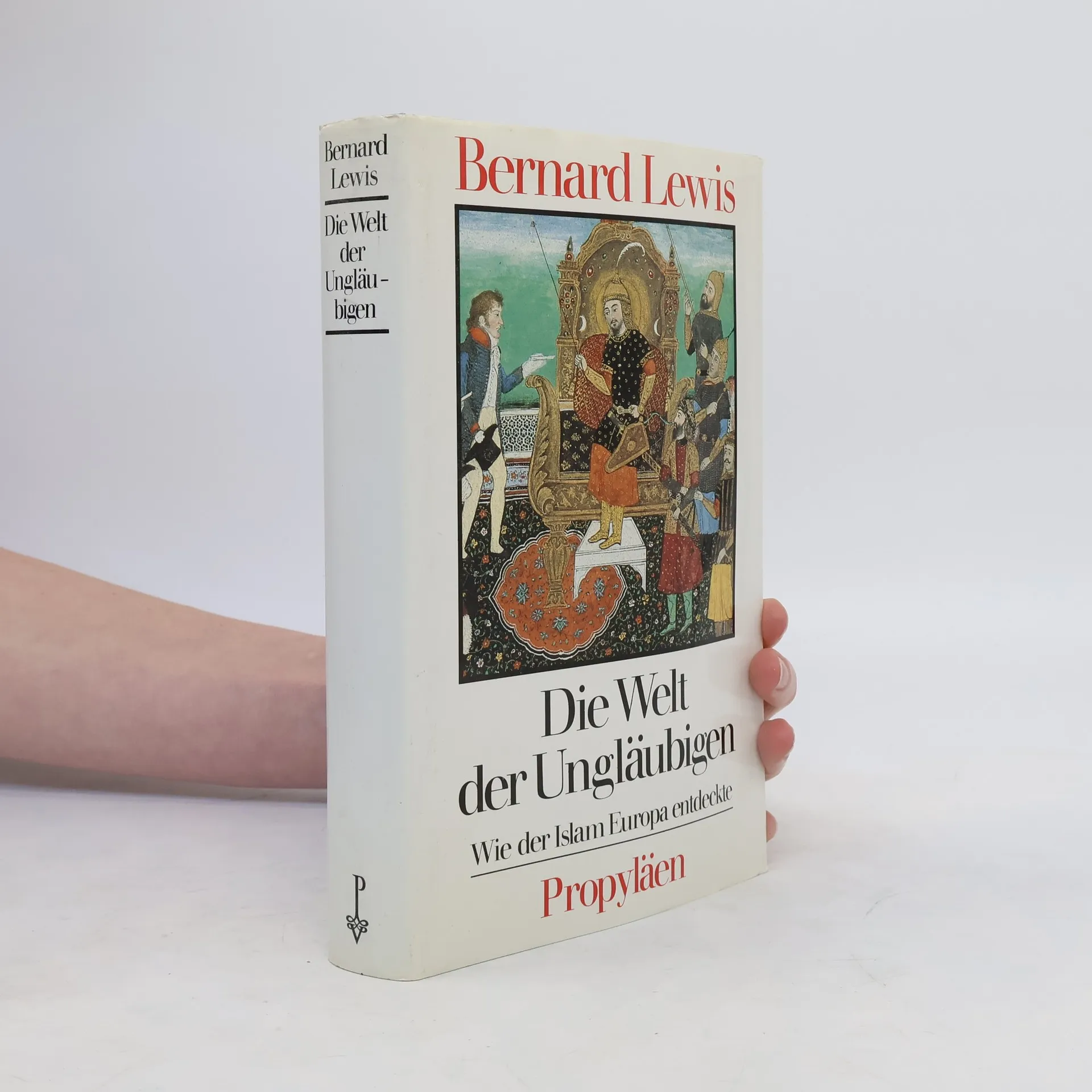
Kniha Bernarda Lewise, emeritního profesora blízkovýchodních studií na Princetonské univerzitě, vypráví příběh islámského Středního východu, který se po několik staletí nacházel v popředí světové civilizace a představoval významnou vojenskou a hospodářskou mocnost tehdejšího světa ijednu z vůdčích oblastí v umění a vědách. Křesťanská Evropa, vzdálená země za severozápadní hranicí islámského světa, byla považována za vnější území temnoty, ovládané barbary a nevěřícími, od nichž se nebylo čemu učit a kterých se nebylo proč obávat. A pak se najednou všechno změnilo, dříve přezíraný Západ začal dosahovat vítězství za vítězstvím, nejprve na bitevních polích, později v obchodě a poté i téměř v každé oblasti veřejného a soukromého života. Bernard Lewis zkoumá fascinujícím způsobem reakci islámského světa na tyto procesy v posledních třech staletích a snaží se porozumět tomu, proč najednou k takové změně došlo a proč byl Střední východ předstižen, zcela zastíněn a nakonec i stále více ovládán opovrhovaným Západem.
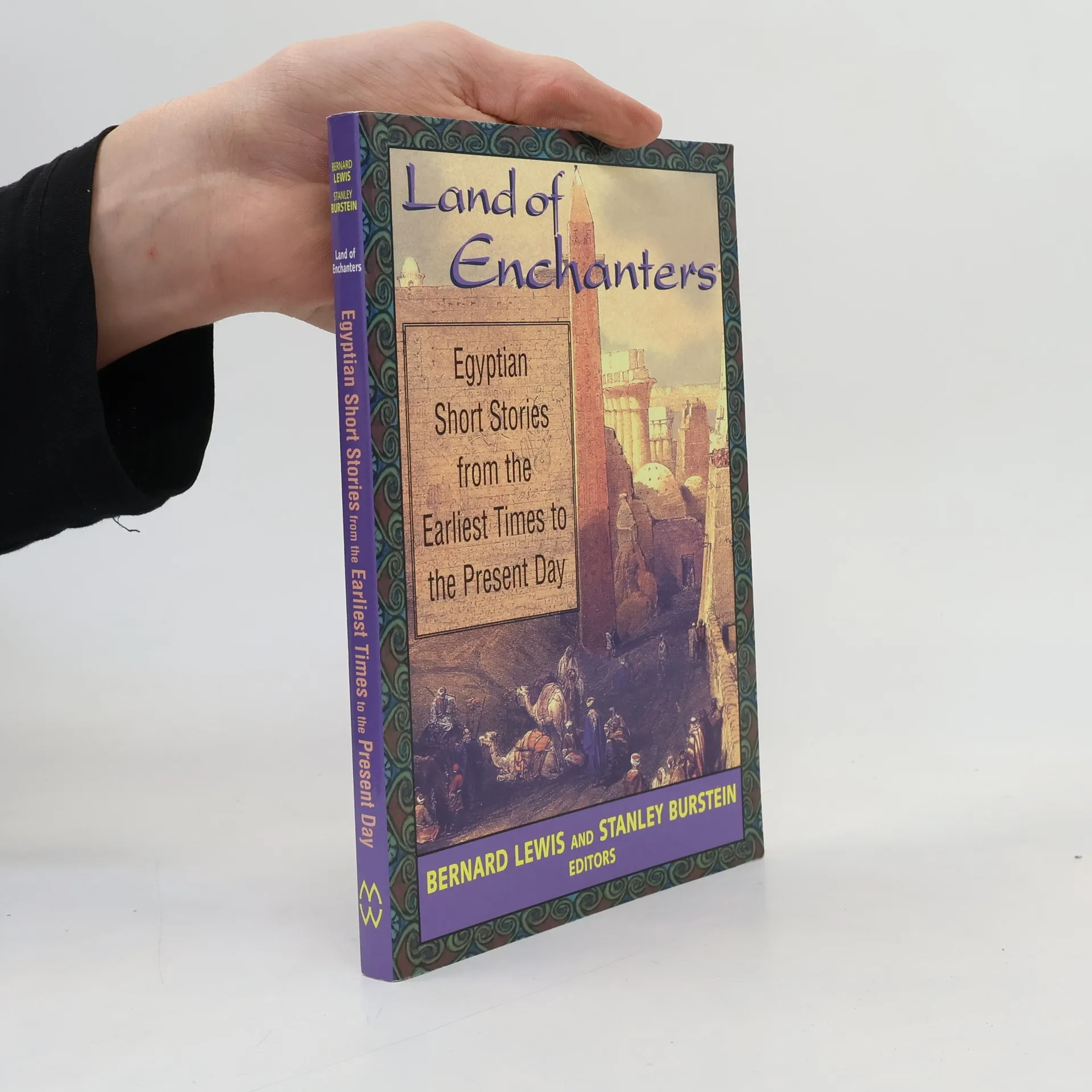
Egyptian Short Stories from the Earliest Times to the Present Day
196 stránek
7 hodin čtení
The 1948 first edition, published by Harvill Press, was among the first to translate Egyptian stories into modern English without ye olde archaic affectation. In this second edition, four stories have been added and some revisions in translation have been made. The 22 stories are from ancient, Greco-Roman, Coptic, and Muslim Egypt. Names and allusions are explained in footnotes. There is no index or bibliography. Annotation c. Book News, Inc., Portland, OR
In times of war and in peace, from the earliest days of the Roman Empire to our own, Westerners have traveled to the lands of the Middle East, bringing back accounts of their adventures and impressions. But it was never a one-way journey. In this spirited collection of Western views of the Middle East and Middle Eastern views of the West, Bernard Lewis gives us a rich overview of two thousand years of commerce, diplomacy, war and exploration. We hear from Napoleon, St. Augustine, T. E. Lawrence, Karl Marx and Ibn Khaldun. We peer into Queen Elizabeth's business correspondence, strike oil with Freya Stark and follow the footsteps of Mark Twain and Ibn Battuta, the Marco Polo of the East. This book is a delight, a treasury of stories drawn not only from letters, diaries and histories, but also from unpublished archives and previously untranslated accounts.
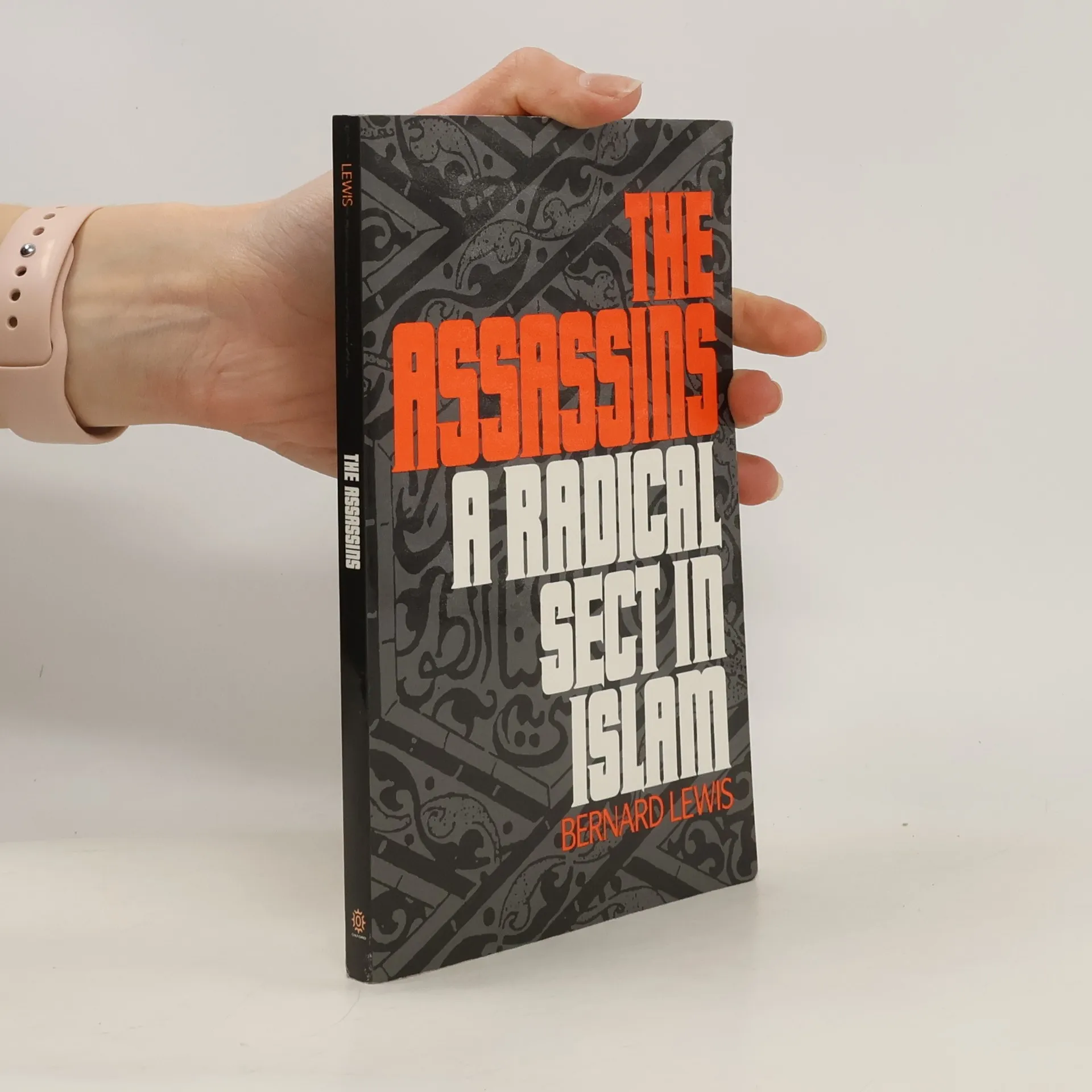
The book explores the history of an extremist Islamic sect in the 11th-12th centuries, highlighting their terrorist methods that led to the creation of the term "assassin" in the English language.
Most of the modern states of the Middle East are of recent origin, yet the region is the birthplace of three religions and many civilizations. Bernard Lewis, one of the world's most respected historians of the Middle East, discusses the countries and frontiers; their religions and communities; language and loyalties to place, and Middle Eastern perceptions of outsiders. He also considers the effect of alien ideas and influences including liberalism, nationalism, fascism, socialism and democracy.
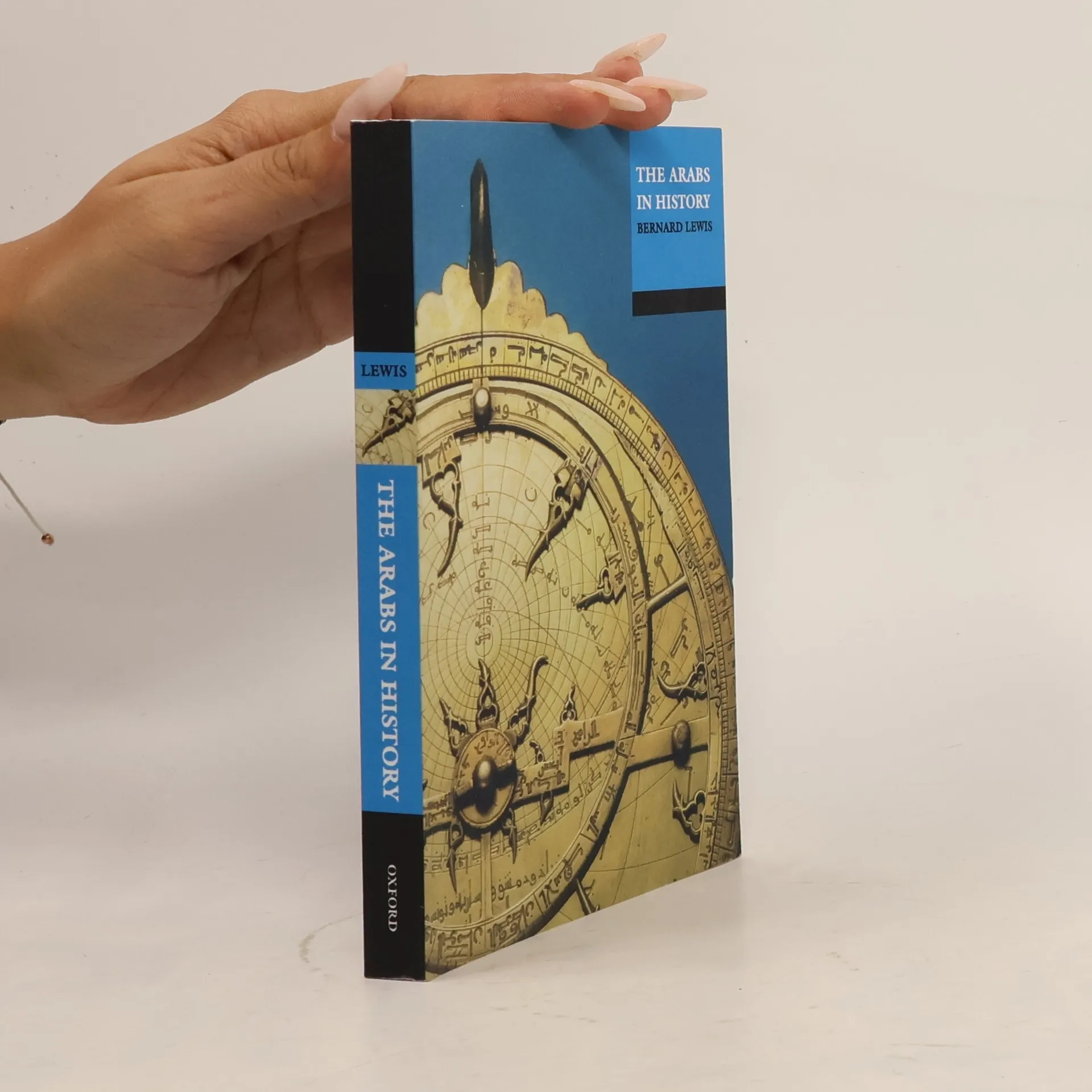
The author examines the key issues of Arab development - their identity, the national revival, and the social and economic pressures that destroyed the Arab kingdom and created the Islamic empire. He analyses the forces which contributed to the empire's decline, and the influence of the West.
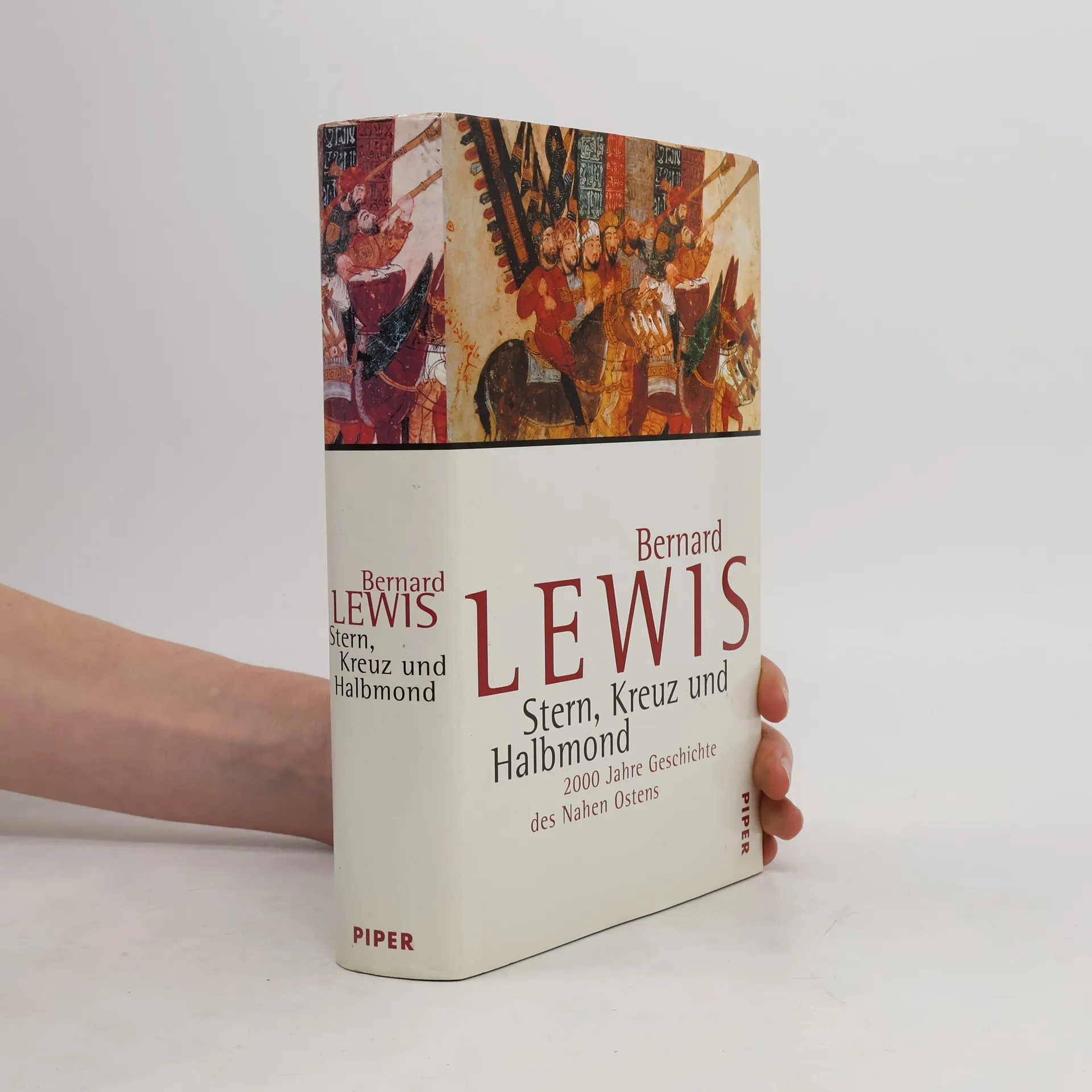
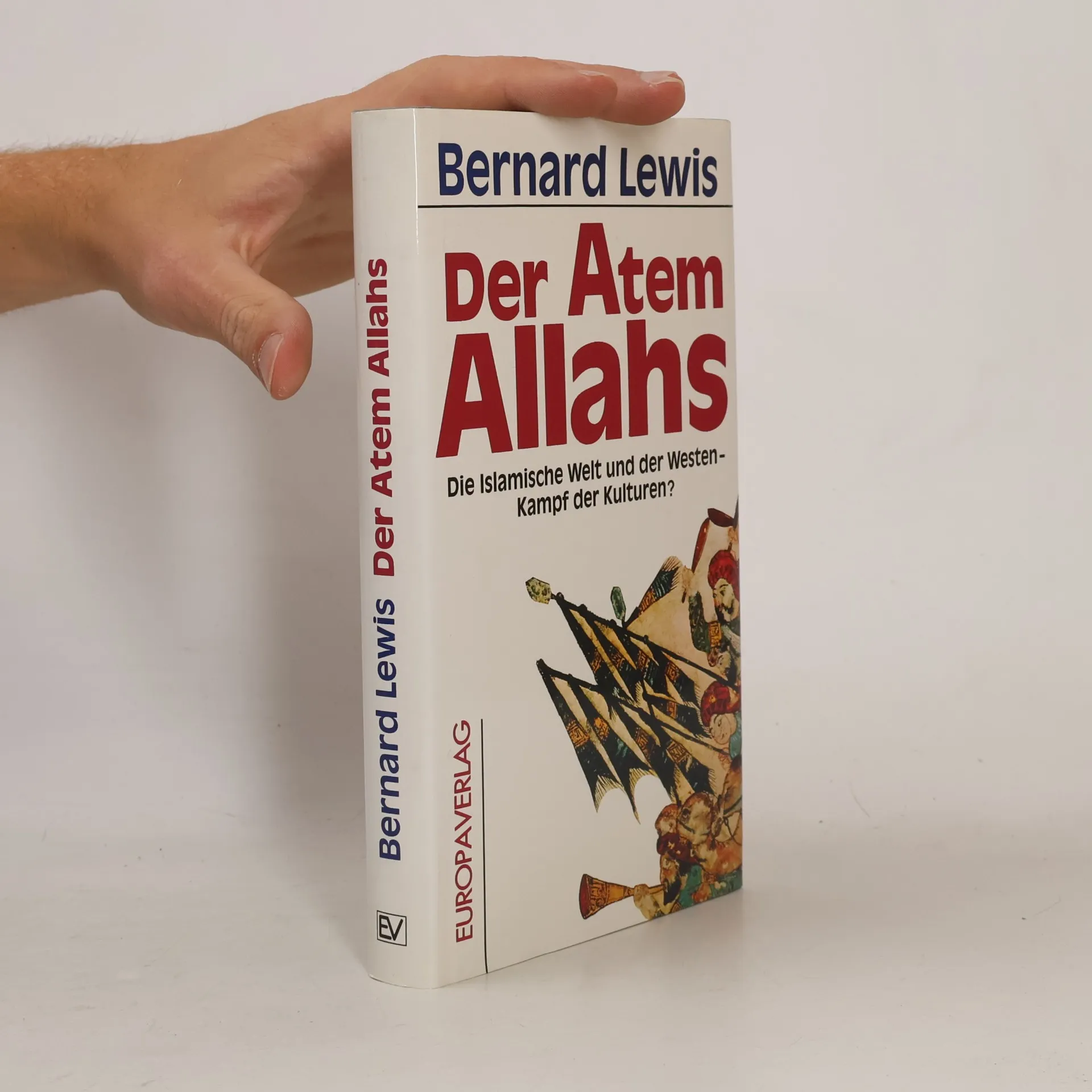
Bernard Lewis erklärt das aktuelle politische Geschehen im Licht der historischen Zusammenhänge. Der Nahe Osten wird als historische, geographische und kulturelle Einheit definiert. Die Bedeutung des Westens für die Menschen im Nahen Osten wird erläutert und das Verhalten des Westens dargestellt. Die politischen und geistigen Bewegungen der neueren und neuesten Zeit, eingeteilt in drei Hauptgruppen, liberal-sozialistische, patriotisch-nationalistische und islamische, werden geschildert. Zuletzt befaßt sich der Autor mit dem Standort und der Rolle der Länder des Nahen Ostens in der internationalen Politik und betrachtet die Fakten, die das wesdiche Verhalten ihnen gegenüber bestimmen. »Es gibt Bücher, die sollten von der Bild-Zeitung in Fortsetzung gedruckt und von Sat 1 verfilmt und zur besten Sendezeit ausgestrahlt werden, Bücher, die gegen Verstocktheit und Borniertheit zu Felde ziehen, die das Gegenmittel gegen den Bazillus menschlicher Dummheit sein können. Dazu gehört unbedingt das Werk von Bernard Lewis.« (Süddeutsche Zeitung)
In this enlightening and highly-praised collection of essays, extensively revised, Lewis explores the vast common heritage shared by Islam and the West, the history of the troubled relationship, and the perceptions each side holds of the other. This is a matchless guide to the backgroud of Middle East conflicts today from an eminent authority.
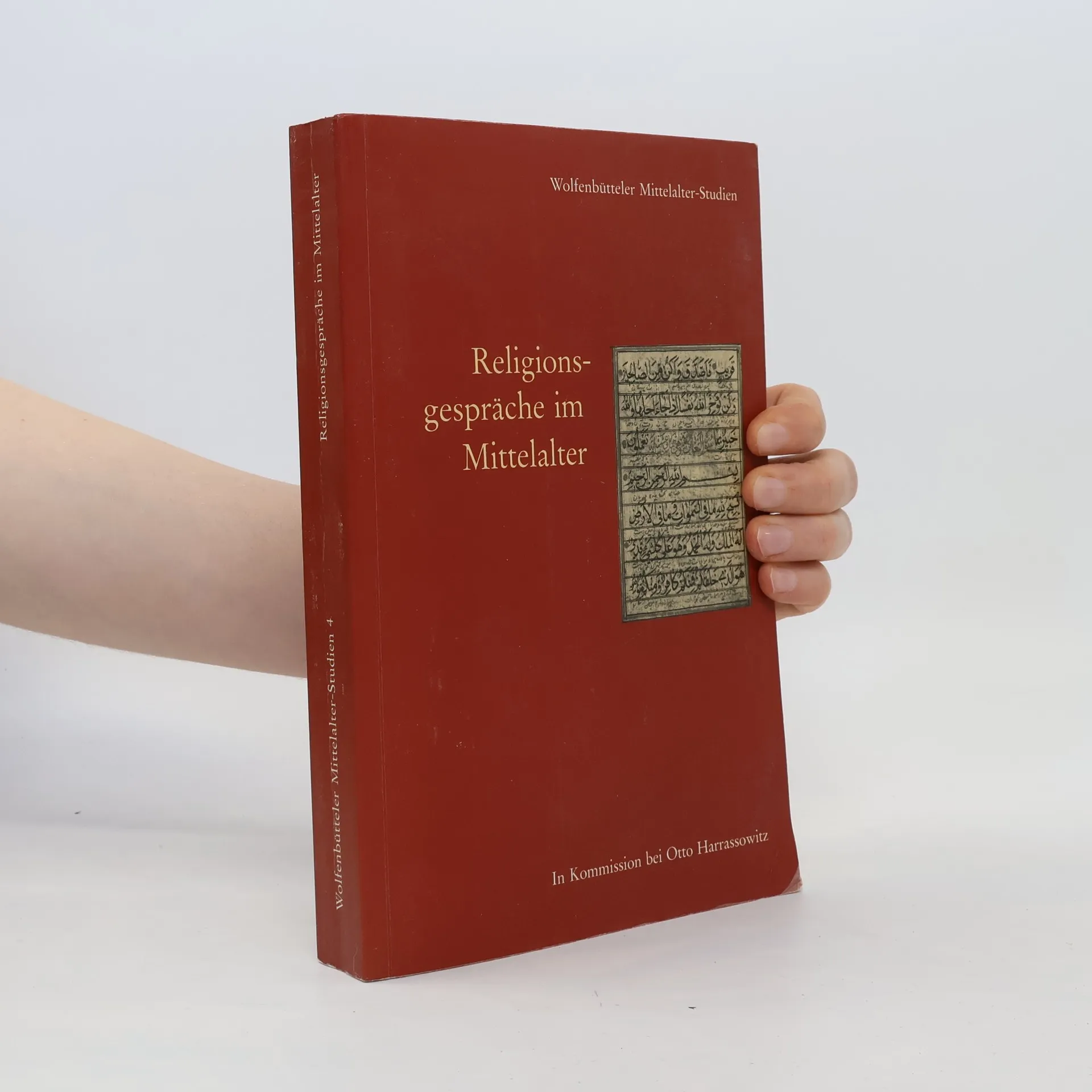
Die Vorträge des 25. Wolfenbütteler Symposions, das vom 11.-15. Juni 1989 in der Herzog August Bibliothek stattfand, beleuchten die Frage, ob die „Dialoge“ und „Disputationen“ zwischen den Religionen im Mittelalter tatsächlich so stattfanden, wie sie überliefert sind, oder ob die Berichte lediglich die Sichtweise der aufzeichnenden Partei widerspiegeln. Die 22 Vorträge sind in drei Gruppen unterteilt:
I: Innerjüdische Auseinandersetzungen sowie jüdisch-christliche und christlich-jüdische Disputationen, darunter Themen wie die Karaite-Kontroverse und die Barcelona-Disputation von 1263.
II: Innerchristliche Auseinandersetzungen sowie christlich-muslimische und muslimisch-christliche Gespräche, mit Vorträgen über Anti-Cathar-Polemik und den Dialog zwischen Byzantinern und Türken während der osmanischen Expansion.
III: Innermuslimische Auseinandersetzungen sowie zwei muslimische Untersuchungen über Juden und den interreligiösen Dialog.
Den Abschluss bildet ein übergreifender Beitrag, der die Wahrnehmungen von Identität und Differenz im Islam thematisiert.
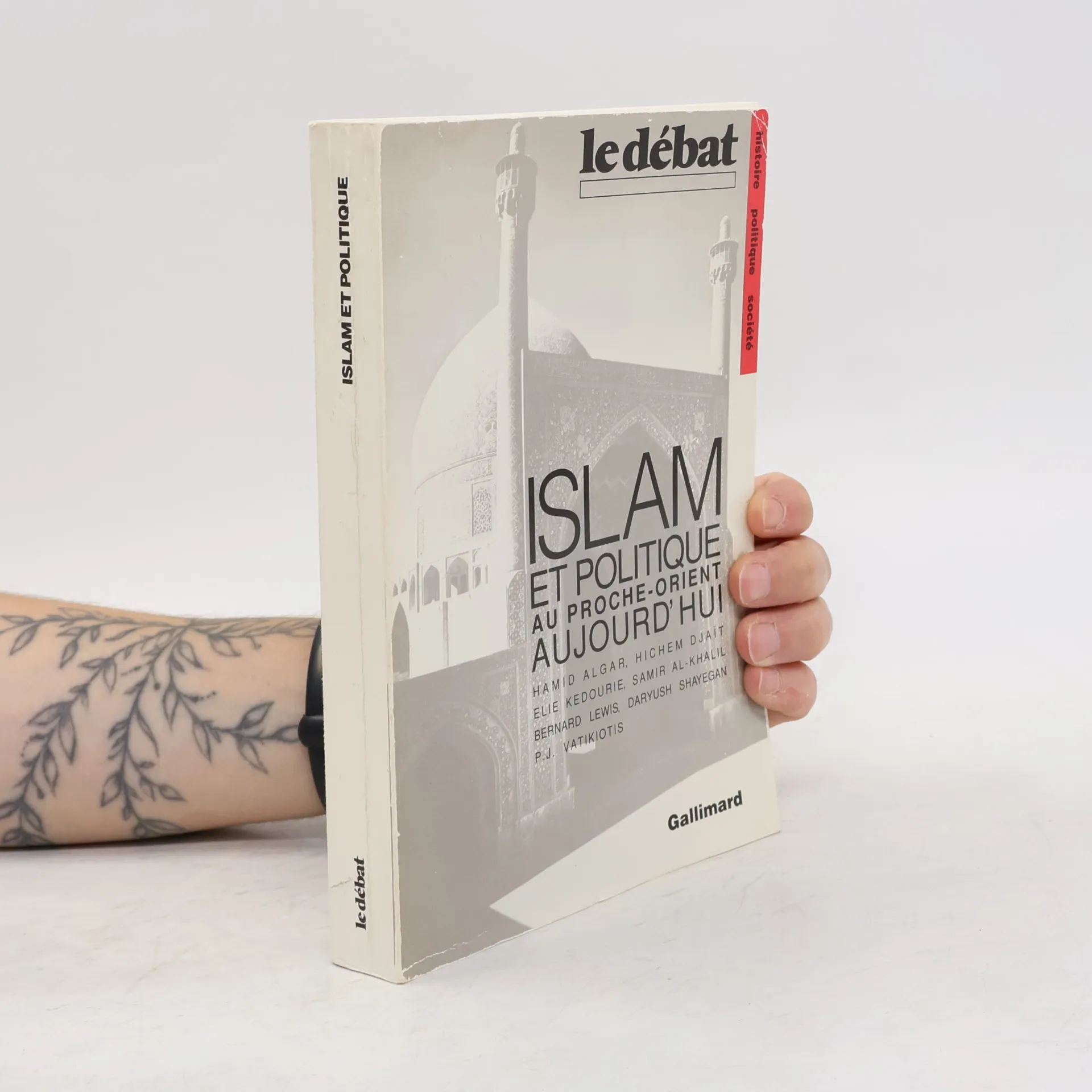
La guerre du Golfe a suscité une demande d'information et de compréhension en profondeur sur le Proche-Orient et, au- delà, sur un univers de civilisation dont l'articulation entre Islam et politique forme pour les Européens le point d'interrogation majeur. Depuis sa création en 1980, Le Débat a publié sur le sujet une série d'études de haute qualité, venues des connaisseurs les plus avertis, qui n'ont rien perdu de leur actualité et de leur portée. Il nous a paru que la meilleure contribution à l'intelligence des événements que nous puissions apporter consistait à rendre plus commodément accessibles, en les réunissant dans un volume de la collection "Le Débat", les plus significatifs de ces articles, mis à jour et complétés par les points de vue et les analyses exigés par l'actualité.
Discuss the Islamic Scriptures that form the basis for its political language,
looks at the changes in modern Islamic politics, and analyzes the
transformation of political terms.
This second volume examines the religion and structure of Islamic society. Bernard Lewis draws on a broad range of Islamic literature, including books on religious sects, politics and economics, philosophy and science, travel, biography and literary works, and even bureaucratic records from such disparate sources as the postal service and the judiciary. Comprehensive and cogently translated, these documents bring into sharp focus aspects of a world long neglected by Western historians.
'The book covers every side of Muslim life . . . a remarkable collection of new information, which will be of deep interest to students of European history' R.W. Southern, NEW YORK REVIEW schovat popis
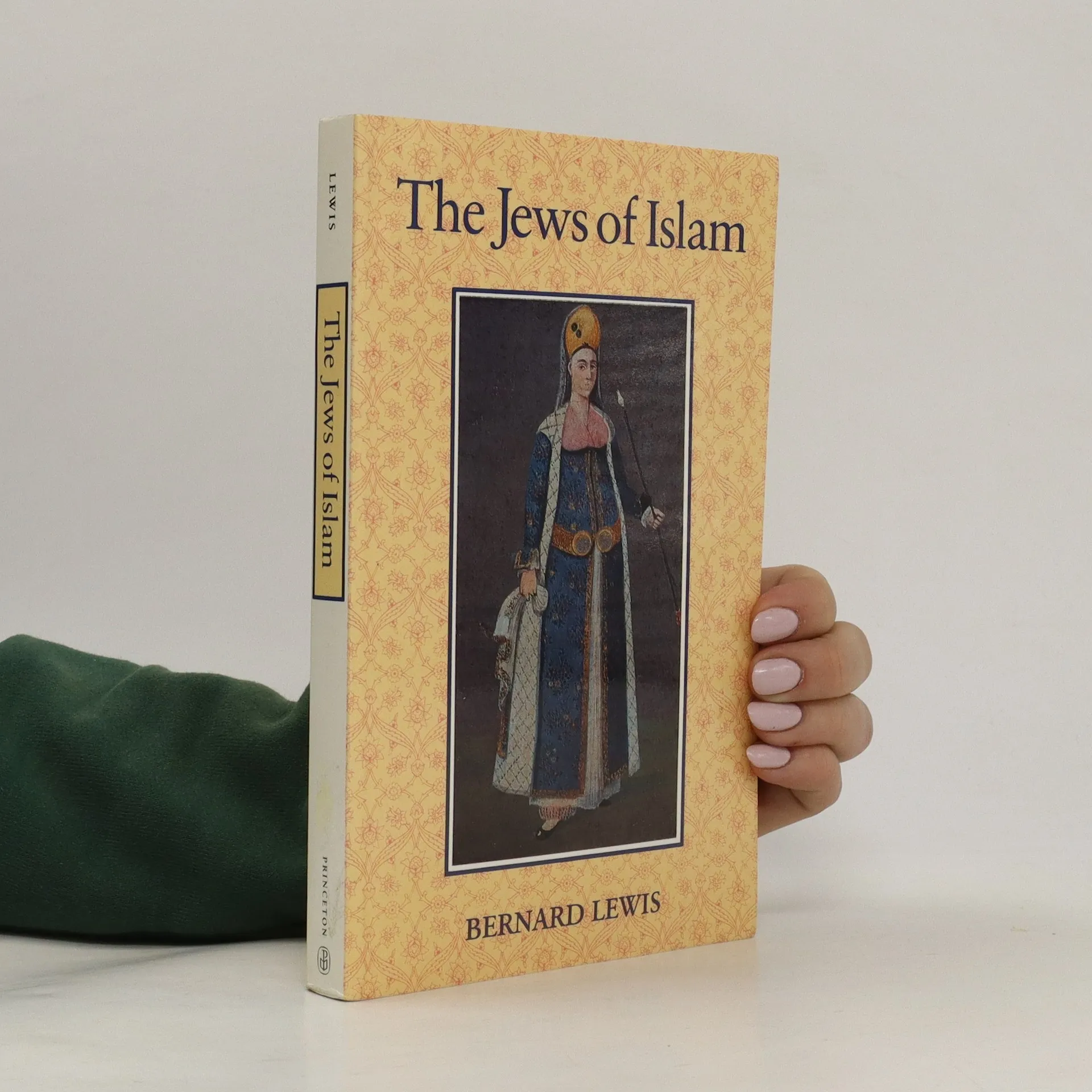
Portrays the Judaeo-Islamic tradition - a cultural relationship parallel to the Judaeo-Christian heritage. This book traces its origins in the early Middle Ages, its flowering, and its ending, followed by the incorporation of most of the Jews of Islamic countries into the state of Israel. It examines the relations of Islam and other religions.
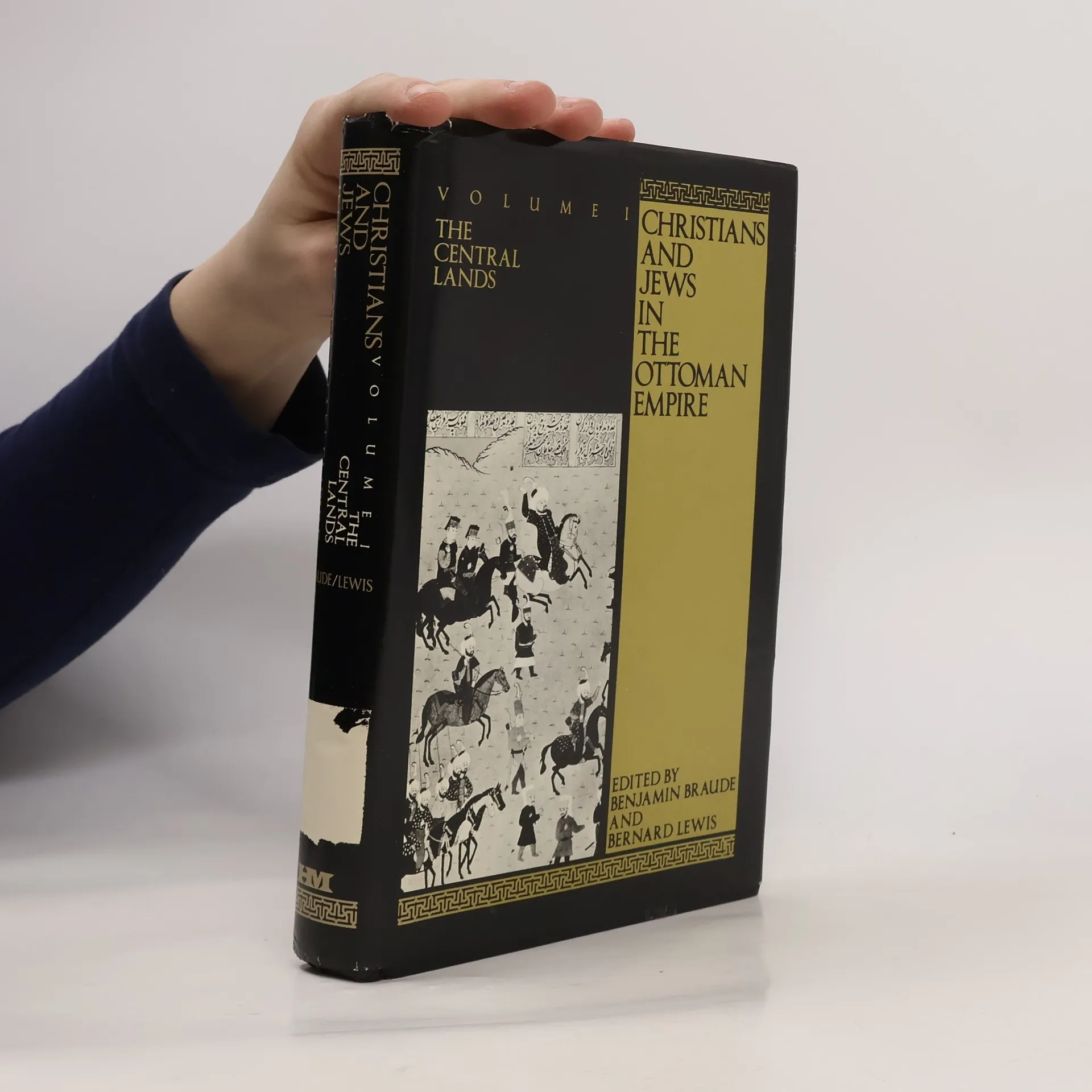
This two-volume set explores the history of Christians and Jews in the Arab provinces of the Ottoman Empire and how their identities as non-Muslims evolved over 400 years.