

Vědecké knihy obvykle pojednávají o světě, v němž vládnou přísné logické a neměnné zákonitosti. Kniha Stuarta Kauffmana – jakýsi protipól knih Dawkinsových – vypráví o vědě poněkud jiné. Vypráví o životě, který buduje biosféry a vesmír. O životě, který má péči o sebe. O životě, který buduje, přestavuje, hledá zdroje energie, doslova nese kůži na trh. O katastrofách spojených s výbuchy tvořivosti i s vymíráním. O zákonitostech tam, kde cílem není rovnovážný stav. Je to kniha o nové vědě, vědě o chování a evoluci složitých systémů, autonomních agentů, jejichž hlavními představiteli jsou živé bytosti. Systémů, kde přestává platit dělítko mezi přírodou a kulturou, protože jsou obojím.
Stuart A. Kauffman Pořadí knih (chronologicky)
28. září 1939
Stuart Kauffman je americký teoretický biolog a výzkumník komplexních systémů, který se zabývá původem života na Zemi. Jeho práce se zaměřuje na to, jak by složitost biologických systémů mohla vznikat nejen z darwinovské přírodní selekce, ale také ze sebeorganizace a dynamiky daleko od rovnováhy. Aplikuje také modely Booleových sítí na zjednodušené genetické obvody, čímž přispívá k pochopení emergentních vlastností života.

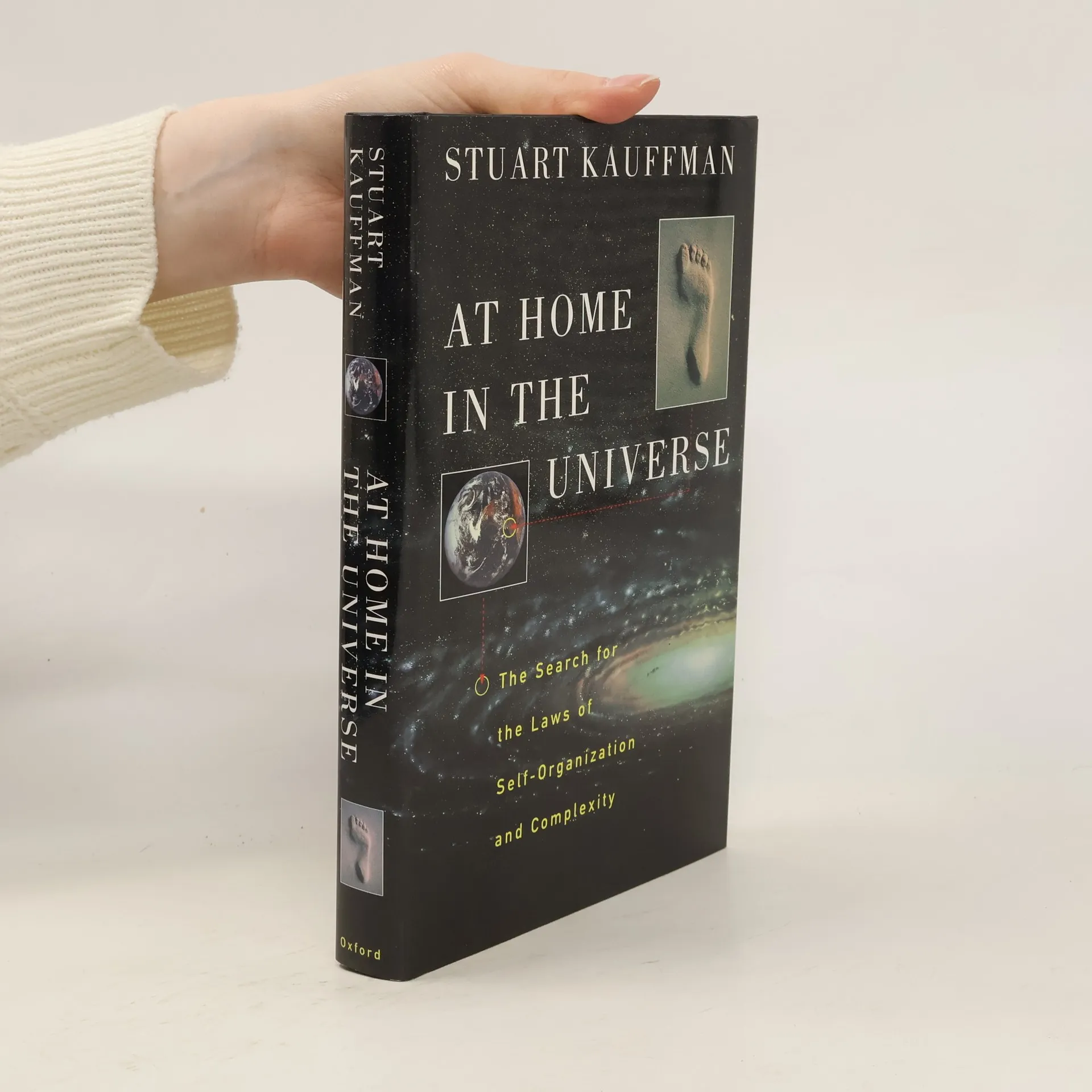
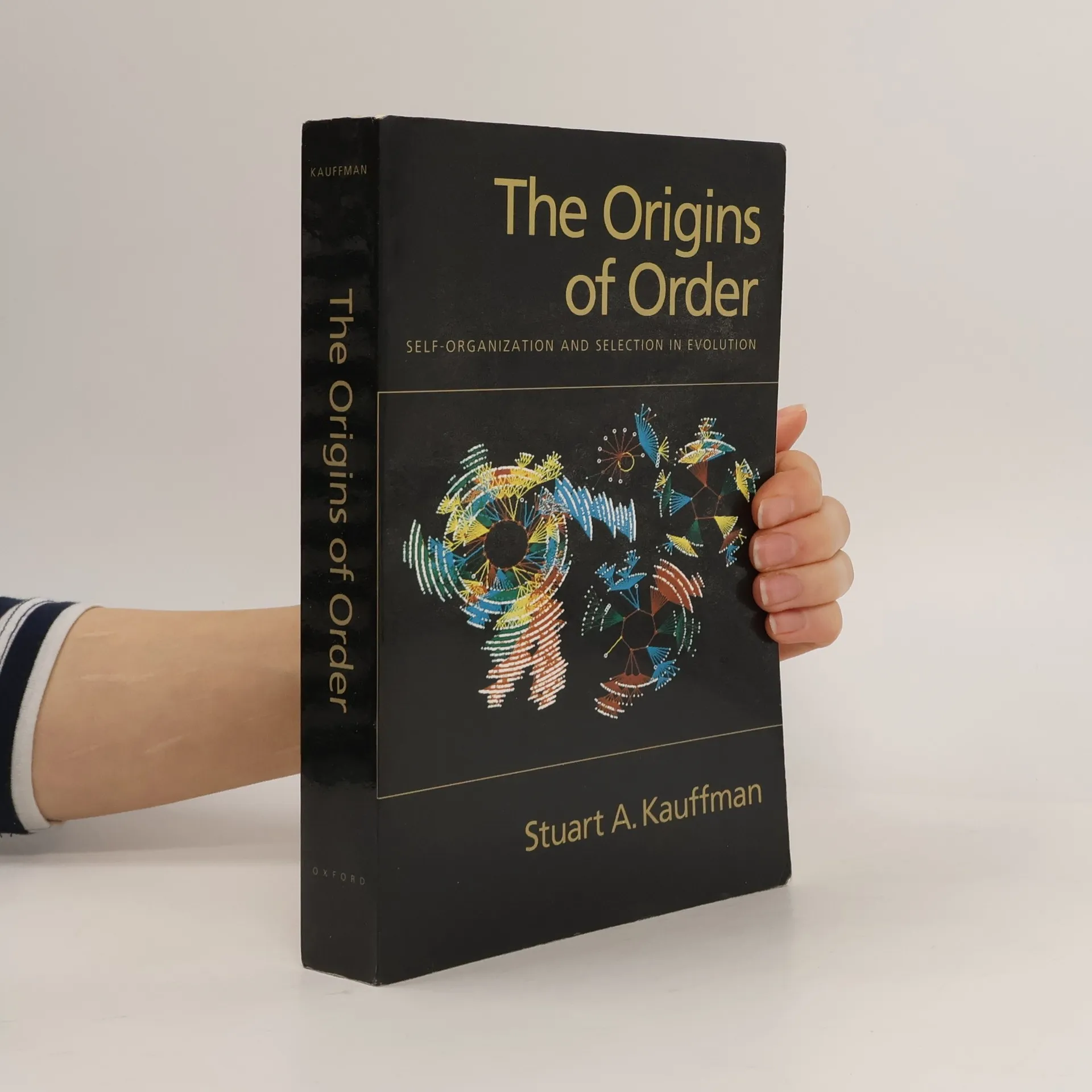

At Home in the Universe
The Search for Laws of Self-organization and Complexity
- 348 stránek
- 13 hodin čtení
At Home in the Universe presents and extends the intellectual core ofKauffman's earlier book The Origins of Order (OUP 1993) for any intelligentgeneral reader can understand and appreciate. The reader is very effectivelyinvited into Kauffman's vision and thought processes, in one of the moreexhilarating and important books of popular science.
Stuart Kauffman presents a groundbreaking paradigm for evolutionary biology that integrates Darwinian concepts with insights from biology, physics, chemistry, and mathematics. The book delves into the origins of life and the maintenance of order in complex biological systems, emphasizing self-organization—the spontaneous emergence of order seen throughout nature. Kauffman posits that self-organization is crucial to the Darwinian process of natural selection, yet it has not been systematically incorporated into evolutionary theory. The mechanisms that enable complex systems to adapt remain poorly understood, as does the role of selection in fostering adaptability. This exploration reveals how complex systems can unexpectedly demonstrate remarkable order, which is vital for comprehending life's emergence and evolution on Earth. Key topics include the new biotechnology of applied molecular evolution, with significant implications for drug and vaccine development; the interplay between order and chaos in natural systems; and the predictive capabilities of statistical mechanics in biology. The approaches discussed may redefine the future of biological science, appealing to anyone interested in cutting-edge life sciences research.