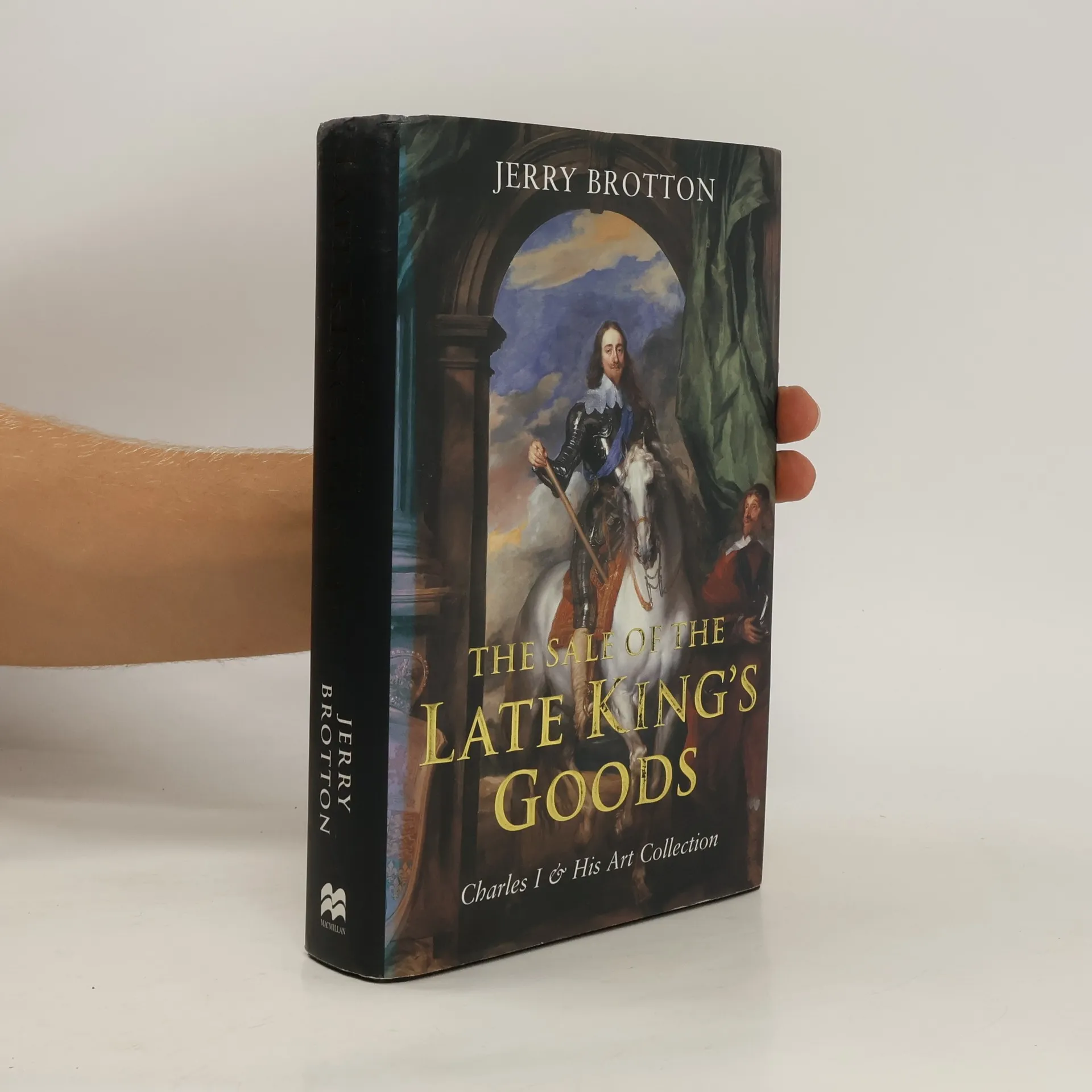
The Sale of the Late King's Goods
Charles I and His Art Collection





Charles I and His Art Collection
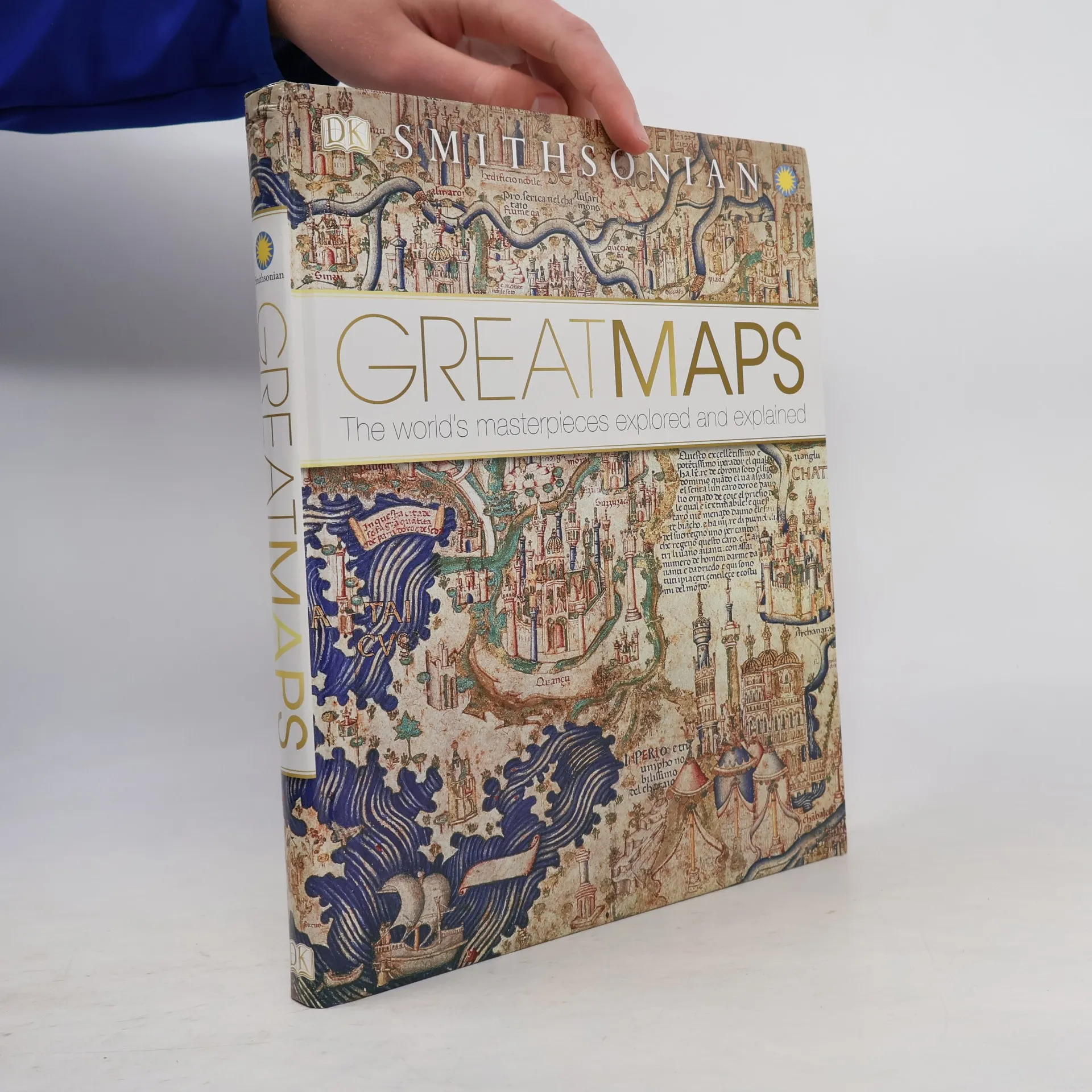
The world's finest maps explored and explained. From Ptolemy's world map to the Hereford's Mappa Mundi, through Mercator's map of the world to the latest maps of the Moon and Google Earth, Great Maps provides a fascinating overview of cartography through the ages.Revealing the stories behind 55 historical maps by analyzing graphic close-ups, Great Maps also profiles key cartographers and explorers to look why each map was commissioned, who it was for and how they influenced navigation, propaganda, power, art, and politics.
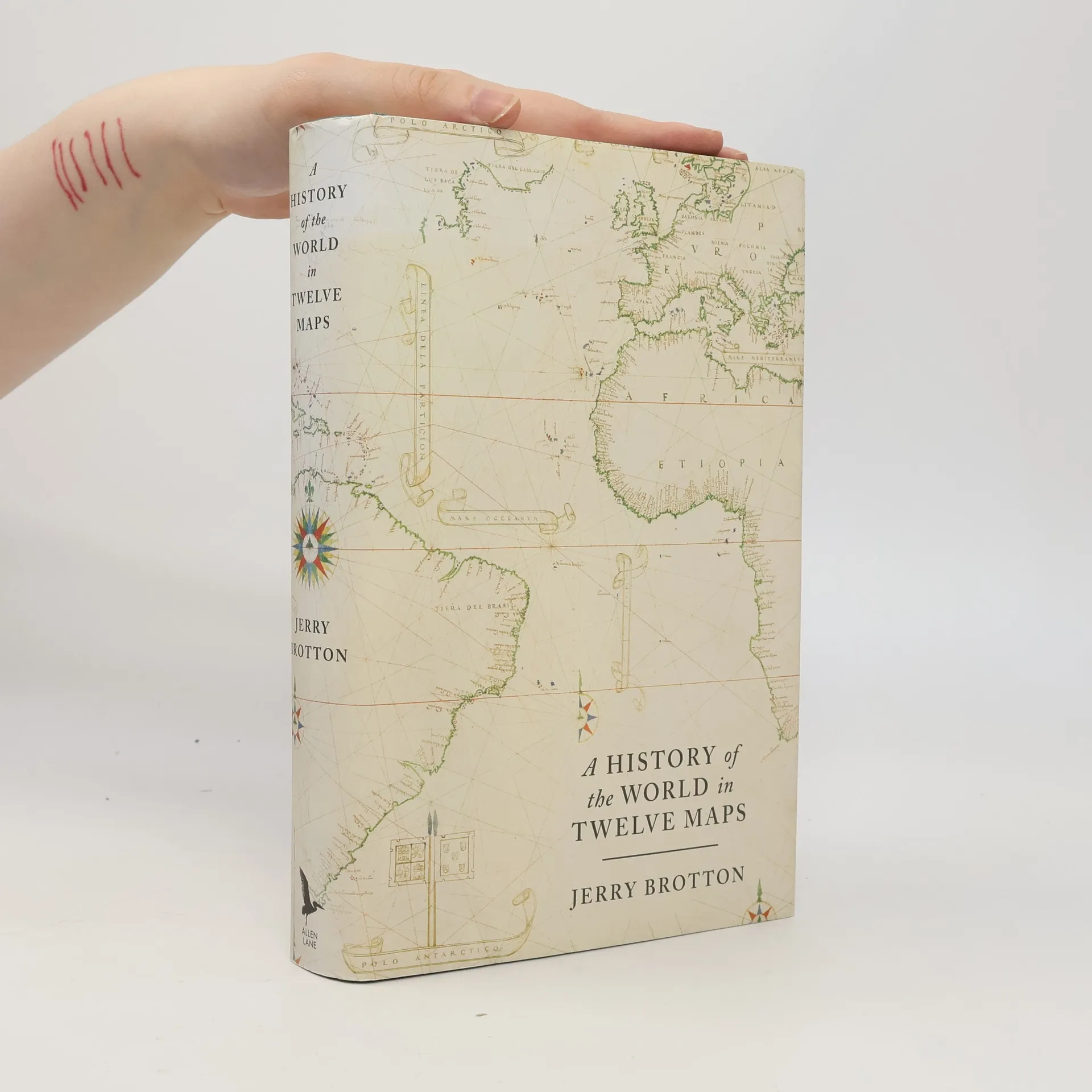
Throughout history, maps have been fundamental in shaping our view of the world, and our place in it. This title tells the story of our world through maps. It examines the significance of 12 maps - from the mystical representations of ancient history to the satellite-derived imagery of today.
This wide-ranging exploration of the Renaissance sees the period as a time of unprecedented intellectual excitement and cultural experimentation and interaction on a global scale. It guides the reader through the key issues that defined the period, from its art, architecture, and literature, to its advancements in the fields of science, trade and travel. schovat popis
More than ever before, the Renaissance stands out as one of the defining moments in world history. Between 1400 and 1600, European perceptions of society, culture, politics and even humanity itself emerged in ways that continue to affect not only Europe but the entire world.In this wide-ranging exploration of the Renaissance, Jerry Brotton shows the period as a time of unprecedented intellectual excitement, cultural experimentation, and interaction on a global scale, alongside a darker side of religion, intolerance, slavery, and massive inequality of wealth and status. Brotton skillfully guides us through the key issues that defined the Renaissance period, from its art, architecture, and literature, to advancements in the fields of science, trade, and travel. In its incisive account of the complexities of the political and religious upheavals of the period, the book argues that there are significant parallels between the Renaissance and our own era. This is the first clear and concise account of the Renaissance as a global phenomenon, an important new vision of the Renaissance for the 21st century written by a young Renaissance scholar of a new generation.
Through a captivating narrative, the book delves into the concept of direction, both literal and metaphorical. It invites readers to reflect on their own paths and choices while intertwining personal stories with broader themes of purpose and discovery. The author’s acclaimed writing style brings a fresh perspective, encouraging an introspective journey that resonates with anyone seeking clarity in their life's direction.
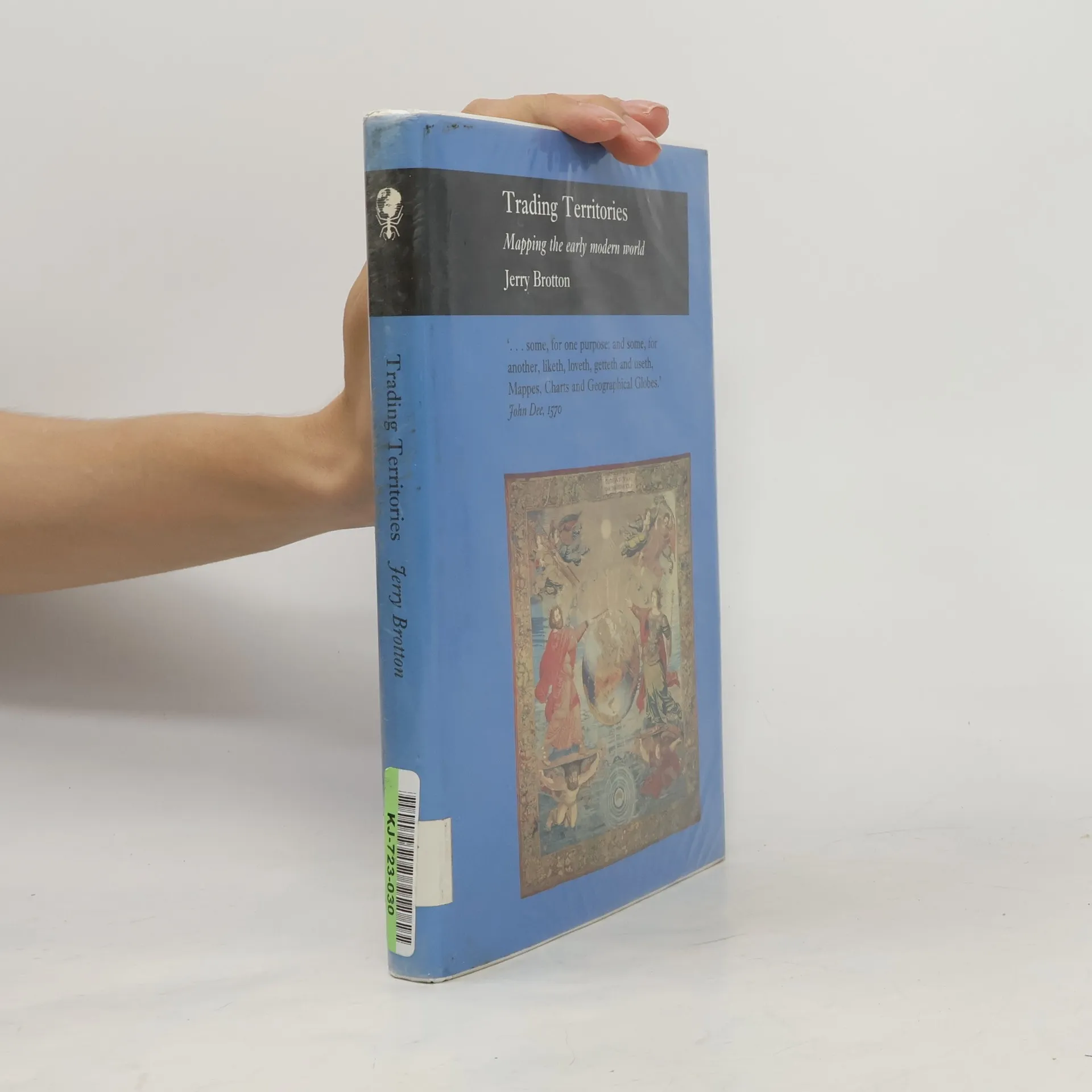
Mapping the Early Modern World
Trading Territories is a beautifully illustrated book that offers a new account of the status of maps and geographical knowledge in the early modern world. Situating the rise of early modern mapping within the context of the sea-borne commercial adventures of the early maritime empires, Jerry Brotton argues that it was trade, diplomacy, and financial speculation that defined the development of early maps and globes, rather than the disinterested intellectual pursuit of scientific accuracy and objectivity.