Vědecký thriller o zhoubném nádoru překvapuje čtenáře celého světa svým strhujícím tempem a hluboce lidským vyzněním. Jeho autor Siddharta Mukherjee, lékař, vědec a oceňovaný spisovatel, se na nádorové onemocnění dívá s precizností buněčného biologa, s nadhledem historika a se zaujetím životopisce. Výsledkem je úžasně poutavá kronika nemoci, s níž lidé žijí a umírají více než pět tisíc let. Životopis rakoviny začíná prvními doloženými zmínkami ve starověku, graduje epochální bitvou ve dvacátém století, kdy se lidé snažili nemoc vyléčit, ovládnout a porazit, a zatím končí radikálně novým pochopením její podstaty. Mukherjee byl za svou knihu oceněn Pulitzerovou cenou (2011) a cenou deníku Guardian.
Siddhartha Mukherjee Knihy
1. leden 1970
Siddhartha Mukherjee je uznávaný lékař a výzkumník, který se specializuje na onkologii. Jeho literární práce se hluboce ponořuje do komplexní historie a budoucnosti rakoviny. Mukherjeeho psaní kombinuje vědeckou přísnost s hlubokým lidským cítěním, čímž čtenářům nabízí srozumitelný a působivý pohled na tuto nemoc. Jeho schopnost přeložit složitá lékařská témata do poutavého vyprávění ho odlišuje jako jedinečného autora.

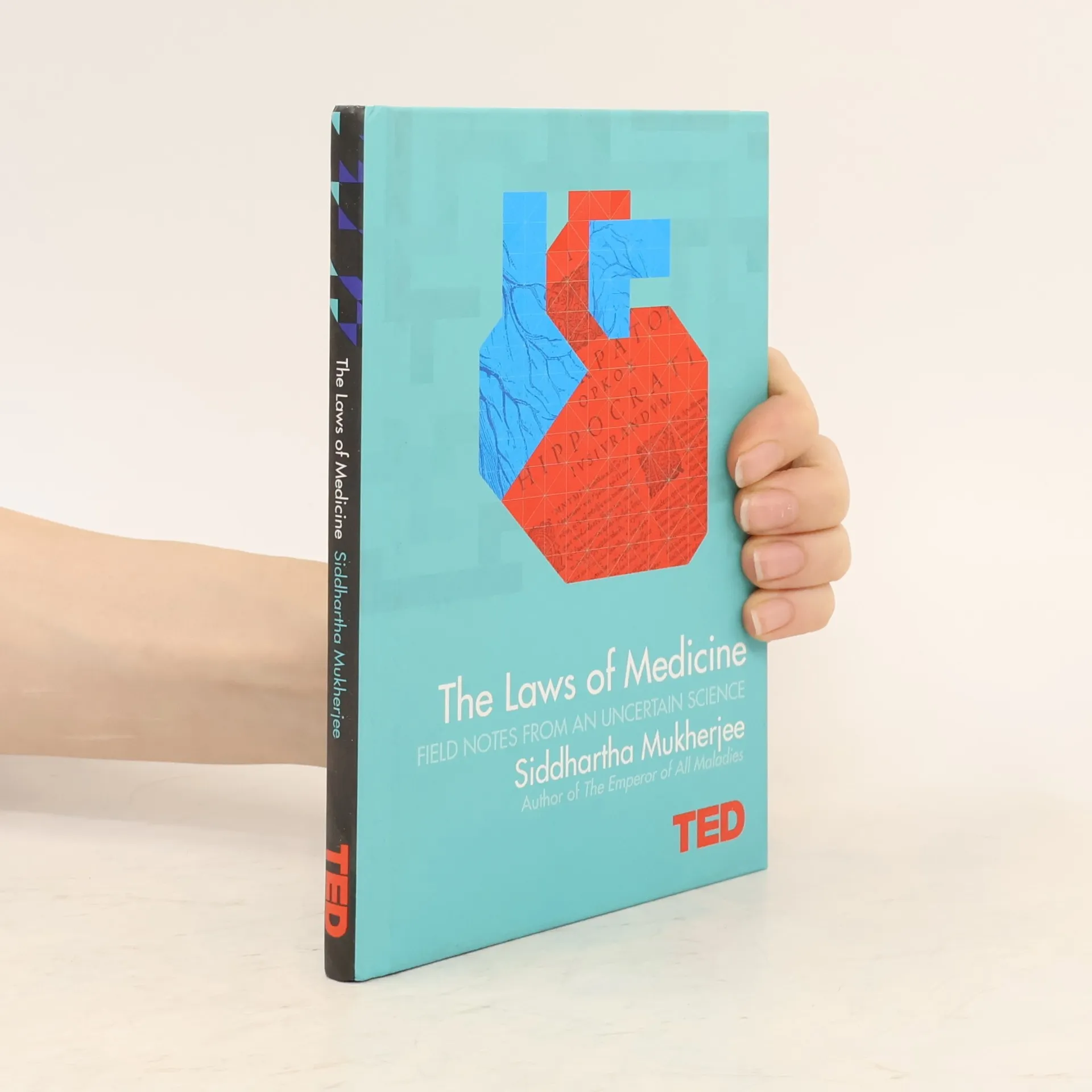
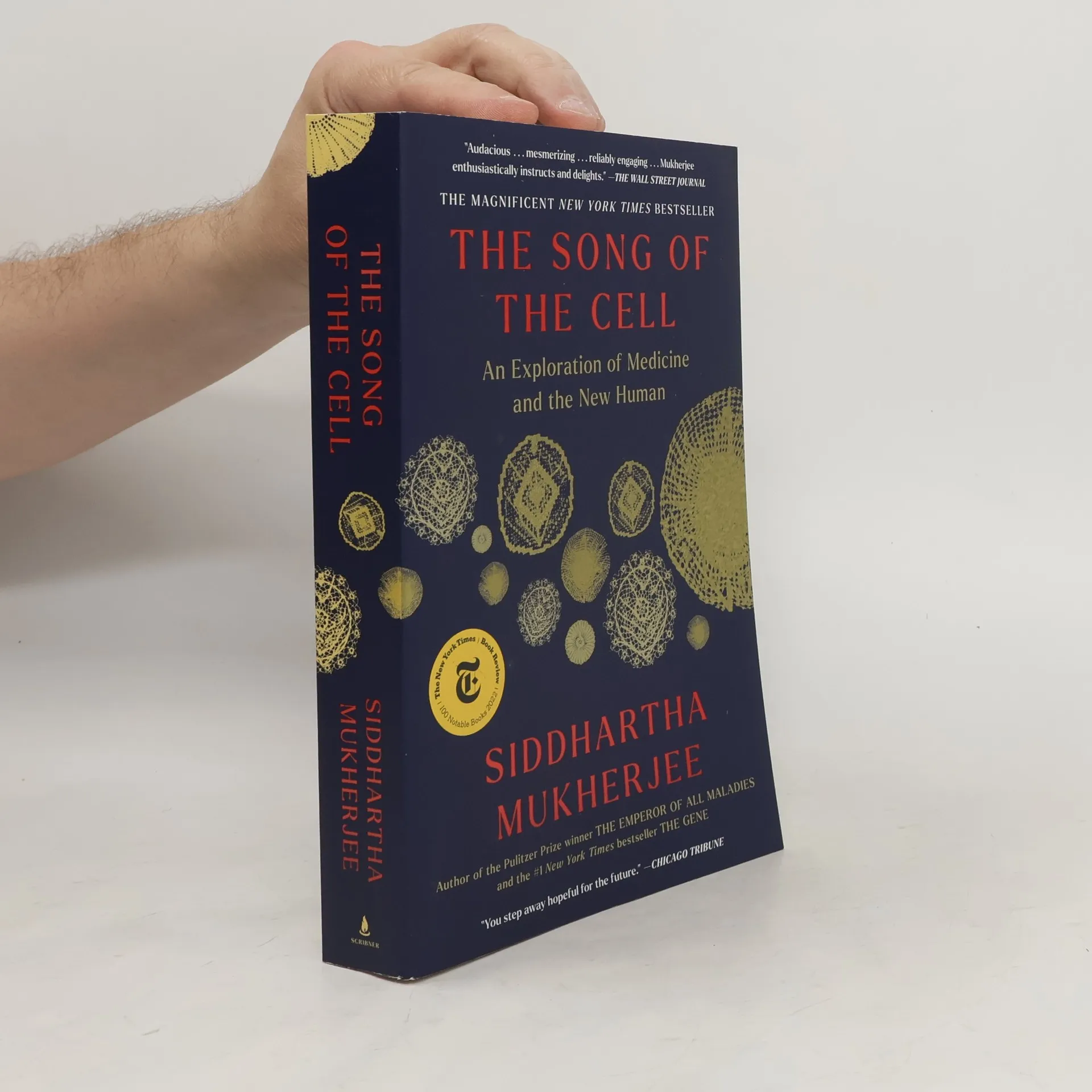


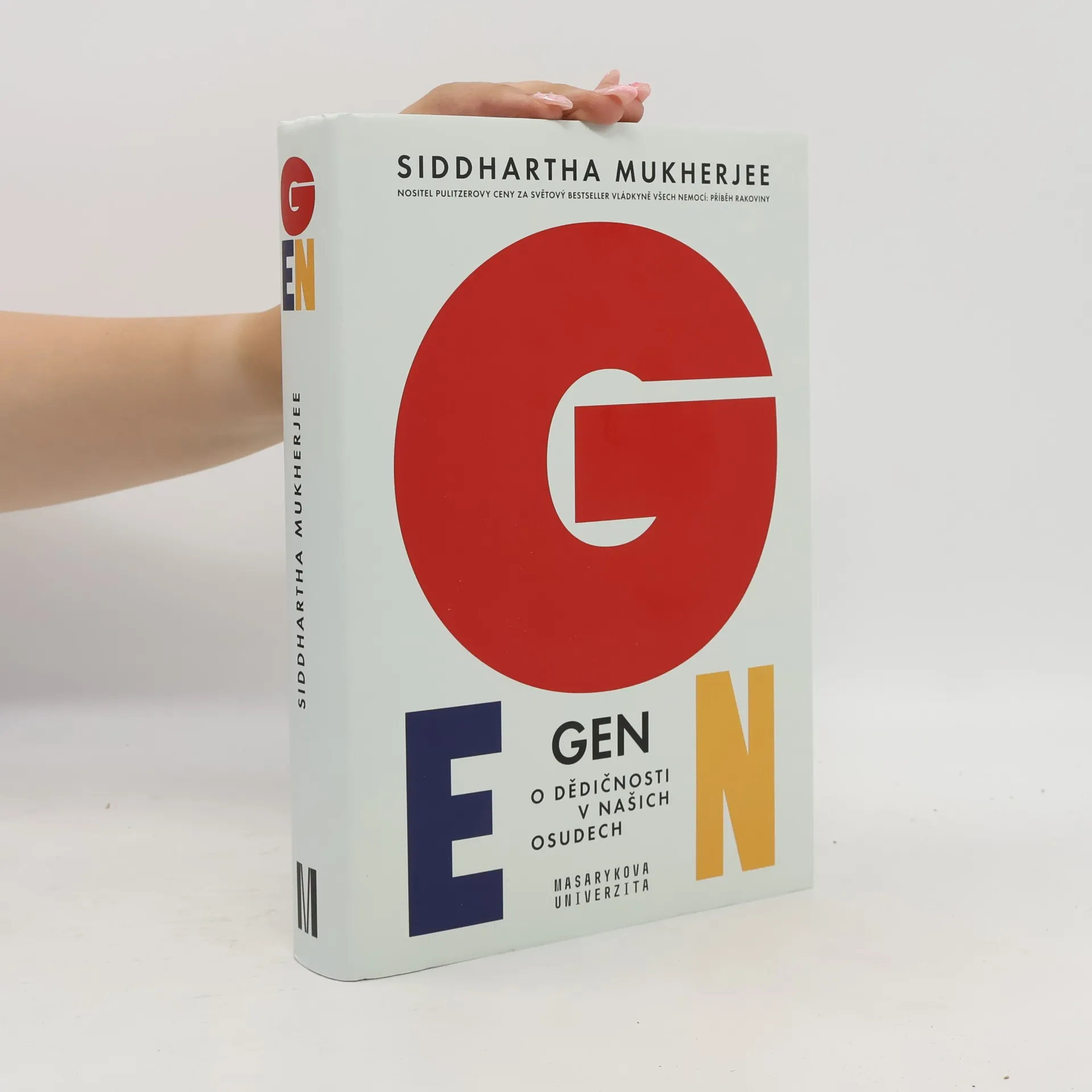

Gen - O dědičnosti v našich osudech
- 523 stránek
- 19 hodin čtení
Nakladatelství Munipress věnuje oslavám 100. výročí založení Masarykovy univerzity české vydání mimořádné a oceňované knihy o historii genu – jednotce dědičnosti a biologické informace. Kniha poprvé v úplnosti popisuje zrození a rozvoj vědní disciplíny vzniklé na základě objevů Gregora Mendela a významně se dotýká „živé“ současnosti. Poskytne čtenářům informace o fenoménech souvisejících s genetikou a medicínou, které se objevily v průběhu 19., 20. a 21. století, a také o etických i filozofických aspektech. Díky jedinečnému stylu autora, který je pro něj typický a který uplatnil např. v knize Vládkyně všech nemocí, oceněné Pulitzerovou cenou, je dílo velmi čtivé a přístupné.
Píseň buňky
Proměny medicíny a lidského těla (2025)
The Song of the Cell
- 496 stránek
- 18 hodin čtení
"Presenting revelatory and exhilarating stories of scientists, doctors, and the patients whose lives may be saved by their work, the author draws on his own experience as a researcher, doctor, and prolific reader to explore how the discovery of cells created a new kind of medicine based on the therapeutic manipulation of cells"--
The Laws of Medicine
- 96 stránek
- 4 hodiny čtení
The Laws of Medicine follows Pulitzer-Prize-winning author, Dr Mukherjee as he investigates some of the most perplexing and illuminating cases of his career - the cases that ultimately led him to identify the three key principles that govern medicine. As a young medical student, Mukherjee discovered The Youngest Science, a book that changed the way he understood the medical profession and forced him to ask himself an urgent, fundamental question: Is medicine a 'science'? Science must have laws - statements of truth based on repeated experiments that describe some universal attribute of nature. Dr Mukherjee has spent his career pondering whether the 'youngest science' has laws like the other sciences, culminating in this treatise The Laws of Medicine. Law 1: Rumours are more important than tests. Law 2: The piece of data that does not fit your model is the most crucial piece of data that you own. Law 3: For every perfect medical experiment, there is a perfect human bias. Brimming with fascinating historical details and modern medical wonders, this book is a glimpse into the struggles and Eureka! moments rarely seen by those outside the profession.
Kniha se zabývá tím, co dnes dokážeme vyčíst ze struktury lidských genomů, což nám odhaluje nejen naši minulost, ale především budoucnost. V první části autor analyzuje historii lidstva od prvních hominidů po současného Homo sapiens, přičemž využívá DNA získanou z fosilních nálezů a lidských ostatků. Ukazuje, že vývoj lidstva byl mnohem složitější, než jsme si dosud mysleli. Druhá část se zaměřuje na to, kým jsme dnes, a na to, co výzkum DNA odhaluje o rodinách, národech, rasách, zdraví a psychologii. Genomika má potenciál zásadně proměnit medicínu, ale s tím souvisejí i etické otázky ohledně využívání těchto poznatků. Genomika se rychle vyvíjí a každý týden přináší nové výsledky, jako jsou objasnění dědičných chorob, poznatky o virech a úpravy genomů pomocí metody CRISPR-Cas9. Tato metoda zásadně mění možnosti praktického využití genomiky a vyvstává otázka, jaká omezení by si lidstvo mělo stanovit při jejím používání. Máme právo upravovat lidský genom? Jsme schopni bezpečně a přesně provádět genové terapie? A jaké morální a etické otázky s tím souvisejí? Jaké hrozby mohou tyto úpravy představovat pro budoucí generace?
Das Lied der Zelle
Wie die Biologie die Medizin revolutioniert – Medizinischer Fortschritt und der Neue Mensch | Das spektakuläre neue Buch des Pulitzer-Preisträgers
- 672 stránek
- 24 hodin čtení
Als im späten 16. Jahrhundert der englische Universalgelehrte Robert Hooke und der holländische Tuchhändler Antonie van Leeuwenhoek durch ihre handgefertigten Mikroskope blickten, sahen sie etwas, was der Biologie und der Medizin ein radikal neues Konzept hinzufügte und beide Wissenschaften für immer veränderte: Komplexe Organismen bestehen aus winzigen, in sich geschlossenen und sich selbst regulierenden Einheiten. Unsere Organe, unsere Physiologie, unser Selbst - Herz, Blut, Gehirn - sind aus diesen kleinen Teilen aufgebaut: den Zellen. Sie ermöglichen all unsere komplexen Körperfunktionen: Immunabwehr, Fortpflanzung, Empfindungsvermögen, Kognition und Erneuerung. Die Schattenseite ist die ungemeine Zerstörungskraft dysfunktionaler Zellen, die einen Körper seiner Lebensfähigkeit berauben können. Mukherjee erzählt vom enormen Potenzial unseres vertieften Verständnisses der Zellphysiologie und -pathologie. Es hat eine Revolution in Biologie und Medizin ausgelöst, transformative Medikamente hervorgebracht und Menschen verändert.