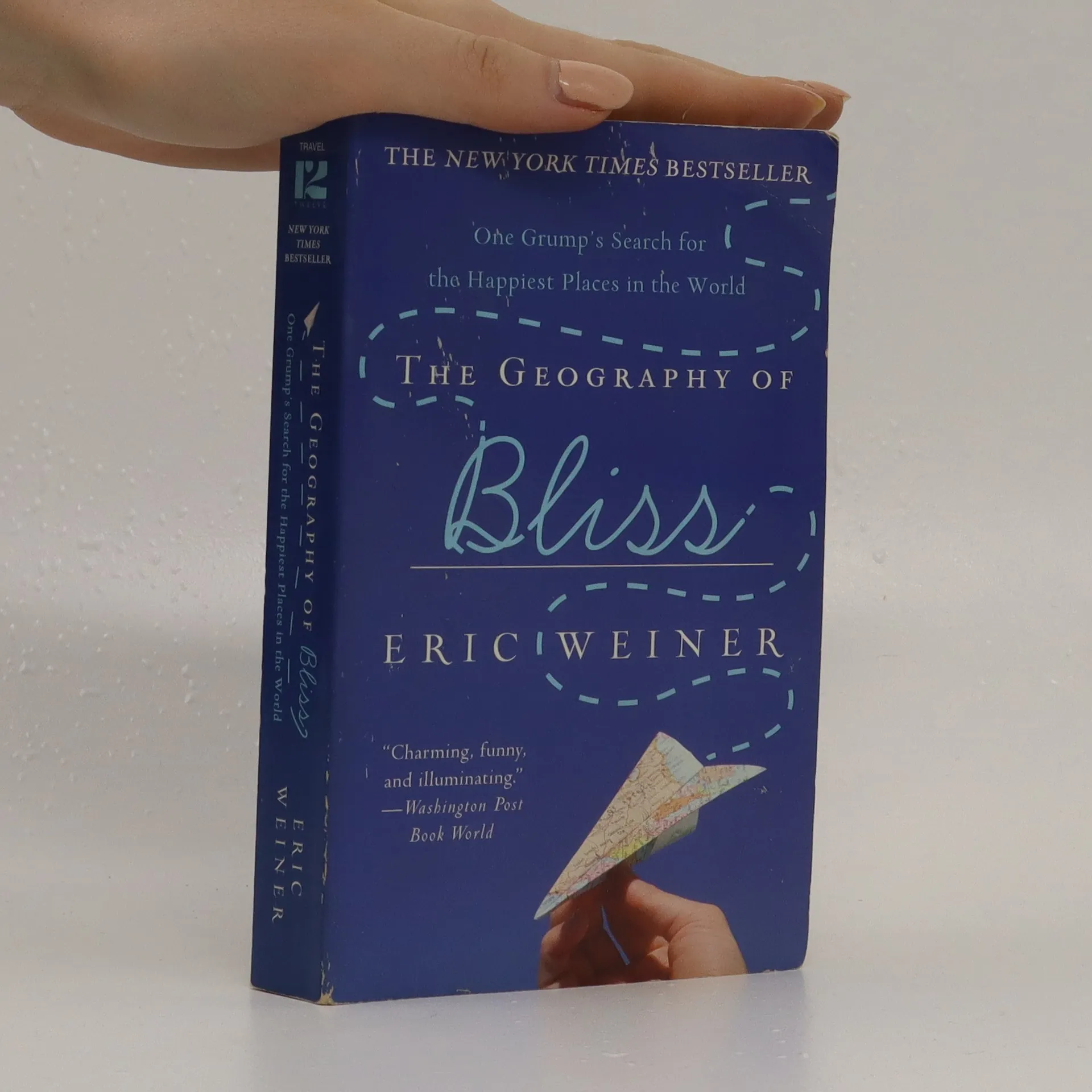
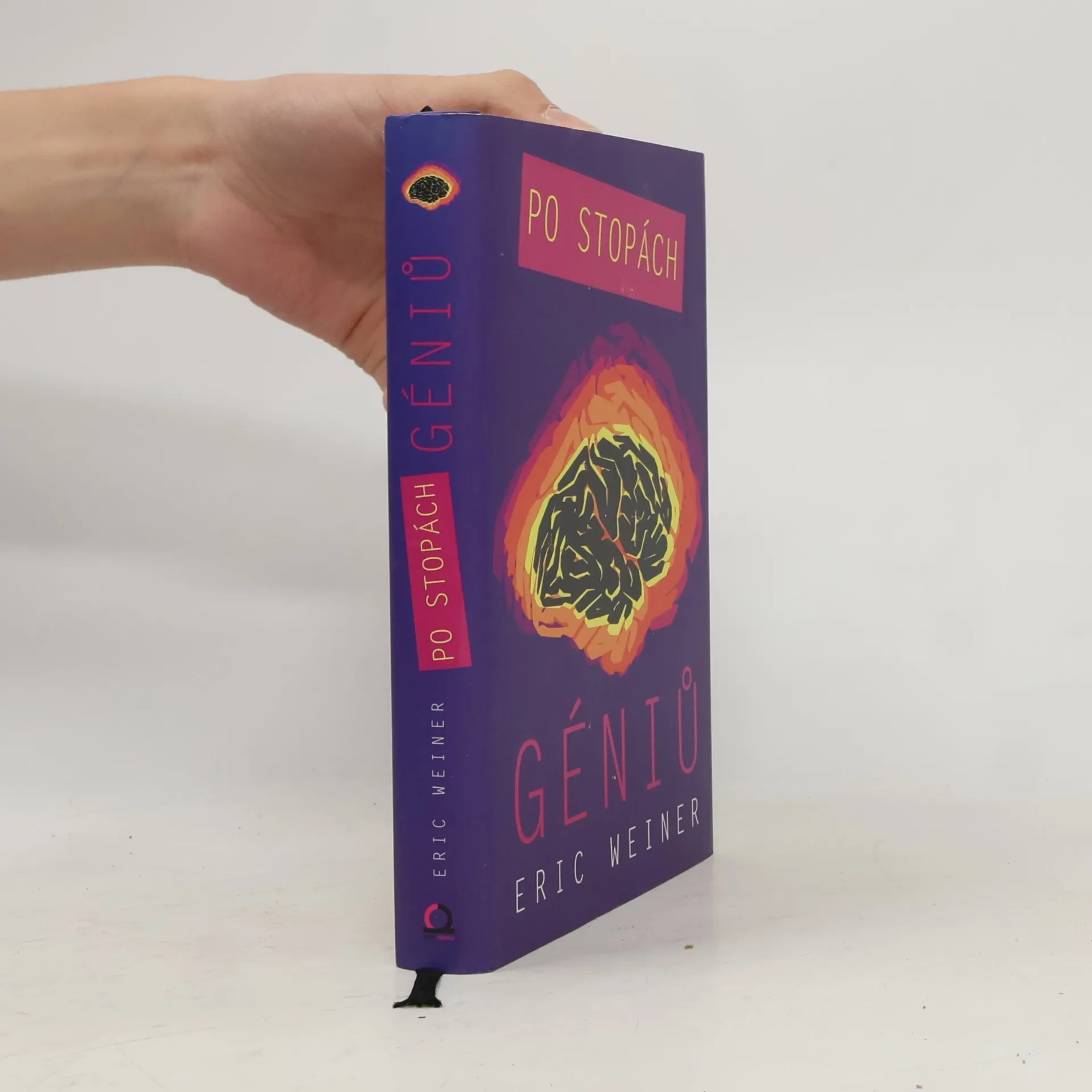
Cestovat po světě s Ericem Weinerem z Atén až do Silicon Valley skrz historii je úžasné. Ukazuje, proč se kreativním géniům dařilo právě v daný čas a na daném místě. V této knize si uznávaný autor cestopisů Weiner stanovil za cíl prozkoumat spojení mezi našim okolím a našimi nejgeniálnějšími nápady. Zkoumá historii míst, jako je Vídeň kolem roku 1900, renesanční Florencií, starověké Atény, čínskou dynastii Chang-čou nebo Silicon Valley, aby ukázal, jak určité prostředí vede k vynalézavosti. A se svým inteligentním humorem na bere na procházky po stejných cestách, kudy chodívali géniové, kteří v těchto prostředích vyrostli. Co inspirovalo osobnosti jako Sokrates, Michelangelo, Leonardo da Vinci, Freud nebo Beethoven? Odpovědi naleznete v této krásné a inteligentní knize.
Eric Weiner Knihy
Eric Weiner je autorem, jehož díla zkoumají hlubší otázky lidské existence a hledání smyslu. Jeho styl je charakteristický zvídavostí a humanismem, kterými proniká do různých kultur a myšlenkových proudů. Prostřednictvím svých prací podněcuje čtenáře k zamyšlení nad světem kolem sebe a nad vlastním místem v něm. Jeho reportážní zkušenosti z celého světa obohacují jeho psaní o jedinečnou perspektivu.


The Famously Funny Parrott: More Bird-Brained Than Ever!
- 128 stránek
- 5 hodin čtení
From the co-creator of the hit children’s show, Dora the Explorer, comes four more hilarious stories about the friendship between Freddie the purple parrot and his loyal butler, Peccary. Return to Rubberwick with this new collection of short stories, full of whimsical illustrations and laugh-out-loud hijinks! These brand new adventures find our favorite duo deciphering morse code, getting into trouble with the town Judge, and even trying a new breakfast treat (don't worry, waffles are still the best!). When things get tough Freddie Parrott knows that he can always count on his loyal butler and best friend, Peccary. “The Wind in the Willows meets Wodehouse’s Jeeves and Wooster in these short stories.”–Kirkus Reviews on The Famously Funny Parrott
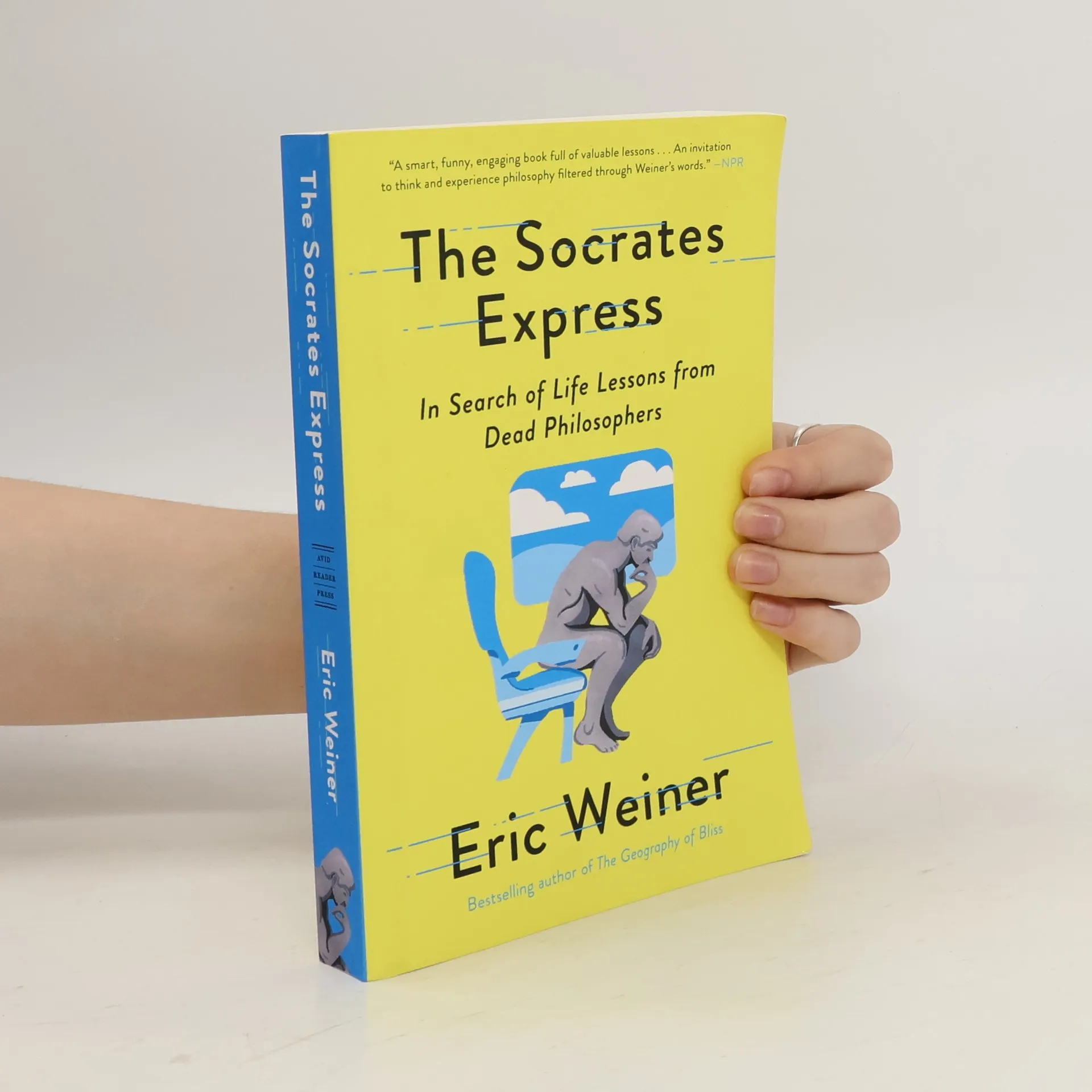
The Socrates Express
- 352 stránek
- 13 hodin čtení
Following in the footsteps of history's greatest thinkers and showing us how each-from Epicurus to Gandhi, Thoreau to Beauvoir-offers practical and spiritual lessons for today's unsettled times.
Famously Funny Parrott
- 144 stránek
- 6 hodin čtení
From the co-creator of the hit children’s show, Dora the Explorer, comes a hilarious and timeless collection of stories about the friendship between Freddie Parrott and his loyal butler, Peccary. Ride through Rubberwick in your Rolly Royce with Freddie and Peccary! This story collection is full of whimsical illustrations and laugh-out-loud adventures. From solving problems like the mysterious knock-knocking door, to saving the day with a fresh batch of waffle batter, Freddie Parrott knows that he can always count on his loyal butler and best friend, Peccary. "The Wind in the Willows meets Wodehouse’s Jeeves and Wooster in these short stories."--Kirkus Reviews
The geography of bliss
- 448 stránek
- 16 hodin čtení
В продължение на десет години Ерик Уайнър е чуждестранен кореспондент на Националното обществено радио на САЩ. Работил е в Ню Делхи, Йерусалим и Токио, правил е репортажи в повече от 40 страни. Бил е кореспондент за НОР в Ню Йорк, Маями, във Вашингтон, окръг Колумбия, бил е репортер на "Ню Йорк Таймс". Автор е на книгите "География на блаженството: Един мърморко търси най-щастливите места на света" и "Човекът търси Бог: Моят флирт с божественото". Дали швейцарците са по-щастливи, защото живеят в най-демократичната страна на света? Дали жителите на Катар, потънали в петродолари, намират радост в това изобилие? Дали кралят на Бутан е визионер, щом е въвел Брутното Национално Щастие като национален приоритет? Защо жителите на Ашвил, Северна Каролина, са толкова доволни от живота? Къде живеят най-щастливите хора на света? Преведеният ня 19 езика бестселър на Ню Йорк Таймс "География на блаженството" е увлекателен разказ, изтъкан от психология, геополитика, наука, пътешествия и хумор, един провокативен и забавен анализ на това какво е щастието, какво не е и къде можем да го открием.
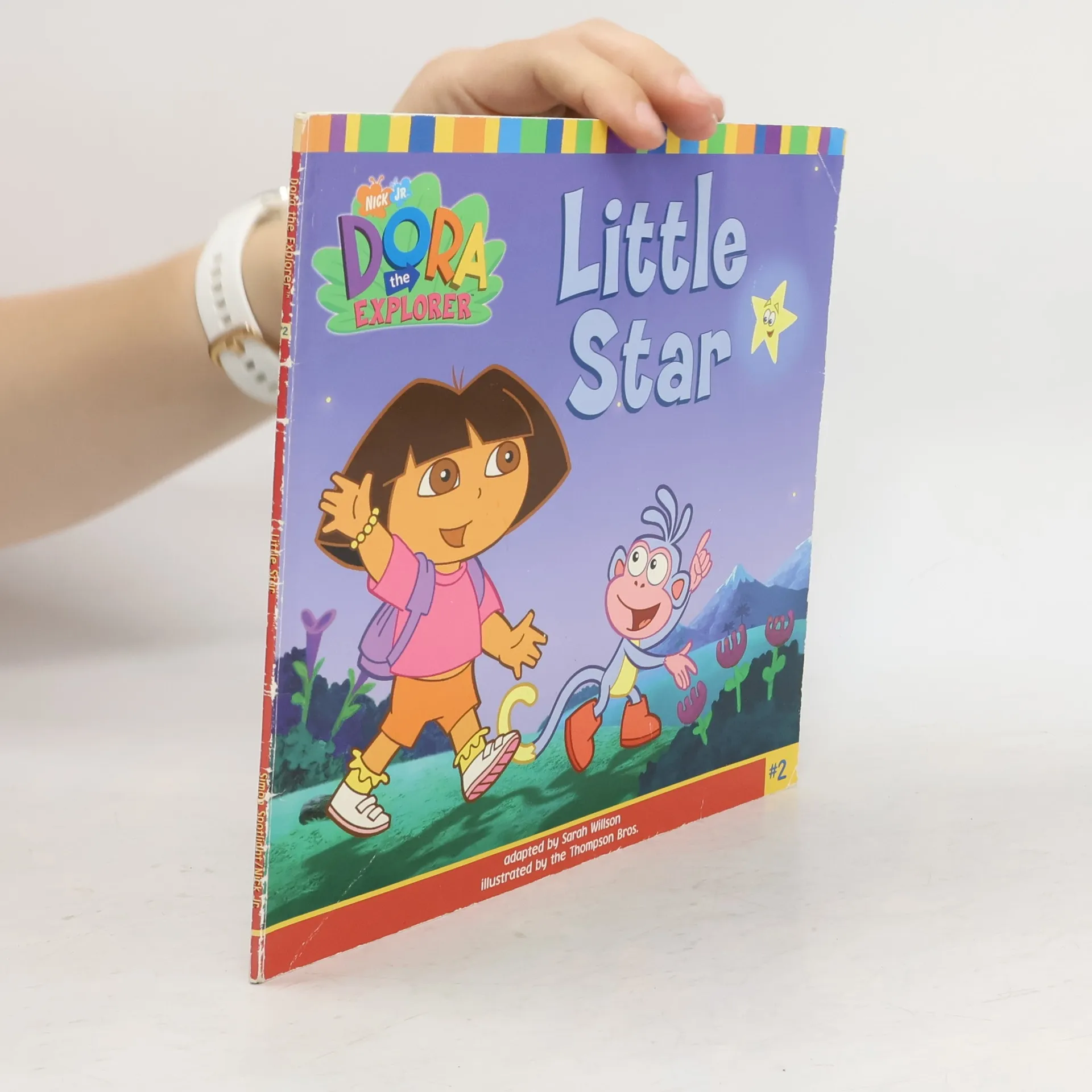
Little Star
- 24 stránek
- 1 hodina čtení
Dora and Boots spy the first little star of the evening and begin making their wishes. But suddenly a comet knocks Little Star out of the sky, and she falls to the ground. Join Dora and Boots as they try to get Little Star home, so that everyone can make a good-night wish.
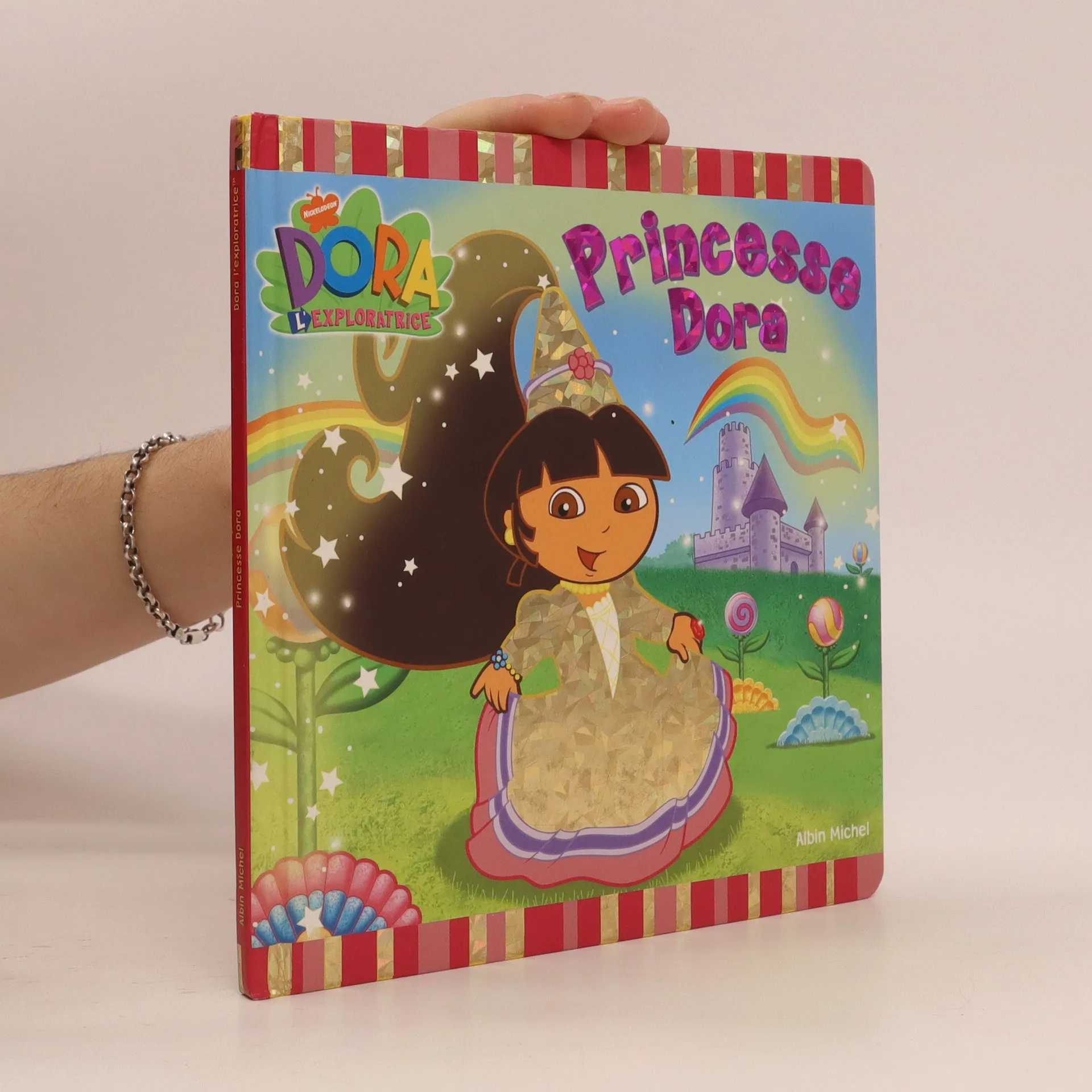
Princesse Dora
- 24 stránek
- 1 hodina čtení
Dora et Babouche jouent au Pays des Contes de Fées. Une méchante sorcière plonge Babouche dans un profond sommeil. Dora arrivera-t-elle à devenir une véritable princesse pour réveiller Babouche ?