The Thefts of the Mona Lisa
- 176 stránek
- 7 hodin čtení
"Here's the complete Mona Lisa story which includes that of the world's most famous art theft for which Pablo Picasso was arrested as a suspect"--


Noah Charney is a scholar whose academic background in art history from prestigious institutions informs his distinctive literary voice. His work delves into the intricate relationship between art, culture, and the darker aspects of human behavior, exploring themes of authenticity, deception, and the value we place on objects. Through his writing, Charney invites readers to reconsider their perceptions of beauty and possession, offering a unique perspective grounded in a deep understanding of the art world and its hidden currents. His unique approach blends scholarly insight with compelling narrative.


"Here's the complete Mona Lisa story which includes that of the world's most famous art theft for which Pablo Picasso was arrested as a suspect"--
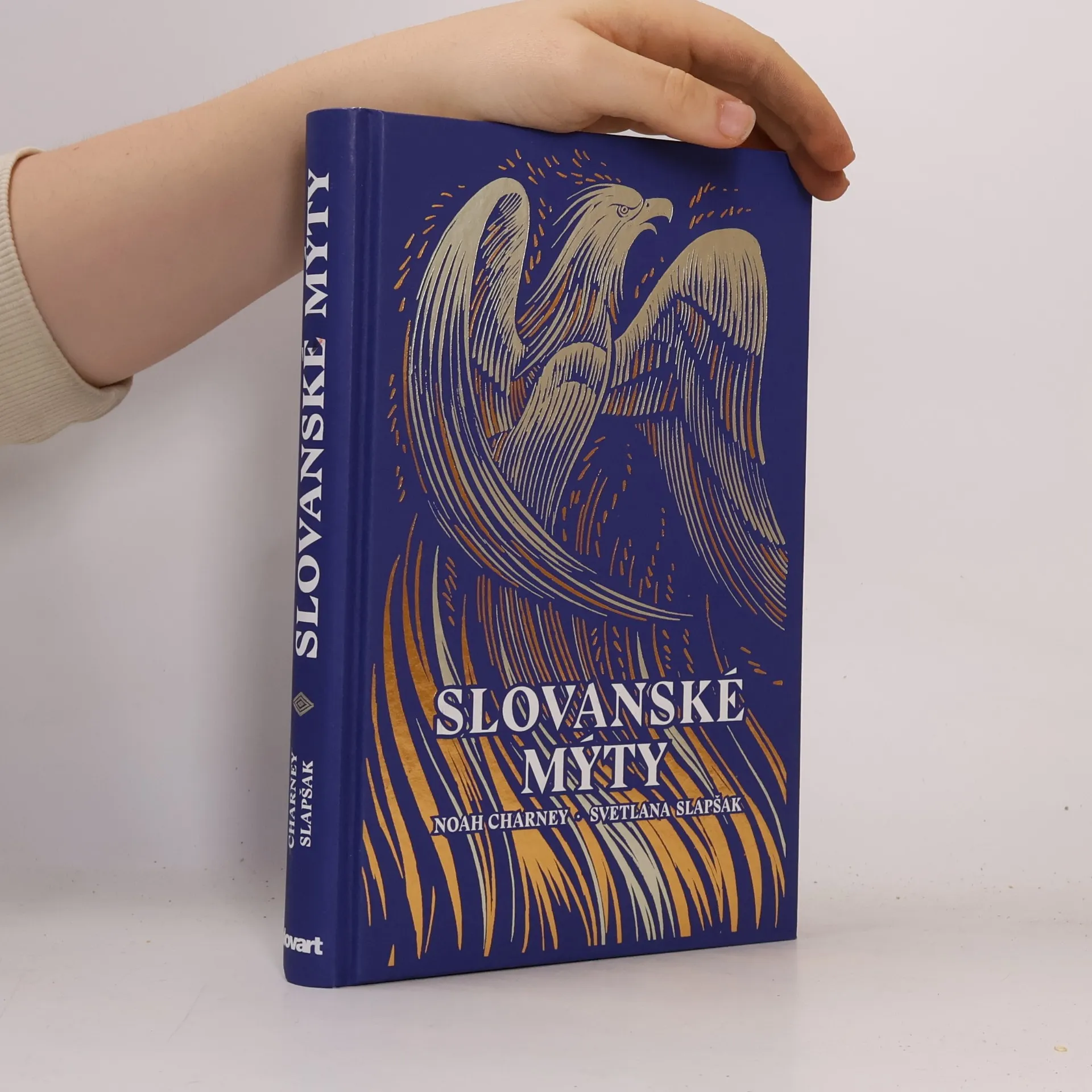
Baba Jaga a jej stridží domček na kuracích nôžkach, nedôverčiví škriatkovia aj éterické bohyne, devojny i ženy, čo sa neboja ani len čerta, vodníci či rusalky. Tieto postavy sú súčasťou publikácie, v ktorej sa historik umenia Noah Charney a klasická filologička a antropologička Svetlana Slapšak rozhodli priblížiť svet slovanských mýtov širokej verejnosti. Milovníci legiend a rozprávok sa môžu tešiť na tajuplné príbehy, ktoré sa dobre čítajú nahlas počas čarovnej hodinky, a faktograficky orientovaní čitatelia na výklad, čo po nich nasleduje. Autori popularizujú menej známu slovanskú mytológiu a interpretujú ju očami súčasníkov, pričom jej životaschopnosť dokladujú množstvom literárnych a filmových odkazov. Súčasťou knihy je 38 čiernobielych drevorytov.
The Devil in the Gallery is a guided tour of the history of art through it scandals, rivalries, and shocking acts. Award-winning art historian shares dozens of stories, lavishly illustrated in full color, of such dramatic moments and arguing how they not only affected the history of art but affected it for the better.
True tales of lost art, built around case studies of famous works, their creators, and stories of disappearance and recovery
Slovenology is part memoir, part essay collection, part travel writing, and part guidebook. It is meant to act as a guide-in-hand while visiting Slovenia, but it can be read just as well from the comfort of your own home to give you a deeper and more colorful sense of what it’s like to live in this remarkable, little-known country.
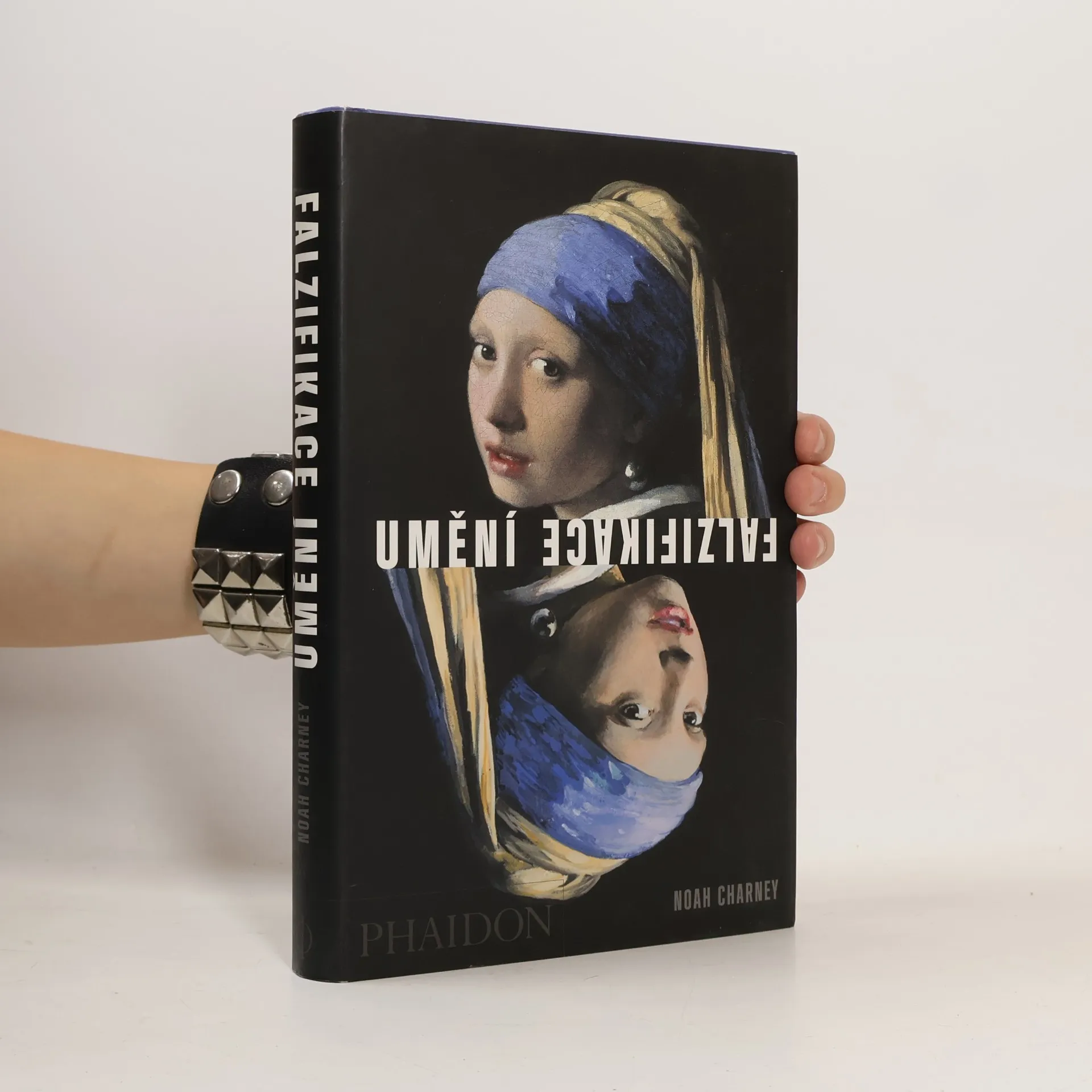
SVĚT CHCE BÝT KLAMÁN TEDY JEJ KLAMEJME Umění falzifikace: myšlení, motivy a metody padělatelských mistrů představuje záhady, intriky a skandály obklopující padělatelství, považované nezřídka za vysoce atraktivní trestnou činnost. Dějiny umění a jeho falzifikace jsou doslova nabité skutečnými detektivními příběhy – proslulými i méně známými –, které jsou fascinující, překvapivé a často bizarní. Kniha popisuje úspěchy i pády mistrů falzifikace od antiky až po dnešek, pátrá v hlubinách uvažování falzifikátorů vedeného výbušnou směsicí zločinu, geniality, pýchy, oportunismu, touhy po odplatě a slávě, ale také touhy po penězích a moci. Noah Charney (1979), odborník na oblast trestných činů proti umění, se zabývá otázkami, jak a proč se nejrafinovanějším světovým podvodníkům – často šarmantním a ve svém oboru geniálním osobnostem – podařilo vodit za nos celý umělecký svět. Odhaluje triky a metody jejich práce a popisuje, jak byli nakonec dopadeni, ať to bylo díky precizní policejní práci či pomocí vědeckých metod nebo hrálo rozhodující roli obyčejné štěstí. Popisuje také, jak se sám umělecký svět nejrůznějšími způsoby stává spolupachatelem, když těmto protřelým
'S werelds meest begeerde meesterwerk. Het Gents altaarstuk van Van Eyck
Geschiedenis van het Gents altaarstuk 'Het lam Gods'. Verdwenen, buitgemaakt in drie verschillende oorlogen, door brand bedreigd, uit elkaar gehaald, gekopieerd, vervalst, gesmokkeld, illegaal verkocht, gecensureerd, aangevallen door beeldenstormers, verborgen, vrijgekocht, gered en keer op keer gestolen... sinds het Gentse altaarstuk in 1432 door Van Eyck werd voltooid, is geen kunstwerk zo belaagd en begeerd als Het Lam Gods. Volgens sommige bewonderaars scholen in het werk schatten van tastbare aard, anderen zagen er filosofische en theologische waarheden in over de menselijke staat en de aard van het Opperwezen. Enkelen schreven het een concrete macht toe en dachten dat ontcijfering van het schilderij de loop van de Tweede Wereldoorlog kon veranderen. Weer anderen vonden juist dat de symbolische macht van het werk zo'n groot gevaar vormde dat het maar beter verwoest kon worden. En als u vandaag de dag voor het schilderij staat en het in al zijn pracht bewondert, weet u dan zeker dat u naar het origineel kijkt?
Charney crafts an intellectual masterpiece--the mystery of three missing masterpieces that sends criminals and curators alike on a rollicking chase through the art galleries and auction houses of Europe.