
Knihobot

António Damásio

    25. únor 1944
    António Damásio
    The Strange Order of Things
    Looking for Spinoza
    Neurobiology of decision making
    The Strange Order Of Things - skladem, lehce poškozený kus
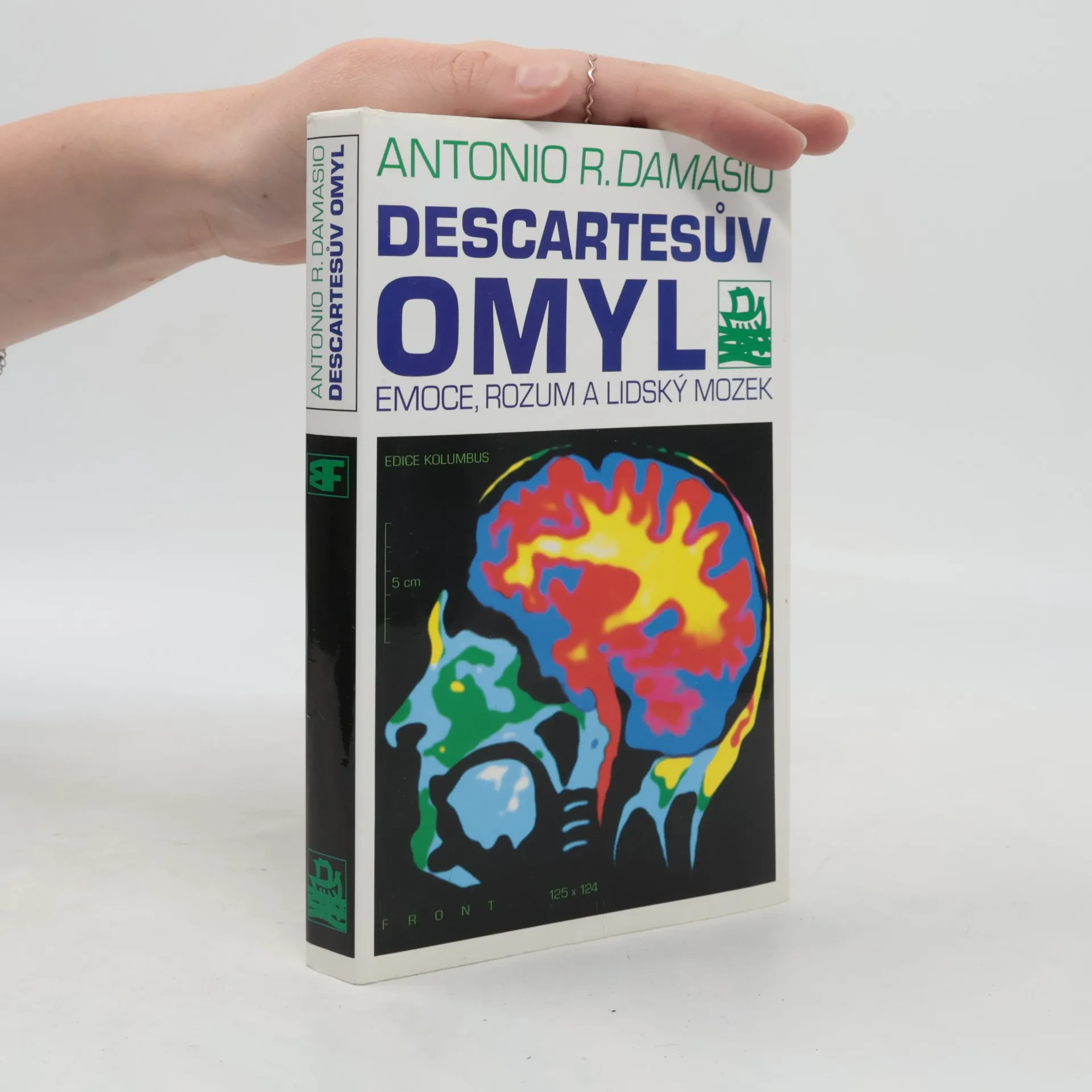
    Descartesův omyl
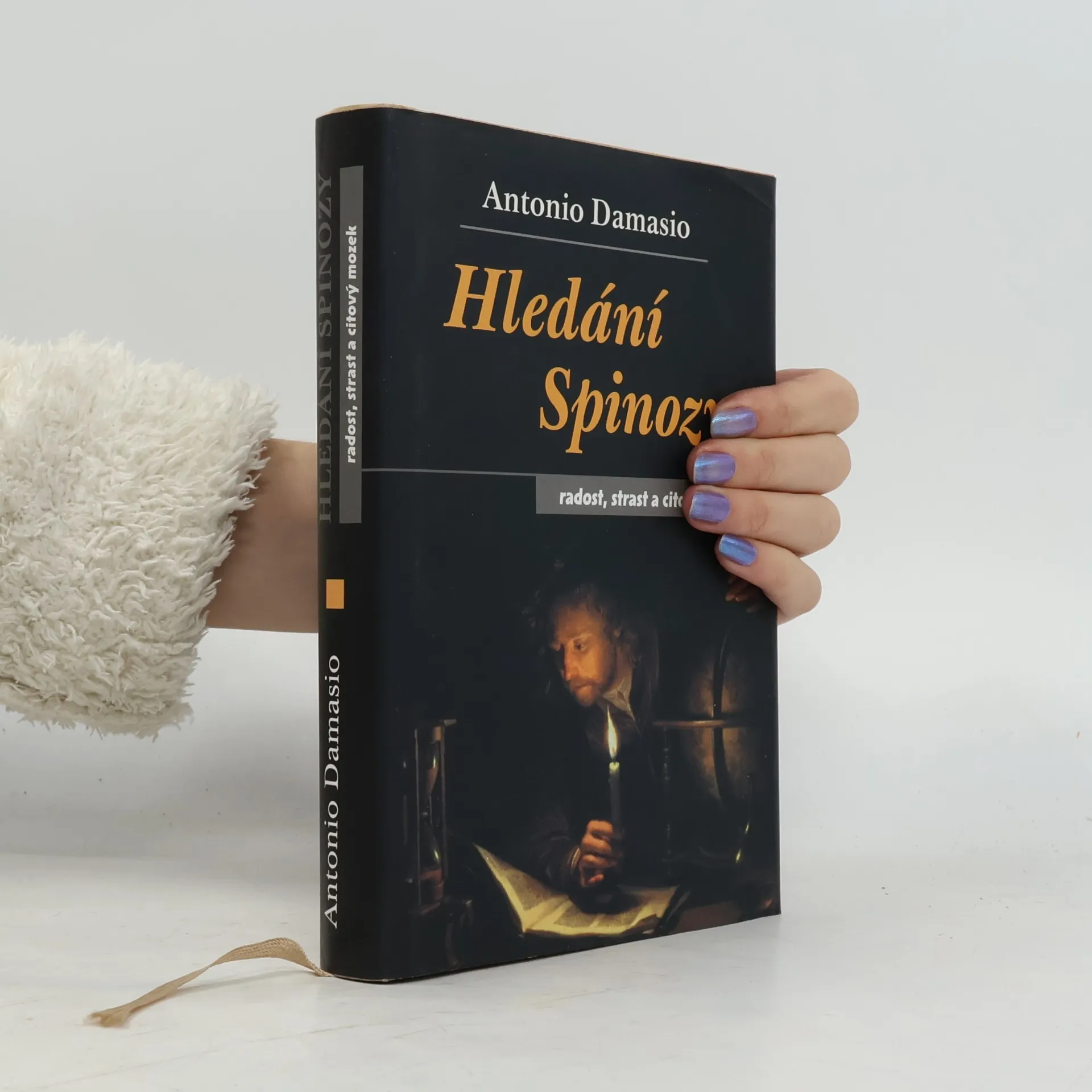
    Hledání Spinozy - radost, strast a citový mozek
    • Błąd Kartezjusza

      • 328 stránek
      • 12 hodin čtení

      Czy umysł można oderwać od ciała? Czy podejmując decyzje warto polegać na emocjach? Jak współpracują ze sobą „serce” i „rozum”? Łącząc swoje bogate doświadczenie badacza mózgu z przenikliwością filozofa, Antonio Damasio wytyka Kartezjuszowi tytułowy błąd. Polega on na oddzielaniu umysłu od ciała, a w konsekwencji także rozumu od emocji, i tego co w nas typowo ludzkie od tego co zwierzęce. Studiując przypadki pacjentów neurologicznych oraz opierając się na wynikach badań eksperymentalnych, przekonuje on, że racjonalne decyzje to nie te kierowane jedynie „chłodną kalkulacją”, ale oparte na emocjach i uczuciach. Twierdząc, że choć bez mózgu nasze życie wewnętrzne byłoby niemożliwe, Damasio sprzeciwia się poglądowi, że umysł to po prostu kora mózgowa. Wskazuje, że nasza psychika wyłania się w toku cielesnych interakcji ze środowiskiem przetwarzanych przez złożone obwody neuronalne. W Błędzie Kartezjusza Damasio podważa wiele tradycyjnych poglądów na umysł, poznanie i emocje, wskazując na siłę neuronauki w wyjaśnianiu natury ludzkiej. Jednocześnie w przystępny sposób prowokuje on do samodzielnego myślenia o myśleniu.

      Błąd Kartezjusza2022
      3,5
    • From one of the world's preeminent neuroscientists: a landmark reflection that spans the biological and social sciences, offering a new way of understanding the origins of life, feeling and culture.

      The Strange Order Of Things - skladem, lehce poškozený kus2021
      4,0
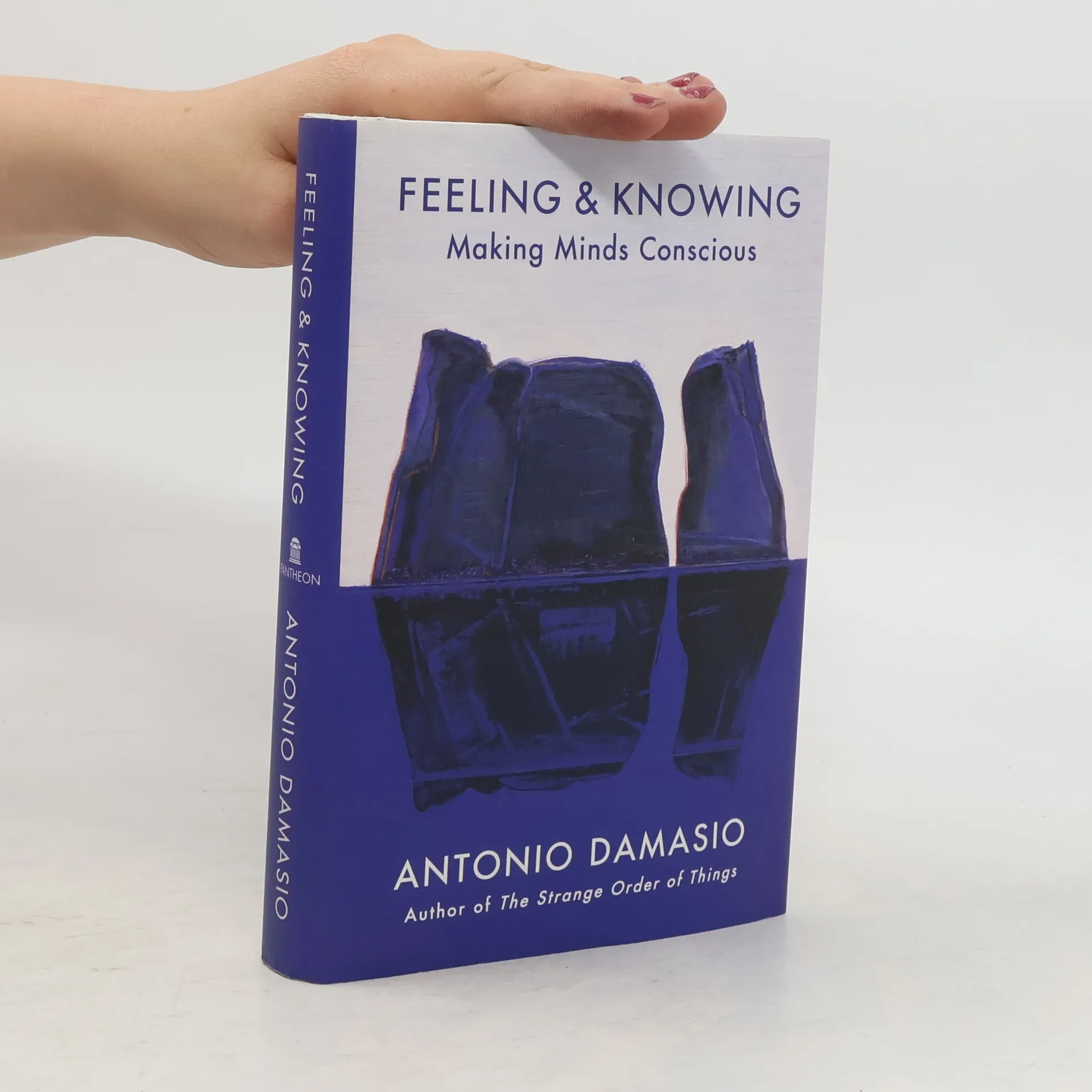
    • Feeling & Knowing

      • 224 stránek
      • 8 hodin čtení

      From one of the world’s leading neuroscientists: a succinct, illuminating, wholly engaging investigation of how biology, neuroscience, psychology, and artificial intelligence have given us the tools to unlock the mysteries of human consciousness “One thrilling insight after another ... Damasio has succeeded brilliantly in narrowing the gap between body and mind.” —The New York Times Book Review In recent decades, many philosophers and cognitive scientists have declared the problem of consciousness unsolvable, but Antonio Damasio is convinced that recent findings across multiple scientific disciplines have given us a way to understand consciousness and its significance for human life. In the forty-eight brief chapters of Feeling & Knowing, and in writing that remains faithful to our intuitive sense of what feeling and experiencing are about, Damasio helps us understand why being conscious is not the same as sensing, why nervous systems are essential for the development of feelings, and why feeling opens the way to consciousness writ large. He combines the latest discoveries in various sciences with philosophy and discusses his original research, which has transformed our understanding of the brain and human behavior. Here is an indispensable guide to understand­ing how we experience the world within and around us and find our place in the universe.

      Feeling & Knowing2021
      3,7
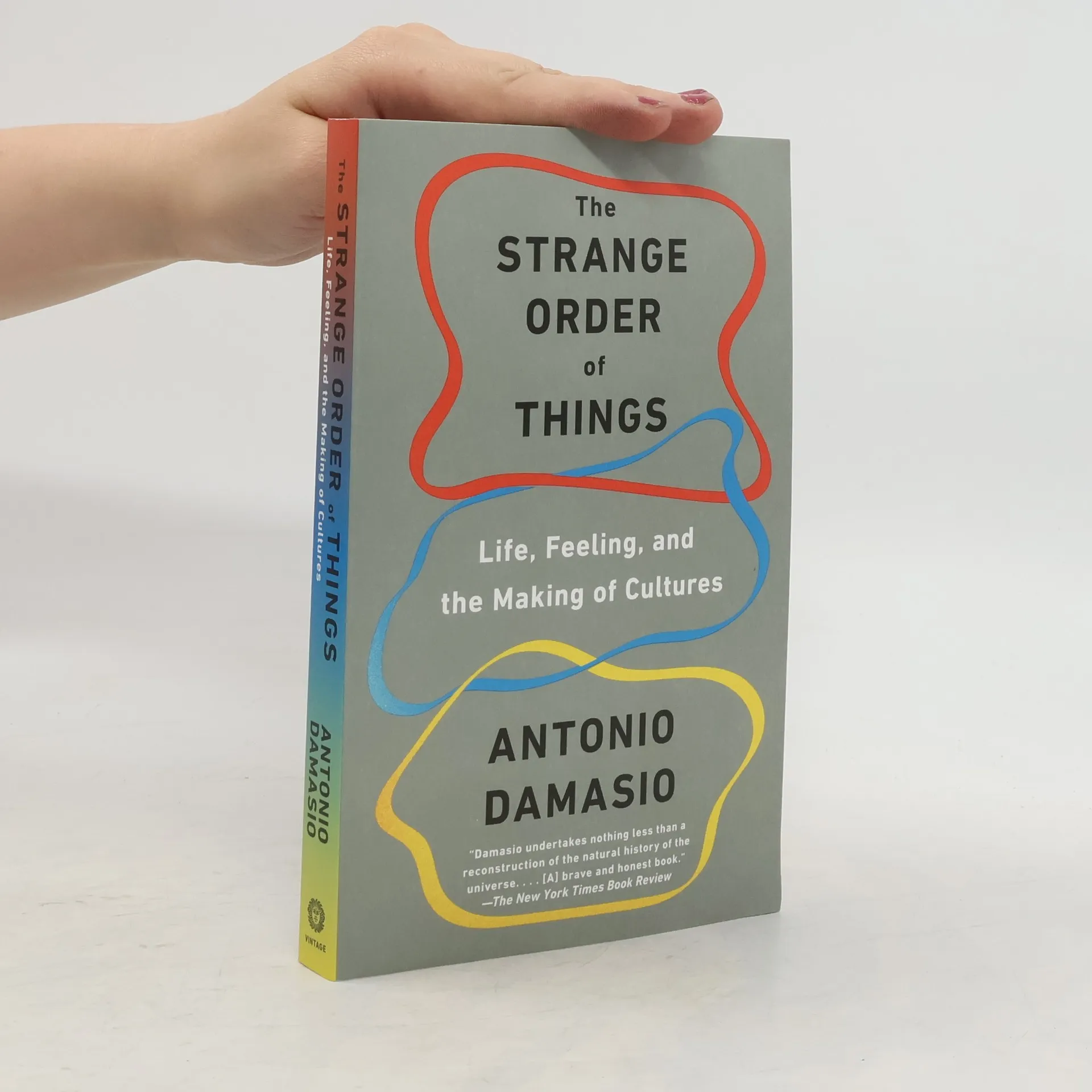
    • The Strange Order of Things

      • 336 stránek
      • 12 hodin čtení

      “Damasio undertakes nothing less than a reconstruction of the natural history of the universe. . . . [A] brave and honest book.” —The New York Times Book Review The Strange Order of Things is a pathbreaking investigation into homeostasis, the condition that regulates human physiology within the range that makes possible not only survival but also the flourishing of life. Antonio Damasio makes clear that we descend biologically, psychologically, and even socially from a long lineage that begins with single living cells; that our minds and cultures are linked by an invisible thread to the ways and means of ancient unicellular existence and other primitive life-forms; and that inherent in our very chemistry is a powerful force, a striving toward life maintenance that governs life in all its guises, including the development of genes that help regulate and transmit life. The Strange Order of Things is a landmark reflection that spans the biological and social sciences, offering a new way of understanding the origins of life, feeling, and culture. www.antoniodamasio.com

      The Strange Order of Things2019
      3,8
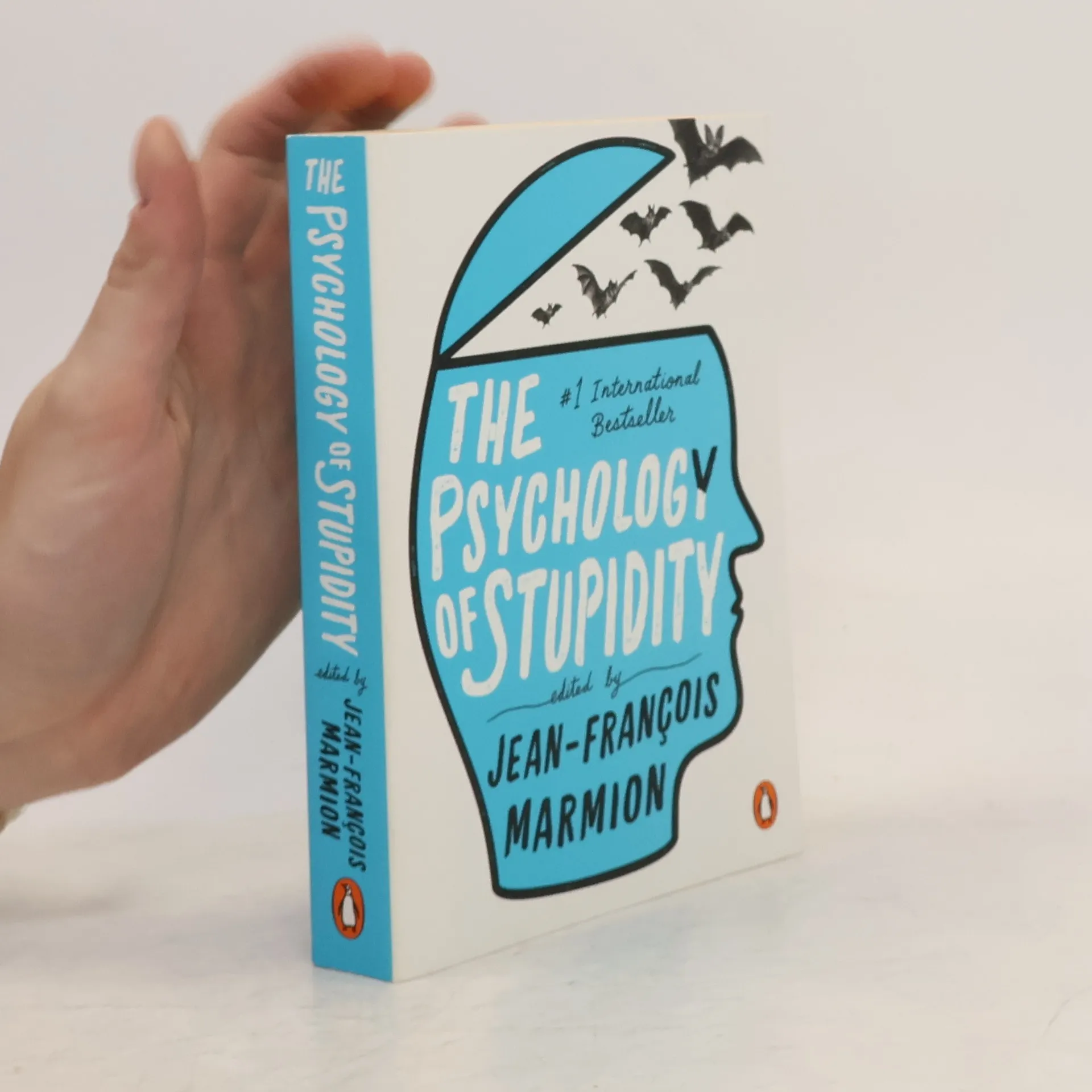
    • The Psychology of Stupidity

      • 384 stránek
      • 14 hodin čtení

      "We need books like this one." --Steven Pinker At last, stupidity explained! And by some of the world's smartest people, among them Daniel Kahneman, Dan Ariely, Alison Gopnik, Howard Gardner, Antonio Damasio, Aaron James, and Ryan Holiday. And so I proclaim, o idiots of every stripe and morons of all kinds, this is your moment of glory: this book speaks only to you. But you will not recognize yourselves... Stupidity is all around us, from the coworker who won't stop hitting "reply all" to the former high school classmate posting conspiracy theories on Facebook. But in order to vanquish it, we must first understand it. In The Psychology of Stupidity, some of the world's leading psychologists and thinkers--including a Nobel Prize winner and bestselling authors--will show you... why smart people sometimes believe in utter nonsense; how our lazy brains cause us to make the wrong decisions; why trying to debate fools is a trap; how media manipulation and Internet overstimulation make us dumber; why the stupidest people don't think they're stupid. The wisdom and wit of these experts are a balm for our aggrieved souls and a beacon of hope in a world of morons.

      The Psychology of Stupidity2018
      3,3
    • From one of our preeminent neuroscientists: a landmark reflection that spans the biological and social sciences, offering a new way of understanding the origins of life, feeling, and culture. The Strange Order of Things is a pathbreaking investigation into homeostasis, the condition of that regulates human physiology within the range that makes possible not only the survival but also the flourishing of life. Antonio Damasio makes clear that we descend biologically, psychologically, and even socially from a long lineage that begins with single living cells; that our minds and cultures are linked by an invisible thread to the ways and means of ancient unicellular life and other primitive life-forms; and that inherent in our very chemistry is a powerful force, a striving toward life maintenance that governs life in all its guises, including the development of genes that help regulate and transmit life. In The Strange Order of Things, Damasio gives us a new way of comprehending the world and our place in it. www.antoniodamasio.com

      The strange order of things : life, feeling, and the making of the cultures2018
      3,7
    • Im Anfang war das Gefühl

      • 319 stránek
      • 12 hodin čtení

      Das neue Buch von Bestsellerautor Antonio Damasio: Wie die Gefühle unsere Kultur prägen Wie ist der Mensch zum Menschen geworden – und wie ist all das entstanden, was wir Kultur nennen? Der weltbekannte Neurowissenschaftler Antonio Damasio hat eine verblüffende Erklärung: Nicht Verstand und Intellekt, sondern die Gefühle haben dabei die entscheidende Rolle gespielt. Ein neuer, aufregender Blick auf die Fundamente menschlicher Zivilisation. Ausstattung: mit Abb.

      Im Anfang war das Gefühl2017
      4,0
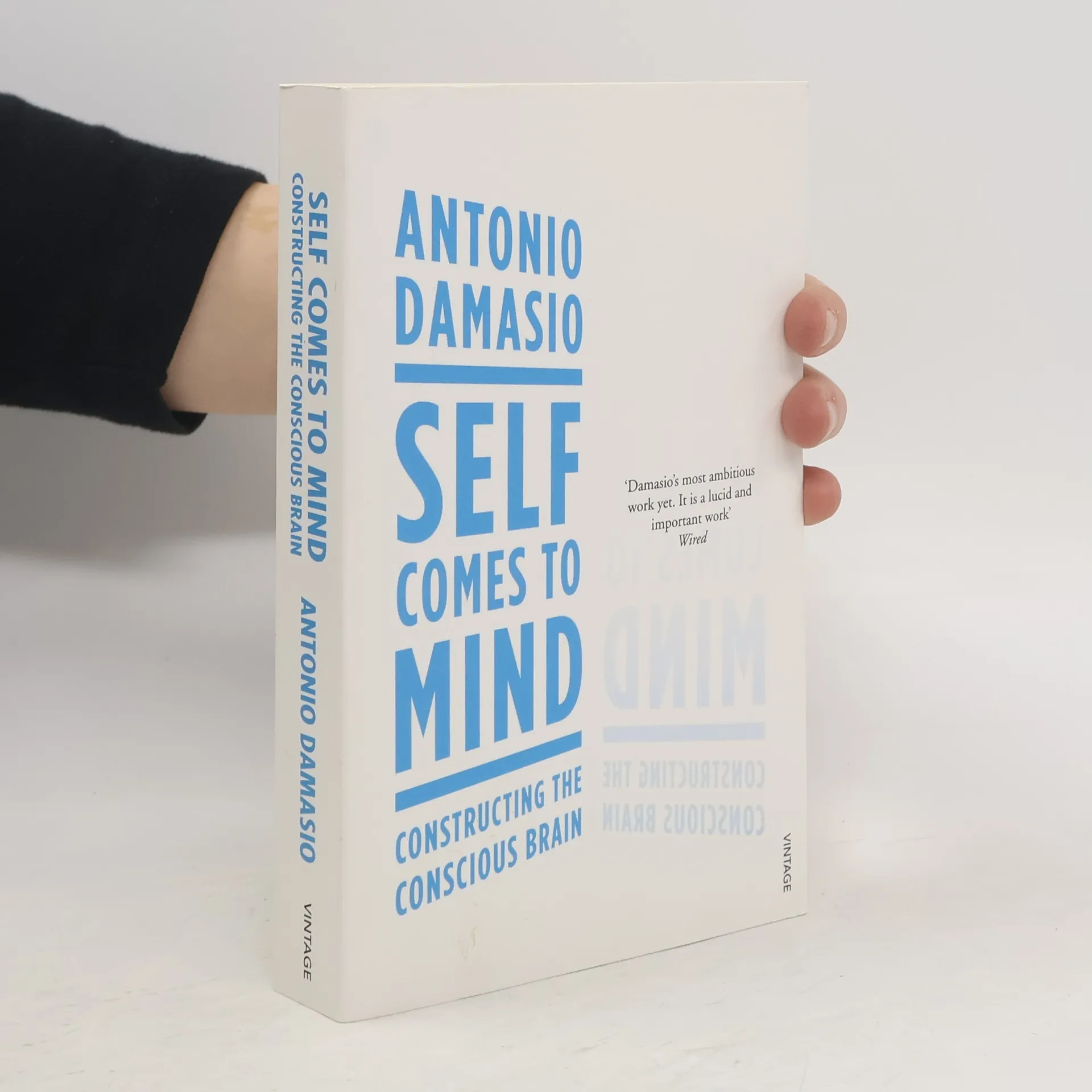
    • Self Comes to Mind

      • 384 stránek
      • 14 hodin čtení

      In Self Comes to Mind, he goes against the long-standing idea that consciousness is somehow separate from the body, presenting compelling new scientific evidence that consciousness - what we think of as a mind with a self - is in fact a biological process created by a living organism.

      Self Comes to Mind2010
      3,9
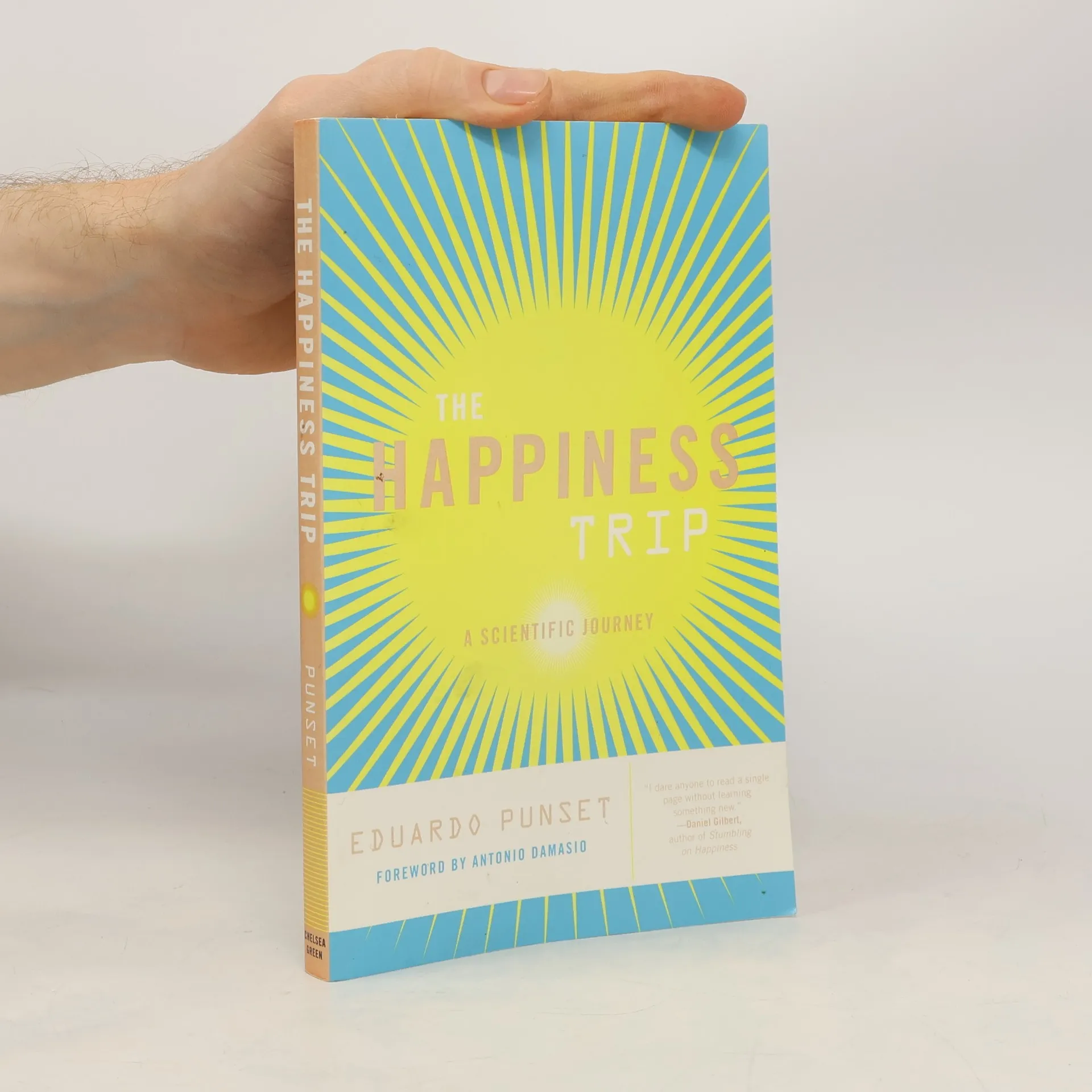
    • The Happiness Trip

      A Scientific Journey

      • 160 stránek
      • 6 hodin čtení

      The search for happiness is quintessentially human—a concept that has no bearing on any other creature on earth yet figures foremost among our deepest desires. In the realm of hard science, the journey to happiness is still in its infancy; the final destination, uncertain. The Happiness Trip is a lucid and passionate approach to the science of happiness and its conditioning emotions, stress, hormonal flows and aging, as well as the social, economic, cultural and religious aspects associated with the emotion. "We have set out on the unknown waters of our potential happiness with no previous knowledge, no maps. There are no models in nature. It is only recently that the scientific community developed technical instruments to measure the impact of emotions and stress. These have given rise in turn to the search for happiness, which immediately burst onto the field of scientific analysis."

      The Happiness Trip2007
      3,5
    • Kniha Hledání Spinozy se tématicky pohybuje na pomezí neurobiologie, kognitivní a afektivní neurovědy a filosofie. Je napsána přístupně, srozumitelně, odborný jazyk je použit v nejmenší možné míře. Tato kniha je určena vzdělané veřejnosti, nejen lékařům a psychologům, ale i filosofům, novinářům — komukoli, kdo chce lépe porozumět jak sobě, tak lidem kolem sebe. Zabývá se každodenními lidskými emocemi a pocity — radostí, strastí, žárlivostí i úžasem, láskou, nenávistí, hněvem, hnusem… V Descartesově omylu se Damasio zabýval vlivem emocí na rozumové chování, v knize The Feeling of What Happens zkoumal pocity jako podklad sebeuvědomování. V této knize popisuje vztah emocí, tj. objektivních událostí, k pocitům — událostem niterným, subjektivním. Damasio fascinujícím způsobem znovu objevuje a vykládá Spinozu jako geniálního předchůdce takovéhoto způsobu myšlení. Damasiova kniha je fundamentálním, zcela novým popisem lidství; vztahu neurobiologie, kultury a dějin; jednoty mozku, vědomí a sebeuvědomování. Můžete s jejími závěry nesouhlasit, přesto by ale neměla chybět v knihovně každého člověka, jenž se chce orientovat v nejsoučasnějších pohledech na lidství.

      Hledání Spinozy - radost, strast a citový mozek2006
      4,8
    • Looking for Spinoza

      • 355 stránek
      • 13 hodin čtení

      Joy, sorrow, jealousy and awe - these and other feelings are the stuff of our daily lives. Presumed to be too private for science to explain and not to be essential for comprehending human rationality and understanding, they have largely been ignored. But not by the great seventeenth-century Dutch philosopher Spinoza. And not by Antonio Damasio. In this book Dr. Damasio draws on his innovative research and on his experience with neurological patients to examine how feelings and the emotions that underlie them support the governance of human affairs.

      Looking for Spinoza2003
      4,0
    • Neuroscience has paid only little attention to decision-making for many years. Although no field of science has cohered around this topic, a variety of researchers in different areas of neuroscience ranging from cellular physiology to neuropsychology and computational neuroscience have been engaged in working on this issue. Thus, the time seemed to be ripe to bring these researchers together and discuss the state of the art of the neurobiology of decision-making in a broad forum. This book is a collection of contributions presented at that forum in Paris in October 1994 organized by the Fondation IPSEN.

      Neurobiology of decision making1995
      4,1
    • Emoce, rozum a lidský mozek. Tento světový bestseller pojednává o vztahu lidského mozku, intelektu a citového života. Jádrem knihy je autorova pozoruhodná teorie somatických markerů, která přesvědčivě vysvětluje, jak naše prožitky ovlivňují naše poznávání a proč se tak děje. Kniha vychází z klasického klinického pozorování, známého ze všech učebnic, pacienta Phinease Gage, který utrpěl roku 1848 těžké zranění mozku. Charakteristické změny osobnosti, které se u něho projevovaly, vzdorovaly výkladu vědců celých 140 let. O jejich vysvětlení se zasloužil právě Damasio.

      Descartesův omyl1994
      4,0