Anthony D. Williams je přední odborník na kolaborativní inovace. Jeho práce se zaměřuje na to, jak mohou organizace v podnikání, ve státní správě i ve společnosti využívat sílu spolupráce k podpoře inovací. Působí jako hostující pracovník v Munk School of Global Affairs na University of Toronto a jako senior fellow pro inovace v Lisbon Council v Bruselu. Je také poradcem pro GovLoop, největší světovou sociální síť pro vládní inovátory, a zakládajícím členem OpenForum Academy, globální výzkumné iniciativy zaměřené na pochopení dopadu otevřených standardů a open source na byznys a společnost.
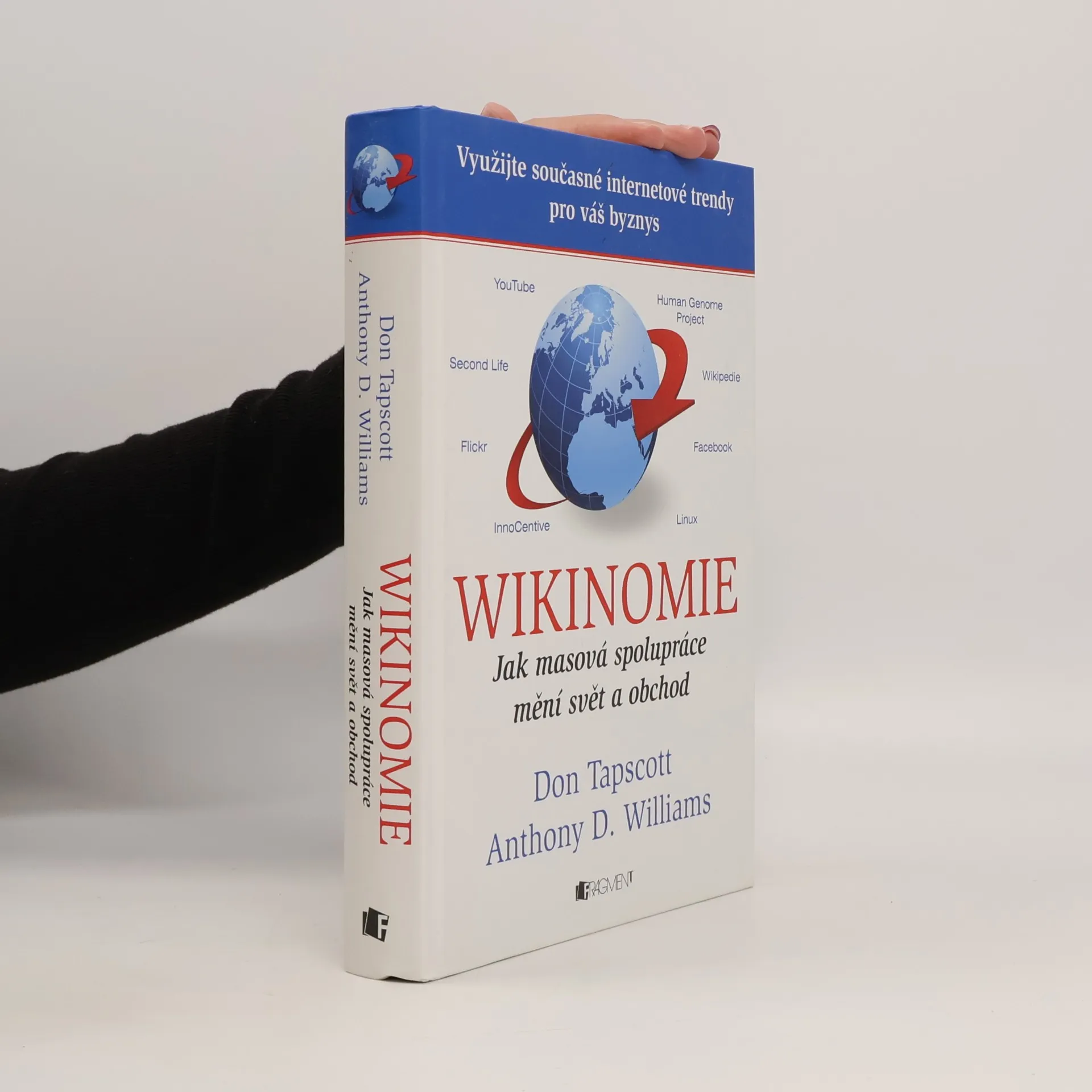
K úspěchu v podnikání dnes už nestačí pouze intenzivně využívat manažerské strategie. Seznamte se se čtyřmi základními principy, kterými se nová spolupráce řídí. 1. Otevřenost 2. Rovnocennost 3. Sdílení 4. Jednání v rámci celého světa Získáte odpovědi, jak konkurovat a vydělávat. Naučíte se, jak zásady komunikace a spolupráce úspěšně využít ve svém obchodování!
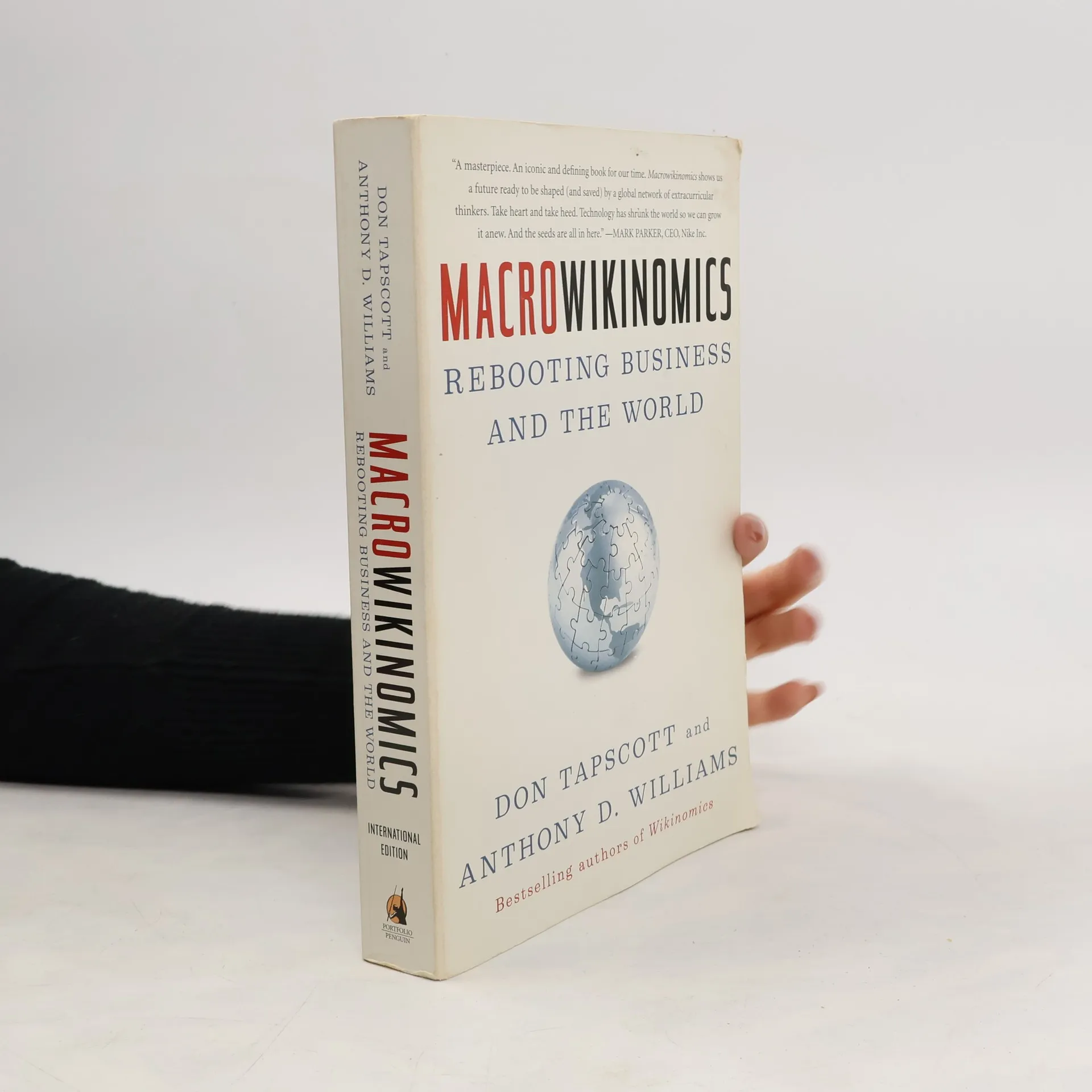
Rebooting Business and the World - International Edition
The global financial crisis of 2008 highlighted the need for a new approach to governing the economy, emphasizing transparency, integrity, and collaboration in financial services. As the crisis spread to other sectors, including environmental and sovereign debt issues, it became evident that traditional institutions were struggling to adapt. However, amidst the turmoil, there is optimism as a new model of economic and social innovation emerges worldwide. This model empowers individuals with passion and expertise to leverage Web-based tools for creating a more prosperous, just, and sustainable world. Drawing parallels to collaborative projects like Wikipedia and Linux, there is a historic opportunity to harness collective human ingenuity to reshape institutions for future generations. This follow-up to a best-selling management book presents a game plan for addressing global challenges through collaborative innovation across various fields such as healthcare, education, and energy. It showcases dynamic innovators and movements that are transforming industries and argues that the potential for collaboration extends beyond software and media to include government, education, and healthcare. These opportunities are not mere fantasies but tangible possibilities enabled by the principles of wikinomics.
A heartfelt tribute to the author's late mother, this book explores the profound bond they shared. Her influence and unwavering support serve as his greatest inspiration, shaping his life and work. Through personal reflections, the author honors her memory and the impact she had on his journey.