

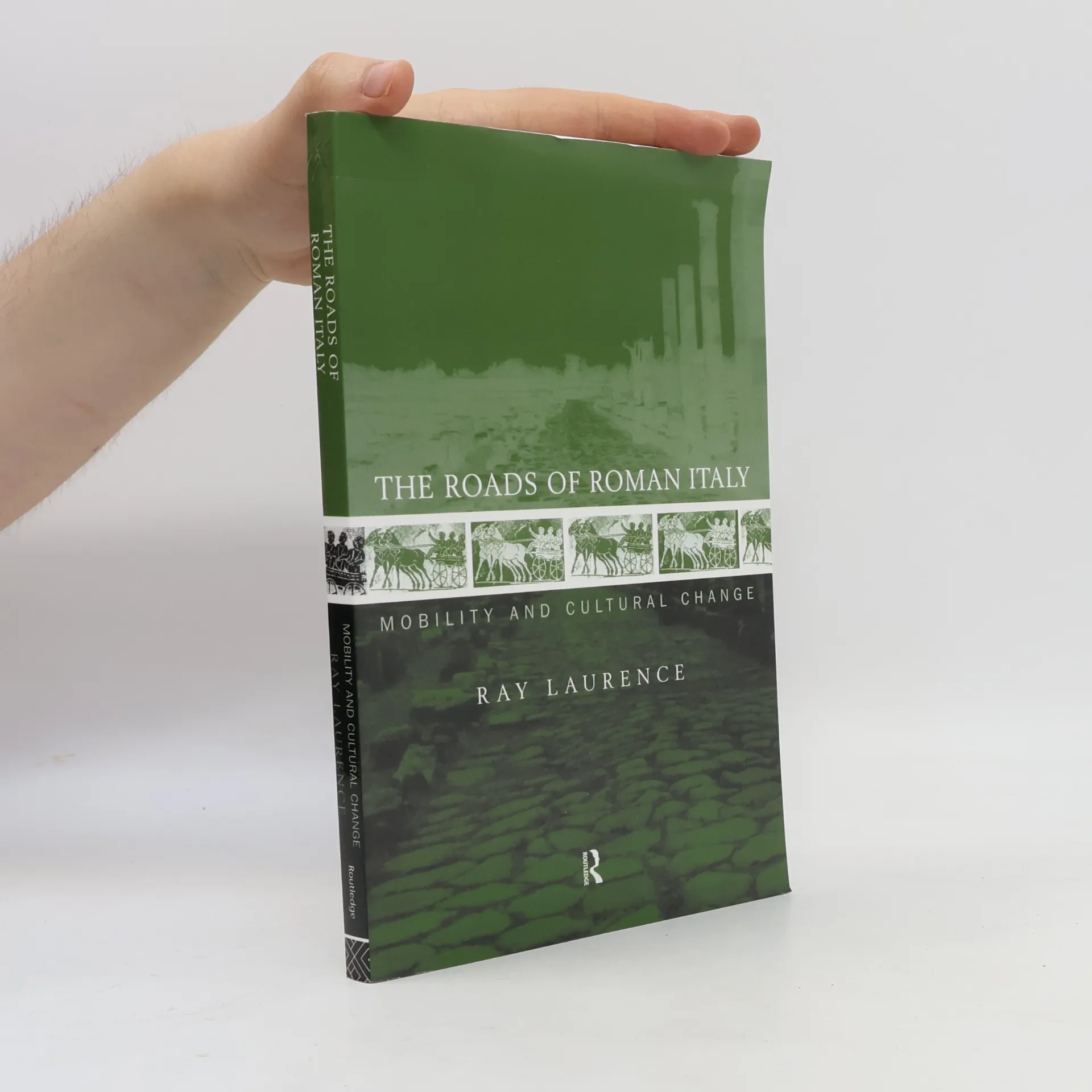
The Roads of Roman Italy offers a complete re-evaluation of both the evidence and the interpretation of Roman land transport. The book utilises archaeological, epigraphic and literary evidence for Roman communications, drawing on recent approaches to the human landscape developed by geographers. Among the topics considered are: * the relationship between the road and the human landscape * the administration and maintenance of the road system * the role of roads as imperial monuments * the economics of road construction and urban development.
Ray Laurence Pořadí knih (chronologicky)


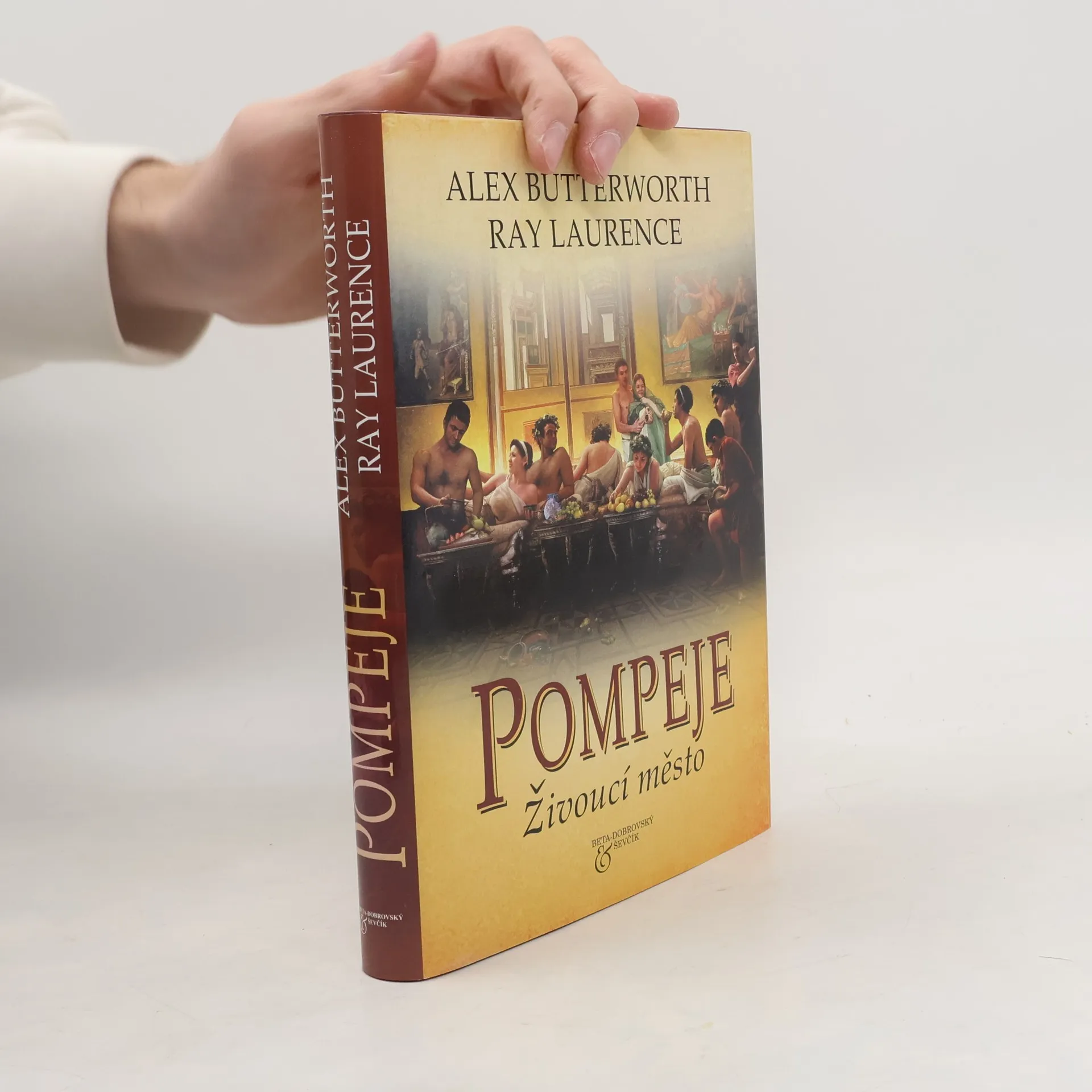
Pompeje : živoucí město
- 271 stránek
- 10 hodin čtení
Kniha atraktivním způsobem přibližuje život v antickém Římě v prvním století po Kristu, v dramatické době císaře Nerona, kdy propuká jedna z morálních krizí starověku. Výbuch Vesuvu, jenž v r. 79 zničil kvetoucí přístavní město Pompeje, zde vlastně slouží jen jako pozadí výkladu. Tato sonda do „dějin každodenního života“ - dnes velmi oblíbeného přístupu k historii - popisuje starosti i radosti obyčejných lidí starověkého světa. Díky archeologickým vykopávkám bylo možné zevrubně analyzovat tehdejší hospodářské poměry, stravovací zvyklosti, náboženskou víru, správu veřejných záležitostí a styl života jednotlivých vrstev obyvatelstva. Paralelou vyprávění je pak život tehdejší elity na dvoře císaře Nerona a jeho nástupců.
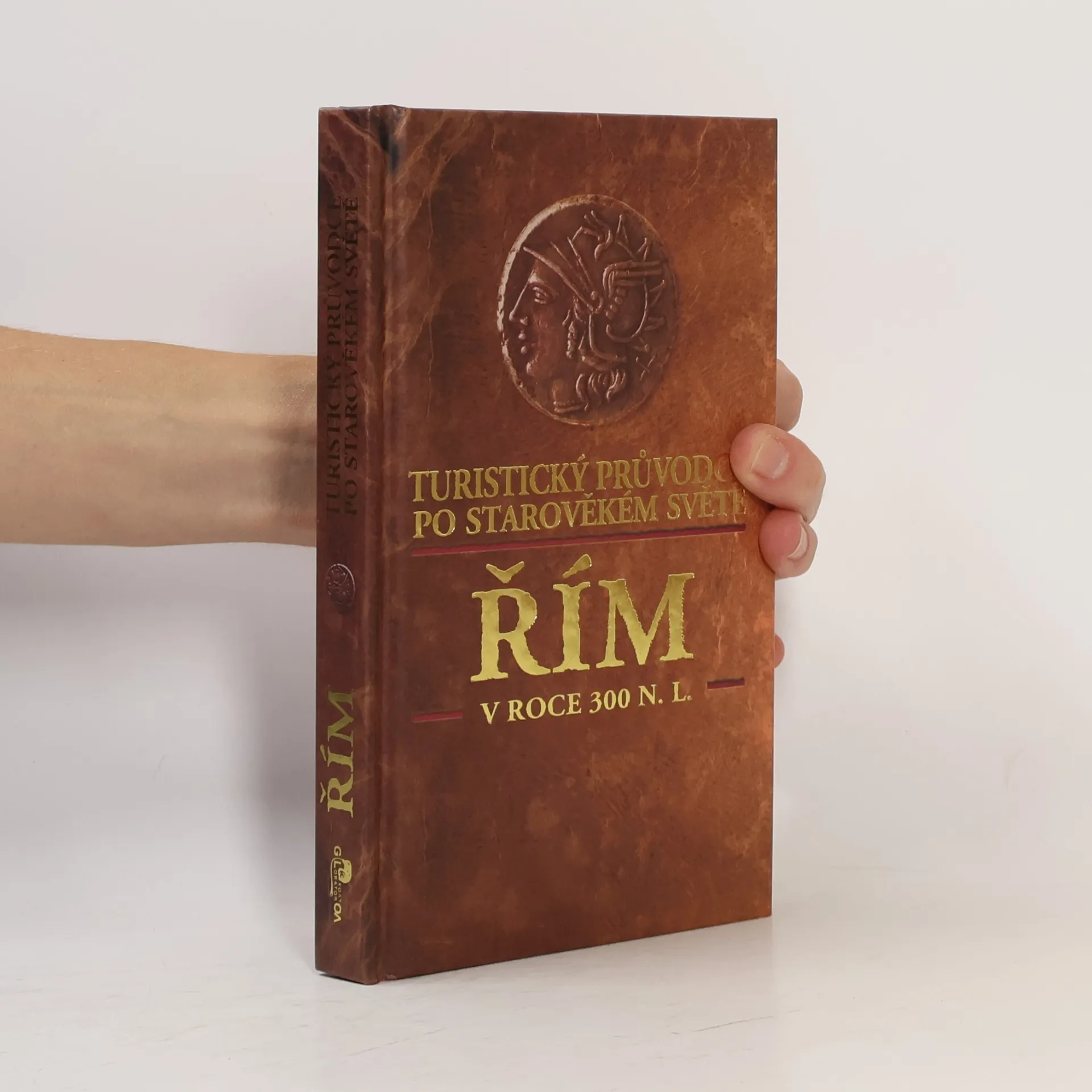
Řím v roce 300 n. l.
- 160 stránek
- 6 hodin čtení
Život ve starém Římě podaný ve stylu soudobého turistického průvodce. Dozvíme se, kam nejlépe zajít do veřejných lázní, kde se dá dobře najíst nebo co dělat, když náhodou onemocníme. Nechybí ani přehled nejužitečnějších frází. Doplněno mapkami a četnými ilustracemi.
Pompeya. La ciudad viva
- 424 stránek
- 15 hodin čtení
Los escritores Alex Butterworth y Ray Laurence han unido sus conocimientos, imaginación y talento para crear una obra diferente a todo lo escrito hasta ahora sobre Pompeya. No ofrecen una "visita museística por las calles de Pompeya", sino que pintan con fuerza el retrato vivo de la ciudad en el contexto de la historia del Imperio Romano. Los grandes trazos se combinan hábilmente con el delicado modelado de los detalles, para resucitar vistas, sonidos, colores y olores en un mundo rico en ambiciones políticas y escándalos, costumbres extrañas y rituales, vino, fragancias y placeres... Desde noviembre del 54 d.C. hasta los trágicos eventos del verano del 79 d.C. que llevaron a la sepultura de Pompeya bajo la ceniza volcánica del Vesubio, veinticinco años de historia política, social y cultural se deslizan imperceptiblemente ante los ojos del lector como una novela cautivadora. Es difícil resistir la tentación de transportarse siglos atrás en el tiempo, en el magnífico entorno y la atmósfera de la ciudad viva de Pompeya.
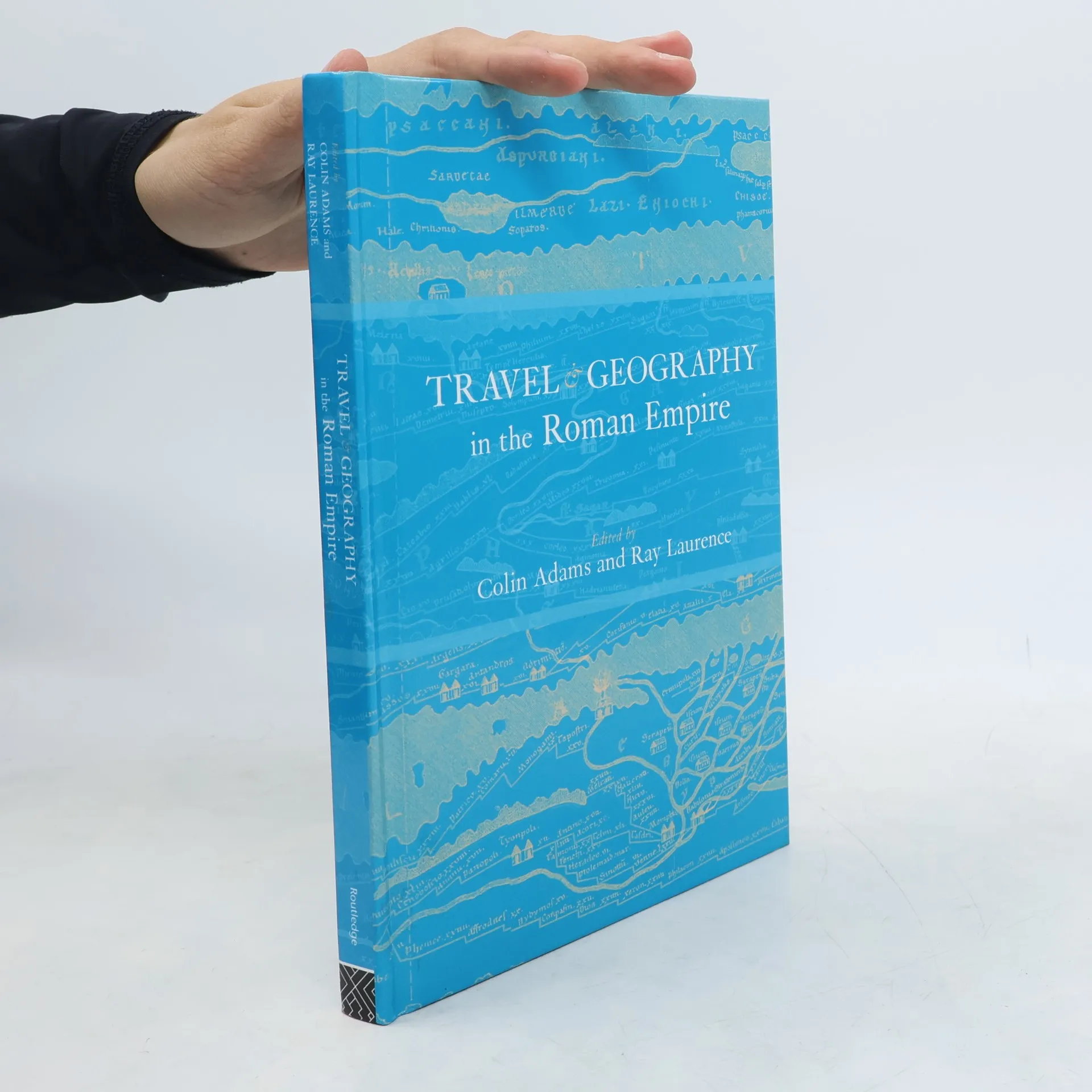
Travel and Geography in the Roman Empire
- 202 stránek
- 8 hodin čtení
The remains of Roman roads are a powerful reminder of the travel and communications system that was needed to rule a vast and diverse empire. Yet few people have questioned just how the Romans - both military and civilians - travelled, or examined their geographical understanding in an era which offered a greatly increased potential for moving around, and a much bigger choice of destinations.This volume provides new perspectives on these issues, and some controversial arguments; for instance, that travel was not limited to the elite, and that maps as we know them did not exist in the empire. The military importance of transport and communication networks is also a focus, as is the imperial post system (cursus publicus), and the logistics and significance of transport in both conquest and administration.With more than forty photographs, maps and illustrations, this collection provides a new understanding of the role and importance of travel, and of the nature of geographical knowledge, in the Roman world,
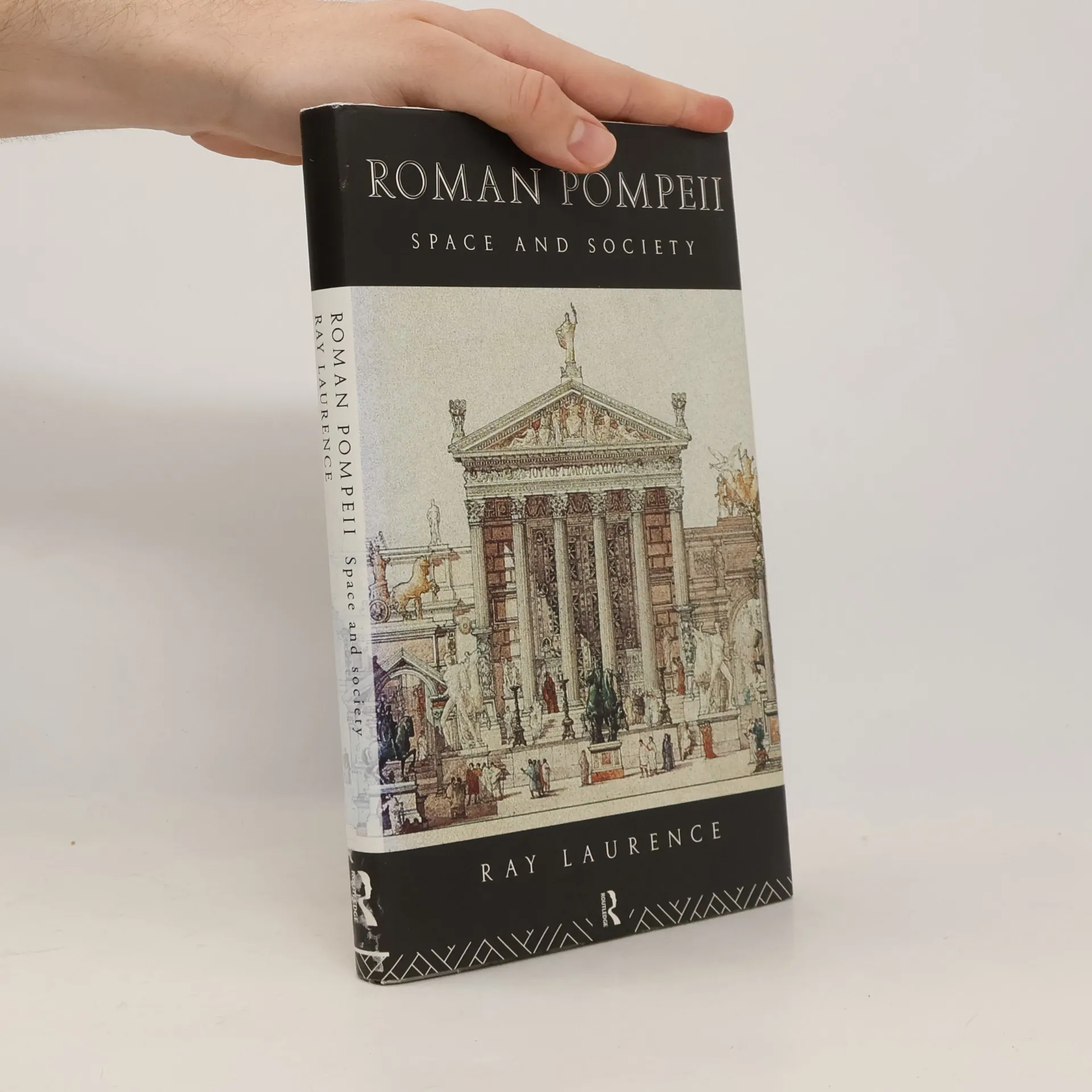
Examines the archaeological evidence of Roman Pompeii in light of recent work by archaeologists and historians. The author treats Pompeii as a city rather than as a series of archaeological fragments, emphasizing the relationship between social action and urban space.