Dlaczego jesteśmy ateistami
- 408 stránek
- 15 hodin čtení


Victor Stenger byl americký částicový fyzik, otevřený ateista a autor, který se angažoval ve filozofii a populárním náboženském skepticismu. Ve svých knihách pro širokou veřejnost se věnoval fyzice, kvantové mechanice, kosmologii, filozofii, náboženství, ateismu a pseudovědě. Jeho dílo zkoumalo hranice vědy a víry a vyzývalo k racionálnímu myšlení. Stenger je známý svou kritickou analýzou náboženských tvrzení a obhajobou vědeckého pohledu na svět.

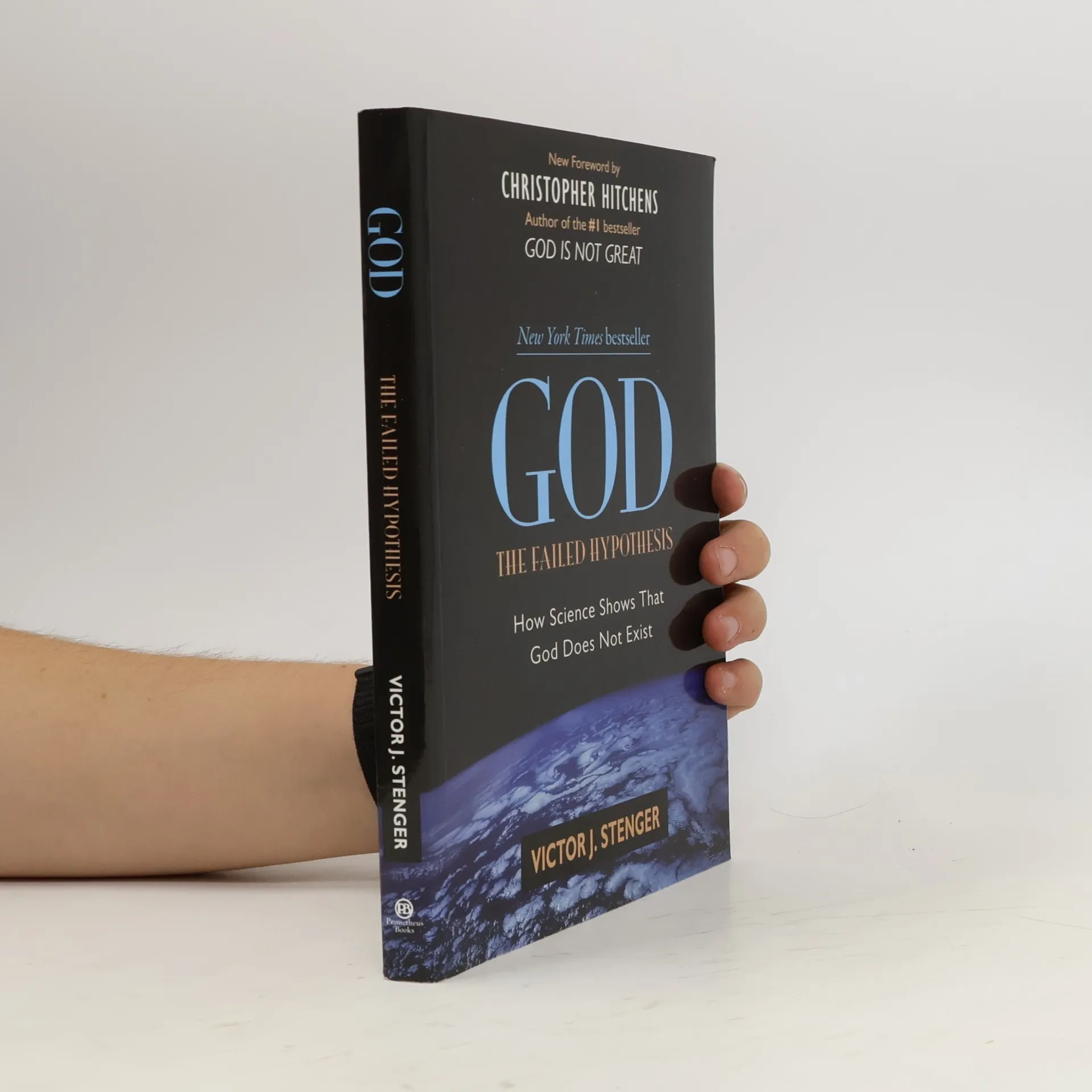
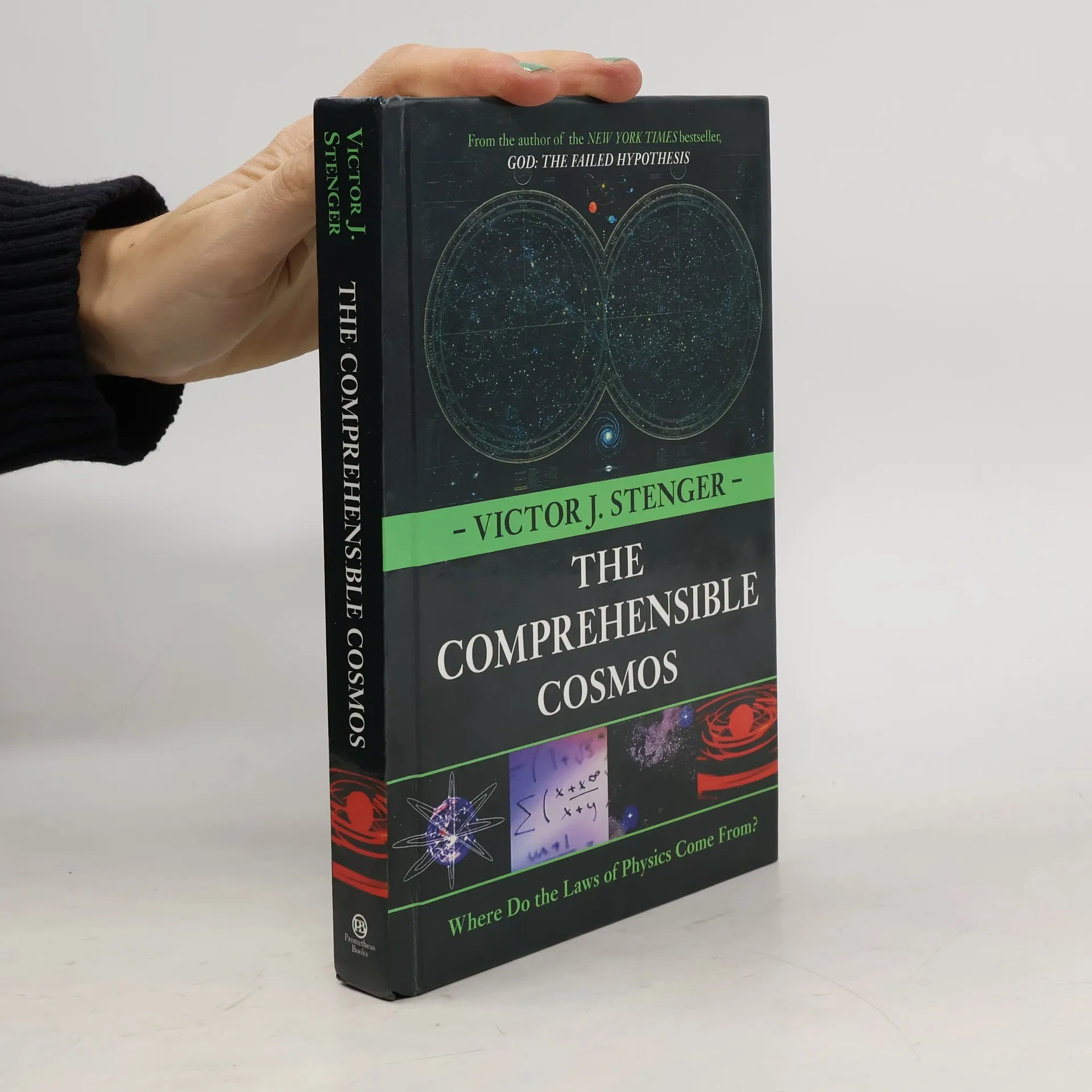
Throughout history, discussions about the existence of God have largely taken place in the realms of philosophy and theology, while science has remained on the sidelines, merely observing the struggle of ideas and words. Physicist Victor J. Stenger argues that if God exists, there should be scientific evidence for it. Examining the concept of God presented in Judaism, Christianity, and Islam as a scientific hypothesis, Stenger discusses new findings in physics and astronomy while critiquing the view that the universe is the product of a creator and that humans are special creations of God. He considers the contemporary trend of Intelligent Design as an assertion of God's influence on biology. After evaluating all scientific findings and evidence, he concludes, without leaving room for doubt, that the universe is as it would be if God did not exist.
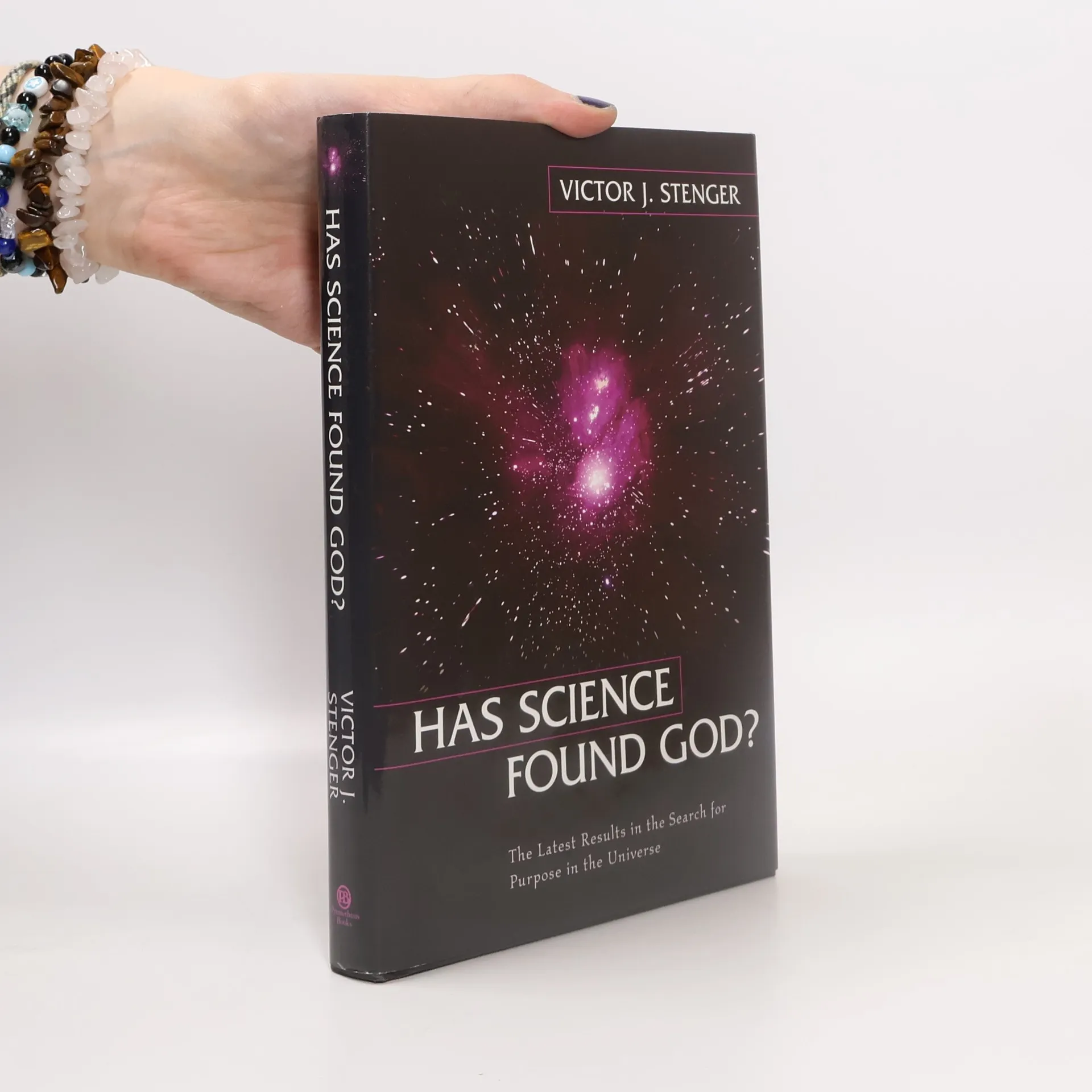
In the past few years a number of scientists have claimed that there is credible scientific evidence for the existence of God. In 1998 Newsweek went so far as to proclaim on its cover, "Science Finds God." Is this true? Are scientists close to solving the greatest of all mysteries? Physicist Victor J. Stenger delves into this fascinating question from a skeptical point of view in this lucid and engrossing presentation of the key scientific facts.Stenger critically reviews the attempts of many contemporary theologians and some scientists to resurrect failed natural theologies in new guises. Whether these involve updated arguments from design, "anthropic" coincidences, or modern forms of deism, Stenger clearly shows that nothing in modern science requires supernatural explanation. He offers naturalistic explanations for empirical observations that are frequently given theistic for example, that information in the universe implies an intelligent designer, that a universe with a beginning requires a Creator, and that the elegant laws of physics suggest a transcendent realm. He shows that alleged spiritual, nonmaterial phenomena do not lie beyond the experimental reach of physics.This thorough and careful consideration of scientific evidence covers much ground yet remains accessible and highly informative to the educated lay reader.