

Básnickou skladbu, nejproslulejší dílo starofrancouzské literatury, napsal francouzský šlechtic a vzdělanec kolem r. 1236. V alegorickém snu o růži vytvořil dvornou báseň o umění, jak milovat, a podal zákoník dvorské lásky.
Guillaume de Lorris Knihy
Guillaume de Lorris byl francouzský učenec a básník, který v první polovině 13. století napsal první část básně Román o růži. Jeho dílo je charakteristické elegancí a snovou atmosférou. Lorris mistrovsky zachytil ideály dvorské lásky a alegorie. Jeho přínos spočívá v položení základů pro jedno z nejdůležitějších děl francouzské středověké literatury.

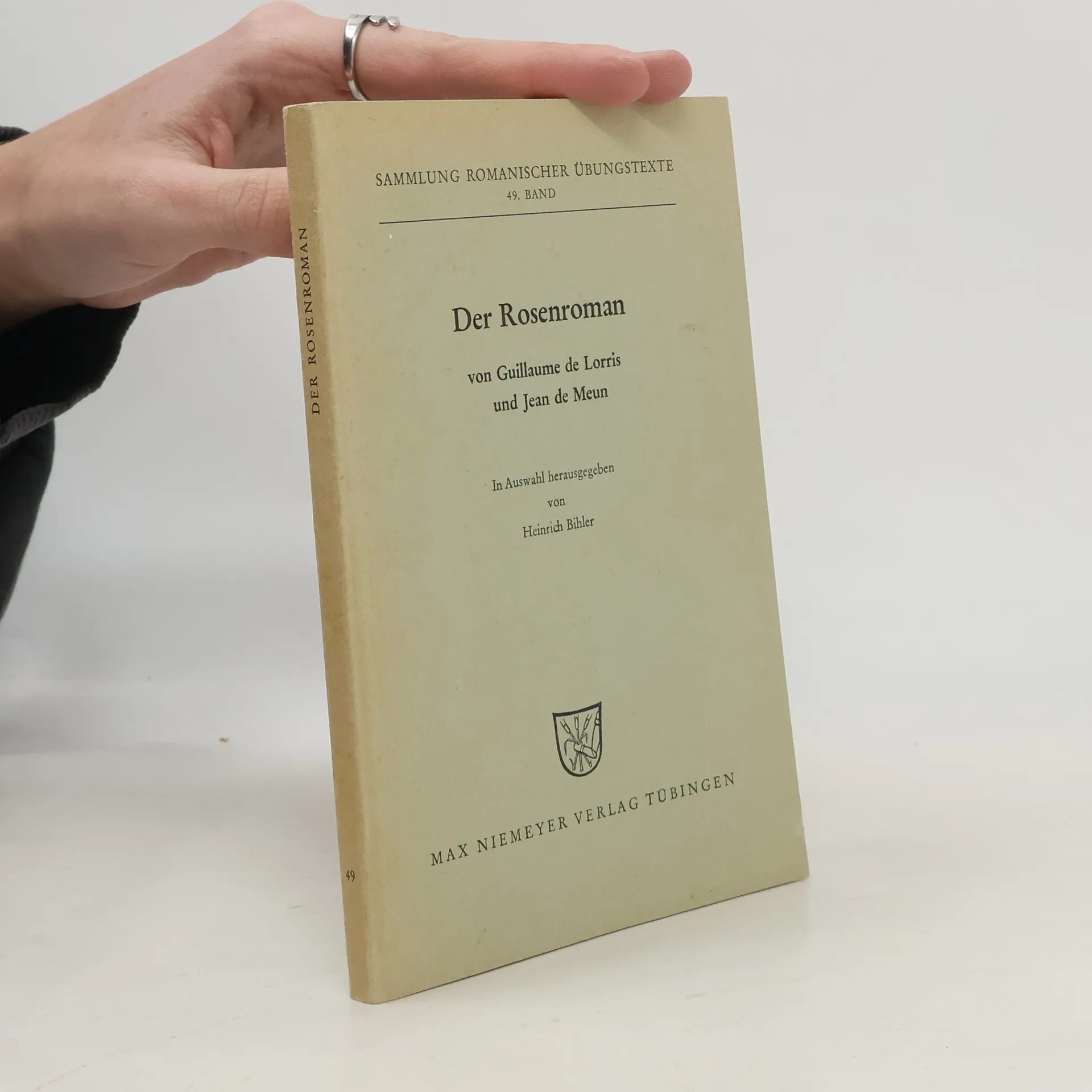
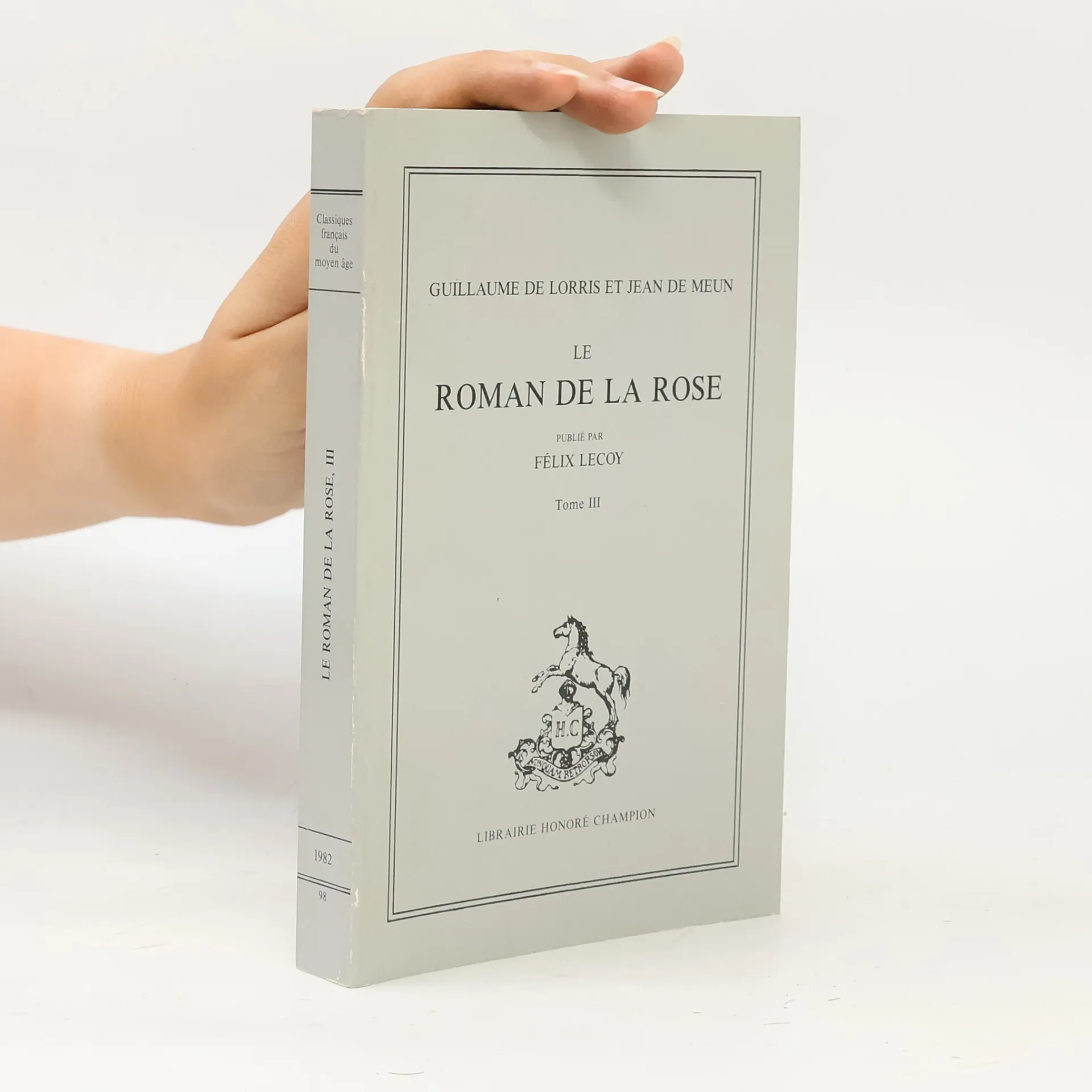
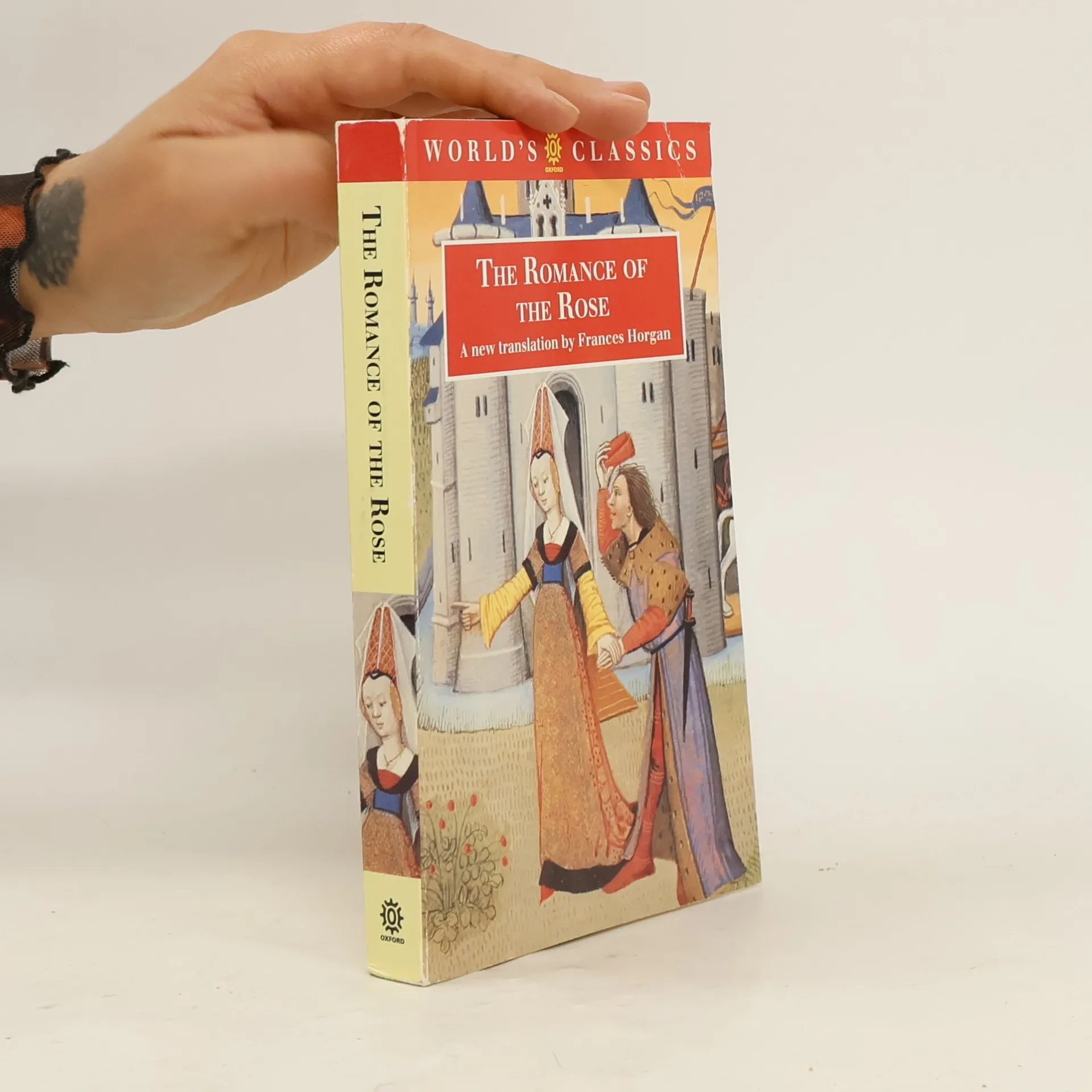
World's Classics: The Romance of the Rose
- 374 stránek
- 14 hodin čtení
This is a new translation of The Romance of the Rose , an allegorical account of the progress of a courtly love affair which became the most popular and influential of all medieval romances. In the hands of Jean de Meun, who continued de Lorris's work, it assumed vast proportions and embraced almost every aspect of medieval life from predestination and optics, to the Franciscan controversy and the right way to deal with premature hair-loss.
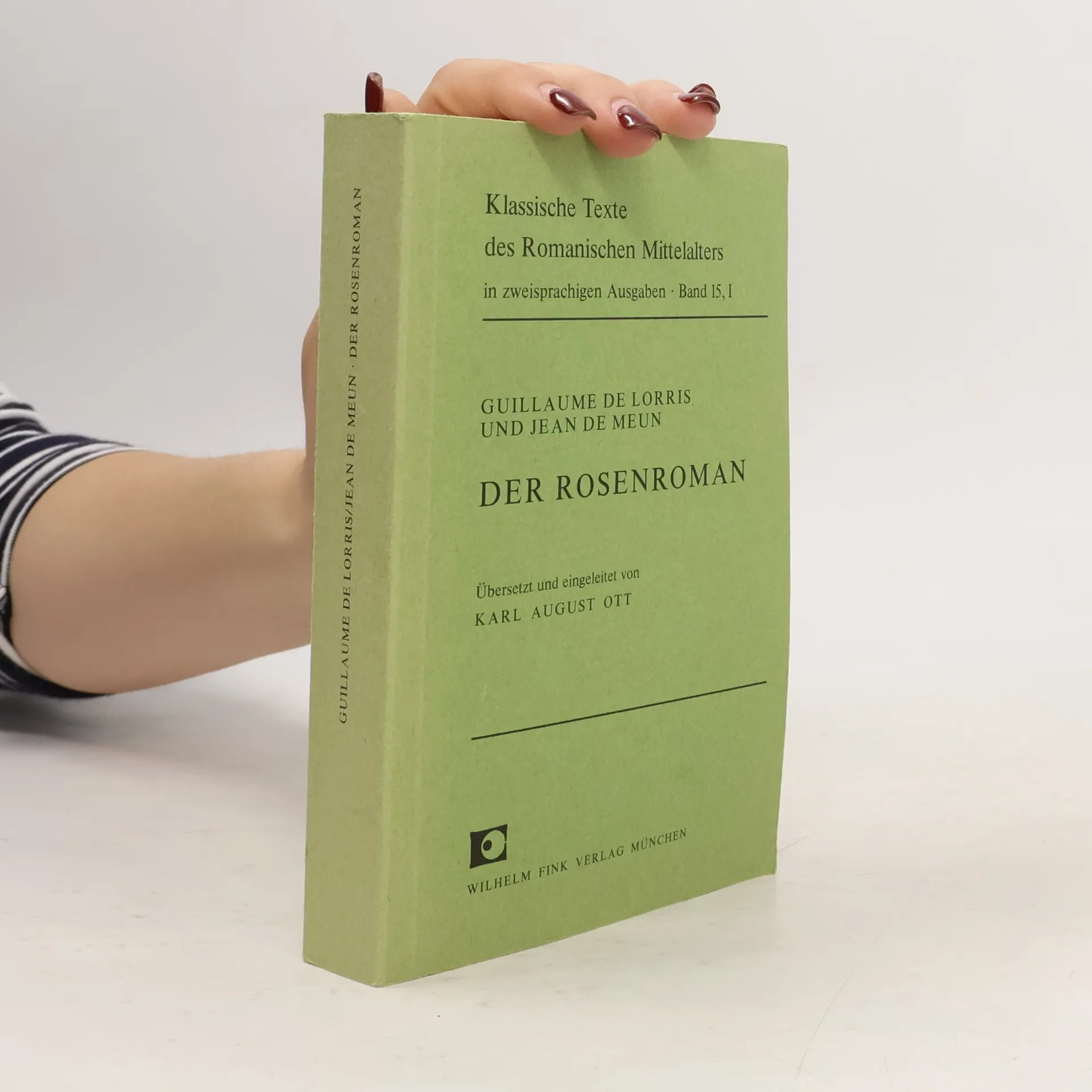
Klassische Texte des Romanischen Mittelalters in zweisprachigen Ausgaben - 15, 1: Der Rosenroman
- 1195 stránek
- 42 hodin čtení
Many English-speaking readers of the Roman de la rose, the famous dream allegory of the thirteenth century, have come to rely on Charles Dahlberg's elegant and precise translation of the Old French text. His line-by-line rendering in contemporary English is available again, this time in a third edition with an updated critical apparatus. Readers at all levels can continue to deepen their understanding of this rich tale about the Lover and his quest - against the admonishments of Reason and the obstacles set by Jealousy and Resistance - to pluck the fair Rose in the Enchanted Garden. The original introduction by Dahlberg remains an excellent overview of the work, covering such topics as the iconographic significance of the imagery and the use of irony in developing the central theme of love. His new preface reviews selected scholarship through 1990 and beyond, which examines, for example, the sources and influences, the two authors, the nature of the allegorical narrative as a genre, the use of first person, and the poem's early reception. The new bibliographic material incorporates that of the earlier editions. The sixty-four miniature illustrations from thirteenth- and fifteenth-century manuscripts are retained, as are the notes keyed to the Langlois edition, on which the translation is based.
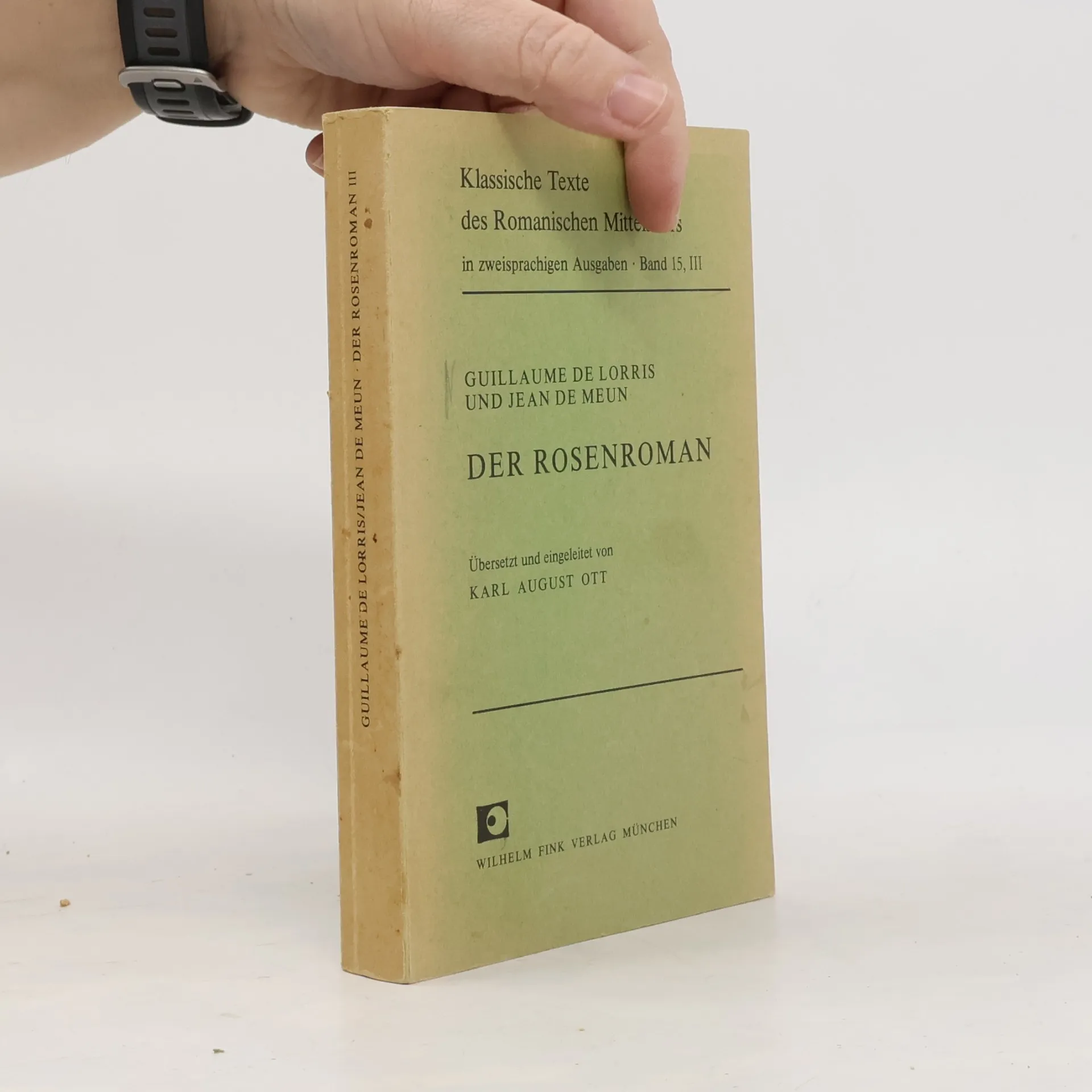
Klassische Texte des Romanischen Mittelalters - 3: Der Rosenroman
In zweisprachigen Ausgaben
- 372 stránek
- 14 hodin čtení