Knihobot

Byung-Chul Han

    1. leden 1959

    Byung-Chul Han je současný myslitel, který se zabývá hlubokými problémy naší doby. Ve své práci zkoumá, jak moderní společnost, poháněná neoliberálními silami, vytváří normy transparency a neustálého odhalování. Han se kriticky zamýšlí nad důsledky této "společnosti únavy" a "společnosti transparency", kde se ztrácejí hodnoty jako stud a soukromí. Jeho eseje nabízejí pronikavý pohled na to, jak digitalizace a kapitalismus formují naši subjektivitu a mezilidské vztahy.

    Byung-Chul Han
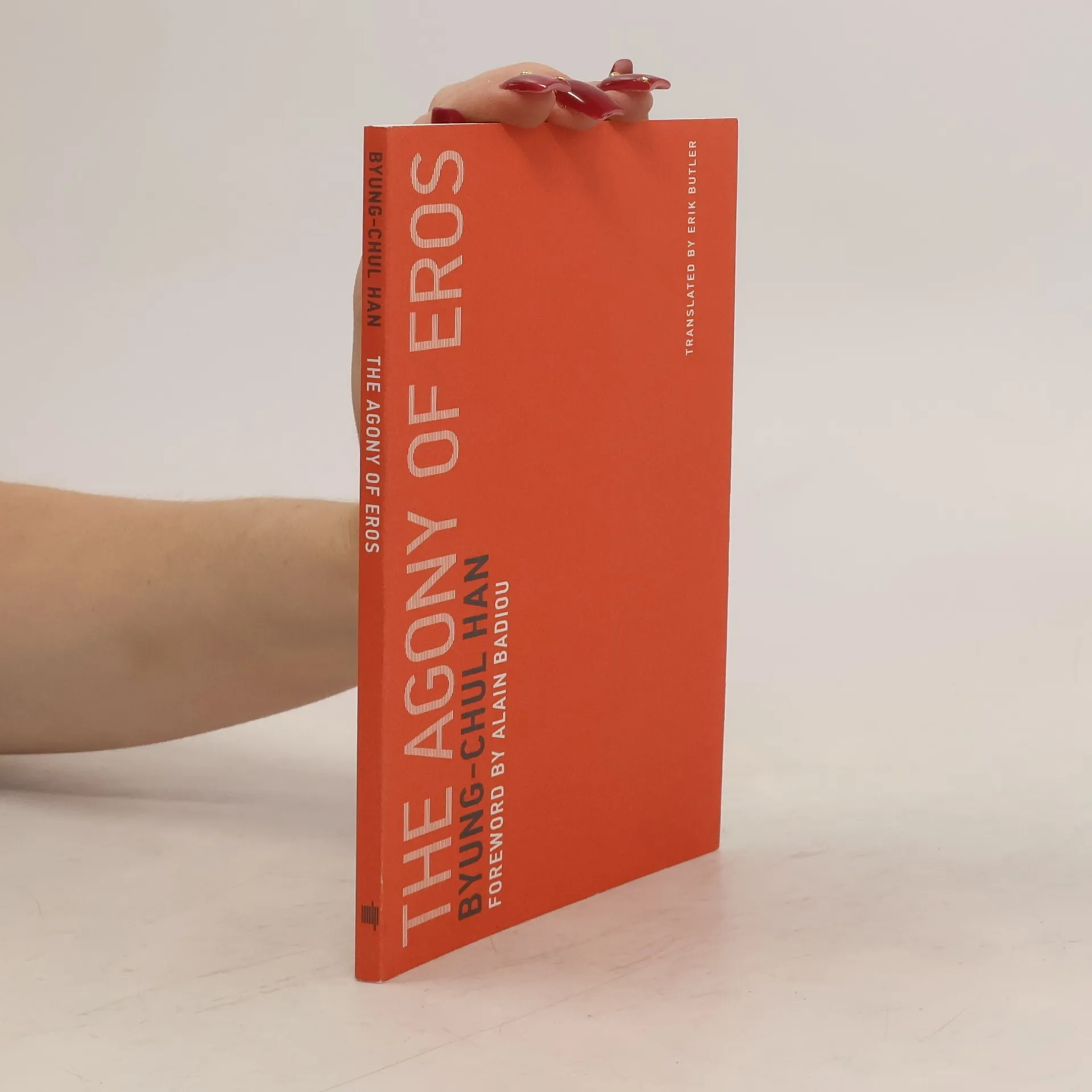
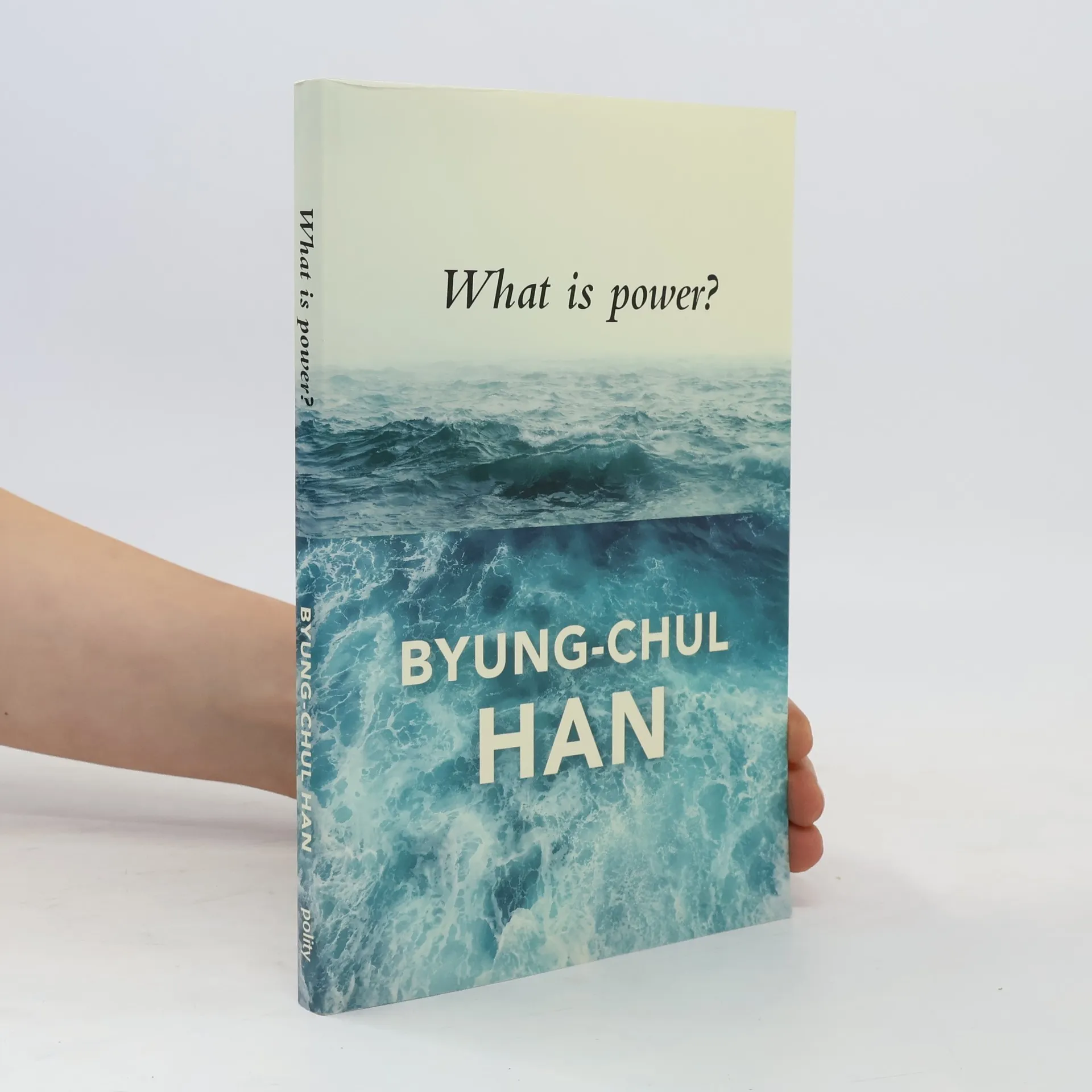
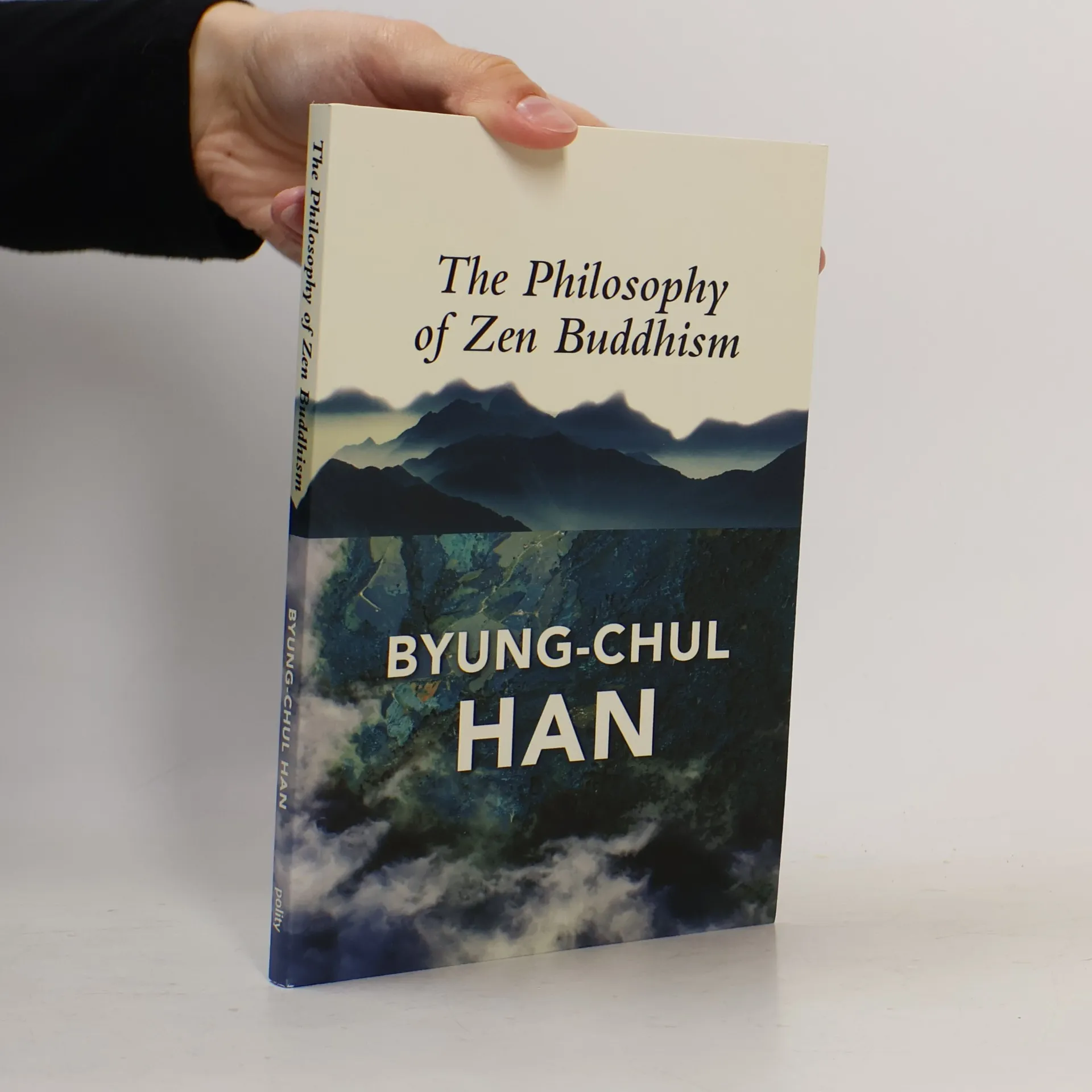
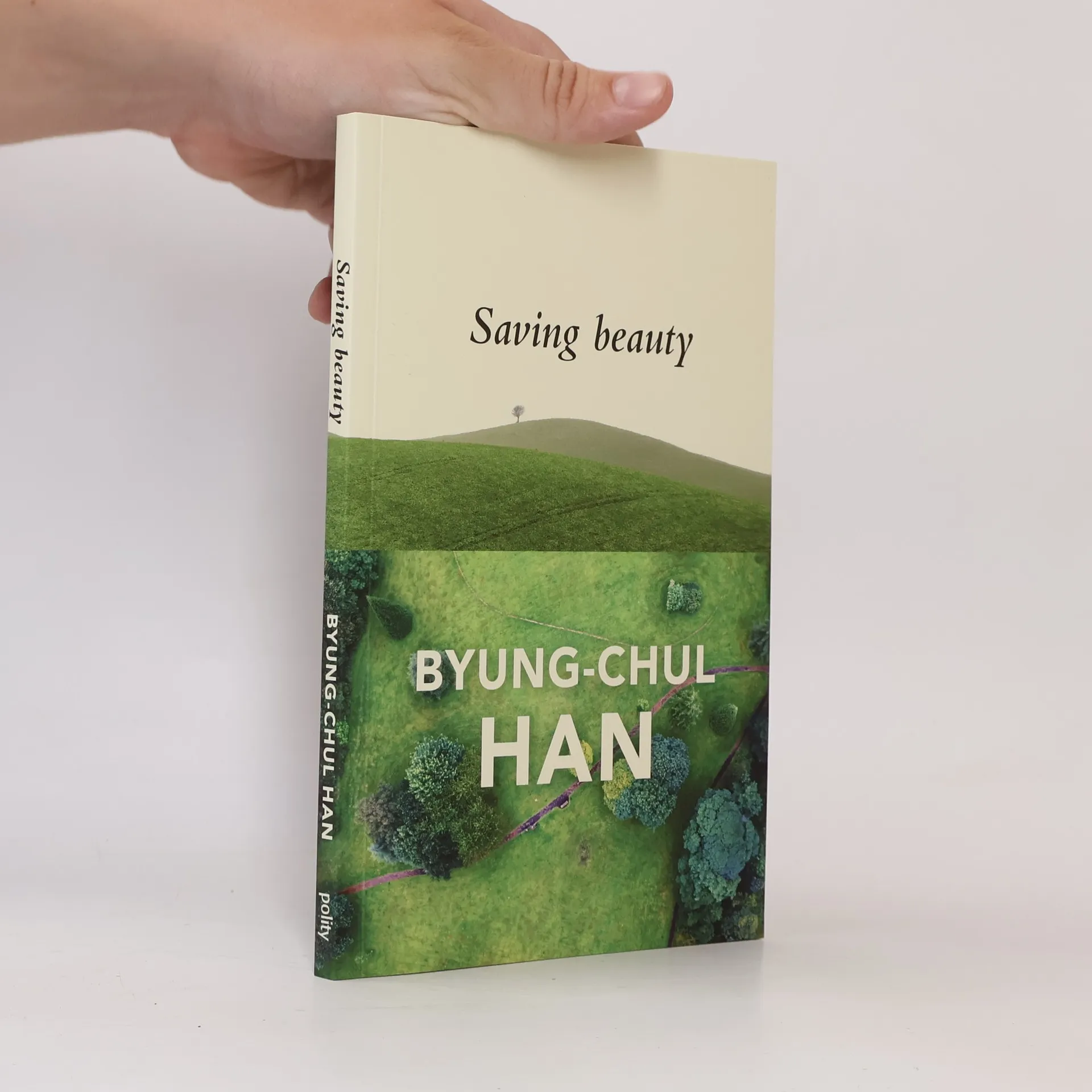
    The Disappearance of Rituals
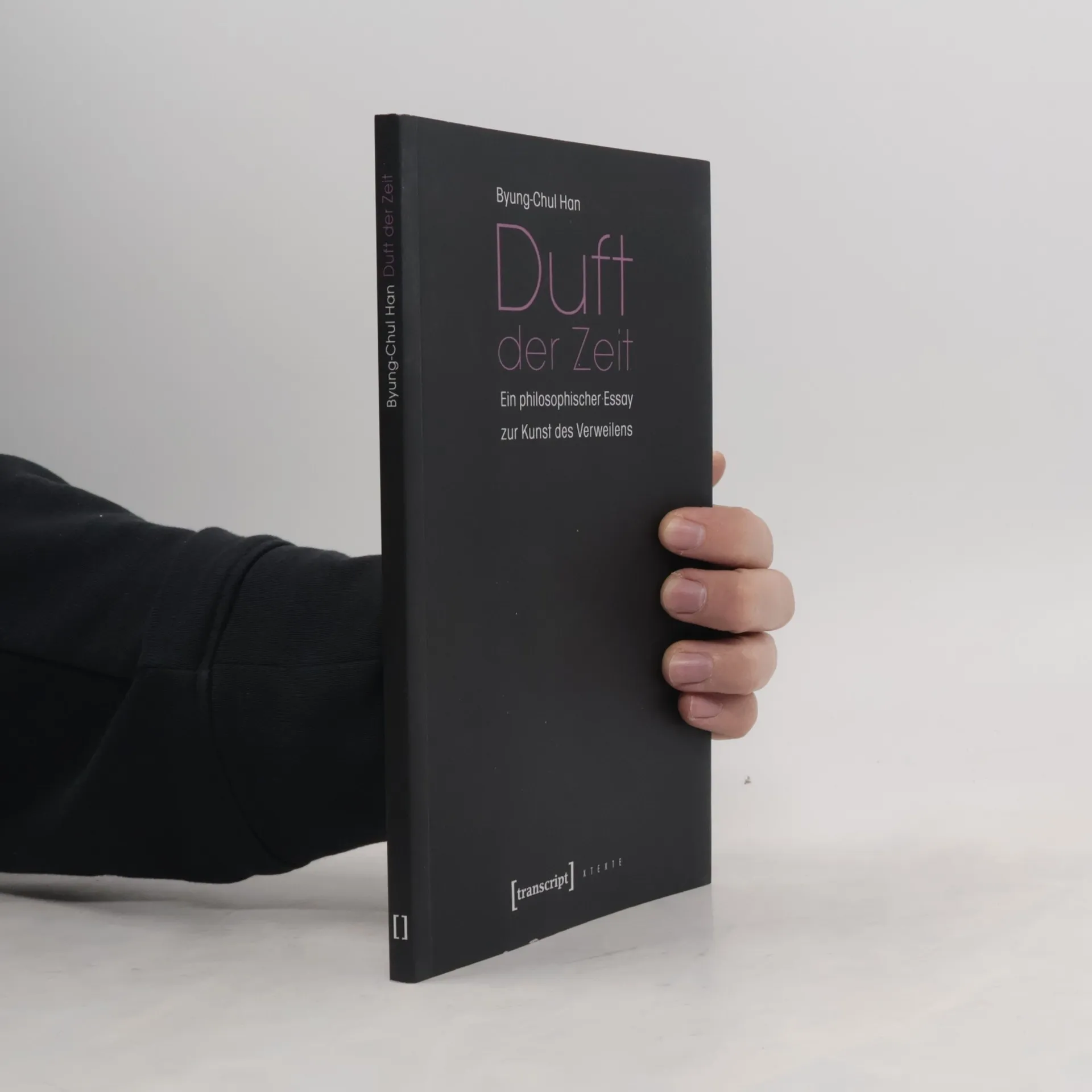
    The Scent of Time
    Infocracy
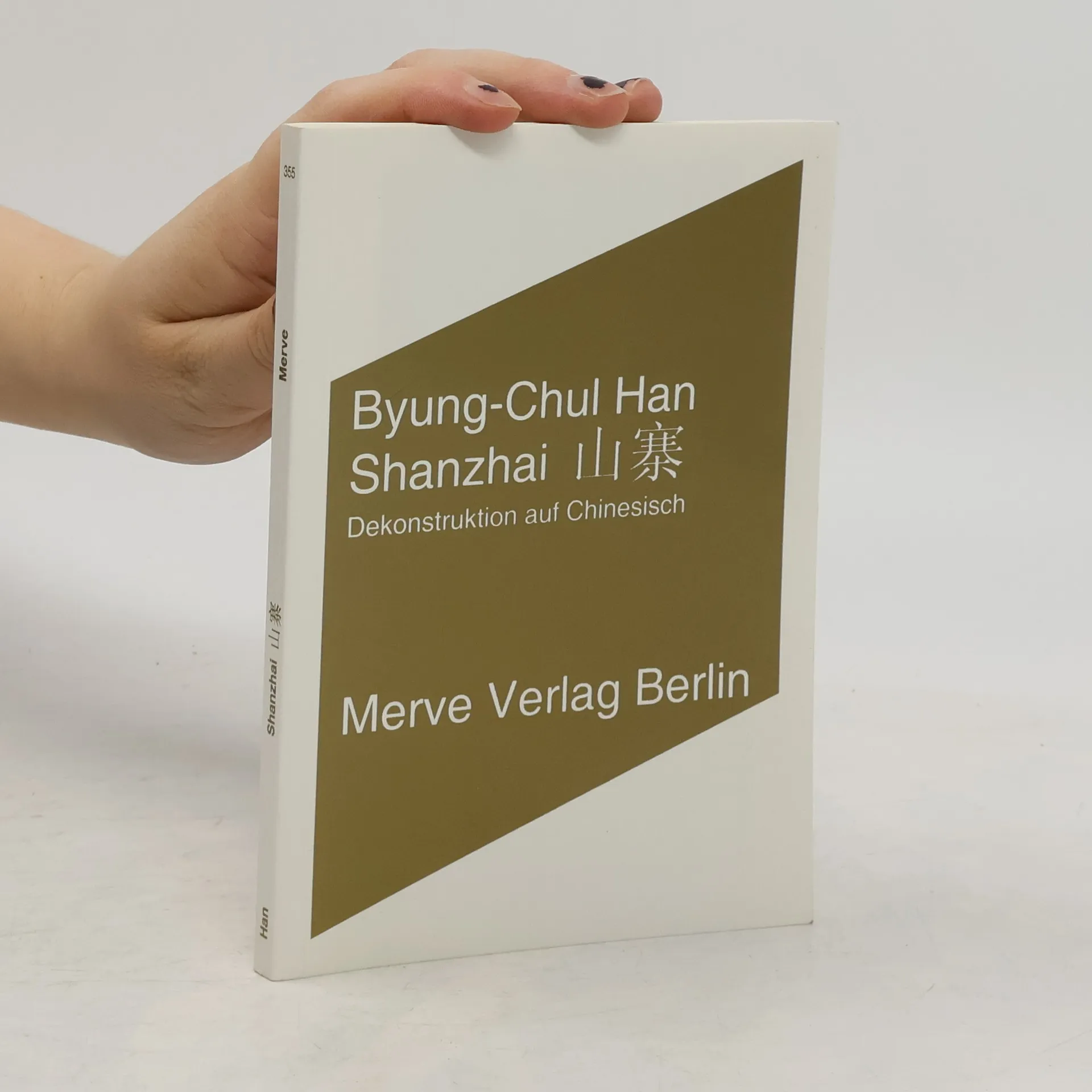
    Shanzhai
    Infocracy: Digitization and the Crisis of Democrac y
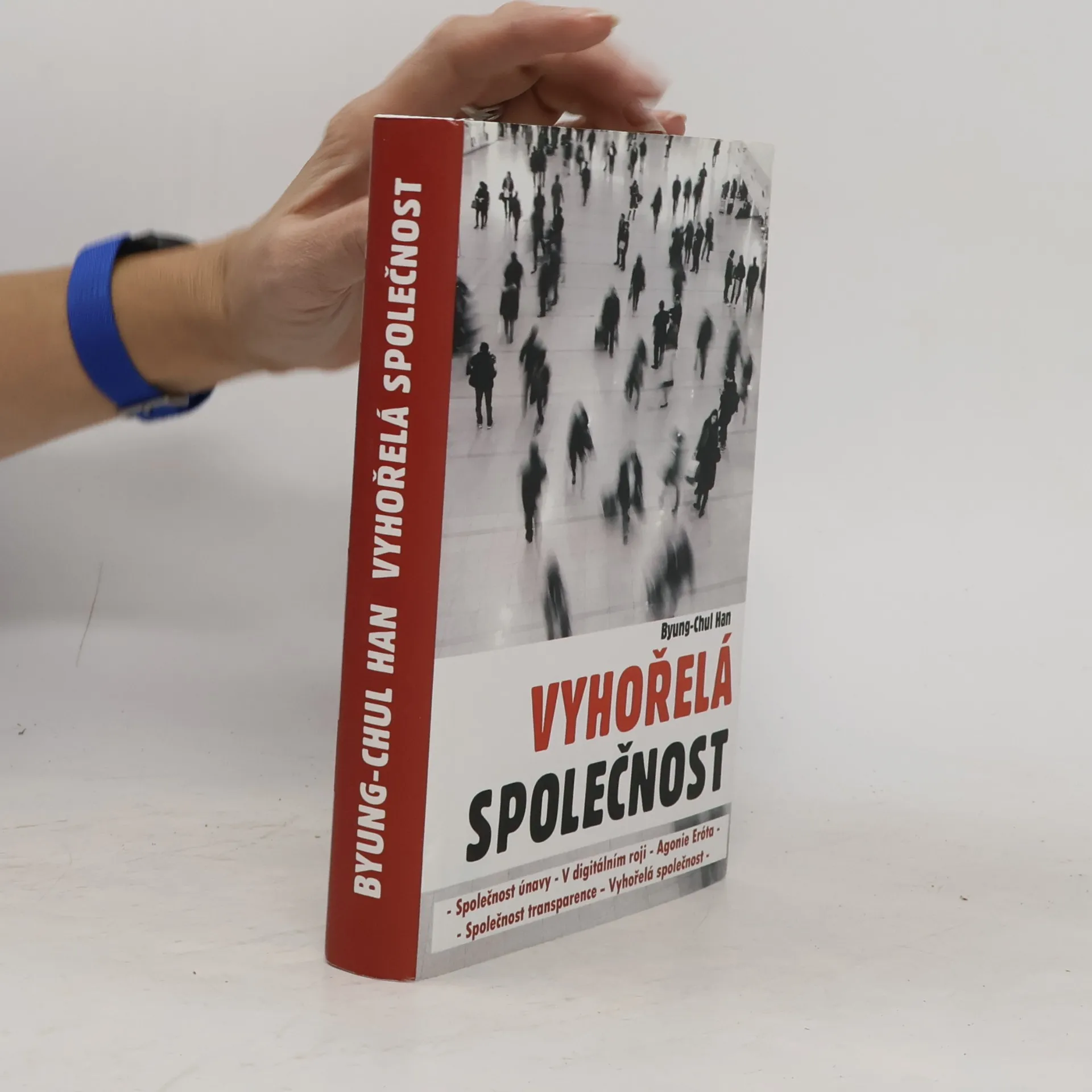
    Vyhořelá společnost
    • 2025

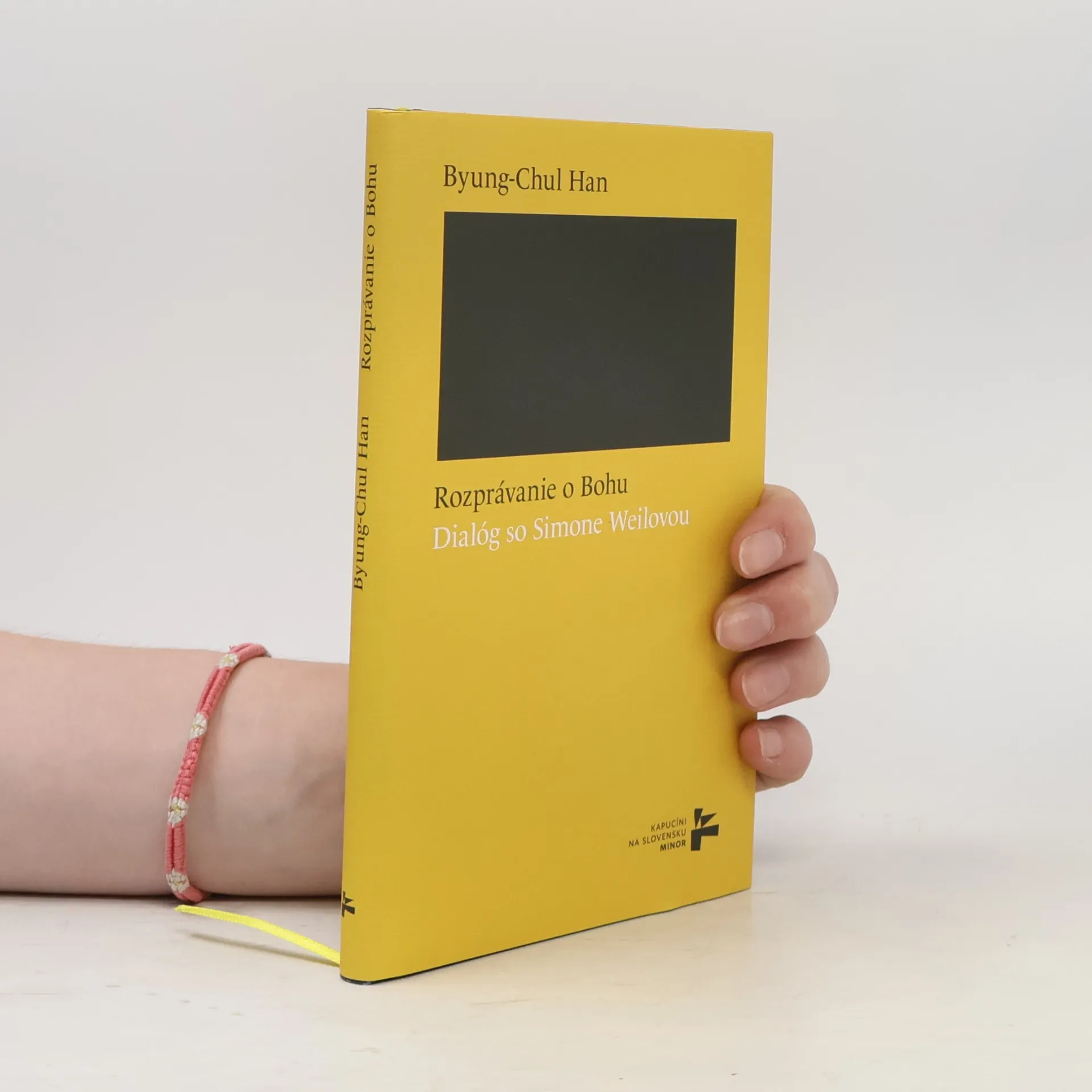
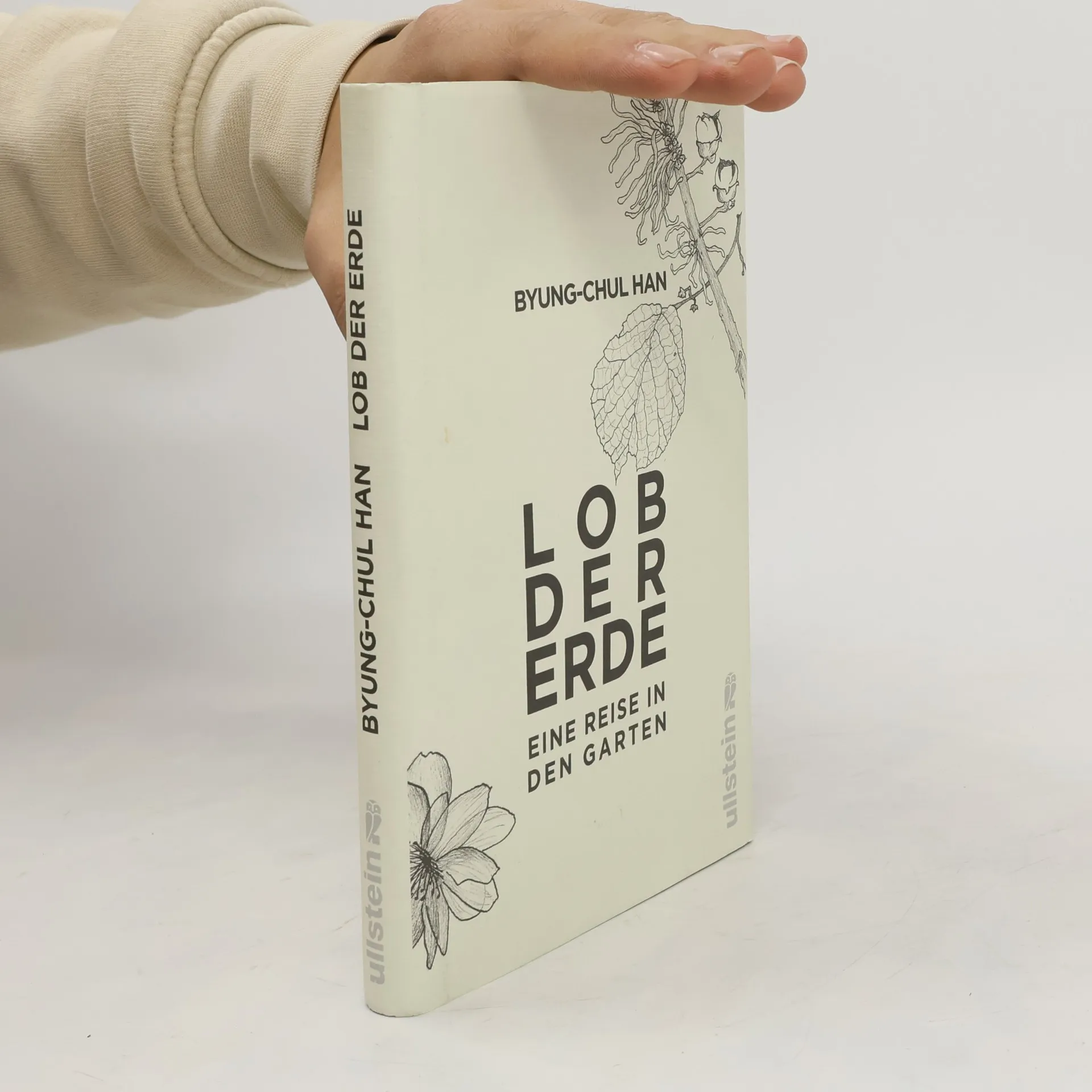
      Simone Weil ist die hellste Intelligenz des 20. Jahrhunderts. Ihre Gedanken sind aktueller denn je. Sie helfen uns, die Krise der Gegenwart zu verstehen und zu meistern. Byung-Chul Han bringt uns in seinem neuen Essay die inspirierende, hellsichtige, ja heilende Gedankenwelt von Simone Weil näher und liest sie durch unsere Gegenwart hindurch neu. Er bringt mit Weil eindringlich jene Transzendenz zur Sprache, die heute in der Welt des Konsums und der Produktion total verloren gegangen ist. Weil führe, ja verführe uns zu einer anderen Wirklichkeit, die uns aus dem sinnentleerten Leben, aus dem radikalen Seinsmangel herausführt. Sie bringt uns bei, dass es letztlich Gott, diese überwältigende Kraft von oben ist, die uns eine beglückende Seinsfülle gibt. Ihre Schriften lesend ahnen wir zumindest, dass es eine andere Lebensform, eine andere Seinsform gibt als die, die sich komplett Leistung, Produktion und Konsum ausliefert.Auf der Welt gäbe es heute mehr Frieden und Schönheit, so Han in seinem eindrücklichen Essay, wenn wir so leben würden, wie Simone Weil es uns vorgelebt und vorgedacht hat.

      Sprechen über Gott: Ein Dialog mit Simone Weil
    • 2023

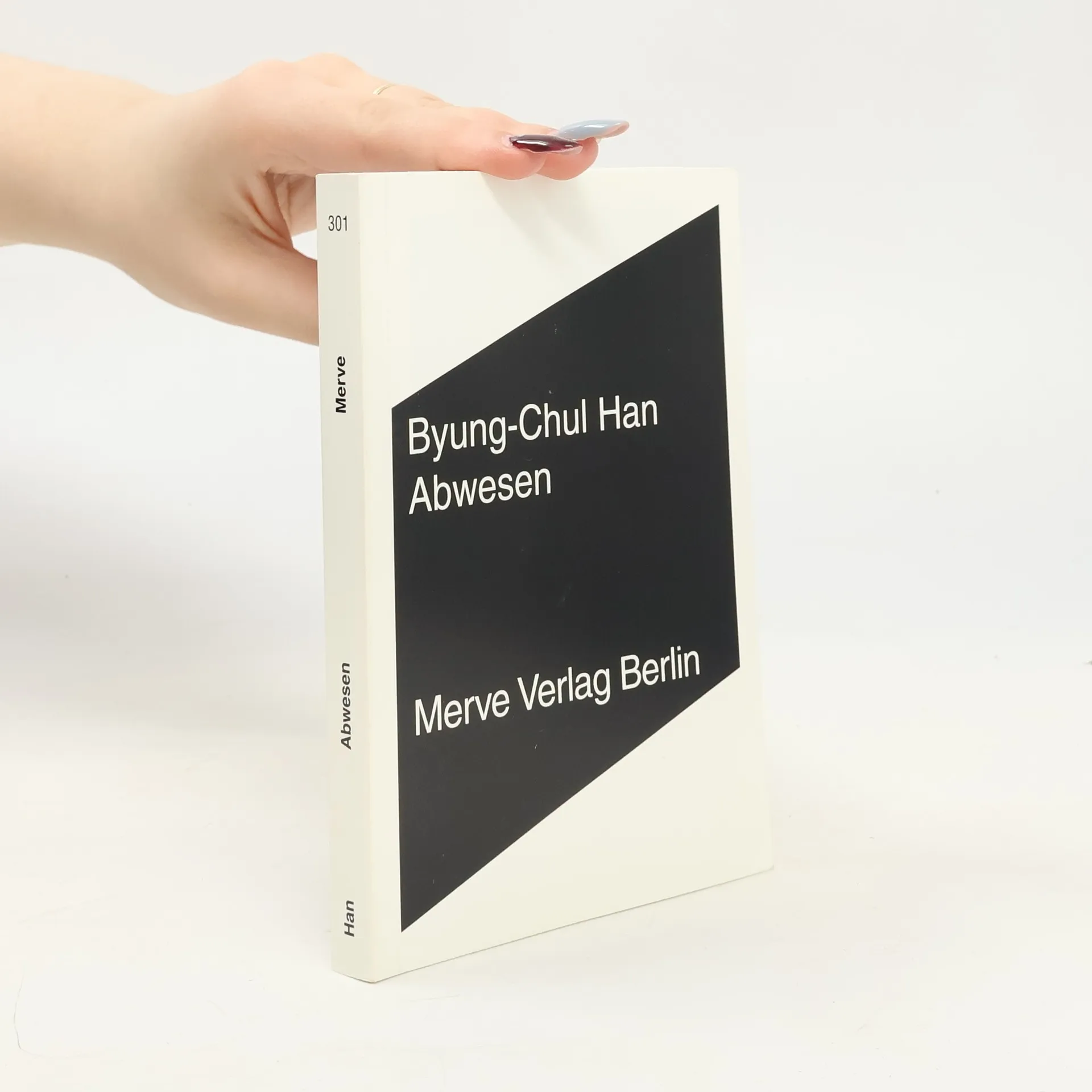
      Byung-Chul Han contrasts Western philosophy's focus on essence with Far Eastern thought's emphasis on absence, or 'the way' (dao). He examines how this distinction influences aesthetics, architecture, and art, revealing a culture of absence that may seem unfamiliar to those rooted in Western thinking.

      Absence
    • 2023

      Western thinking has long been dominated by essence, by a preoccupation with that which dwells in itself and delimits itself from the other. By contrast, Far Eastern thought is centred not on essence but on absence. The fundamental topos of Far Eastern thinking is not being but ‘the way’ (dao), which lacks the solidity and fixedness of essence. The difference between essence and absence is the difference between being and path, between dwelling and wandering. ‘A Zen monk should be without fixed abode, like the clouds, and without fixed support, like water’, said the Japanese Zen master Dōgen. Drawing on this fundamental distinction between essence and absence, Byung-Chul Han explores the differences between Western and Far Eastern philosophy, aesthetics, architecture and art, shedding fresh light on a culture of absence that may at first sight appear strange and unfamiliar to those in the West whose ways of thinking have been shaped for centuries by the preoccupation with essence.

      Absence: On the Culture and Philosophy of the Far East
    • 2023

      Der Geist der Hoffnung

      Wider die Gesellschaft der Angst | Eine philosophische Gegenposition zum derzeitigen Krisenmodus

      Angstvoll blicken wir in eine düstere Zukunft. Überall fehlt es an Hoffnung. Und das Leben verkümmert zum Überleben. Dagegen beschwört der Philosoph Byung-Chul Han mit aller Kraft den Geist der Hoffnung. Seit geraumer Zeit werden wir permanent mit apokalyptischen Szenarien konfrontiert: Pandemie, Weltkrieg und Klimakatastrophe. Der Weltuntergang oder das Ende der menschlichen Zivilisation wird heraufbeschworen. Angst und Ressentiments aber schüren Egoismus und Hass – mit der Folge, dass in unserer Gesellschaft Solidarität, Freundlichkeit und Empathie erodieren und letztlich die Demokratie selbst gefährdet ist. Byung-Chul Han entwickelt gegen das Klima der Angst eine überzeugende Philosophie der Hoffnung, die über die gegenwärtige Krise hinaus Gültigkeit hat.

      Der Geist der Hoffnung
    • 2023

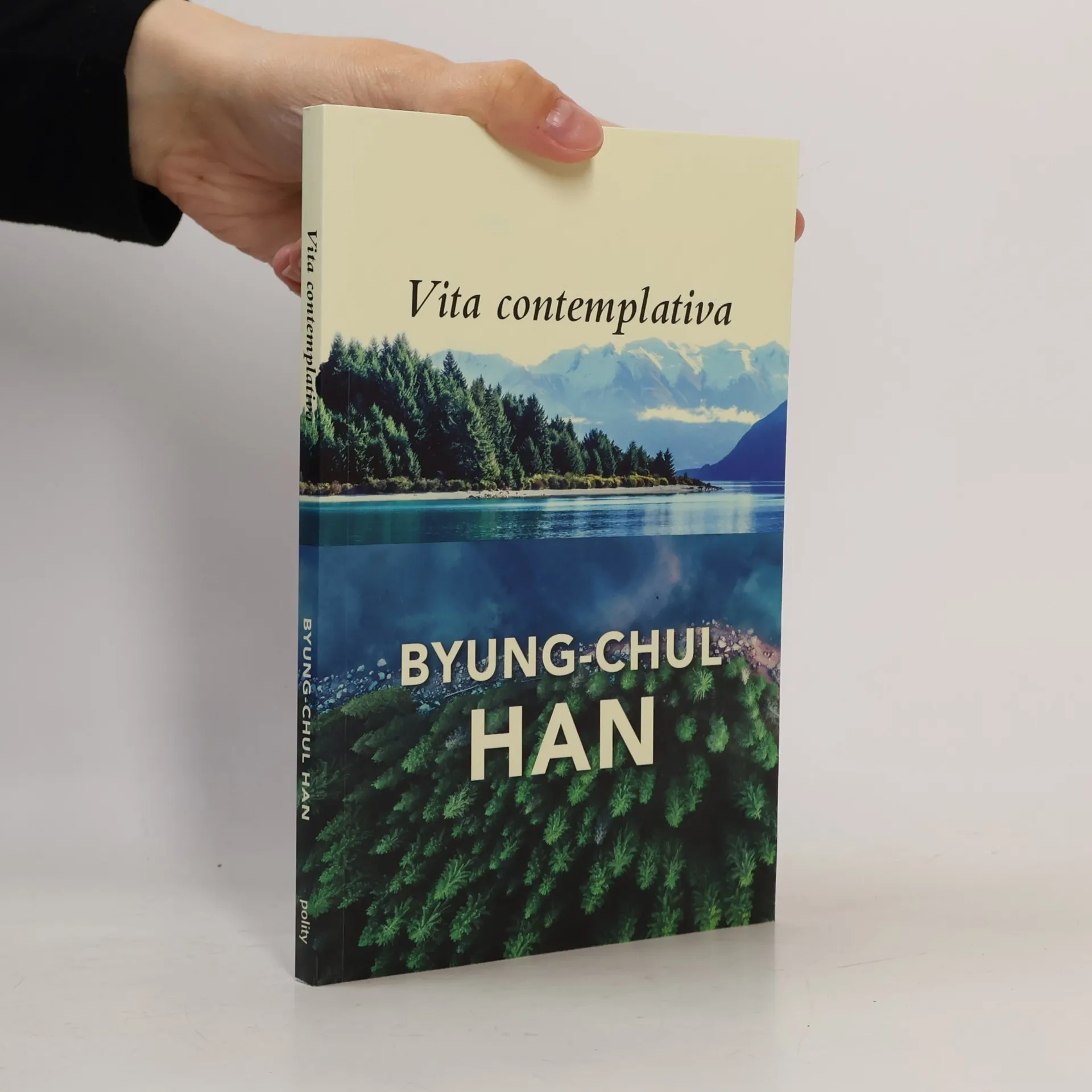
      In our busy and hurried lives, we are losing the ability to be inactive. Human existence becomes fully absorbed by activity – even leisure, treated as a respite from work, becomes part of the same logic. Intense life today means first of all more performance or more consumption. We have forgotten that it is precisely inactivity, which does not produce anything, that represents an intense and radiant form of life. For Byung-Chul Han, inactivity constitutes the human. Without moments of pause or hesitation, acting deteriorates into blind action and reaction. When life follows the rule of stimulus–response and need–satisfaction, it atrophies into pure survival: naked biological life. If we lose the ability to be inactive, we begin to resemble machines that simply function. True life begins when concern for survival, for the exigencies of mere life, ends. The ultimate purpose of all human endeavour is inactivity. In a beautifully crafted ode to the art of being still, Han shows that the current crisis in our society calls for a very different way of life: one based on the vita contemplativa. He pleads for bringing our ceaseless activities to a stop and making room for the magic that happens in between. Life receives its radiance only from inactivity.

      Vita Contemplativa
    • 2023
    • 2023

      Narratives produce the ties that bind us. They create community, eliminate contingency and anchor us in being. And yet in our contemporary information society, where everything has become arbitrary and random, storytelling shouts out loudly but narratives no longer have their binding force. Whereas narratives create community, storytelling brings forth only a fleeting community – the community of consumers. No amount of storytelling could recreate the fire around which humans gather to tell each other stories. That fire has long since burnt out. It has been replaced by the digital screen, which separates people as individual consumers. Through storytelling, capitalism appropriates narrative: stories sell. Storytelling is storyselling. The inflation of storytelling betrays a need to cope with contingency, but storytelling is unable to transform the information society back into a stable narrative community. Rather, storytelling is a pathological phenomenon of our age. Byung-Chul Han, one of the most perceptive cultural theorists of the information society, dissects this crisis with exceptional insight and flair.

      The Crisis of Narration
    • 2022

      Infocracy

      Digitization and the Crisis of Democracy

      • 80 stránek
      • 3 hodiny čtení
      4,0(1)Ohodnotit

      The book explores the overwhelming impact of digital information on society, particularly how it affects political landscapes. It delves into the transformation of election campaigns into battles of information, highlighting the roles of bots and troll armies. This shift is leading to a decline in democratic processes, which the author terms "infocracy," where the quality of information supersedes the democratic ideals it was meant to uphold.

      Infocracy