The book explores the evolution of historical thought in the context of modernity, contrasting the historicism of the nineteenth century with the detachment from history seen in twentieth-century European and American culture. Schorske argues that while modern art, architecture, music, and science emerged as autonomous fields, they still reflect attempts to grapple with the challenges of modernity. This interplay between historical awareness and modernist detachment reveals different strategies for understanding and shaping European civilization amid industrial capitalism and mass politics.
Carl E. Schorske Pořadí knih (chronologicky)
15. březen 1915 – 13. září 2015
Carl Emil Schorske byl americký kulturní historik, který se věnoval především intelektuálním dějinám Evropy. Jeho práce vyniká hlubokým vhledem do propojení politiky a kultury, zejména v období fin de siècle. Schorskeho analýzy odhalují, jak umění a myšlení formovaly společenské změny, a jeho přístup k psaní historie ovlivnil generace badatelů. Jeho dílo je ceněno pro svou erudici a schopnost přiblížit složité historické jevy.


Carl E. Schorske, Professor Emeritus of History at Princeton University, combines theoretical reflections with empirical studies of European modernity in politics and culture from 1860 to 1920 in his latest work. Central to this study is modern Vienna, echoing themes from his 1980 classic, yet it serves as a culmination of his lifelong engagement with the subject. Schorske delves into figures like Mahler and Freud, explores the architecture of the Gründerzeit (notably the Kunsthistorisches Museum), and examines bourgeois elite culture around 1900. His analysis is intricately tied to the cultural dynamics of generational conflicts, the shift from liberal to mass democratic narratives, and the profound social transformations preceding World War I. Each essay contributes to a cohesive cultural studies approach, revealing fresh insights into familiar topics. Schorske's ability to uncover the new within the known and to offer radically innovative perspectives sets his work apart, showcasing his expertise as one of the leading cultural historians of our time.
Vídeň na přelomu století
- 354 stránek
- 13 hodin čtení
Rozsáhlá publikace, poctěná prestižní Pulitzerovou cenou, je kritikou považována za jednu z nejlepších prací o společenském a kulturním vývoji v Rakousku konce 19. a počátku 20. století. Jak autor předesílá v úvodu, Vídeň období fin de siécle je přímo stvořená k tomu, aby se stala předmětem rozsáhlého výzkumu. Společensky daný charakter vídeňské kulturní elity, s její neobvyklou kombinací provincionalismu a kosmopolitismu, tradicionalismu a modernismu, představuje ideální prostředí pro studium zrodu moderní kultury 20. století. Kniha nabízí nový pohled na přední osobnosti vídeňské kultury, jako byly například psychoanalytik Sigmund Freud, malíři Gustav Klimt a Oskar Kokoschka, hudební skladatel Arnold Schönberg, architekt Otto Wagner nebo spisovatelé Arthur Schnitzler a Hugo von Hofmannsthal. Seznamuje rovněž čtenáře se světem rakouské politiky v kritickém období zhroucení liberalismu a vzrůstu antisemitismu. Prostřednictvím analýzy života tří rakouských politických osobností, dvou antisemitů (Georga von Schönerera a Karla Luergera) a jednoho sionisty (Theodora Herzla), popisuje Schorske zrod moderní masové politiky. Podrobnosti:
American Academic Culture in Transformation
- 384 stránek
- 14 hodin čtení
Explores how four disciplines in the social sciences and humanities - political science, economics, philosophy, and literary studies - have been transformed. This book places academic developments in their intellectual and socio-political contexts, revealing the internal dynamics of disciplinary change.
Eine österreichische Identität: Gustav Mahler
- 55 stránek
- 2 hodiny čtení
Der Historiker Carl E. Schorske setzt das Leben und die künstlerische Entwicklung Gustav Mahlers mit Phasen der gesellschaftspolitischen Entwicklung Österreichs zur Zeit der Jahrhundertwende in Beziehung.
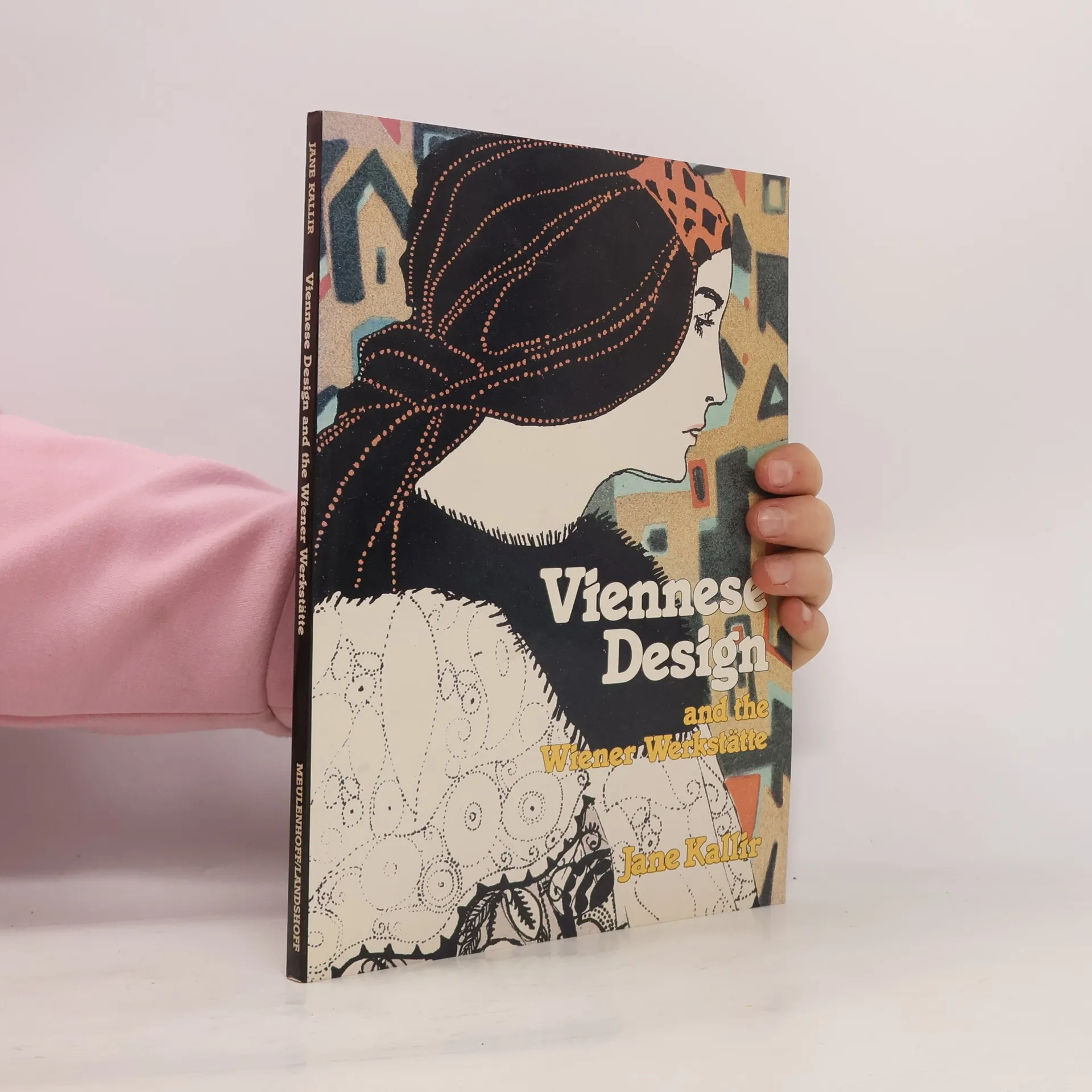
Viennese design and the Wiener Werkstätte
- 152 stránek
- 6 hodin čtení
Jane Kallir's comprehensive work not only charts the rise, flowering and decay of the Wiener Werkstatte, but assesses its extraordinary artistic achievements in every branch of design. In doing so, the author analyzes for the first time the dense web of connections―institutional and educational, intellectual and social―that enabled the imaginative leaders of the Werkstatte to impress upon the Austrian elite and the world beyond their visual ideals and stylistic idiom. ―Carl E. Schorske At the turn of the twentieth century, Vienna emerged as a great cultural centre that stood at the forefront of developments in music, psychology, and the natural sciences. Equally influential, and still tremendously popular today, are the designs of the Wiener Werkstatte, or Vienna Workshop, a group that was at the heart of the city's cultural scene and whose collaborators included such luminaries as the architect Josef Hoffman, the designer Koloman Moser, and the painters Gustav Klimt, Oskar Kokoschka, and Egon Schiele. This guide to the arts and crafts of fin-de-siecle Vienna is an excellent introduction to their work in all media - from architecture, furniture, ceramics, and glass, to silver, fashion, and textiles, bookbinding, toys, painting, and the graphic arts - as well as a survey of the cultural development of this pivotal period. 55 color plates and 195 black & white illustrations
Ornament und Askese im Zeitgeist des Wien der Jahrhundertwende
- 311 stránek
- 11 hodin čtení
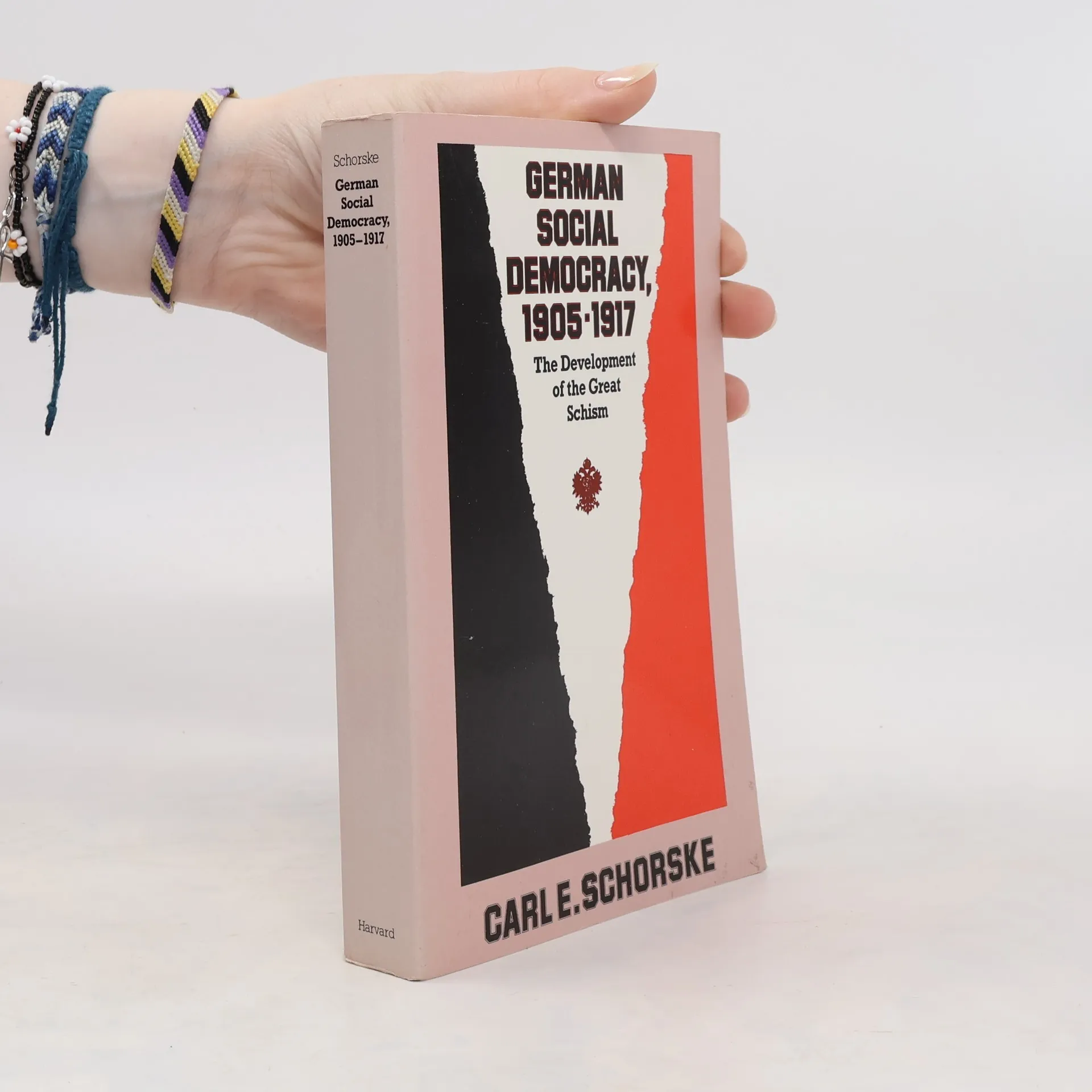
German
No political parties of present-day Germany are separated by a wider gulf than the two parties of labor, one democratic and reformist, the other totalitarian and socialist-revolutionary. Social Democrats and Communists today face each other as bitter political enemies across the front lines of the Cold War; yet they share a common origin in the Social Democratic Party of Imperial Germany. How did they come to go separate ways? By what process did the old party break apart? How did the prewar party prepare the ground for the dissolution of the labor movement in World War I, and for the subsequent extension of Leninism into Germany? To answer these questions is the purpose of Carl Schorske's study.
Fin-De-Siecle Vienna
- 432 stránek
- 16 hodin čtení
A landmark book from one of the original scholars of our time: a magnificent revelation of turn-of-the-century Vienna where out of a crisis of political & social disintegration so much of modern art & thought was born.This edition contains:IllustrationsAcknowledgmentsIntroductionPolitics & the psyche: Schnitzler & HoffmannsthalThe Ringstrasse, its critics & the birth of urban modernismPolitics in a new key: an Austrian trioPolitics & patricide in Freud's Interpretation of dreamsGustav Klimt: painting & the crisis of the liberal egoThe transformation of the garden Explosion in the garden: Kokoschka & SchoenbergIndex