Art déco
- 280 stránek
- 10 hodin čtení


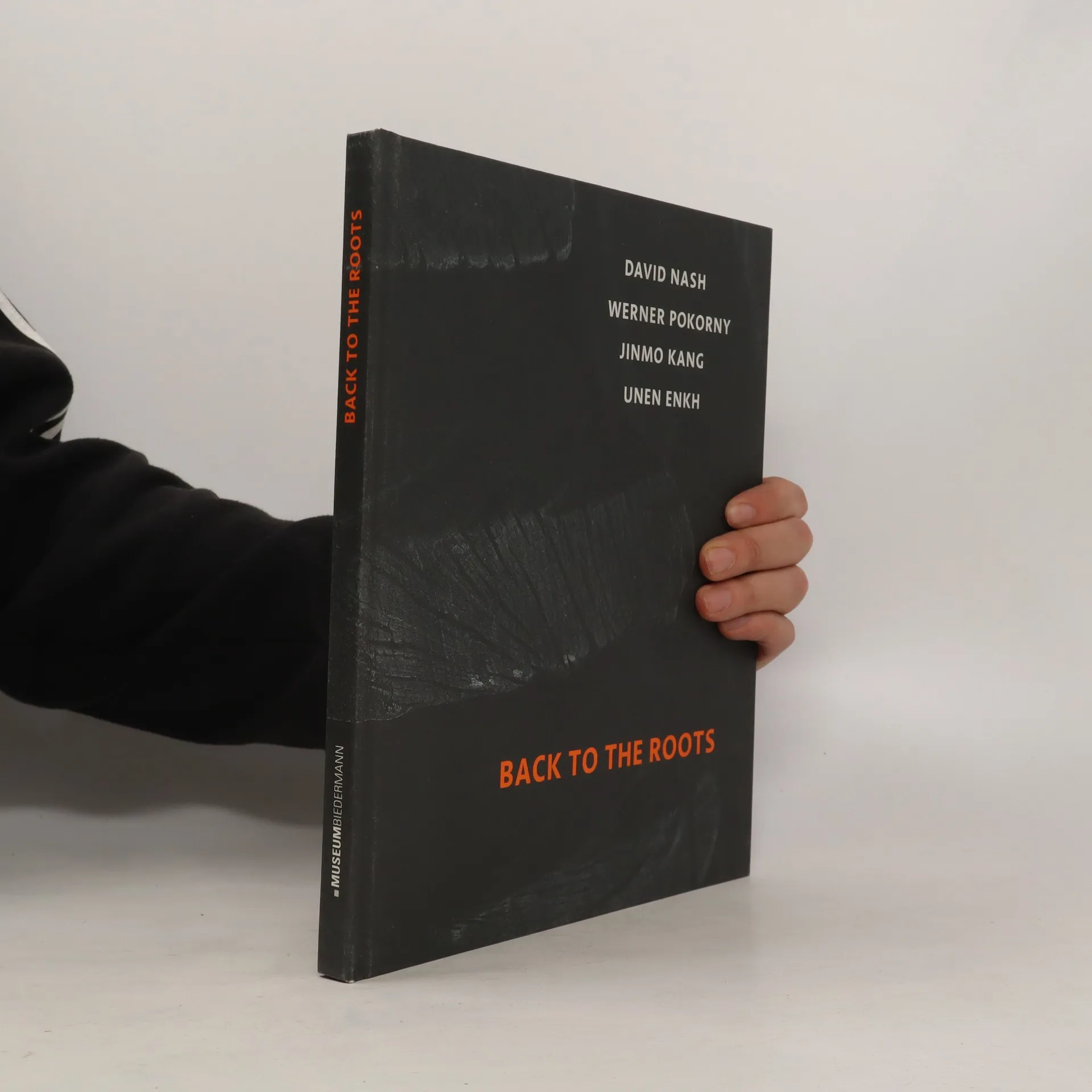
David B. Nash je mezinárodně uznávaný odborník na veřejnou odpovědnost za výsledky, rozvoj lídrů ve zdravotnictví a zlepšování kvality péče. Jeho práce se zaměřuje na inovativní přístupy a rozvoj leadershipu ve zdravotnickém sektoru, aby bylo dosaženo lepších výsledků pro pacienty i pro celý systém.



Explores the development of witchcraft and of the belief in it, the sixteenth- and seventeenth-century obsession that spawned witch-hunting, the eventual decline of witchcraft, and the phenomenon's fascinating 'afterlife' that has involved the Nazis' fixation and modern treatments including Arthur Miller's acclaimed The Crucible.
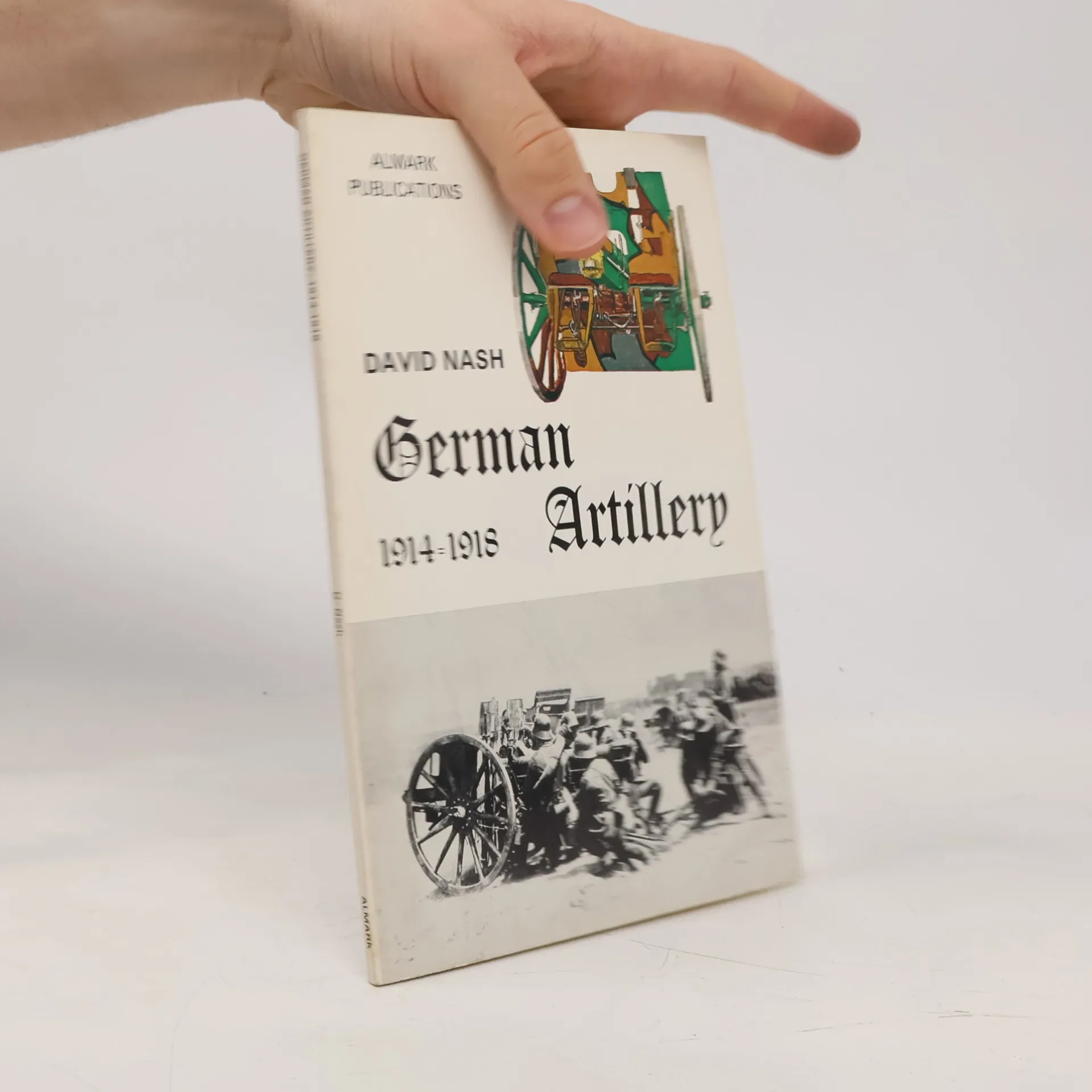
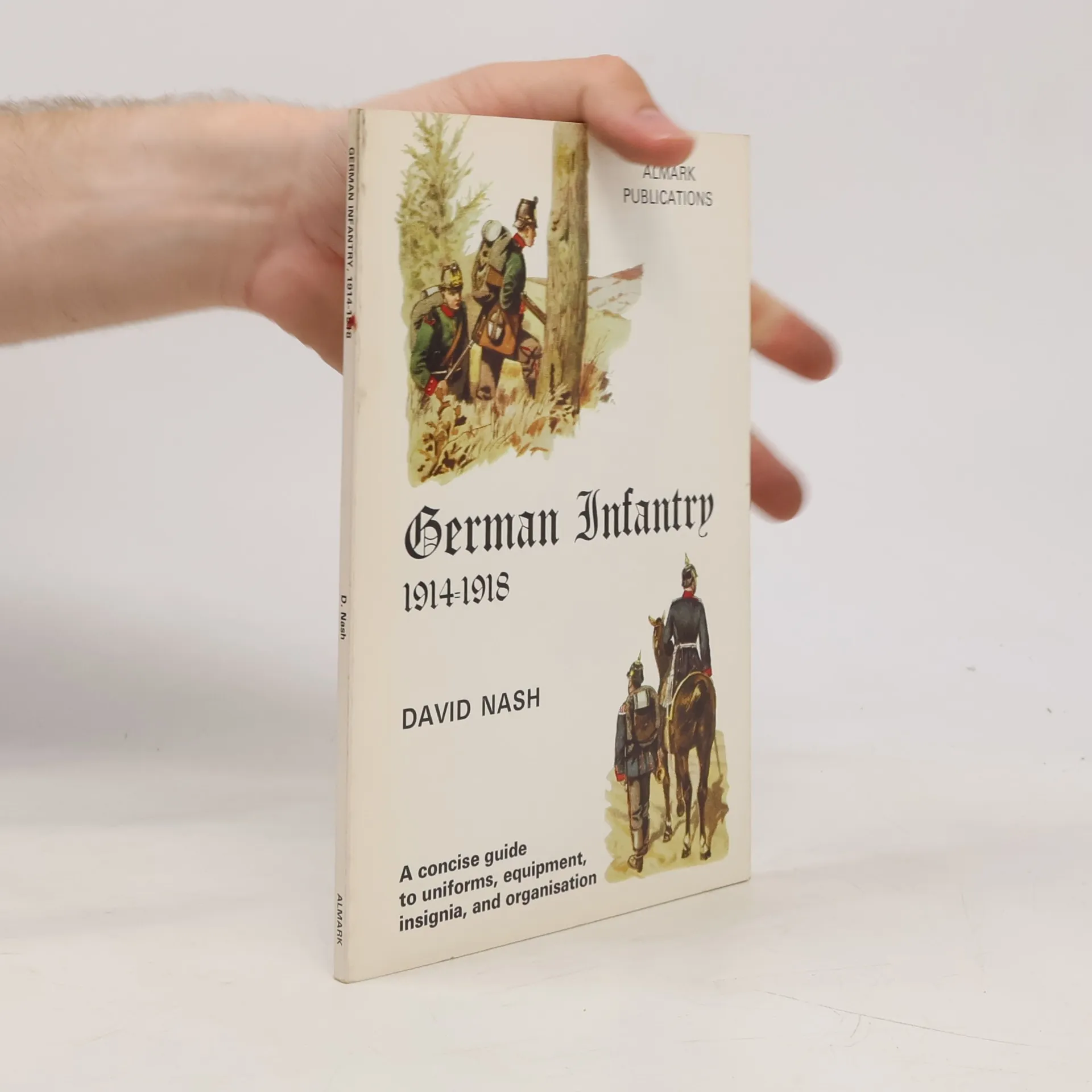
"Regiments, uniforms, weapons, equipment, organization and tactics of a major participant in the Napoleonic Wars"
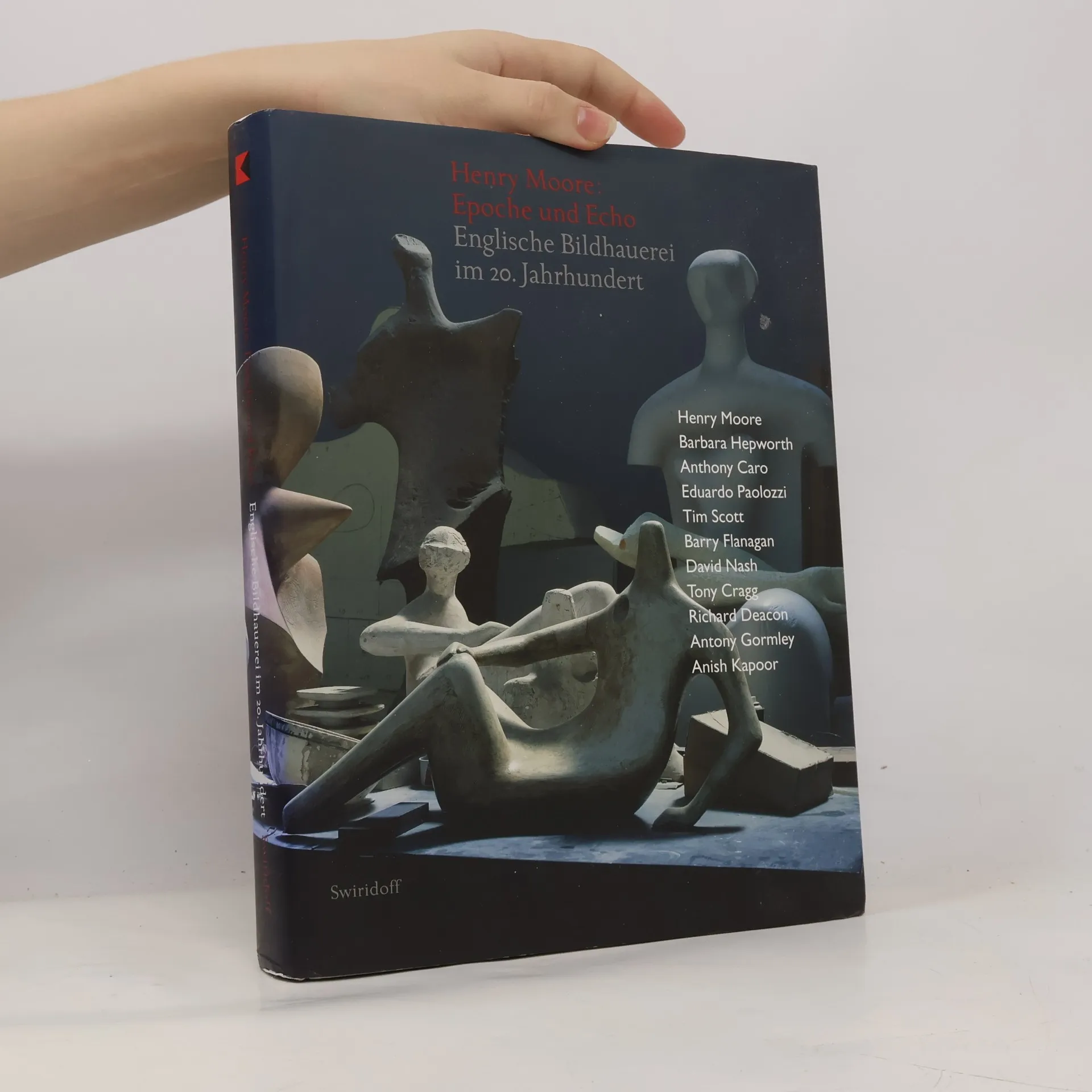
Der Katalog „Henry Moore Epoche und Echo - sechs Jahrzehnte englischer Bildhauerei im 20. Jahrhundert“ schlägt einen Bogen über die vitale und abwechslungsreiche britische Bildhauerszene der Moderne. Der Band nimmt seinen Ausgangspunkt bei Henry Moore (1898-1986), dessen in der Regel monumental und dabei stets klug stilisierte, gesichtslose Menschenbilder in den fünfziger und sechziger Jahren in Europa und den USA zum Inbegriff moderner Skulptur wurden. Dank Moores Einfluss entwickelte sich nach 1945 in Großbritannien eine bis dahin nicht gekannte und immer noch anhaltende Blüte der Bildhauerei. So hat der Band zwar seinen Schwerpunkt in den Werken Moores; er präsentiert aber darüber hinaus ein ganzes Spektrum bildhauerischer Positionen, die von solchen der Moderne, bis hin zu den Meisterleistungen der New British Sculpture reichen. Vertreten sind: Henry Moore (1898-1986), Barbara Hepworth (1903-1975), Anthony Caro (*1924), Eduardo Paolozzi (1924-2005), Tim Scott (*1937), Barry Flanagan (*1941), David Nash (*1945), Tony Cragg (*1949), Richard Deacon (*1949), Antony Gormley (*1950) und Anish Kapoor (*1954).
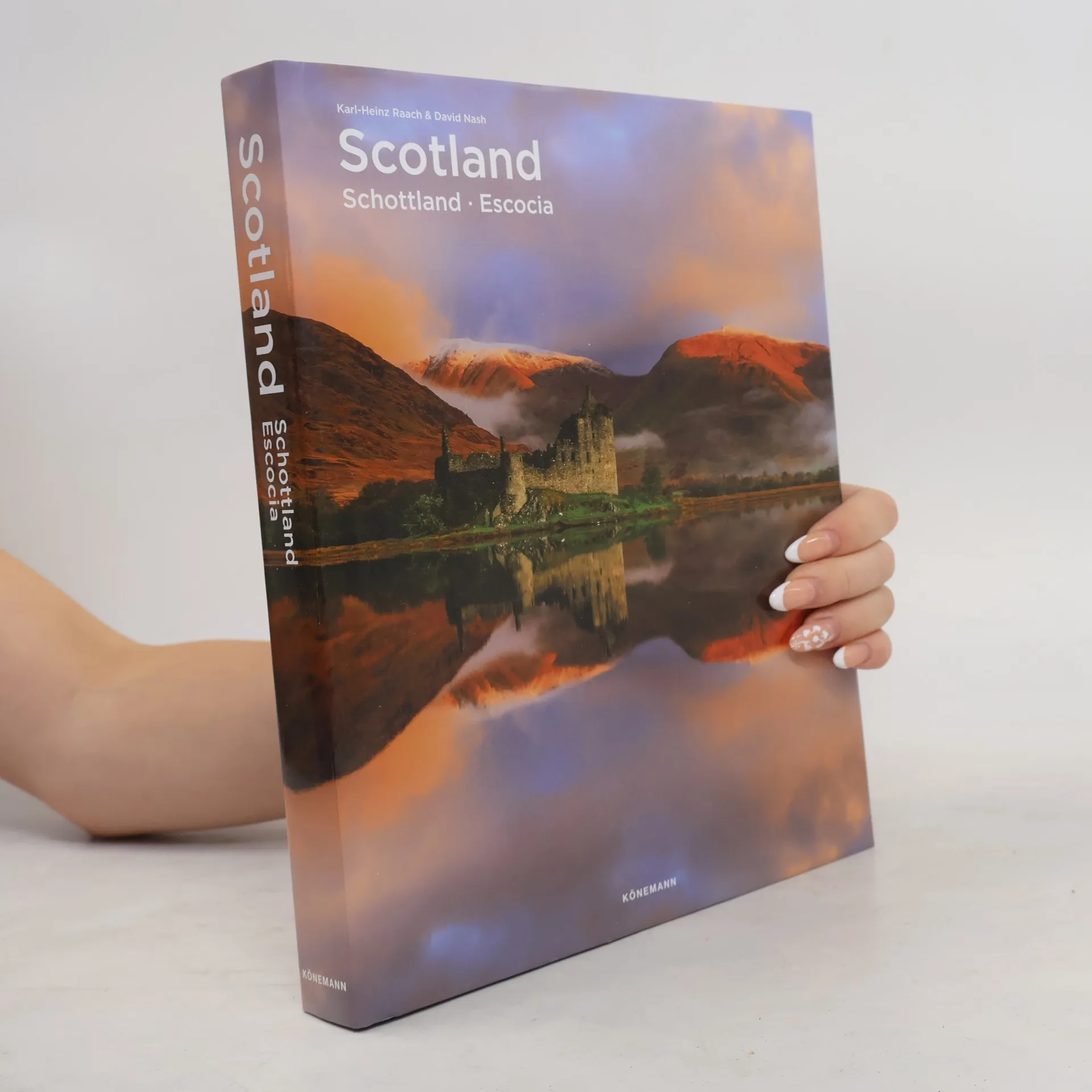
Schottland · Escocia
/ 855240024 / Weapons and Firearms / Engels / English / Anglais / Englisch / hard cover / dust jacket / 22 x 16 cm / 48 .pp /
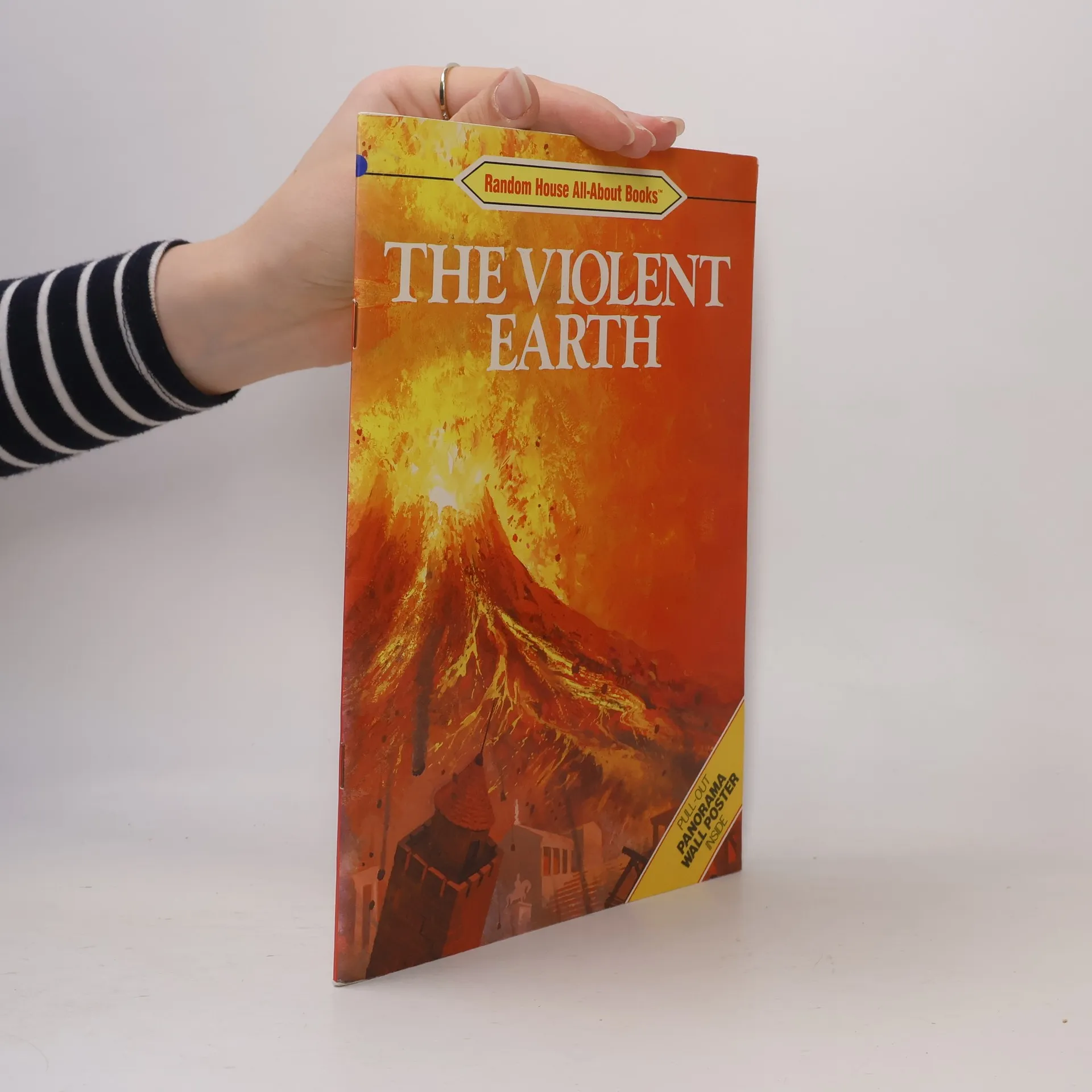
Discusses volcanoes, floods, hurricanes, and other destructive forces in nature, and briefly describes possible ways to harness their energy