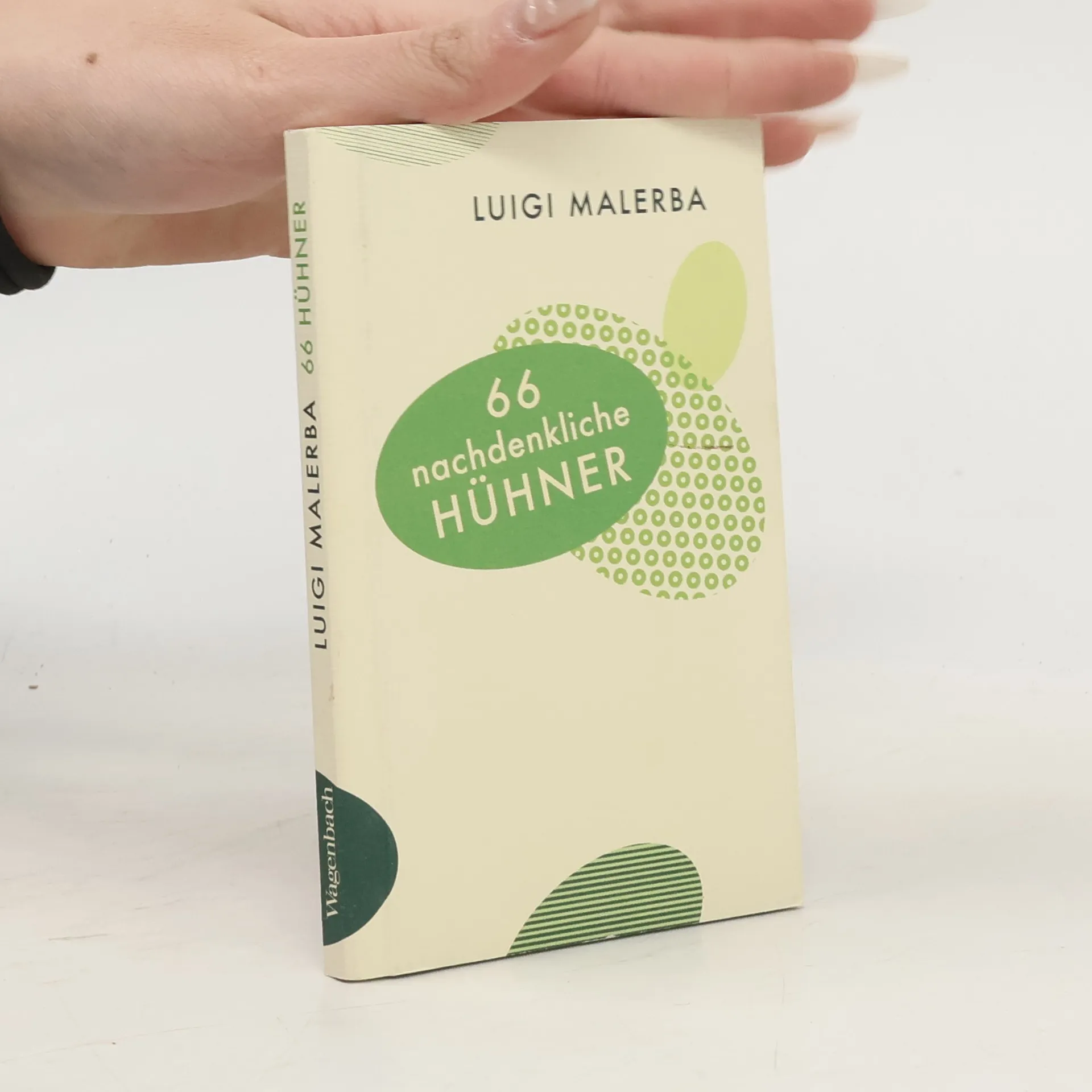
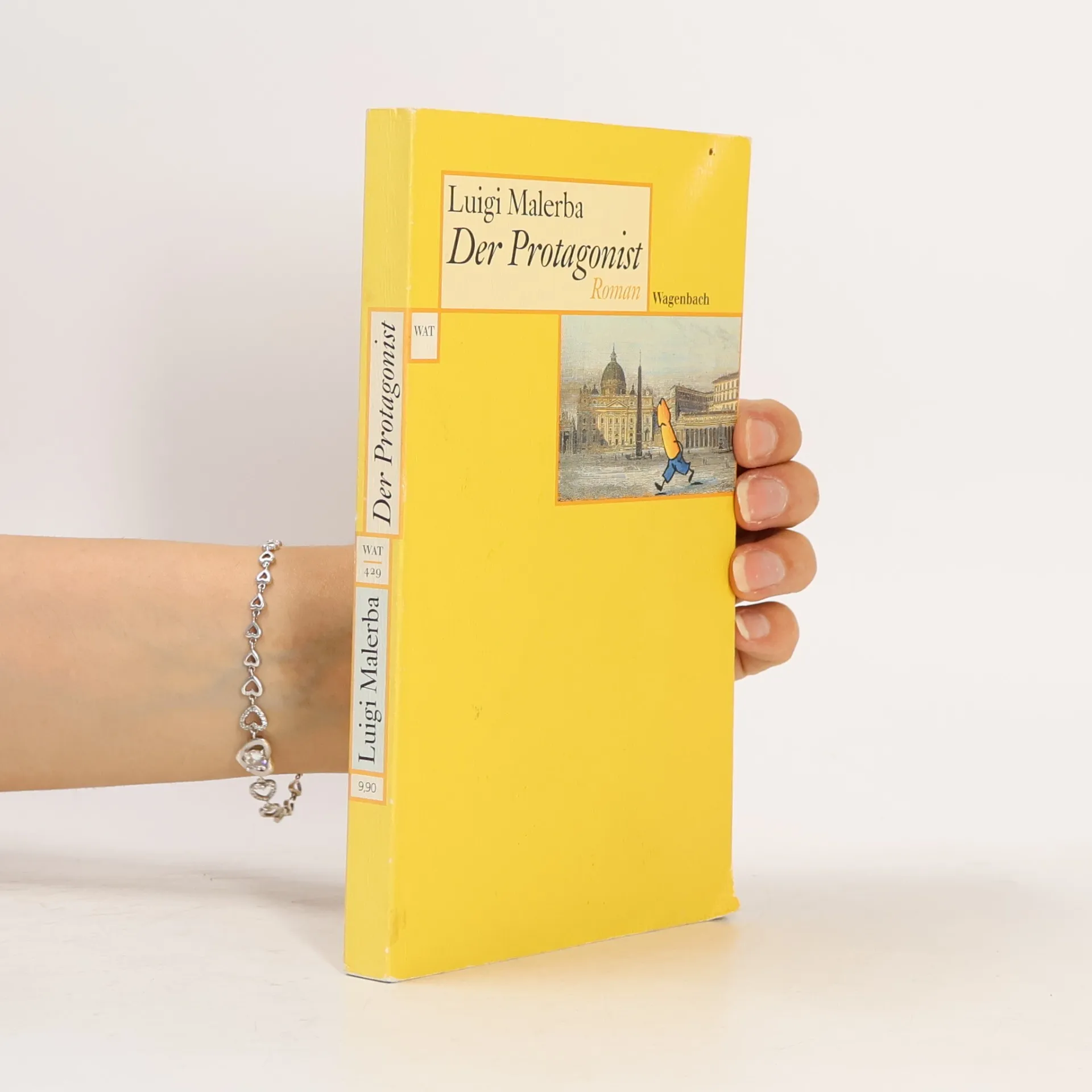
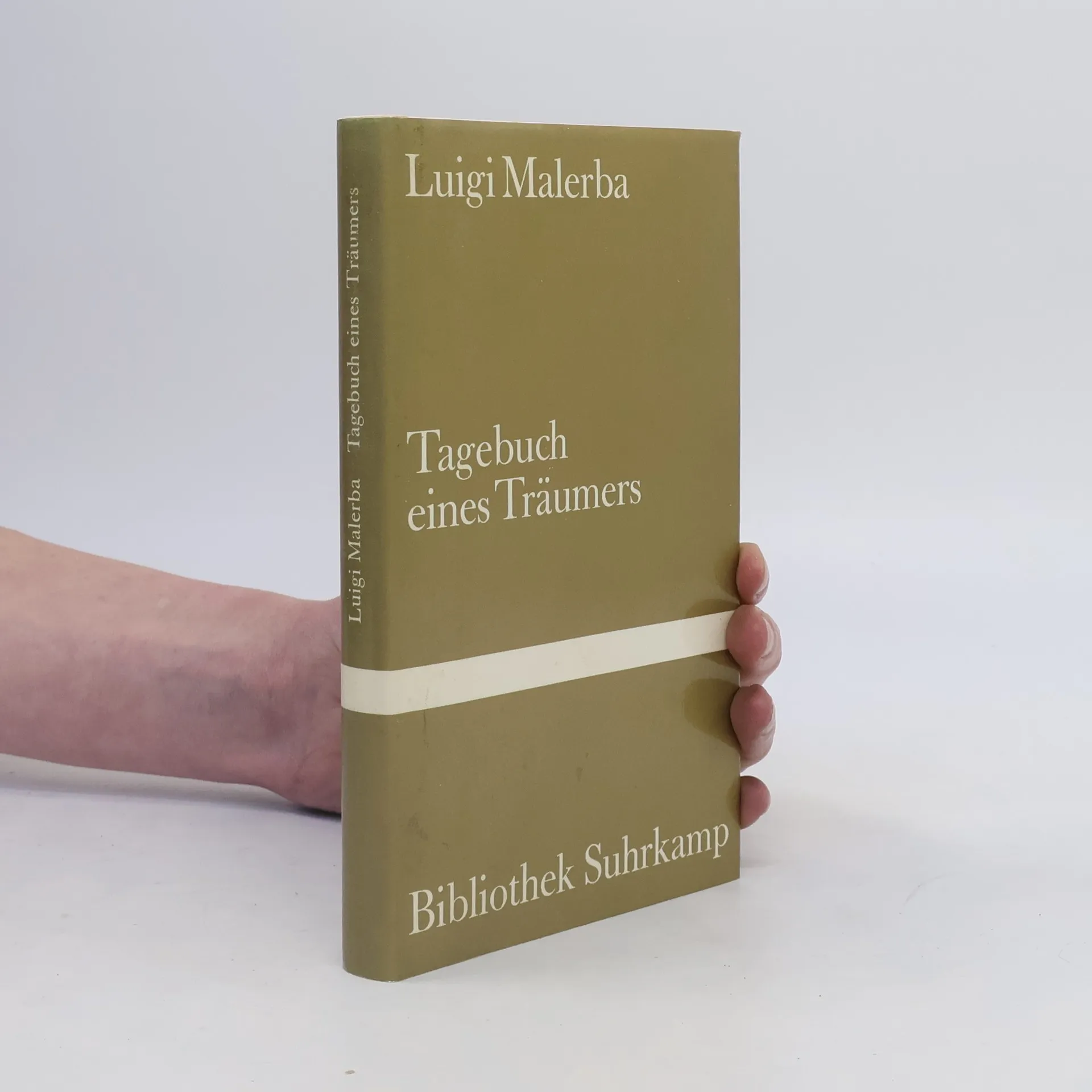
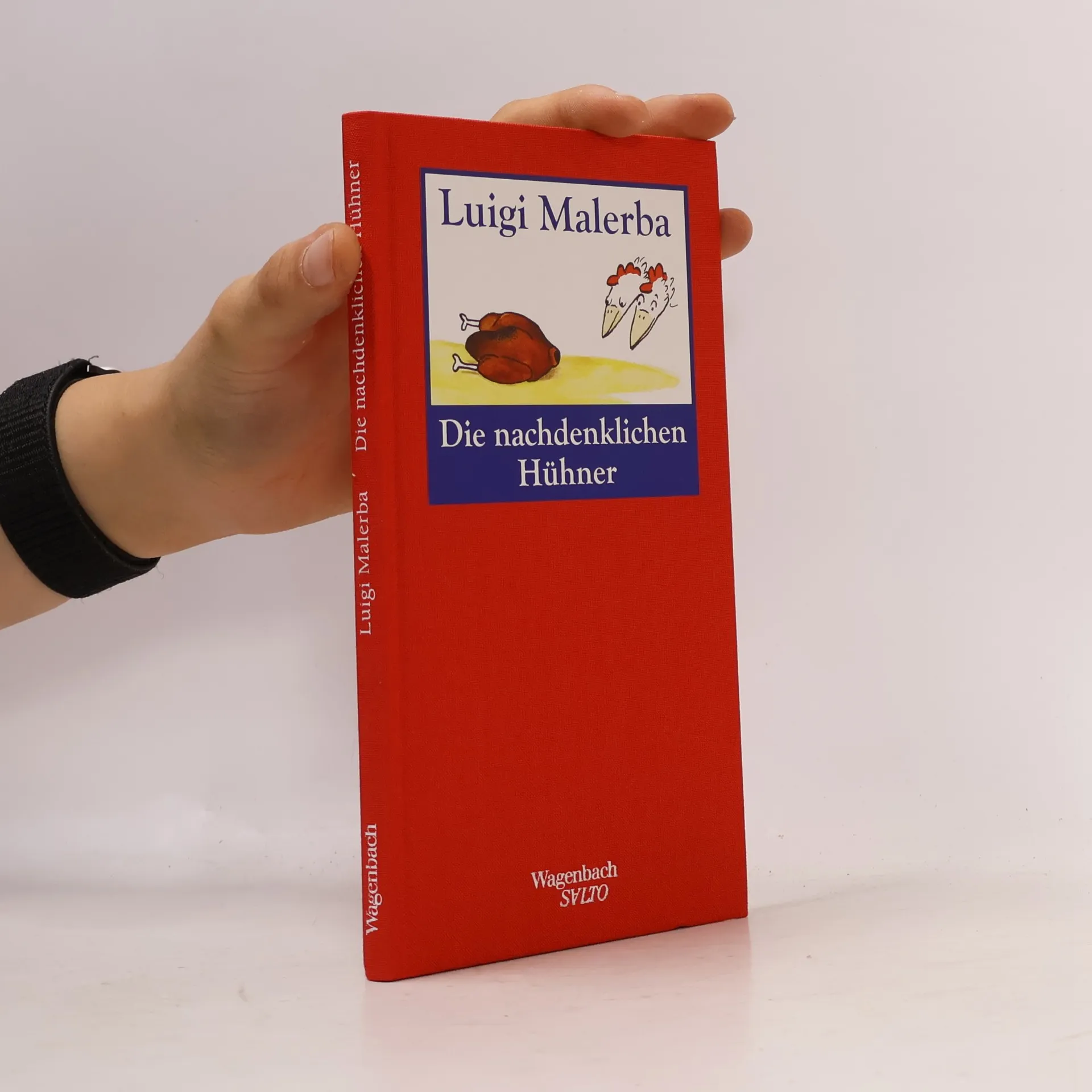
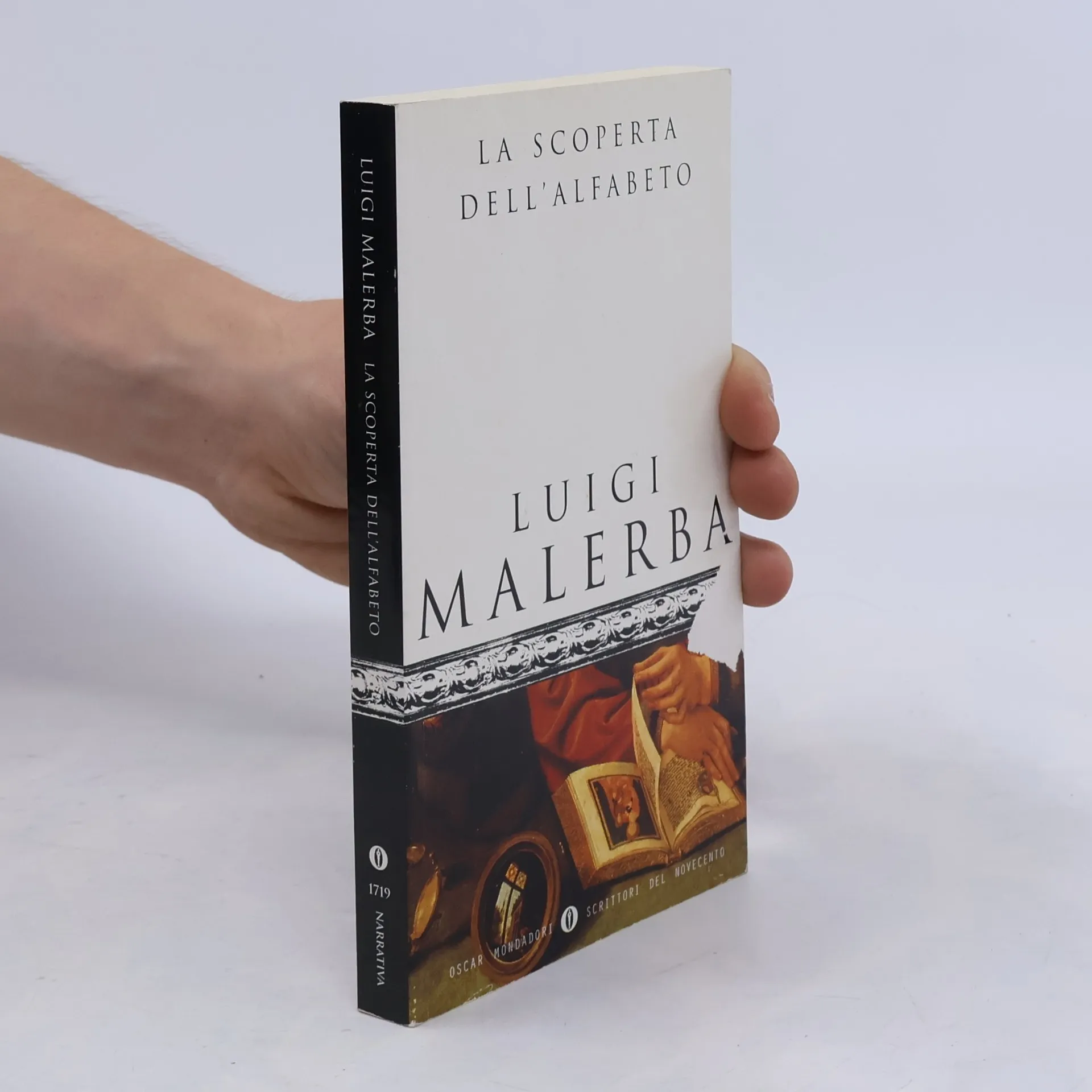
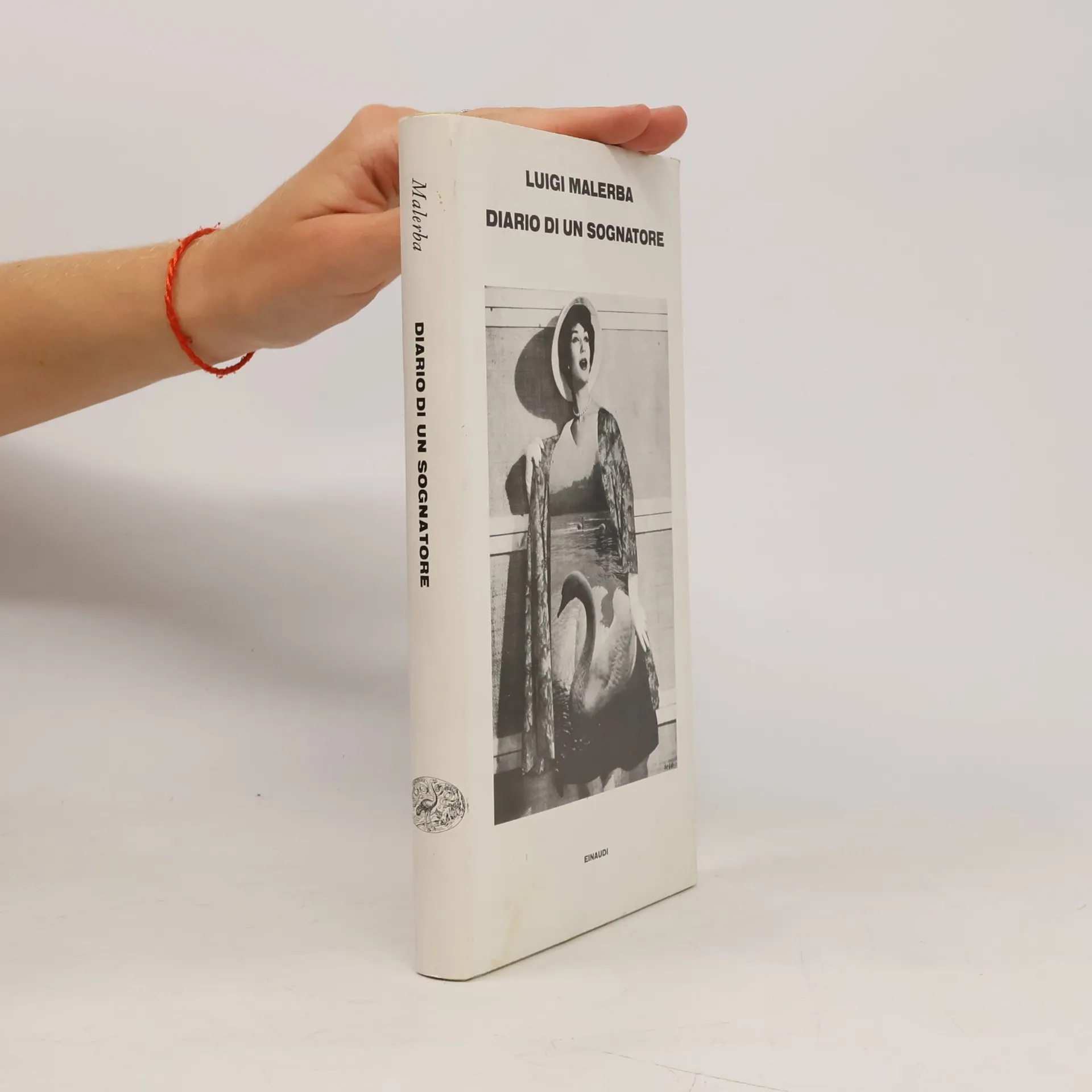
Es geht um nichts weniger als um »die überfällige Entdeckung der menschlichen Seele in all ihren hühnerhaften Aspekten« (Italo Calvino): vom psychoanalytischen Huhn, das die Sublimierung des Eis predigt, über das fromme Huhn, das Johanna mit Laurentius verwechselt, bis zum postmodernen Huhn, das gleichzeitig den Stall und sich selbst erleuchten will.
Luigi Malerba Pořadí knih (chronologicky)
11. listopad 1927 – 8. květen 2008
Luigi Malerba byl jedním z klíčových představitelů italské literární avantgardy, jehož dílo se vyznačuje zlomyslnou ironií a nepředvídatelností. Spoluzaložil hnutí Gruppo 63, které čerpalo z marxismu a strukturalismu. Jeho tvorba zahrnuje povídky, historické romány a scénáře, často s důrazem na nejednoznačnost a mistrné využití jazyka. Malerba prozkoumává složitost lidské existence prostřednictvím své jedinečné, provokativní perspektivy.


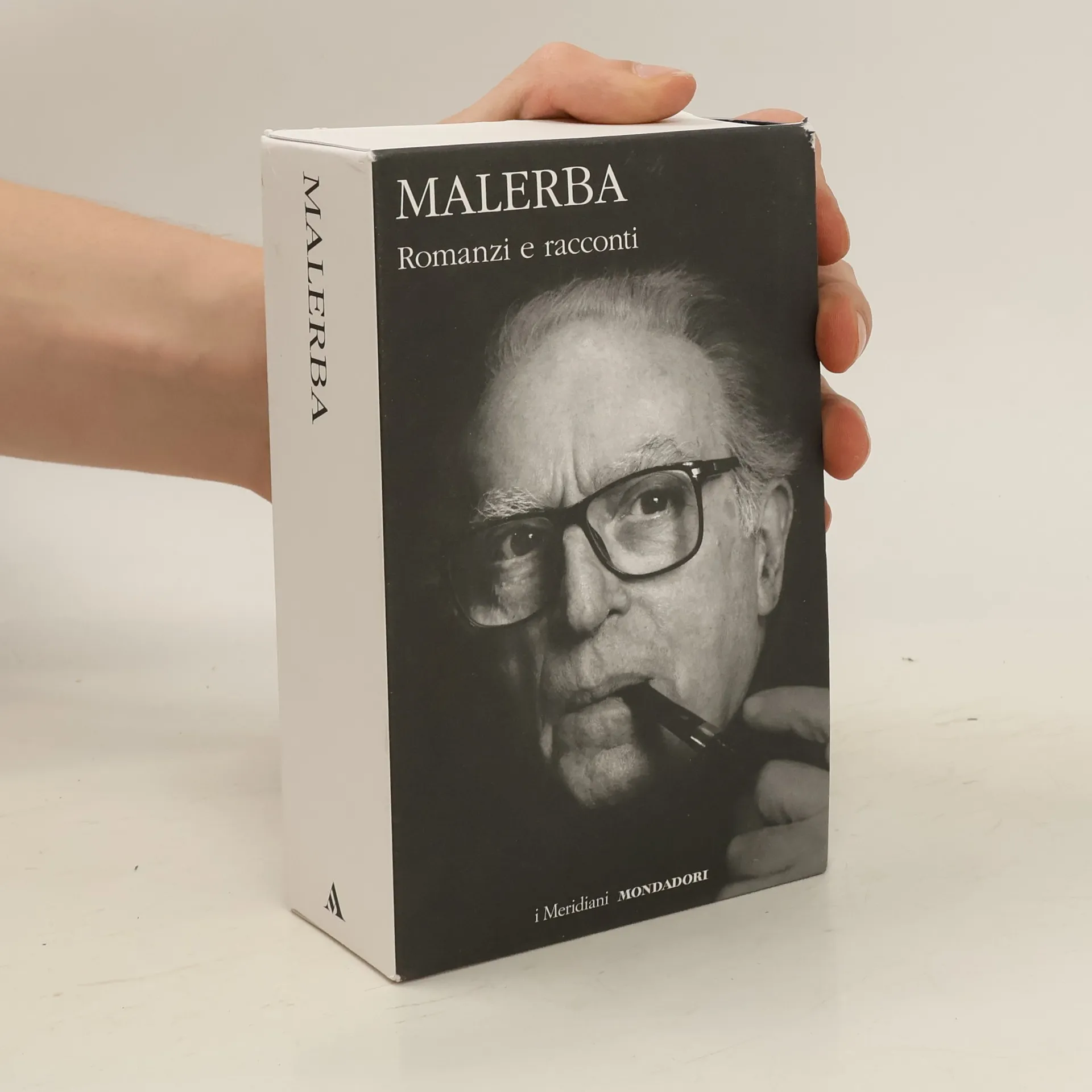
Romanzi e racconti
- 1706 stránek
- 60 hodin čtení
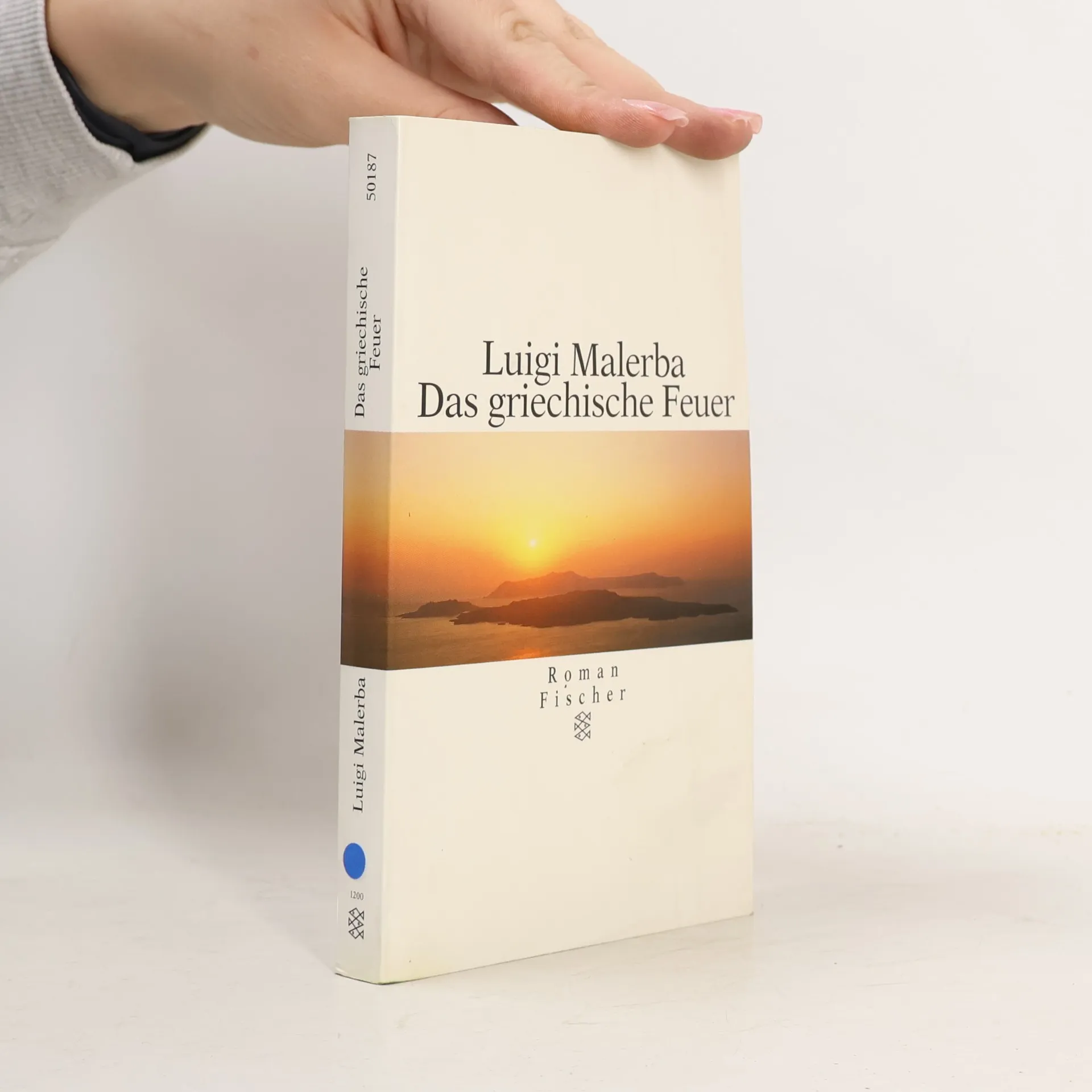
Il Meridiano propone una significativa selezione delle opere narrative: "La scoperta dell'alfabeto" (1963), "Il serpente" (1968), "Salto mortale" (1968), "Il pataffio" (1968), "Testa d'argento" (1988), "Il fuoco greco" (1990), "Le pietre volanti" (1992), "Fantasmi romani" (2006). Il saggio introduttivo è di Walter Pedullà, un critico che ha sempre accompagnato l'attività letteraria di Malerba, di cui sottolinea il carattere umoristico e dirompente e la capacità di smascherare i paradossi del reale.
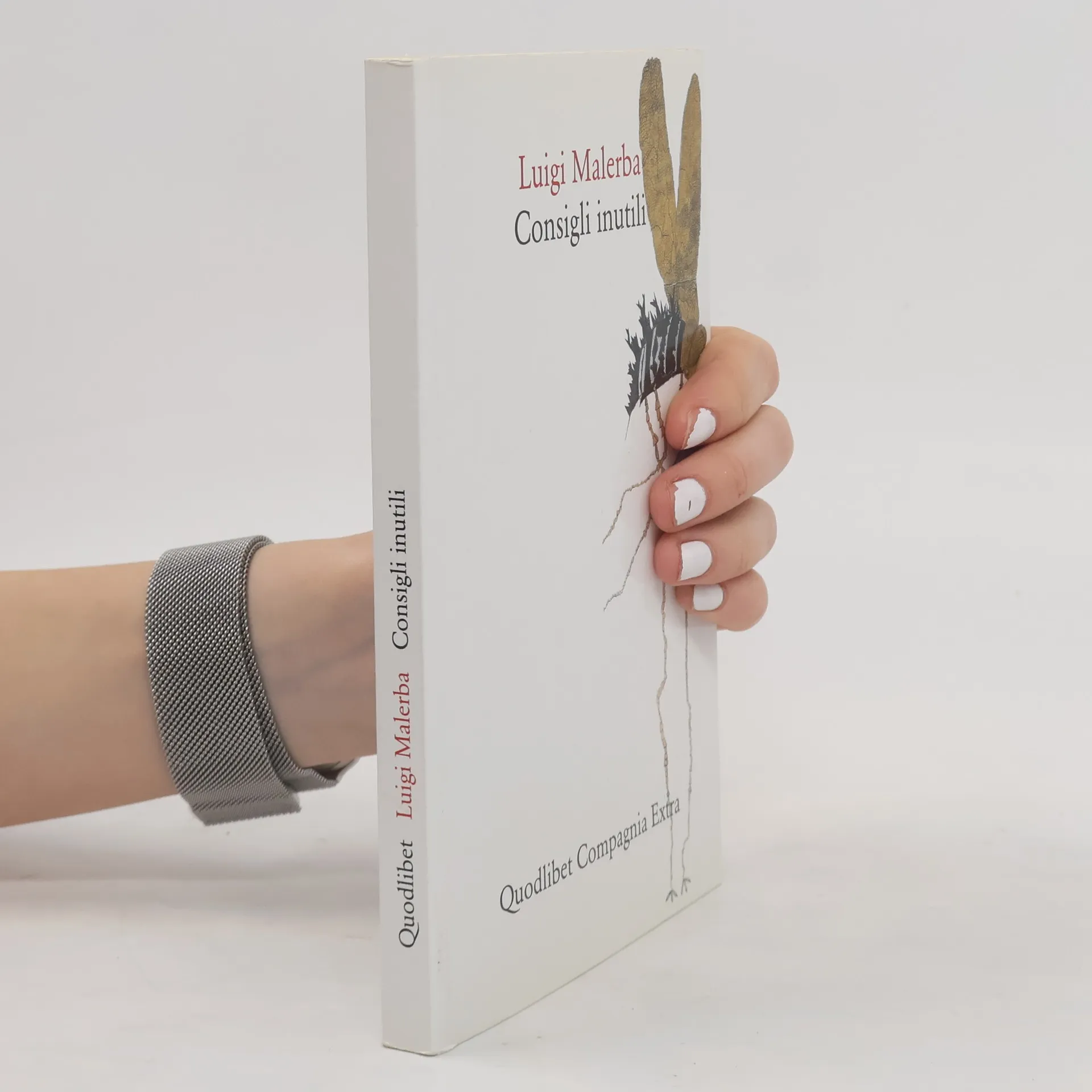
Consigli inutili
- 145 stránek
- 6 hodin čtení
Se avete dei figli fategli mangiare fichi con formiche. Arricchirete in questo modo i loro ricordi d’infanzia. La miglior vena comico fantasiosa di Malerba. Dagli anni Novanta fino al 2008 Luigi Malerba ha coltivato questo genere che chiamava «consigli inutili». Sono brevi e molto divertenti storielle su come produrre il fango, su come riuscire a stare in piedi, su come perdere involontariamente una lettera sgradita, su come avere un’ombra, sulla difficile arte di non far niente, e così via. Si tratta di scritti inediti, tranne alcuni usciti in rivista.A seguire otto biografie di personaggi immaginari, mediamente strambe e paradossali, dall’antichità classica al Settecento.Le due raccolte sono state preparate e ordinate da Malerba nell’aprile 2008.
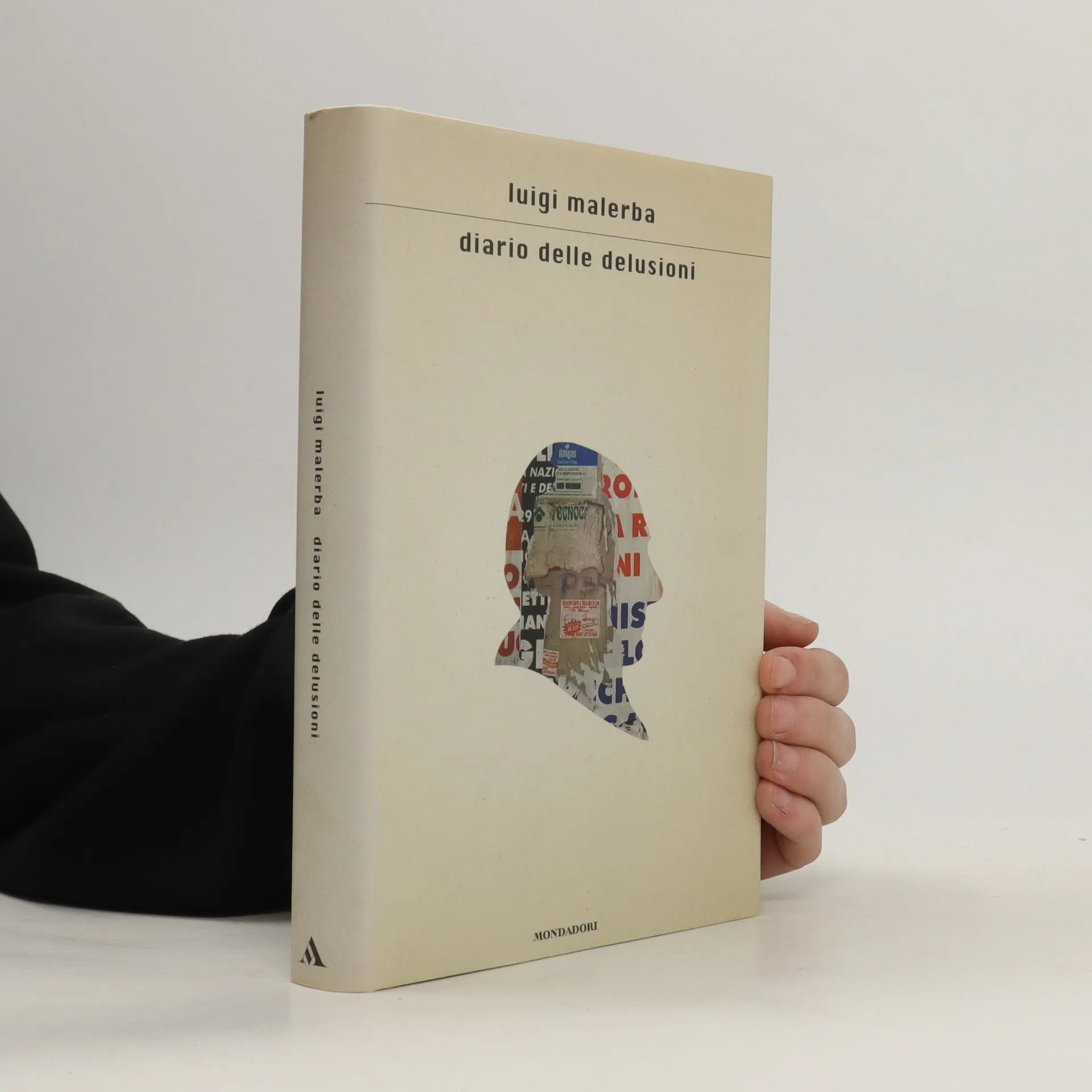
Diario delle delusioni
- 275 stránek
- 10 hodin čtení
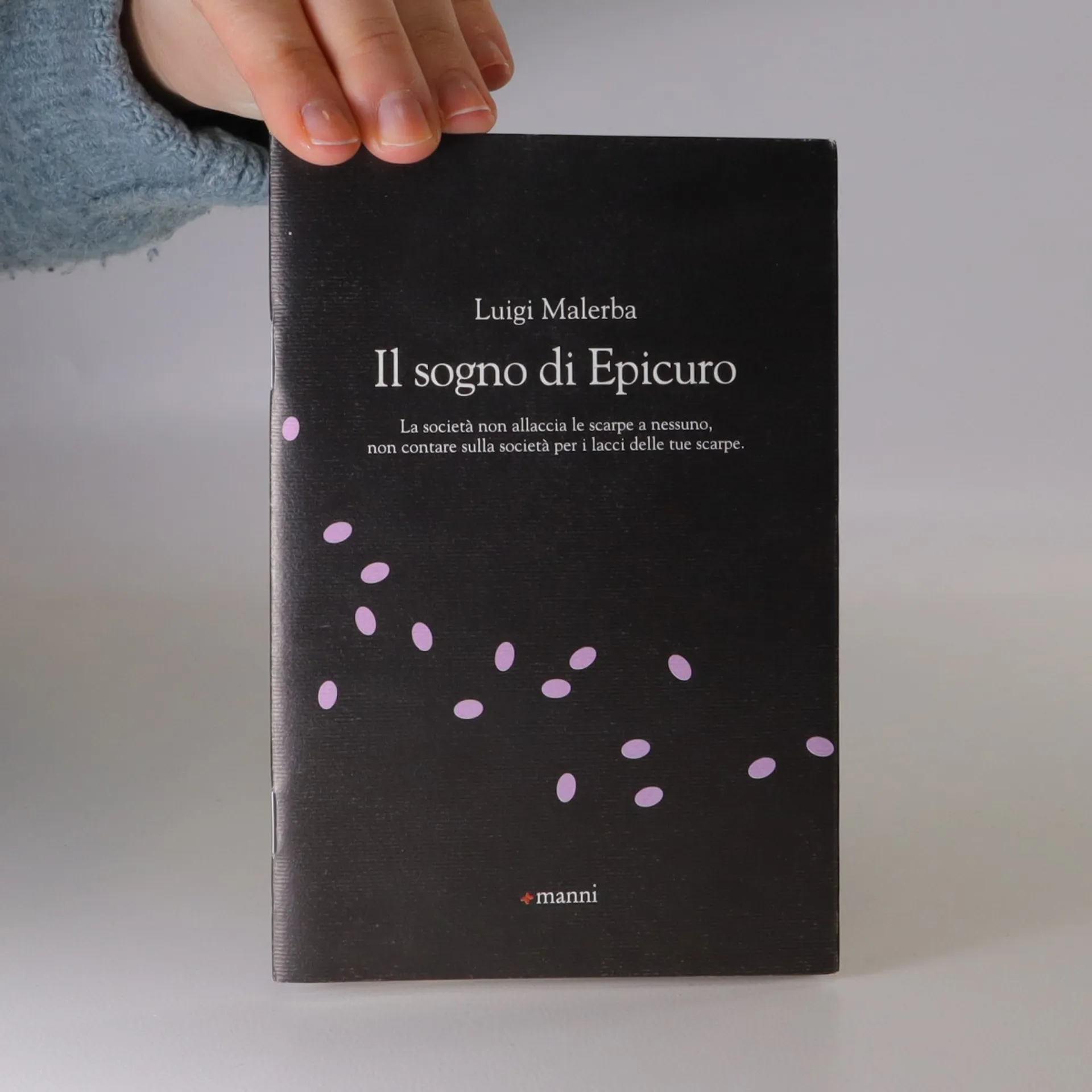
Il filosofo Epicuro è trasportato in sogno dal suo orto in Atene alla Roma del ventesimo secolo, percorsa da tensioni sociali e popolata da una gioventù disillusa. In una raffinata atmosfera onirica emerge, messa alla prova del tempo, la filosofia epicurea come affrancamento dalle sofferenza fisiche e spirituali.
Fantasmi romani
- 242 stránek
- 9 hodin čtení
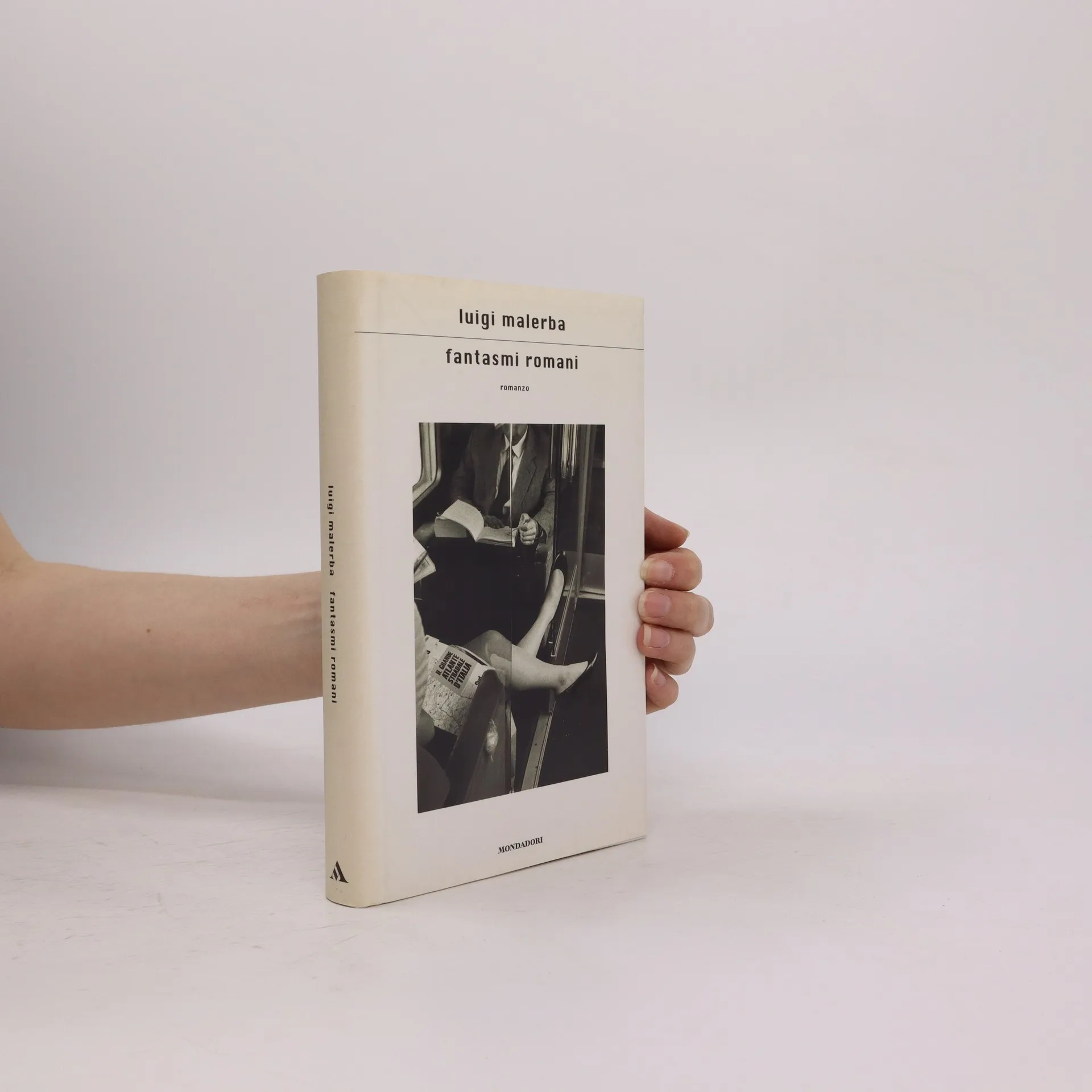
Il matrimonio di Giano e Clarissa, dopo più di vent'anni, si regge su un borghese "equilibrio imperfetto" fondato su una solida e collaudata ipocrisia, per cui ciascuno dei due nasconde segreti che, se venissero alla luce, provocherebbero una catastrofe. Ma questa "manutenzione del matrimonio" non è una semplice sequela di volgari sotterfugi, è l'applicazione assidua e insonne di capacità dialettiche, di facoltà intuitive brillanti, si potrebbe quasi paragonare a un esercizio zen. Un esercizio da cui non sono comunque per nulla assenti il tormento e la passione. Così gli scambi, le relazioni, gli intrecci di verità e menzogna, l'alternanza di freddezza e seduzione tra i vari personaggi, se all'inizio hanno un aspetto geometrico, appena sfiorato da qualche brivido di trasgressione e d'inquietudine esistenziale, poco alla volta si trasformano in spirali ossessive, in soffocanti prigioni in cui Clarissa sbatte le sue piccole ali di farfalla lussuriosa e Giano contempla attonito le conseguenze fatali dei suoi gesti: l'arrivo dirompente dei Quattro Cavalieri dell'Apocalisse. Come in uno specchio deformante Giano registra con cinismo in rischiose pagine parallele i peggiori gesti dei vari protagonisti, quasi l'ombra di un romanzo in margine al romanzo che stiamo leggendo.
Der geheime Zirkel von Granada
- 191 stránek
- 7 hodin čtení
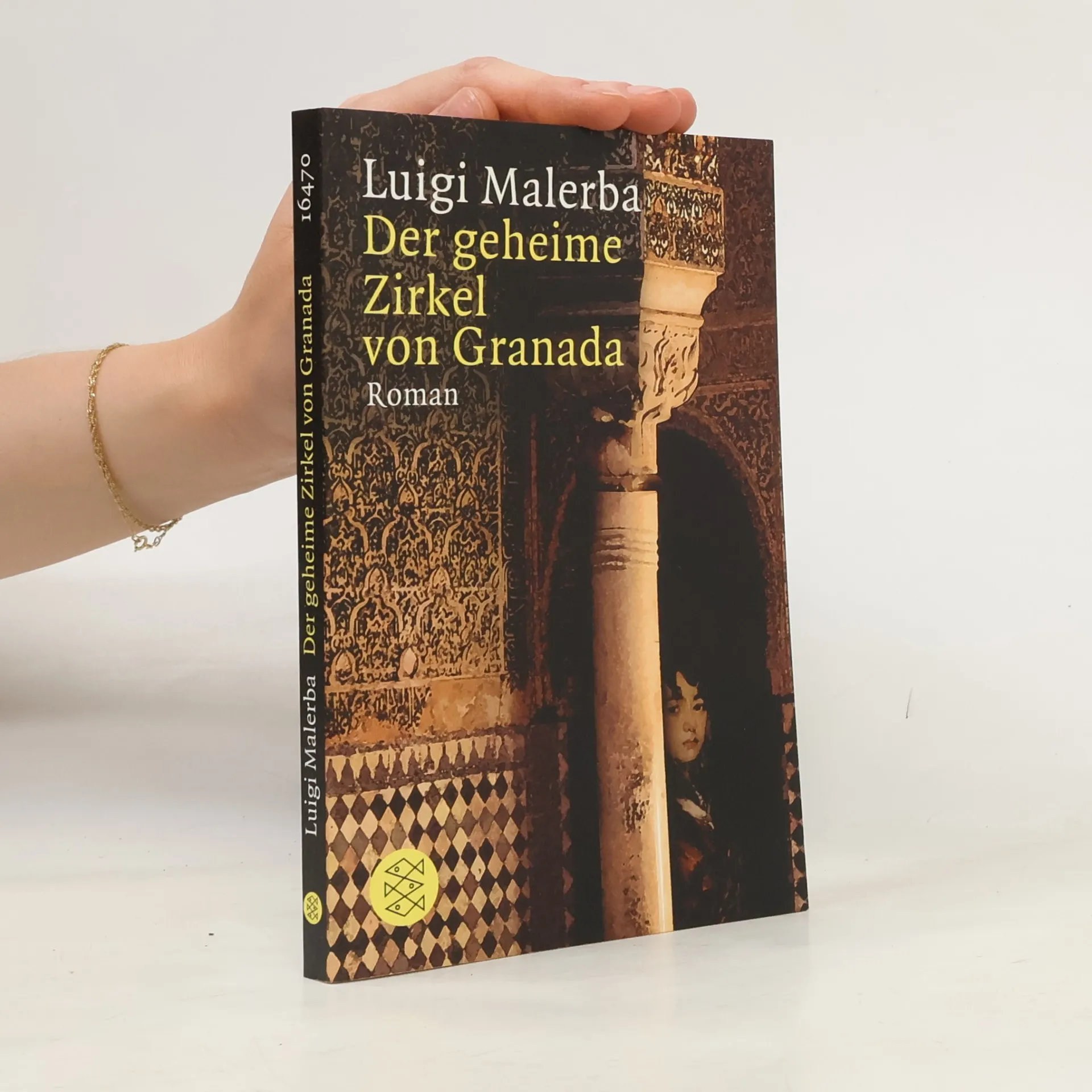
Ein historischer Roman, der in der Gegenwart ankommt. Eine sommerliche Vollmondnacht im Jahr 1876. Durch die Stille wandern ein Mann und eine Frau von Granada nach Murcia. Mariana, eine schöne Draufgängerin, und Homero, ein dubioser Händler. Gerade wurden in Granada einer Geheimgesellschaft 30 Kilo Goldmünzen gestohlen. Schwer trägt der Packesel an zwei hölzernen Kisten. Wer hat dem Nachtwächter die Kehle durchgeschnitten? Und wer kommt da auf zwei Pferden? „Ein suggestives Road movie, in dem wie bei einer Luftspiegelung Einbildung und Wirklichkeit, Vergangenheit und Gegenwart durcheinander geraten.“
Der Traum als Kunstwerk
- 112 stránek
- 4 hodiny čtení
Rom erzählt
- 157 stránek
- 6 hodin čtení
Römer erzählen von ihrer Stadt. In atmosphärischen Geschichten schildern sie den Alltag in Rom jenseits des "dolce vita". Gewitzte Gauner, sibyllinische Näherinnen und trickreiche Fischhändler führen die Kunst des Lebens und Überlebens vor in dieser Stadt voll ungestümer Vitalität.
La superficie di Eliane
- 202 stránek
- 8 hodin čtení
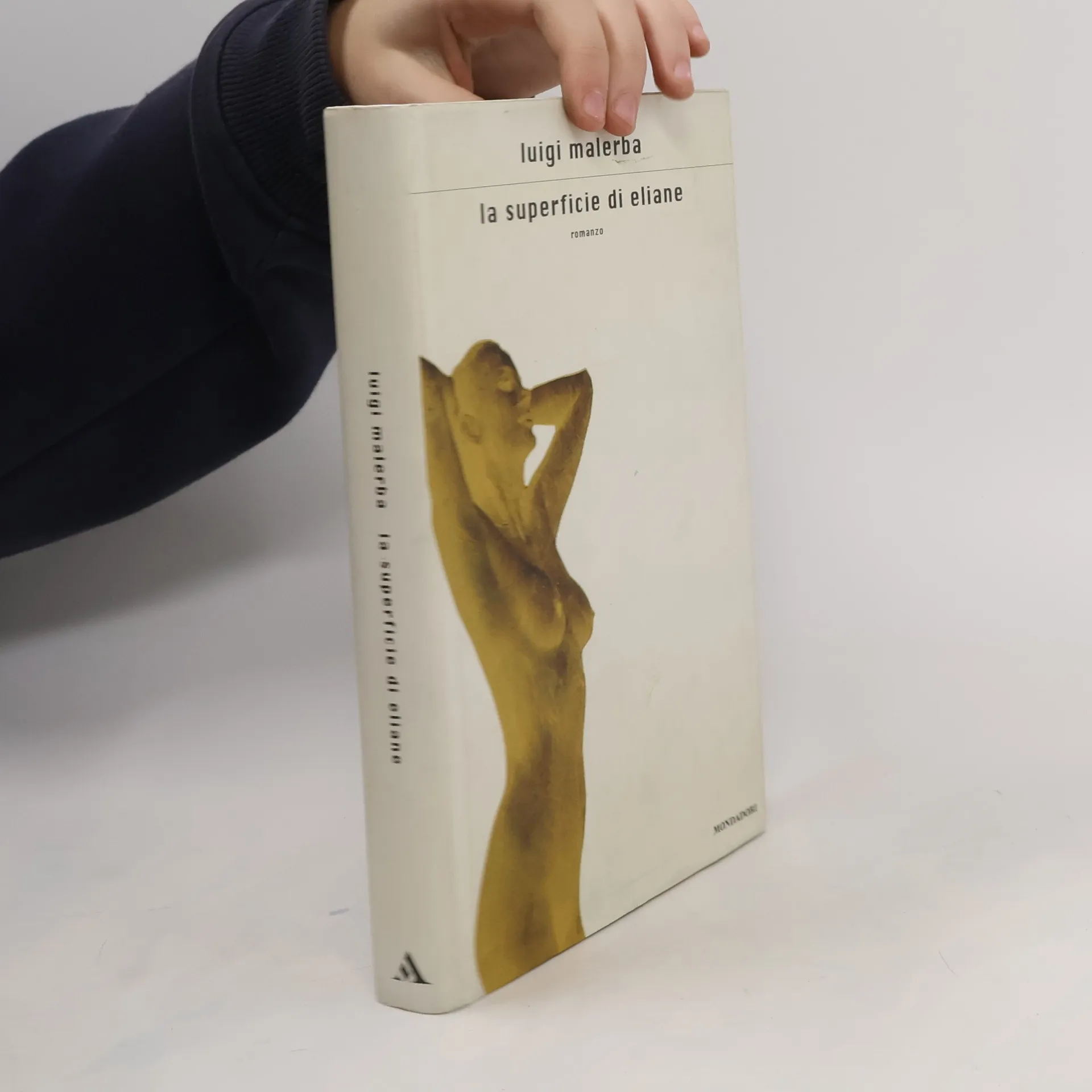
Un funzionario di una ditta di vernici è fatto oggetto di strane persecuzioni, pedinato da un'ombra, preso di mira da misteriosi nemici...Un inquietante romanzo, teso e affilato, tra il giallo e il metafisico, in cui superfici e colori costruiscono un intrigo quanto i sentimenti degli uomini, il conflitto delle ambizioni e le sfuggenti figure di donne che lo popolano.
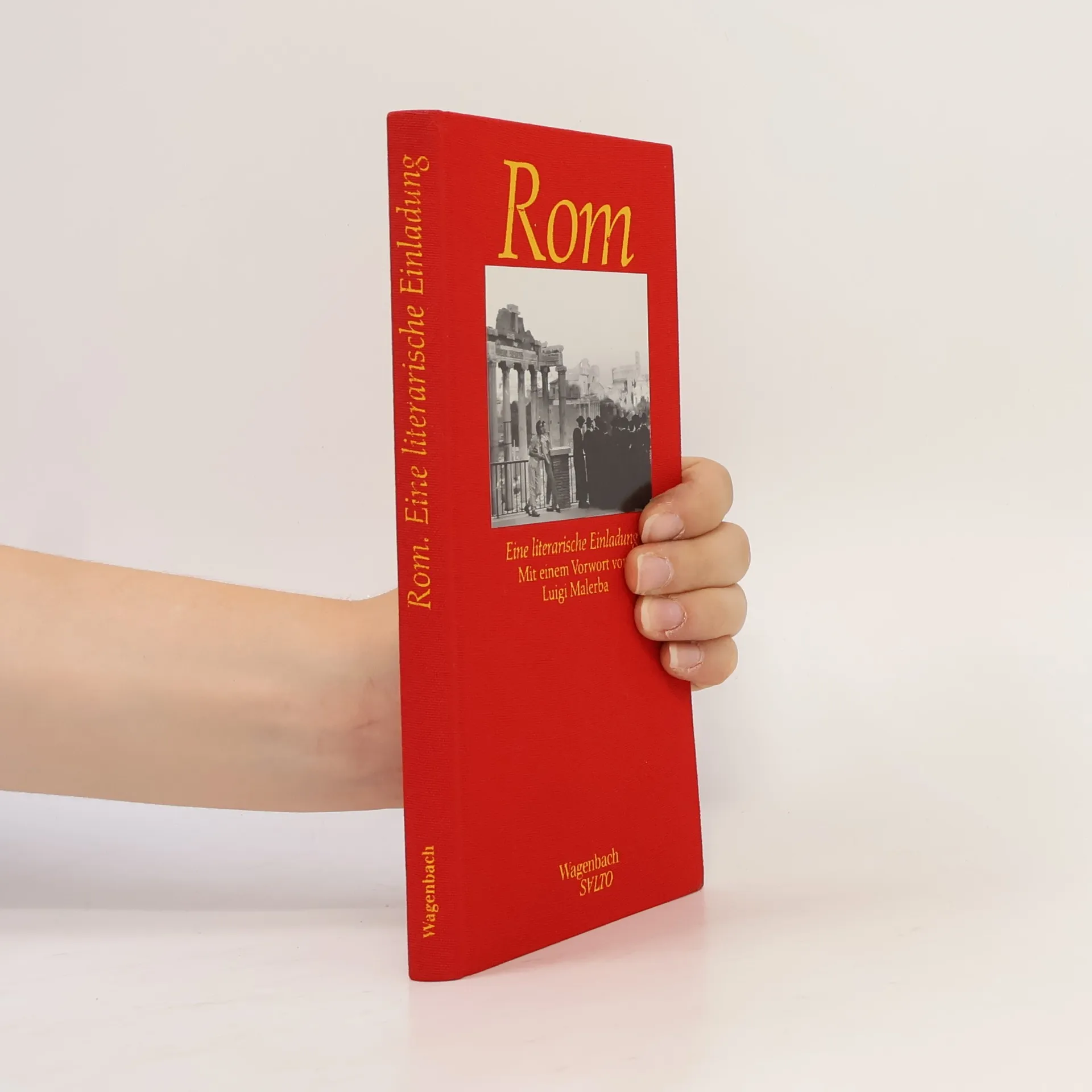
Rom
- 140 stránek
- 5 hodin čtení
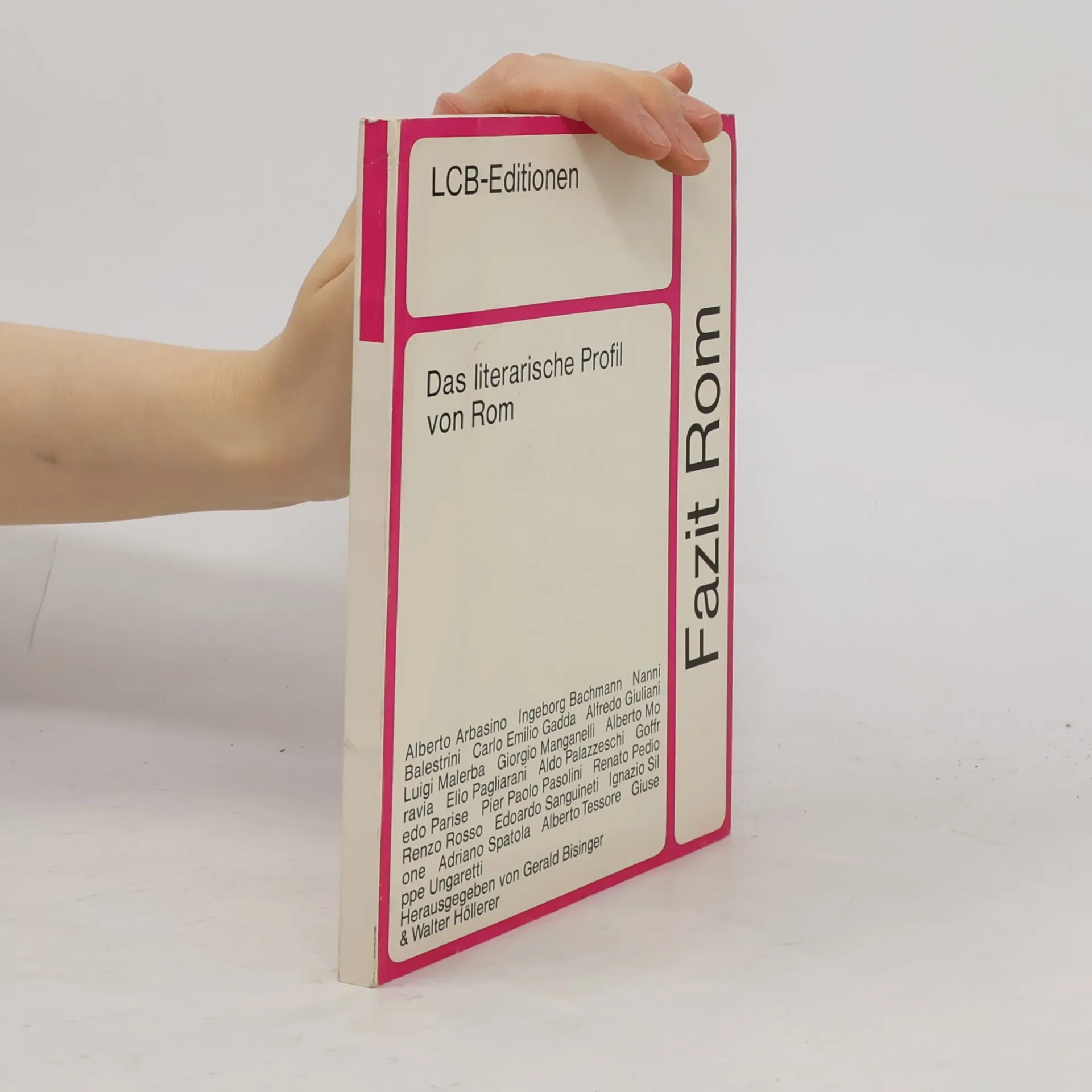
ROMA? Roma! Die Stadt, in die alle Wege führen, im Blickpunkt ihrer Schriftsteller. Warum sitzt Rom wie eine Krake auf dem ganzen Land? Warum sind die Römer so arrogant/elegant? Wohin gehen sie essen, spazieren, arbeiten? Wie füttern sie die Touristen? Warum haben sie das Kolosseum noch nicht gestohlen? Wie oft besuchen sie ihre Museen/Großmütter? Was machen die Römer nachts? Warum mag sie niemand? Warum fahren wir trotzdem hin? Roma! Ein Besuch mit Schriftstellern als Reiseführer, und zugleich ein Blick auf die italienische Gegenwartsliteratur. Mit Texten von: Alberto Arbasino, Ignazio Buttitta, Italo Calvino, Luca Canali, Guido Ceronetti, Umberto Eco, Ennio Flaiano, Carlo Emilio Gadda, Natalia Ginzburg, Marco Lodoli, Curzio Malaparte, Luigi Malerba, Giorgio Manganelli, Dacia Maraini, Elsa Morante, Alberto Moravia, Giampaolo Morelli, Aldo Palazzeschi, Pier Paolo Pasolini, Anna Maria Ortese, Gianni Rodari, Mario Soldati, Sebastiano Vassalli, Sandro Veronesi, Rodolfo Wilcock, Valentino Zeichen.
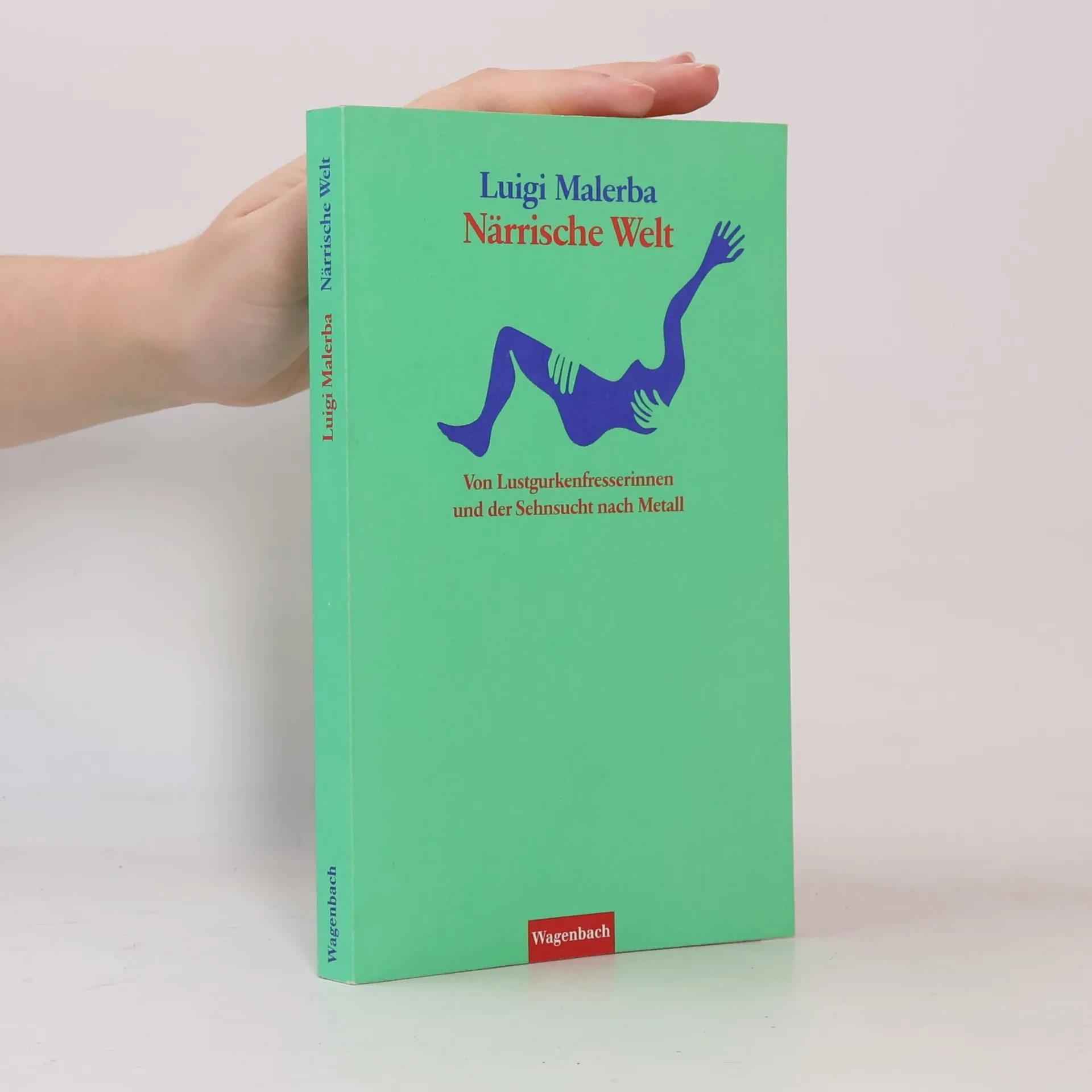
Närrische Welt
- 126 stránek
- 5 hodin čtení
Ithaca Forever
- 184 stránek
- 7 hodin čtení
After twenty years, Odysseus finally returns to Ithaca, but instead of receiving the homecoming he had hoped for finds himself caught in an intense battle of wills with his faithful and long-suffering wife Penelope. When Penelope recognizes him under the guise of a beggar, she becomes furious with him for not trusting her enough to include her in his plans for ridding the palace of the Suitors. As a result, she plays her own game of fictions to make him suffer for this lack of faith, inspiring jealousy, self-doubt, and misgivings in her husband, the legendary Homeric hero. In this captivating retelling of the Odyssey, Penelope rises as a major force with whom to be reckoned. Shifting between first-person reflections, Ithaca Forever reveals the deeply personal and powerful perspectives of both wife and husband as they struggle for respect and supremacy within a marriage that has been on hold for twenty years. Translated by PEN award-winner Douglas Grant Heise, Luigi Malerba’s novel gives us a remarkable version of this greatest work of western literature: Odysseus as a man full of doubts and Penelope as a woman of great depth and strength.
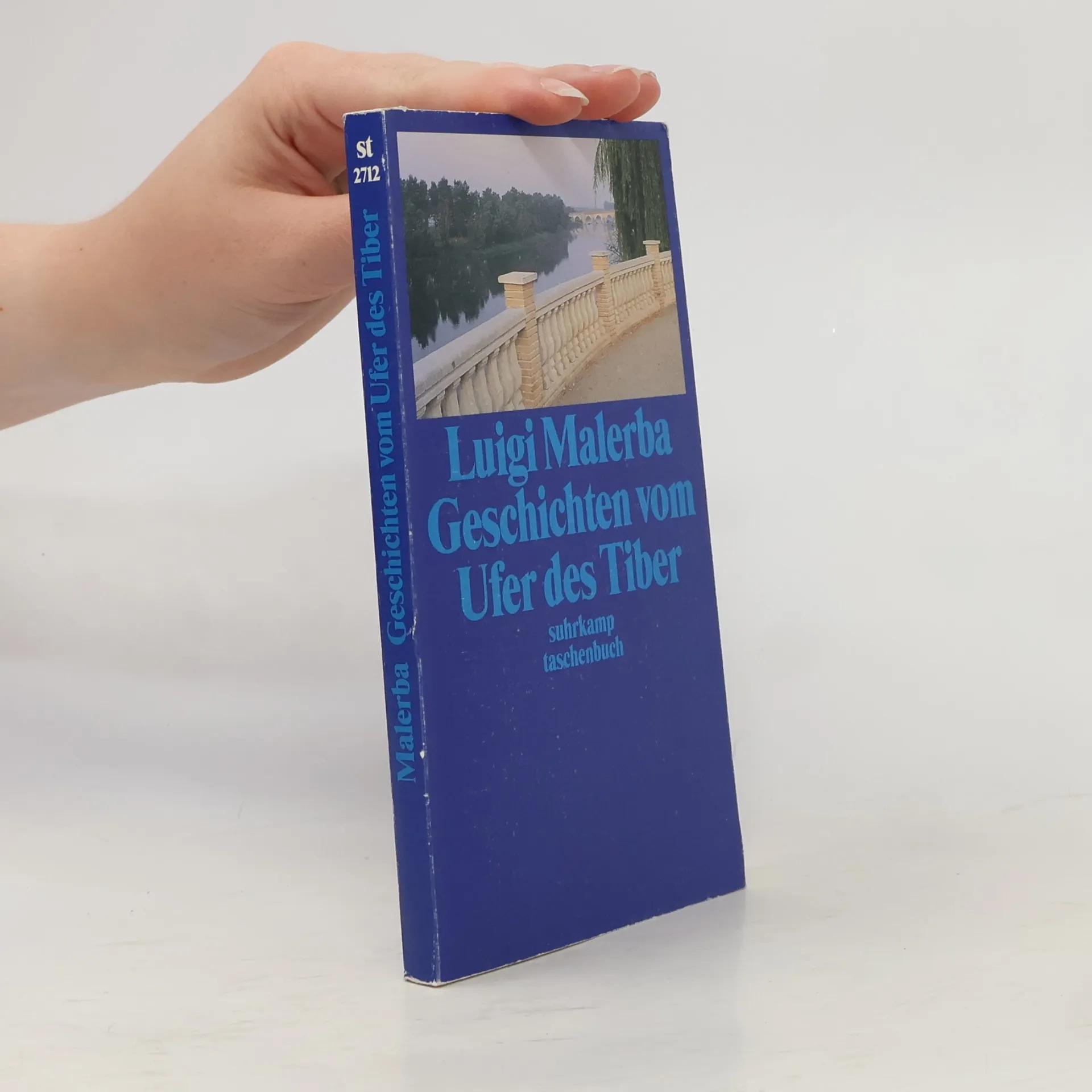
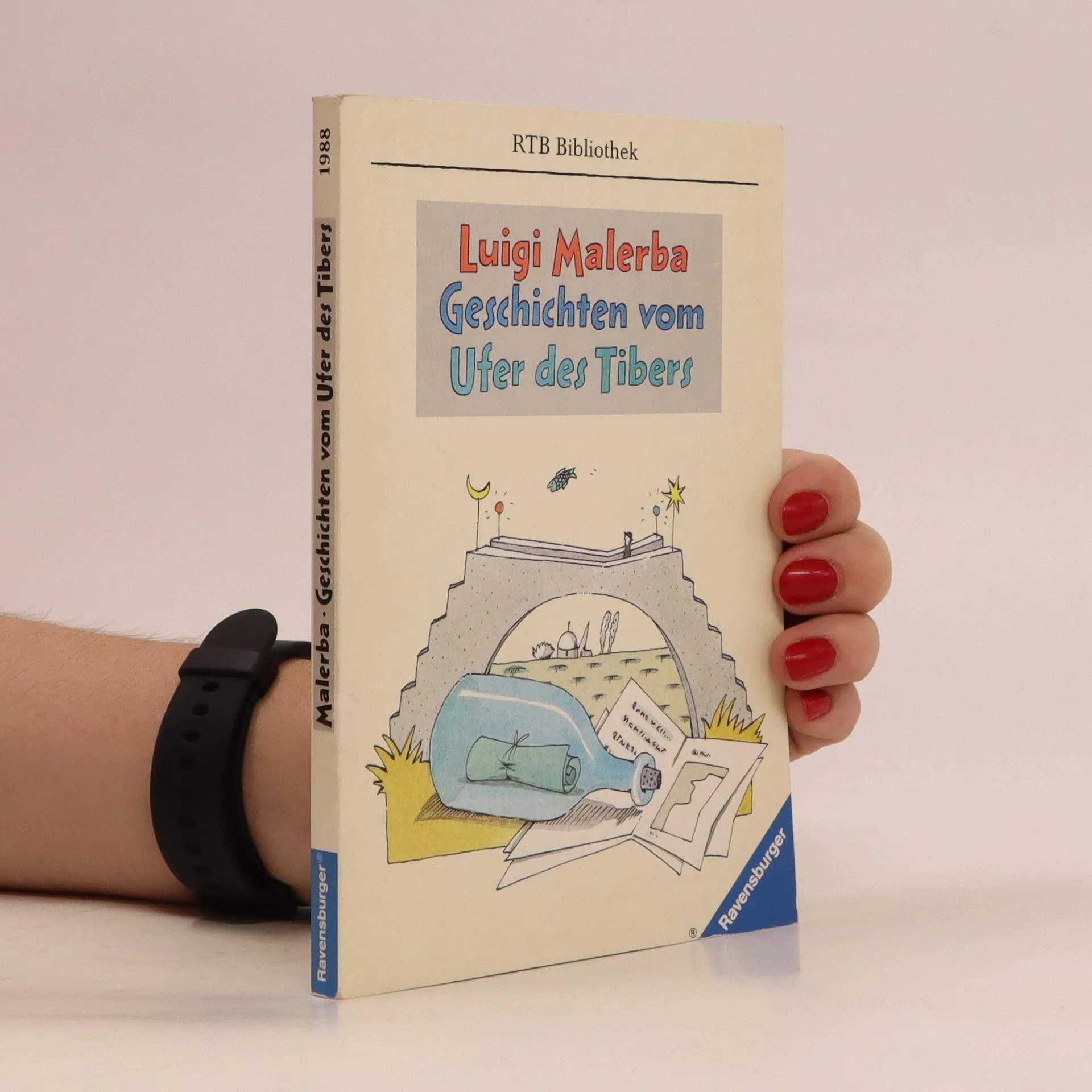
Die Geschichten vom Ufer des Tibers, sind die Geschichten von Mozziconi, dessen Reich das Ufer des Tibers ist. , Hier will ich mich ausruhn, , sagt Mozziconi, , und endlich einmal an nichts denken., Es versteht sich, daß auch an nichts denken eine Art von Denken ist, die anstrengt, und schon denkt Mozziconi nach. Mozziconi, der Philosoph, ist das Gegengewicht zur Betriebsamkeit und Zerstörungswut dieser Welt. Doch gelassen ist er nicht. Er ist aufbrausend, wenn es um Betrug, Geldgier, Erdöl geht. Und wenn er wider Willen denken muß, kann es geschehen, daß er vor Zorn seinen Hut in den Fluten des Tibers versenkt.
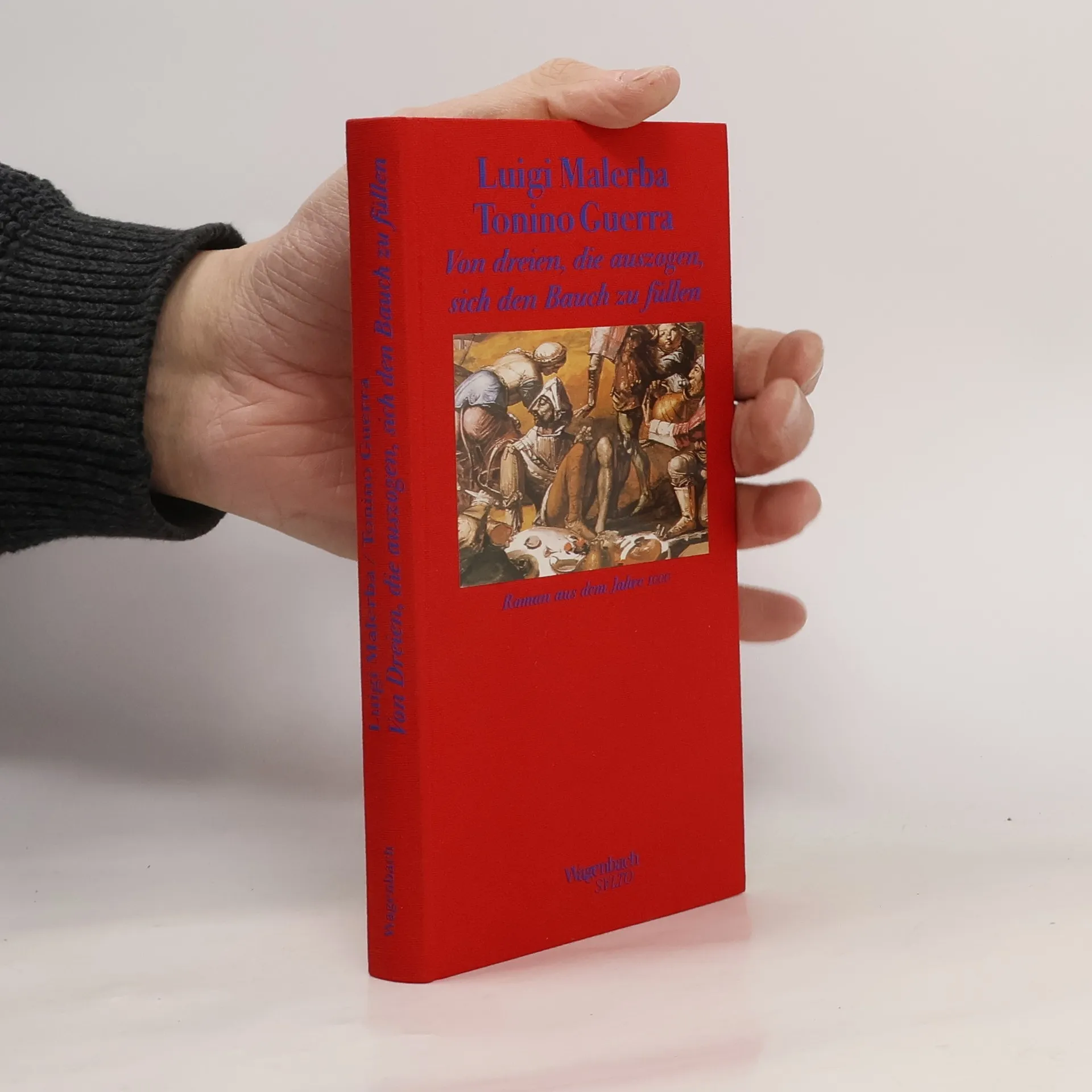
Von dreien, die auszogen, sich den Bauch zu füllen
- 185 stránek
- 7 hodin čtení
Drei Gauner ziehen im Jahr 1000 durch Italien, treffen auf Mönche, Frauen und wilde Tiere, entkommen der Pest und dem Scheiterhaufen. Und haben dabei nur eins im Sinn: Hunger! Essen! Trinken! Ein Schelmenroman, komisch und voller Überraschungen, auch für fortschrittliche Geschöpfe im 21. Jahrhundert. Nach einer Schlacht bleiben als einzige Überlebende zwei Freunde und ein Feind übrig: Carestia und Pannocchia verstecken sich im Brunnen, Millemosche von der Gegnerseite in seiner Ritterrüstung. Hungrig ziehen sie los, überstehen abenteuerliche Verfolgungen, Magenknurren wie Halsdürre, und werden dennoch den grimmigen Gesellen Hunger nicht los. Auf der lebendigen Kuh zeichnen die drei bereits die Teile ein, die sie verspeisen wollen, da kommt das ganze Dorf mit Heugabeln gelaufen. Die letzte Rettung scheint eine Frau mit Hühnern. Allein im Streit darüber, wer die Frau und wer die Hühnereier bekommt, müssen sie wieder hungrig davonziehen. Erzählt werden die Abenteuer der drei in der ironisch althergebrachten Sprache, die Luigi Malerba in »Pataffio« so meisterhaft vorgeführt hat – höchst lebendig in Szene gesetzt von der dialogischen Kunst Tonio Guerras.
Ravensburger Taschenbücher 1-10
- 10 svazků
Geschichten vom Ufer des Tibers
- 121 stránek
- 5 hodin čtení
An nichts will Mozziconi denken. Aber erfindet keine Ruhe. Die ganze Welt wendetsich gegen ihn und verkommt in Unrat.
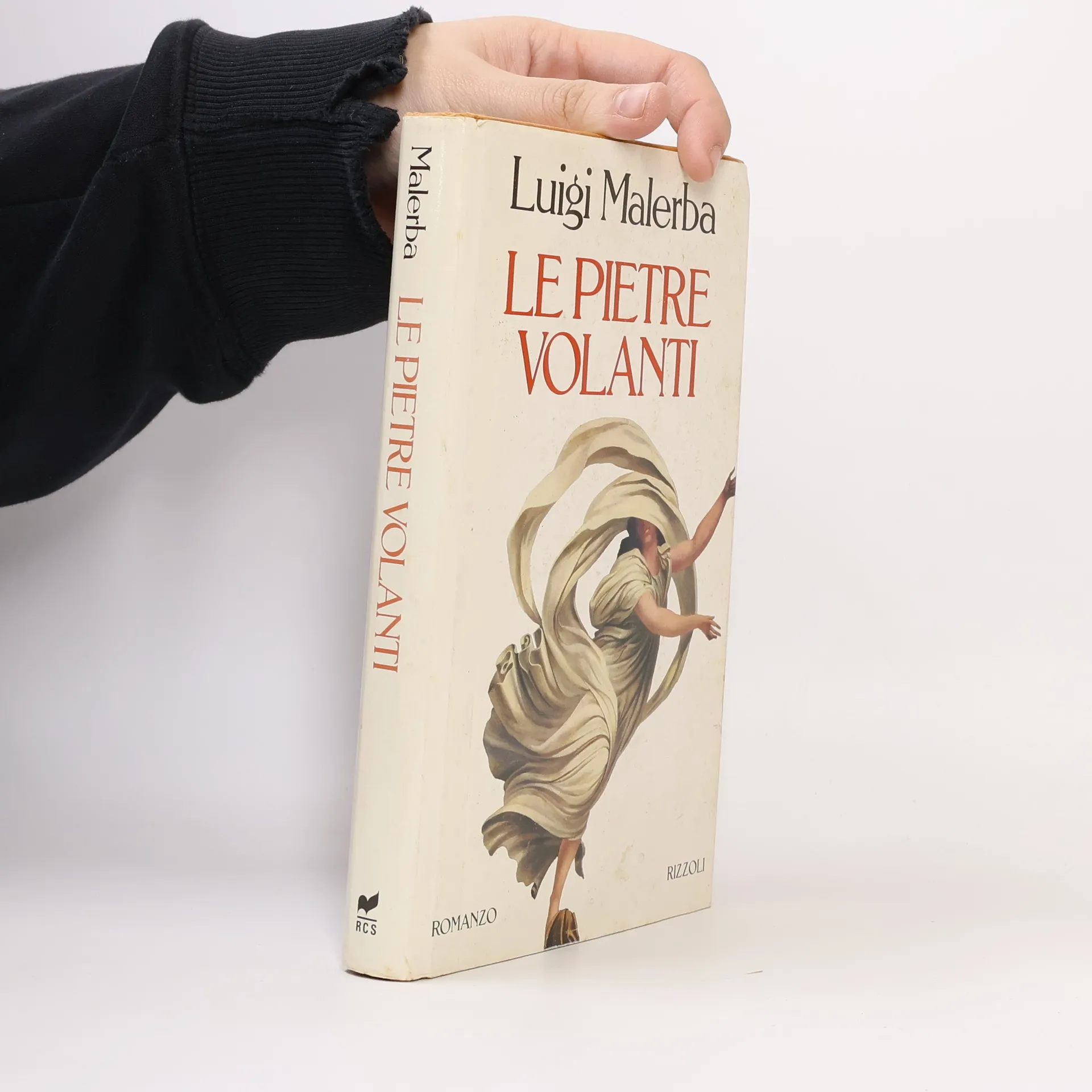
Scala: Le pietre volanti
- 271 stránek
- 10 hodin čtení
Le pietre volanti – ha raccontato il suo stesso autore – è nato davanti a un quadro di Fabrizio Clerici, nel quale Malerba ha ritrovato quasi un simbolo dell’inquietudine che ne attraversa tutta l’opera artistica. Sensazione rafforzata dalle conversazioni, divaganti e profonde, con il pittore, che forniscono il pretesto iniziale al romanzo. Libro intenso, dal grande fascino, premiato con il Viareggio e il Campiello, Le pietre volanti mette in scena come protagonista-narratore proprio un pittore che racconta gli anni della sua formazione umana e professionale, la nascita di una vocazione ma anche la scoperta dell’impossibilità di avere relazioni umane, della ineluttabilità della solitudine, della vacuità insita in ogni legame e del dolore inseparabile da ogni sentimento.
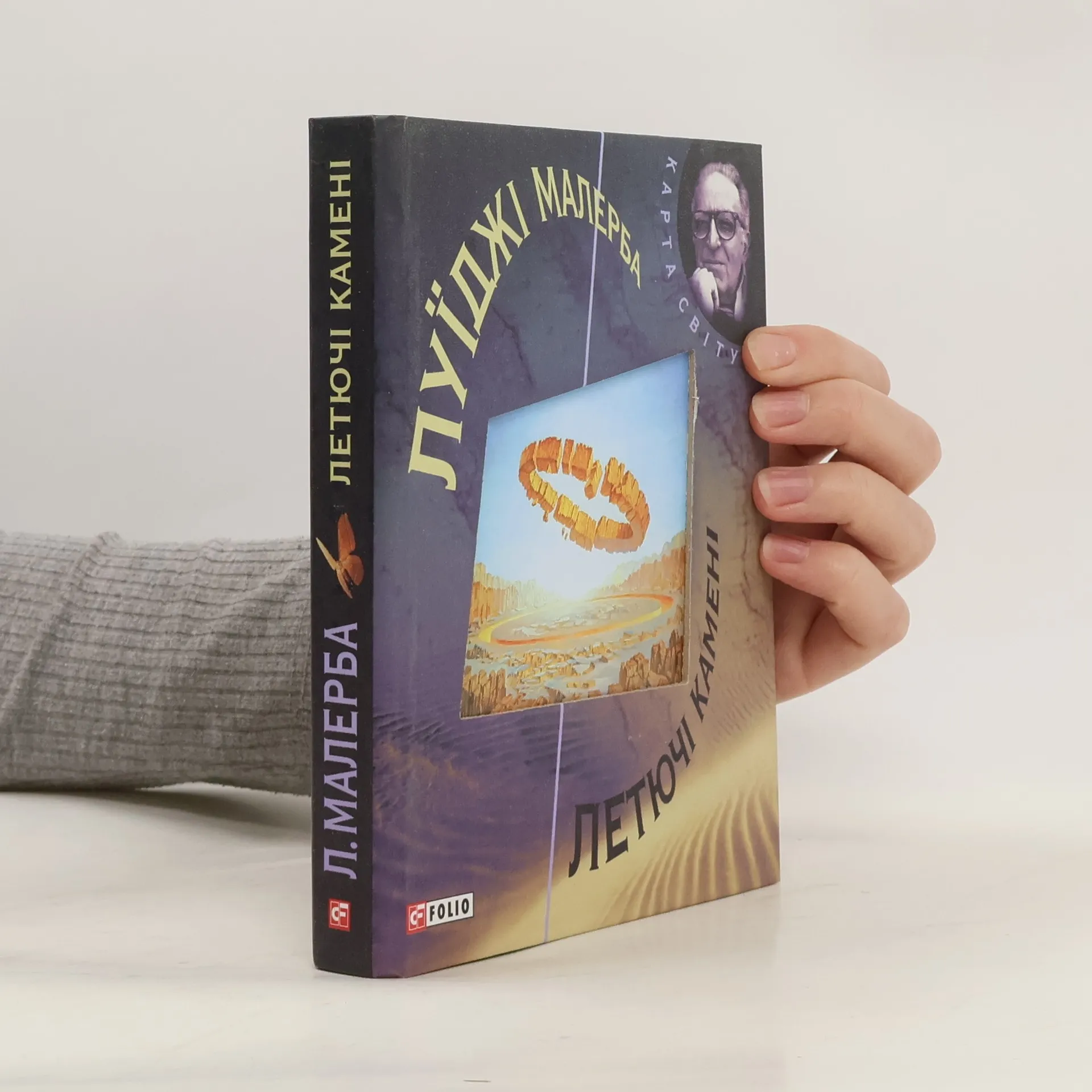
Летючі камені
- 317 stránek
- 12 hodin čtení
Bogen blev født foran et maleri af Fabrizio Clerici, som forestiller flyvende sten og kan ses på bogens omslag. Det er symbolet på forfatterens rastløshed, hvor han i bogen iscenesætter en maler som hovedperson, der fortæller om sin uddannelse og opdagelsen af sit kald, men også om manglen på menneskelige relationer, om ensomhedens uundgåelighed og smerten i enhver følelse
Luigi Malerba, ein weiser Ironiker der italienischen Literatur, begeistert mit cleveren Geschichten, die die Grenze zwischen Lüge und Wahrheit sowie zwischen Erfindung und Realität geschickt verwischen.
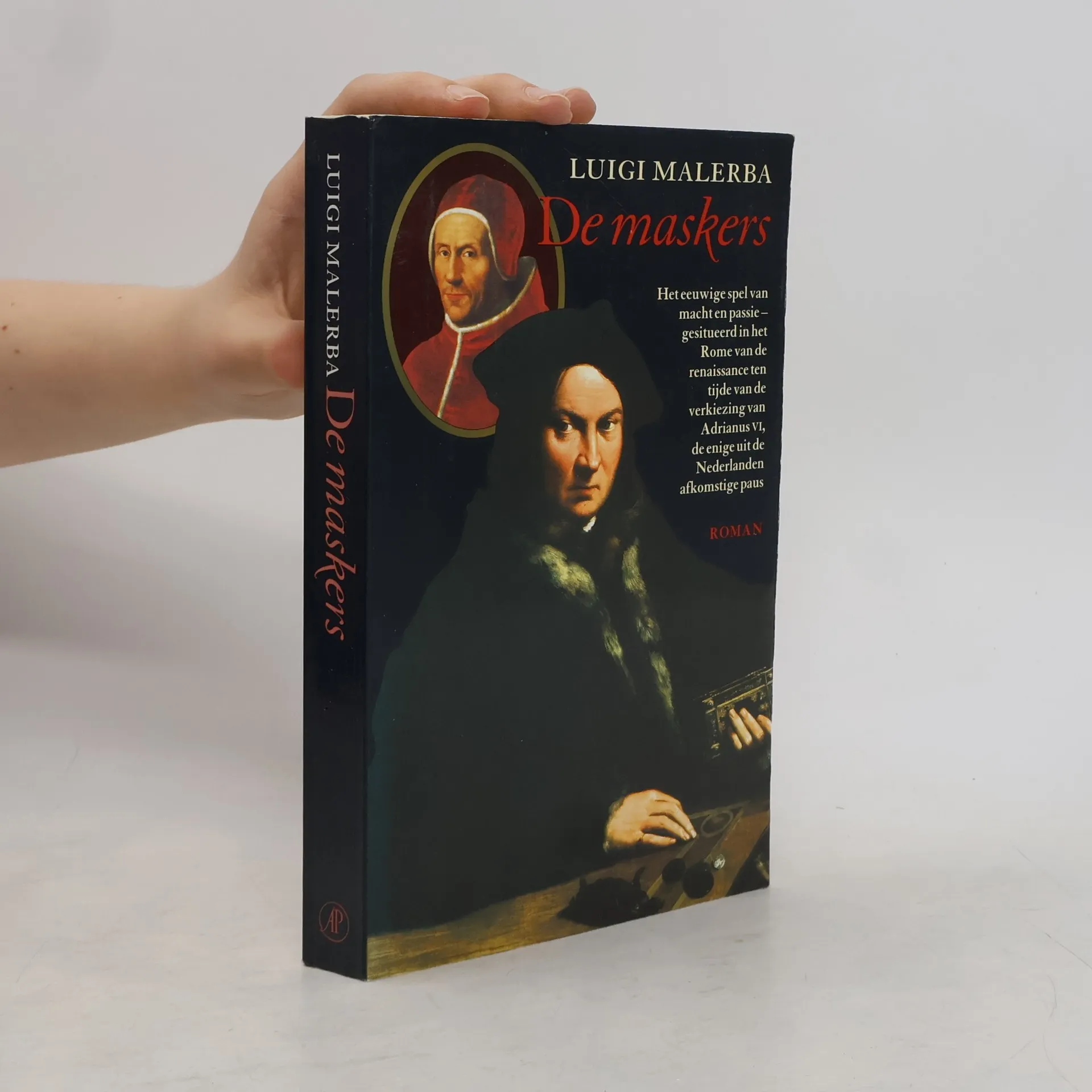
De maskers
Het eeuwige spel van macht en passie – gesitueerd in het Rome van de renaissance ten tijde van de verkiezing van Adrianus VI, de enige uit de Nederlanden afkomstige paus. Roman
- 244 stránek
- 9 hodin čtení
Roma, 1521. L'improvvisa morte di Papa Leone X getta la Curia nello scompiglio. Rinchiusi nei loro pallazzi, i Principi della Chiesa nutrono sogni ambiziosi tramano oscuri disegni di morte. Il magnifico e ironico affresco di un'epoca raffinata e crudele.
Der Held dieses Romans ist Römer. Er steht im Dienst eines Herrn mit einer Schwäche für Mumien, Walfische und einen bronzenen Pferdehintern. Er hat von sich selbst die allerhöchste Meinung, vergleicht sich mit Obelisken, träumt von großen Tunneln und wäre gern lang und stark wie der Schnellzug Mailand-Rom. Luigi Malerbas Roman porträtiert eine italienische Hauptfigur aus ebenso herausragender wie ungewöhnlicher Perspektive.
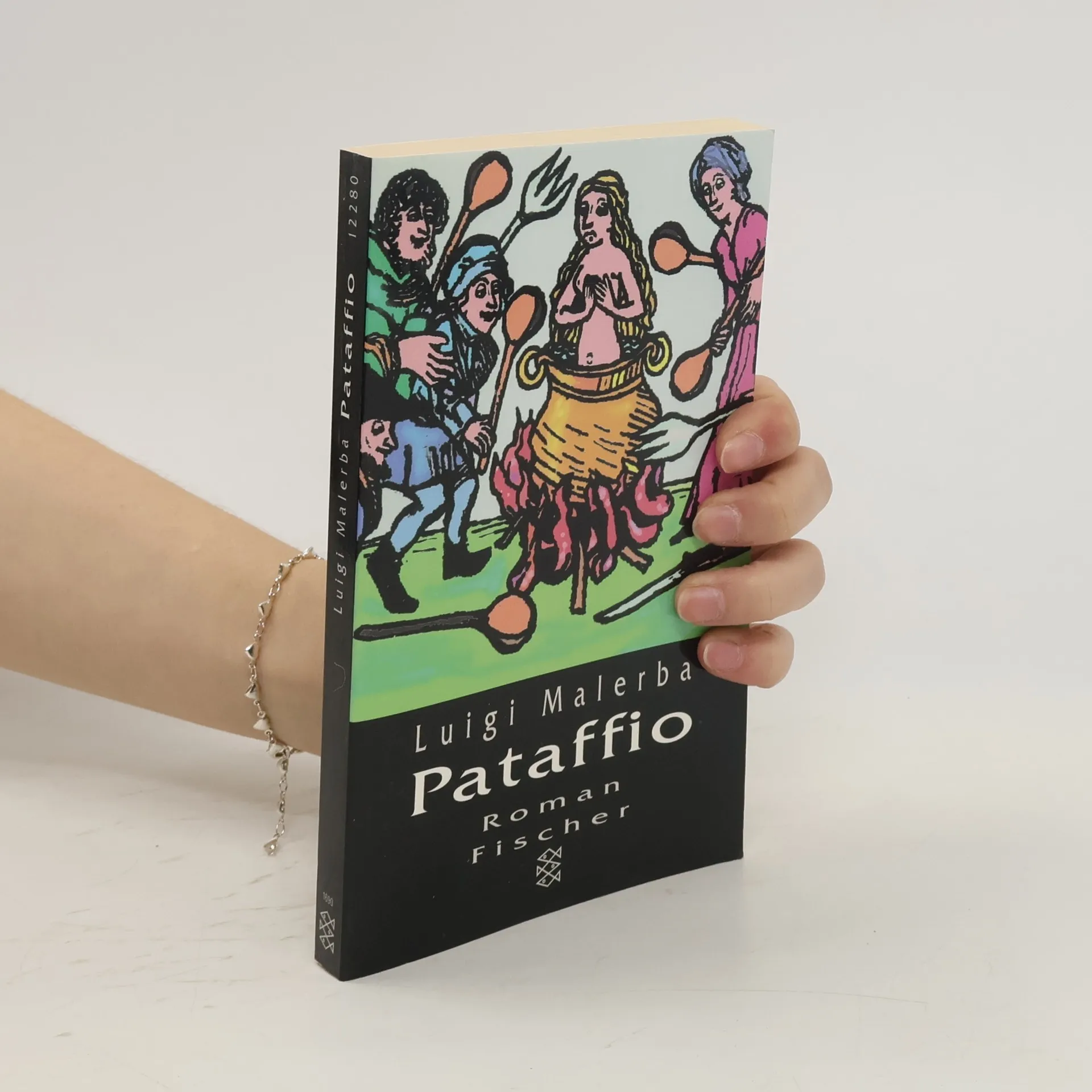
Pataffio ist Malerbas heiterstes Buch. Es erzählt von vertrauten Gewohnheiten in alten Zeiten: dem Hunger und dem Fressen, der Anarchie und dem Gottvertrauen, der Lust und der Moral. Ein eben verehelichter sagenhafter Graffzog Bellaugh, mit unwarscheinlichen drei Eyern, will samt Gattin Varginia, Pater Kapuzo und anderem Gesinde sein Erbschloß beziehen, woran ihn Bauern hindern. Alle haben Hunger, nicht nur auf ordinäre Schweinswörste, sondern auch auf so verbreitete Dinge wie Saftrammel oder Rappelfuffi. Malerba – in der kongenialen Übersetzung von Moshe Kahn – zeigt uns ein ganz anderes Mittelalter, mit Rittern als Jammerlappen, Pfaffen als Fahnenschwingern der Herrschaft und Bauern als Schlaubergern. Und in einem handelt dieser anarchische Roman auch von unseren Zeiten: Alle wollen an die Macht, aber keiner nimmt sie ernst. »Ein Spaß von rabelaisschen Ausmaßen und zugleich ein erotisches Sprachabenteuer…« Frankfurter Rundschau
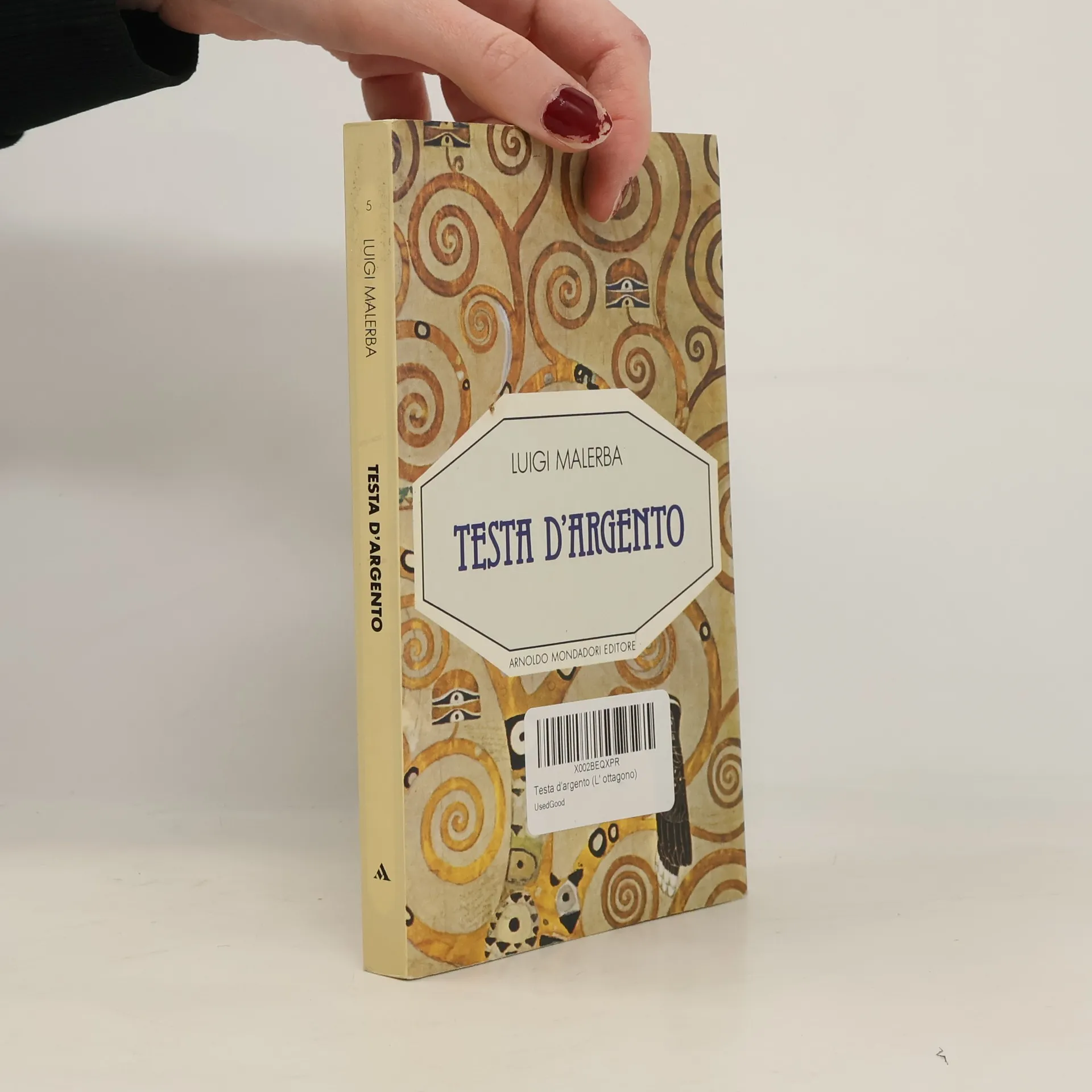
L'ottagono - 5: Testa d'argento
- 197 stránek
- 7 hodin čtení
Pubblicato per la prima volta nel 1988 e vincitore del Premio Grinzane Cavour, Testa d'argento raccoglie una serie di racconti narrati tutti in prima persona, perché - come scrisse l'autore - il lettore potesse meglio "entrare nei panni e nell'anima dei suoi personaggi". Diversissime tra loro sono tuttavia queste storie, sia per la varietà dei protagonisti sia per la difformità delle orbite entro cui essi si muovono. Ciò che accomuna l'io narrante di tutti i racconti è quel modo di agire suscitato da una bizzarria del carattere - quando non si tratta di veri e propri disturbi della personalità - così tipico delle opere migliori di Malerba. L'autore finisce così per disegnare una geografia umana curiosa e inquietante, una mappa della società e dell'esistenza multiforme e cangiante, esplorata in tutta la sua complessa contraddittorietà attraverso un linguaggio acutamente inventivo.
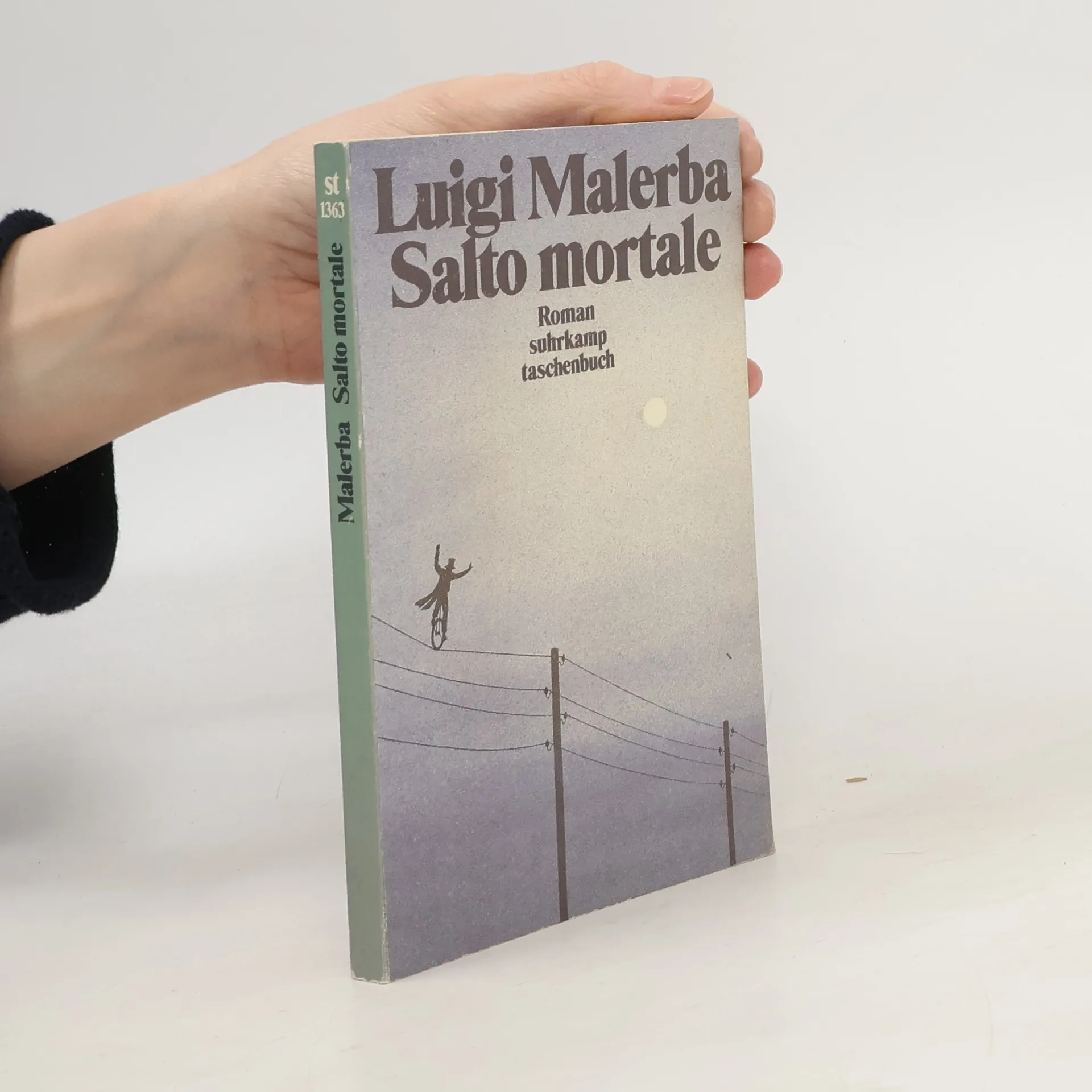
Am Anfang steht ein Verbrechen: in einer Wiese in der Nähe von Rom wird ein Bein und ›der an diesem Bein befestigte Körper eines Mannes mit durchgeschnittener Kehle‹ entdeckt. Die absurd-poetische Kriminalstory, die in jedem Kapitel neue Konstellationen und Verwirrungen schafft, ist aber nur ein Aspekt dieses Salto mortale, der darüber hinaus eine unerbittlich genaue Diagnose der sozialen und wirtschaftlichen Zustände in der römischen Campagna stellt, wo die militärischen Überschallflugzeuge, die teerverschmutzten Strände, die Antennen des Vatikanischen Radios, die verlassenen Felder und die Armut der Einwohner sich zu einem grotesken Zerrbild der modernen Konsumgesellschaft zusammenfügen.
Der gestiefelte Pinocchio
- 41 stránek
- 2 hodiny čtení
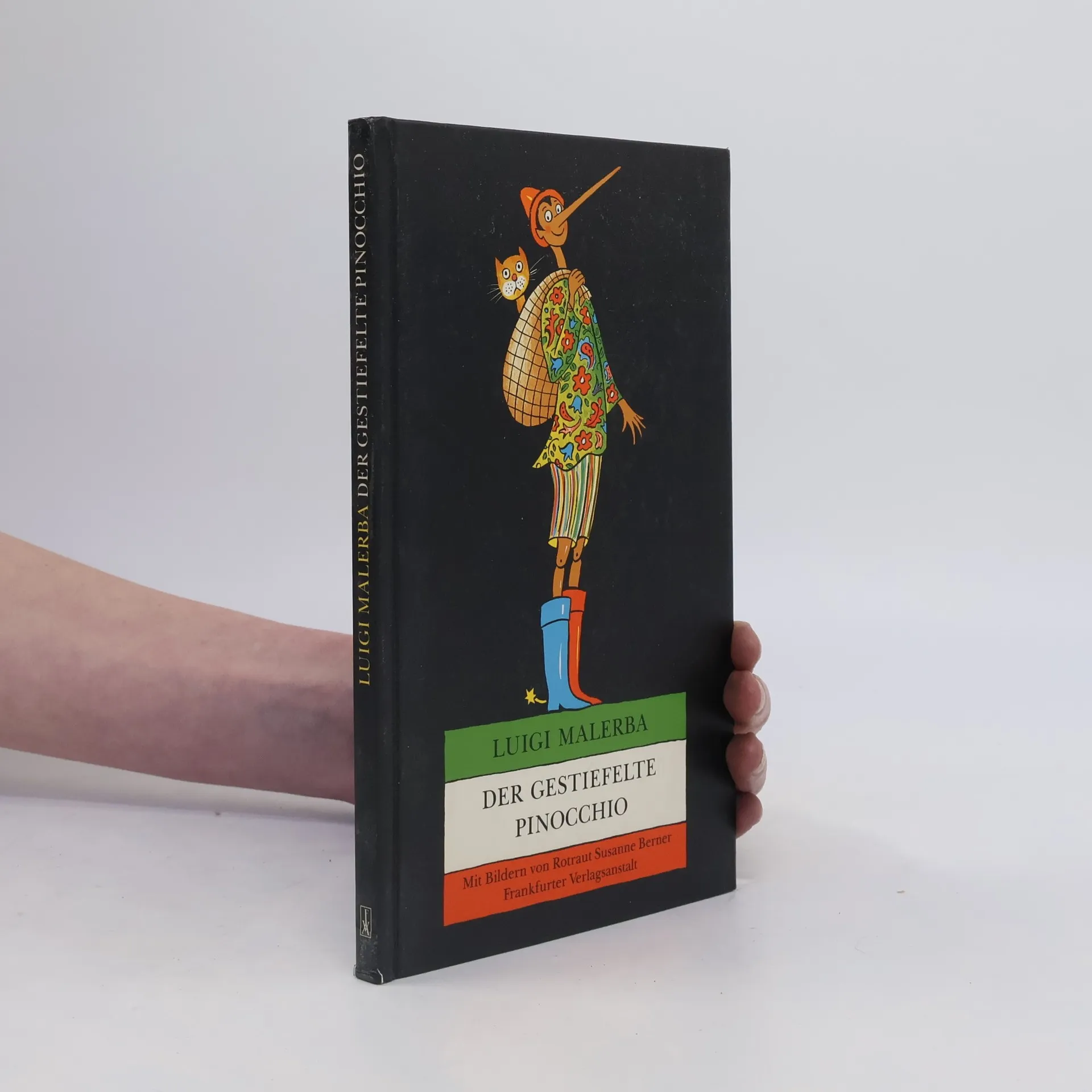
Pinocchio wird auf verschiedene Weise interpretiert, wobei der Autor eine Rückkehr zur Kindheitserfahrung beschreibt. Im fünfunddreißigsten Kapitel schwimmt Pinocchio mit seinem Vater Gepetto im Meer und kämpft mit Gewissensbissen. Er versucht, sich in verschiedene Märchen einzufügen, hat jedoch kein Glück und sorgt für Chaos.
Einaudi Tascabili - 223: Storiette e storiette tascabili
- 168 stránek
- 6 hodin čtení
En las páginas de este libro aparecen y desaparecen, como en el escenario de un pequeño teatro mágico, una serie de curiosos cerdos que sueñan con ser caballos, hombres empeñados en calcular la hipotenusa del elefante, zanahorias que envidian a las cebollas, investigadores que desean tener aspecto de caracol, escorpiones que hacen concursos de belleza con las arañas, jóvenes que quieren sorprender a ese extraño ser llamado futuro...
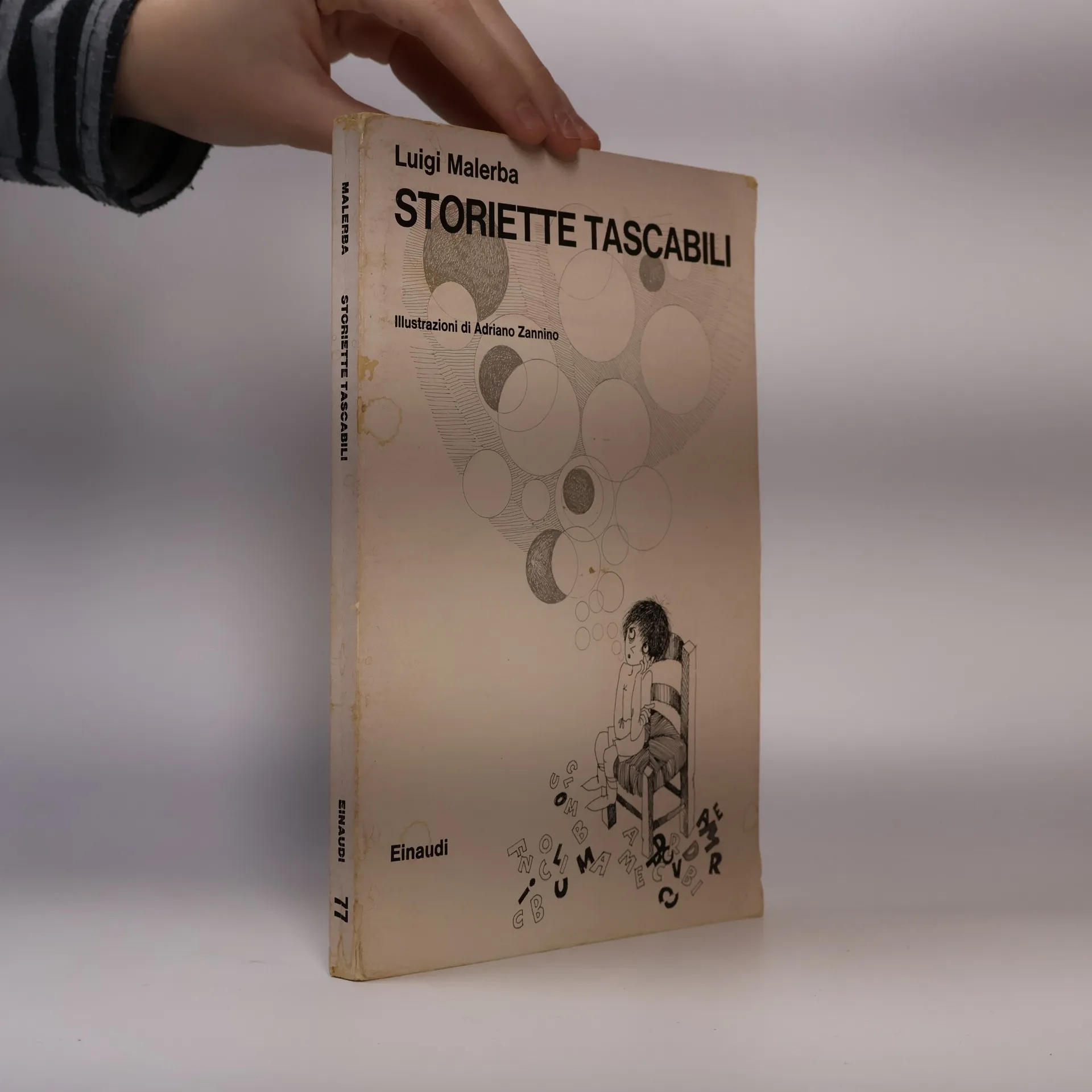
Storiette tascabili
- 118 stránek
- 5 hodin čtení
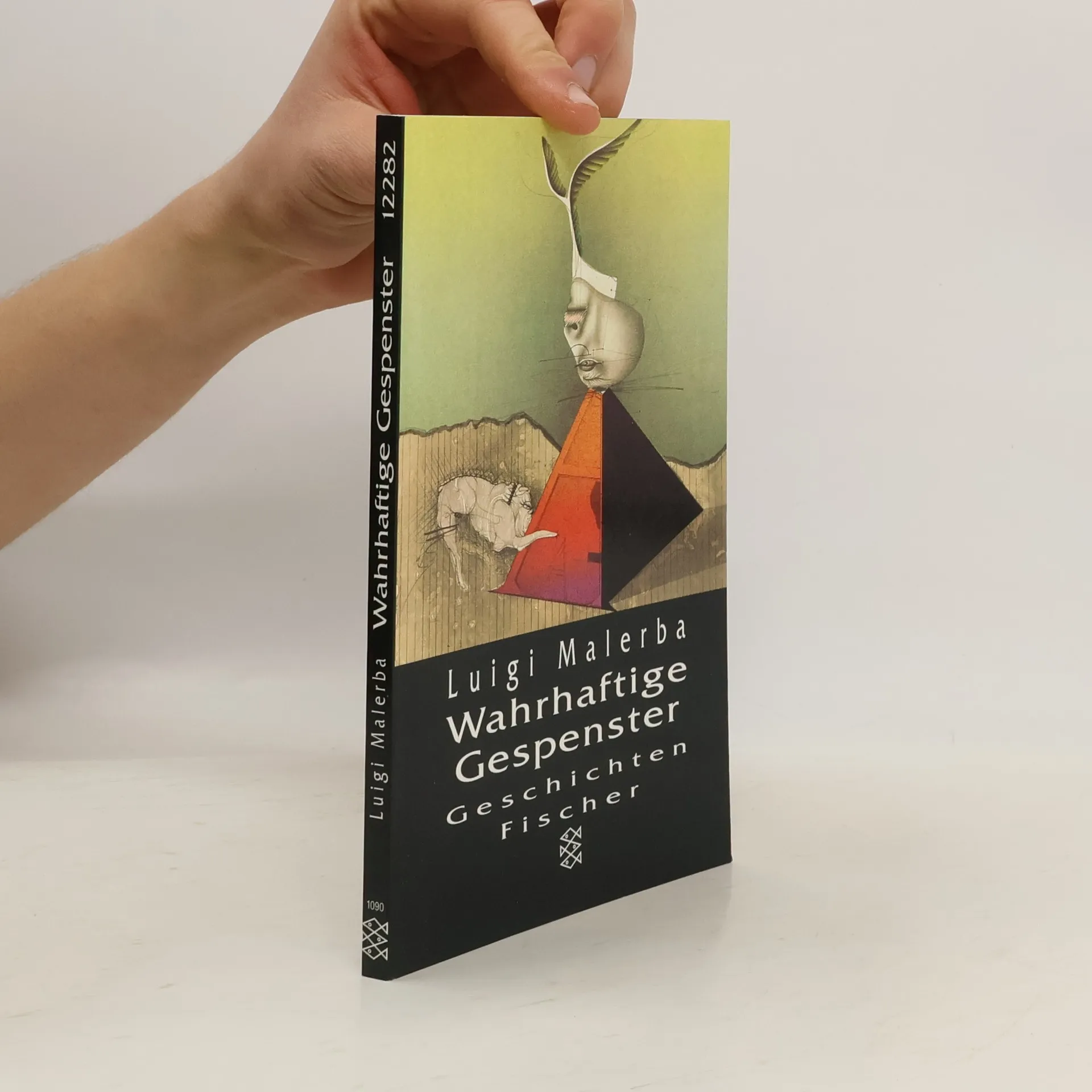
Es geht um nichts weniger als um »die überfällige Entdeckung der menschlichen Seele in all ihren hühnerhaften Aspekten« (Italo Calvino): vom psychoanalytischen Huhn, das die Sublimierung des Eis predigt, über das fromme Huhn, das Johanna mit Laurentius verwechselt, bis zum postmodernen Huhn, das gleichzeitig den Stall und sich selbst erleuchten will.
La scoperta dell'alfabeto
- 191 stránek
- 7 hodin čtení
'La fine di una certa civiltà contadina non è per Malerba (...) la fine di un idillio. Dietro le figure paradossali e caricaturali che animano il mondo della Scoperta si intravede (...) la lotta contro la fame e la fatica, la violenza, la difficoltà dei rapporti umani inquinati ab aeterno dalla pena di vivere e dalla necessità di sopravvivere spesso a danno degli altri. Una storia antica che arriva a lambire le soglie di una civiltà fondata sui consumi e su una circolazione del denaro impensabile per gli abitanti di Pietramagolana e dintorni, intenti ad allevare galline senza cibarsene quasi mai. E' un 'inferno' che (...) Malerba ci fa vedere quasi esclusivamente dal di dentro; un mondo chiuso che non riesce a riscattarsi nemmeno quando esporta persone in America o in Inghilterra; un mondo che si appartiene per intero e che nemmeno la tragedia della seconda guerra mondiale (che qui vediamo apparire e sparire sullo sfondo delle vicende narrate) riesce a intaccare seriamente.'
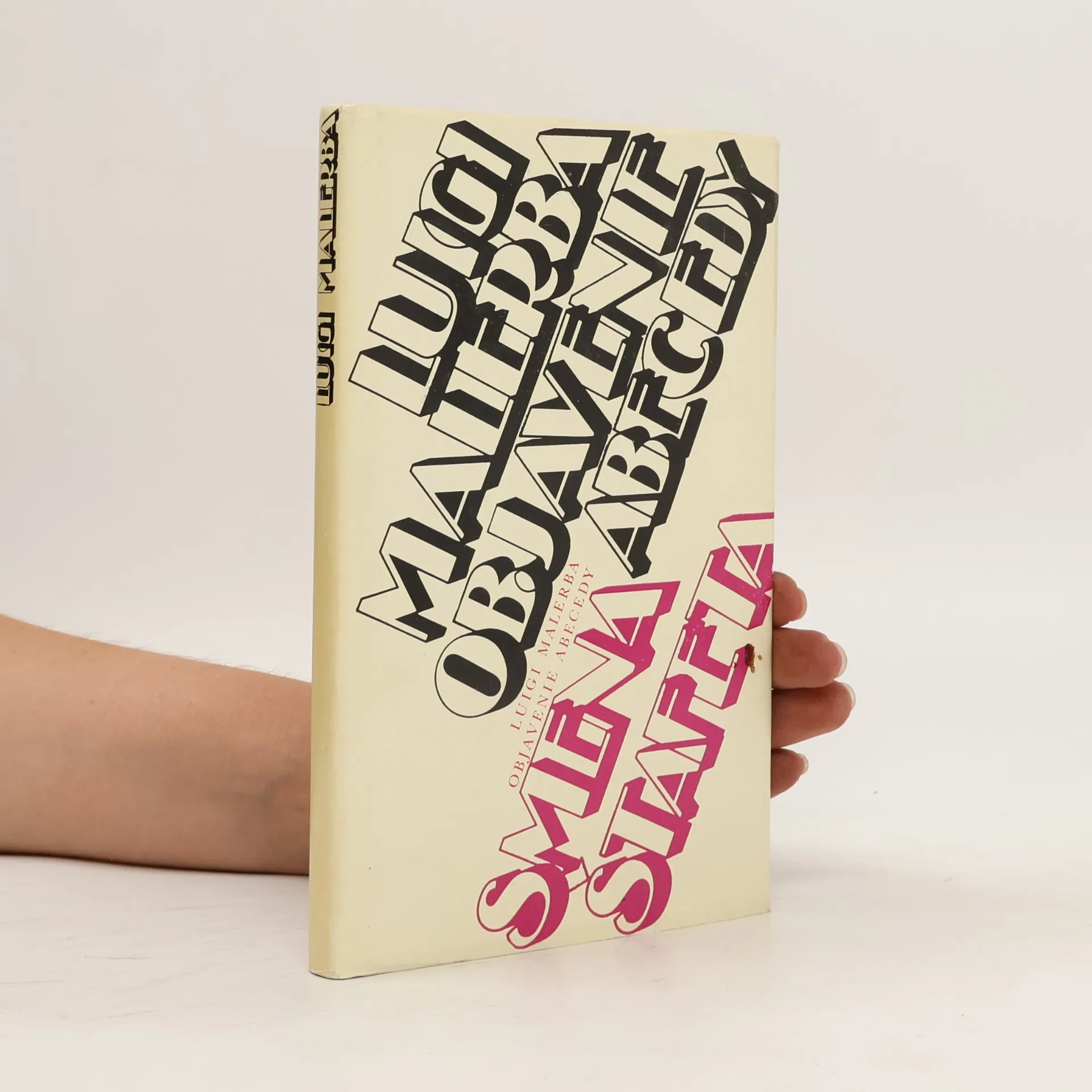
Objavenie abecedy
- 131 stránek
- 5 hodin čtení
Krátke prózy talianskeho autora - Objavenie abecedy, Oheň a plameň, Obrúčka v snehu, Doláre, Mlčanie, Láska v studni, Morská voda, Teplá posteľ, Bomba, Zelená ako more.
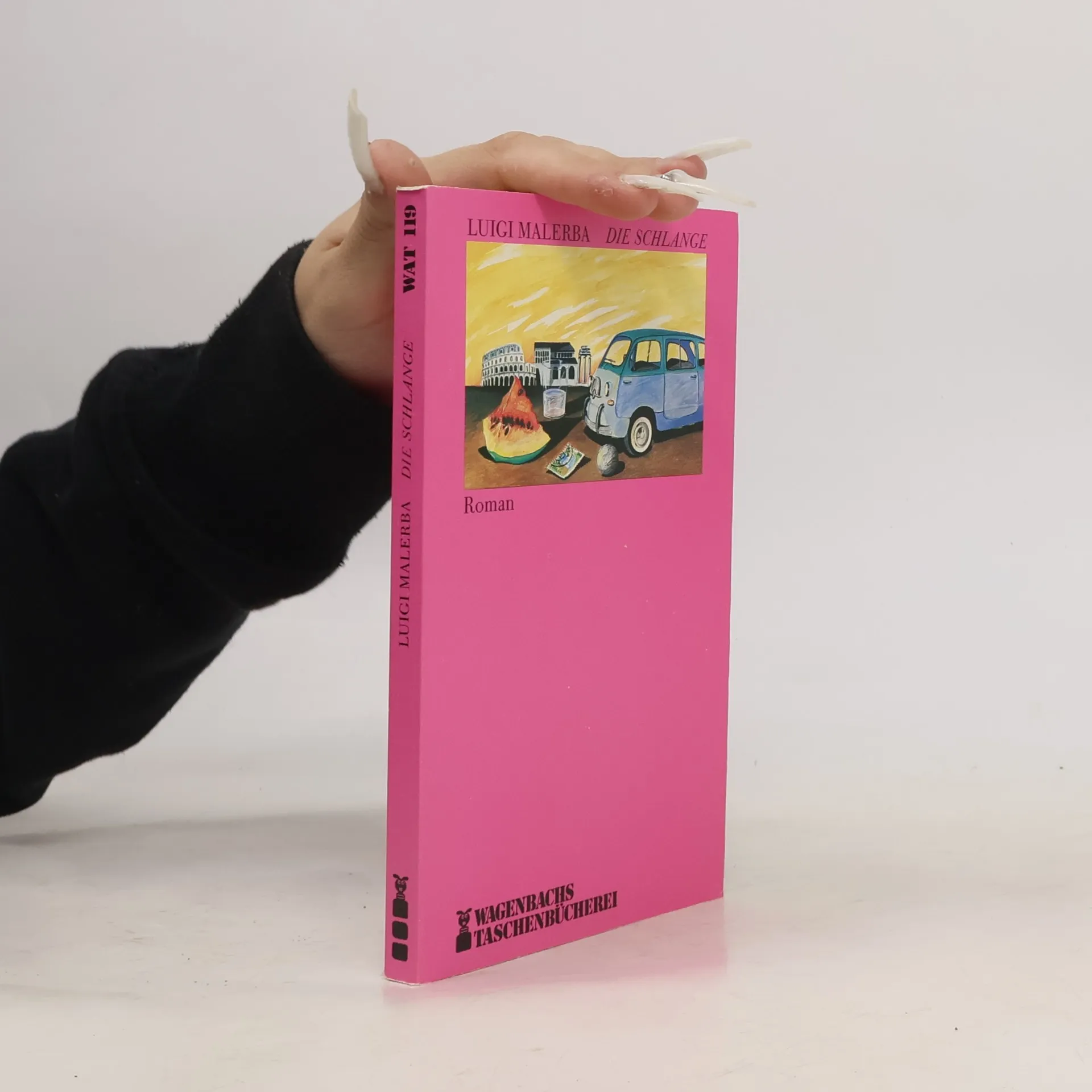
Die Schlange
- 162 stránek
- 6 hodin čtení
Luigi Malerba wurde am 11. November 1927 in Berceto geboren. Er ist Mitbegründer der Gruppe 63 und lebt in Rom und Orvieto. Malerba ist einer der bedeutendsten Autoren der italienischen Gegenwartsliteratur.