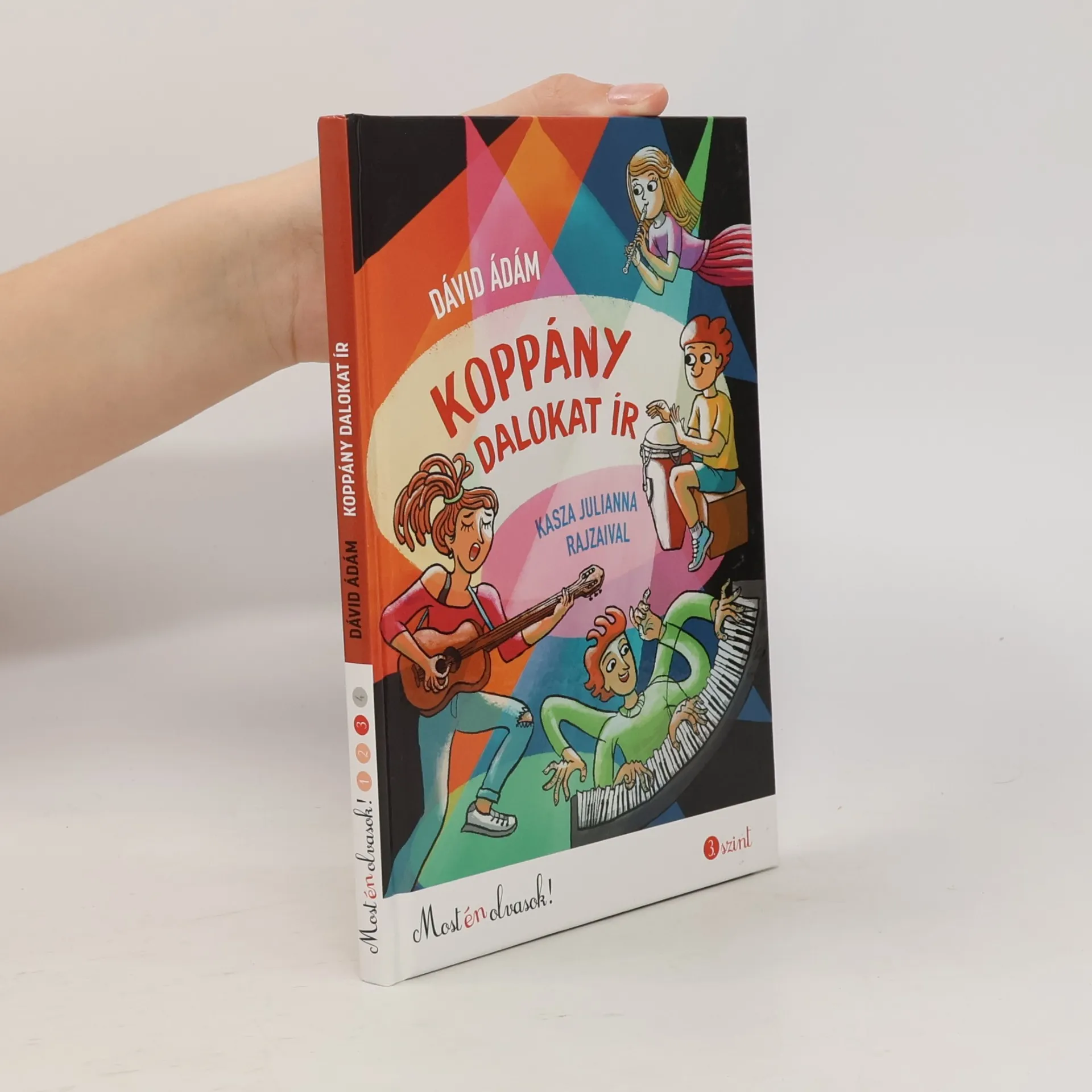
Ááááá-óóóó, a nyár de marha jó! Kivéve, hogy Koppány testvérei megállás nélkül csak zenélnek, ahelyett, hogy vele játszanának. A számaik nagyon jók, de a dalszövegek csak nem sikerülnek. Még szerencse, hogy Koppány és Hanga profi szófocisták! A Most én olvasok!-sorozat elindításával a Pagony régi vágya teljesült: egy szisztematikusan felépített, pedagógusi szakértelemmel megtámogatott kortárs, magyar „olvasni tanulok"-sorozatot építünk. A Pagony legkiválóbb szerzői öt-öt könyvet írnak különböző nehézségi szinteken, melyek közül a bevezető szint a nagybetűs kötet. A történetek lazán összefüggnek egymással, de természetesen önállóan is olvashatók. 3. SZINT: oldalanként 8-10 mondat, bővített és összetett mondatok, nehezebb, hosszabb szavak, bonyolultabb történetszövés, 5-8 éveseknek.
David Adam Pořadí knih (chronologicky)
David Adam je oceňovaný novinář, který se ve své tvorbě věnuje vědě, životnímu prostředí, technologiím a medicíně a jejich dopadům na lidi, kulturu a společnost. Po téměř dvou desetiletích práce jako redaktor v časopisech Nature a The Guardian začal v roce 2019 působit jako nezávislý novinář. Jeho psaní proniká do složitých témat s jasností a hloubkou. Zaměřuje se na to, jak tyto oblasti formují naši budoucnost a jak se v nich orientujeme jako společnost.
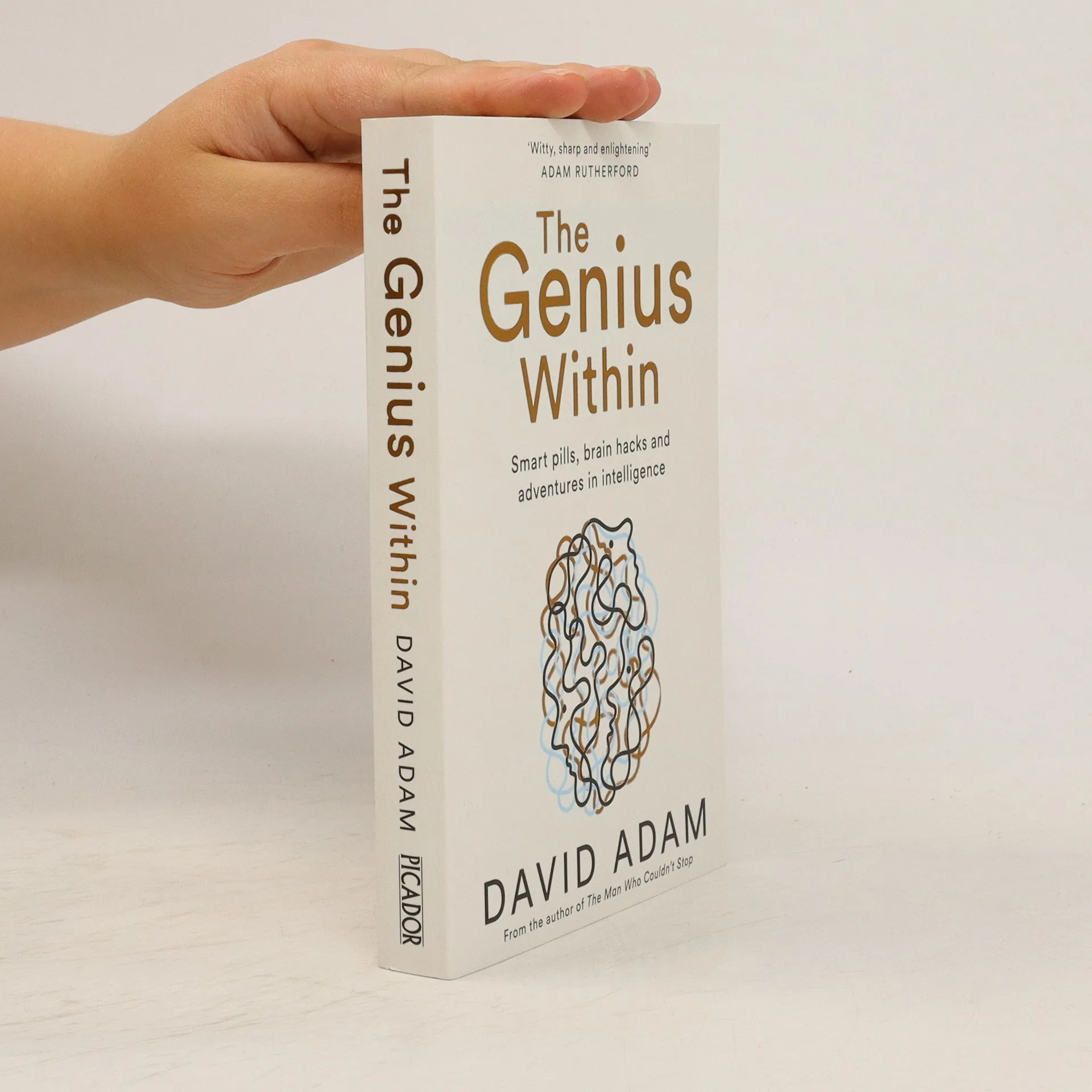
The genius within : smart pills, brain hacks and adventures in intelligence
- 336 stránek
- 12 hodin čtení
From the Sunday Times bestselling author of The Man Who Couldn't Stop. 'Witty, sharp and enlightening . . . This book will make you smarter' Adam Rutherford. What if you have more intelligence than you realize? What if there is a genius inside you, just waiting to be released? And what if the route to better brain power is not hard work or thousands of hours of practice but to simply swallow a pill?In The Genius Within, bestselling author David Adam explores the ground-breaking neuroscience of cognitive enhancement that is changing the way the brain and the mind works – to make it better, sharper, more focused and, yes, more intelligent. Sharing his own experiments with revolutionary smart drugs and electrical brain stimulation, he delves into the sinister history of intelligence tests, meets savants and brain hackers and reveals how he boosted his own IQ to cheat his way into Mensa.Going to the heart of how we consider, measure and judge mental ability, The Genius Within asks difficult questions about the science that could rank and define us, and inevitably shape our future.
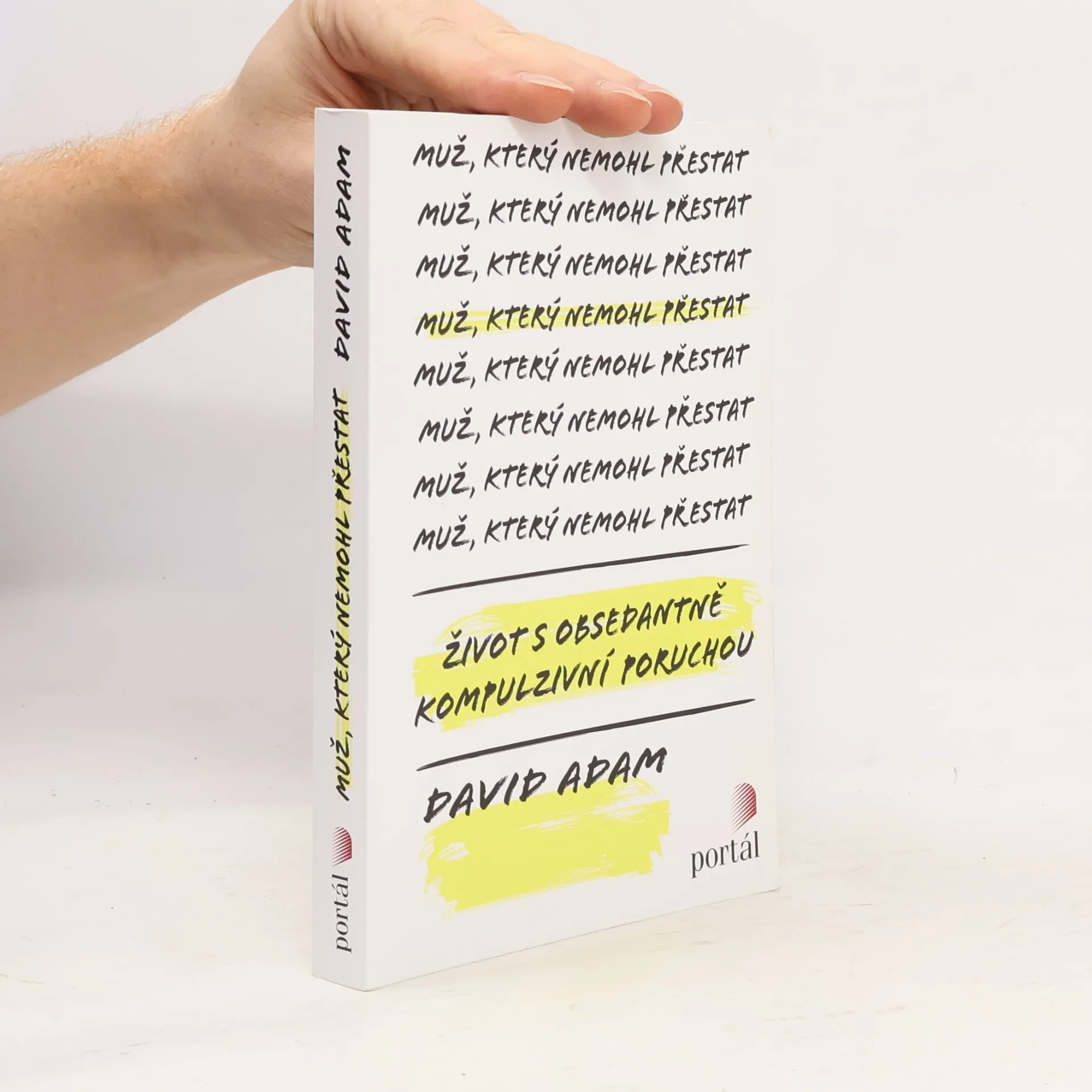
Muž, který nemohl přestat
Život s obsedantně kompulzivní poruchou
Podtitul: Život s obsedantně kompulzivní poruchou. „Řekněme, že stojíte blízko okraje útesu a užíváte si výhled. Není tu žádná bezpečnostní zábrana a část vašeho mozku, která hlídá možná nebezpečí a instinktivně se jim vyhýbá, znervózní a vyšle signál nohám, aby udělaly krok zpět, a riziko tím snížily. Jiná část mozku tento příkaz pohnout nohama zaznamená a snaží se ho vysvětlit tím, že porovná imaginární hrozbu s realitou. Žádná bezprostřední hrozba tu však není. Klidně stojíte. Proč tedy ustupovat zpět? V čem je problém? Mozek – generátor vtíravých myšlenek – vystřelí (iracionální) návrh: problém musí být v tom, že jsi chtěl skočit.“ Vtíravé myšlenky má občas téměř každý. Ať už se týkají jídla, sexu, násilného chování, devět z deseti lidí občas napadne něco, co vzápětí vnímají jako šokující, nepřiměřené či děsivé. Pokud se takové nechtěné myšlenky vracejí opakovaně a donutí člověka vyhýbat se jim pomocí rituálů v chování, může se takové myšlení a chování rozvinout v obsedatně kompulzivní poruchu. Autor, který sám přes dvacet let s touto poruchou zápolí, v upřímné snaze jí porozumět nabízí přehled psychologických, výzkumných, historických, ale i osobních postřehů a poznatků. Osobní příběh se prolíná celou knihou od prvního výskytu, kdy se nemoc ozvala jako „sněhová vločka uprostřed léta“, přes rozvoj složitých kompulzivních obran proti vtíravým myšlenkám, až po léčbu ve skupinové terapii KBT.
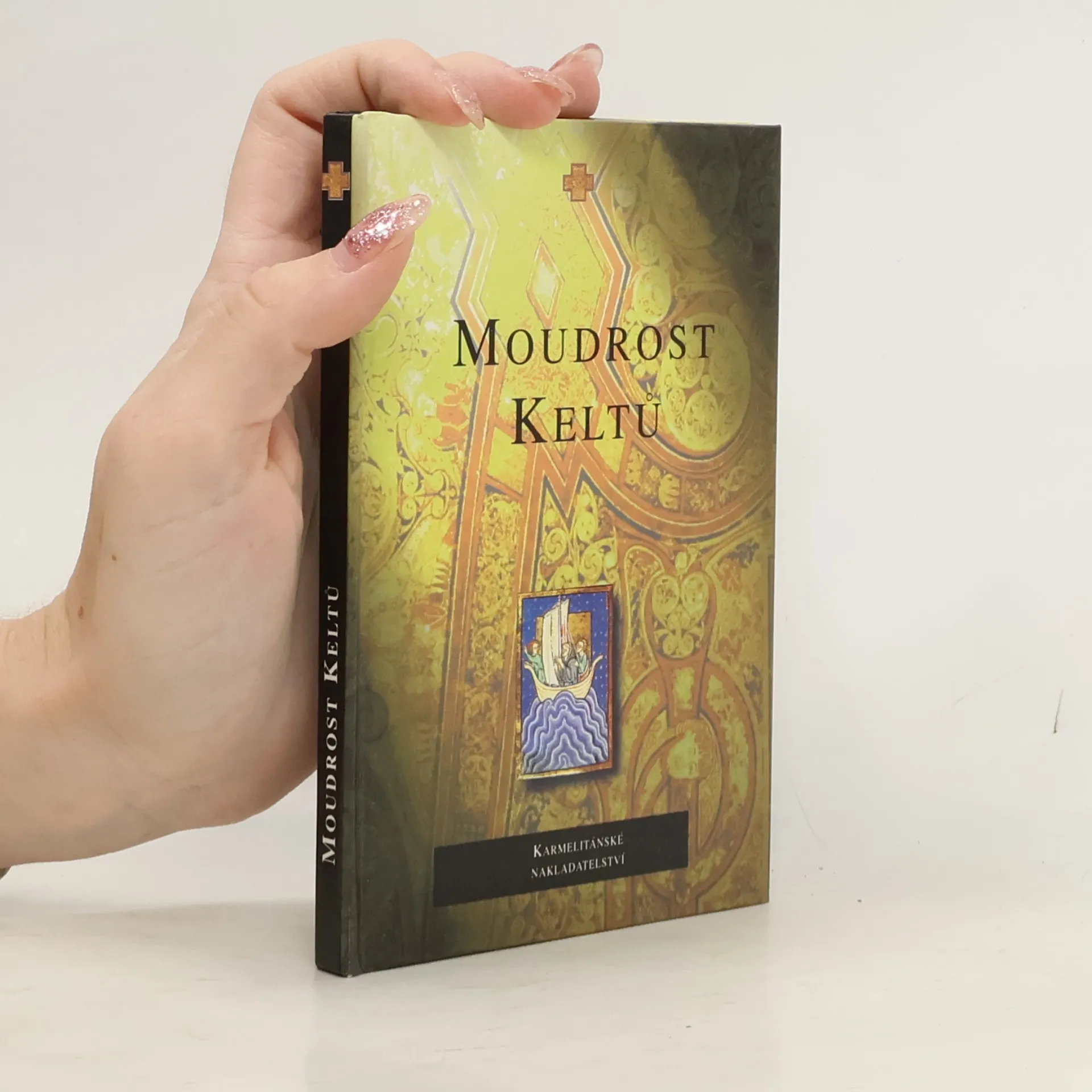
Moudrost Keltů
- 48 stránek
- 2 hodiny čtení
Knihy čerpající z pokladů duchovní tradice. Texty jsou bohatě doprovázeny barevnými reprodukcemi.
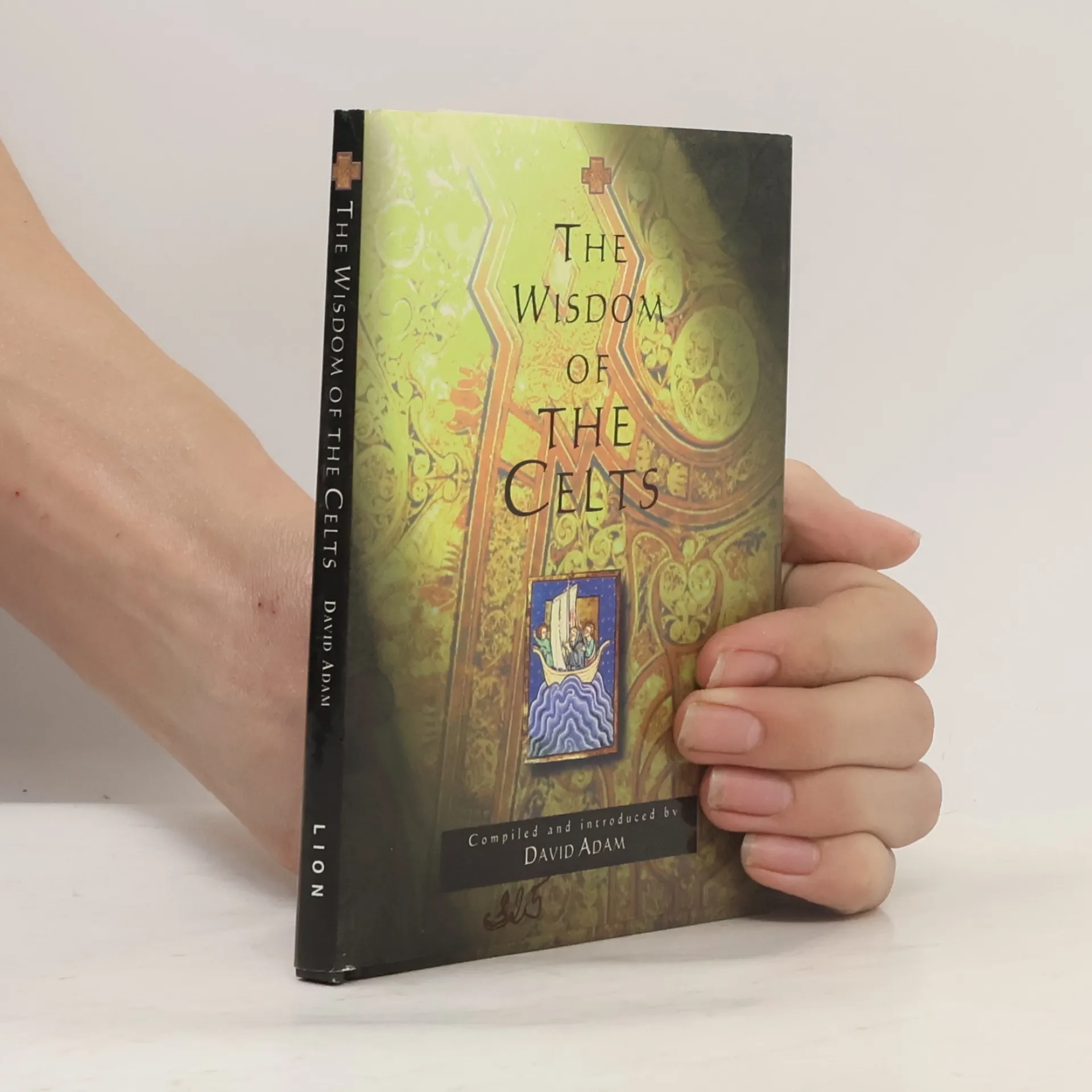
Wisdom: The Wisdom of the Celts
- 48 stránek
- 2 hodiny čtení
The spiritual wisdom of the Celts has been preserved in poetry - a poetry invoking God's blessing on every aspect of human life, that celebrates the wonder and power of nature, and that encourages a deeper awareness of the divine presence in all creation. This anthology expresses the essence of a spirituality that can help people rediscover the mystery of God in both the mundane and momentous happenings in their lives and in the world around them. The aim of "The Wisdom Of" series is to introduce people to the spiritual heritage of the Christian faith. This will include people who want to explore and develop the spiritual dimension of their lives, but who may be wary of institutional forms of religion and worship. David Adam is the author of "The Edge of Glory", "The Eye of the Eagle" and "The Cry of the Deer".
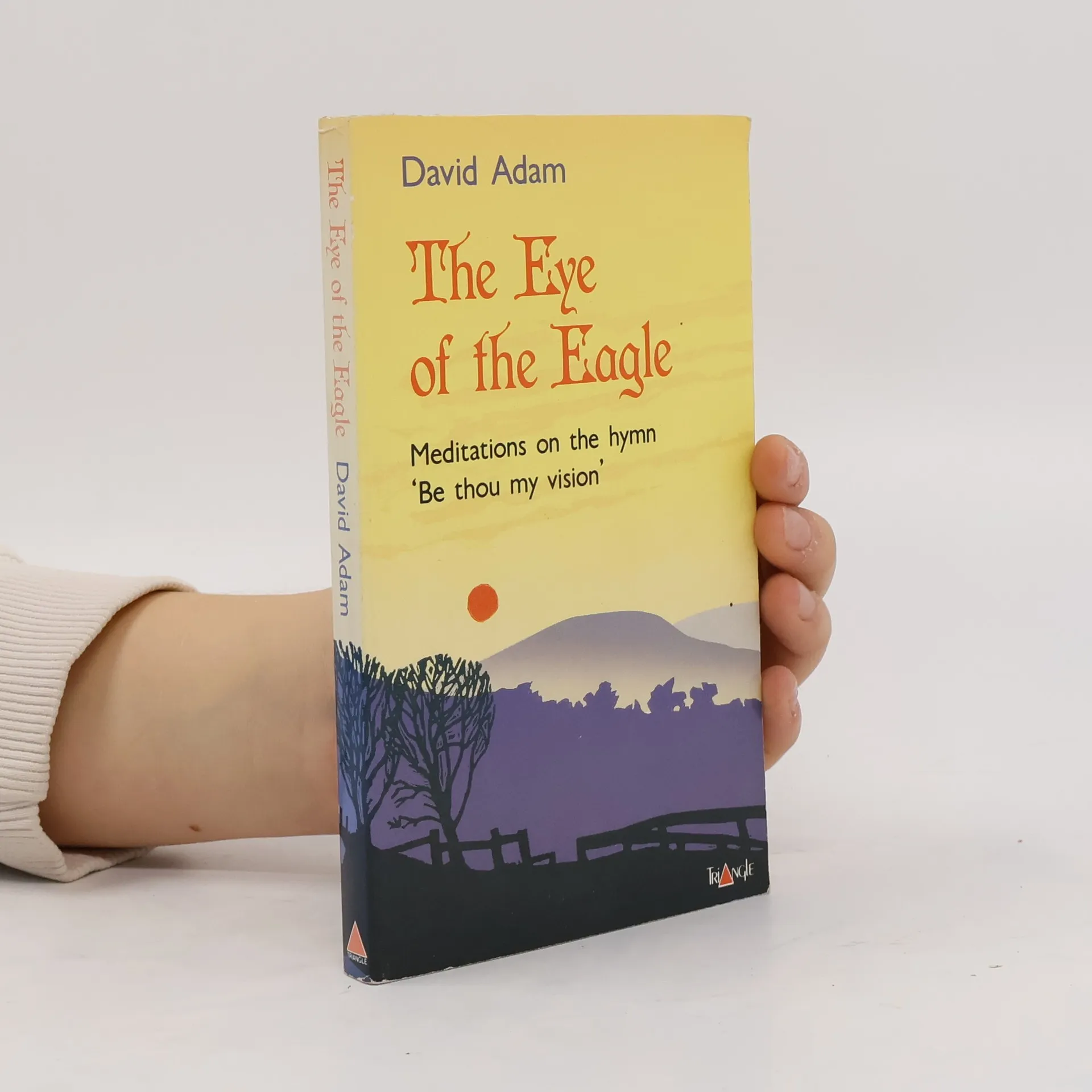
The Eye of the Eagle
- 192 stránek
- 7 hodin čtení
The Celtic hymn, Be Thou My Vision is still popular after 12 centuries because of its vivid response to our deep human need for God. David Adam takes the reader through this hymn, seeking to discover the spiritual riches that are hidden in all our lives.