Knihobot

Francis Fukuyama

    27. říjen 1952

    Francis Fukuyama je americký filozof a politický ekonom, jehož práce se zabývá otázkami historického vývoje, ideologií a budoucnosti liberální demokracie. Proslavil se svou tezí o „konci dějin“, v níž argumentoval, že liberální demokracie představuje konečný bod ideologického vývoje lidstva. Později však svou práci rozšířil o zkoumání dopadů biotechnologií na lidskou přirozenost a stabilitu společenských řádů, čímž do své původní teorie vnesl nové nuance a obavy.

    Francis Fukuyama
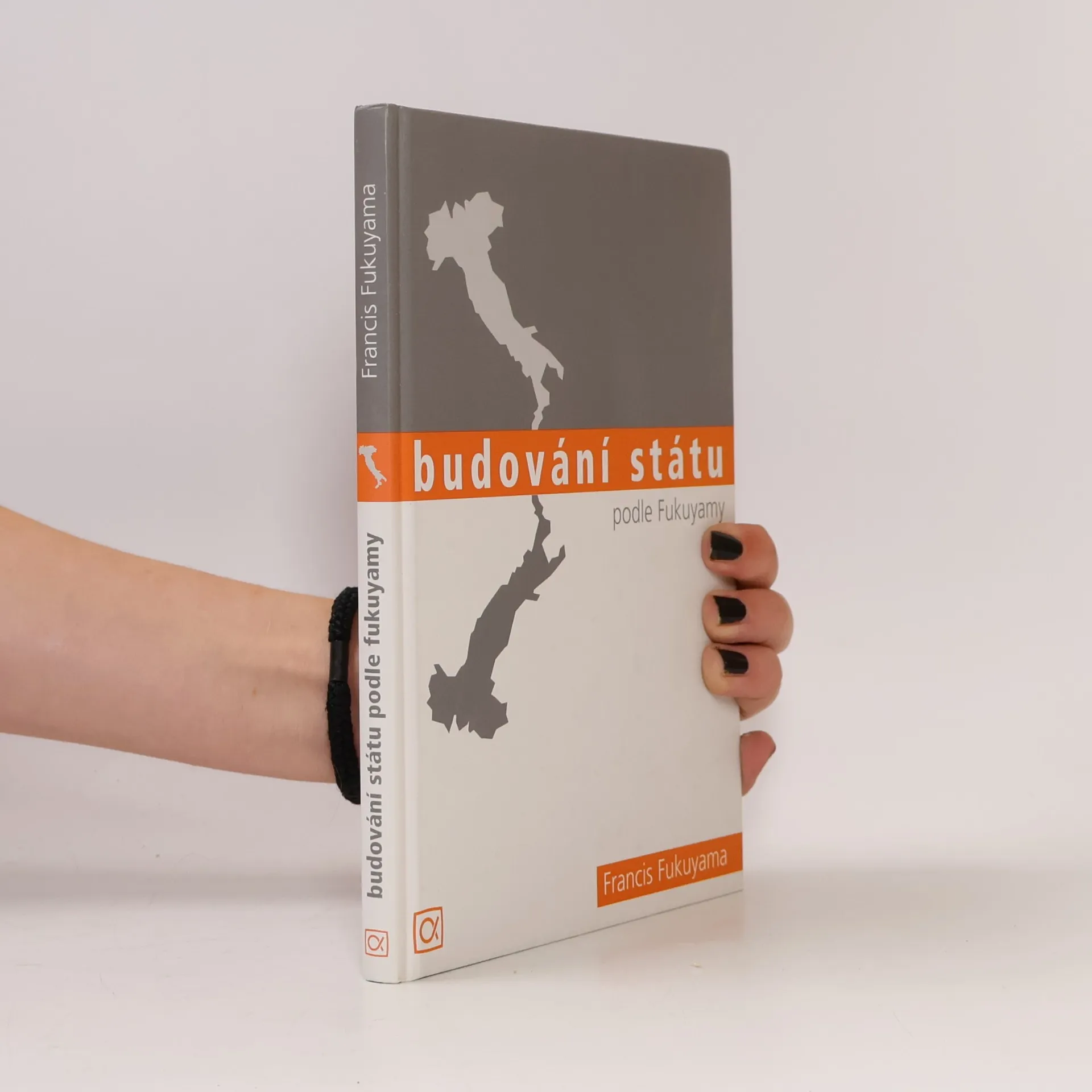
    Budování státu podle Fukuyamy
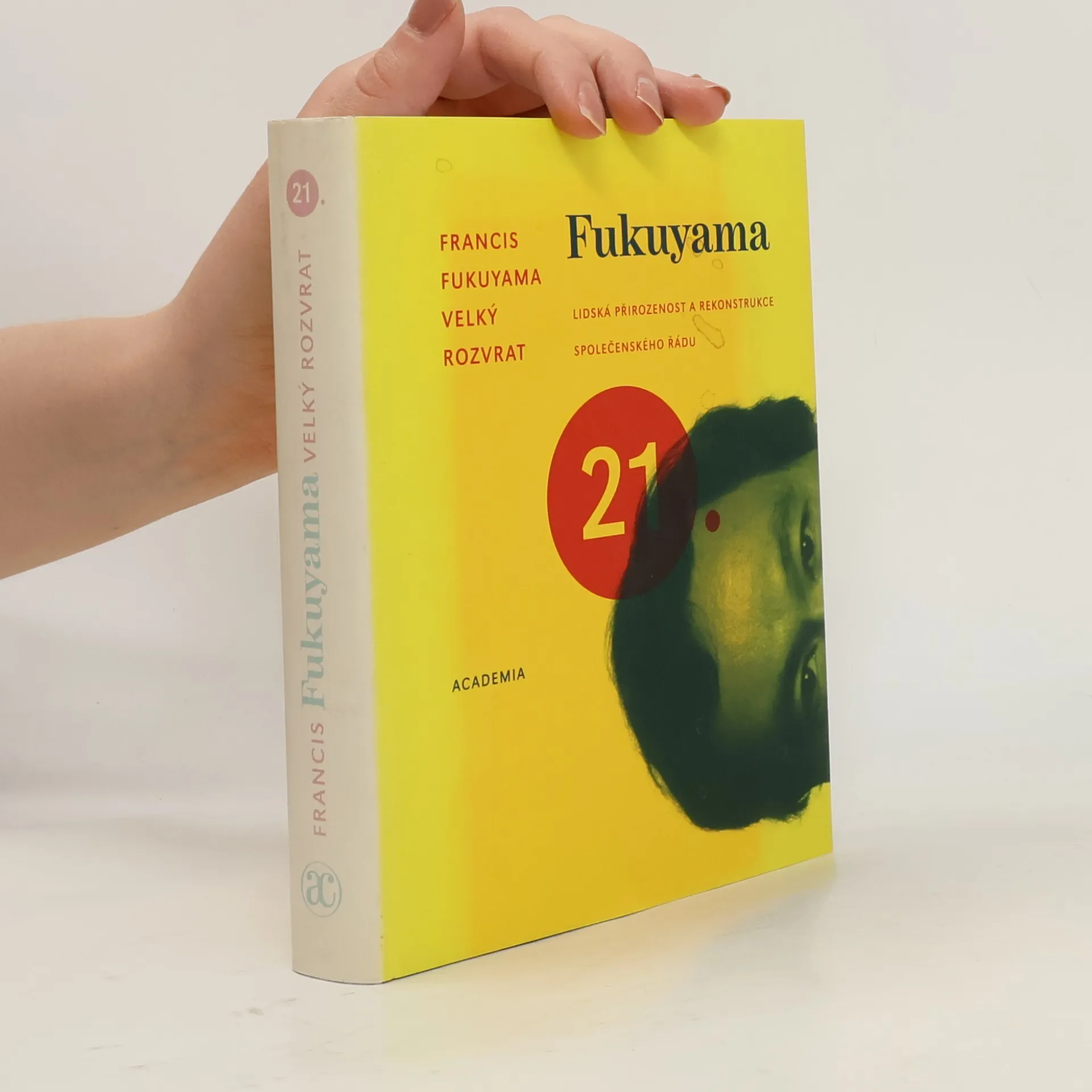
    Velký rozvrat. Lidská přirozenost a rekonstrukce společenského řádu
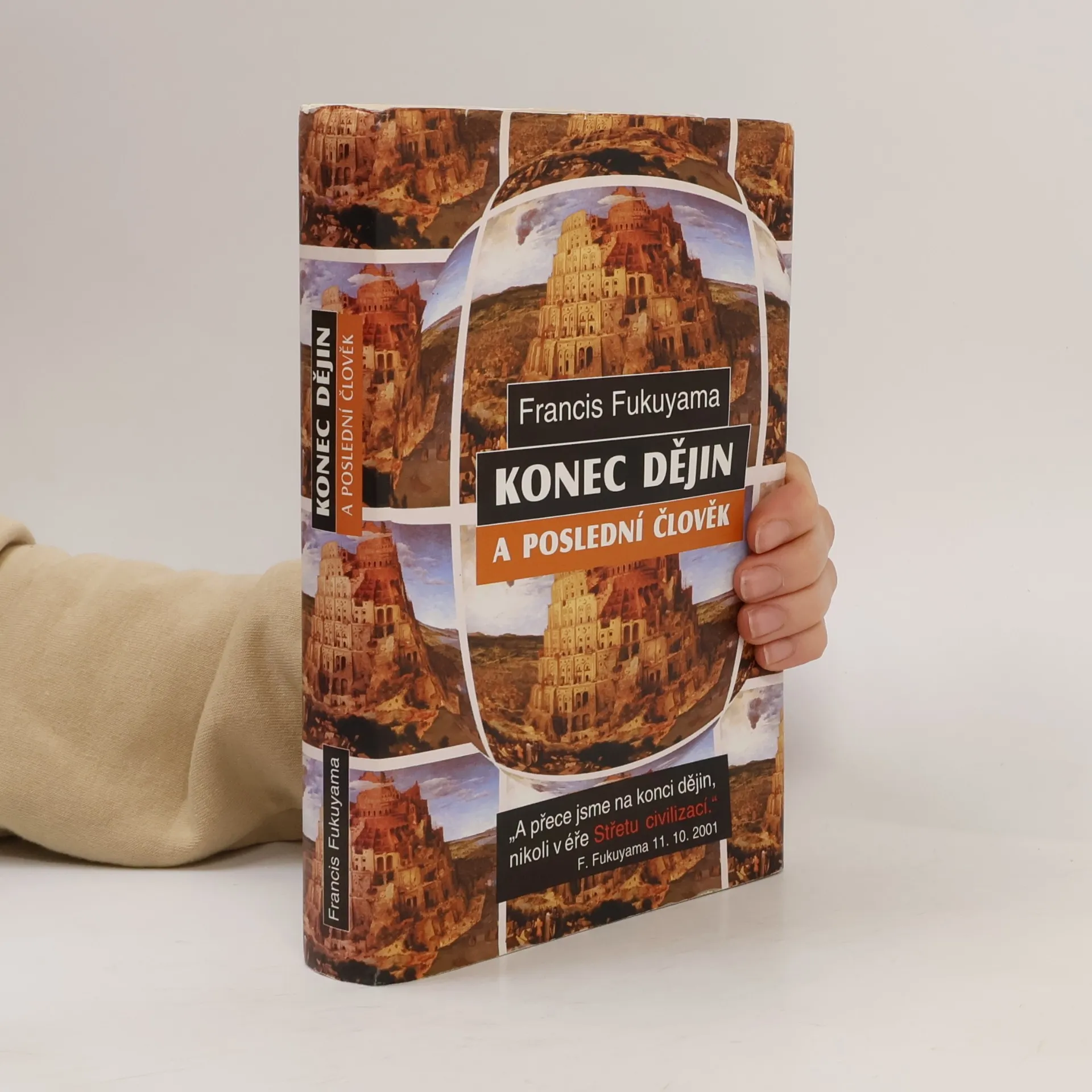
    Konec dějin a poslední člověk
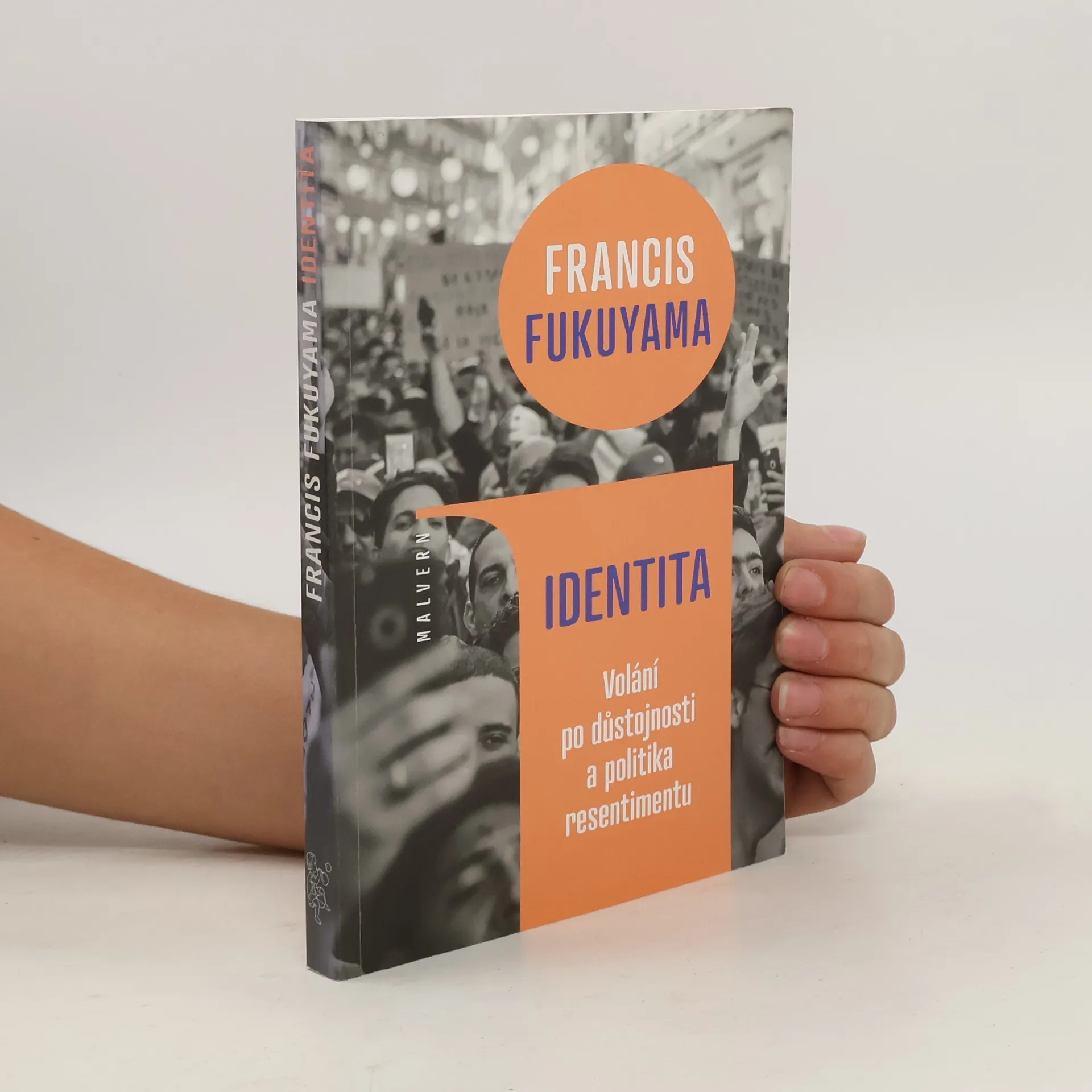
    Identita : volání po důstojnosti a politika resentimentu
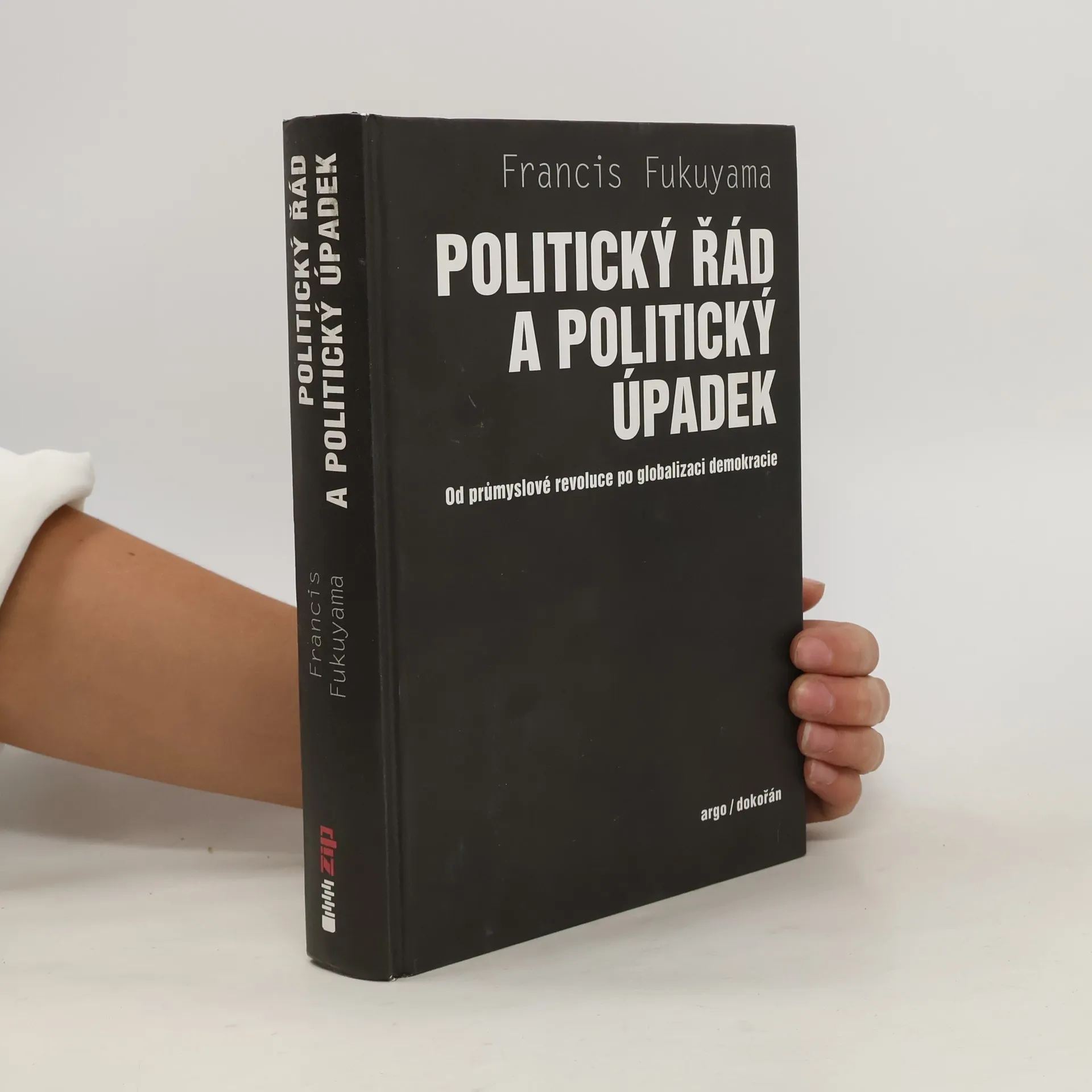
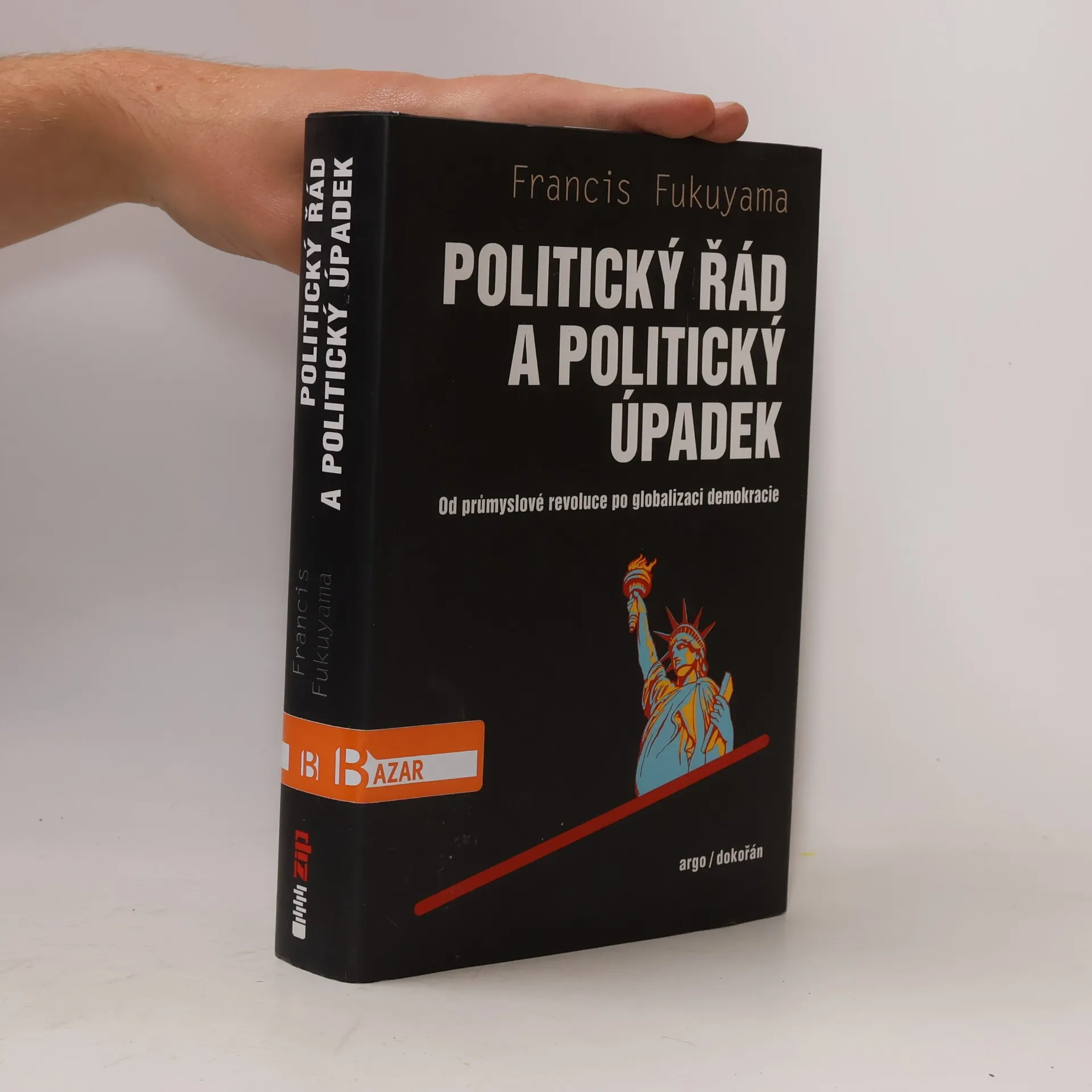
    Politický řád a politický úpadek
    Politický řád a politický úpadek : od průmyslové revoluce po globalizaci demokracie
    • Podtitul: Od průmyslové revoluce po globalizaci demokracie. Podle britského Guardianu budeme jednou dvojici knih Původ politického řádu a Politický řád a úpadek Francise Fukuyamy (* 1952) vnímat jako životní dílo tohoto amerického politologa japonského původu. Ve druhé knize s podtitulem Od průmyslové revoluce po globalizaci demokracie sleduje Fukuyama historický vývoj od Francouzské revoluce po arabské jaro s důrazem na nefunkčnost, a tedy úpadek současného amerického politického života. Autor si všímá toho, zda a jak transparentní právní systém a vůle lidu udržují ústřední moc pod kontrolou. Zkoumá rovněž dopady korupce na státní správu a způsoby, jakými se ji v některých společnostech podařilo vymýtit. Rozebírá odkaz kolonialismu v Latinské Americe, Africe i Asii a pokouší se vysvětlit, proč se některým regionům dařilo a rozvinuly se rychleji než jiné. I přes celosvětovou krizi střední třídy a politickou paralýzu Západu však Fukuyama s demokracií i nadále počítá.
      Politický řád a politický úpadek : od průmyslové revoluce po globalizaci demokracie
      4,4
    • Politický řád a politický úpadek

      • 541 stránek
      • 19 hodin čtení

      Podtitul: Od průmyslové revoluce po globalizaci demokracie. Podle britského Guardianu budeme jednou dvojici knih Původ politického řádu a Politický řád a úpadek Francise Fukuyamy (* 1952) vnímat jako životní dílo tohoto amerického politologa japonského původu. Ve druhé knize s podtitulem Od průmyslové revoluce po globalizaci demokracie sleduje Fukuyama historický vývoj od Francouzské revoluce po arabské jaro s důrazem na nefunkčnost, a tedy úpadek současného amerického politického života. Autor si všímá toho, zda a jak transparentní právní systém a vůle lidu udržují ústřední moc pod kontrolou. Zkoumá rovněž dopady korupce na státní správu a způsoby, jakými se ji v některých společnostech podařilo vymýtit. Rozebírá odkaz kolonialismu v Latinské Americe, Africe i Asii a pokouší se vysvětlit, proč se některým regionům dařilo a rozvinuly se rychleji než jiné. I přes celosvětovou krizi střední třídy a politickou paralýzu Západu však Fukuyama s demokracií i nadále počítá.
      Politický řád a politický úpadek
      4,0
    • V roce 2014 Francis Fukuyama upozornil na úpadek amerických institucí, kdy mocné zájmové skupiny stále více ovládají stát. Jeho předpověď se naplnila, když se k moci dostali populističtí nacionalisté, jejichž ekonomický nacionalismus a autoritářské tendence ohrožují mezinárodní pořádek. Tito vůdci usilují o přímé spojení s „lidem“, definovaným úzkými identitárními pojmy, což umožňuje zapojení některých skupin a vylučování jiných. Volání po uznání identity jednotlivce je klíčovým tématem, které vysvětluje současné dění ve světové politice. Univerzální uznání rovnosti, základ liberální demokracie, je stále častěji zpochybňováno užšími formami uznání založenými na národě, náboženství, rase či genderu. To vedlo k protiimigrantskému populismu, zpolitizovanému islámu a vzniku bílého nacionalismu. Populistický nacionalismus, ač se zdá být ekonomicky motivovaný, ve skutečnosti vychází z požadavku na uznání, který nelze uspokojit pouze ekonomickými prostředky. Identita je klíčová a aktuální otázka, která vyžaduje, abychom ji vytvářeli způsobem podporujícím demokracii, nikoli ji podkopávajícím. Tato kniha varuje, že bez univerzálního chápání lidské důstojnosti se odsuzujeme k neustálému konfliktu.

      Identita : volání po důstojnosti a politika resentimentu
      3,9
    • Provokativní dílo, považované za jednu ze stěžejních politicko-filozofických a historických prací devadesátých let, hledá odpověď na základní otázky historického vývoje. Fukuyama, jenž rozvíjí zdánlivě neaktuální hegelovskou filozofii dějin, se zamýšlí nad otázkou, zda lidstvo dospěje jednou ke stabilnímu stavu, v němž dojde konečného uspokojení, nebo se v historickém vývoji vždy znovu a znovu prosadí něco, co zvrátí tuto konečnou rovnováhu a navrátí lidstvo zpět do dějin, tak jak je pojímá klasická historiografie. Kniha hledá odpověď na základní otázky historického vývoje: Mají dějiny konec? A pokud ano, kde se nacházíme nyní, poté, co se socialismus, monarchie a fašismus zdiskreditovaly? Rozšíří se model liberální demokracie postupně po celém světě?... celý text

      Konec dějin a poslední člověk
      3,6
    • Vývoj, jímž v posledním půlstoletí prošly Spojené státy a postupně i další hospodářsky vyspělé země bývá nazýván přechodem k "informační společnosti", "třetí vlnou", která může mít stejně zásadní důsledky jako přechod od společnosti zemědělské ke společnosti průmyslové. Vymoženosti, jimiž nás obdařil hospodářský systém spočívající na informacích, měly negativní vliv na náš společenský život a morálku. Věc má ale i kladnou stránku: rozvrácený společenský řád se obvykle začne opravovat, a z mnoha náznaků lze usoudit, že to se právě dnes děje. Kniha se zabývá tím, jak společenský řád vzniká, jak se vyvíjí a odkud pocházejí jeho zdroje.

      Velký rozvrat. Lidská přirozenost a rekonstrukce společenského řádu
      3,6
    • Slabé státy nebo státy v úpadku jsou zdrojem mnoha nejvážnějších problémů světa jako je chudoba, AIDS, drogy a terorismus. K vyřešení těchto problémů nabízí Francis Fukuyama nové řešení: Budování státu. Knížka, kterou držíte v ruce, je vážné a významné slovo k situaci současného světa. Napsal ji velmi vlivný autor, který obvykle výstižně vyjadřuje světové problémy.

      Budování státu podle Fukuyamy
      3,2
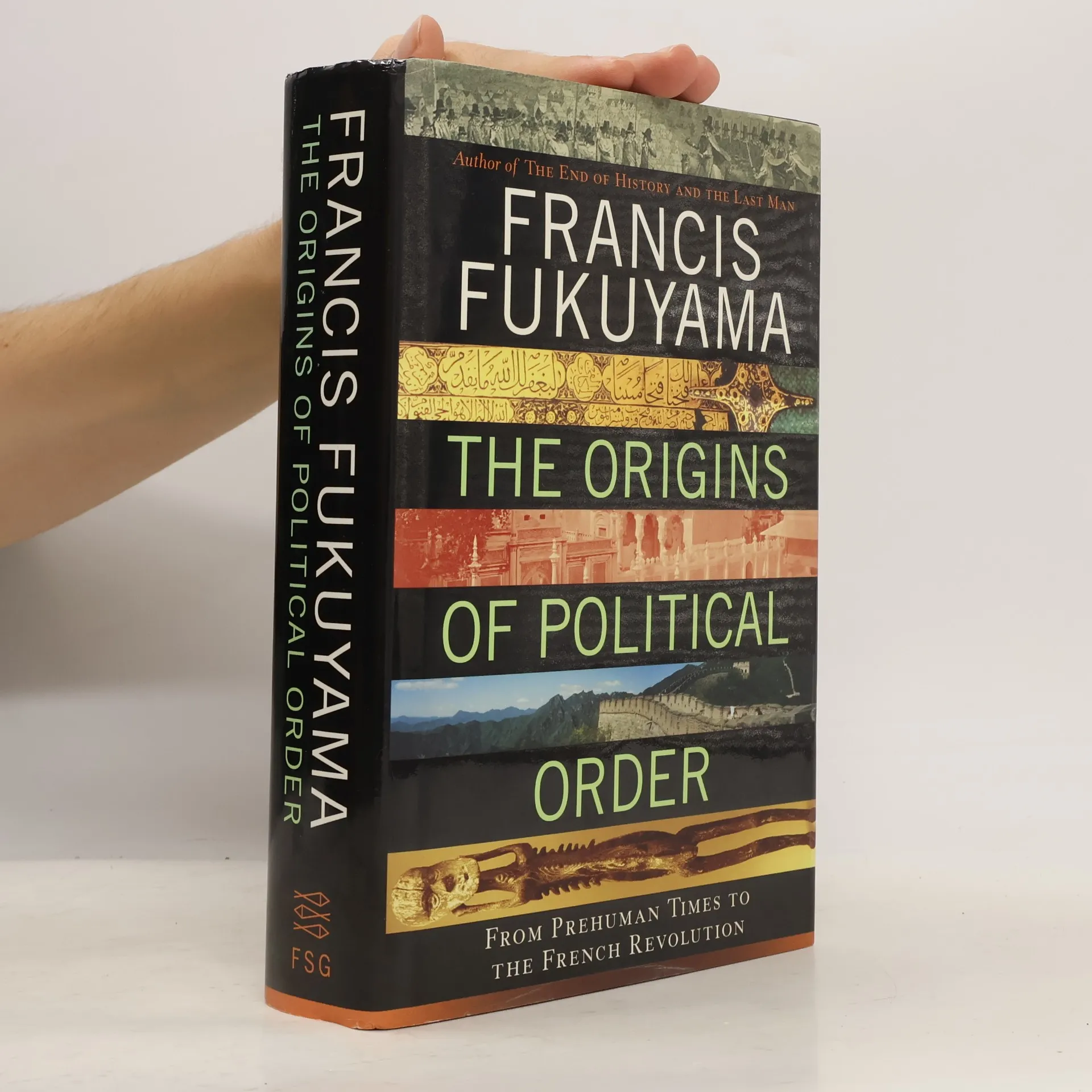
    • The Origins of Political Order

      From Pre-Human Times to the French Revolution

      • 608 stránek
      • 22 hodin čtení

      Nations are not trapped by their pasts, but events that happened hundreds or even thousands of years ago continue to exert huge influence on present-day politics. If we are to understand the politics that we now take for granted, we need to understand its origins. Francis Fukuyama examines the paths that different societies have taken to reach their current forms of political order. This book starts with the very beginning of mankind and comes right up to the eve of the French and American revolutions, spanning such diverse disciplines as economics, anthropology and geography. The Origins of Political Order is a magisterial study on the emergence of mankind as a political animal, by one of the most eminent political thinkers writing today.

      The Origins of Political Order
      4,3
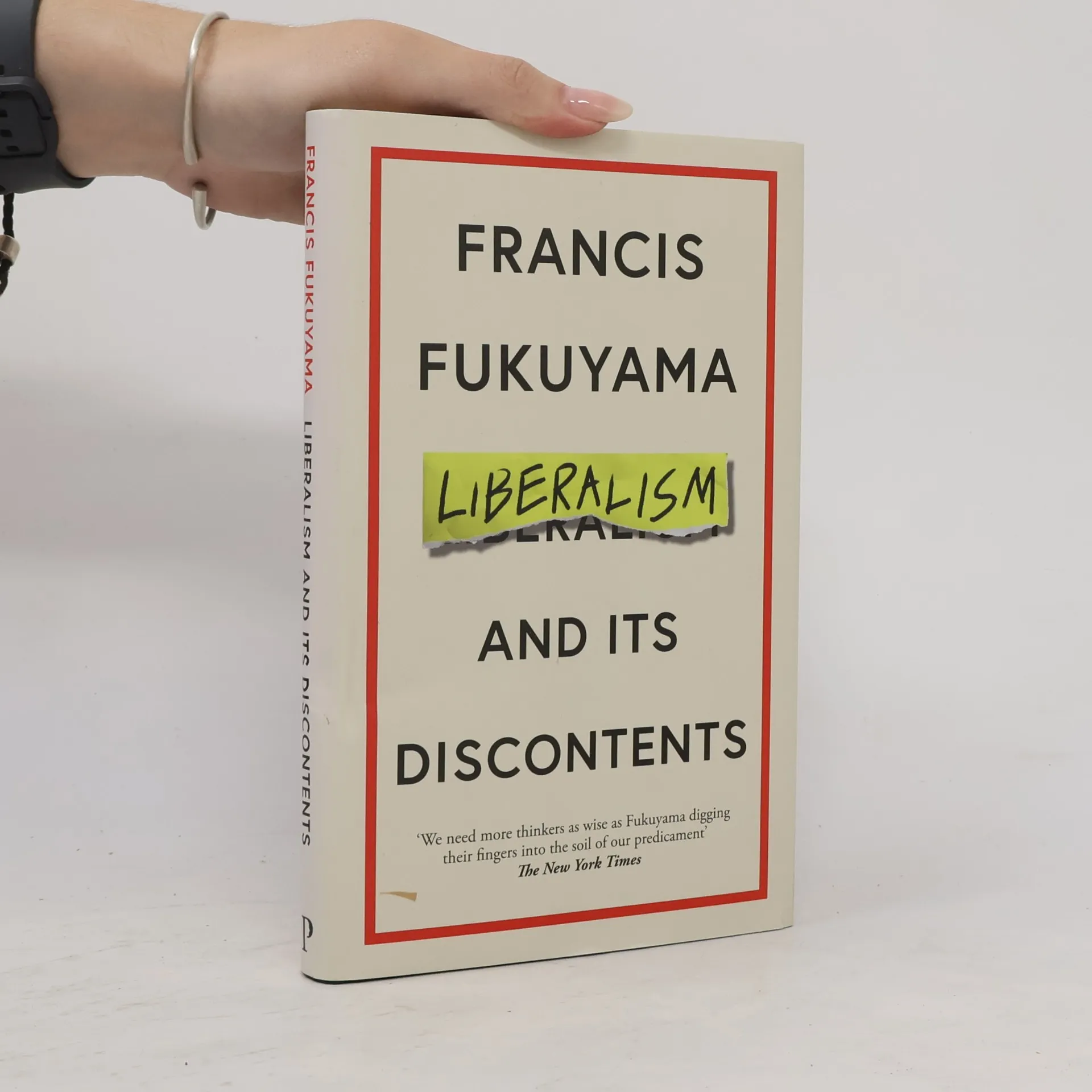
    • Liberalism and Its Discontents

      • 192 stránek
      • 7 hodin čtení

      A TIMES BEST PHILOSOPHY & IDEAS BOOK OF 2022A defence of liberalism by the renowned political philosopher'We need more thinkers as wise as Fukuyama digging their fingers into the soil of our predicament' The New York Times'A brilliantly acute summary of the way some aspects of liberal thought have consumed themselves' Guardian'One of the West's most interesting public intellectuals' Times'Hard to think of a better case for liberal centrism' FTLiberalism - the comparatively mild-mannered sibling to the more ardent camps of nationalism and socialism - has never been so divisive as today. From Putin's populism, the Trump administration and autocratic rulers in democracies the world over, it has both thrived and failed under identity politics, authoritarianism, social media and a weakened free press the world over.Since its inception following the post-Reformation wars, liberalism has come under attack from conservatives and progressives alike, and today is dismissed by many as an 'obsolete doctrine'. In this brilliant and concise exposition, Francis Fukuyama sets out the cases for and against its classical observing the rule of law, independence of judges, means over ends, and most of all, tolerance.Pithy, to the point, and ever pertinent, this is political dissection at its very best.

      Liberalism and Its Discontents
      3,9
    • State Building

      Governance and World Order in the Twenty-First Century

      • 194 stránek
      • 7 hodin čtení

      Weak or failed states - where no government is in control - are the source of many of the world's most serious problems, from poverty, AIDS and drugs to terrorism. What can be done to help? The problem of weak states and the need for state-building has existed for many years, but it has been urgent since September 11 and Afghanistan and Iraq. The formation of proper public institutions, such as an honest police force, uncorrupted courts, functioning schools and medical services and a strong civil service, is fraught with difficulties. We know how to help with resources, people and technology across borders, but state building requires methods that are not easily transported. The ability to create healthy states from nothing has suddenly risen to the top of the world agenda. State building has become a crucial matter of global security. In this hugely important book, Francis Fukuyama explains the concept of state-building and discusses the problems and causes of state weakness and its national and international effects.

      State Building
      3,5
    • The Great Disruption

      • 368 stránek
      • 13 hodin čtení

      An exploration of the nature of social order discusses how the transformation from an industrial to an information society has disrupted moral standards, showing how the disruption will evolve into a Great Reconstruction as age-appropriate values instill themselves. 50,000 first printing.

      The Great Disruption
      3,4
    • State-Building

      Governance and World Order in the 21st Century

      • 160 stránek
      • 6 hodin čtení

      The book emphasizes the significant challenges posed by weak states in the global landscape, highlighting how they contribute to strategic instability. It advocates for the necessity of constructing new nation-states as a solution to these problems, exploring the implications of state strength on international relations and security. Through this analysis, the author calls for a reevaluation of state-building efforts to address the complexities of modern governance and geopolitical dynamics.

      State-Building
      3,6
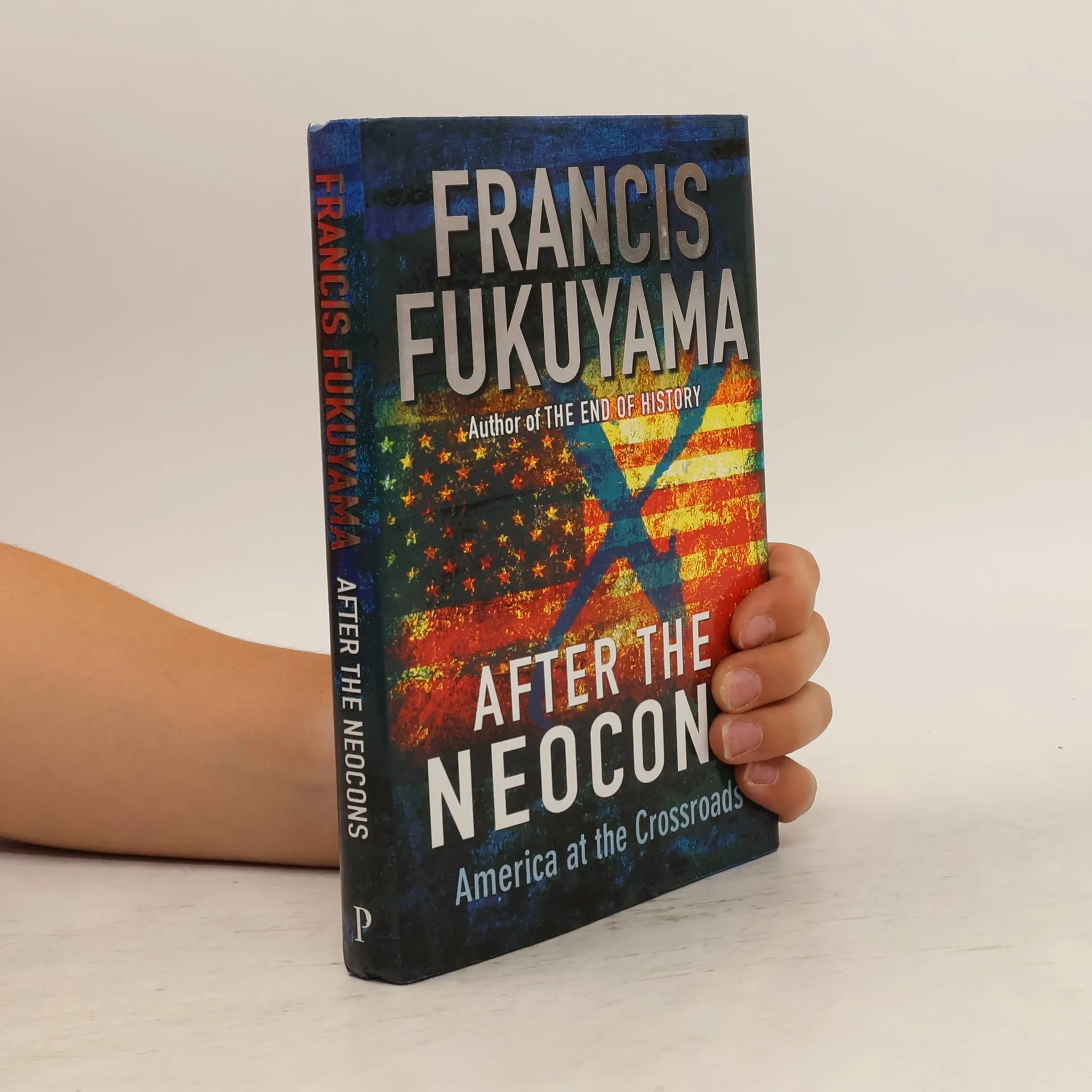
    • Attacking the right-wing policymakers he had associated with, the author argues that the Bush administration, in the war in Iraq, has wrongly applied the principles of neoconservatism. He provides an approach, which emphasizes the importance of solving the problem of development and of creating multiple international institutions.

      After the Neocons: America at the Crossroads
      3,6
    • Our Posthuman Future

      • 272 stránek
      • 10 hodin čtení

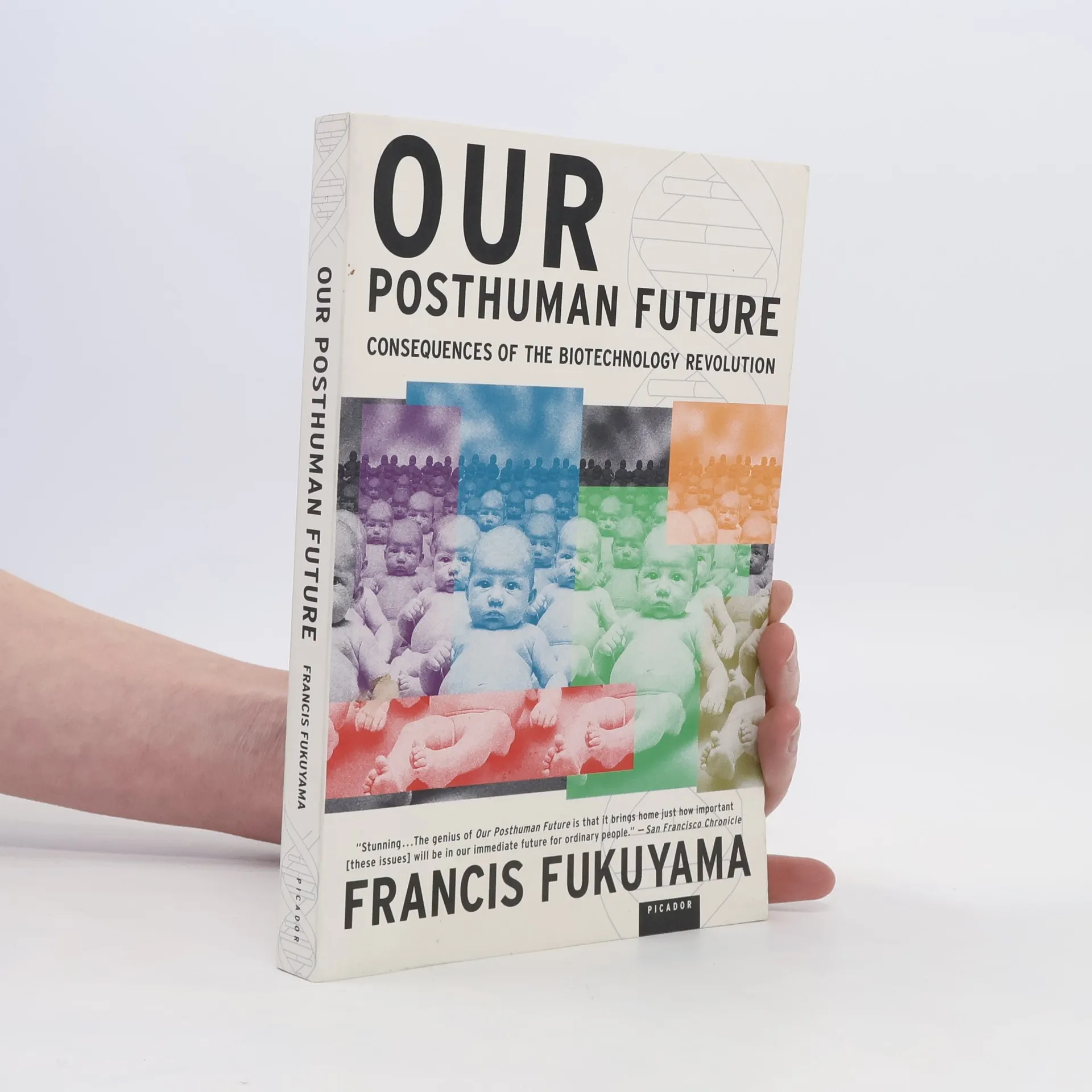
      A decade after his now-famous pronouncement of "the end of history," Francis Fukuyama argues that as a result of biomedical advances, we are facing the possibility of a future in which our humanity itself will be altered beyond recognition. Fukuyama sketches a brief history of man's changing understanding of human from Plato and Aristotle to the modernity's utopians and dictators who sought to remake mankind for ideological ends. Fukuyama argues that the ability to manipulate the DNA of all of one person's descendants will have profound, and potentially terrible, consequences for our political order, even if undertaken with the best of intentions. In Our Posthuman Future , one of our greatest social philosophers begins to describe the potential effects of genetic exploration on the foundation of liberal the belief that human beings are equal by nature.

      Our Posthuman Future
      3,3
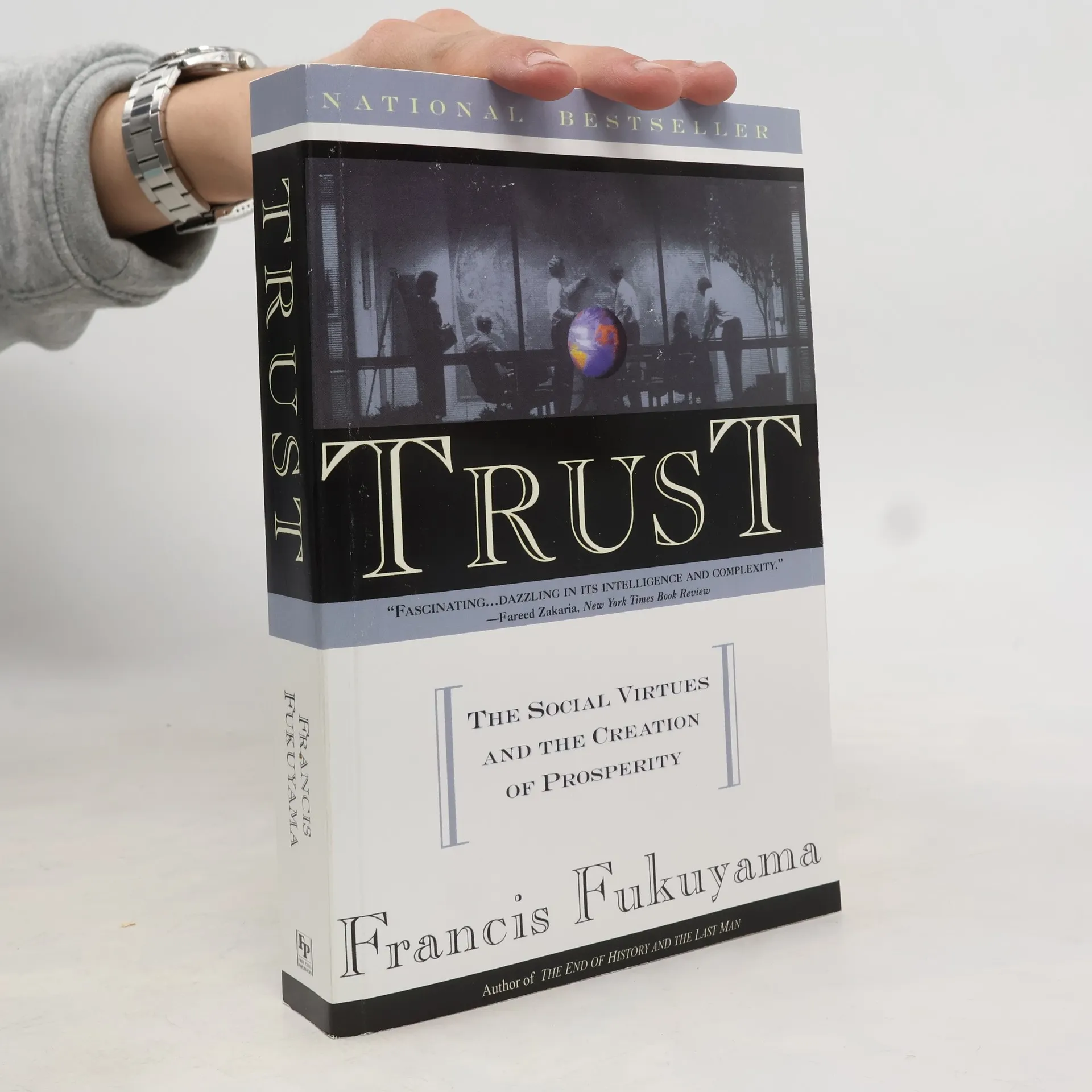
    • Trust

      The Social Virtue and the Creation of Prosperity

      • 480 stránek
      • 17 hodin čtení

      In his bestselling The End of History and the Last Man, Francis Fukuyama argued that the end of the Cold War would also mean the beginning of a struggle for position in the rapidly emerging order of 21st-century capitalism. In Trust, a penetrating assessment of the emerging global economic order "after History," he explains the social principles of economic life and tells us what we need to know to win the coming struggle for world dominance. Challenging orthodoxies of both the left and right, Fukuyama examines a wide range of national cultures in order to divine the underlying principles that foster social and economic prosperity. Insisting that we cannot divorce economic life from cultural life, he contends that in an era when social capital may be as important as physical capital, only those societies with a high degree of social trust will be able to create the flexible, large-scale business organizations that are needed to compete in the new global economy. A brilliant study of the interconnectedness of economic life with cultural life, Trust is also an essential antidote to the increasing drift of American culture into extreme forms of individualism, which, if unchecked, will have dire consequences for the nation's economic health.

      Trust
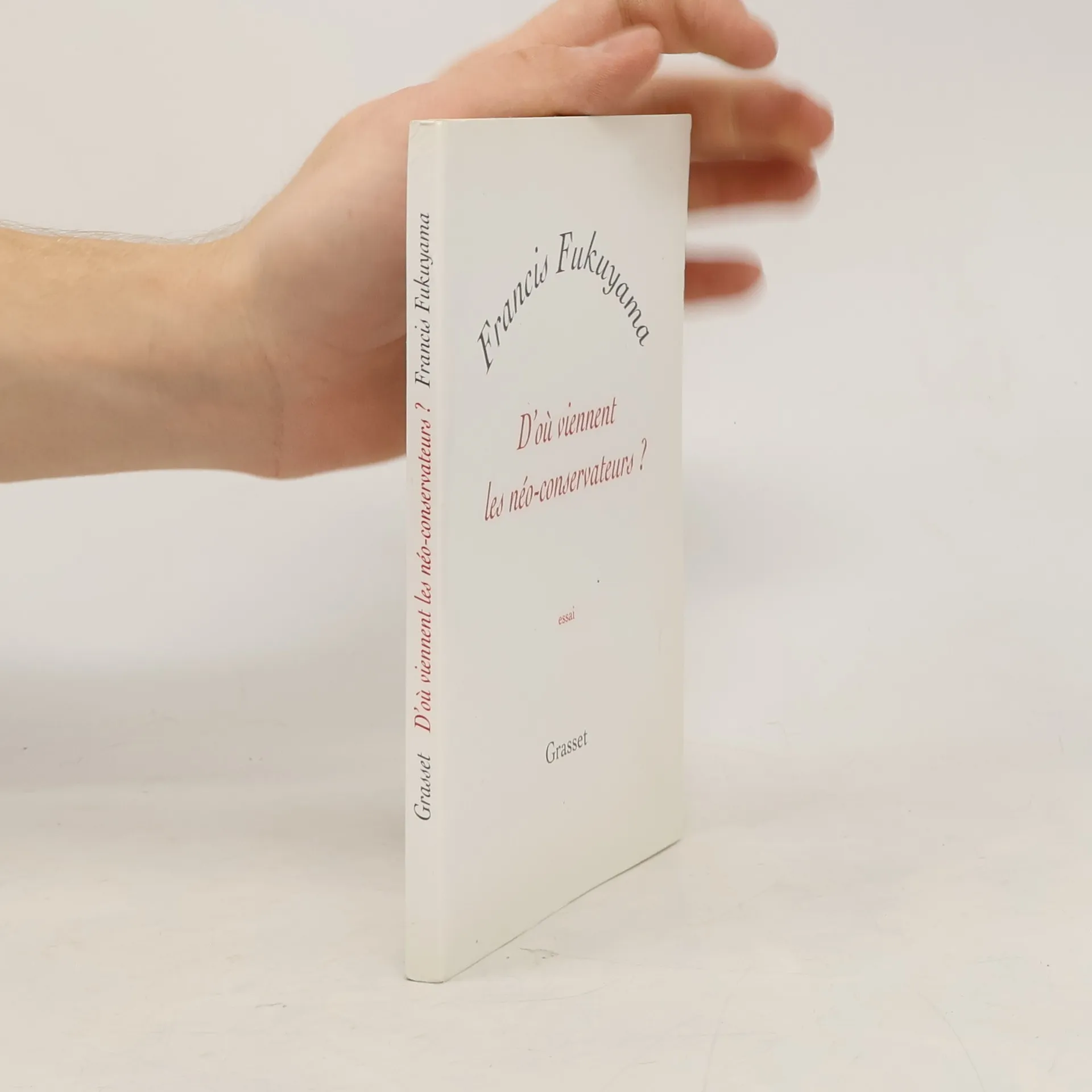
    • D'où viennent les néo-conservateurs?

      • 96 stránek
      • 4 hodiny čtení

      " Menteurs ! Va-t-en-guerre ! Criminels ! Fanatiques Faucons ! Néo-cons ! " Que n'a-t-on pas entendu, ici comme ailleurs, sur ces fameux néo-conservateurs... Mais sait-on qui ils sont vraiment ? Dans cet essai féroce et salutaire, Francis Fukuyama, l'un des théoriciens majeurs de notre temps, fait voler en éclats les idées reçues et dévoile les origines du plus grand malentendu politique de ces dernières années.

      D'où viennent les néo-conservateurs?
      4,0
    • »Intelligent und klar – wir brauchen mehr Denker, die so weise sind wie Fukuyama.« The New York Times In den letzten zehn Jahren ist die Anzahl der demokratischen Staaten weltweit erschreckend schnell zurückgegangen. Erleben wir gerade das Ende der liberalen Demokratie? Der US-amerikanische Politikwissenschaftler Francis Fukuyama, Autor des Weltbestsellers Das Ende der Geschichte, sucht in seinem neuen Buch nach den Gründen, warum sich immer mehr Menschen antidemokratischen Strömungen zuwenden und den Liberalismus ablehnen. Er zeigt, warum die Politik der Stunde geprägt ist von Nationalismus und Wut, welche Rolle linke und recht Parteien bei dieser Entwicklung spielen, und was wir tun können, um unsere gesellschaftliche Identität und damit die liberale Demokratie wieder zu beleben. »Einer der bedeutendsten Politikwissenschaftler der westlichen Welt.« Die Welt

      Identität
      3,5
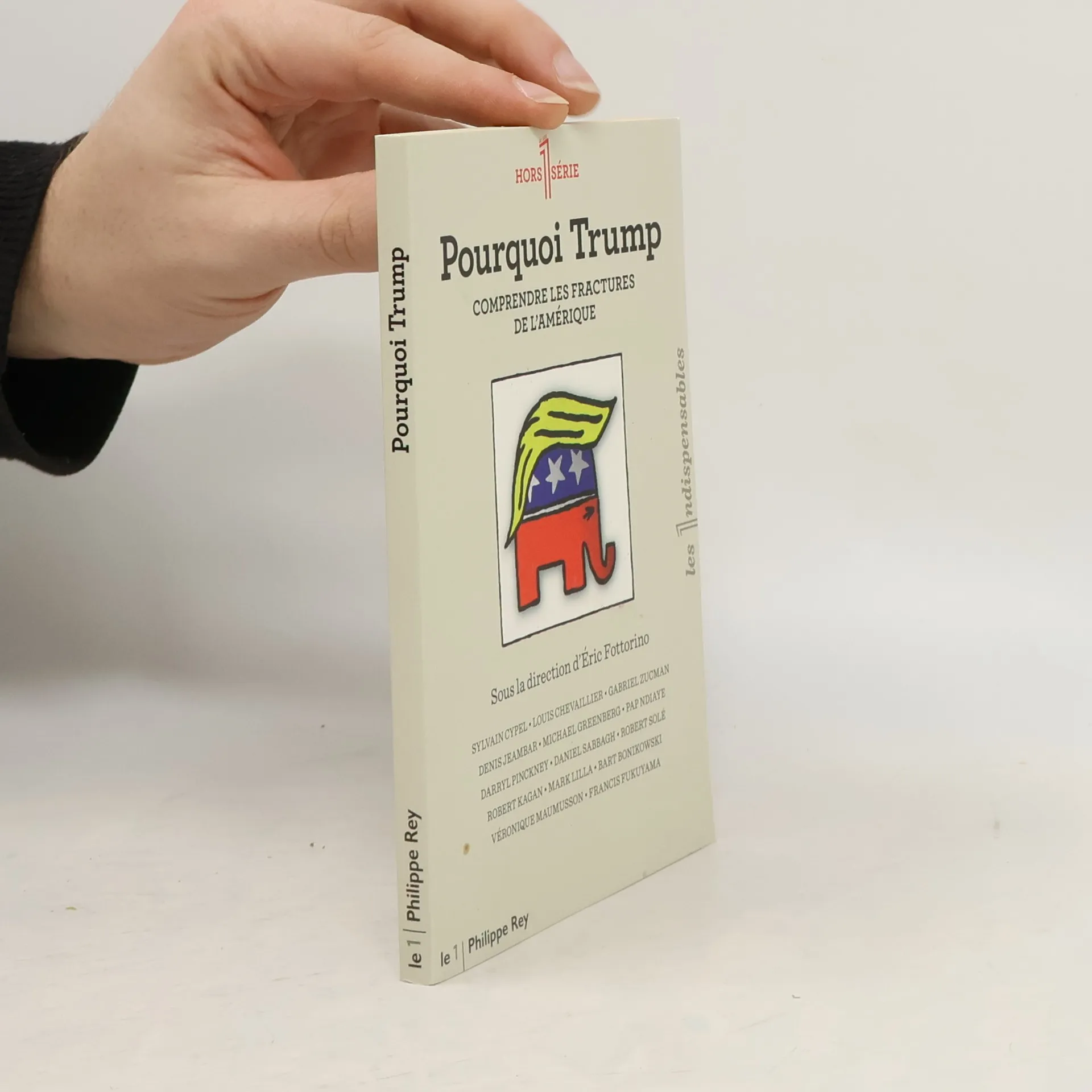
    • Pourquoi Trump

      Comprendre les fractures de l'Amérique

      • 96 stránek
      • 4 hodiny čtení
      Pourquoi Trump
    • Identiteit

      waardigheid, ressentiment en identiteitspolitiek

      • 267 stránek
      • 10 hodin čtení

      Fukuyama, de schrijver van het wereldwijd beroemde boek "Het einde van de geschiedenis', bekijkt in zijn nieuwe boek "Identiteit' het electorale succes van populisten. Dit succes wordt vaak verklaard vanuit economische motieven, maar komt in feite voort uit een behoefte aan identiteit. In "Het einde van de geschiedenis' schreef Fukuyama al dat mensen hechten aan erkenning van hun waardigheid. Nu verklaart hij vanuit dit begrip het huidige tijdsgewricht. Voorheen streefde de liberale democratie naar universele erkenning van burgerschap met onvervreemdbare rechten. Nu heeft identiteitspolitiek op basis van religie, ras, etniciteit of gender de overhand. De opleving van de gepolitiseerde islam, identiteitspolitiek gericht op etnische minderheden, activisme op universiteiten en het anti-immigranten-populisme zijn daar voorbeelden van. De behoefte aan identiteit kan niet zomaar opzij worden gezet. Daarom moet zij ingevuld worden op een manier die de democratie ondersteunt in plaats van ondermijnt. Identiteit is een noodzakelijk boek – een ernstige waarschuwing dat we onszelf veroordelen tot voortdurend conflict, tenzij we een universele invulling aan menselijke waardigheid geven.

      Identiteit