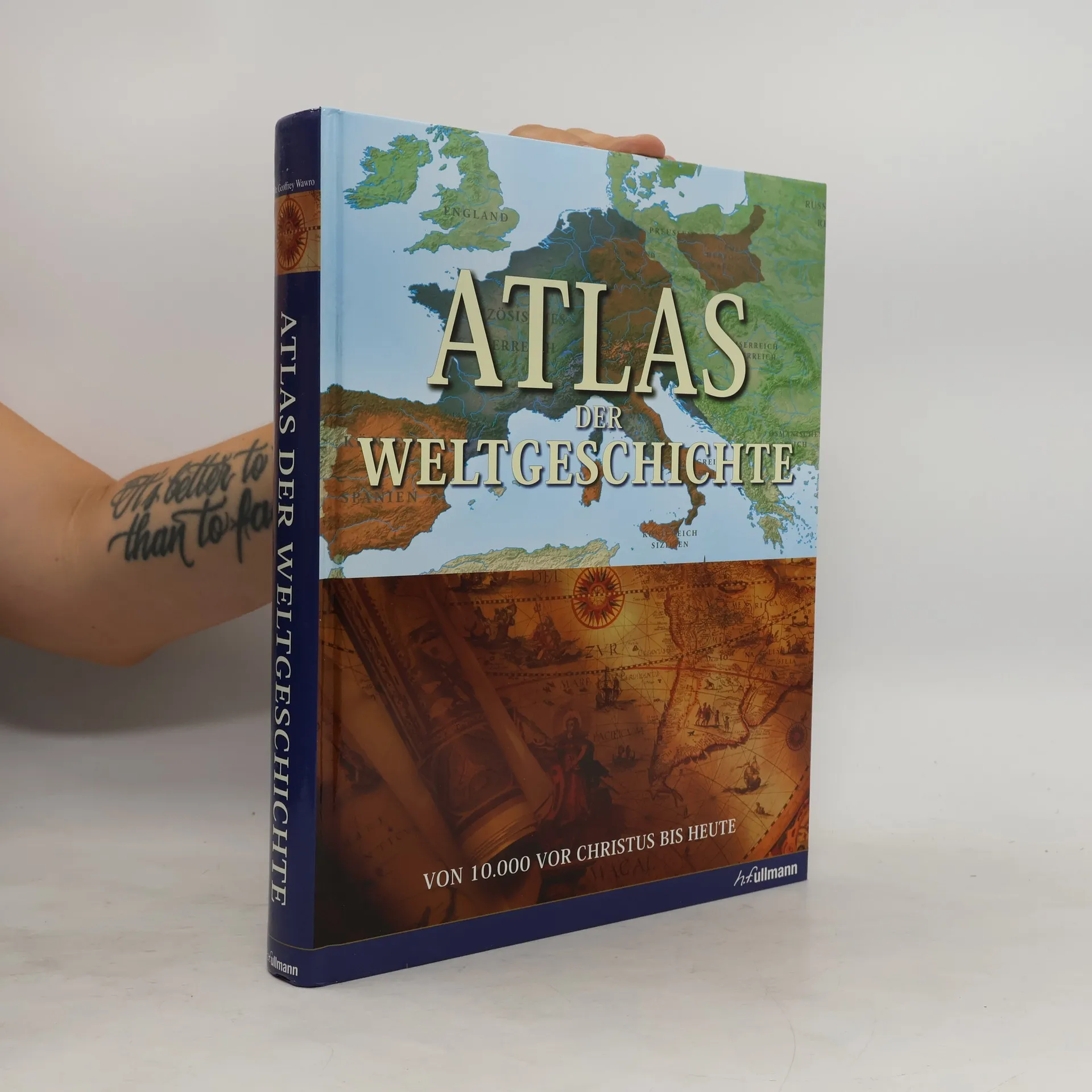
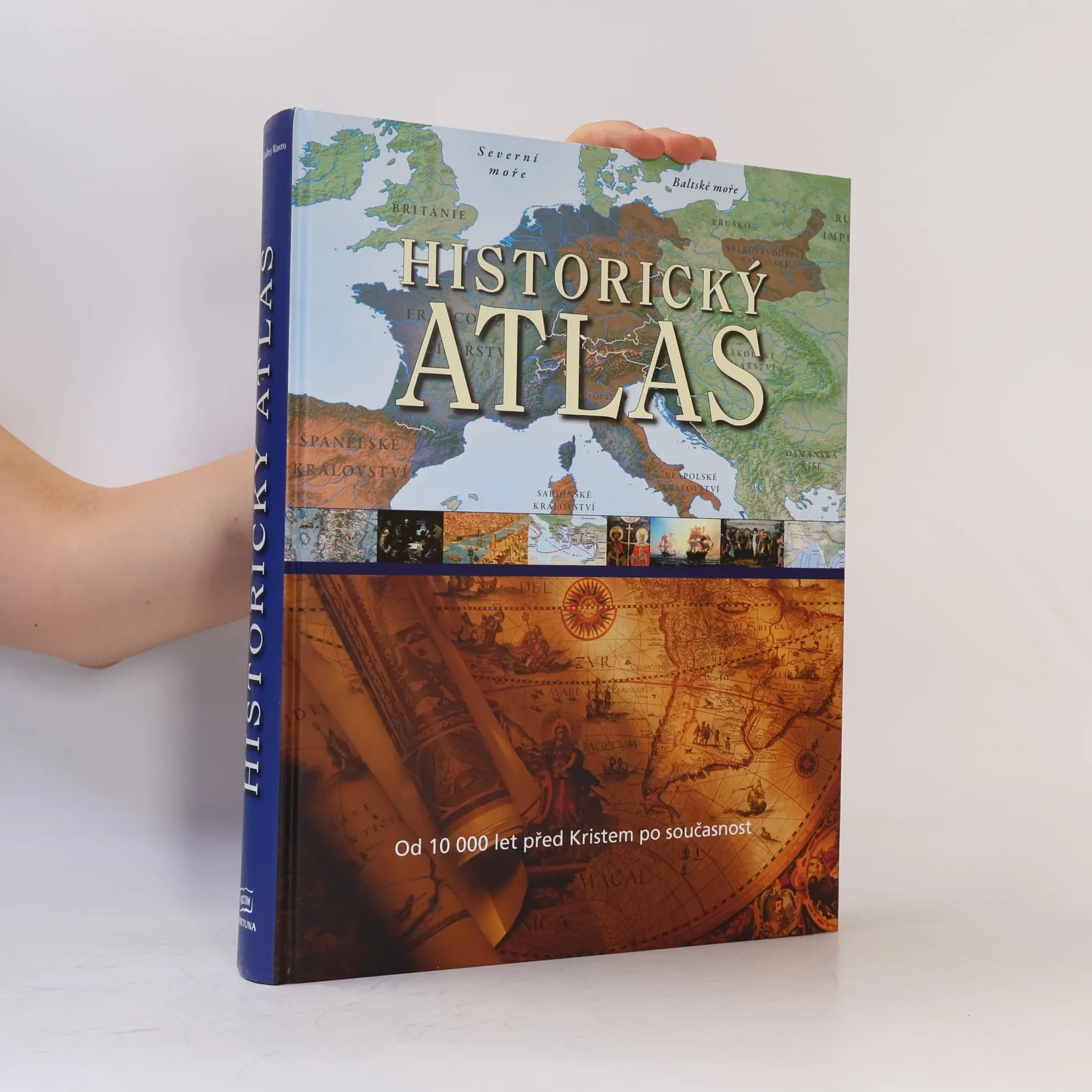
Historický atlas: Od roku 10 000 před Kristem po současnost
- 512 stránek
- 18 hodin čtení


Geoffrey Wawro se zaměřuje na moderní a současné vojenské dějiny, od Francouzské revoluce po současnost. Jeho práce se věnuje klíčovým obdobím a konfliktům, které formovaly moderní svět. Zkoumá vojenské strategie, politické dopady válek a sociální změny, které války přinášejí. Jeho analýzy nabízejí hluboký vhled do složitosti vojenské historie a jejího vlivu na lidstvo.
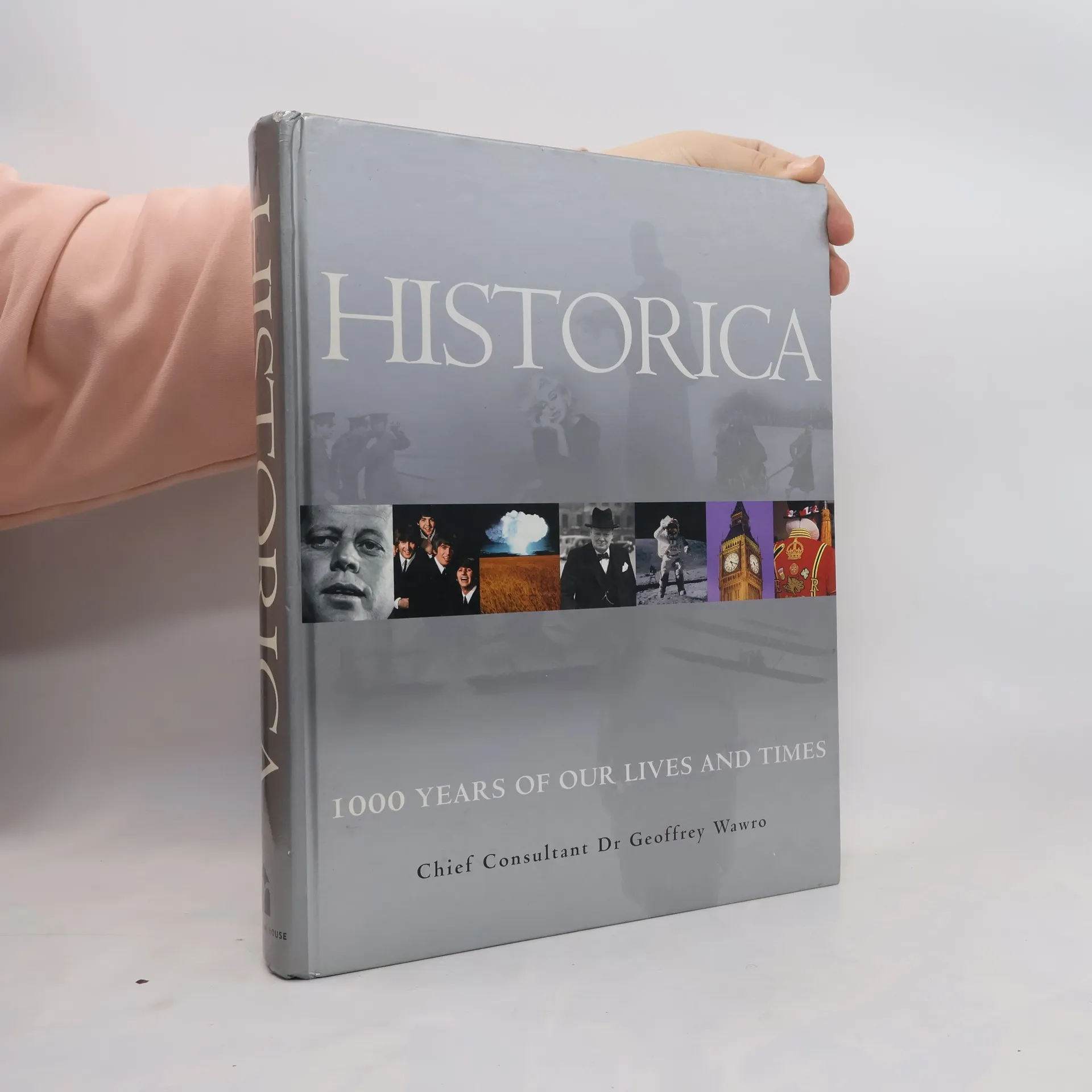
Historica shows the evolution of people's lives over the last thousand years, & shows how dramatically the world has changed. In the year 1000 most people lived in rural areas, cities were small & grew around cathedrals or fortresses or castles; transportation was by horse & cart; breakfast for most people was a small meal of bread & cheese at sunrise; most people were illiterate; education was usually only for wealthy boys & was conducted by the church (in natural history, 1,000 years ago you may have been taught that hyenas can change their sex at will, & that the only fear elephants have is of dragons), & personal freedom was very limited; people's roles in life were strictly limited by their place in society. Today the world is a very different place. How did these changes occyr? Historica tells the story: that of wars, invasions, inventions, discoveries, explorations, & the amazing people who played a key part in all these events that have brought us to where we are today. This is history made real & exciting, with stories that are as dramatic as today's news, with pictures & maps to bring the most distant events & civilizations in sharp focus.
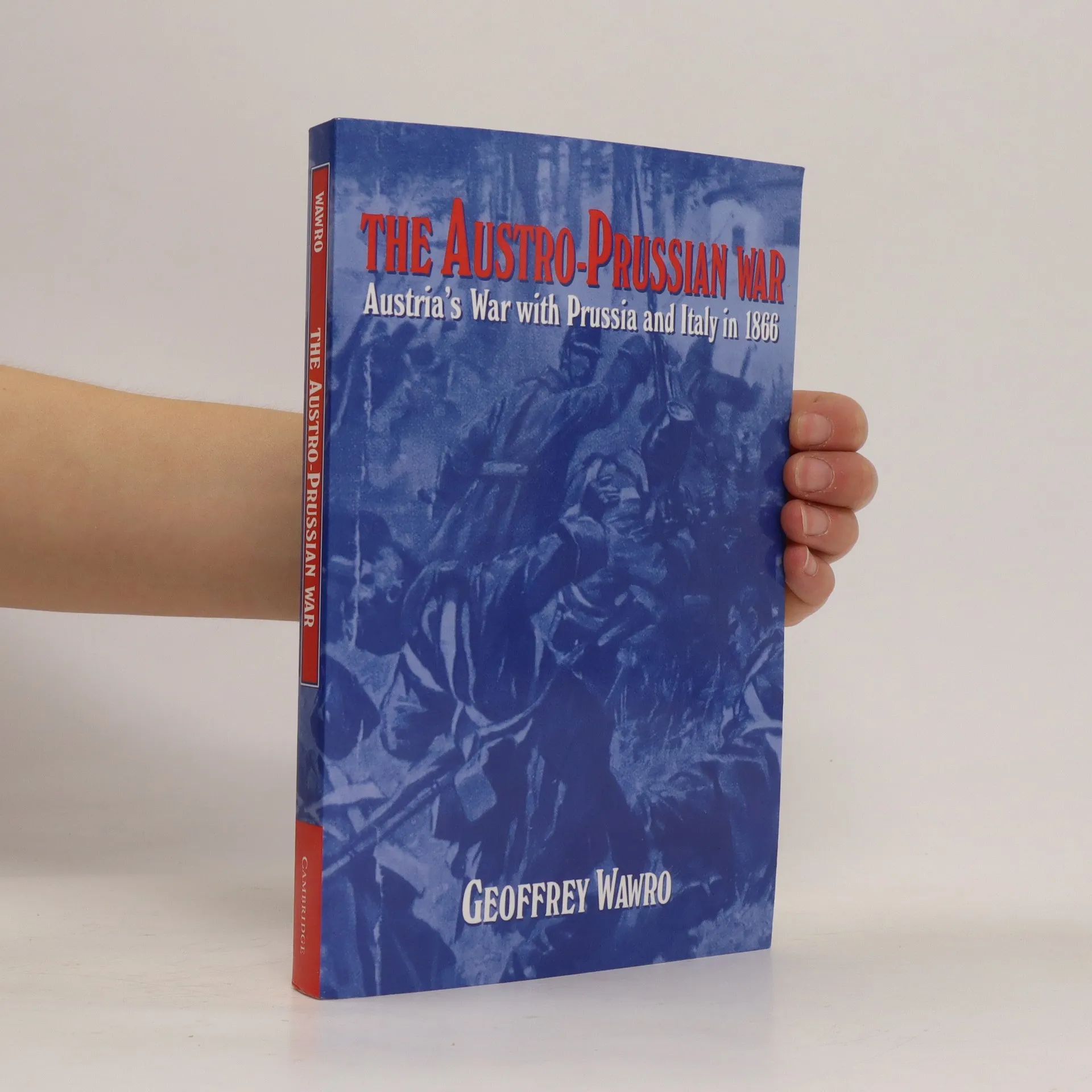
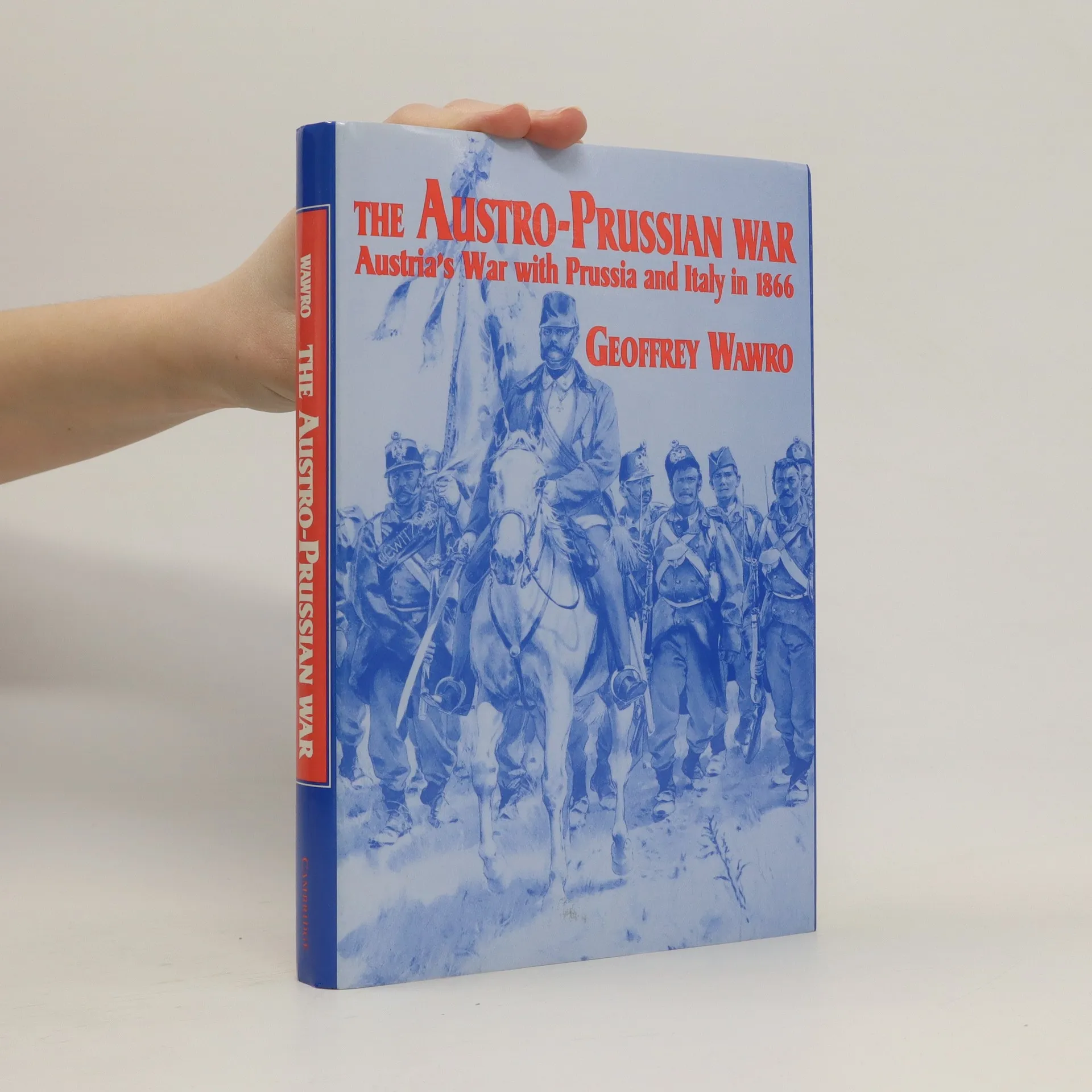
This is a new history of the Austro-Prussian-Italian War of 1866, which paved the way for German and Italian unification. Geoffrey Wawro describes Prussia's successful invasion of Habsburg Bohemia, and the wretched collapse of the Austrian army in July 1866. Blending military and social history, he describes the panic that overtook Austria's regiments in each clash with the Prussians. He reveals the blundering of the Austrian commandant who fumbled away key strategic advantages and ultimately lost a war--crucial to the fortunes of the Habsburg Monarchy--that most European pundits had predicted they would win.
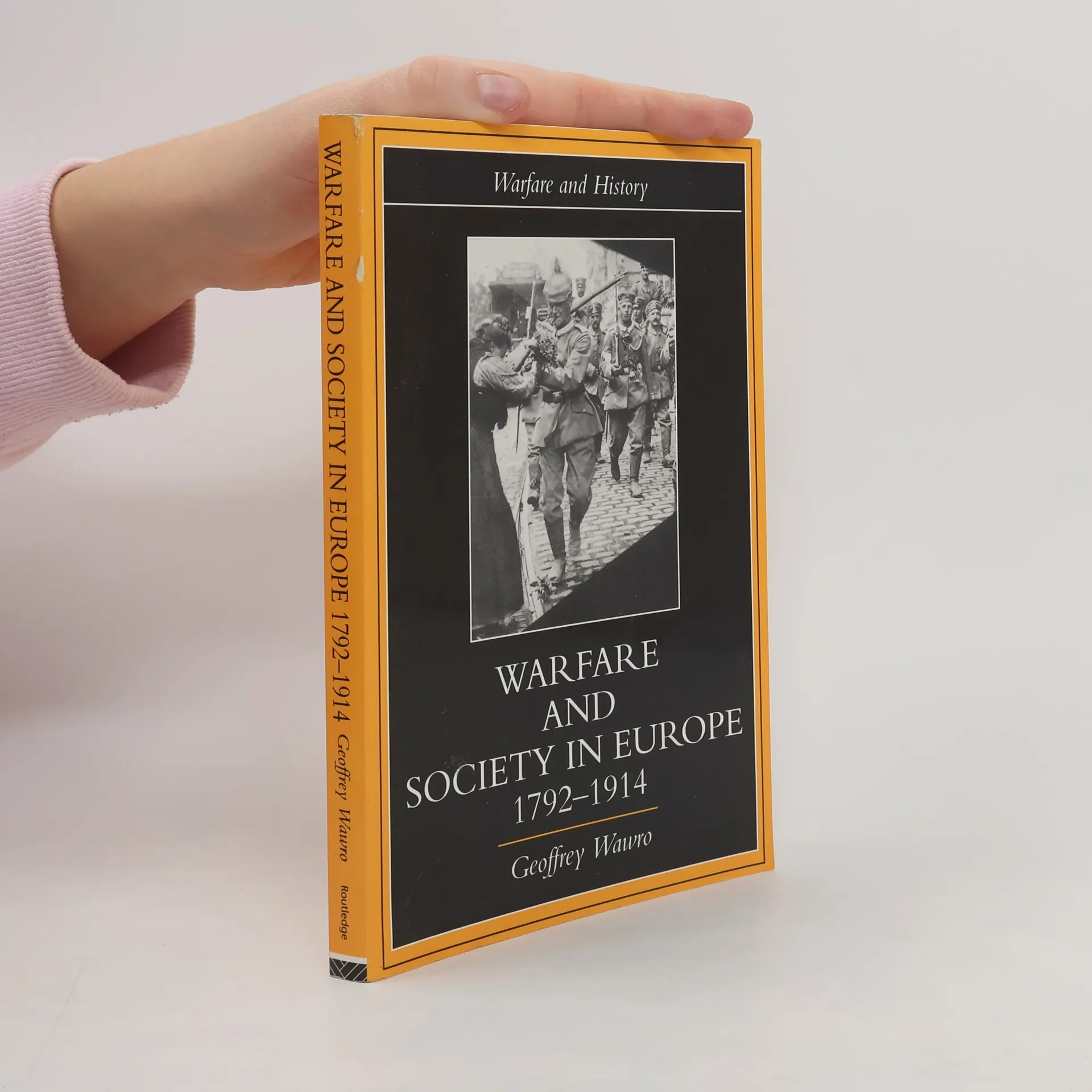
Combining original research with the latest scholarship Warfare and Society in Europe, 1792 - 1914 examines war and its aftermath from Napoleonic times to the outbreak of the First World War. Throughout, this fine book treats warfare as a social and political phenomenon no less than a military and technologial one, and includes discussions on: * The French Revolution and the Napoleonic Wars * Napoleon III and the militarization of Europe * Bismark, Molkte, and the Franco-Prussian War, 1870-71 * new technologies and weapons * seapower, imperialism and naval warfare * the origins and outbreak of the First World War. For anyone studying, or with in interest in European warfare, this book details the evolution of land and naval warfare and highlights the swirling interplay of society, politics and military decision making.
This is a history of the Austro-Prussian-Italian War of 1866, which paved the way for German and Italian unification. It is based upon extensive new research in the state and military archives of Austria, Germany, and Italy. Geoffrey Wawro describes Prussia's successful invasion of Habsburg Venetia, and the wretched collapse of the Austrian army in July 1866. Although the book gives a thorough accounting of both the Prussian and Italian war efforts, it is most notable for the light it sheds on the Austrians. Through painstaking archival research, Wawro reconstructs the Austrian campaign, blow-by-blow, hour-by-hour. Blending military and social history, he describes the terror and panic that overtook Austria's regiments of the line in each clash with the Prussians. He reveals the unconscionable blundering of the Austrian commandant and his chief deputies who fumbled away key strategic advantages and ultimately lost a war - crucial to the fortunes of the Habsburg Monarchy - that most European pundits had predicted they would win.
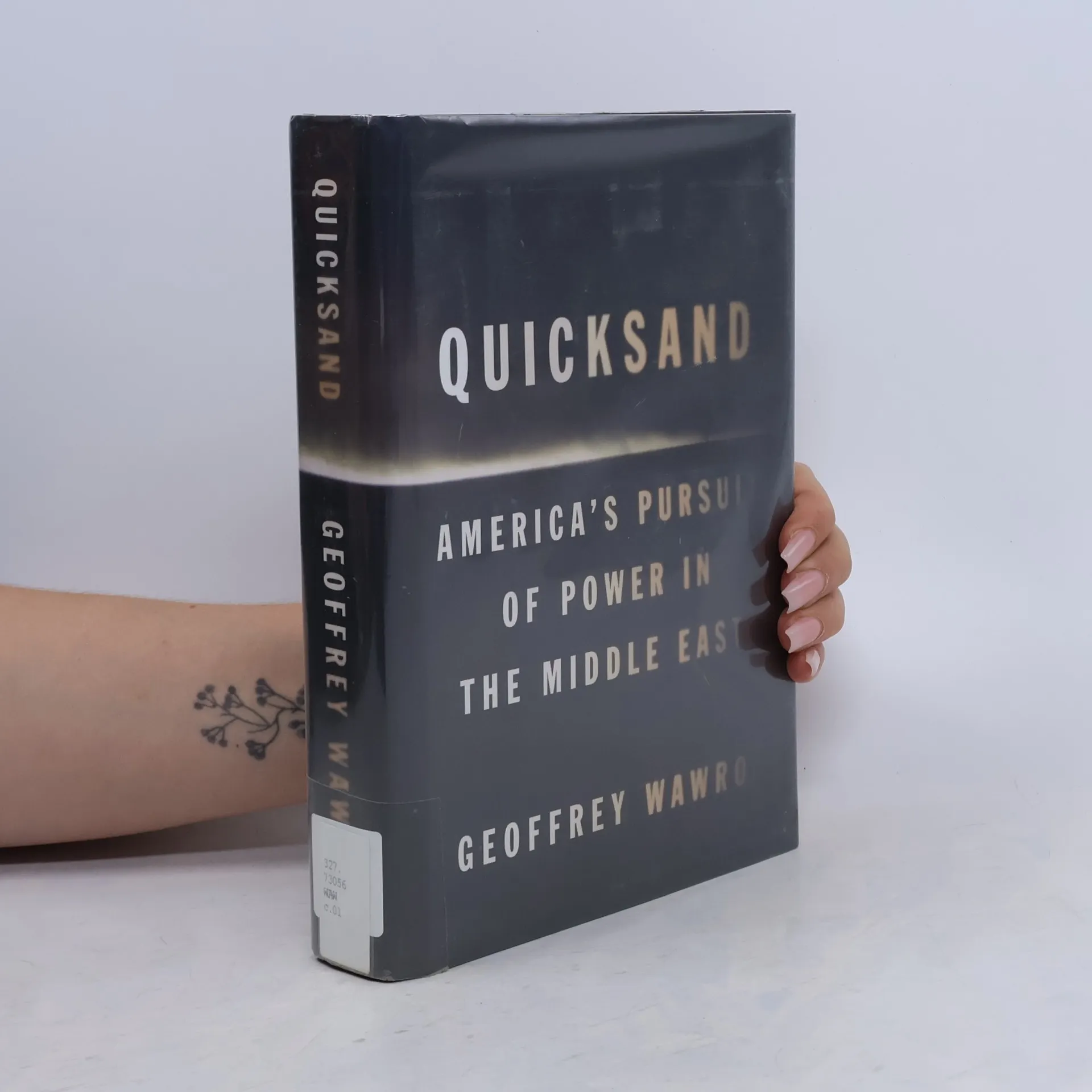
Geoffrey Wawro reexamines America's involvement in the Middle East by exploring the region's history over the last century, rather than focusing on specific countries or time periods. This comprehensive approach reveals a dramatic and ironic narrative, enriched by Wawro's extensive research in U.S. and European archives and his travels throughout the Middle East. He uncovers hidden motivations and espionage that influenced key events, from the establishment of Israel to the assassination of Sadat, the Suez and energy crises, the Six-Day War, Desert One, Iran-contra, and the wars in Iraq and Afghanistan, including the rise of al-Qaeda. Wawro draws parallels between past mistakes and current challenges, illustrating that the U.S. continues to grapple with its historical errors. Over nearly a century, America's conflicting commitments and priorities in the region have alternated between idealism and pragmatism. Wawro's work untangles these complexities, demonstrating how U.S. strategies have consistently misinterpreted the intentions of regional players by viewing them through an American lens. Each administration has crafted its own doctrine for the Middle East, yet these have often failed to align with reality on the ground. Wawro's engaging narrative is essential for understanding both America's missteps and the Middle East on its own terms.
Sei es die Christianisierung der Welt, Marco Polos Asienreise oder Amerikas Expansionspolitik – der Atlas der Weltgeschichte widmet sich diesen und vielen weiteren fesselnden Kapiteln der Weltgeschichte. Chronologisch und klar gegliedert laden farbenfrohe Texte samt detaillierter Karten, Übersichten, veranschaulichenden Tabellen, Zeitleisten und üppigem Bildmaterial zum Schmökern oder zur tiefer gehenden Lektüre ein – und vermitteln auf unterhaltende und zugleich kompetente Weise grundlegendes historisches Wissen. Der Atlas der Weltgeschichte ist das ideale Nachschlagewerk und macht auf einer spannenden Reise von den Anfängen der Menschheit bis in unsere Gegenwart deutlich, warum wir sind, wer wir sind. So einfach war Wissensaufnahme lange nicht mehr!